York Creek Vineyards
Located on Langtry Road at the refined western edge of the appellation, the property occupies terrain that has long shaped Napa's reputation for structured, age-worthy reds. A reference address for those tracking the valley's quieter, allocation-driven producers.
Pearl is the En Primeur Club membership app — saves, bookings, and concierge access live there. Same editors, same standards.
- Address
- 3601 Langtry Rd, St Helena, CA 94574
- Phone
- (707) 963-7099
- Directions
- Get directions
 Saves & bookings on Pearl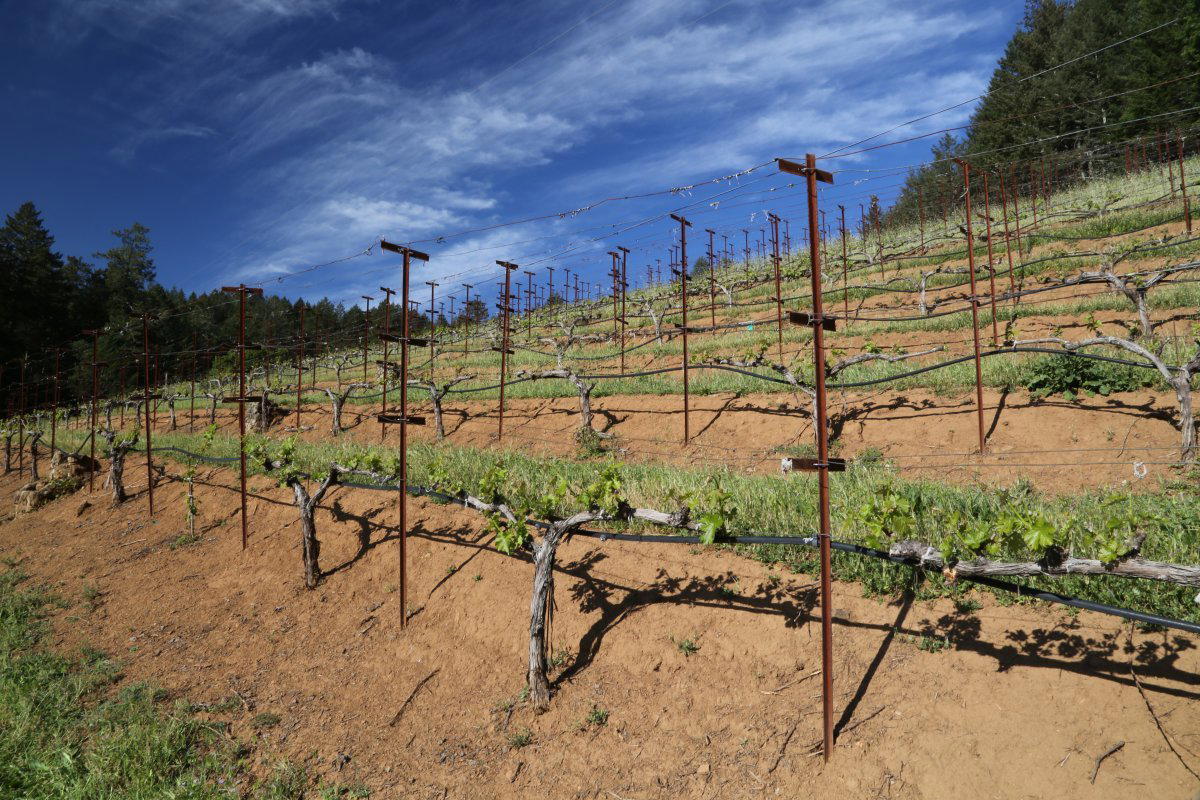
Langtry Road and the Topography of Restraint
The western slopes above St. Helena follow a logic that has defined Napa viticulture for generations: elevation and morning fog create slower ripening, tighter structure, and fruit that finishes before it becomes heavy. York Creek Vineyards sits on Langtry Road within that corridor, at 3601 Langtry Rd, St Helena, CA 94574. That geographic fact matters more than any marketing language: wines grown here compete on a different clock than those harvested earlier on the flatlands below.
In a valley where the dominant narrative runs toward approachable, ready-to-drink Cabernet aimed at broad retail distribution, the upper western bench has retained a quieter, more patient posture. The producers here tend to attract collectors and trade buyers rather than walk-in tasting room traffic. York Creek sits within that cohort of estates whose recognition comes from sustained quality signals rather than marketing scale. The award places it in a comparable set that includes other St. Helena producers earning serious critical attention, including Dana Estates and Chappellet Winery, both of which operate at the intersection of elevation-influenced terroir and collector-oriented production.
The Cultural Weight of St. Helena's Estate Tradition
St. Helena carries the longest institutional memory in Napa Valley. Charles Krug, which established its winery here in 1861, set a precedent for estate seriousness that subsequent generations of producers have either built upon or quietly defined themselves against. The town's position at the geographic and cultural center of the appellation means that wineries operating under its postal address inherit both the prestige and the scrutiny that come with that territory.
The estate model that characterizes York Creek's neighborhood carries specific cultural implications. Napa's founding producers understood, often before California wine had any international standing, that the separation between growing and making, the European model of negociant blending, would not build the kind of identity that justified premium pricing. Owning the vineyard, controlling the farming, and putting a specific address on the label: these choices, made early by the valley's formative estates, created the expectation structure that contemporary producers now inherit. When a winery on Langtry Road earns a prestige-tier recognition, it is being evaluated partly on how well it honors that legacy of specificity.
Across California, the tension between estate-grown rigor and sourced-fruit flexibility continues to define how producers position themselves. Operations like Accendo Cellars and Brand Napa Valley have made their own calculations about sourcing and estate identity. What separates the producers that sustain critical recognition over time, regardless of their sourcing model, is usually the consistency of a point of view about the land, and the willingness to let that point of view override easier commercial decisions.
Western Bench Positioning in Napa's Competitive Tier
Napa Valley's appellation system, which now includes more than a dozen sub-appellations, has formalized what growers understood empirically for decades: the valley is not one place. The Spring Mountain District, Howell Mountain, and Diamond Mountain appellations all draw premium positioning from their elevation and the particular character of volcanic and sedimentary soils that drainage and altitude create. York Creek's Langtry Road address places it at the edge of this refined western geography, where the distinction between valley-floor and mountain-influence production becomes tangible in the glass.
The practical implication for wine buyers is that the structural profile of wines grown in this zone tends toward higher acidity, firmer tannins, and longer aging windows than their valley-floor counterparts. Cabernet Sauvignon from this stretch of Napa rarely shows the plush, ready-drinking character that drives restaurant-by-the-glass programs. It asks for time, and the producers who farm here have implicitly accepted that their customer is patient. That patience costs money at the outset and requires trust in the producer's track record. A prestige-tier award from EP Club functions, in that context, as a trust signal for buyers who cannot wait a decade to verify the claim themselves.
For comparison, properties in adjacent California wine regions follow similar logic about elevation and structure. Adelaida Vineyards in Paso Robles operates on the refined west side of that appellation for related reasons, and Alban Vineyards in Arroyo Grande has long argued that cool-climate, high-elevation positioning separates its Rhône-variety production from the Central Valley's warmer, higher-yield profile. The pattern is consistent across California's premium tier: the producers willing to farm harder ground, at greater cost and lower yield, tend to build particularly durable critical reputations.
Planning a Visit to York Creek Vineyards
York Creek Vineyards is located at 3601 Langtry Road, St. Helena, CA 94574. The address places it on the western edge of the valley, accessible from Highway 29 but removed from the main corridor of St. Helena tasting rooms and restaurant blocks that draw weekend visitors. For travelers whose itinerary includes multiple producers in a single day, the logical pairing is with other western-bench or Spring Mountain properties rather than the valley-floor cluster around downtown St. Helena.
Advance contact is advisable rather than assuming drop-in availability. The producers in this category typically manage visitor volume carefully, and arrivals without confirmed appointments are rarely accommodated.
Visitors to St. Helena with time to extend into other California wine regions will find that similar estate-focused producers operate across the state's premium appellations. Alpha Omega Winery in Rutherford, Artesa Vineyards and Winery in Napa, and Alexander Valley Vineyards in Geyserville each represent a different position within California's estate-production spectrum, from large-scale Carneros to family-owned Sonoma County operations. Further afield, Adelsheim Vineyard in Newberg and Andrew Murray Vineyards in Los Olivos offer comparative reference points for how the elevation-and-patience philosophy translates to Oregon Pinot and Santa Barbara Rhône varieties respectively.
Price and Positioning
Comparable venues nearby, for context on price, style, and recognition.
| Venue | Cuisine | Price | Notes |
|---|---|---|---|
| York Creek VineyardsThis venue — the venue you are viewing | Winery | Not listed | Not listed |
| Ballentine Vineyards | Not listed | $$ | St. Helena, Cabernet Sauvignon, Zinfandel |
| Snowden Vineyards | Not listed | $$$ | St. Helena, Cabernet Sauvignon, Cabernet Franc |
| VGS Chateau Potelle | Not listed | $$$ | St. Helena, Cabernet Sauvignon, Zinfandel |
| Raymond Vineyards | Rutherford, Cabernet Sauvignon, Riesling | $$$ | Not listed |
| Pride Mountain Vineyards | Not listed | $$$ | Spring Mountain District, Cabernet Sauvignon, Chardonnay |
Continue exploring
More in St. Helena
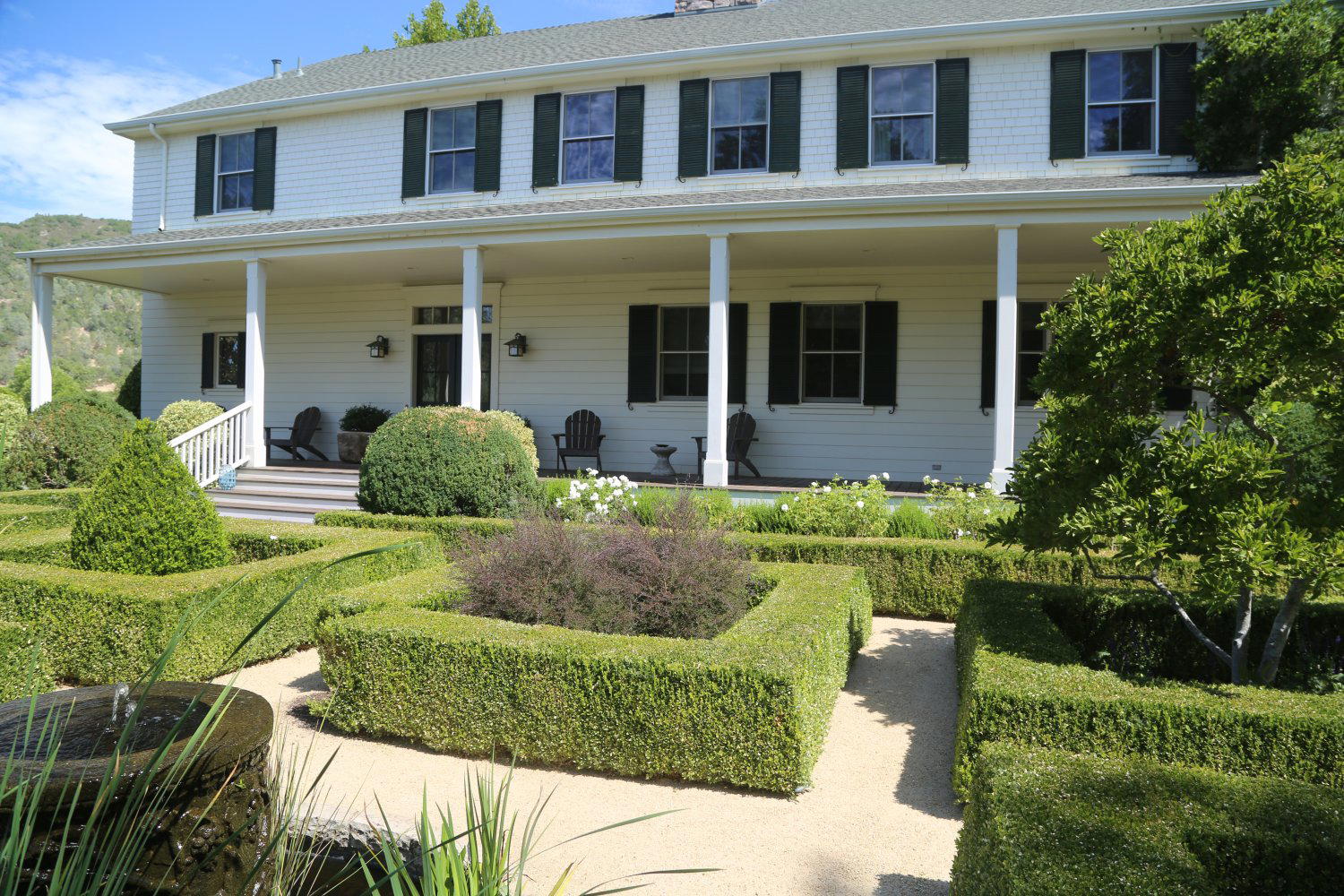
Wineries in St. Helena
Browse all →
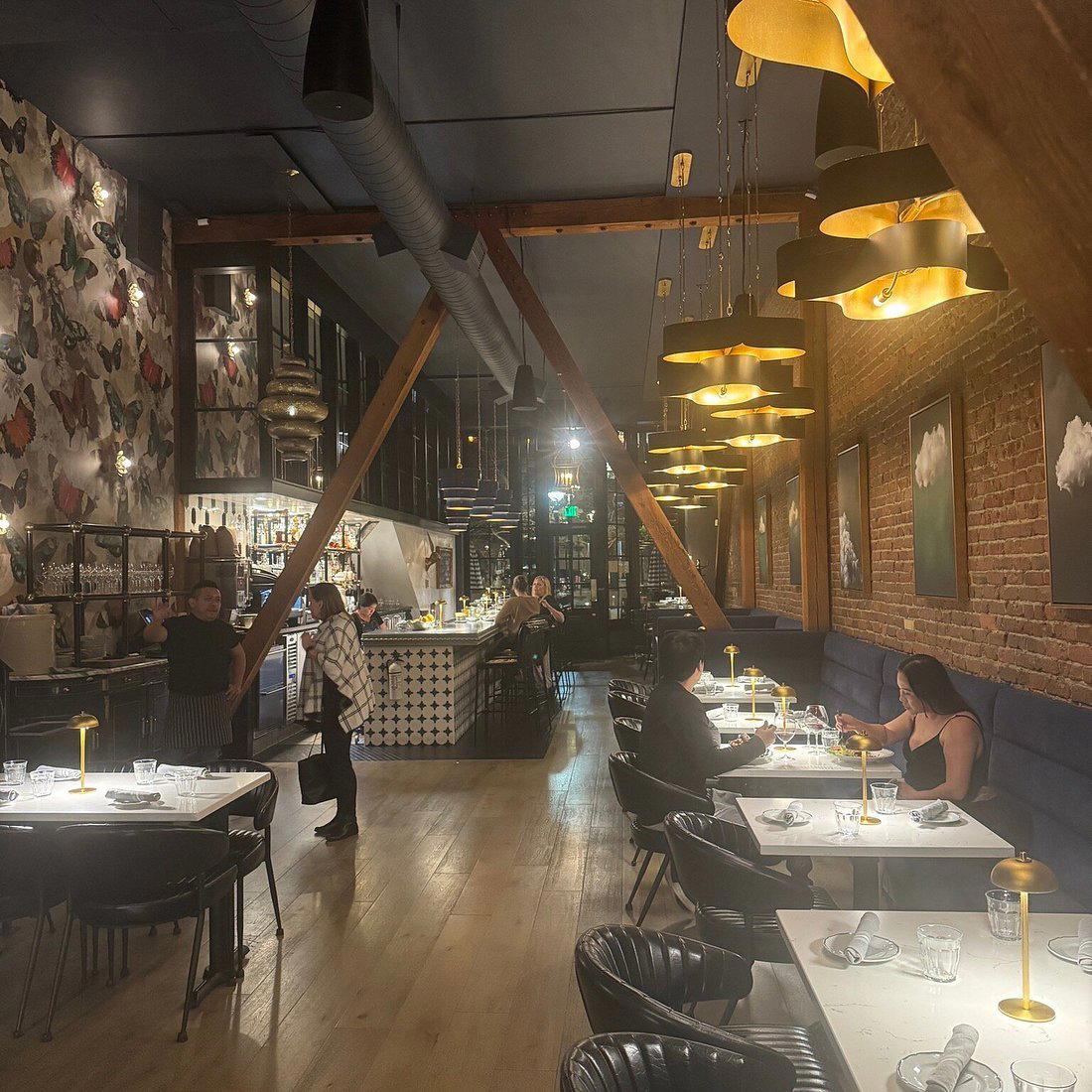
Bars in St. Helena
Browse all →
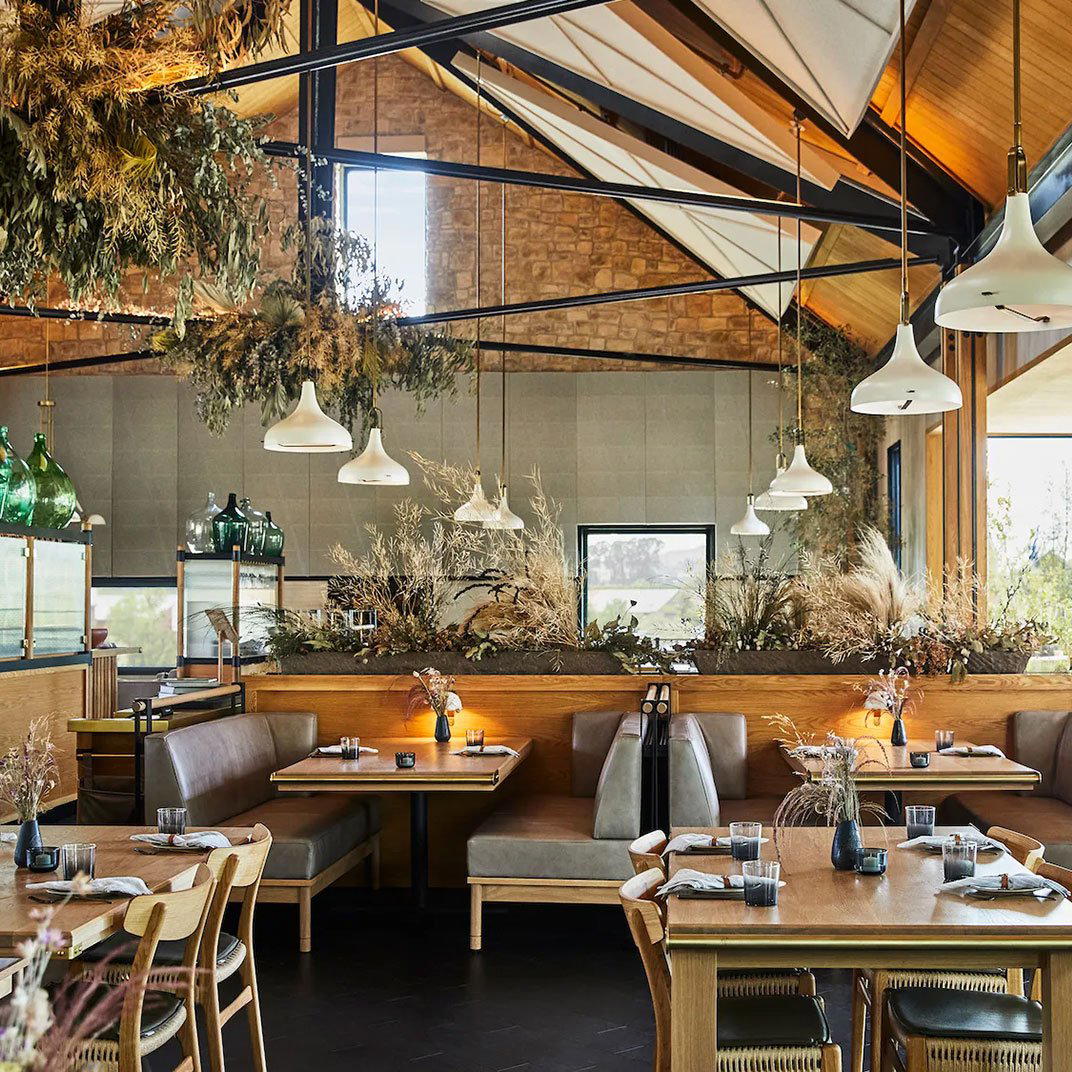
Restaurants in St. Helena
Browse all →

At a Glance
- Rustic
- Scenic
- Classic
- Intimate
- Group Outing
- Special Occasion
- Wine Education
- Vineyard Tour
- Estate Grounds
- Historic Building
- Private Tasting
- Vineyard
- Mountain
- Spring Mountain District AVA
- Cabernet Sauvignon
- Cabernet Franc
- Merlot
- Petit Verdot
- Pinot Blanc
- Port
- Tempranillo
- Still Red
- Still White
- Fortified
- Private Tasting
- By Appointment
Current opening hours
- Monday
- 11 AM–4 PM
- Tuesday
- 11 AM–4 PM
- Wednesday
- 11 AM–4 PM
- Thursday
- 11 AM–4 PM
- Friday
- 11 AM–4 PM
- Saturday
- 11 AM–2 PM
- Sunday
- Closed
Hours can change for holidays and private events. Last verified .
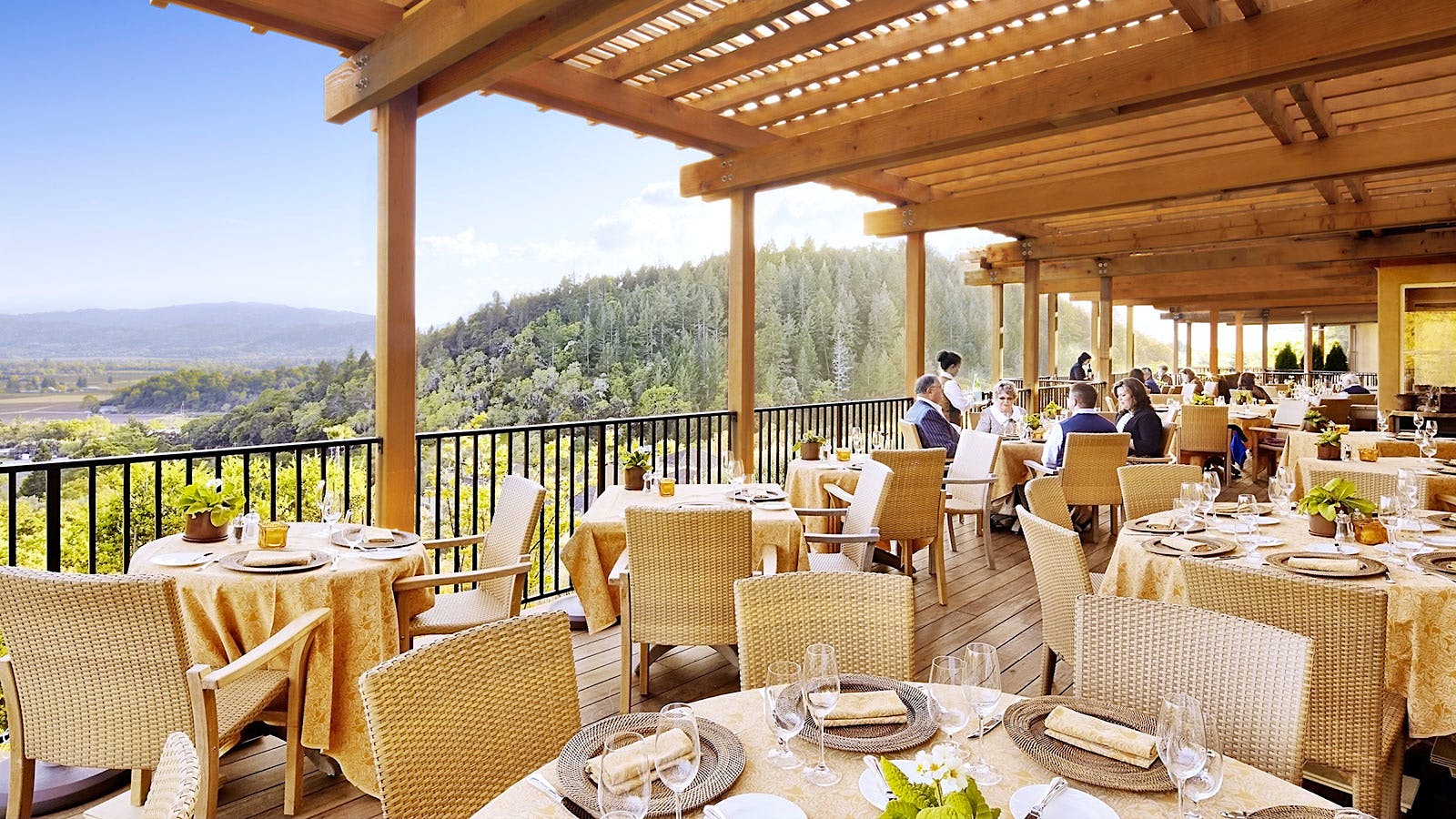
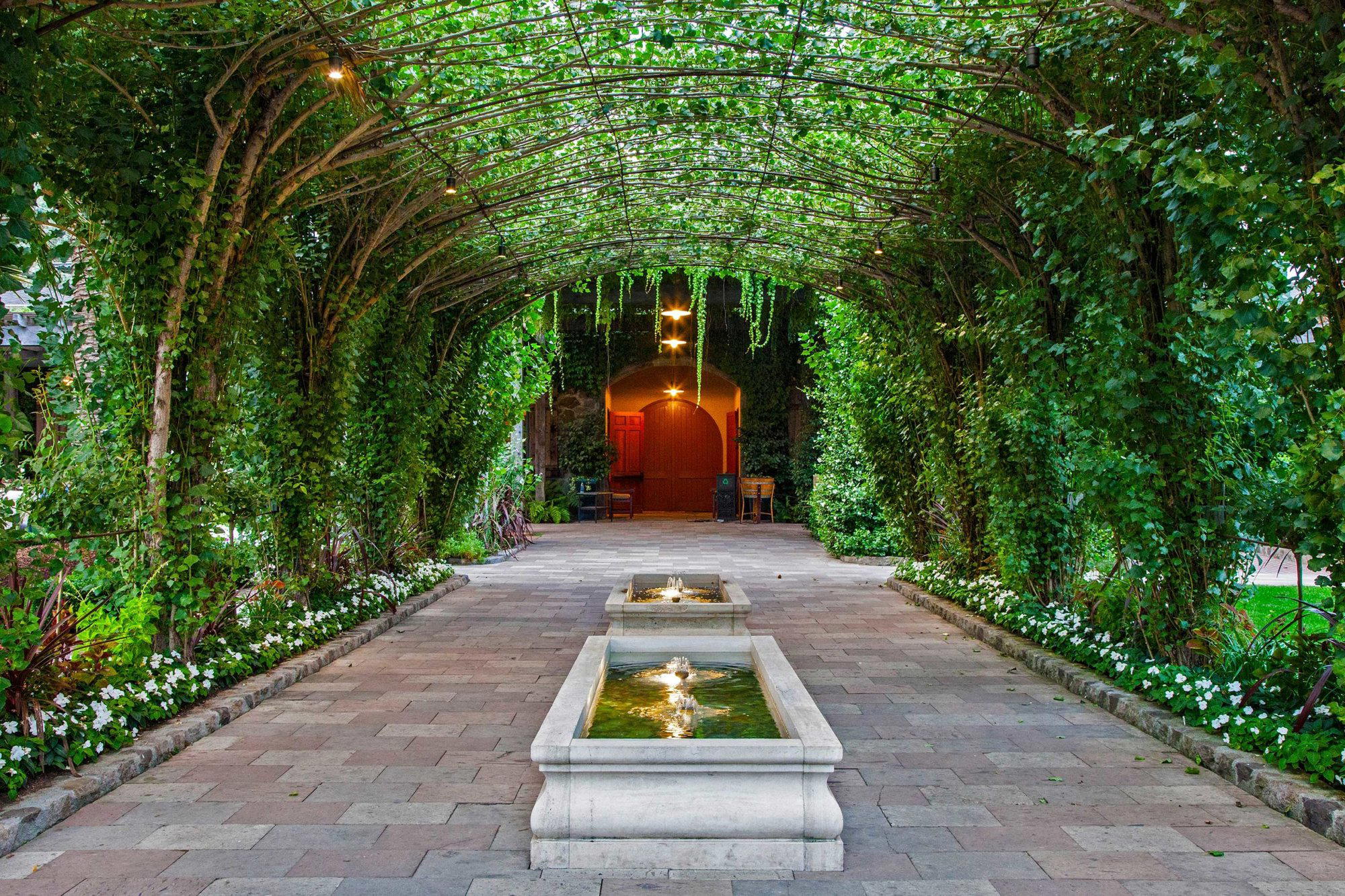
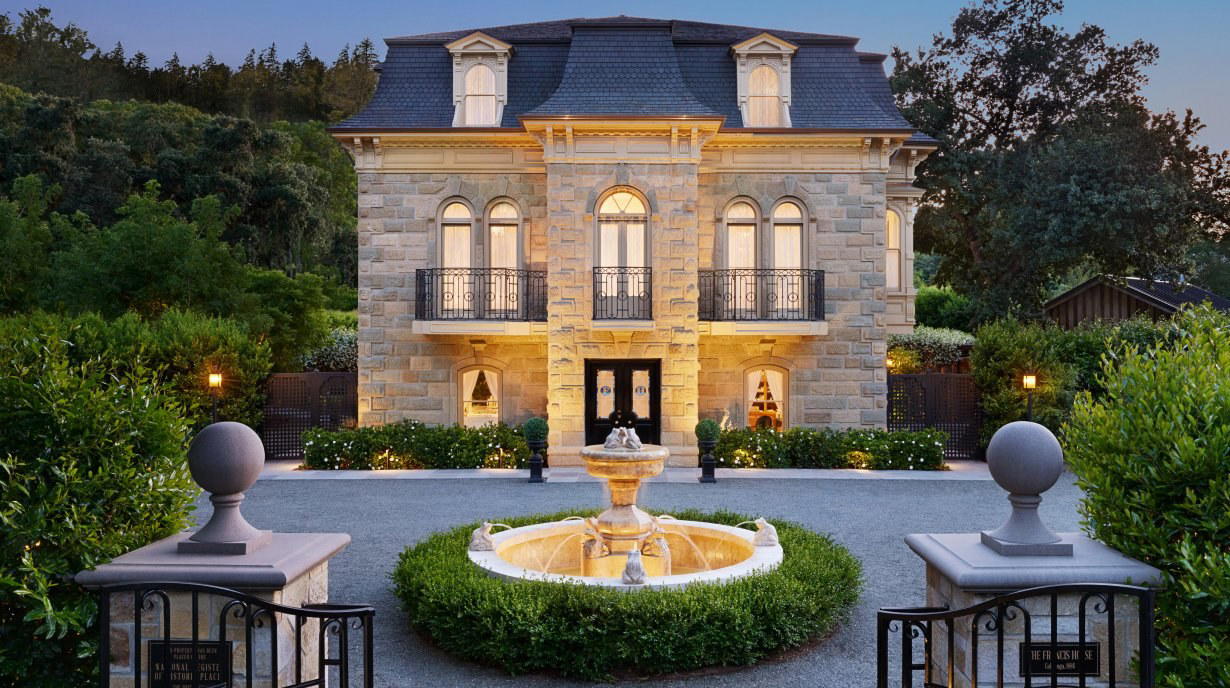
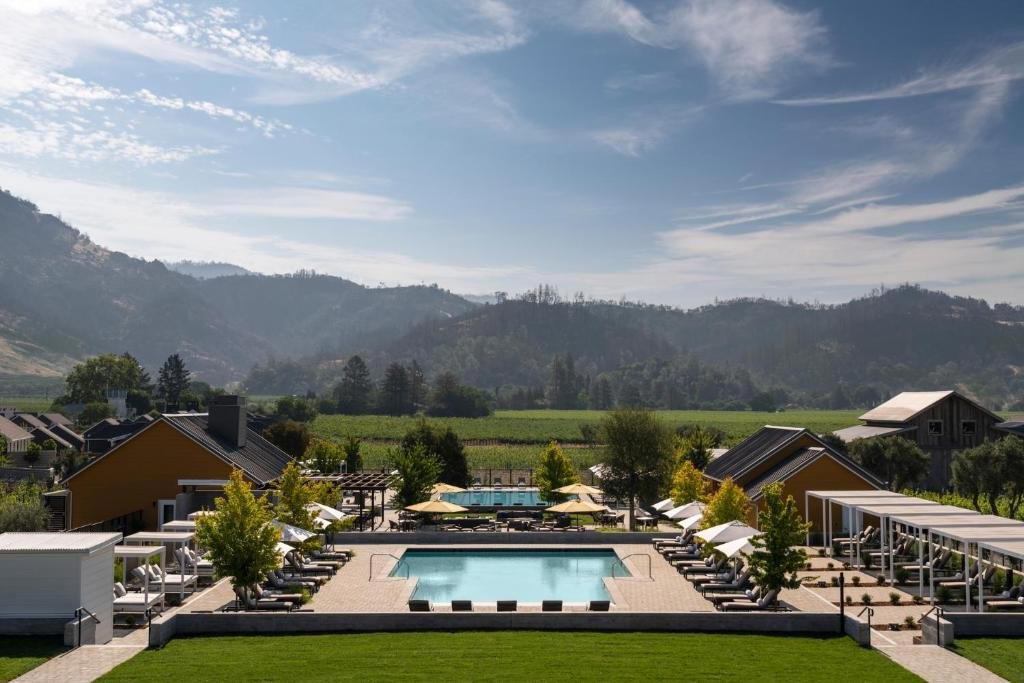
Rustic, mountain-vineyard atmosphere with a long-established heritage on Spring Mountain and expansive forested hillside surroundings.