

The cellar sits within a cultural terrain of medieval fortresses, Orthodox churches, and sandstone pyramids that give Melnik its character as a working wine destination rather than a tourist set piece.
Pearl is the En Primeur Club membership app — saves, bookings, and concierge access live there. Same editors, same standards.
- Address
- Район Вила Мелник, 2819 Harsovo
- Phone
- +359 88 484 0320
- Website
- villamelnik.com
- Directions
- Get directions
 Saves & bookings on Pearl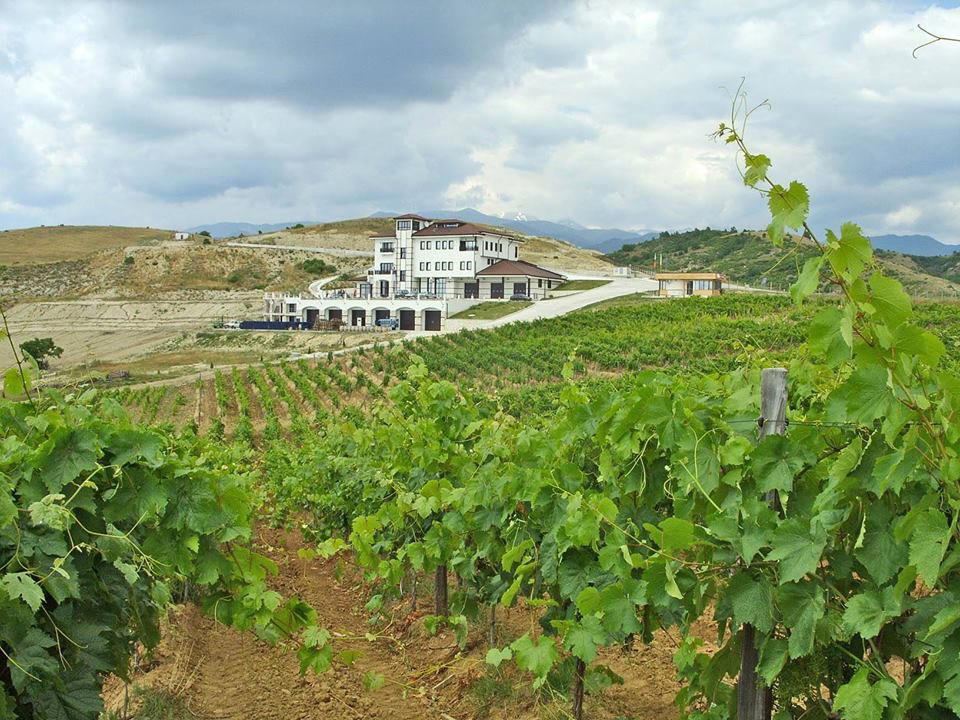
Where the Mountain and the Grape Converge
Wine Cellar Villa Melnik is an award-ranked winery in the Melnik region of Bulgaria, known for bold Melnik wines and limited releases from sandy terroir. Melnik is, by administrative measure, Bulgaria's smallest town, but its dimensions say nothing about its density of meaning. Pressed against the slopes of the Pirin Mountains in the country's southwest, the town sits in a narrow valley where the Melnik River has cut through crumbling sandstone pyramids over millennia. Those formations are not decorative. They govern drainage, afternoon heat retention, and the kind of diurnal temperature variation that produces wines with structure alongside ripeness. Wine Cellar Villa Melnik occupies a place in this environment where geography is not background but argument. Its World’s 50 Best ranking of 39 in 2025 places it among the year’s most notable wineries, where physical location and terroir expression are central to the assessment.
Arriving here means travelling through a part of Bulgaria that most international visitors skip entirely. The road south from Sandanski follows the Struma Valley past tobacco fields and village churches, and the town itself announces itself through its characteristic yellow-white sandstone facades before you reach a single tasting room. That approach matters because the experience of Wine Cellar Villa Melnik begins before you walk through any door. The setting is the argument; the wines are the evidence.
The Melnik Terroir Case
Bulgaria's wine identity has historically been exported under generic or international-varietal labels, but the Struma Valley represents one of the country's strongest cases for geographic specificity. The Melnik region produces wines from two related varieties: Melnik 55, a crossing developed in the 20th century for productivity, and Shiroka Melnishka Loza, the so-called Broad-Leaved Vine of Melnik, a variety documented in Bulgarian wine history for centuries and strongly associated with this particular valley floor and its adjoining slopes.
Shiroka Melnishka Loza performs differently here than comparable thick-skinned varieties do in other Bulgarian sub-regions. The combination of long, dry summers, the shelter provided by the Pirin range to the east, and the free-draining sandstone soils produces wines with tannin density that can approach southern Italian or Rhône benchmarks in weight, while retaining an earthiness specific to this limestone-influenced ground. Comparisons to Midalidare Estate in Mogilovo, which works with Thracian Plain terroir further north, illustrate how radically different Bulgarian sub-regions can be: the Struma Valley's mineral austerity contrasts with the more plush, fruit-forward character typical of Thracian production.
Internationally, the conversation about terroir-specific Balkan varieties remains underdeveloped compared to, say, the attention now given to Achaia Clauss in Patras and the Agiorgitiko and Assyrtiko discussions in Greece, or to established European appellations like Albert Boxler in Niedermorschwihr and Alsace's grand cru system. Melnik sits at an earlier stage of international recognition, which means producers here are still in the phase of establishing the vocabulary for what these wines actually taste like rather than defending a long-held reputation.
The Cellar and the Cultural Setting
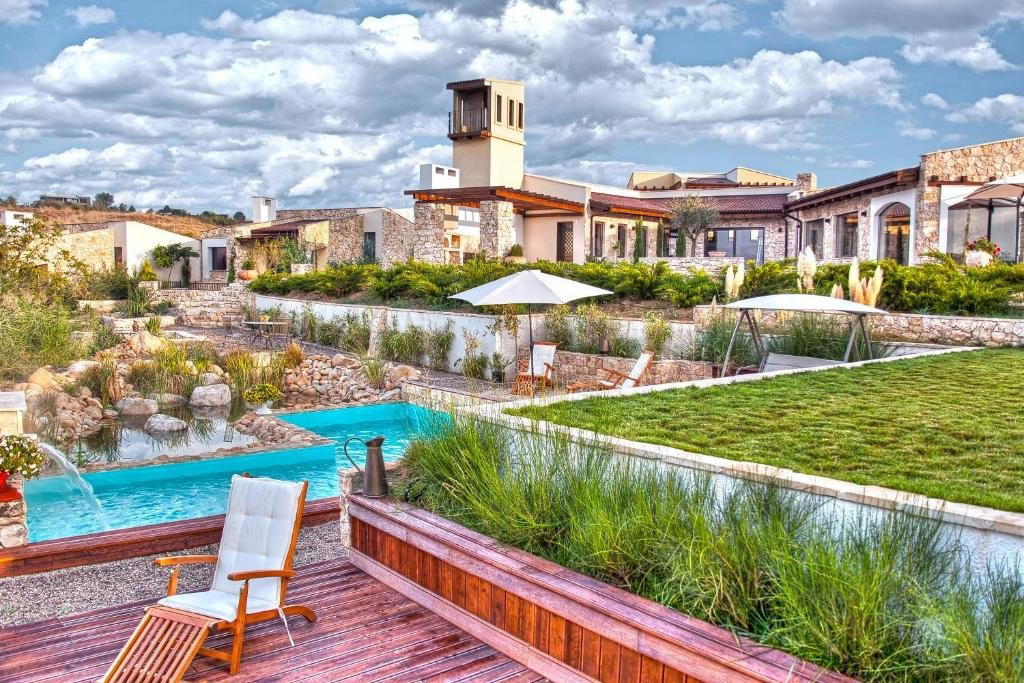
Wine Cellar Villa Melnik operates within a broader complex that reflects how Melnik functions as a destination: wine production and cultural heritage overlap at every level. The medieval fortress above the town, the Byzantine-era and National Revival churches, and the sandstone canyon walks are not separate from the wine experience here; they are the same experience under different labels. Visitors who arrive expecting a conventional estate tasting format will find that the physical and historical environment reframes what a cellar visit means. The architecture of the region, including the distinctive Melnik-house style with its cantilevered upper floors, provides the spatial logic for how wine is stored and presented.
This integration of cellar and cultural site is more common in western European wine regions than in Bulgaria, where the separation of tourism infrastructure from production sites has historically been more pronounced. In that sense, the winery participates in a shift happening across Bulgarian premium wine production, where the experience of place is being offered as part of the product rather than as an afterthought.
The 2025 Recognition in Context
Its 2025 recognition positions the winery within a tier of producers where quality consistency, provenance, and experience design are all weighed. In the context of Bulgarian wine, that recognition carries particular weight because the country's premium segment is not yet deeply stratified; producers at this level are relatively few, and the gap between recognised and unrecognised production can be significant. The award should be read less as a ceiling and more as a marker of distinction.
For comparison, producers like Adelaida Vineyards in Paso Robles or Adelsheim Vineyard in Newberg operate in regions where prestige-tier recognition sits within a well-established competitive framework. In Melnik, the framework is still forming, which gives a recognition like this a different kind of authority: it is not confirming an expected hierarchy but helping to establish one.
Planning a Visit
Melnik is accessible by road from Sofia in approximately two and a half hours, typically via Sandanski on the E79. The town does not have a train station; car or organised transfer is the practical approach. Given the town's scale and the nature of the cultural sites, a single overnight stay allows time for both the cellar visit and exploration of the sandstone formations and historical churches without the compression of a day trip. The period from late spring through early autumn offers particularly predictable conditions for visiting, and harvest season in September provides the additional context of seeing the valley in active production.
For those building a wider Balkan wine itinerary, Melnik pairs naturally with stops at other European producers working with indigenous varieties. The contrast between the Struma Valley's dry, structured style and the Atlantic-influenced approach at a producer like Aldo Conterno in Monforte d'Alba in Piedmont, or the Californian weight of Alexander Valley Vineyards in Geyserville, makes the Melnik style easier to read when you have those references in mind. Similarly, the commitment to place over international variety that defines producers like Alban Vineyards in Arroyo Grande in the Rhône-variety niche of California offers a useful analogy for how Melnik producers are positioning themselves within a global wine conversation.
Accendo Cellars in St. Helena, Aberlour in Aberlour, Alpha Omega Winery in Rutherford, All Saints Estate in Rutherglen, Andrew Murray Vineyards in Los Olivos, and Amrut in Bengaluru.
Recognition history
Dated appearances from independent guides and award organizations, with the underlying list record or original source where available.
Falstaff Winery - Listed
Falstaff
World's 50 Best Best Vineyards #39
World's 50 Best
Continue exploring
More in Melnik
Restaurants in Melnik
Browse all →
At a Glance
- Scenic
- Rustic
- Modern
- Intimate
- Group Outing
- Celebration
- Wine Education
- Special Occasion
- Vineyard Tour
- Terrace
- Historic Building
- Private Tasting
- Mountain
- Vineyard
- Melnik Region / Struma Valley / PGI Thracian Valley
- Broad Leaved Melnik
- Melnik 55
- Ruen
- Mavrud
- Keratsuda
- Sandanski Misket
- Cabernet Sauvignon
- Merlot
- Syrah
- Still Red
- Still White
- Orange
- Dessert
- Guided Tasting
- Tour And Tasting
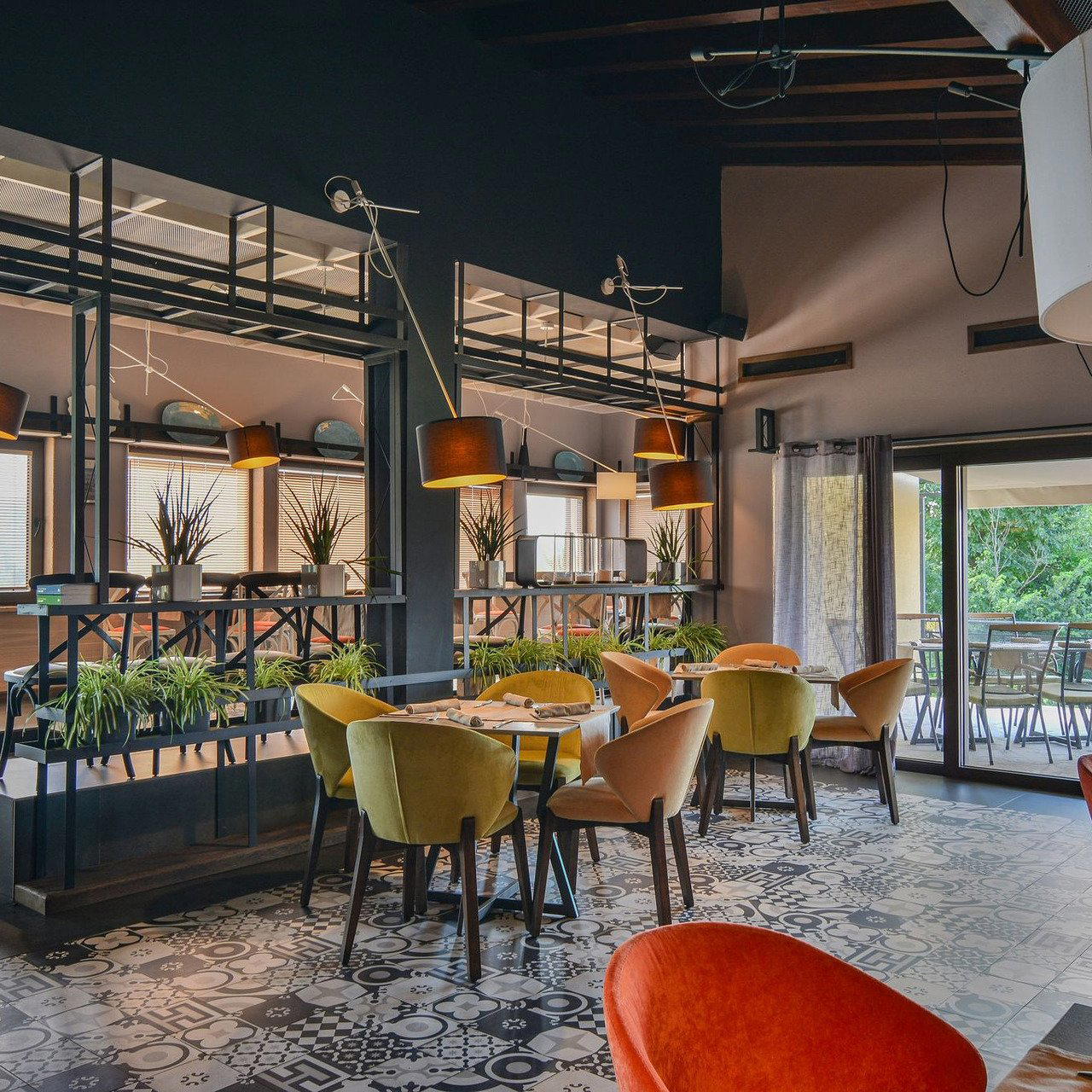
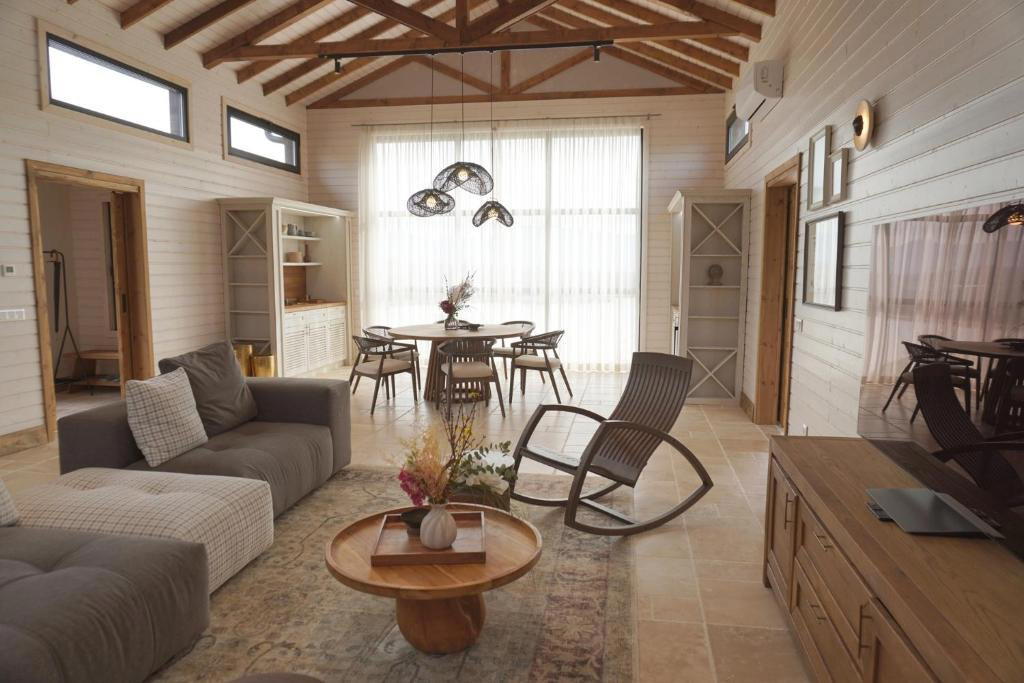
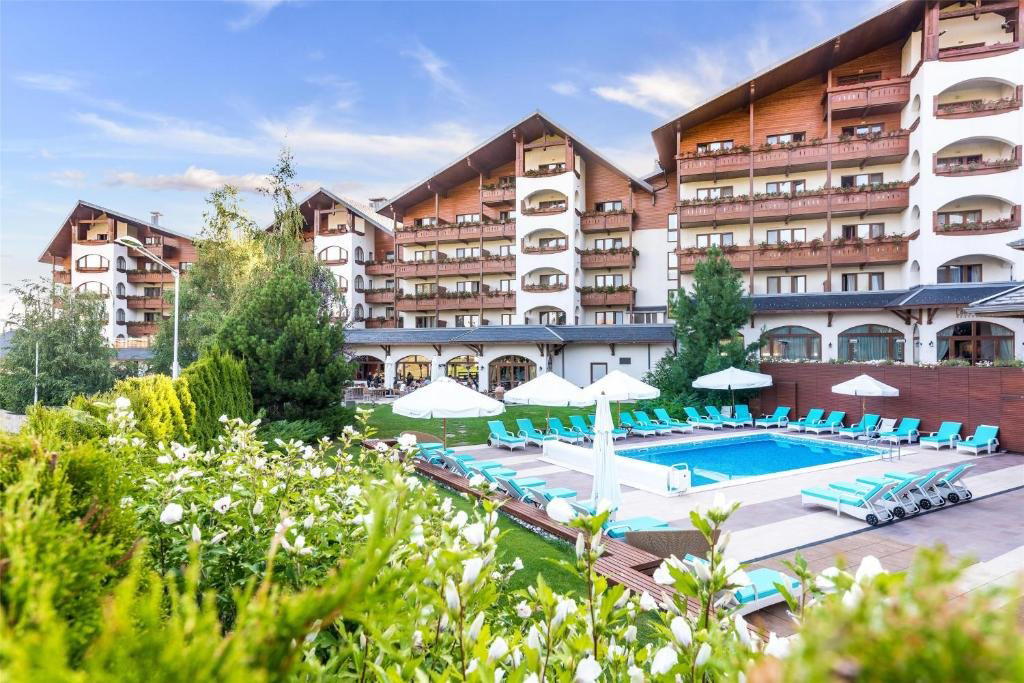
Modern, gravity-flow winery atmosphere with underground cellar tunnels, natural temperature and humidity, and a tasting room known for among the stronger regional views.