Wilson Winery
The property represents the quieter, family-focused side of Sonoma County wine country, where the emphasis falls on place-driven viticulture rather than high-volume hospitality infrastructure.

Pearl is the En Primeur Club membership app — saves, bookings, and concierge access live there. Same editors, same standards.
- Address
- 1960 Dry Creek Rd, Healdsburg, CA 95448
- Phone
- (707) 433-4355
- Website
- wilsonwinery.com
- Directions
- Get directions
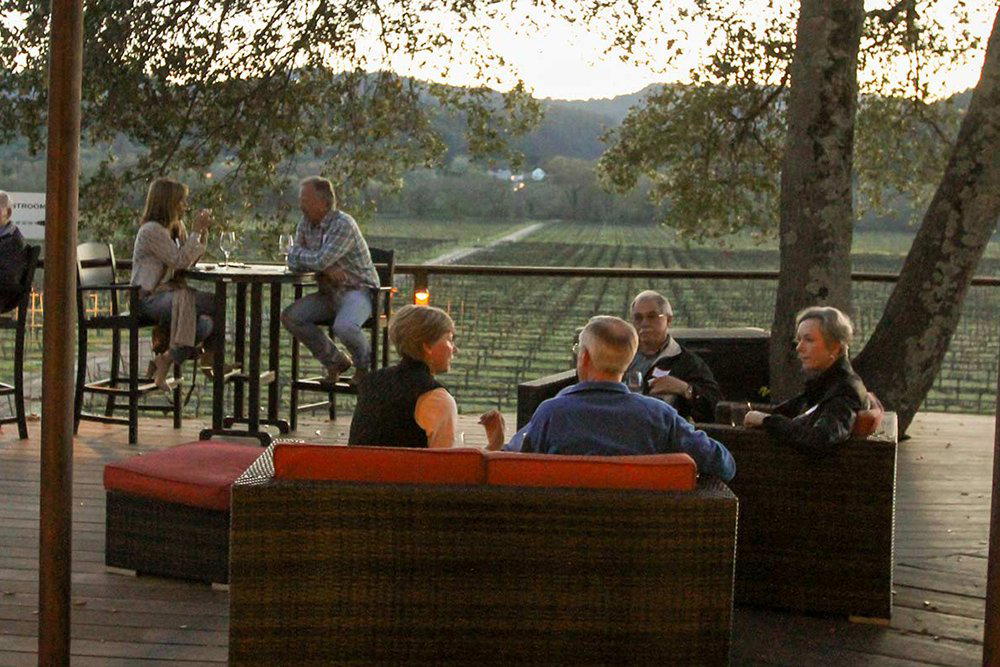
Dry Creek Valley's Smaller, More Deliberate Register
The road into Dry Creek Valley narrows as it climbs away from Healdsburg's plaza, the ridge lines closing in on either side with the particular quality of light that defines this corridor in late afternoon. Properties here have historically operated at a human scale that separates them from the Napa Valley blueprint of grand estate architecture and appointment-only experiences designed for maximum throughput.
That peer positioning matters. Dry Creek Valley runs alongside better-known Sonoma appellations but maintains its own competitive identity. Producers like Bella Vineyards and Wine Cave and Dry Creek Vineyard anchor the valley's broader reputation, while properties such as Lambert Bridge Winery occupy the same middle-to-upper quality tier. Within that grouping, Wilson represents the side of Dry Creek wine production that prioritizes farm-scale authenticity over visitor-facing spectacle.
Land Stewardship as the Organizing Principle
Dry Creek Valley's farming character — more agricultural than resort-like compared to parts of Napa or the Sonoma Coast, creates a natural context for wineries whose identity is built around how the land is managed rather than how the tasting room is designed. Across California wine country, the shift toward sustainable and certified organic farming has moved from niche differentiation to something closer to a baseline expectation among serious producers. The question is no longer whether a winery acknowledges its environmental responsibilities but how deeply those commitments run through the production chain: cover cropping, water conservation, minimal intervention in the cellar, and the reduction of inputs that affect both vineyard health and finished wine character.
In Dry Creek Valley, the combination of well-drained benchland soils, warm afternoons, and the cooling marine influence from the Petaluma Gap has long supported farming approaches that require less chemical intervention than warmer, more arid regions. The natural drainage of the valley floor and the bench elevations above it mean that vine stress, managed correctly, is productive rather than destructive. Wineries working within this framework tend to produce wines that express the valley's mineral edge and structural tannins without the need for heavy winemaking correction. The environmental dividend and the quality dividend, in this context, run in the same direction.
California's broader wine industry has moved toward third-party sustainability certification at a pace that distinguishes it from most other major wine regions globally. For producers in Dry Creek Valley, participation in programs that verify water usage, energy consumption, pest management, and recycling practices has become a competitive signal as much as an ethical one. Visitors to the valley increasingly arrive with questions about farming practice that they would not have asked a decade ago, and the wineries that can answer concretely, with certification documentation, specific cover crop programs, or solar energy data, occupy a different position than those offering only general statements about loving the land.
Where Wilson Sits in the Healdsburg Wine Circuit
Healdsburg functions as the hub for three distinct appellations: Alexander Valley to the northeast, Russian River Valley to the south and west, and Dry Creek Valley running northwest from the town center. Each corridor has developed a different hospitality character. Alexander Valley skews toward larger estate experiences, with producers like Jordan Vineyard and Winery setting a benchmark for polished, high-investment visits. Russian River tends to attract visitors oriented around Pinot Noir and Chardonnay, with J Vineyards and Winery representing the more commercially scaled end of that segment. Dry Creek, by contrast, has retained a rougher agricultural texture, fewer luxury amenities, more direct contact with farming families who have worked the same parcels across generations.
That distinction is worth making explicitly: at this tier, a winery earns its recognition through what ends up in the bottle, not through the scale of its renovation budget or the size of its events calendar. Comparable producers recognized at this level elsewhere in California, including Accendo Cellars in St. Helena and Alpha Omega Winery in Rutherford, share the characteristic of production programs built around vineyard specificity rather than volume.
For visitors planning a Healdsburg itinerary, Wilson fits most naturally into a day that keeps to the Dry Creek corridor rather than splitting between appellations. The road itself rewards that approach: a single valley with enough variation in elevation and aspect to justify multiple stops without the logistical friction of crossing the hills between appellations. The full Healdsburg guide covers how to structure that circuit across different types of visits.
California in Broader Wine Country Context
Dry Creek Valley's reputation rests primarily on Zinfandel, a variety that expresses the valley's warmth and iron-rich soils with more directness than almost any other California appellation. But the valley also produces Cabernet Sauvignon, Sauvignon Blanc, and, on cooler hillside parcels, varieties that benefit from temperature differential between day and night. This range gives estate producers more flexibility in building a portfolio that addresses different palate preferences and seasonal drinking occasions.
For visitors accustomed to single-variety specialists, the Pinot-focused producers of Oregon's Willamette Valley or the Rhone-variety specialists like Alban Vineyards in Arroyo Grande, Dry Creek's estate model offers something different: a portfolio built around what the land naturally does well across multiple varieties rather than a single-thesis production program. Adelaida Vineyards in Paso Robles and Andrew Murray Vineyards in Los Olivos represent the Central Coast version of this multi-variety estate approach, while Alexander Valley Vineyards in Geyserville operates the same model in the adjacent appellation to the northeast.
Planning a Visit to Wilson Winery
The winery sits on Dry Creek Road, the primary through-route of the valley, making it accessible by car from Healdsburg's town center in under fifteen minutes. Visitors planning to spend meaningful time in Dry Creek are well served by treating it as a half-day commitment rather than a quick detour, allowing time at two or three producers without rushing the experience at any of them. Booking ahead for tastings in this part of Sonoma County has become the standard expectation at recognized producers, particularly during the spring and fall peak seasons, when the valley sees its highest visitor concentration.
The practical implication: arrive with attention for what is in the glass. Specific hours, current tasting formats, and booking requirements are best confirmed directly with the winery before visiting, as these details shift seasonally. Additional Dry Creek producers in the recognized tier, including those listed in our Healdsburg guide, make useful companion stops for visitors building a day around the valley's full range.
Fast Comparison
Comparable venues nearby, for context on price, style, and recognition.
| Venue | Cuisine | Price | Awards | Notes |
|---|---|---|---|---|
| Wilson WineryThis venue — the venue you are viewing | Zinfandel, Petite Sirah | $20–30 | Not listed | Not listed |
| Dry Creek Vineyard | Zinfandel, Sauvignon Blanc | $30–50 | Falstaff Winery - Listed | Dry Creek Valley |
| J Vineyards & Winery | Pinot Noir, Chardonnay | $150–200 | Falstaff Winery - Listed | Russian River Valley |
| Lambert Bridge Winery | Cabernet Sauvignon, Merlot | $50–100 | Not listed | Dry Creek Valley |
| Bacigalupi Vineyards | Chardonnay, Pinot Noir | $20–30 | Not listed | Westside Road |
| Ridge Vineyards (Lytton Springs) | Zinfandel, Petite Sirah | $50–100 | Not listed | Dry Creek Valley |
Continue exploring
More in Healdsburg
Wineries in Healdsburg
Browse all →
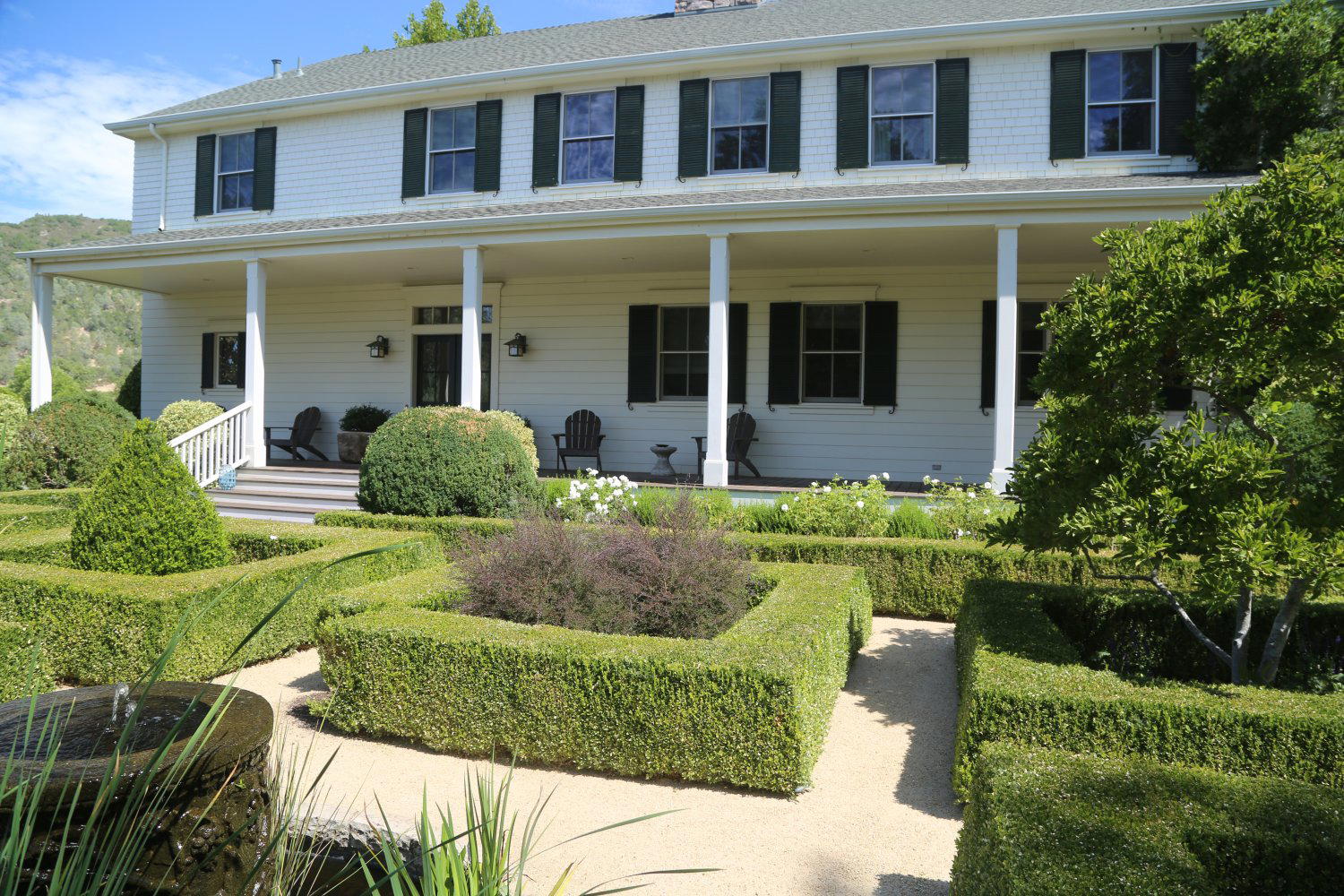
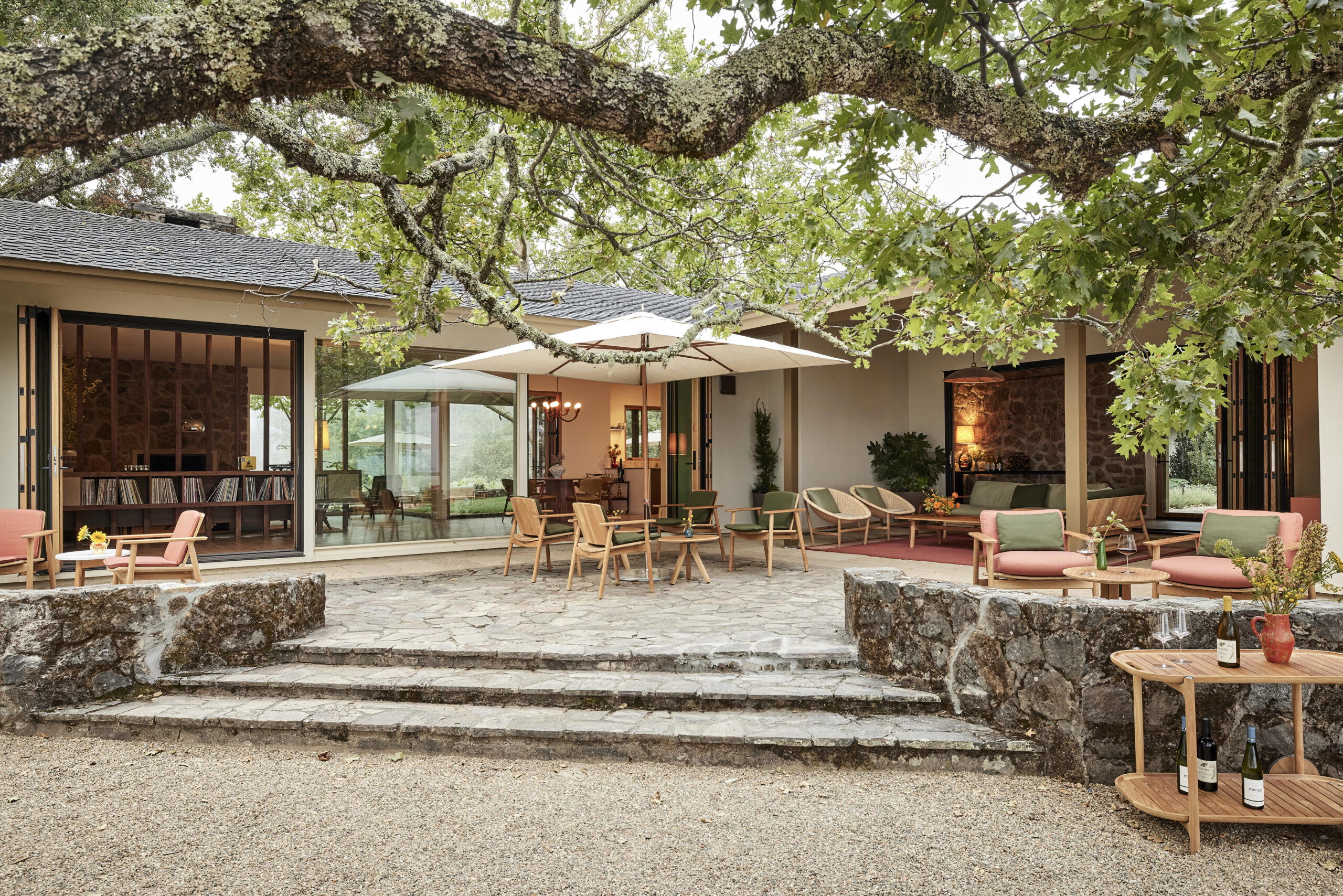
Bars in Healdsburg
Browse all →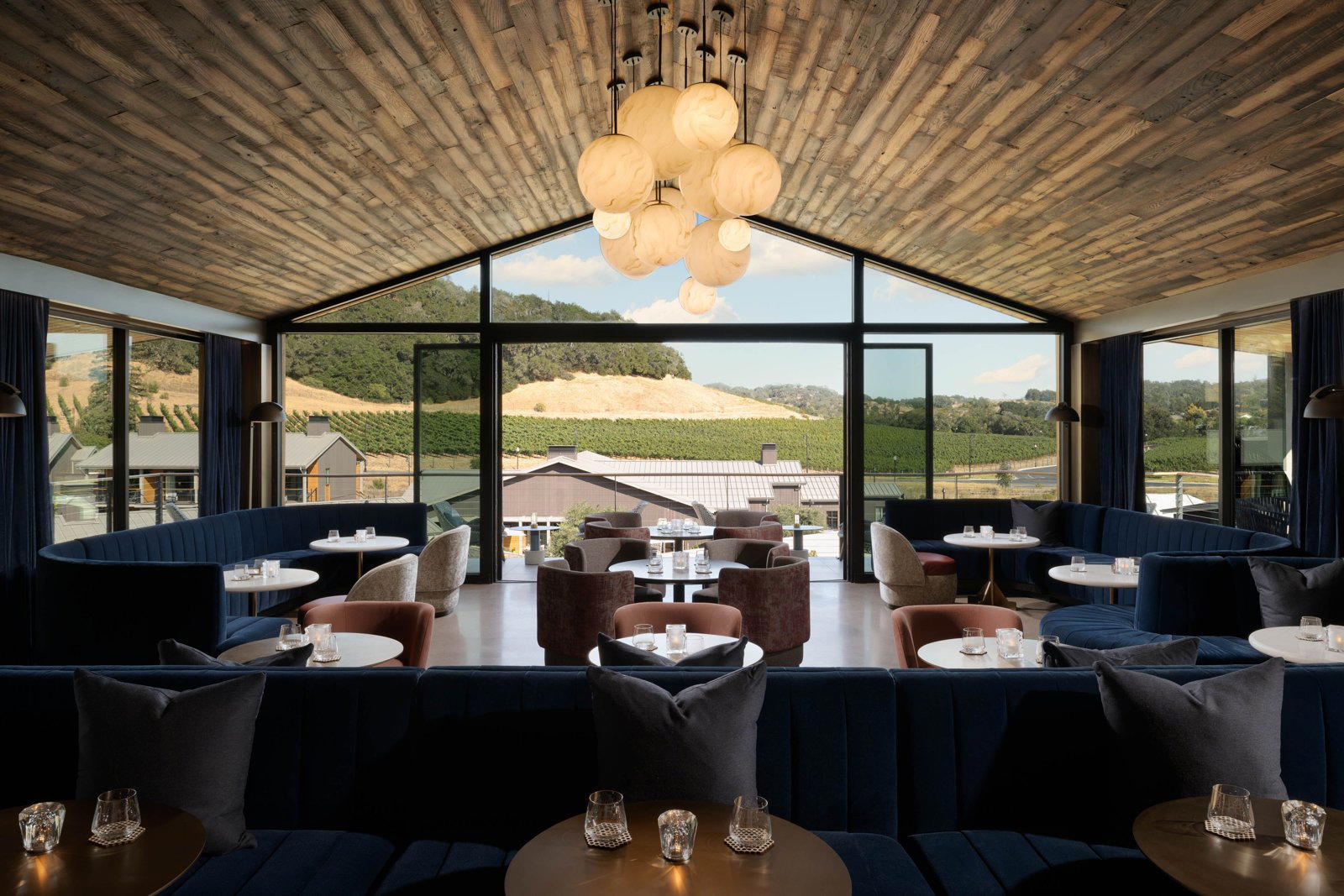
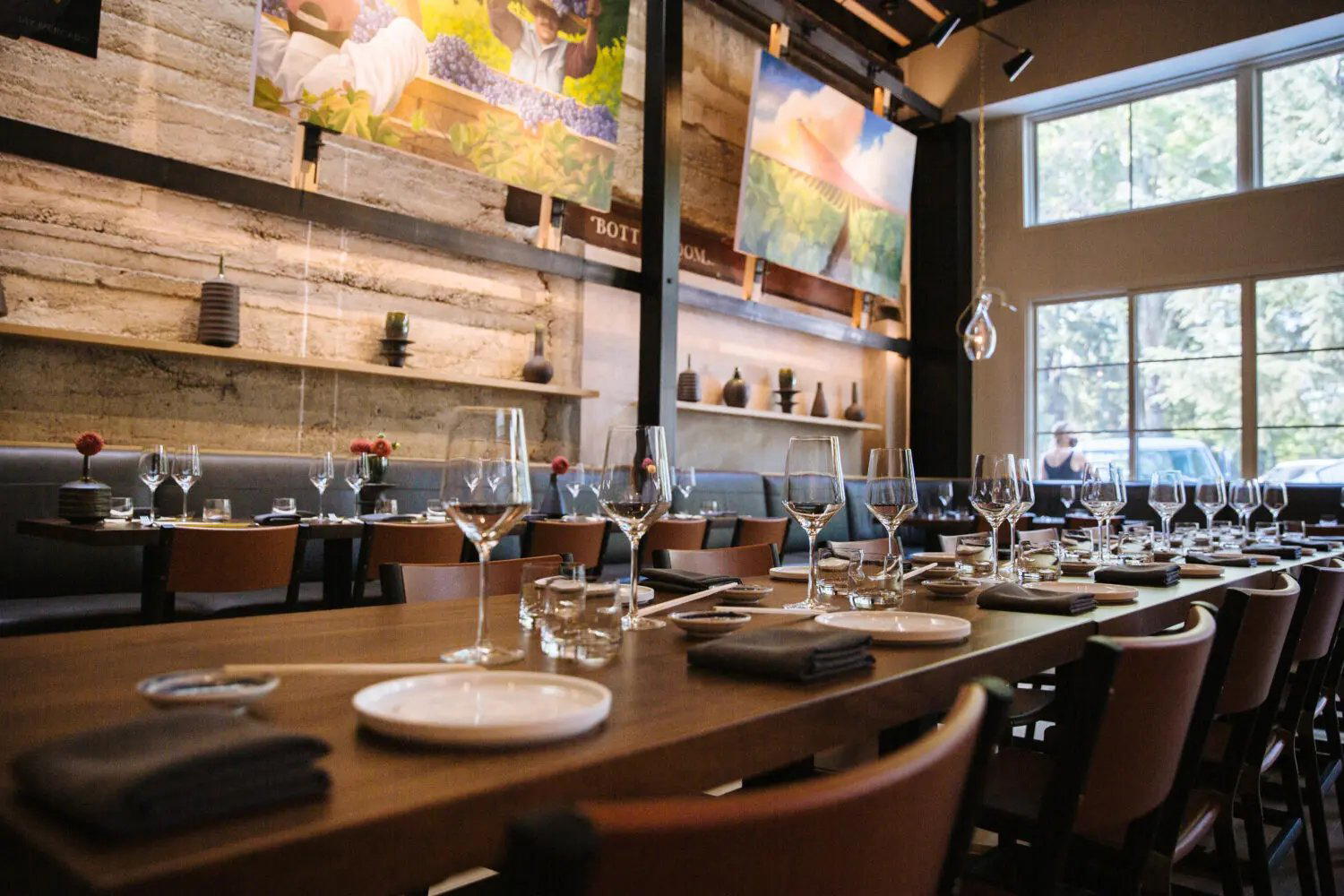
Restaurants in Healdsburg
Browse all →
Details
- Rustic
- Scenic
- Intimate
- Cozy
- Group Outing
- Wine Education
- Estate Grounds
- Terrace
- Picnic Area
- Dry Farmed
- Sustainable
- Vineyard
- Garden
- Zinfandel
- Petite Sirah
- Syrah
- Cabernet Sauvignon
- Merlot
- Still Red
- Patio Tasting
- Outdoor Tasting
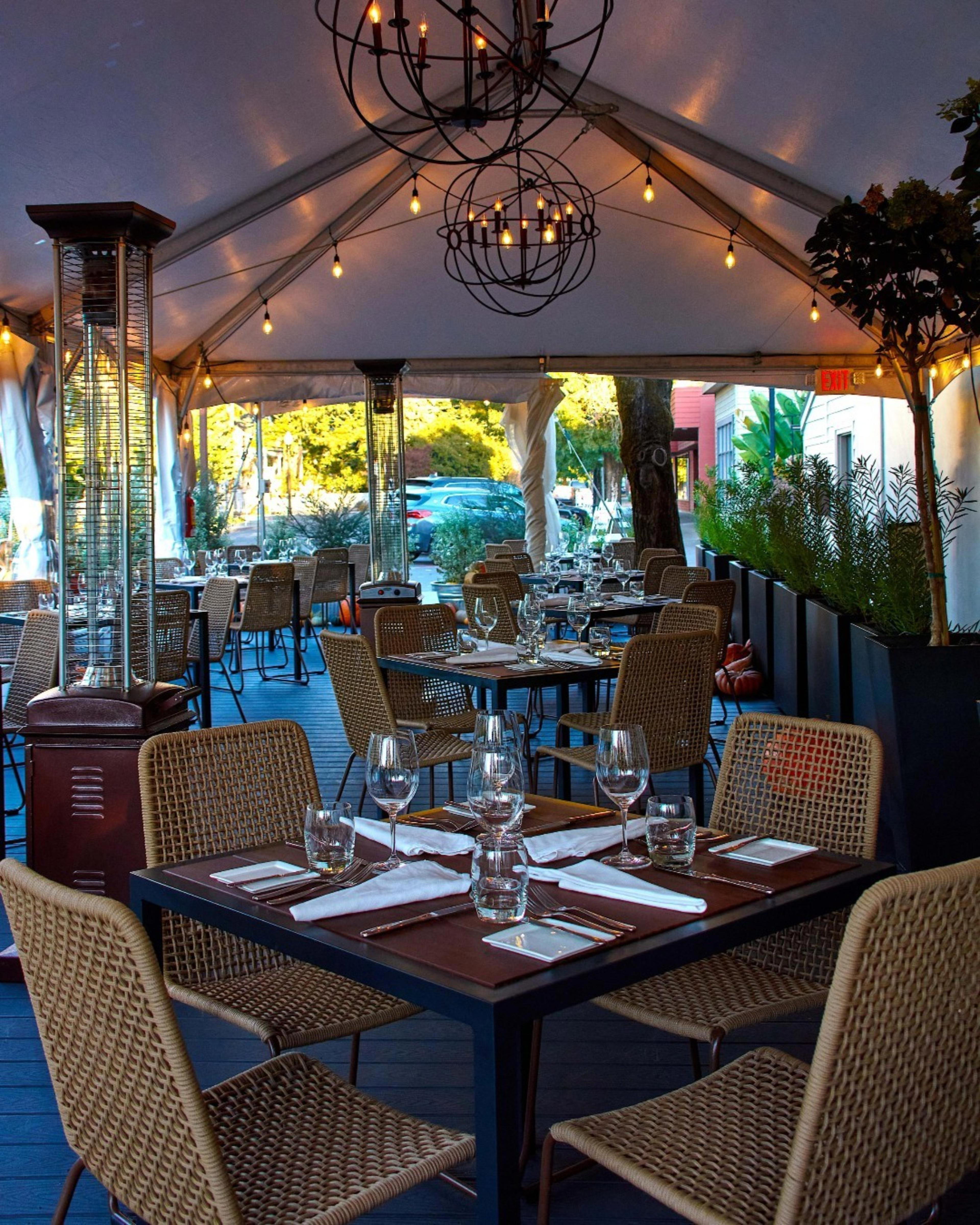
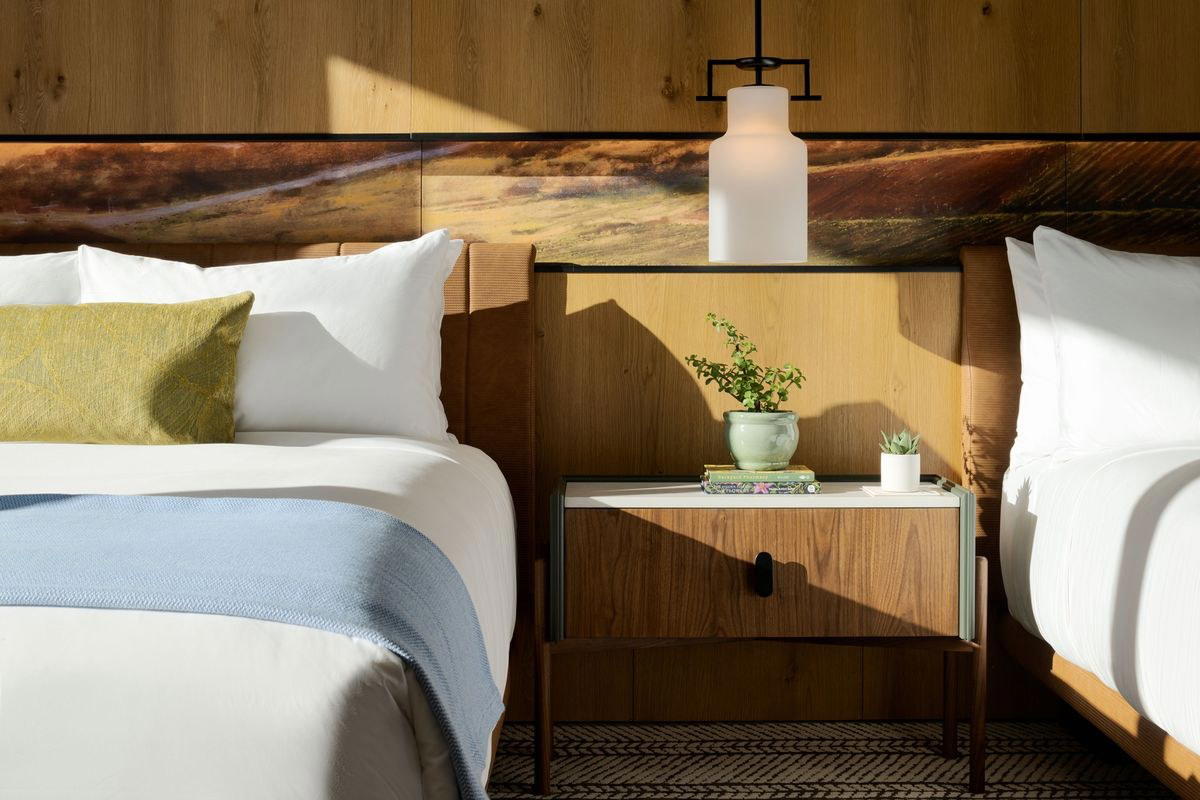
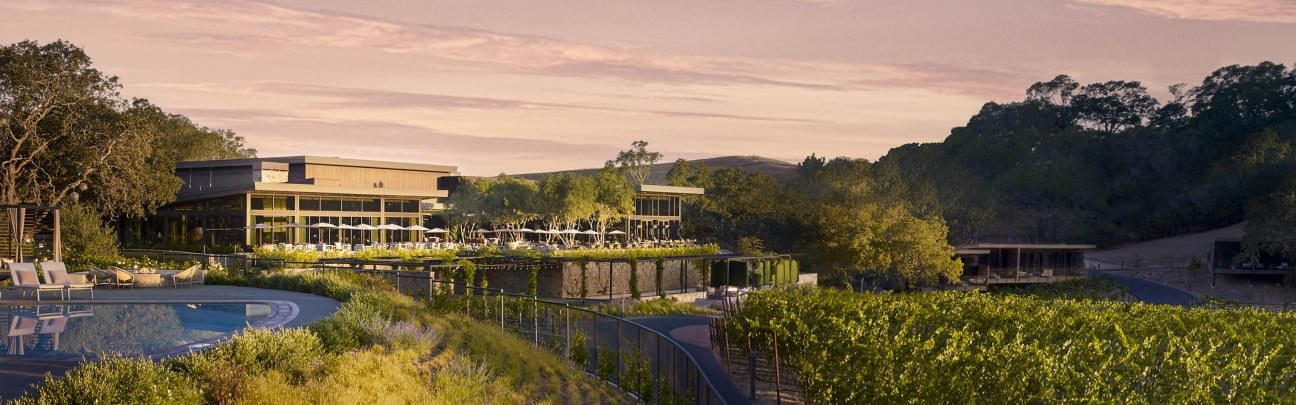
Laid-back and friendly with a rustic century-old barn setting, scenic vineyard views, and a relaxed outdoor patio atmosphere.