Wilderer Distillery

Wilderer Distillery sits along the R45 in Simondium, on the western fringe of Paarl's wine corridor, and holds a Pearl 2 Star Prestige rating for 2025. Where most of the region's attention goes to Cabernet-led blends and Rhône-style whites, Wilderer occupies a distinct niche: craft spirits production within a wine-country setting. It is a deliberate outlier in a valley built around the vine.
 Discover on Pearl
Pearl is the En Primeur Club membership app — saves, bookings, and concierge access live there. Same editors, same standards.
- Address
- R45, Simondium, Paarl, 7646
- Phone
- +27 21 863 3555
- Website
- wilderer.co.za
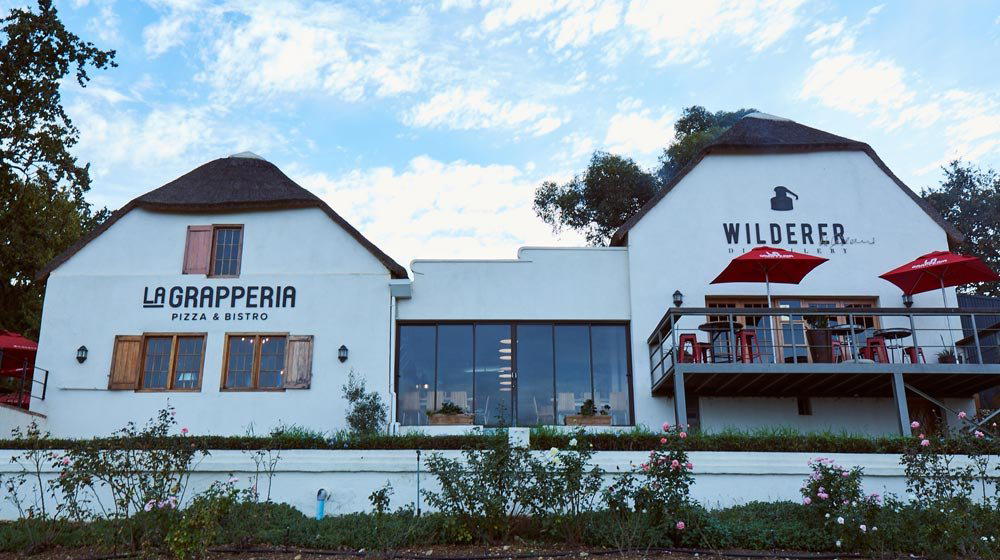
A Distillery in Wine Country
The Western Cape's wine corridor runs from Constantia in the south through Stellenbosch, Paarl, and Franschhoek, and the identity of that corridor is inseparable from the vine. Paarl in particular leans heavily into its Cape Dutch heritage and its Cabernet and Rhône-variety credentials. Against that backdrop, a craft distillery operating along the R45 near Simondium occupies an unusual position: it belongs to the valley's agricultural tradition without quite fitting its dominant narrative.
Wilderer Distillery holds a Pearl 2 Star Prestige rating for 2025. That designation, issued by the Pearl ratings system, signals a level of production quality that puts it well above informal farm-gate operations. In a region where Fairview Wine & Cheese, Glen Carlou, and KWV Wine Emporium draw visitors primarily through their wine programs, Wilderer's distilling focus marks it as a different kind of destination.
Where Paarl Fits in the Cape Winelands
Paarl is the third-largest town in the Western Cape and one of the oldest wine-producing areas in South Africa. Its granite soils and warm, dry summers produce grapes with generous ripeness, which has historically favoured full-bodied reds and aromatic whites. The region's wine identity is well-established through estates like Backsberg and Val de Vie Estate, both of which operate within the wine-and-lifestyle format that defines much of the Winelands visitor experience.
Craft distilling within wine regions has a longer history in Europe than in South Africa, but the Cape has seen increasing interest in the category over the past decade. The raw material logic is direct: agricultural estates with access to fruit, grain, or grape pomace have a natural infrastructure base for spirit production. In Germany's Black Forest, in Alsace, and in parts of California's wine country, distilleries operating alongside vineyards have become part of the region's food-and-drink identity. The Western Cape is at an earlier stage of that same pattern. Oude Molen Distillery in Grabouw represents another node in that emerging network, and together these operations are building a case for the Cape as a multi-spirit, not merely a wine, destination.
The Simondium Setting
The address on the R45 places Wilderer at one of the more scenic stretches of the Winelands road network. Simondium sits between Paarl and Franschhoek, and the drive along that route passes mountain fynbos, fruit orchards, and vineyard blocks that shift in color through the seasons. Spring brings green canopies; late summer sees leaf-turning golds and reds along the valley floor. The physical environment of a distillery visit in this region is inseparable from that agricultural rhythm.
For context on the wider Simondium-Franschhoek axis, Babylonstoren in Franschhoek has established a model of destination estate experiences that blend farm produce, hospitality, and heritage architecture. Wilderer operates in a smaller register but shares the same geographic corridor, and
Craft Spirits in a Wine-First Region
Understanding Wilderer requires some understanding of how craft spirits have developed in South Africa more broadly. The country has a long history of brandy production, with the KWV cooperative historically controlling much of the brandy trade and Cape brandy earning a strong international reputation. The shift toward smaller, independently operated distilleries producing a wider range of spirits, including eau-de-vie, grappa, and gin, reflects a global trend that arrived in the Cape later than in Europe or North America but has accelerated since the mid-2010s.
Eau-de-vie, which is central to the Wilderer operation, has deep roots in European tradition, particularly in Alsace and the German-speaking regions of central Europe. These fruit brandies, produced without added sugar and aged to preserve the character of the source fruit, represent a technically demanding category: there is nowhere to hide imprecision in distillation when the goal is pure fruit expression. The Pearl 2 Star Prestige rating for 2025 indicates that Wilderer's production clears the bar of recognized quality in this technically sensitive category.
For visitors arriving from other parts of the Cape winelands, the contrast with the wine-dominant estates is part of what makes the stop worthwhile. Neethlingshof Estate in Stellenbosch and Vergelegen Wine Estate in Somerset West both operate within conventional wine-estate formats. Creation Wines in Hermanus leans into food pairing as a differentiator. Wilderer's distillery focus represents a different mode of engagement with the region's agricultural output, one that rewards visitors who have already worked through the more obvious wine-country itinerary.
Placing Wilderer Against International Peers
Distilleries positioned within wine regions, and drawing on the fruit and agricultural character of those regions, have become a recognized category in premium travel circuits. Aberlour in Aberlour, operating in Scotland's Speyside whisky corridor, and Accendo Cellars in St. Helena in Napa's upper valley both illustrate how production-site visits can anchor a premium destination experience when the underlying product quality supports the visit. The Pearl 2 Star Prestige award places Wilderer in a peer conversation that includes recognized regional producers, not merely as a local novelty but as a substantive production operation.
At the international level, Graham Beck Wines in Robertson and Constantia Glen in Cape Town show how Cape producers with strong award credentials translate that recognition into visitor programs that go beyond casual tastings. Wilderer's award standing suggests it operates in a similar register, where the production story and the product quality are both part of what the visit delivers.
Planning a Visit
Wilderer Distillery is located at R45, Simondium, Paarl, 7646, and sits conveniently along the main arterial route connecting Paarl and Franschhoek, making it a logical addition to a Winelands day that includes other estate stops. Visitors traveling from Cape Town should allow approximately one hour by road, with Simondium reachable via the N1 and then the R45 turnoff. The distillery's position on the R45 means it is accessible without navigating gravel farm roads, which is relevant for sedan vehicles.
Given the Pearl 2 Star Prestige standing and its niche position as a craft distillery in a wine-heavy region, visitor numbers are likely to be more limited than at the large estate operations nearby. Booking ahead for any structured tasting format is advisable, particularly on weekends and during the December-January summer peak when the Winelands are at their highest visitor load. The shoulder seasons of late February through April and September through November offer better availability and the advantage of harvest activity or spring blossom in the surrounding orchards and vineyards.
Pricing, Compared
Comparable venues nearby, for context on price, style, and recognition.
| Venue | Cuisine | Price | Notes |
|---|---|---|---|
| Wilderer DistilleryThis venue — the venue you are viewing | Suider-Paarl, Paarl | $$ | |
| Nederburg Wines | $$ | Paarl Valley, Chenin Blanc, Cabernet Sauvignon | |
| KWV Wine Emporium | Paarl, Sauvignon Blanc, Chardonnay | $$ | |
| Glen Carlou | $$$ | Simonsberg-Paarl, Chardonnay, Cabernet Sauvignon | |
| Fairview Wine & Cheese | Suider Paarl, Shiraz, Pinotage | $$ | |
| Val de Vie Estate | $$$ | Paarl-Franschhoek Valley, Sauvignon Blanc, Chardonnay |
Continue exploring
More in Paarl
Wineries in Paarl
Browse all →
Bars in Paarl
Browse all →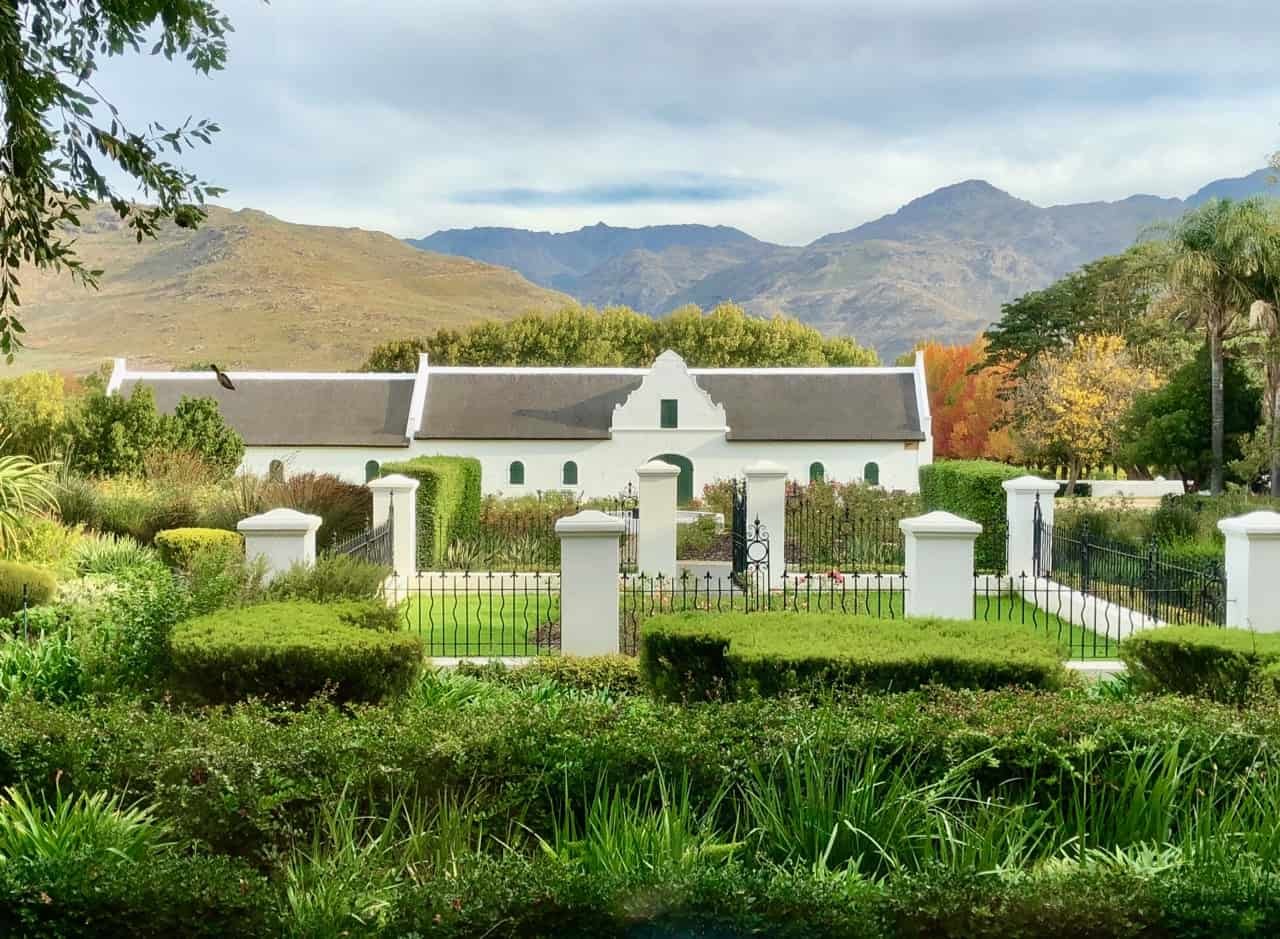
Restaurants in Paarl
Browse all →
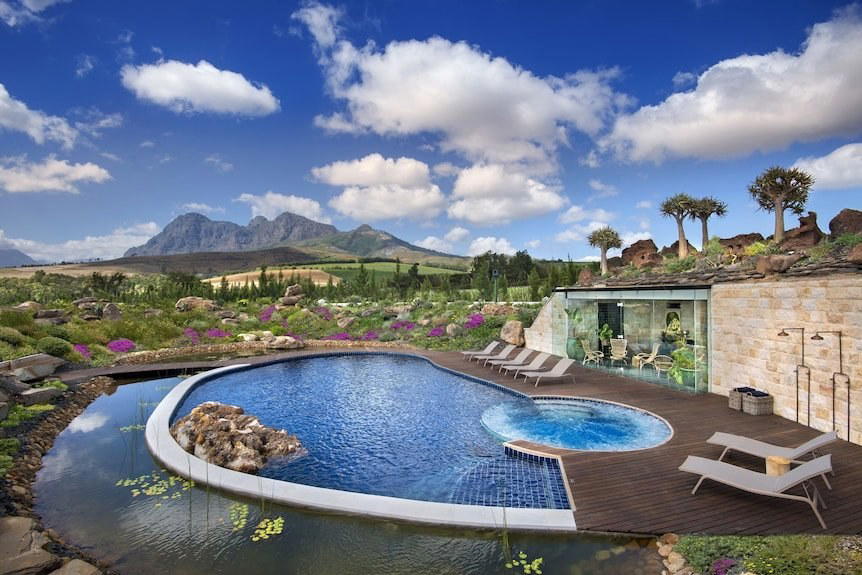
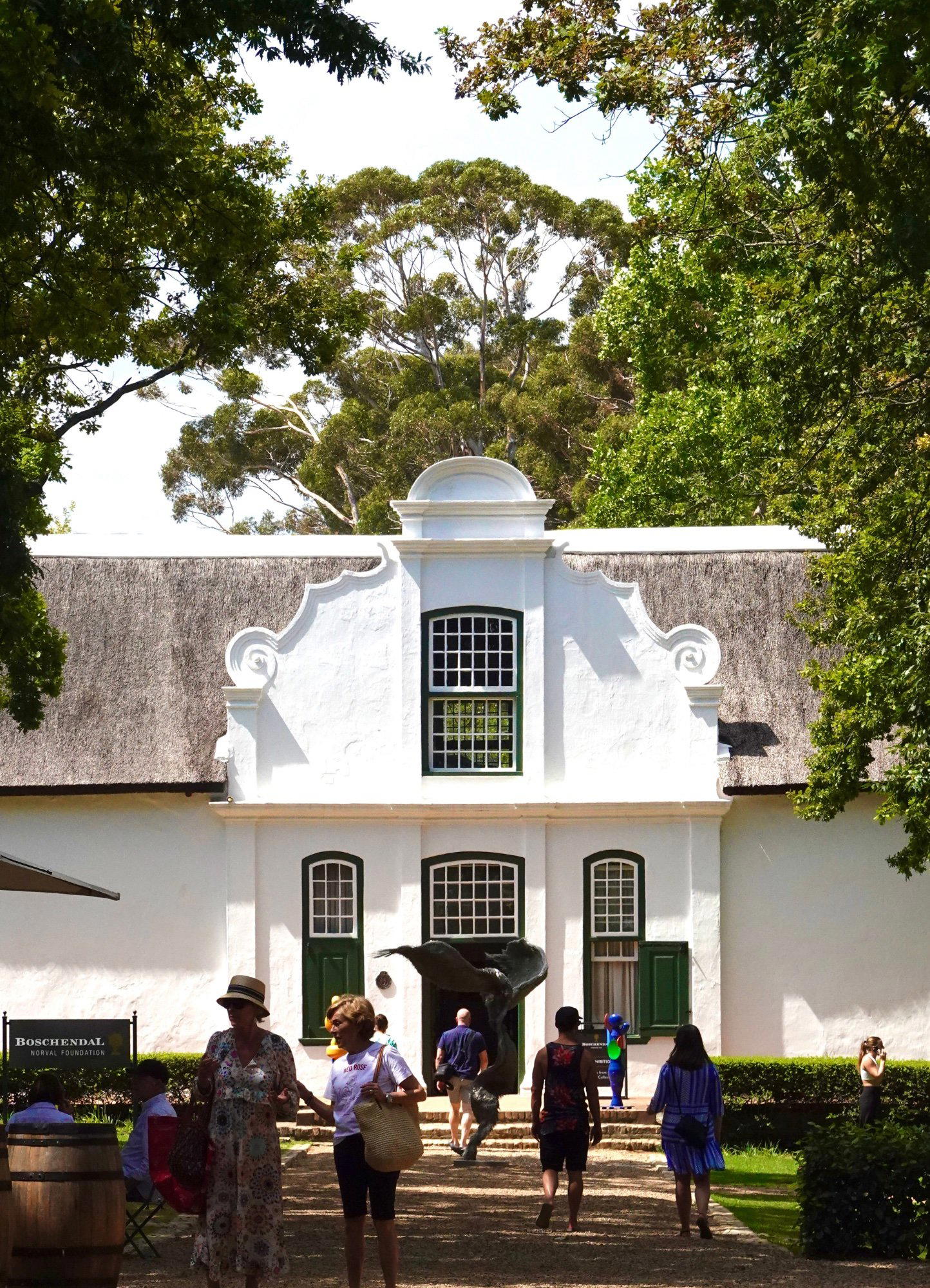
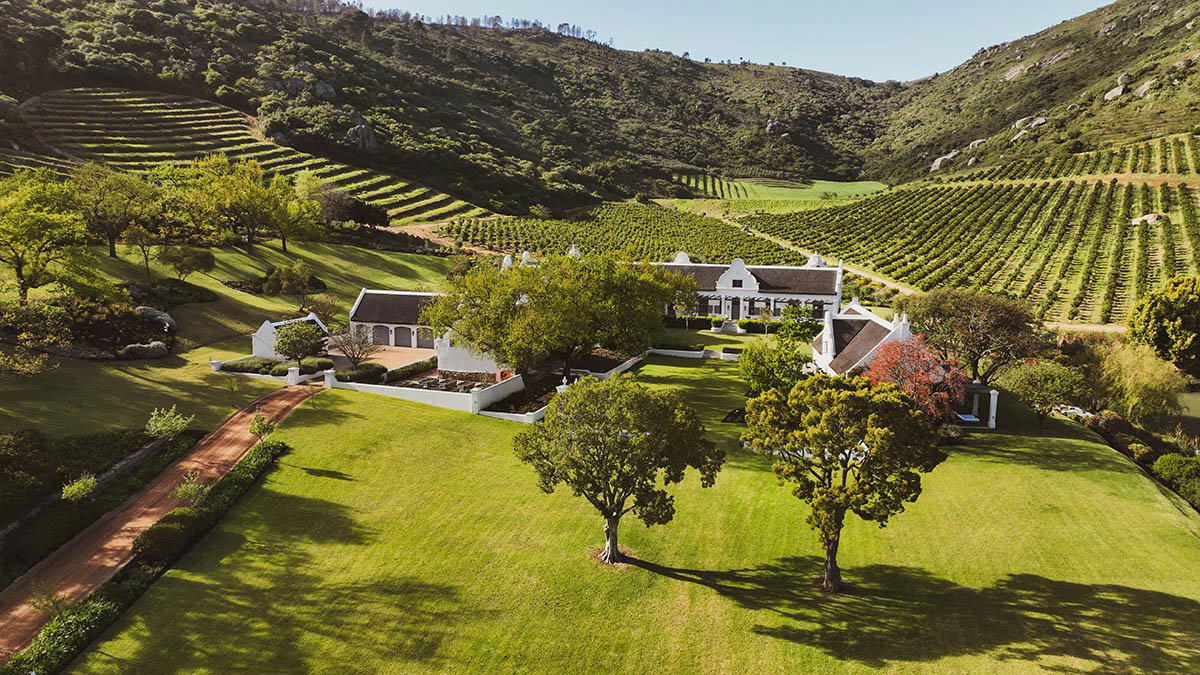
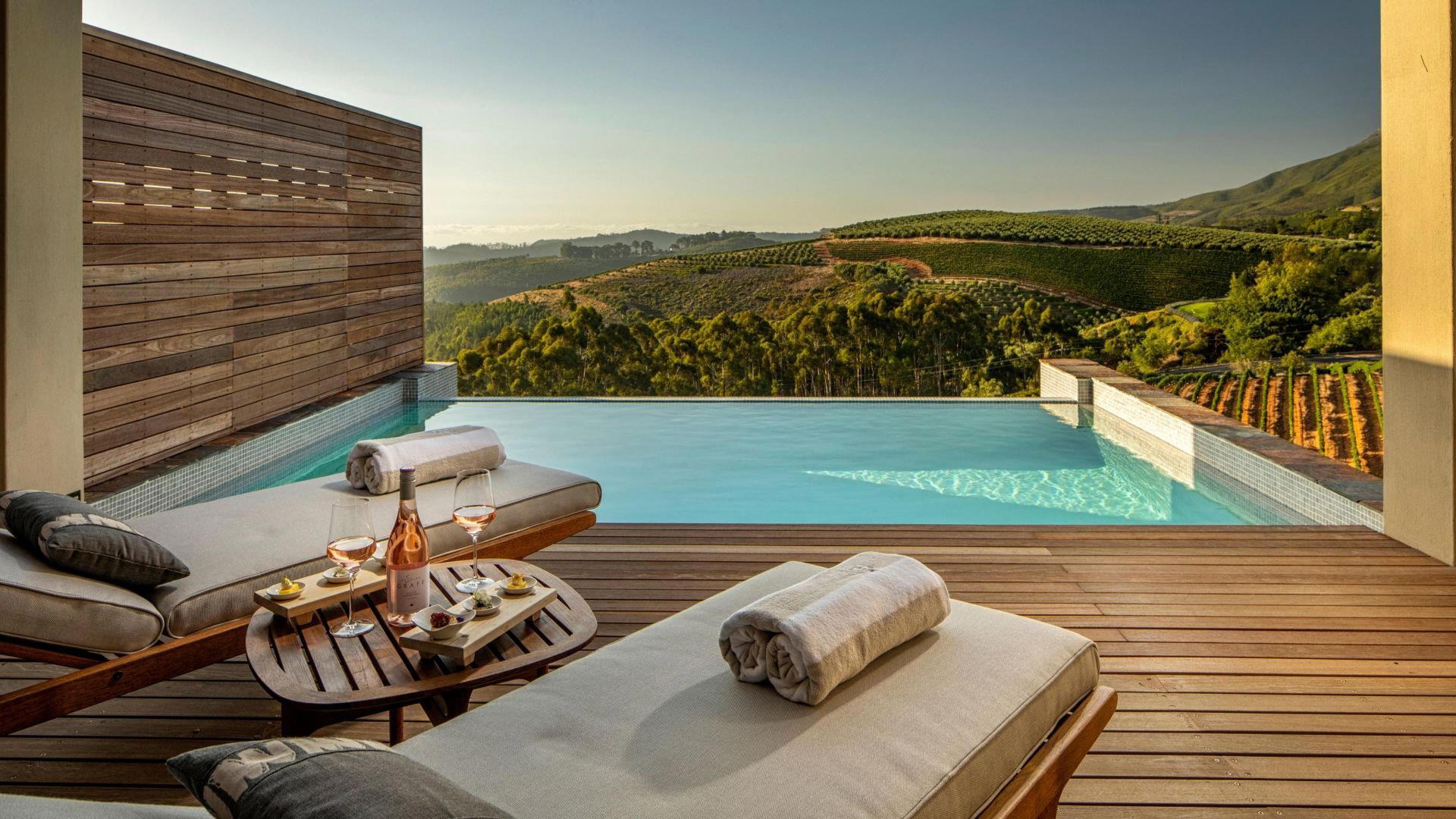
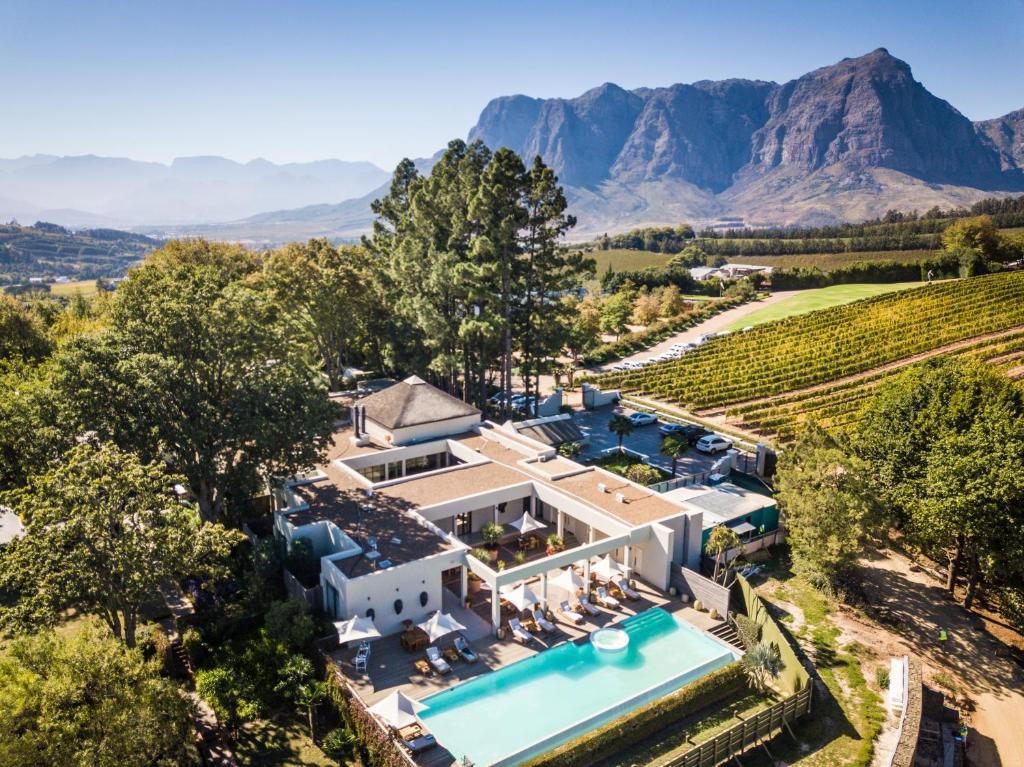
At a Glance
- Rustic
- Scenic
- Cozy
- Group Outing
- Family
- Wine Education
- Garden
- Terrace
- Panoramic View
- Mountain
- Vineyard
- Garden
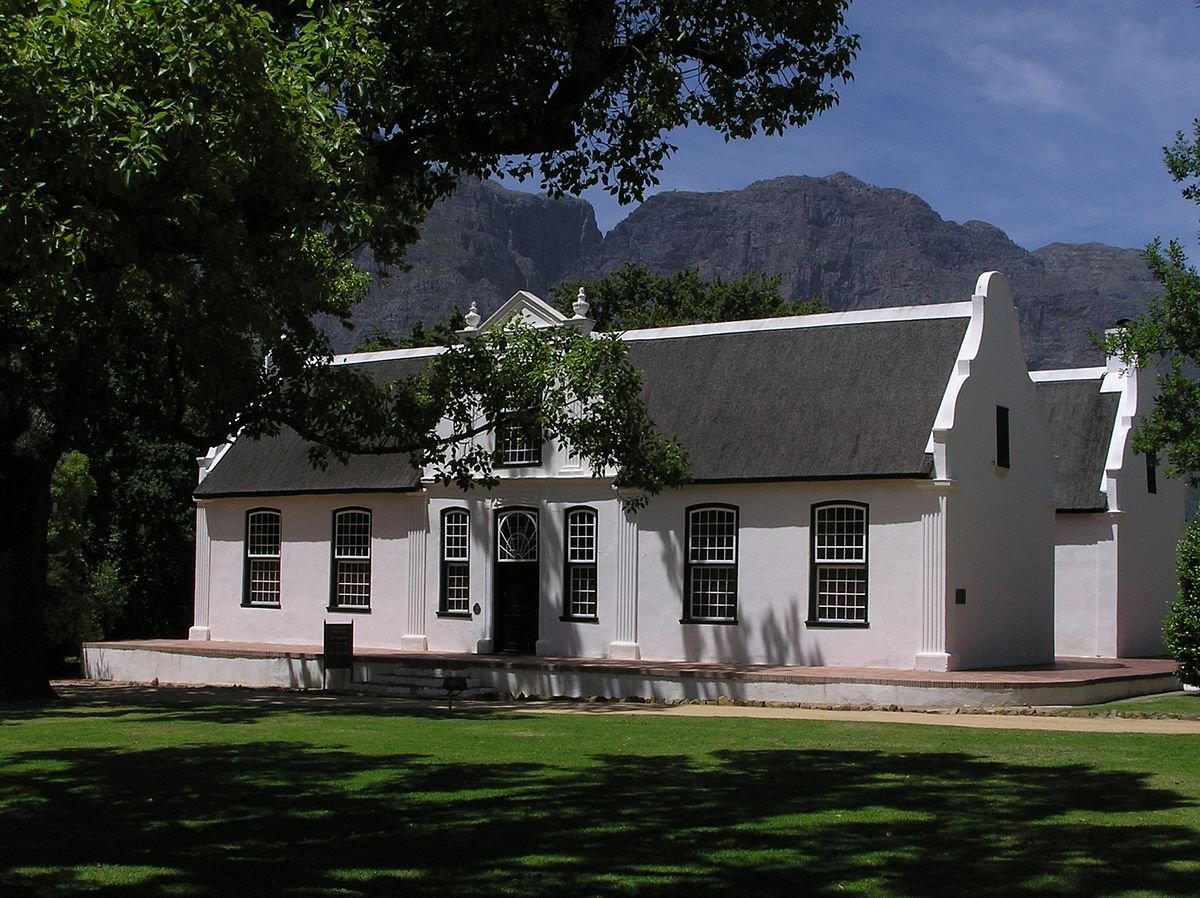
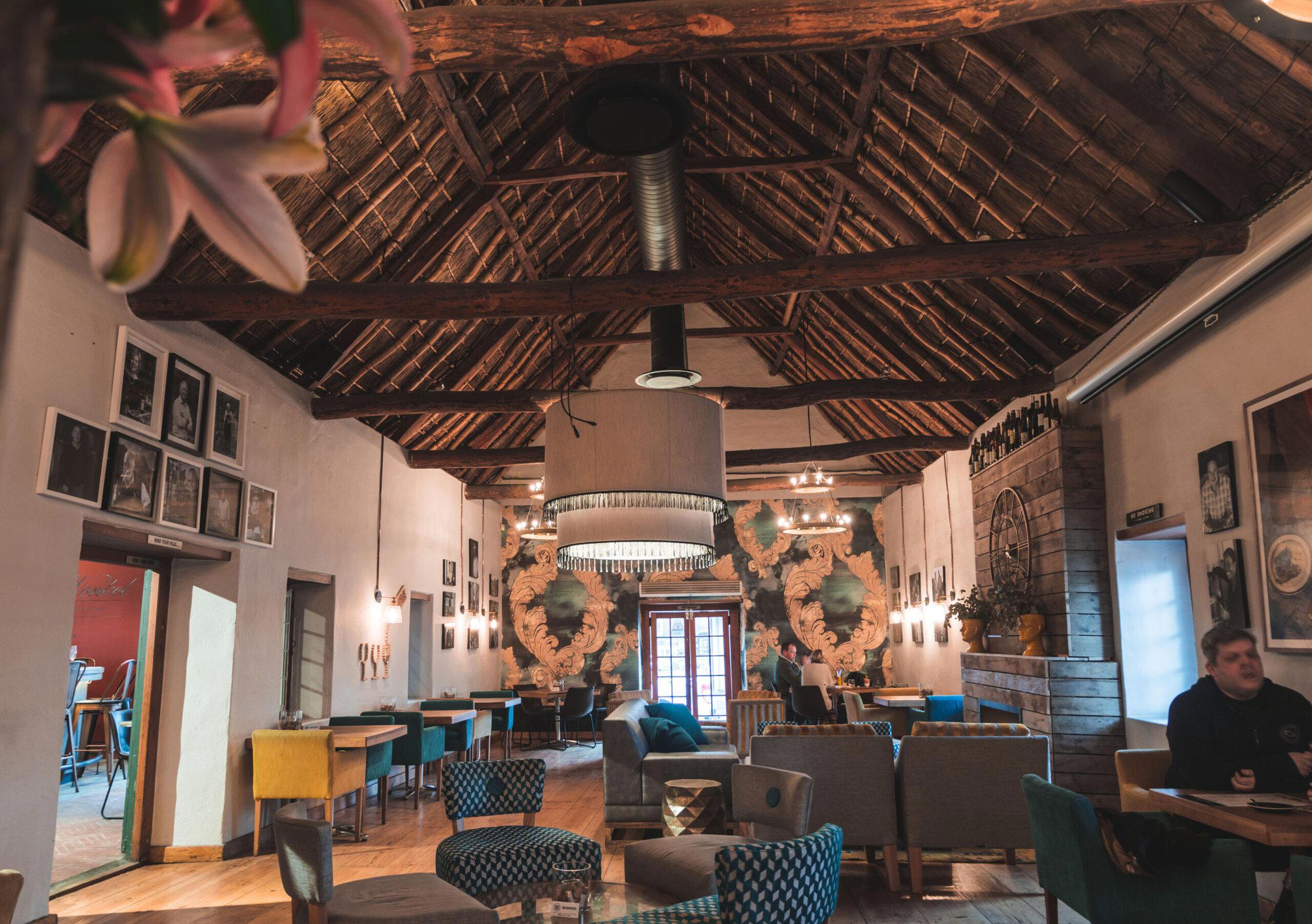
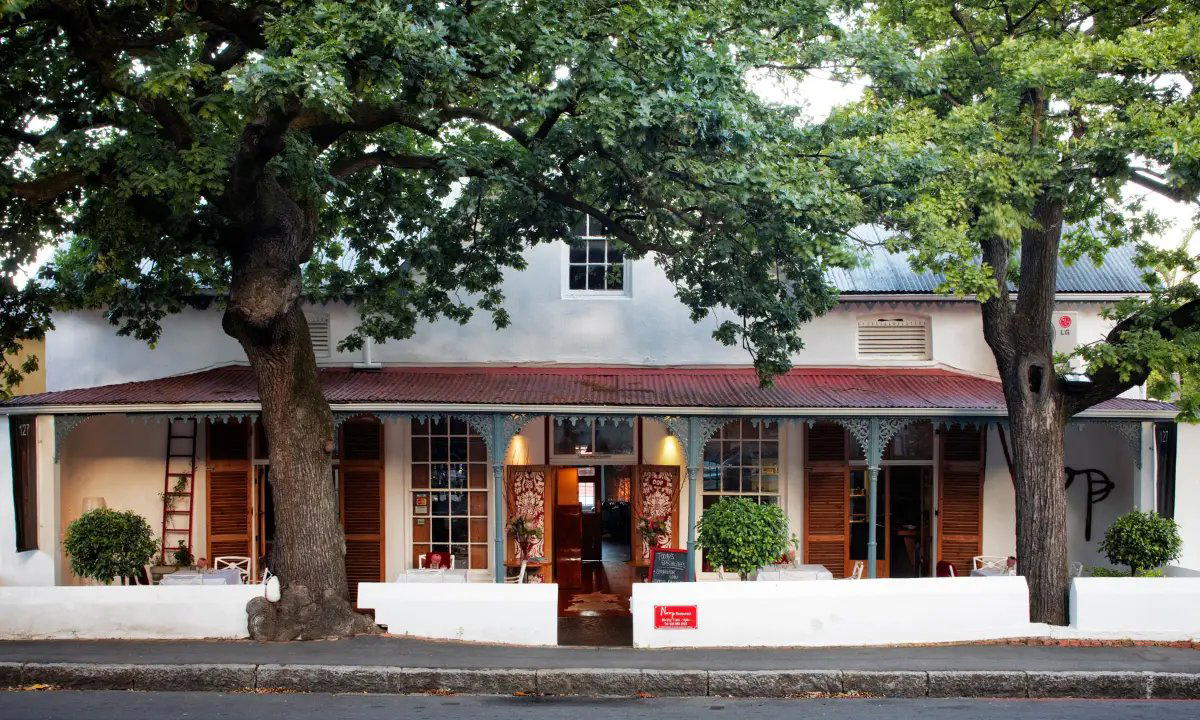
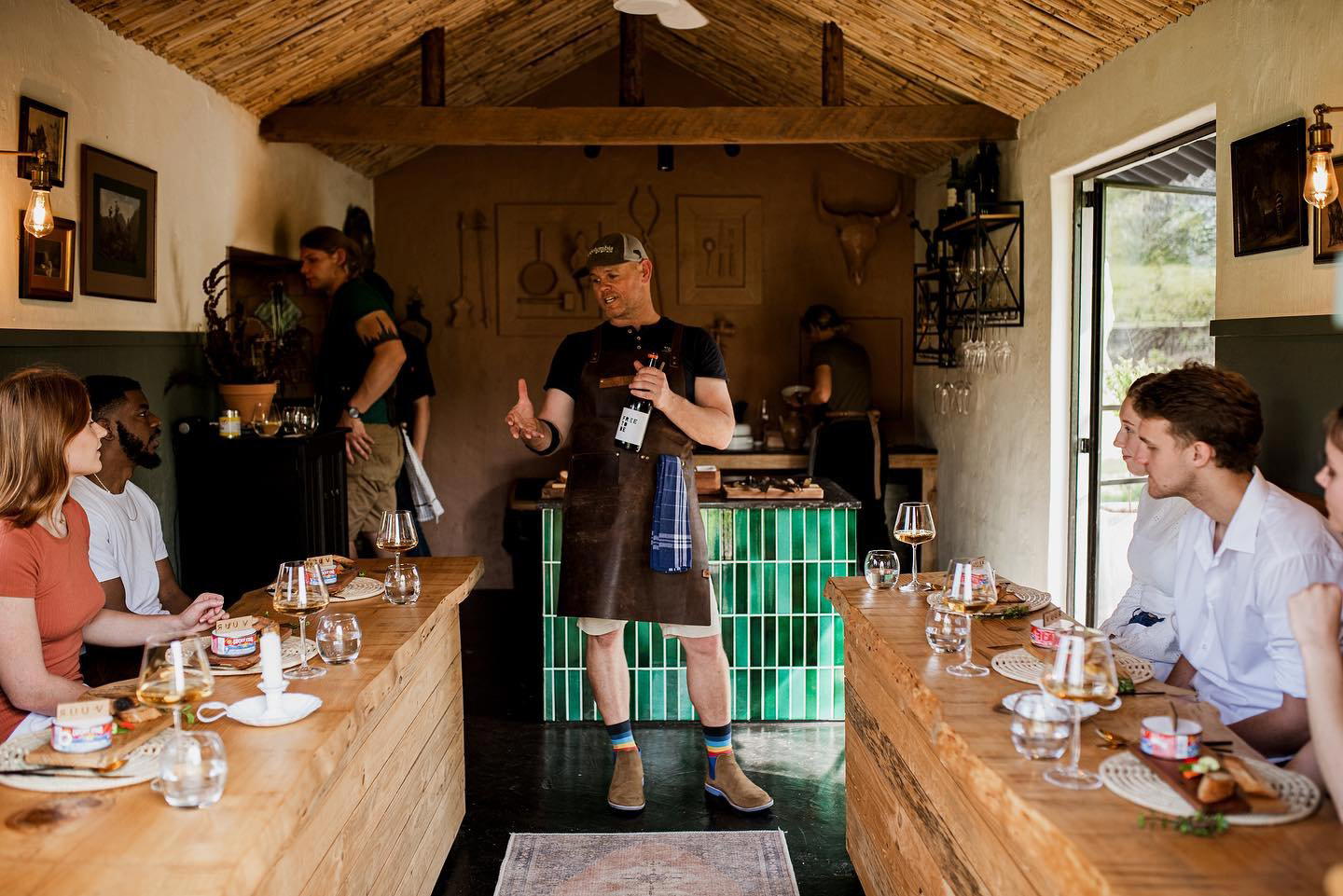
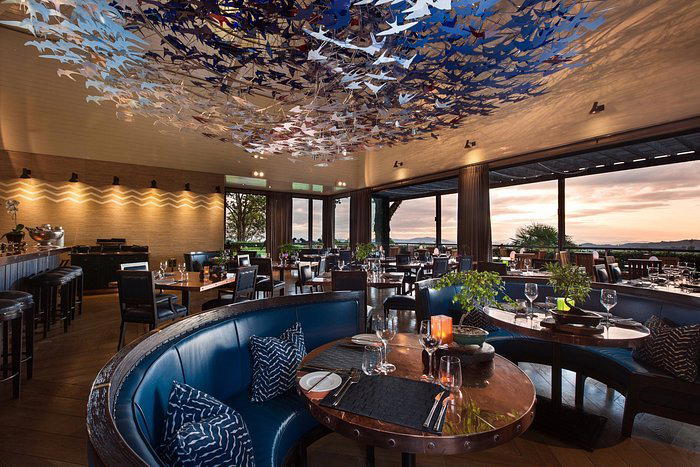
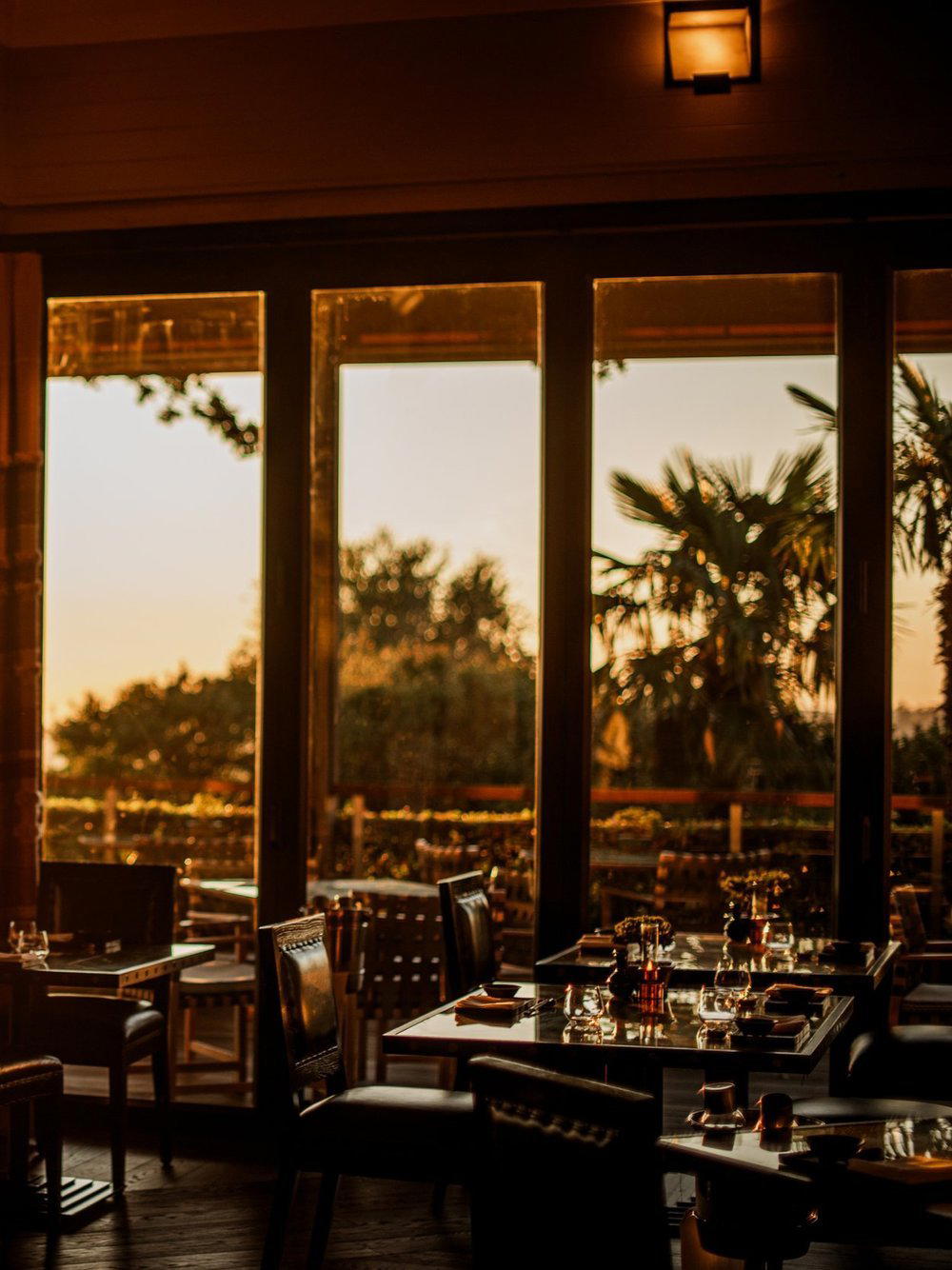
rustic yet charming with lush gardens, cozy interiors, fireplaces, and magnificent mountain views