Wendouree

Falstaff Winery - Listed
Wendouree sits at the upper tier of Clare Valley producers. The winery operates from Wendouree Road in Clare SA, where old-vine Shiraz and Cabernet have defined the estate's reputation across decades. For collectors and serious drinkers, it occupies a distinct position within a region that rewards patience and direct engagement.

Pearl is the En Primeur Club membership app — saves, bookings, and concierge access live there. Same editors, same standards.
- Address
- Wendouree Rd, Clare SA 5433
- Phone
- +61 419 832 092
- Directions
- Get directions
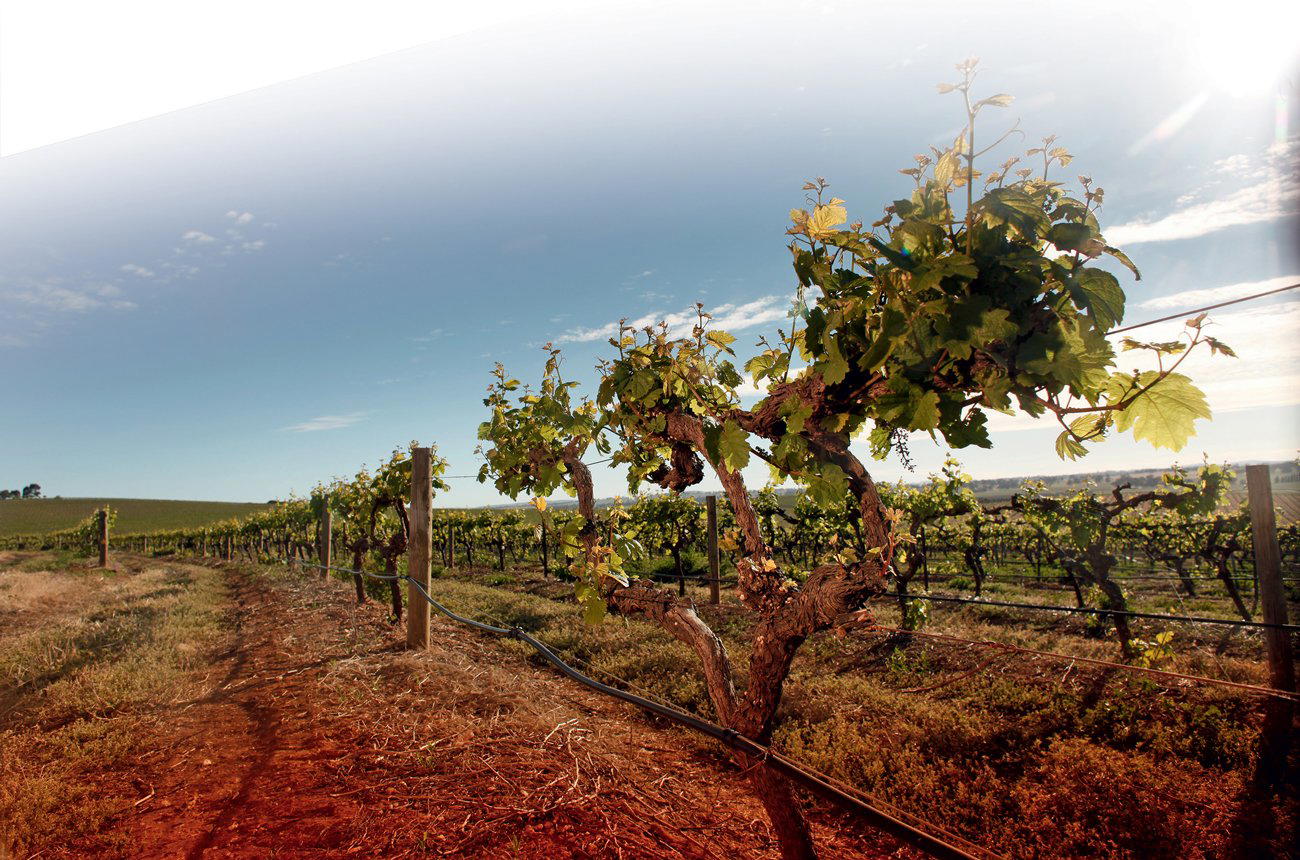
Old Vines, Narrow Allocations: Wendouree in Context
The Clare Valley runs roughly 35 kilometres from Auburn in the south to Clare in the north, a compact corridor that has quietly produced some of Australia's most age-worthy red wines. The region sits about 130 kilometres north of Adelaide, high enough in elevation to deliver the cool nights that preserve acidity in warm-climate reds. Among the producers working this ground, a handful have built reputations that extend well beyond the valley's modest scale. Wendouree is one of them.
The estate sits on Wendouree Road on the southern edge of Clare township. The setting is agricultural rather than theatrical: dry-stone country, old vines, a working property with none of the hospitality infrastructure that defines the tasting-room economy elsewhere. That absence is itself a signal. Wendouree operates in the same register as a small number of Australian producers — Bass Phillip in Gippsland and Leading's Wines in Great Western come closest in character — where the wine is the entire proposition and the property exists to produce it, not to frame a visitor experience.
That recognition is consistent with how the estate is discussed in serious wine circles: not as a regional showpiece, but as a benchmark against which other Clare Valley reds are measured.
The Viticulture Behind the Reputation
Clare Valley's character as a wine region is inseparable from its vine age and soil variation. The valley's key sub-zones, Watervale, Polish Hill River, and the flats around Clare itself, each deliver different expressions of Riesling and Shiraz. Wendouree draws on estate vines that are among the oldest in the valley, some planted in the late nineteenth century. Vine age matters here in the same way it matters in Barossa's Shiraz triangle or in Bird in Hand's Adelaide Hills blocks: older vines produce less fruit, concentrate flavour, and develop a complexity in the wine that younger plantings cannot replicate regardless of technique.
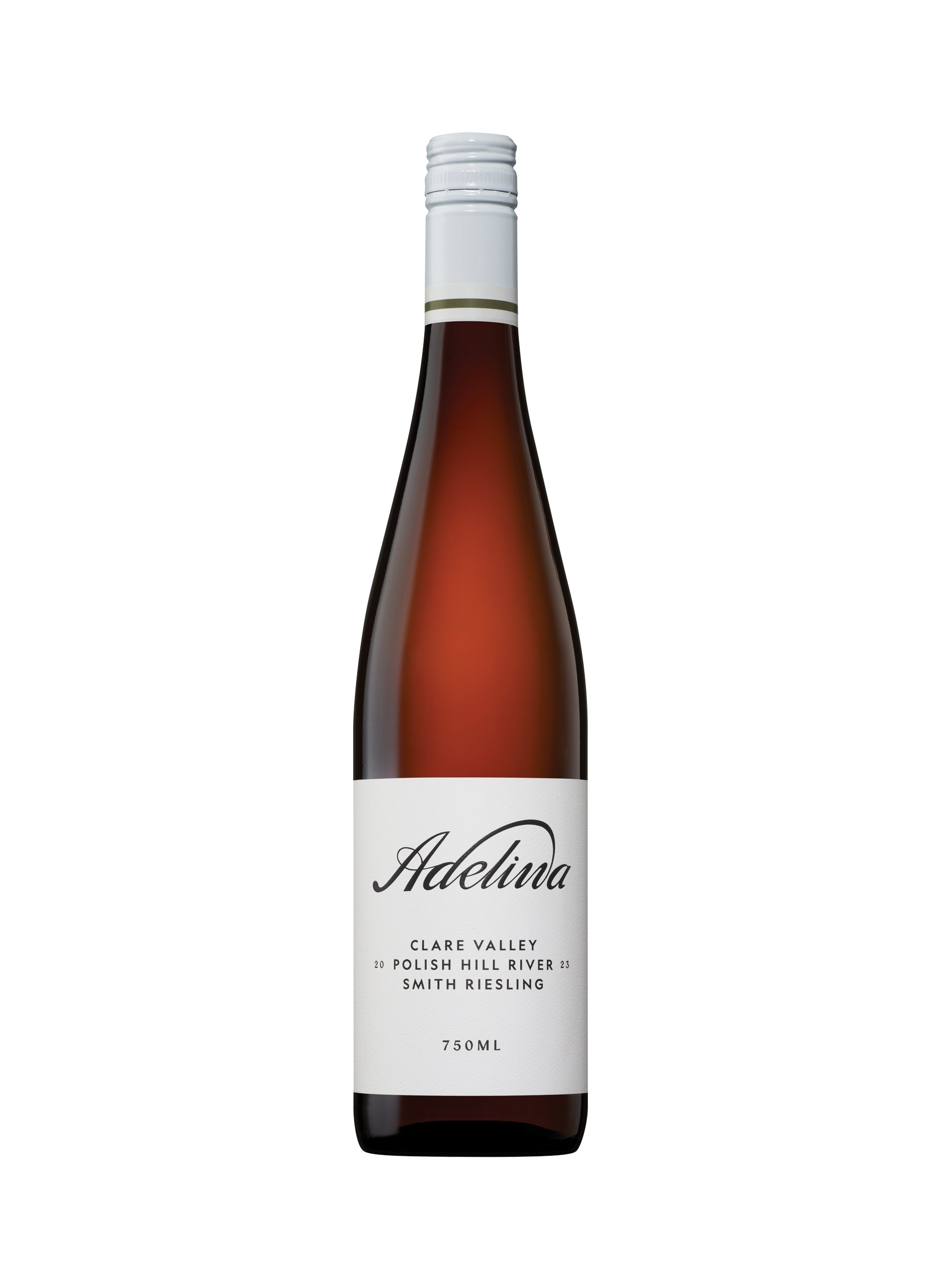
The viticulture at Wendouree has long aligned with low-intervention principles. The property avoids the synthetic inputs that became standard in Australian broadscale viticulture through the mid-twentieth century. That approach is now widely described as regenerative or organic-adjacent, terms the broader industry has adopted as market positioning; at Wendouree the practice predates the terminology. The result is a vine-to-soil relationship built over generations, where the microbiome of the earth and the genetics of the vines have had decades to reach an equilibrium. When other Clare Valley producers such as Adelina Wines moved toward minimal-intervention winemaking in recent years, they were in part responding to a tradition that estates like Wendouree had maintained without interruption.
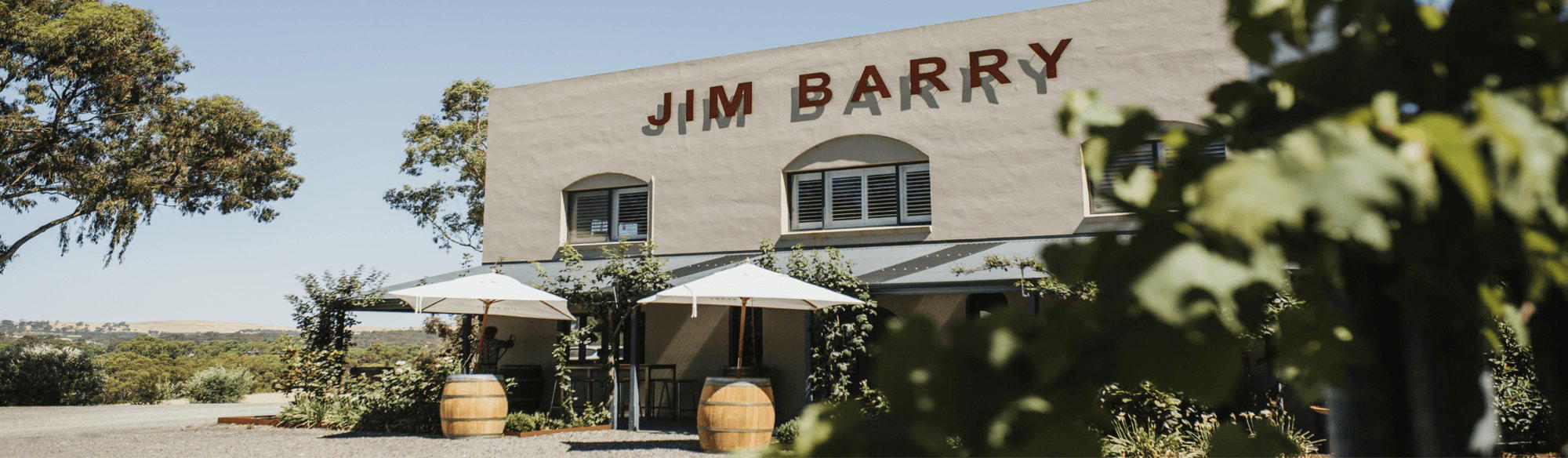
Sustainability in premium viticulture is increasingly a commercial argument as well as an ethical one. Allocation-driven producers in Clare, including Kilikanoon and, at certain price tiers, Jim Barry Wines, have each communicated their land-management credentials more explicitly in recent vintages, in part because international buyers now factor those credentials into purchasing decisions. Wendouree's position in this conversation is different: the estate does not need to argue for its practices because the vine age and consistency of the wines make the argument directly.
What the Wines Are, and Who They Are For
Wendouree produces a range of reds anchored by Shiraz, Cabernet Sauvignon, Cabernet Malbec, and Mataro. Each wine is made in small quantity from specific estate blocks, and the release schedule reflects the winery's timeline rather than market demand. Bottles reach the secondary market at prices that reflect both scarcity and track record. The Shiraz in particular carries a collector premium that places it alongside other long-established South Australian producers whose older vintages circulate through auction.
The wines are not built for immediate consumption. Tannin structure, acidity, and concentration in a young Wendouree red point toward a ten-to-twenty-year drinking window. This positions the estate in a different category from producers focused on approachable, early-drinking styles. Buyers acquiring Wendouree wines at release are, in most cases, laying them down rather than opening them. That dynamic drives the allocation system: demand from long-standing mailing list customers consistently exceeds supply, and new buyers typically enter a waiting period.
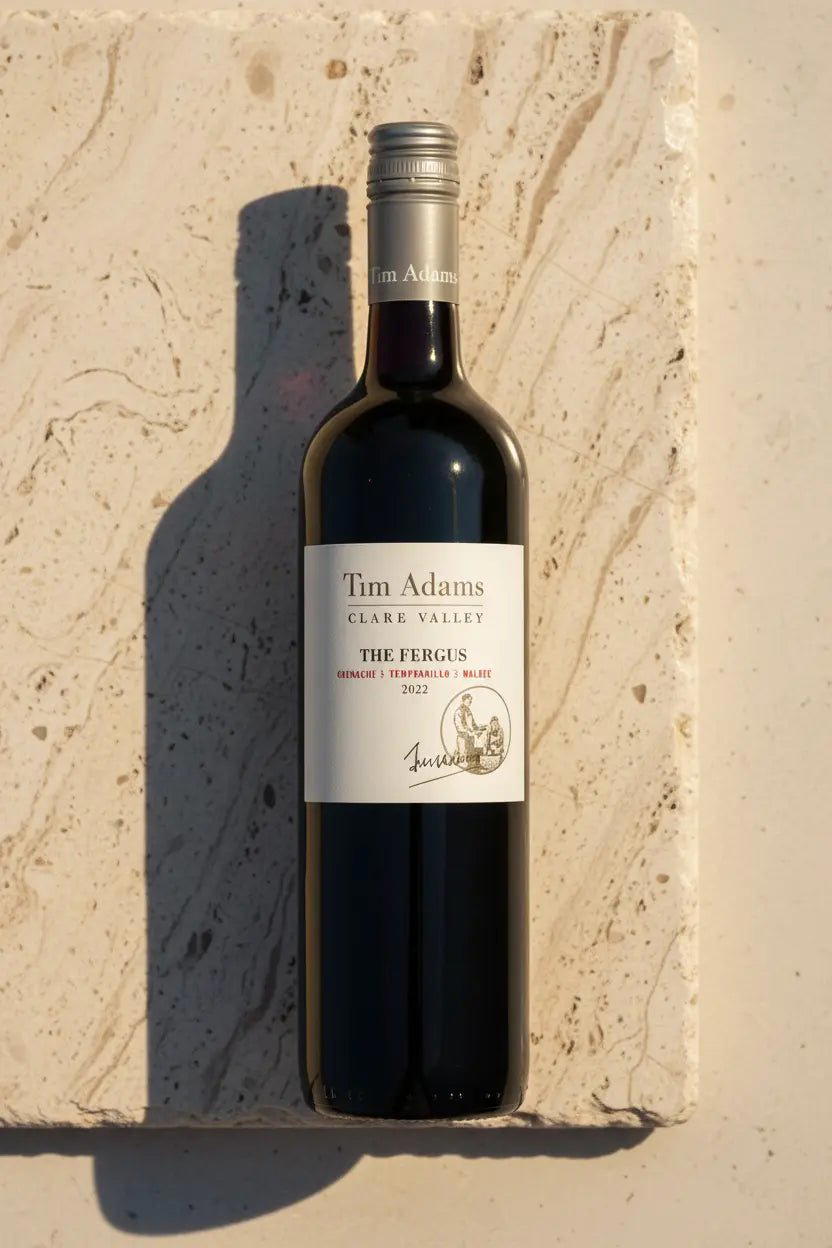
For comparison, larger Clare Valley operations such as Taylors (Wakefield) and Tim Adams Wines produce across a broader price spectrum with wider distribution and cellar-door hospitality that draws casual visitors. Wendouree occupies the opposite end of that spectrum: no restaurant, no tasting flight, no walk-in welcome. The wine is the access point, and the access point is narrow.
Clare Valley in the Broader Australian Context
Understanding Wendouree's position requires placing Clare Valley itself within Australian wine geography. The valley sits within South Australia's mid-north, a region that runs counter to the global assumption that Australian wine means Barossa or Margaret River. Clare's Riesling has long been recognised as the country's most compelling expression of the variety, capable of twenty-plus years of cellaring. Its Shiraz is denser and more structured than Barossa fruit, with less of the plush generosity that made Australian reds popular internationally in the 1990s.
That structural seriousness makes Clare a reference point for drinkers moving away from fruit-forward styles. It also means the region's leading producers operate in a niche that requires some education to enter. Internationally, estates like Accendo Cellars in St. Helena represent a parallel dynamic: small-production, allocation-only houses whose reputation is built through collector networks rather than mass-market visibility. Domestically, the comparison holds across regions, from All Saints Estate in Rutherglen to Blue Pyrenees Estate in Pyrenees, wherever long vine history and restrained production define the offer.
Wendouree sits at the apex of that Clare Valley niche.
Planning a Visit and Securing Wine
The property is located on Wendouree Road, Clare SA 5433, reachable from Adelaide via the A32 highway in approximately two hours. Clare township itself serves as the practical base for any visit to this part of the valley, with accommodation and dining options concentrated around the main street. For a broader picture of the region's producers and experiences, the full Clare Valley guide maps the range from cellar-door visitors to serious collectors.
Access to Wendouree wine runs through the mailing list rather than through retail or cellar-door sales. The practical path for new buyers is to make contact through the postal address and express interest in joining the list, accepting that supply constraints mean immediate allocation is unlikely. Buyers who have followed other allocation-only producers across Australian drinks categories will recognise the model: patience is the price of entry, and the wines reward it.
For those visiting the Clare Valley primarily to taste across the region's range, the cellar doors of Kilikanoon, Taylors, Tim Adams, Jim Barry, and Adelina all offer structured programmes. Wendouree is the producer you add to your list for the long game.
Where the Accolades Land
Comparable venues nearby, for context on price, style, and recognition.
| Venue | Cuisine | Price | Awards | Notes |
|---|---|---|---|---|
| WendoureeThis venue — the venue you are viewing | Shiraz, Cabernet Sauvignon | Not listed | Falstaff Winery - Listed | Not listed |
| Jim Barry Wines | Riesling, Shiraz | $10–20 | Falstaff Winery - Listed | Clare Valley |
| Kilikanoon | Shiraz, Riesling | $10–20 | Falstaff Winery - Listed | Penwortham |
| Koerner Wine | Riesling, Vermentino | Not listed | Not listed | Clare Valley |
| Tim Adams Wines | Riesling, Shiraz | $30–50 | Falstaff Winery - Listed | Clare |
| Pikes Wines | Riesling, Shiraz | Not listed | Falstaff Winery - Listed | Polish Hill River |
Recognition history
Dated appearances from independent guides and award organizations, with the underlying list record or original source where available.
Falstaff Winery - Listed
Falstaff
Continue exploring
More in Clare Valley

Details
- Classic
- Rustic
- Well Known
- Quiet
- Intimate
- Wine Education
- Solo Exploration
- Special Occasion
- Vineyard Tour
- Historic Building
- Estate Grounds
- Dry Farmed
- Vineyard
- Shiraz
- Cabernet Sauvignon
- Malbec
- Mataro
- Still Red
- Private Tasting
Austere and contemplative atmosphere in a late 19th-century stone cellar emphasizing modest hospitality over commercial tastings.