Weingut Wimmer-Czerny

A small, family-run biodynamic winery in Fels am Wagram, Weingut Wimmer-Czerny belongs to the Wagram tradition of loess-grown Austrian whites rather than showpiece cellar-door tourism. The draw is terroir literacy: Roter Veltliner, Grüner Veltliner, Riesling, Weißburgunder and Traminer framed through dry, site-conscious bottlings and a rural wine-village setting.
Pearl is the En Primeur Club membership app — saves, bookings, and concierge access live there. Same editors, same standards.
- Address
- Fels am Wagram, Wagram, Lower Austria, Österreich
- Directions
- Get directions
 Saves & bookings on Pearl
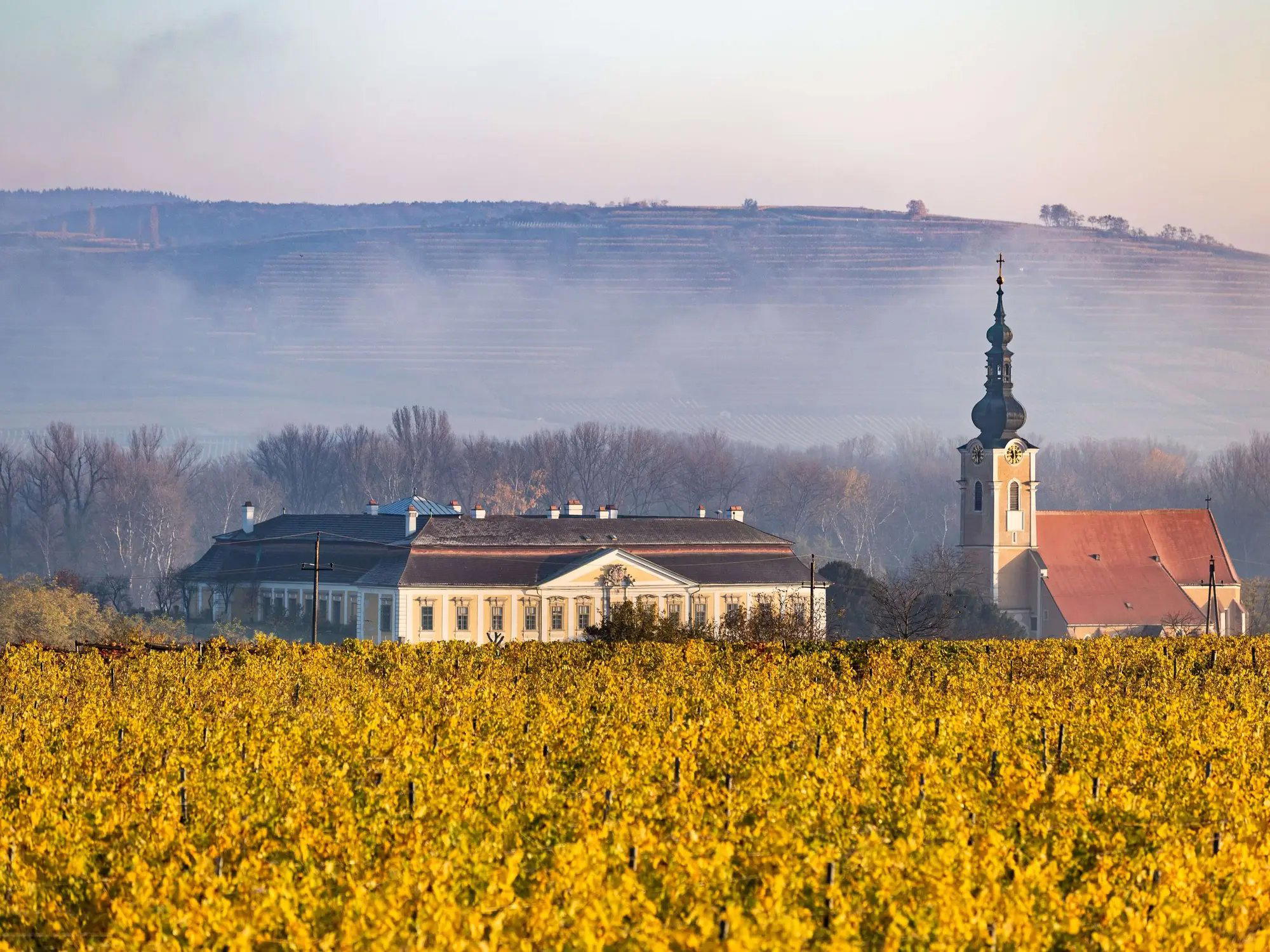
Weingut Wimmer-Czerny is best approached as a quiet rural winery in Fels am Wagram rather than as a venue defined by spectacle or a long list of public-facing amenities. The picture is focused and specific: a family-run winery in a wine-village setting on the loess terraces of Wagram, with a calm, nature-oriented atmosphere centered on biodynamic farming and vineyard views. That is enough to establish its character without overstating details that are not confirmed.
The appeal is the setting as much as the individual visit format. Fels am Wagram is a village landscape where wine, agriculture and terrain sit close together, and Weingut Wimmer-Czerny fits that scale. The tone is rustic, classic and understated, with the kind of hidden-gem feel that suits travelers looking for a slower, landscape-led wine stop. Rather than presenting the winery as a restaurant, resort or high-design tasting destination, it is more accurate to frame it as a family-run biodynamic estate rooted in its rural surroundings.
Loess terraces and the Wagram setting
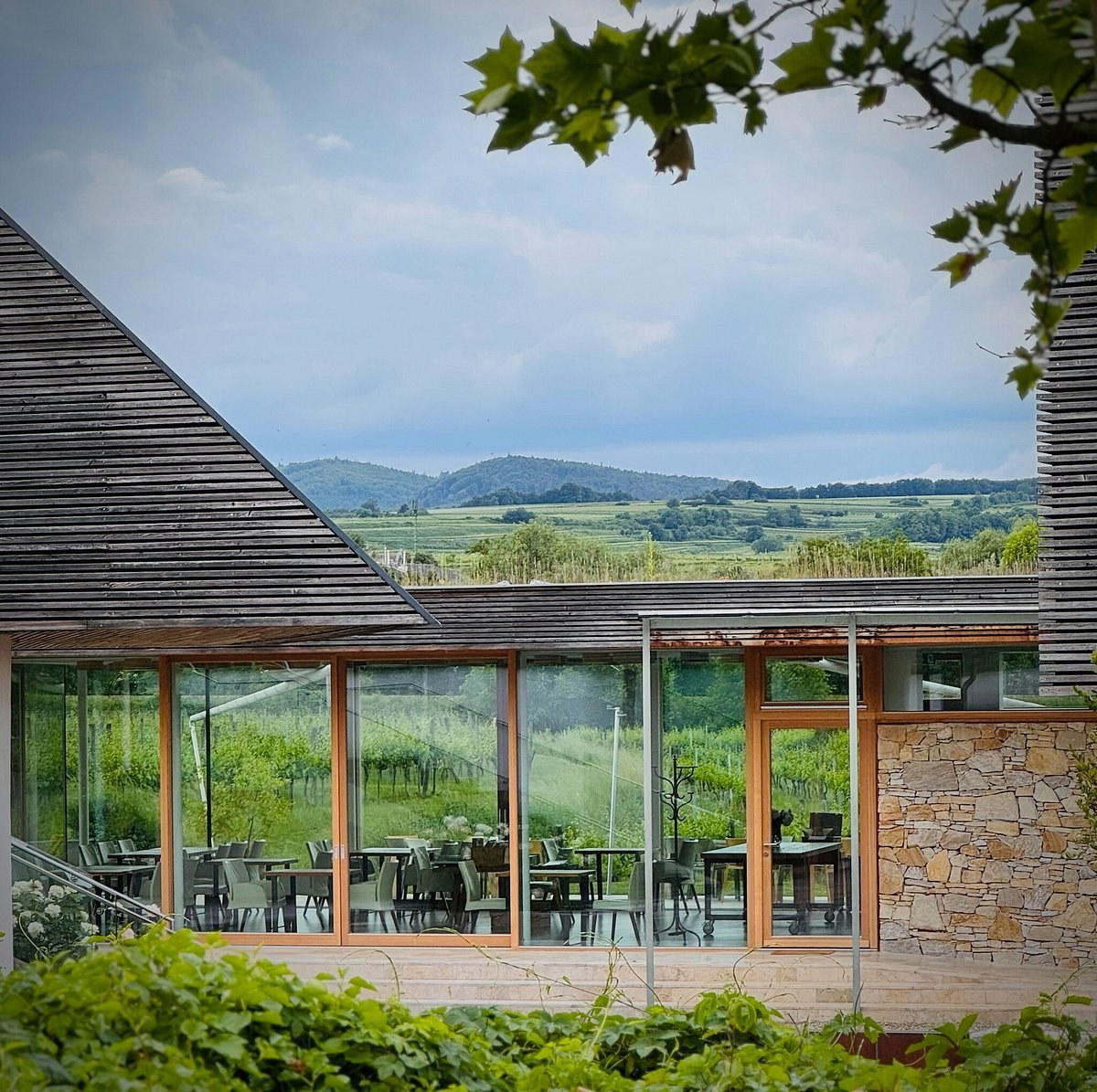
One grounded way to understand Weingut Wimmer-Czerny is through place. The venue is in Fels am Wagram, on the loess terraces of Wagram, and the description emphasizes vineyard views and a nature-oriented atmosphere. Loess is not just a scenic detail here; it is part of the broader identity of the area and helps explain why the setting feels agricultural rather than urban or polished.
What can be said is narrower but still useful: this is a biodynamic winery whose public character is tied to rural Wagram vineyard land. For visitors, that means the draw is not an invented menu, a named dish, a published score or a luxury service format. The draw is the combination of family-run continuity, biodynamic farming identity and a quiet position within the wine village landscape.
This makes the winery a good fit for travelers who value restraint and context. The atmosphere is described as calm, rustic and classic, with a hidden-gem quality rather than a heavily commercial tone. Those words matter because they set expectations: this is a place to approach with interest in farming, landscape and the feel of a working wine area, not with assumptions about elaborate hospitality features that have not been verified.
A family-run biodynamic winery rather than a hospitality production
In premium wine travel, there is often a temptation to turn every winery into a full narrative of chefs, set menus, cellar-door programming, architectural design and appointment structure. The reliable profile is more modest and more grounded: family-run, biodynamic, rural, quiet and vineyard-facing in Fels am Wagram.
That restraint is useful for planning. Those points should be checked directly with the winery before a visit rather than assumed from a travel article. The same applies to any particular wine list, grape lineup or award claim: unless confirmed by the venue or a current official source, it should remain outside the core description.
What remains is still a clear identity. The winery reads as a calm rural estate for people who want a wine stop anchored in place. The biodynamic emphasis gives the venue a nature-oriented frame, while the loess-terrace setting and vineyard views give it a strong sense of landscape. For some visitors, that quieter profile will be the main reason to go: it suggests a winery experience shaped by agriculture and locality rather than by spectacle.
How to place it within a Fels am Wagram wine day
For a Fels am Wagram itinerary, the winery should be treated as a rural wine-village stop with a calm pace. That is especially important in smaller wine villages, where public hospitality details can vary and where a winery may not operate like a city tasting bar.
The venue’s strengths are clearest when the day is built around Wagram landscape and biodynamic farming. It suits visitors who want vineyard views, a quiet setting and a classic rural atmosphere. It is less appropriate to describe it as a dining destination, a bar, a hotel amenity or a large-scale visitor attraction unless those features are independently confirmed. The safest expectation is a family-run winery in Fels am Wagram with a rustic, hidden-gem character.
Other dining or wine stops in Fels am Wagram can be considered generically as part of a broader day, but the winery stands on its own as the relevant comparison point here. Its profile is simple: $$ pricing, biodynamic farming identity, family-run character, a rural wine village setting and views across the Wagram loess terraces. For travelers seeking a quieter Austrian wine experience, that concise profile is more useful than an overbuilt story filled with unconfirmed details.
Recognition history
Dated appearances from independent guides and award organizations, with the underlying list record or original source where available.
Falstaff Winery - Listed
Falstaff
Continue exploring
More in Fels am Wagram
Wineries in Fels am Wagram
Browse all →
Bars in Fels am Wagram
Browse all →
Restaurants in Fels am Wagram
Browse all →
At a Glance
- Quiet
- Rustic
- Classic
- Wine Education
- Solo Exploration
- Group Outing
- Private Tasting
- Vineyard Tour
- Biodynamic
- Vineyard
- Wagram
- Grüner Veltliner
- Roter Veltliner
- Riesling
- Weißburgunder
- Traminer
- Still White
- Tasting
- Wine Tour
Family-run winery in a rural wine village setting on the loess terraces of Wagram, with a calm, nature-oriented atmosphere centered on biodynamic farming and vineyard views.