
Falstaff Winery - Listed
Weingut Walldorf belongs to Rheinhessen’s quieter natural-wine current: family-run, limestone-led, and built around hand work rather than scale. The Saulheim estate dates to 1896, with Max Dexheimer now representing the fifth generation, and its clearest appeal is the tension between traditional cellar culture, spontaneous fermentation, and precise still wines from Riesling, Sylvaner, and Pinot Noir.

Pearl is the En Primeur Club membership app, where members save venues, book tables and use the concierge.
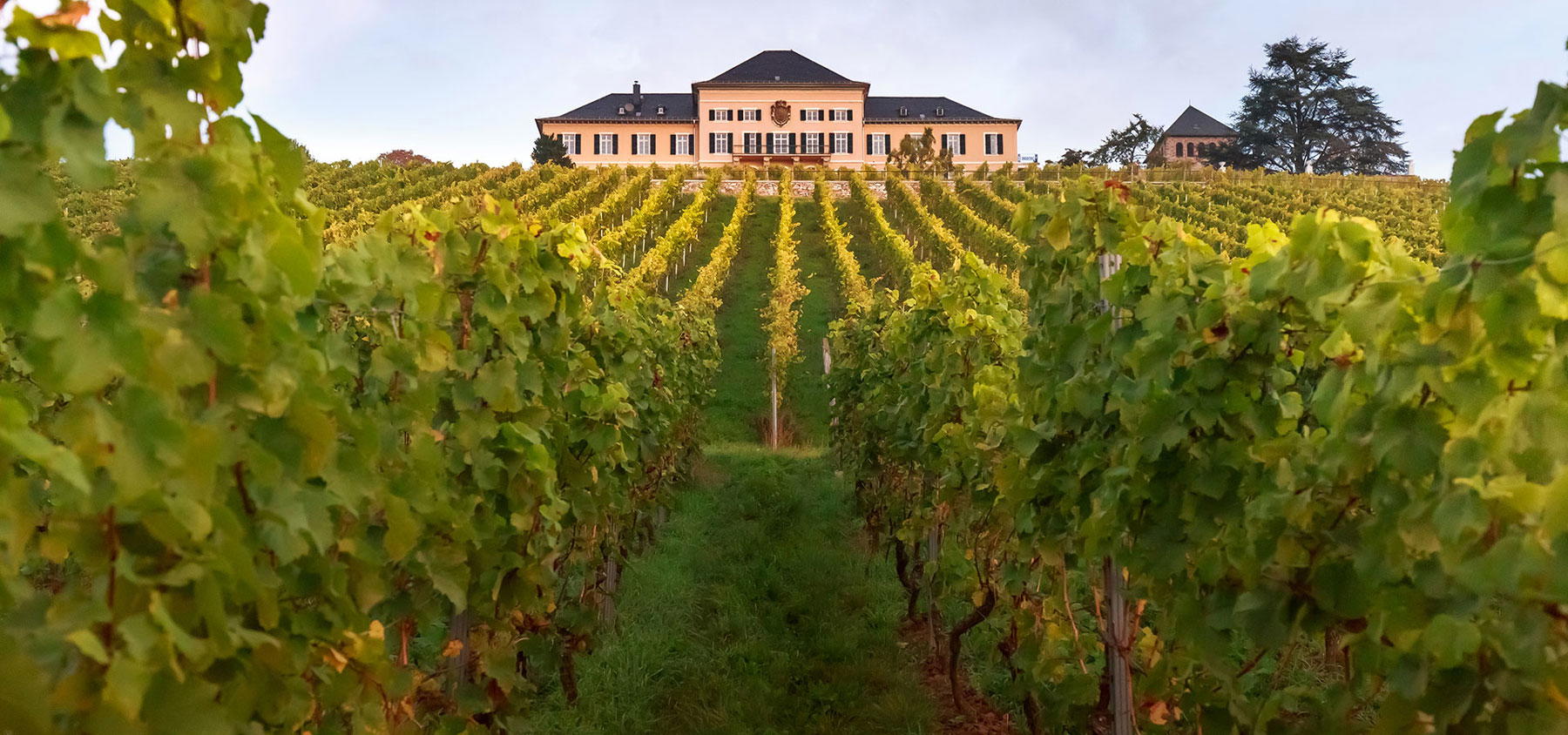
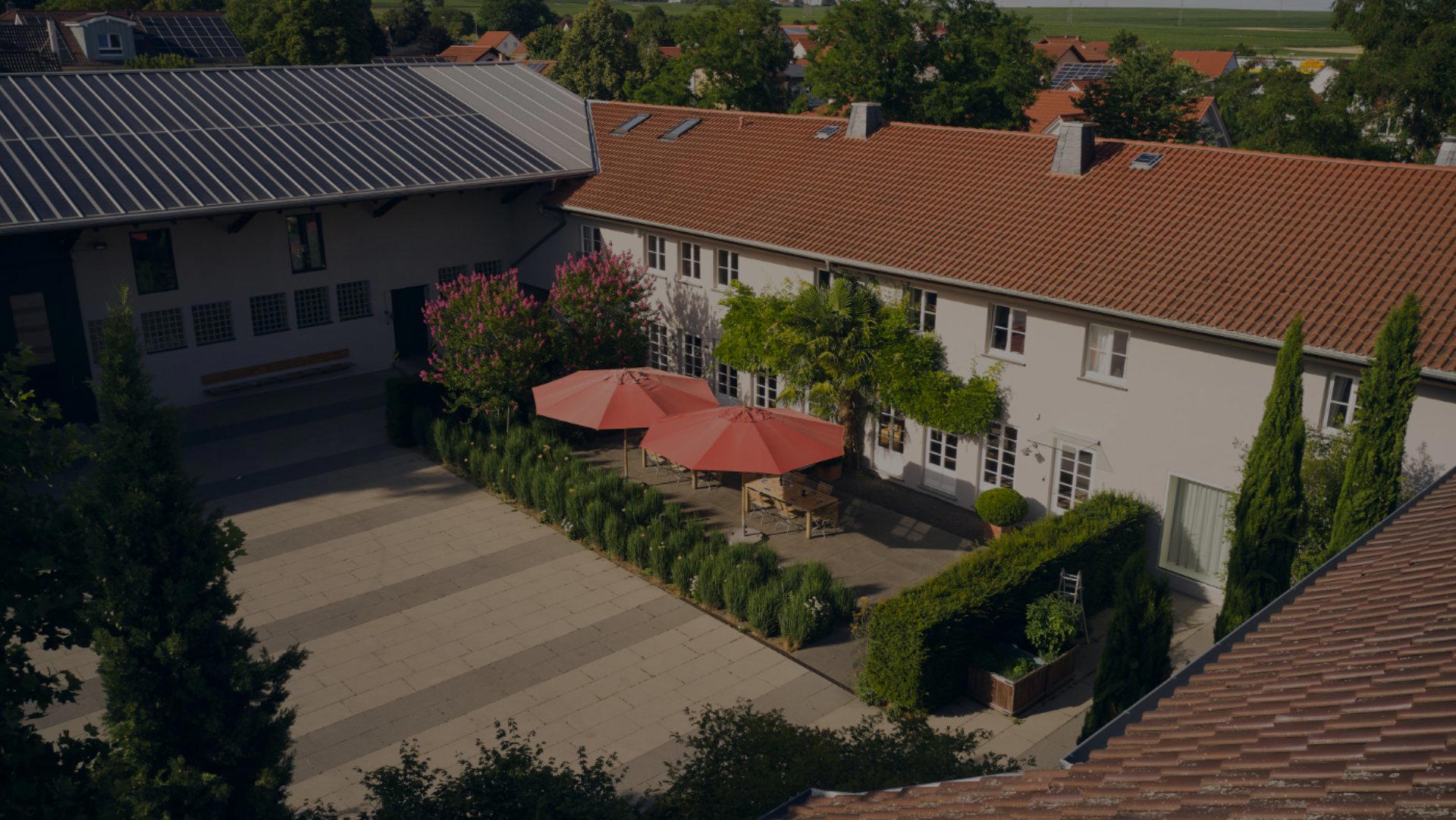
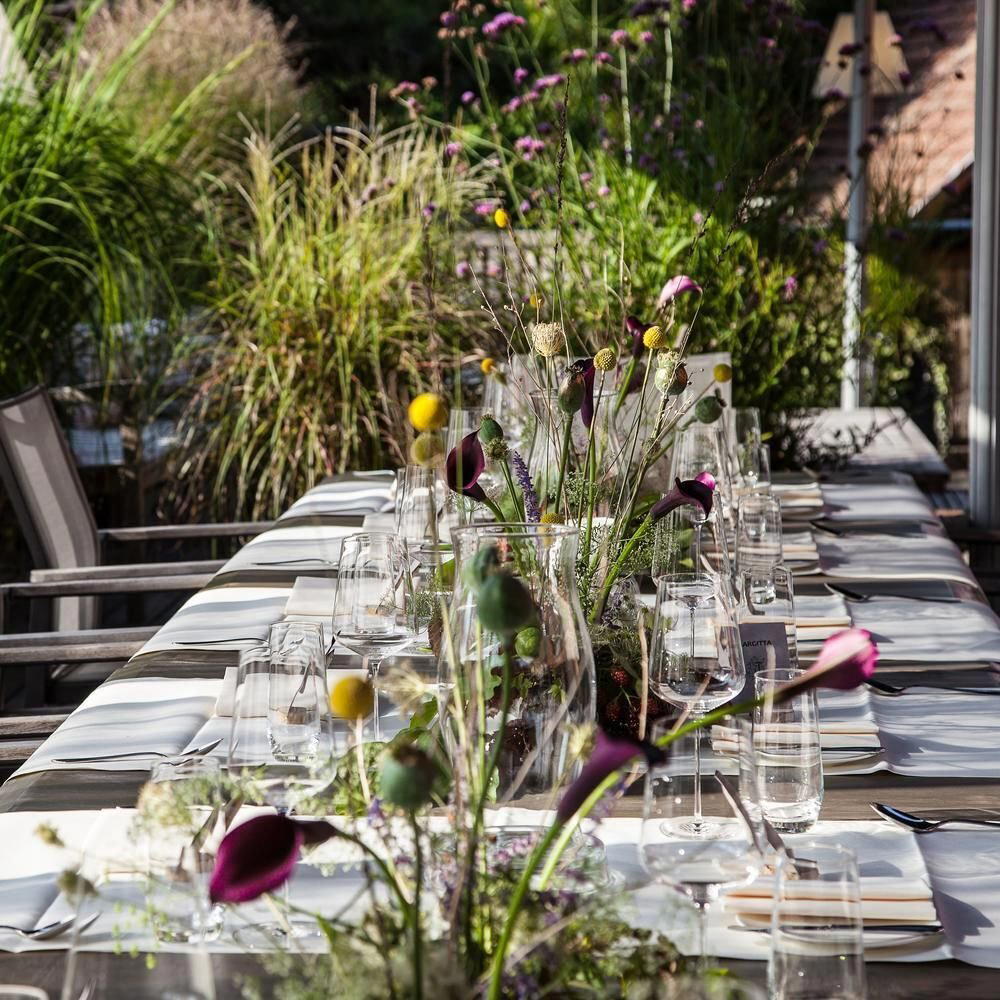
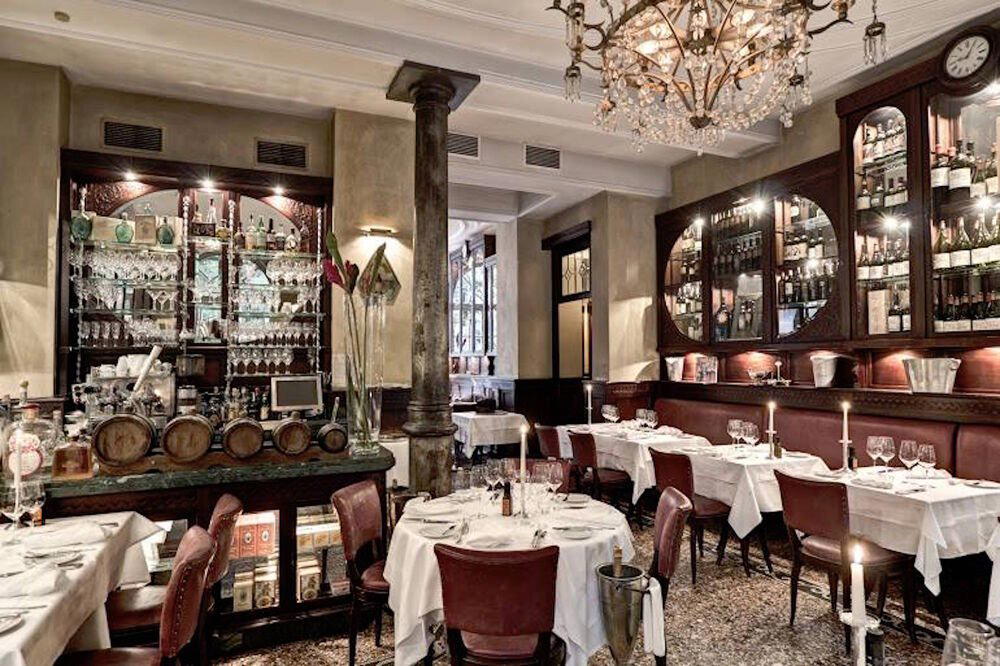
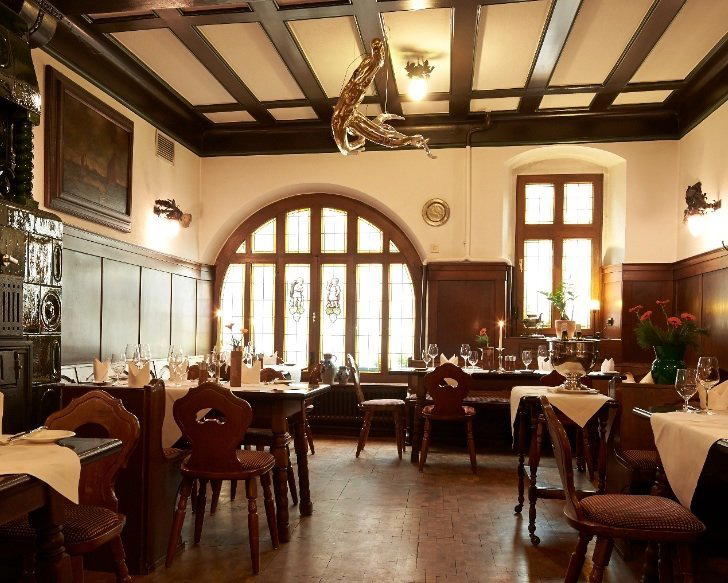
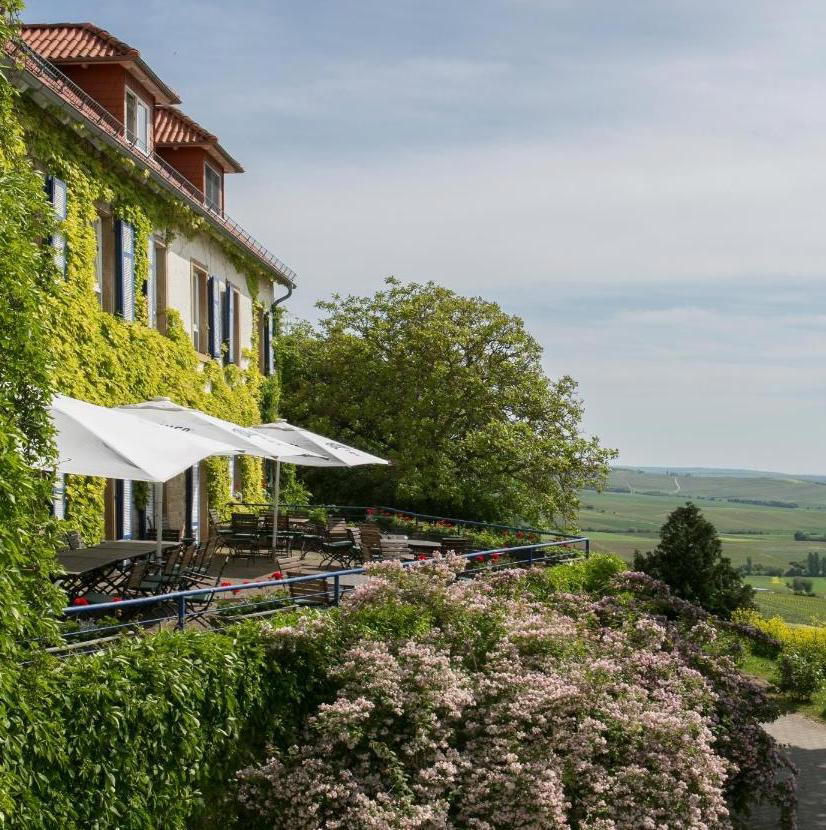
Saulheim is a quiet setting for a winery whose appeal is not built on spectacle. At Weingut Walldorf, the picture is deliberately modest: a traditional family winery with a hands-on, natural-wine focus, a rustic and classic mood, and a reputation as a rather than a glossy destination. The useful way to read the venue is through restraint. It is a place to approach for its family-winery character, its limestone-driven sense of minerality, and the contrast in the cellar between stainless steel and large oak casks.
Because the information for Weingut Walldorf is narrow, the strongest guide is also a careful one. There is no need to attach unconfirmed claims about founding dates, individual winemakers, detailed grape lists, visiting formats, service schedules, or tasting structures. What can be said with confidence is enough to define the venue’s identity: it is a Saulheim winery with a traditional, quiet atmosphere and a natural-wine orientation that emphasizes hands-on work and mineral expression. For travelers who prefer smaller, less theatrical wine stops, that is the central appeal.
Limestone, dry Rheinhessen weather, and wines built on tension
The most grounded description of Weingut Walldorf begins with limestone-driven minerality. That phrase matters because it gives the winery a clear sensory direction without overstating a full technical profile. Rather than promising specific varieties, exact farming protocols, or a fixed tasting experience, it points to the kind of wine identity visitors may be seeking: clarity, tension, and a mineral frame associated with limestone-influenced wines.
The natural-wine focus should also be understood carefully. It is as part of the winery’s identity, but the available facts do not support a long list of production claims. A responsible description should not invent fermentation details, certification status, harvest rules, bottle-aging periods, or cellar timelines. The better reading is broader and more useful: Weingut Walldorf is positioned for drinkers interested in a hands-on approach, a less industrial-feeling winery experience, and wines presented through a natural-wine lens.
That makes the venue especially relevant for people who care about texture and origin more than luxury cues. The mood is described as rustic, classic, quiet, and hidden-gem-like. Those words are not a substitute for technical data, but they are meaningful for planning. They suggest a winery whose personality is more restrained than showy, and whose appeal sits in the relationship between family tradition, cellar work, and the mineral character associated with its wines.
A cellar contrast: stainless steel, Stuckfass, and Burgundy oak
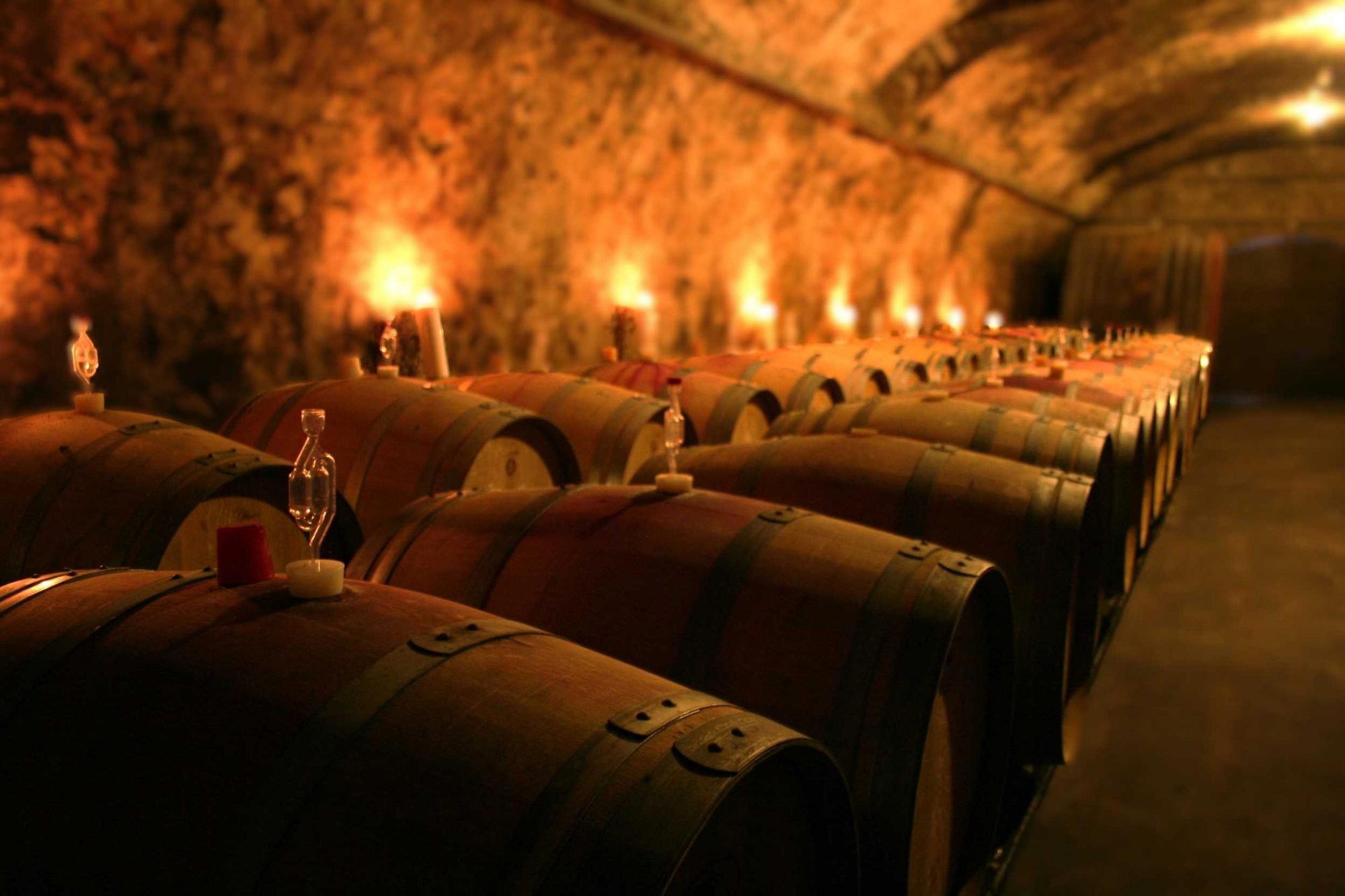
The cellar point is the contrast between stainless steel and large oak casks. Even without naming every vessel type or assigning specific wines to each, that contrast is useful. Stainless steel is commonly associated with freshness and a cleaner frame, while large oak casks can suggest a different relationship with texture and maturation. For Weingut Walldorf, the important fact is not a decorative cellar story but the coexistence of these two approaches within a traditional family winery.
This cellar contrast gives the venue a more specific identity than atmosphere alone. It helps explain why the winery can be described as classic and hands-on at the same time. Stainless steel and large oak casks represent different tools, and the description places them side by side rather than reducing the winery to a single aesthetic. That is a practical detail for wine-focused visitors: the cellar is part of the story, not just a backdrop.
It is also where the natural-wine focus should be kept in proportion. The information supports describing Weingut Walldorf as natural-wine oriented, but not as a venue with any particular certification, award history, named winemaker, or highly specific production regimen. A careful guide should therefore focus on the confirmed frame: traditional family winery, hands-on natural-wine emphasis, limestone-driven minerality, and the cellar contrast between stainless steel and large oak casks.
How to read Walldorf within a Saulheim wine day
For a Saulheim itinerary, Weingut Walldorf is best treated as a quiet, focused wine stop rather than a broad hospitality complex. Travelers should therefore avoid assuming a particular service format from the venue description alone. The safe expectation is simpler: a traditional family winery in Saulheim with a rustic, calm character and a natural-wine point of view.
The price level is listed as $, which places the venue in an accessible bracket. That does not confirm bottle prices, tasting fees, menu costs, or any particular purchase format. It simply gives a broad price signal. As with the rest of the information, the value of the listing lies in its restraint: Weingut Walldorf is not being recommended on the basis of invented accolades or elaborate hospitality claims, but on a concise set of grounded attributes.
Visitors comparing options in Saulheim should keep the comparison generic unless they have current, direct information from individual venues. Weingut Walldorf’s confirmed identity is specific enough on its own: a quiet family winery, rooted in a traditional feel, with a hands-on natural-wine focus, limestone-driven minerality, and a cellar shaped by both stainless steel and large oak casks. For drinkers drawn to rustic places with a sense of craft rather than polish, that is the reason to keep it on the shortlist.
Recognition history
Dated appearances from independent guides and award organizations, with the underlying list record or original source where available.
Falstaff Winery - Listed
Falstaff
Continue exploring
More in Saulheim
Wineries in Saulheim
All wineries in Saulheim →
Bars in Saulheim
Browse all →
Details
- Rustic
- Classic
- Quiet
- Solo Exploration
- Wine Education
- Special Occasion
- Estate Grounds
- Historic Building
- Private Tasting
- Dry Farmed
- Vineyard
- Riesling
- Sylvaner
- Pinot Noir
- Still White
- Still Red
- Cellar Tasting
- Private Tasting
Traditional family winery with a hands-on, natural-wine focus, emphasizing limestone-driven minerality and a cellar contrast between stainless steel and large oak casks.