Weingut Wageck Pfaffmann

Falstaff Winery - 4 Stars
Weingut Wageck Pfaffmann is a fifth-generation Pfalz estate in Bissersheim, working 58 hectares across limestone-influenced sites on the Mittelhaardt/Deutsche Weinstraße. The interest here is geological rather than theatrical: Spätburgunder, Chardonnay, Riesling, Grauburgunder and Merlot are framed through structure, mineral line and cellar discipline, with appointment-only visits keeping the focus on wine education rather than casual drop-in tourism.

Pearl is the En Primeur Club membership app — saves, bookings, and concierge access live there. Same editors, same standards.
- Address
- Bissersheim, Pfalz (Palatinate), Rhineland-Palatinate, Deutschland
- Directions
- Get directions

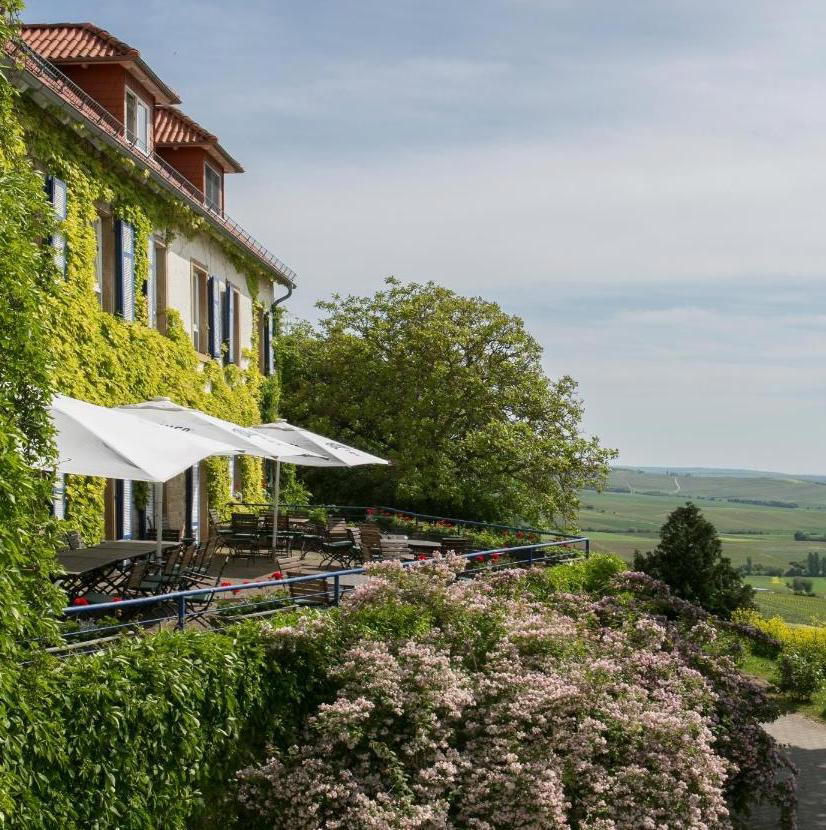
Weingut Wageck Pfaffmann in Bissersheim is best understood as a serious wine estate rather than a broad hospitality venue. The picture is deliberately focused: a quiet, classic, rustic and sophisticated setting, with press descriptions centered on mineral precision, depth, structure and a cellar-oriented approach to quality. For travellers looking at Bissersheim through wine, that makes the estate a more contemplative stop than a touristy one.
The estate is presented as terroir-driven, with an emphasis on wines that feel precise and mineral rather than showy. That language matters because it sets expectations: this is a place to approach with attention to texture, structure and the way a wine develops, rather than as a casual entertainment stop built around spectacle.
A Serious Bissersheim Wine Address
Bissersheim gives Weingut Wageck Pfaffmann its location, and that is the most specific location claim that should be made here. The broader regional context may be meaningful to wine travellers, but the grounded destination detail is simple: this is a Bissersheim estate with a serious, quality-focused identity. Visitors comparing options in the area should think of it as part of a quieter wine itinerary rather than as a loud or highly staged venue.
The estate’s described personality is also useful for deciding whether it fits a trip. “Quiet,” “classic,” “rustic” and “sophisticated” point toward a restrained experience. The appeal is not built on nightlife energy, novelty dining, elaborate service claims or a documented entertainment program. It is built on the impression of a cellar-minded producer whose wines are described with words such as mineral, precise, deep and structured.
The safest planning approach is to treat Weingut Wageck Pfaffmann as a focused wine estate and confirm practical arrangements directly before making the trip.
What the Style Signals
Strongest theme is terroir. In this context, that means the estate’s reputation is tied to a sense of place and to wines described as mineral and precise. Those are not casual descriptors. They suggest a producer whose identity is associated with structure, clarity and a measured cellar style rather than simple fruitiness or easygoing mass appeal.
Depth and structure are also important words in the description. They imply wines intended to be considered carefully, with enough shape to reward attention. That does not support inventing details about grape varieties, barrels, vineyard names or ageing regimes, but it does support a general reading: Weingut Wageck Pfaffmann is positioned for drinkers who care about composition, balance and the way a wine’s form carries its character.
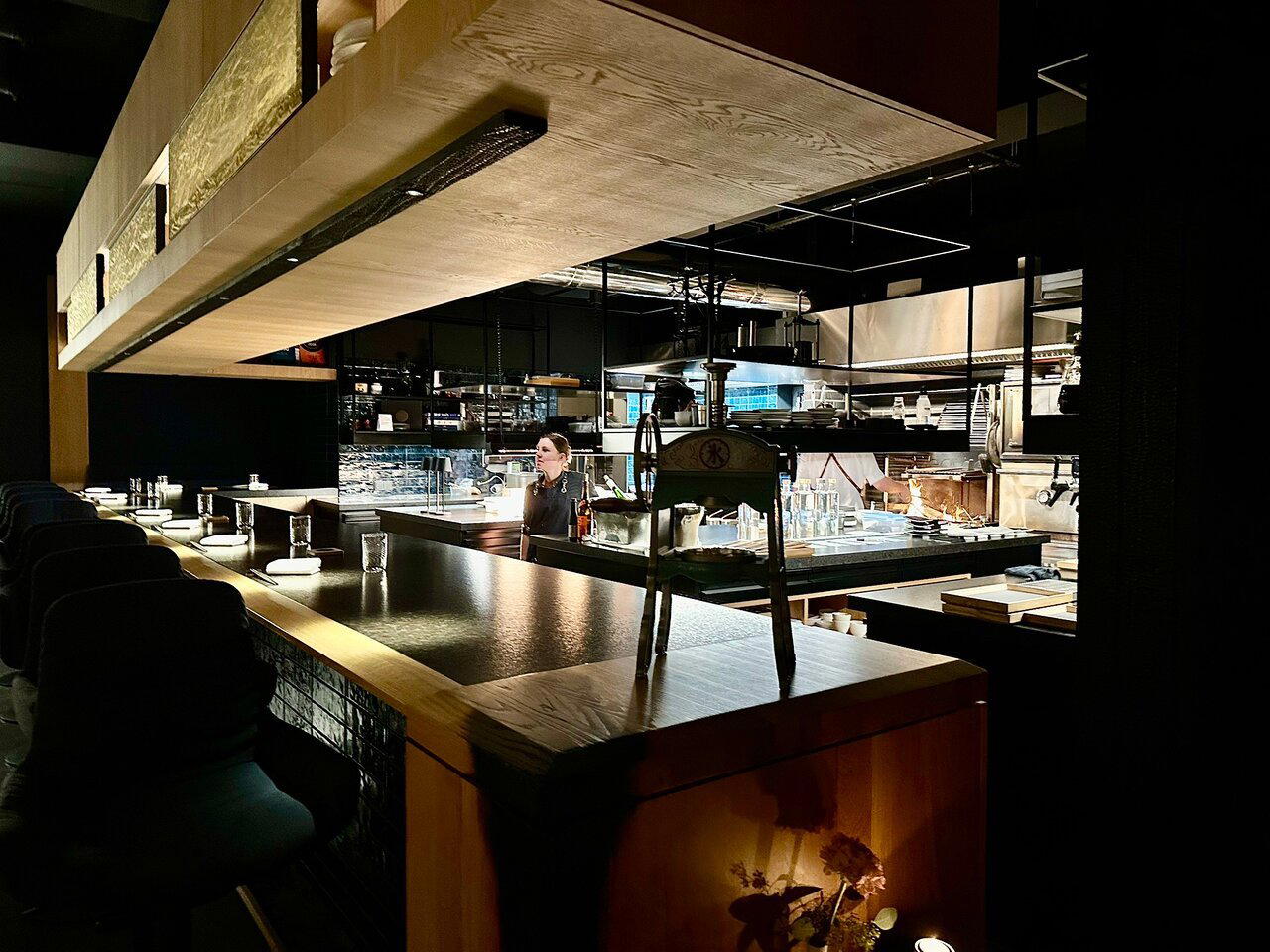
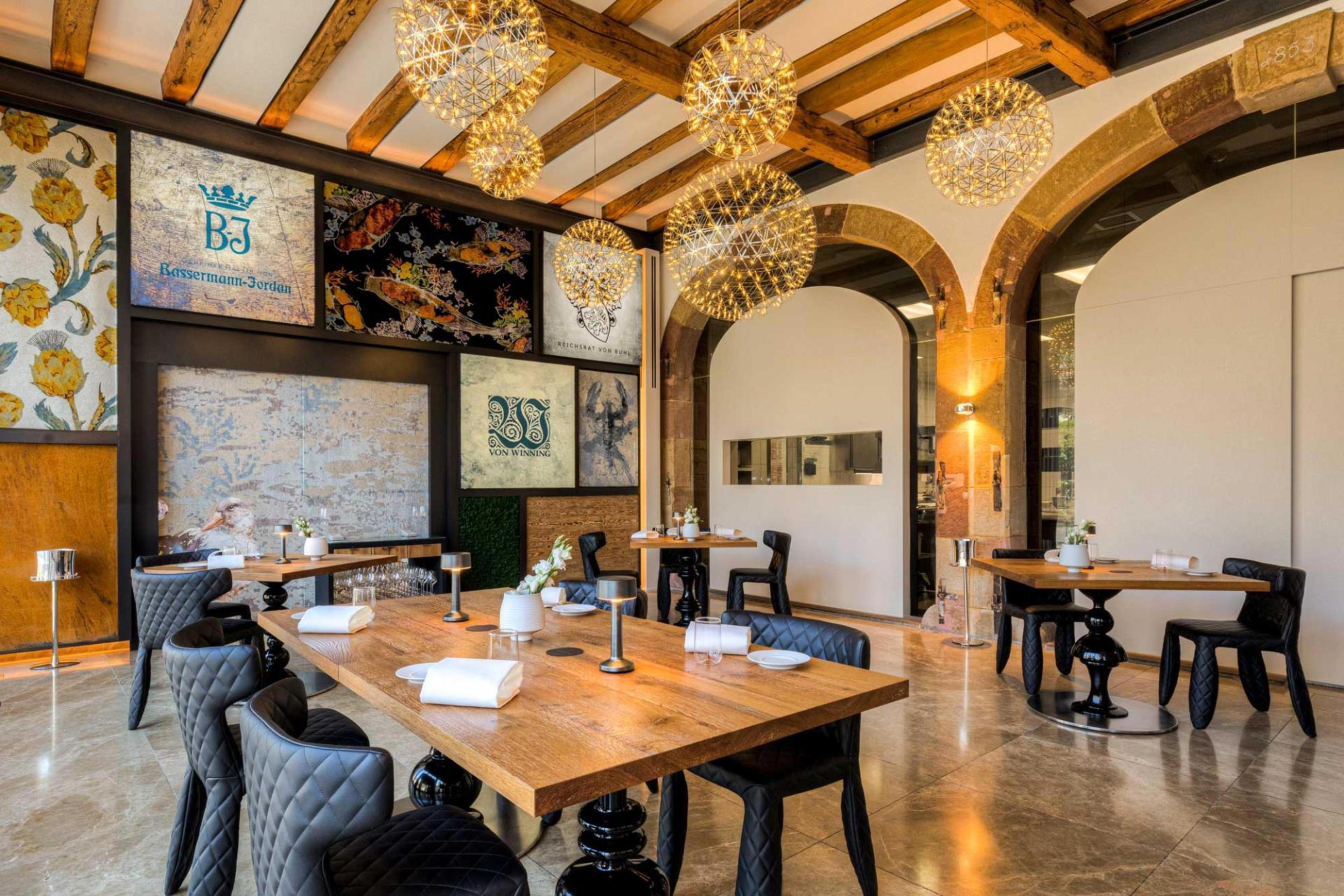
The venue’s atmosphere matches that reading. A quiet, classic and rustic-sophisticated mood suggests a restrained estate environment where the wine remains the focus. It is not the kind of profile that depends on a party atmosphere, a themed tasting gimmick or a restaurant-style narrative. The value is in the seriousness of the wine identity and the calmness of the setting.
How to Read the Visit
For planning purposes, the most important practical detail is price level: Weingut Wageck Pfaffmann is listed as $$.
That lack of detail is not a flaw in the estate itself; it is a limit of what can be stated responsibly. The right editorial approach is to avoid filling gaps with assumptions. If you are building a Bissersheim wine stop around Weingut Wageck Pfaffmann, confirm timing, availability and any tasting arrangements directly with the estate before going.
As a guide entry, the reason to keep Weingut Wageck Pfaffmann on the radar is clear: it represents a serious, terroir-driven Bissersheim wine address with a mineral, precise and structured profile. The mood is quiet rather than performative, classic rather than trendy, and rustic-sophisticated rather than tourist-driven. For travellers who value that kind of estate, the thinness of public practical detail can be managed with advance confirmation; the identity remains focused and compelling.
Recognition history
Dated appearances from independent guides and award organizations, with the underlying list record or original source where available.
Falstaff Winery - 4 Stars
Falstaff
Continue exploring
More in Bissersheim
Wineries in Bissersheim
Browse all →
Bars in Bissersheim
Browse all →
Restaurants in Bissersheim
Browse all →
Details
- Quiet
- Classic
- Rustic
- Sophisticated
- Solo Exploration
- Special Occasion
- Wine Education
- Historic Building
- Private Tasting
- Vineyard
- Spätburgunder
- Chardonnay
- Riesling
- Grauburgunder
- Merlot
- Still Red
- Still White
- Sparkling
- Tasting Room
- Guided Tasting
A serious, terroir-driven estate focused on mineral, precise wines; the press descriptions emphasize depth, structure, and a cellar-oriented, quality-focused style rather than a touristy atmosphere.