Weingut Mann

Weingut Mann is a small Rheinhessen estate in Eckelsheim where volcanic porphyry, limestone and steep hillside farming shape the argument in the glass. The appeal is not polished winery tourism but a natural-wine reading of place: organic and biodynamic vineyard work, hand harvests, native yeasts and large neutral oak across Riesling, Müller-Thurgau, Silvaner, Pinot Blanc, Spätburgunder and orange-leaning cuvées.
Pearl is the En Primeur Club membership app — saves, bookings, and concierge access live there. Same editors, same standards.
- Address
- Eckelsheim, Rhine Hesse, Rhineland-Palatinate, Deutschland
- Directions
- Get directions
 Saves & bookings on Pearl
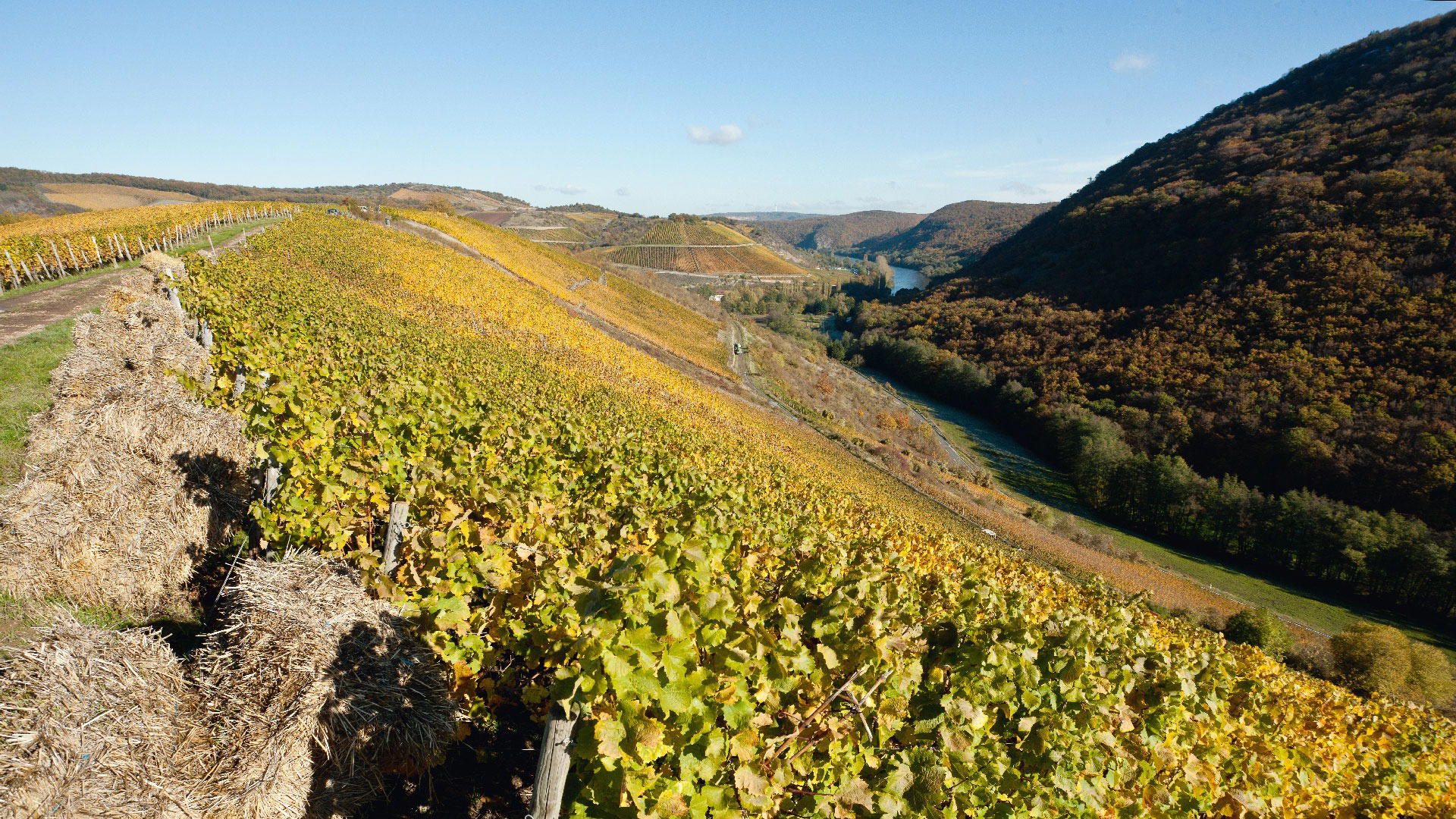
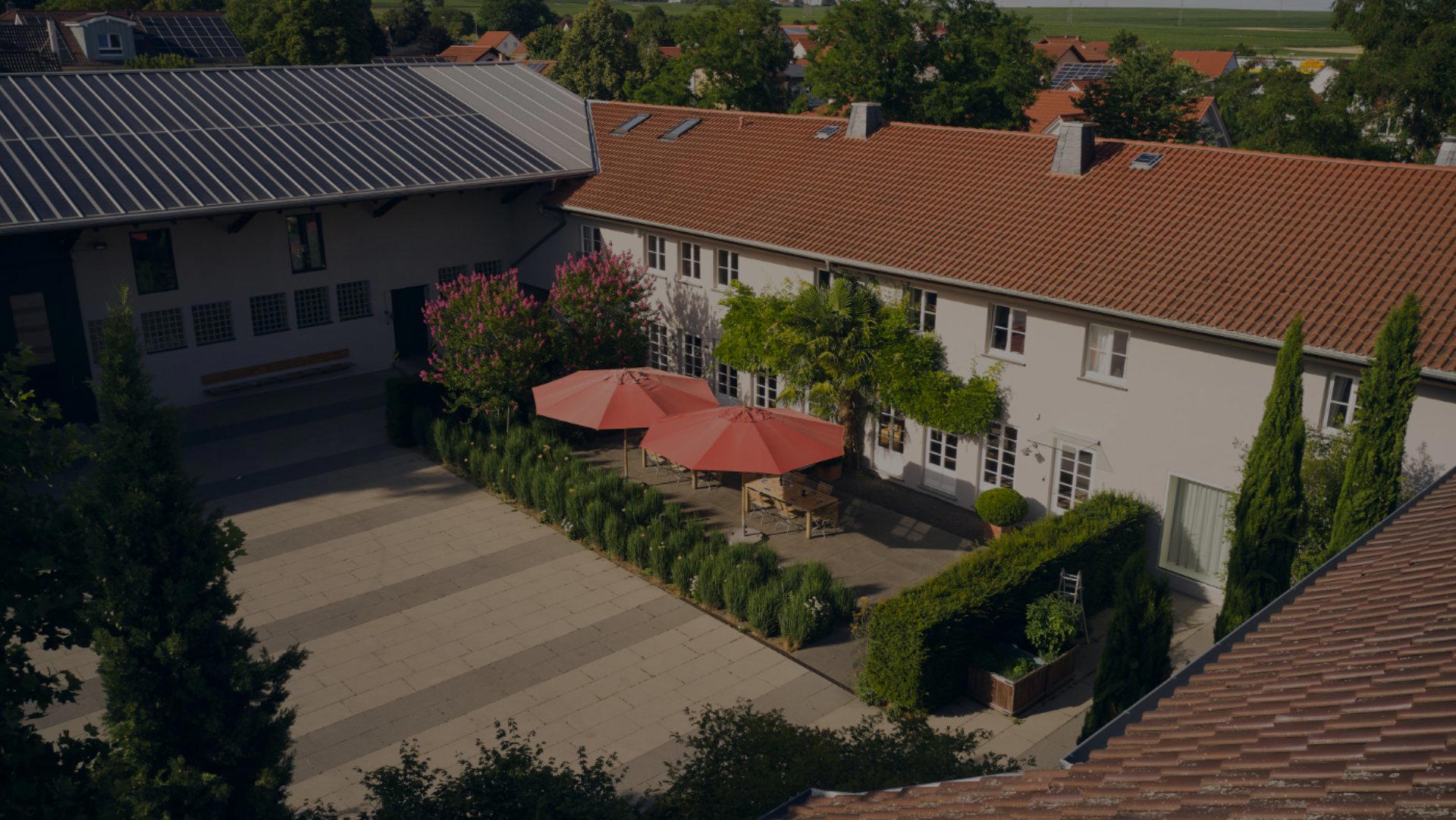
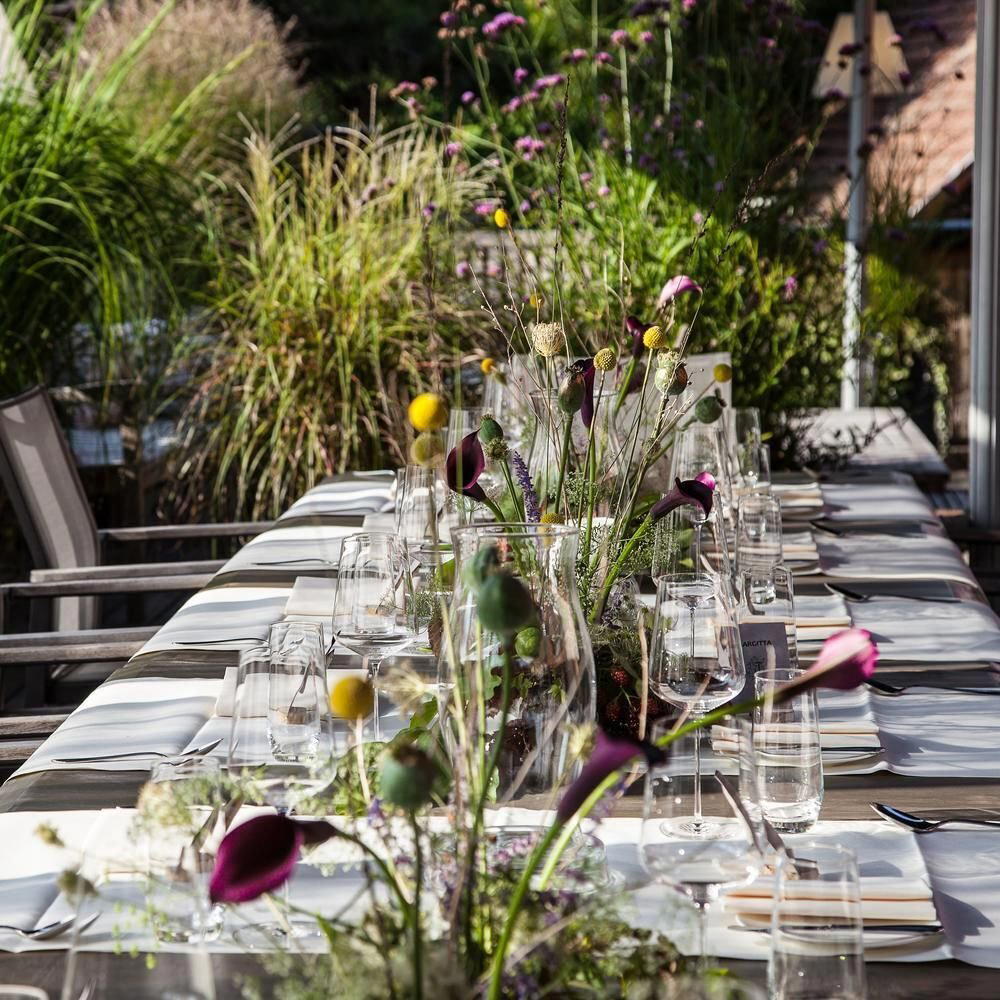
Approaching Eckelsheim, the wine country changes register: hills tighten, forest edges come closer, and the geology starts to matter as much as the village name. Weingut Mann belongs to the quieter side of the local wine landscape: small in feel, natural in spirit and shaped by a low-intervention, terroir-driven outlook. The picture is not one of a highly staged hospitality venue or a page of confirmed accolades. It is more modest and, for the right visitor, more useful: a rustic, scenic winery whose identity is tied closely to the surrounding hills, forests, volcanic porphyry and limestone soils.
The winery is in Eckelsheim, and its appeal rests on a hidden-gem quality: quiet, classic, rural and grounded in place. That matters in a region where wine experiences can sometimes be described through long lists of varieties, cellar techniques or tasting formats. Here, those specifics should not be assumed. What can be said with confidence is that the venue presents itself as a small, natural winery with a low-intervention feel and a terroir-led frame.
Porphyry, limestone and the Rheinhessen natural-wine argument
The defining feature is not a particular grape, bottle, score or award. It is the relationship between Weingut Mann and the landscape around Eckelsheim. The setting is shaped by hills and forests, with volcanic porphyry and limestone soils forming part of the local character. Those details give the winery a grounded sense of place without requiring unsupported claims about individual cuvées, farming certifications, cellar vessels or production methods.
That distinction is important. A low-intervention, terroir-driven winery can be compelling without a visitor guide inventing technical specifics. In this case, the honest frame is that Weingut Mann is best understood as a small natural winery where the surrounding geology and rural atmosphere are central to the experience. The page should not overreach into statements about grape varieties, skin contact, fermentation style, sulfur use, barrel formats, estate size, family history or winemaking personnel. Those may be the kinds of details wine travelers often look for, but they are not confirmed here.
What remains is still useful: the winery reads as a quiet Eckelsheim address for people who care about wine as an expression of place. The emphasis is on texture of experience rather than luxury. Expect the language around the winery to lean toward rustic, scenic and classic rather than glossy or urban. It is the kind of venue where the hills, forests and soils are not background decoration; they are the main context for understanding why the winery is distinctive.
A portfolio built on texture rather than polish
That is intentional. Rather than naming unconfirmed cuvées or describing winemaking details that may not be represented in the record, it is more accurate to describe the winery’s broader posture: natural, low-intervention and terroir-driven. Those terms point to a style of thinking about wine, even when the exact contents of a tasting or current release list are not established here.
For travelers, that means the winery should be approached less as a checklist of famous labels and more as a place-based stop in Eckelsheim. Likewise, no award record, rating, ranking or seat count, so none should be used as the reason to visit.
The better reason is atmosphere. The winery’s appeal sits in its small scale, natural-winery identity and scenic rural setting. If you are drawn to places where the conversation can begin with geology and landscape rather than with prestige signals, it is a strong fit. If you need detailed public confirmation of exact wines, service format, availability or facilities, those points should be checked directly before planning around them.
How to read the visit: small scale, serious farming, low ceremony
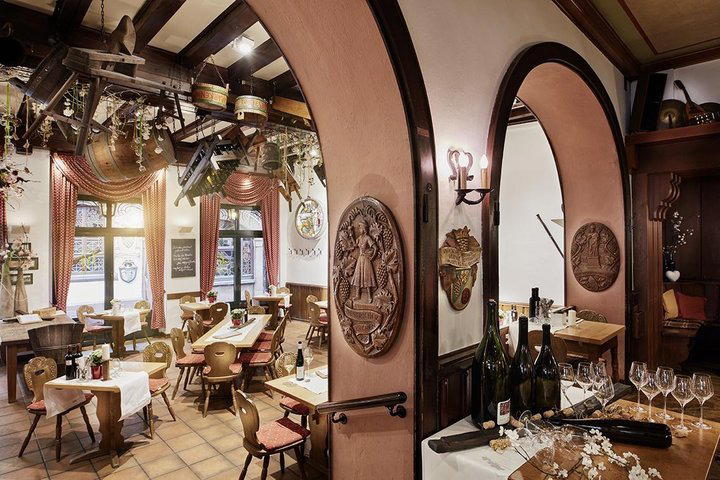
The winery is best described as quiet, rustic and hidden away in Eckelsheim. The tone is low ceremony: a natural winery with a terroir-driven feel rather than a polished, high-capacity hospitality concept. That does not confirm any particular tasting structure, opening schedule, appointment rule, food service, seating arrangement or group policy. It simply establishes the character of the place as small, scenic and closely tied to its rural setting.
This makes the venue most appealing to visitors who prefer understated wine experiences. The surrounding hills, forests, volcanic porphyry and limestone soils provide the central frame, while the winery’s low-intervention identity gives the visit its interpretive lens. The result is a guide entry that should be read with restraint: the winery is not being recommended here because of confirmed awards, a famous chef, a detailed drinks program or a documented menu. It is recommended as a quiet Eckelsheim winery with a natural, site-focused character.
For a wider Eckelsheim itinerary, keep the planning generic unless you have current information from the venue or local sources. The safest summary is also the accurate: the winery is a small, scenic, low-intervention winery in Eckelsheim, with a rustic hidden-gem feel and a setting defined by hills, forests, volcanic porphyry and limestone.
Recognition history
Dated appearances from independent guides and award organizations, with the underlying list record or original source where available.
Falstaff Winery - Listed
Falstaff
Continue exploring
More in Eckelsheim
Wineries in Eckelsheim
Browse all →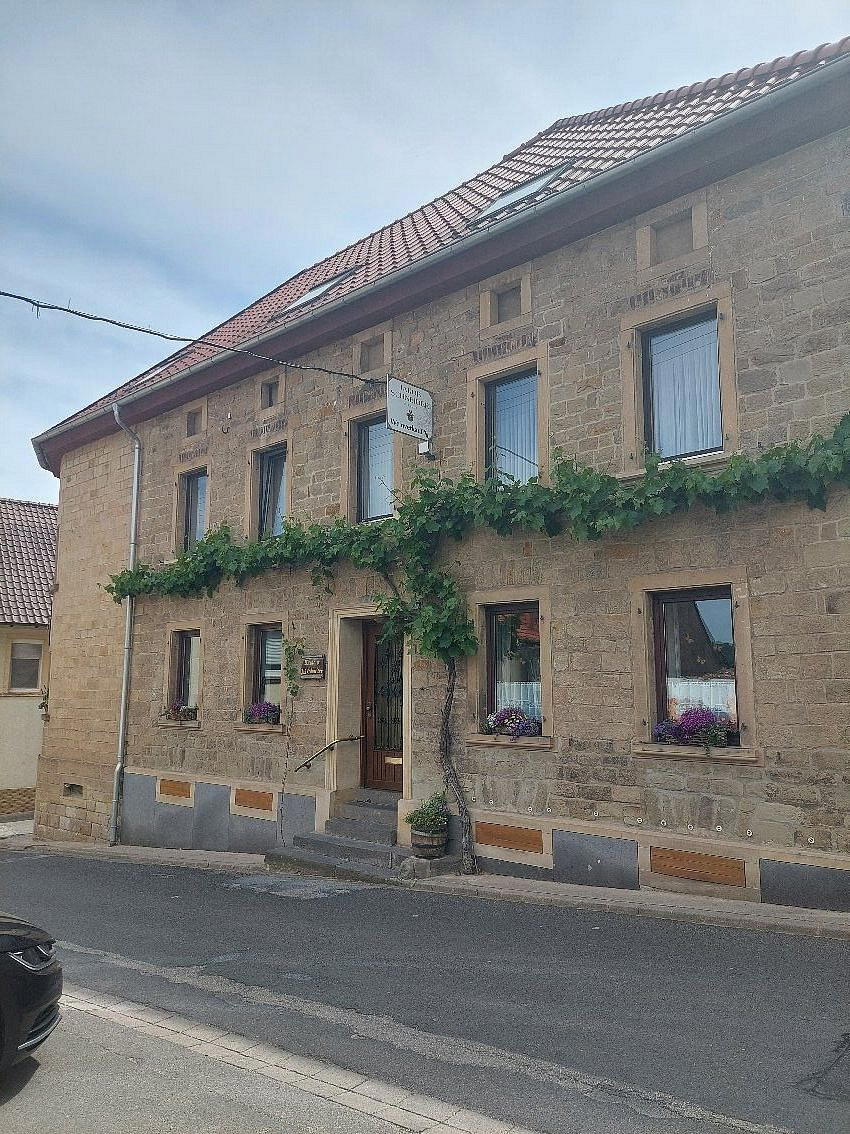
Bars in Eckelsheim
Browse all →


Restaurants in Eckelsheim
Browse all →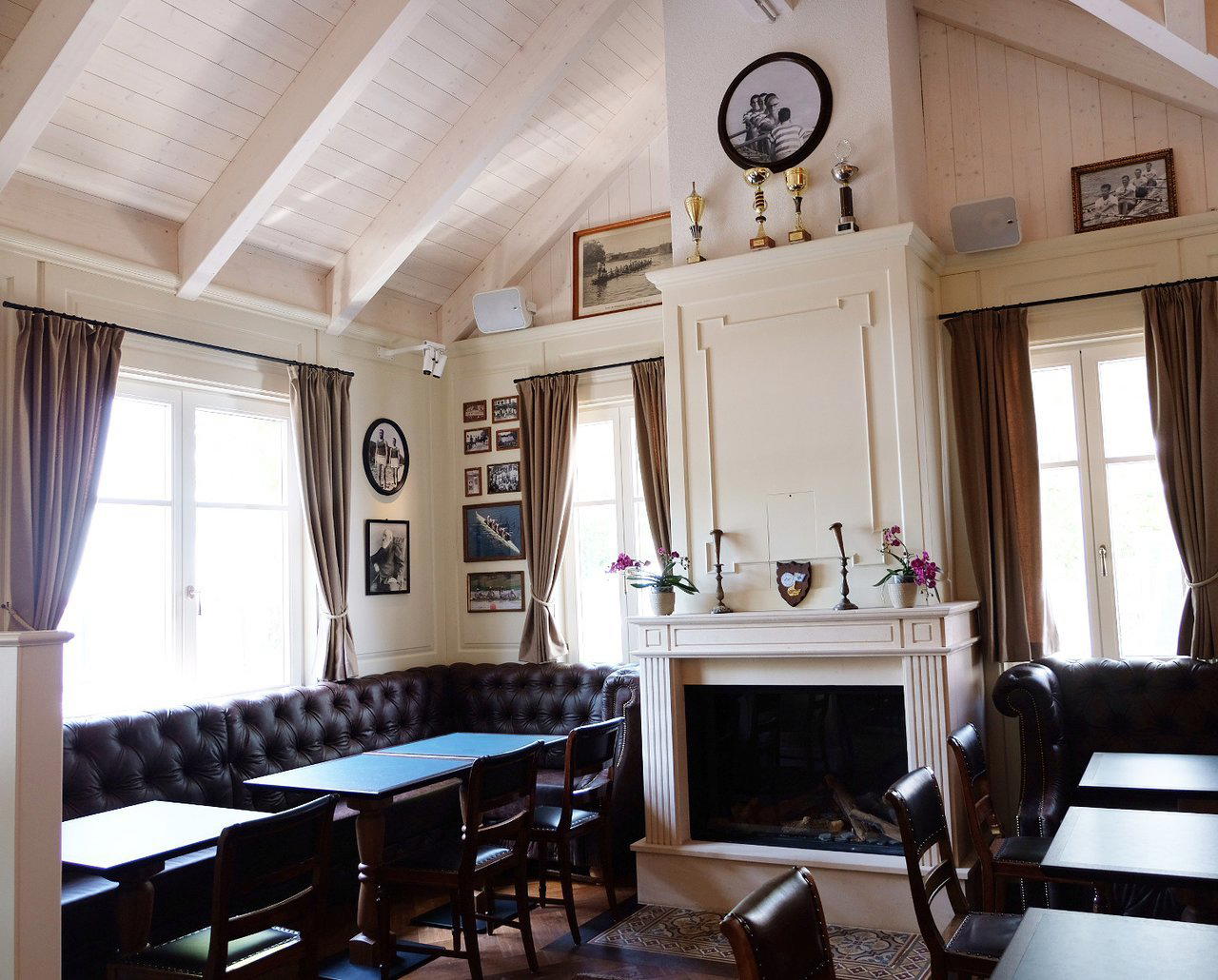
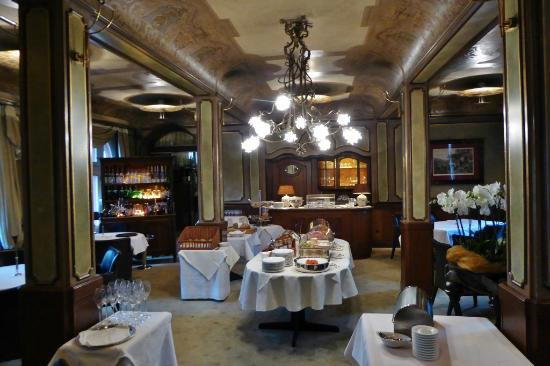
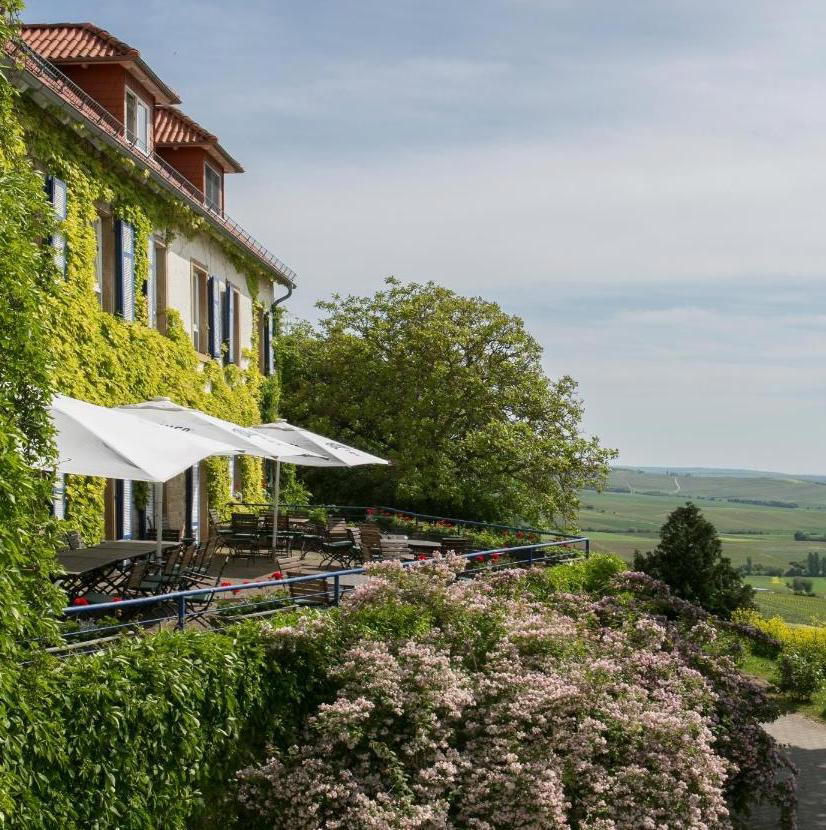
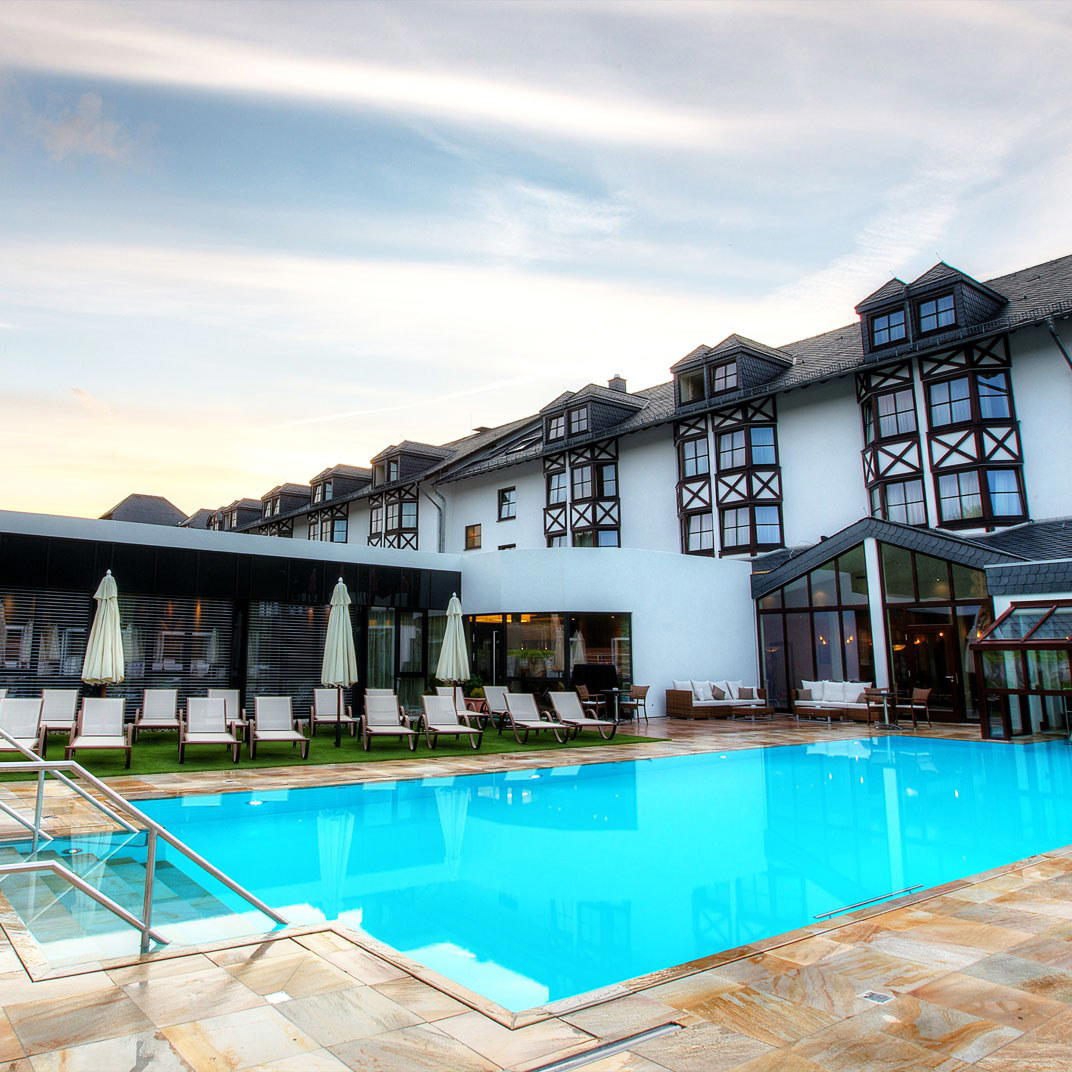
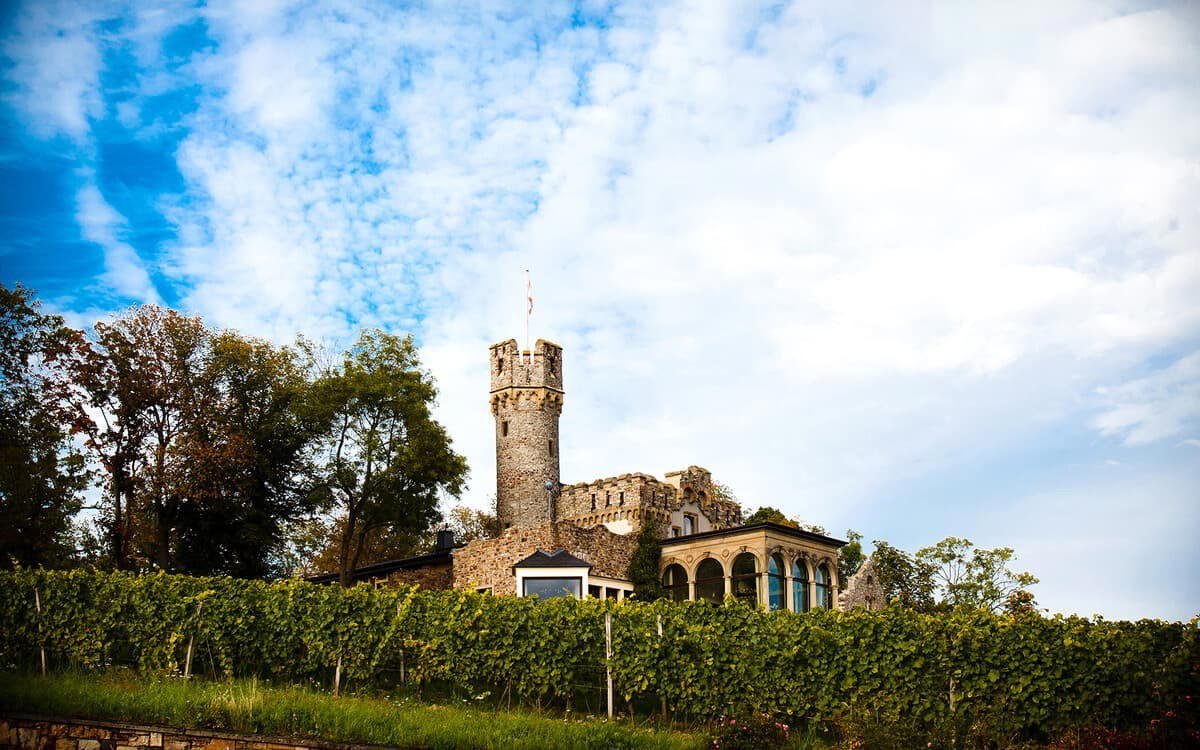
At a Glance
- Quiet
- Rustic
- Scenic
- Classic
- Solo Exploration
- Wine Education
- Estate Grounds
- Historic Building
- Organic
- Biodynamic
- Mountain
- Rheinhessen
- Riesling
- Müller Thurgau
- Silvaner
- Pinot Blanc
- Spätburgunder
- Still White
- Still Red
- Orange
- Tasting Room
- Producer Tasting
A small, natural winery with a low-intervention, terroir-driven feel; the setting is shaped by Eckelsheim’s hills, forests, volcanic porphyry, and limestone soils.