Weingut Magerl

Weingut Magerl is a small family-run Wagram estate in Fels am Wagram, shaped by loess soils, organic farming, and a serious commitment to Grüner Veltliner and Roter Veltliner. Its interest lies less in spectacle than in site expression: named vineyards, classic maturation, selective barrique use, and an orange wine made from skin-fermented Grüner Veltliner.
Pearl is the En Primeur Club membership app — saves, bookings, and concierge access live there. Same editors, same standards.
- Address
- Fels am Wagram, Wagram, Lower Austria, Österreich
- Directions
- Get directions
 Saves & bookings on Pearl
Fels am Wagram does not need an elaborate hook to frame Weingut Magerl. The picture is more direct: this is a family-run winery in Fels am Wagram, presented around a tradition-meets-modernity identity, sustainability, loess terroir, and a cellar or estate experience centered on wine production. That is a lean but useful set of facts, and it is enough to separate the venue from a generic stop on a wine route.
A reliable way to read Weingut Magerl is as a classic, rustic, cozy winery with a hidden-gem quality rather than as a heavily documented destination built around public rankings, named chefs, elaborate service formats, or a confirmed restaurant-style menu. The information points to wine production, family continuity, and place. It does not support specific claims about grape varieties, individual vineyard names, tasting formats, opening hours, seat counts, dishes, or appointment rules, so those details should be checked directly with the estate before planning a visit.
Loess, sustainability, and the Wagram argument
The grounded story begins with Fels am Wagram and its loess identity. Weingut Magerl is described through loess terroir, which gives the winery a regional frame without needing to overstate the particulars. The appeal is not about spectacle. It is about an estate whose public identity is tied to wine production and the land around it, with sustainability presented as part of that self-understanding.
That matters because a winery can be compelling without a long list of technical claims. In this case, the confirmed character is enough: family-run, rooted in Fels am Wagram, traditional but not frozen in the past, and focused on an estate experience shaped by the cellar and production rather than by restaurant theatrics. For visitors comparing options in the area, those are the key signals to rely on.
It is also important to keep the description honest. Rather than inventing a detailed tasting narrative, the safer and more useful reading is broader: the winery represents a loess-terroir winery in Fels am Wagram with a sustainability-minded, family-run identity and a classic rustic feel.
Classic cellar identity without unsupported specifics
The material supports a cellar-centered estate experience. That phrase is meaningful but should not be stretched into claims about private tastings, tour schedules, barrel programs, skin-contact wines, reserve categories, or production techniques. None of those specifics are confirmed here. What is confirmed is the setting and orientation: wine production is central, and the estate’s character is tied to the cellar rather than to a separate dining or nightlife concept.
For EP Club readers, that makes the winery a useful recommendation when the goal is atmosphere and regional grounding. Expect the tone of a family-run winery: classic, rustic, cozy, and somewhat in feel. The price marker is $, which places the venue at the accessible end of the guide’s price scale, but the available information does not verify individual bottle prices, tasting fees, food pricing, or package costs.
The tradition-meets-modernity identity is the other confirmed axis. In practice, that should be understood as a positioning statement rather than proof of any specific technology, cellar vessel, farming certification, or winemaking method. The estate is presented as balancing continuity with a modern outlook, and sustainability is part of that frame. Beyond that, travelers should avoid assuming details that have not been verified.
Who should put it on a Fels am Wagram wine itinerary
The winery is well suited to travelers who want a grounded winery stop in Fels am Wagram rather than a venue defined by elaborate dining, nightlife, or luxury-service claims. The confirmed draw is the combination of family-run character, loess-terroir identity, sustainability emphasis, and a cellar or estate experience centered on wine production. That makes it a natural fit for visitors who care about regional context and a quieter, more classic atmosphere.
It is less appropriate to describe the venue as a confirmed lunch spot, restaurant, bar, tasting-menu destination, or appointment-only private tasting venue, because those claims are not part of the record supplied here. If timing, access, dietary needs, food service, tours, or tasting arrangements matter, confirm them directly with the winery before visiting Fels am Wagram.
Within a Fels am Wagram itinerary, the safest way to position the winery is as a wine-production-focused estate with rustic charm and a hidden-gem feel. The practical takeaway is simple: choose the winery for a family-run Wagram winery identity, loess context, sustainability-minded positioning, and an accessible $ price marker.
Recognition history
Dated appearances from independent guides and award organizations, with the underlying list record or original source where available.
Falstaff Winery - 2 Stars
Falstaff
Continue exploring
More in Fels am Wagram
Wineries in Fels am Wagram
Browse all →
Bars in Fels am Wagram
Browse all →
Restaurants in Fels am Wagram
Browse all →
At a Glance
- Classic
- Rustic
- Cozy
- Family
- Solo Exploration
- Special Occasion
- Wine Education
- Estate Grounds
- Historic Building
- Private Tasting
- Organic
- Sustainable
- Vineyard
- Wagram
- Grüner Veltliner
- Roter Veltliner
- Zweigelt
- Chardonnay
- Weißer Burgunder
- Still White
- Still Red
- Orange
- Private Tasting
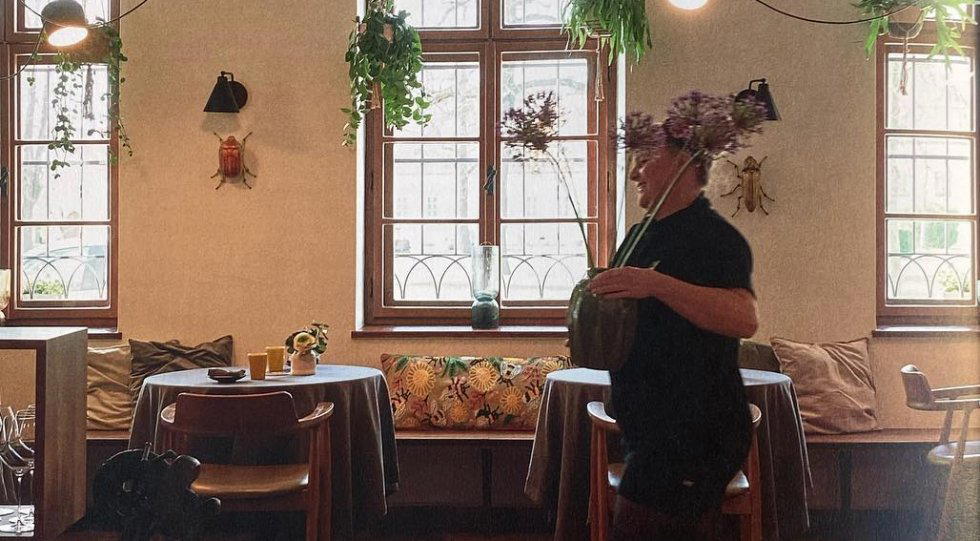
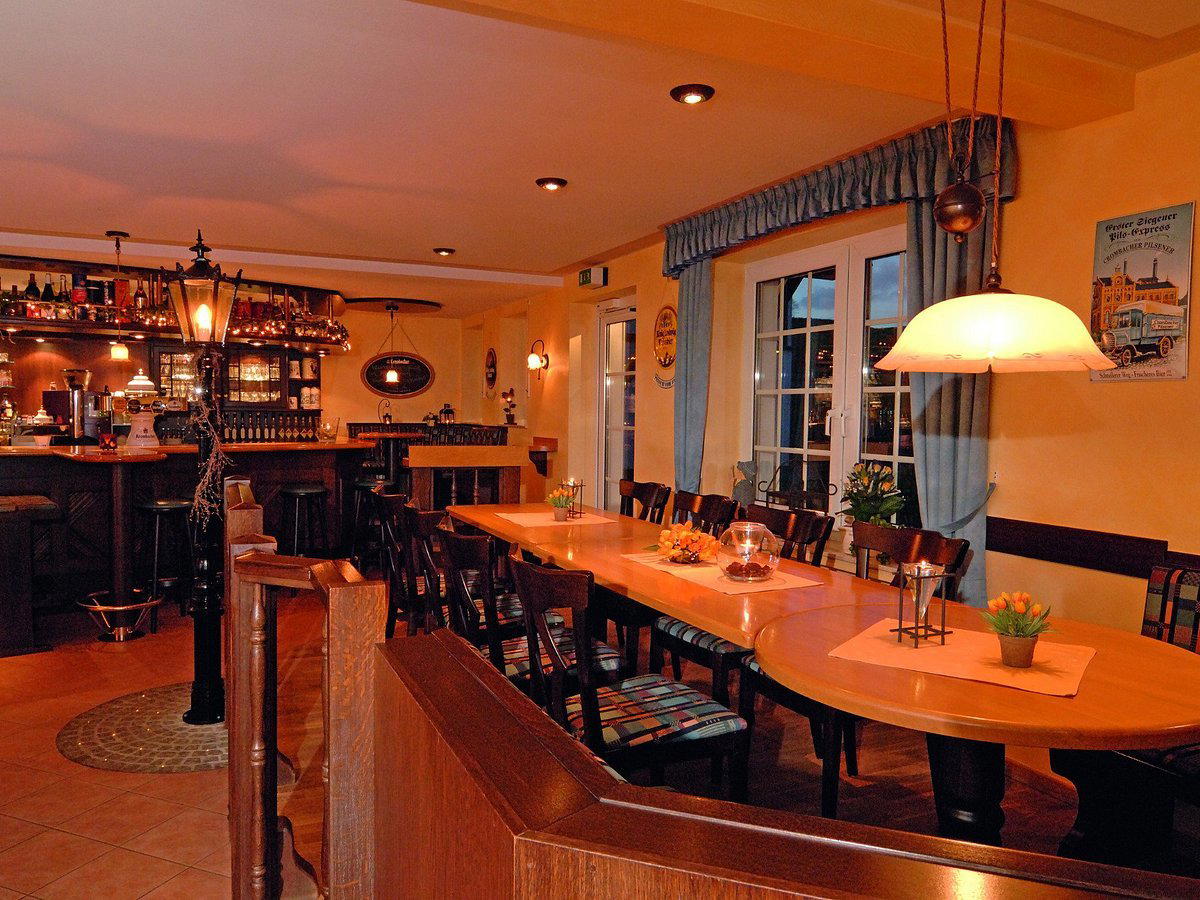
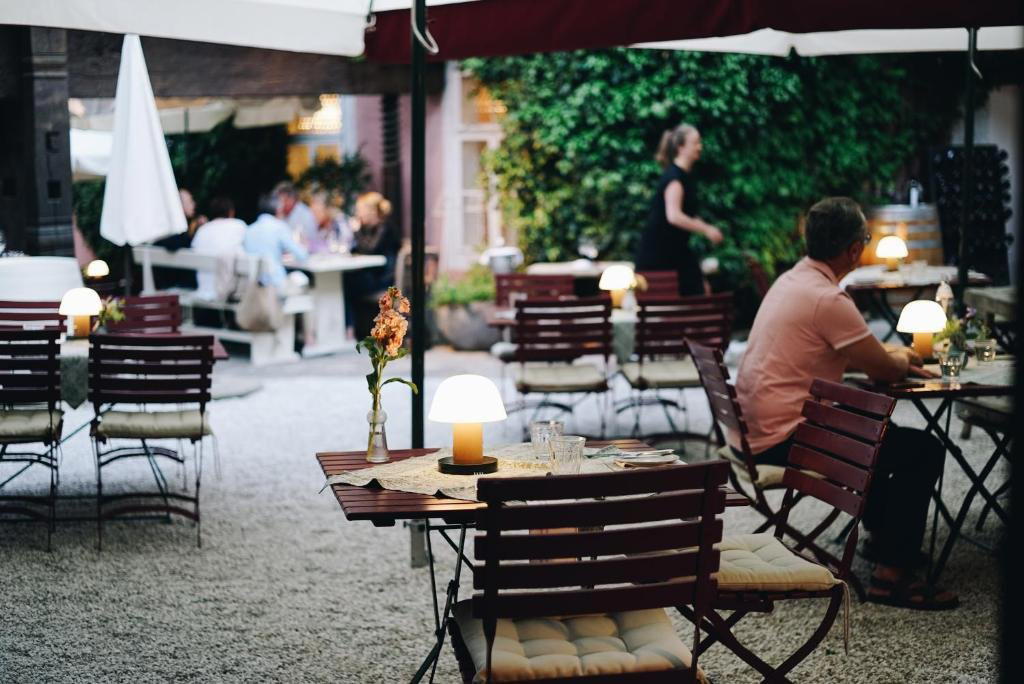
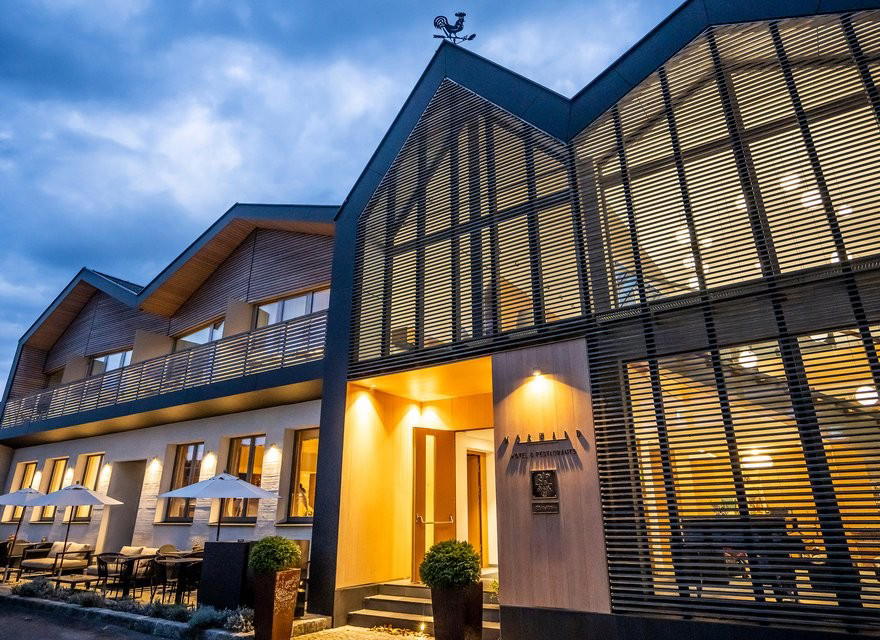
Family-run winery with a tradition-meets-modernity identity, emphasizing sustainability, loess terroir, and a cellar/estate experience centered on wine production.