Weingut Müller-Grossmann

Falstaff Winery - 3 Stars
A small women-led Kremstal estate in Furth-Palt, Weingut Müller-Grossmann works from 10 hectares around Göttweiger Berg with Grüner Veltliner, Riesling, Weissburgunder, Zweigelt and Muskateller. The draw is terroir-led Austrian white wine, natural-leaning cellar restraint, traditional-method sparkling wine and a historic underground cellar used for more than 90 years.

Pearl is the En Primeur Club membership app — saves, bookings, and concierge access live there. Same editors, same standards.
- Address
- Furth-Palt, Kremstal, Lower Austria, Österreich
- Directions
- Get directions

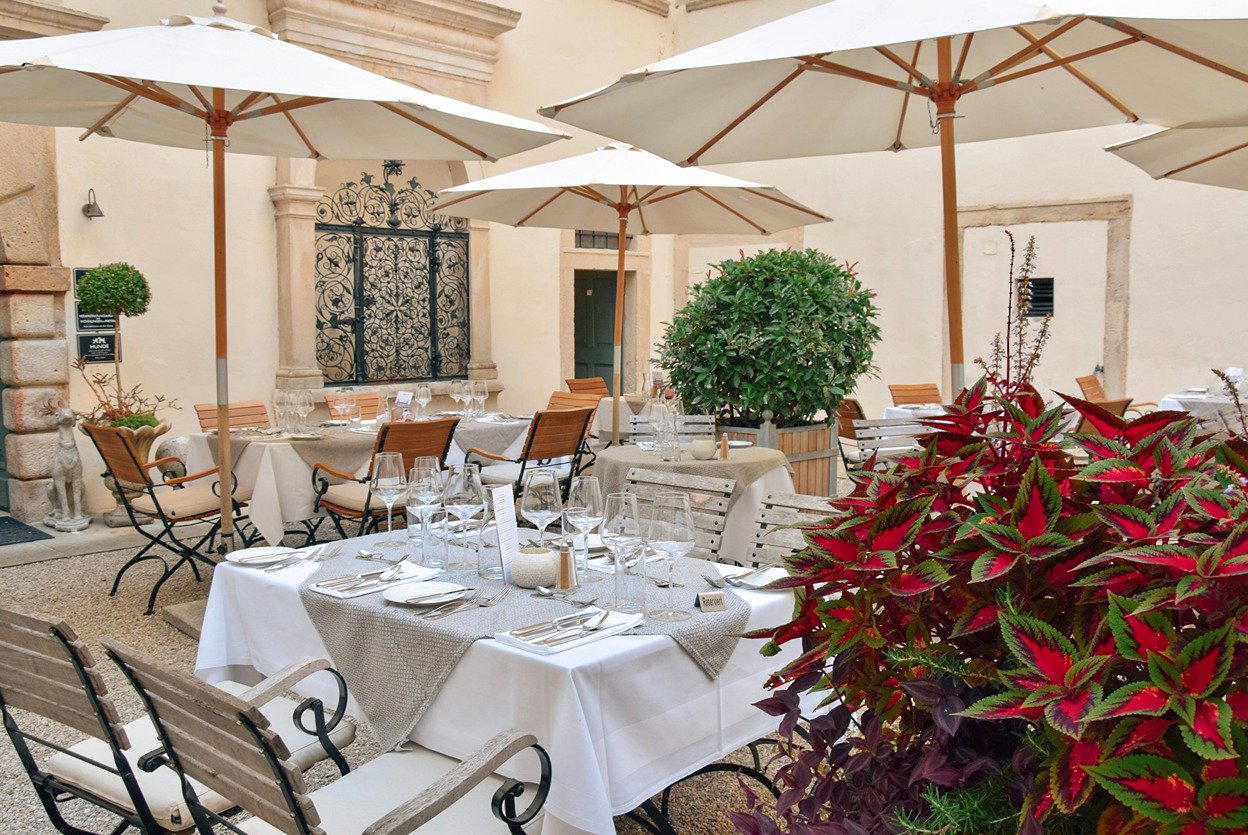
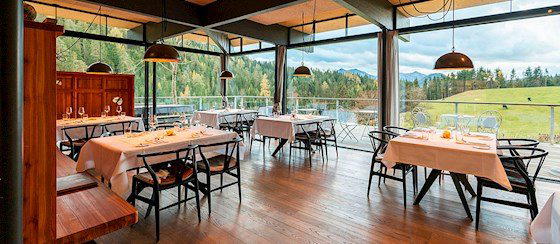
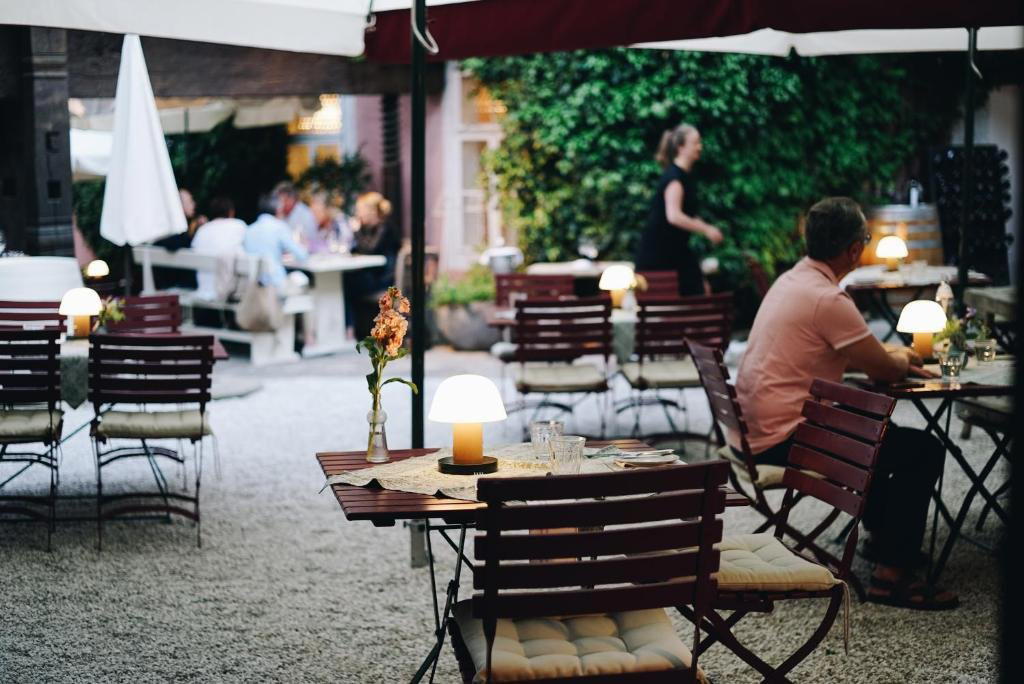
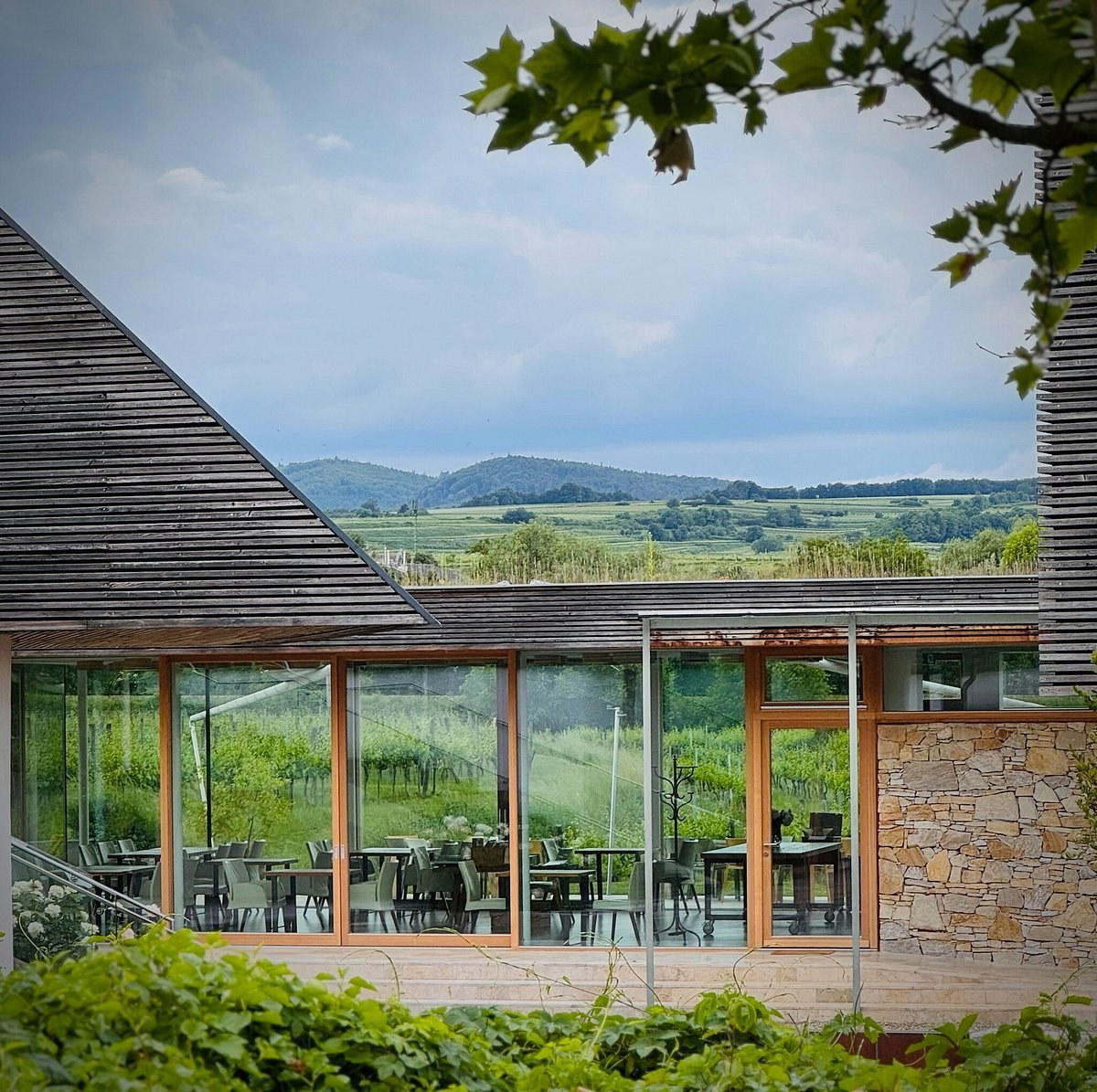
Weingut Müller-Grossmann in Furth Palt is best approached as a traditional family winery rather than as a venue defined by spectacle or by a long checklist of public-facing amenities. The profile is concise: it is a $$ winery with a classic, rustic and quiet character, a refined feminine-led style, and a production outlook rooted in vineyard origin, organic transition and a historic underground cellar setting.
For EP Club planning, the important point is restraint. This is a hidden-gem style venue in Furth Palt, not a page that can honestly be built around confirmed scores, named bottlings, exact vineyard holdings, tasting formats, hours, seat counts or a public menu. Those specifics are not part of the record here, so the most useful guide is one that keeps the focus on the grounded elements: family winery character, quiet atmosphere, organic direction, cellar heritage and a sense of place.
A quiet family winery in Furth Palt
The description places Weingut Müller-Grossmann firmly in the register of a traditional family winery. That matters because it sets expectations. Visitors should not read this as a high-energy hospitality venue, a restaurant substitute or a heavily produced tasting attraction. Its appeal is quieter: a classic and rustic address whose identity is tied to vineyard origin and cellar setting rather than to a manufactured luxury narrative.
The feminine-led style is also part of the profile, and it gives the winery a distinct editorial shape. Rather than turning that into unsupported biography, the safest reading is stylistic: the venue is described through refinement, care and restraint. In a premium guide, that distinction is important. It allows the winery to be recommended for travelers who value atmosphere and origin without inventing individual names, founding dates or production details.
Vineyard origin, organic transition and cellar atmosphere
Strongest grounded wine-specific point is that production is rooted in vineyard origin. That phrase should be taken seriously but not stretched beyond the evidence. It supports a sense that place and farming direction matter here; it does not verify particular grape varieties, single-vineyard labels, scores, awards or technical winemaking claims. The guide therefore treats vineyard origin as the core interpretive idea rather than as a prompt to add unsupported specifics.
Organic transition is another confirmed part of the profile. This should be described as a direction of travel, not exaggerated into a certification claim or a complete philosophy with invented practices. It tells readers that the estate’s production is moving through an organic transition and that this belongs to the winery’s identity. It does not verify every farming method, cellar additive choice or sustainability credential.
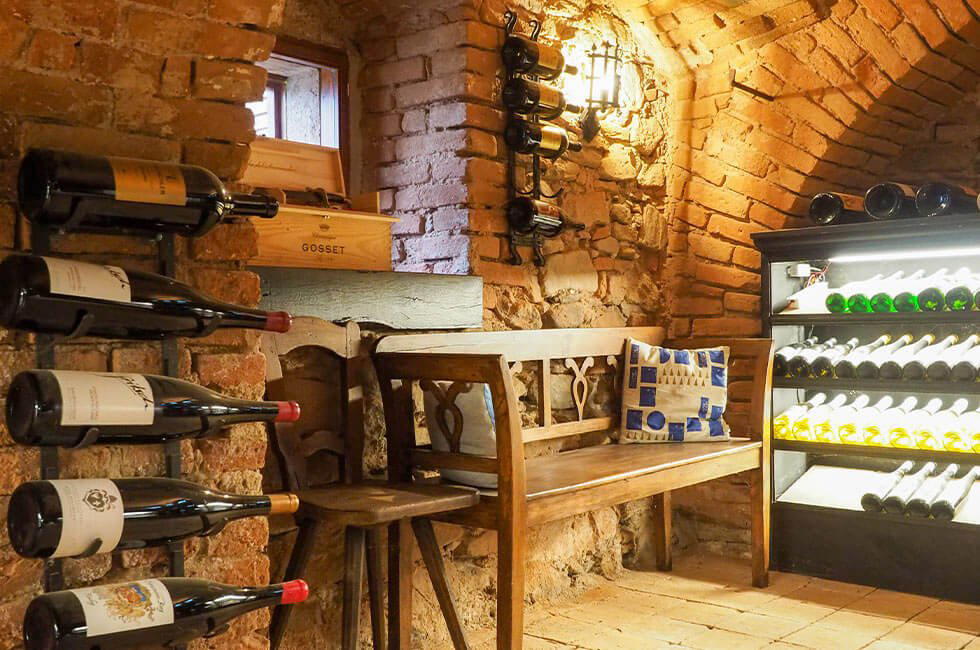
The historic underground cellar setting is one of the clearest reasons to keep Weingut Müller-Grossmann on a Furth Palt shortlist. It gives the venue a physical mood: traditional, rustic, somewhat hidden and quiet. That atmosphere is more useful to a visitor than a fabricated list of services. If you are choosing between more public-facing dining or drinking options in Furth Palt and a wine-focused stop with a classic cellar feel, this winery belongs in the latter category.
How to place it within a Furth Palt wine day
Weingut Müller-Grossmann fits best into an itinerary for travelers who want a calmer, more grounded Furth Palt experience. The price level is $$, so it reads as approachable rather than ultra-luxury, though no specific bottle prices, tasting fees or packages are confirmed here. Plan around the fact that the public guide has limited operational detail: do not assume lunch, walk-ins, food service, delivery, takeout, a fixed tasting menu or any particular schedule from this profile alone.
That limitation is not a weakness if handled honestly. The page’s job is to identify what is known and avoid turning a thin record into a fictional one. What is known is that Weingut Müller-Grossmann is a Furth Palt family winery with a refined feminine-led style, a quiet hidden-gem character, a rustic classic setting, production tied to vineyard origin, an organic transition and a historic underground cellar. Those points are enough to distinguish it from generic drinking or dining in Furth Palt without naming peers or importing claims from elsewhere.
For wider planning, compare it with other dining and wine options in Furth Palt generically, based on the kind of experience you want. If the goal is atmosphere, cellar character and a quieter winery stop, Weingut Müller-Grossmann is the relevant anchor. If the goal is a meal, late-night drinks, a hotel stay or a highly structured hospitality experience, verify those needs separately before building the day around this venue.
Recognition history
Dated appearances from independent guides and award organizations, with the underlying list record or original source where available.
Falstaff Winery - 3 Stars
Falstaff
Continue exploring
More in Furth Palt
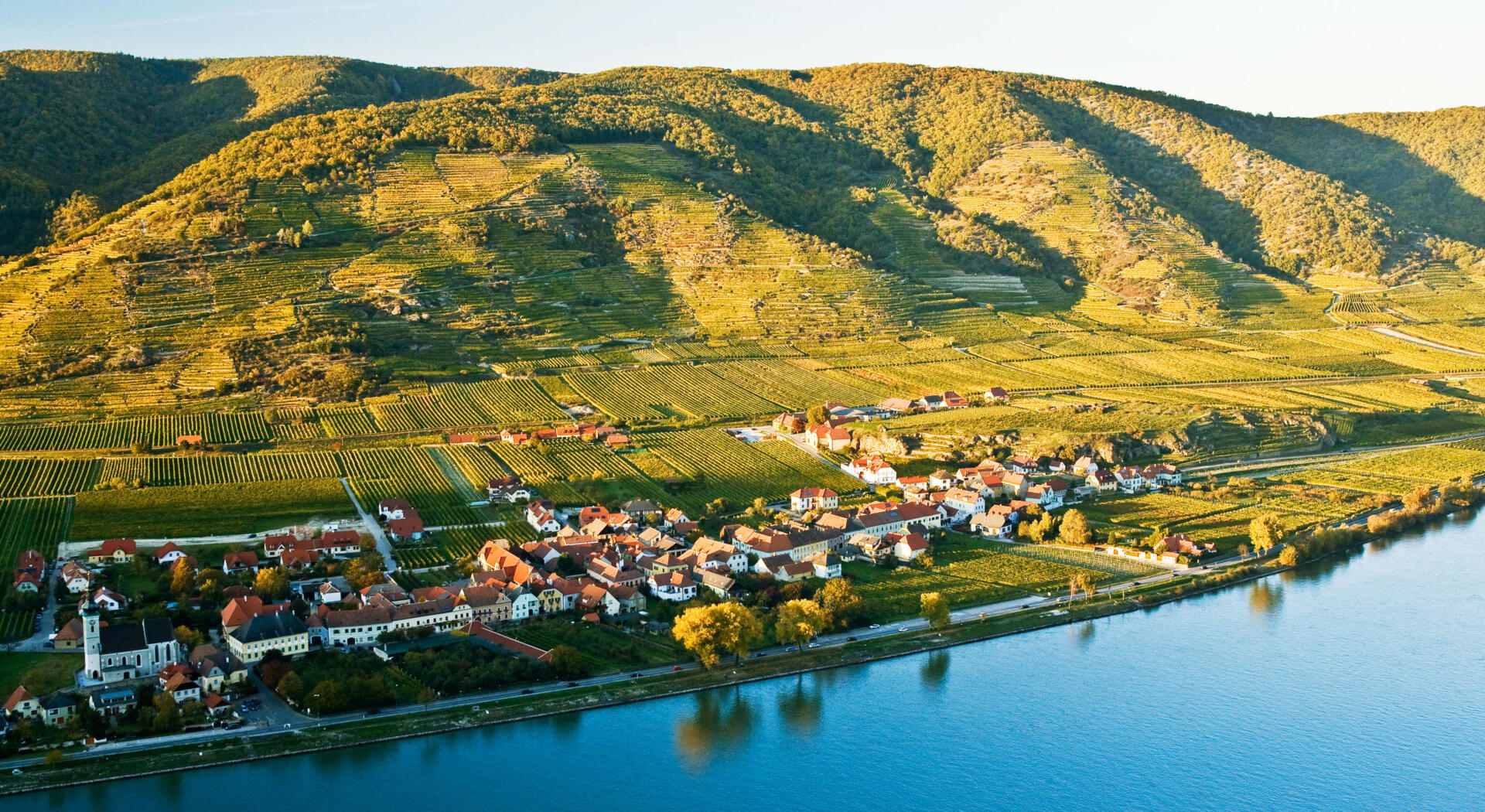
Wineries in Furth Palt
Browse all →
Bars in Furth Palt
Browse all →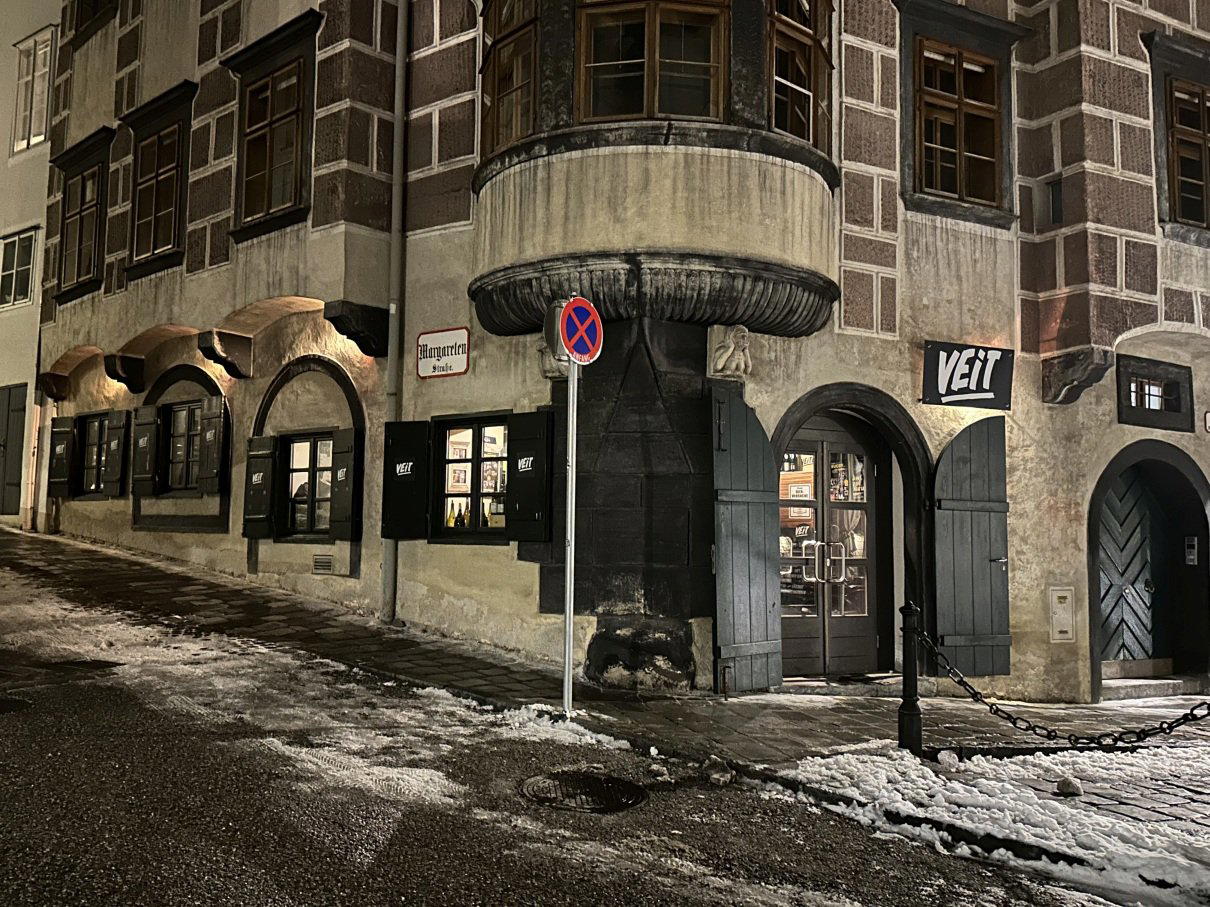
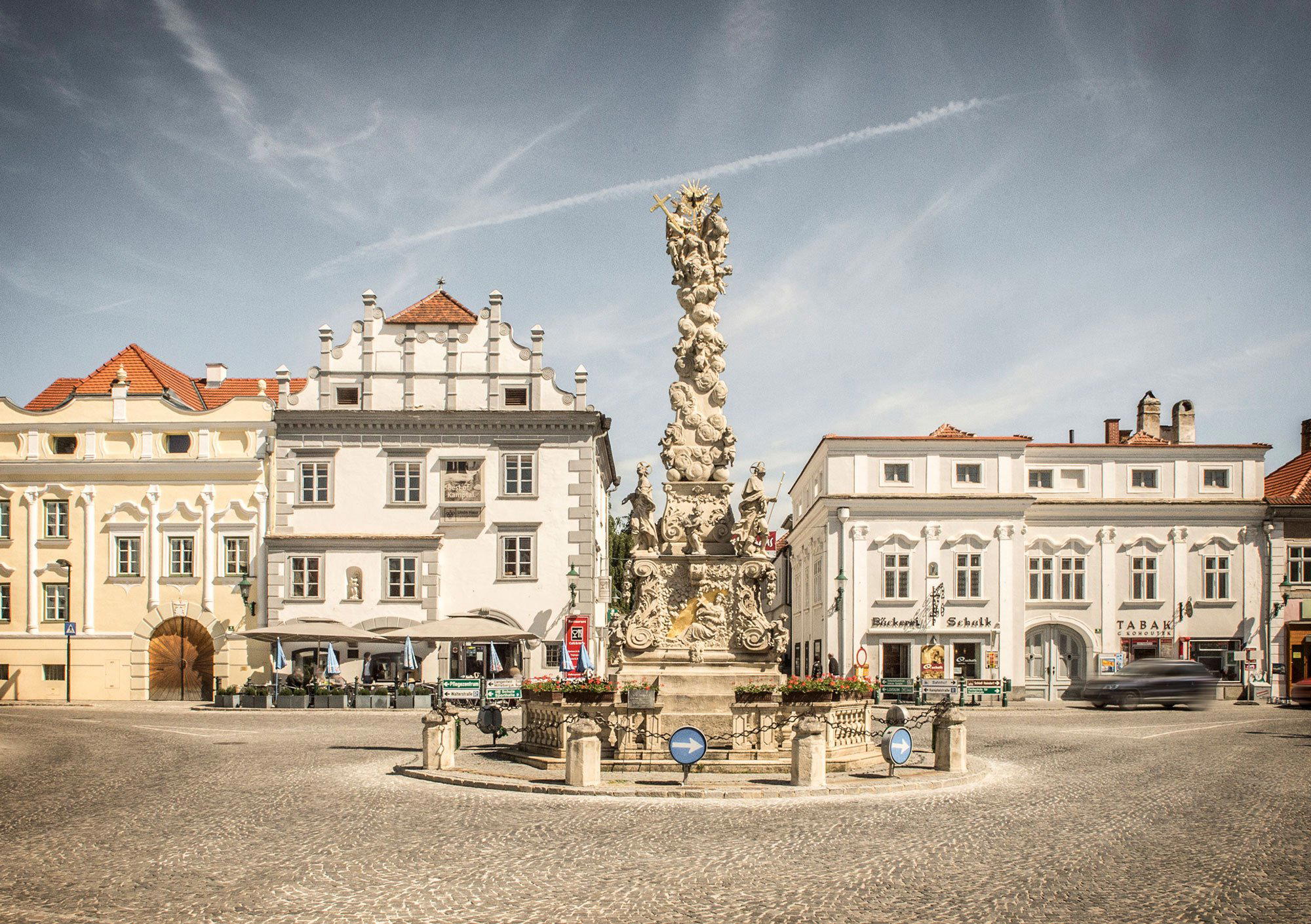
Restaurants in Furth Palt
Browse all →
Details
- Classic
- Rustic
- Quiet
- Solo Exploration
- Special Occasion
- Historic Building
- Design Destination
- Organic
- Sustainable
- Vineyard
- Grüner Veltliner
- Riesling
- Weissburgunder
- Zweigelt
- Muskateller
- Still White
- Still Rosé
- Sparkling
- Tasting Only
Traditional family winery with a refined, feminine-led style; production is rooted in vineyard origin, organic transition, and a historic underground cellar setting.