Weingut Hiedler

Weingut Hiedler sits in Langenlois, the Kamptal's largest wine town, holding a Pearl 2 Star Prestige rating for 2025 alongside peers including Bründlmayer and Schloss Gobelsburg. The estate at Am Rosenhügel 13 draws visitors into the loess and primary rock terroir that defines the region's Grüner Veltliner and Riesling character. For Austrian wine at serious depth, Langenlois rewards the detour from Vienna.
Loess Hills and the Kamptal Sense of Place
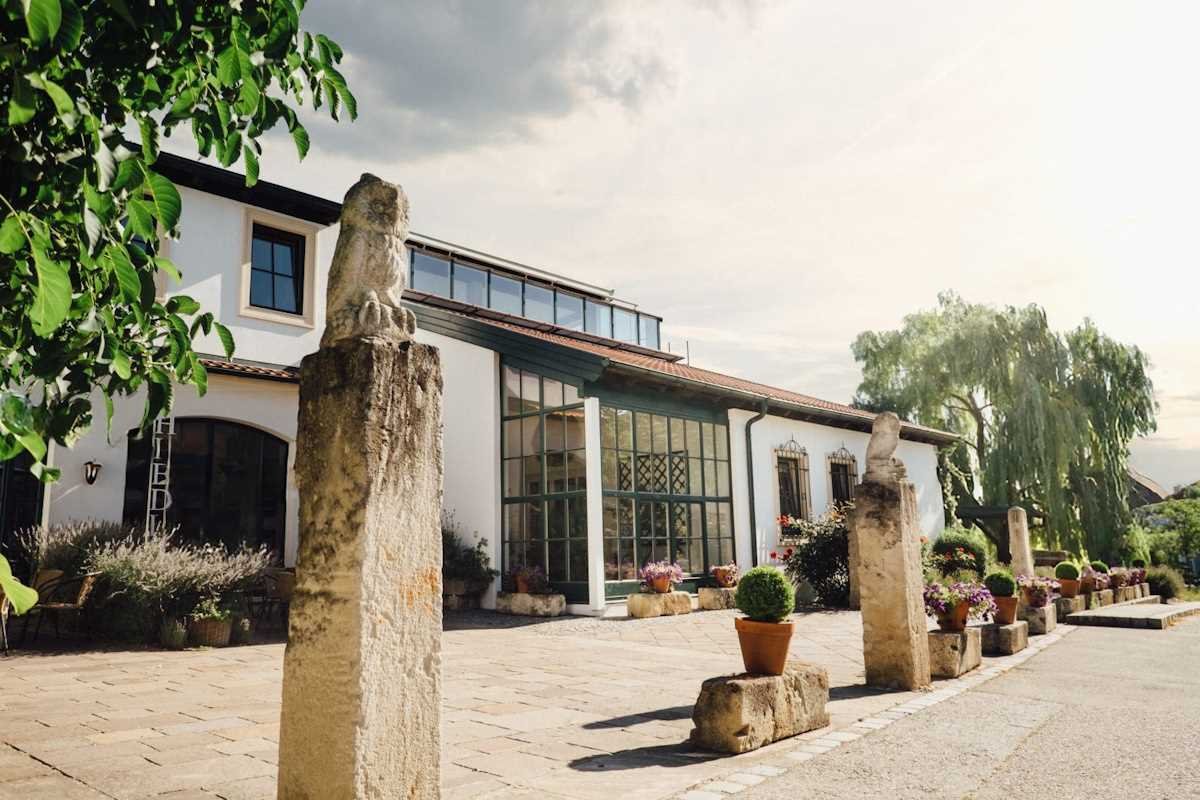
The road into Langenlois from the south follows the Kamp river through a valley where the hills begin to show their geological age in exposed loess faces and the darker primary rock outcrops that push through above the vineyards. This is Kamptal, one of Lower Austria's most focused wine regions, and the physical environment announces itself before you reach the town. Estates occupy the lower slopes, their vineyards running up toward ridgeline forest, and the architecture shifts between the functional and the old: ochre-painted cellars, stone archways, the occasional terrace vine trained over a courtyard entrance. Weingut Hiedler, at Am Rosenhügel 13, sits within this geography as a producer that has earned a Pearl 2 Star Prestige rating in 2025, placing it in the upper tier of Langenlois addresses alongside names like Weingut Bründlmayer, Schloss Gobelsburg, Weingut Jurtschitsch, and Weingut Fred Loimer.
What the Kamptal Terroir Produces
Kamptal wine is defined by the interaction between two soil types found within a relatively compact area. The loess soils on the lower slopes and valley floors produce Grüner Veltliner with texture and weight, wines that carry the pepper and citrus notes associated with the variety but with added substance from clay-rich earth. Higher positions on primary rock — granite, gneiss, crystalline formations — push Riesling and Grüner toward more mineral, tightly wound expressions that can require years to open. The Heiligenstein vineyard, shared across multiple Kamptal producers, has become the region's most cited single site, a strip of volcanic Zöbinger porphyry that produces Riesling with a signature saline, almost petrichor-like quality that distinguishes it from Wachau or Kremstal expressions of the same variety. For visitors arriving from Wachau estates like Weingut Emmerich Knoll in Dürnstein, the Kamptal represents a different register: broader valley widths, more agricultural scale, and a wine culture that has historically been less tourist-reliant and more rooted in domestic trade.
Hiedler in the Context of Langenlois's Upper Tier
Langenlois does not operate like a single-producer destination. The town functions as a cluster, where serious visitors typically plan a half-day covering two or three estates rather than committing the afternoon to one address alone. Within that cluster, the 2025 Pearl 2 Star Prestige recognition positions Hiedler at the level where quality is verifiable and the range is likely to include both entry-level and single-vineyard or reserve bottlings. In the Austrian wine classification framework, this tier signals consistent performance across vintages rather than a single exceptional release, and that consistency is what draws collectors and trade buyers as much as individual tourists. Comparable producer-level recognition appears at Weingut Kracher in Illmitz for Burgenland sweet wines and at Weingut Pittnauer in Gols for natural-leaning Blaufränkisch, each operating within their regional peer set in a way that aligns with how Hiedler sits within Kamptal's leading addresses.
Visiting the Estate: Approaching Am Rosenhügel
The address Am Rosenhügel 13 places the estate in the Rosenhügel area north of the town centre, a zone where the vineyards begin their ascent from the valley floor. Approaching from the main road, the transition from town to vine country is gradual: garden gates give way to estate walls, the street widens slightly for agricultural traffic, and the light changes as the hills create a partial enclosure. Langenlois itself is accessible by rail from Vienna's Franz-Josefs-Bahnhof, a journey of roughly 75 minutes, with local taxi or bicycle onward to outlying estates. Driving from Vienna takes approximately 90 minutes via the A22 and B35. For those building a multi-estate day, Hiedler's position in the northern reaches of the town means a logical circuit often begins here and moves southward toward the river and the Kamptal-Strasse estates.
Practical planning should include advance contact with the estate, as cellar door operations at this level in Austria typically require appointments for formal tastings, particularly outside peak summer and harvest season. The harvest window, running from late August through October depending on variety and vintage conditions, represents both the most atmospheric time to visit , with activity visible across the slopes and harvest equipment moving between rows , and the most logistically compressed, when estate staff divide attention between production and visitors. Spring, when the vines are in bud and the hills are green before the summer dust settles, offers the quieter alternative for visitors who prefer unhurried time with the range. Check directly with the estate for current arrangements; the broader Langenlois wineries guide covers seasonal logistics across the town's producers.
The Broader Langenlois Visit
Langenlois rewards more than a single estate visit. The town centre has accumulated infrastructure for wine tourism over the past two decades, including the Loisium wine world complex with its underground cellar passages, a design hotel, and a spa that has made the town a viable overnight destination rather than a day trip from Vienna. Accommodation options are covered in the Langenlois hotels guide, and the town's restaurant offer, ranging from Heuriger wine taverns serving cold plates and regional wines to more formal dining, is mapped in the Langenlois restaurants guide. For evening wine drinking outside the cellar door context, the Langenlois bars guide covers the town's options, and the Langenlois experiences guide addresses guided vineyard walks, cycling routes, and the broader Kamptal touring infrastructure.
The regional comparison extends beyond Austria. Among European estate wineries that combine landscape drama with serious wine production, Kamptal sits in a peer conversation with Abadía Retuerta in Sardón de Duero for the combination of estate scale and critical recognition, and at the opposite end of the production-style spectrum, single-site spirit producers like Aberlour in Aberlour illustrate how place-specificity drives premium positioning across fermented categories. In Kamptal, it is the vineyard sites that carry the narrative, and producers at Hiedler's recognition level are those who have consistently demonstrated that their parcels are worth the argument. Weingut Heinrich Hartl in Oberwaltersdorf offers a contrasting Lower Austrian reference point, operating in a warmer southern zone where the varietal emphasis and soil character differ from the Kamp valley's cooler northern influence.
Frequently Asked Questions
- What wines should I try at Weingut Hiedler?
- Kamptal's two signature varieties are Grüner Veltliner and Riesling, and at a producer holding Pearl 2 Star Prestige recognition, both are worth attention across the range. Grüner from loess parcels will show the textural, white-pepper weight associated with valley-floor Kamptal sites, while Riesling from primary rock positions, particularly from shared-access high sites like Heiligenstein, tends toward mineral tension and slower development. Peer producers including Weingut Bründlmayer and Schloss Gobelsburg offer comparative reference points for understanding how different Kamptal cellars interpret the same raw material.
- What should I know about Weingut Hiedler before I go?
- The estate is at Am Rosenhügel 13 in Langenlois, a town in Lower Austria's Kamptal wine region approximately 90 minutes by car from Vienna. Hiedler holds a Pearl 2 Star Prestige rating for 2025, placing it in the serious upper tier of Langenlois producers. Pricing and hours are not published in the venue record; contact the estate directly or consult the full Langenlois wineries guide for current visitor information. Building a Langenlois visit around two or three estates in the same zone makes practical sense given the town's cluster format.
- Can I walk in to Weingut Hiedler?
- Austrian cellar doors at this recognition tier typically operate by appointment for formal tastings, particularly outside peak season. Walk-in access may be possible during open-cellar weekends or harvest events, which Kamptal producers participate in as a region-wide programme, but the specific policy for Hiedler is not confirmed in the venue record. Phone and website details are not currently listed; check directly with the estate before visiting. The Langenlois wineries guide covers visit logistics across the town's producers and can help with broader planning.
A Credentials Check
These are the closest comparables we have in our database for quick context.
| Venue | Classification | Awards | First Vintage | Notes |
|---|---|---|---|---|
| Weingut Hiedler | 1 awards | This venue | ||
| Schloss Gobelsburg (Weingut) | World's 50 Best | |||
| Weingut Bründlmayer | 1 awards | |||
| Weingut Jurtschitsch | 1 awards | |||
| Weingut Fred Loimer | 1 awards |
Access the Cellar?
Our members enjoy exclusive access to private tastings and priority allocations from the world's most sought-after producers.
Access the Concierge