
Falstaff Winery - Listed
Weingut Gres is a traditional family winery in Appenheim, shaped by Rheinhessen limestone, named vineyard sites, and a lineage traced back more than 300 years. The estate’s strength is terroir expression rather than polished hospitality theatre: Riesling, Silvaner, Pinot Blanc, Pinot Noir, Chardonnay and Sauvignon Blanc form a broad, site-conscious portfolio, with repeated Rhineland-Palatinate state recognition adding regional credibility.

Pearl is the En Primeur Club membership app — saves, bookings, and concierge access live there. Same editors, same standards.

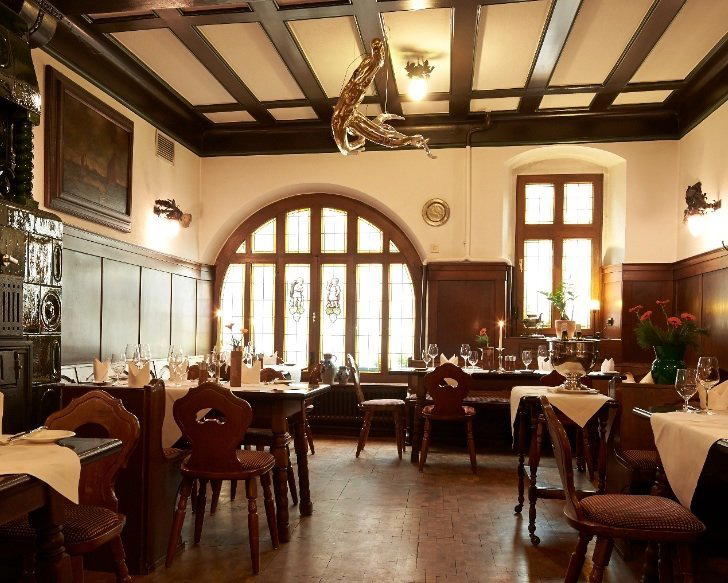
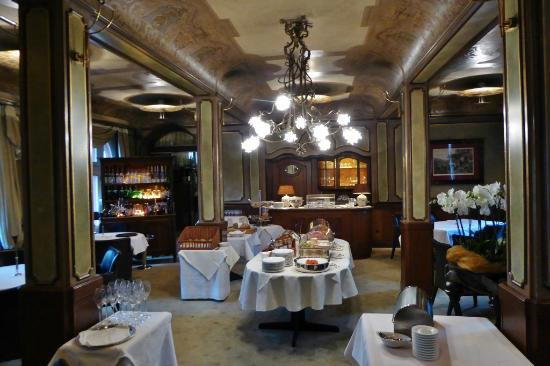
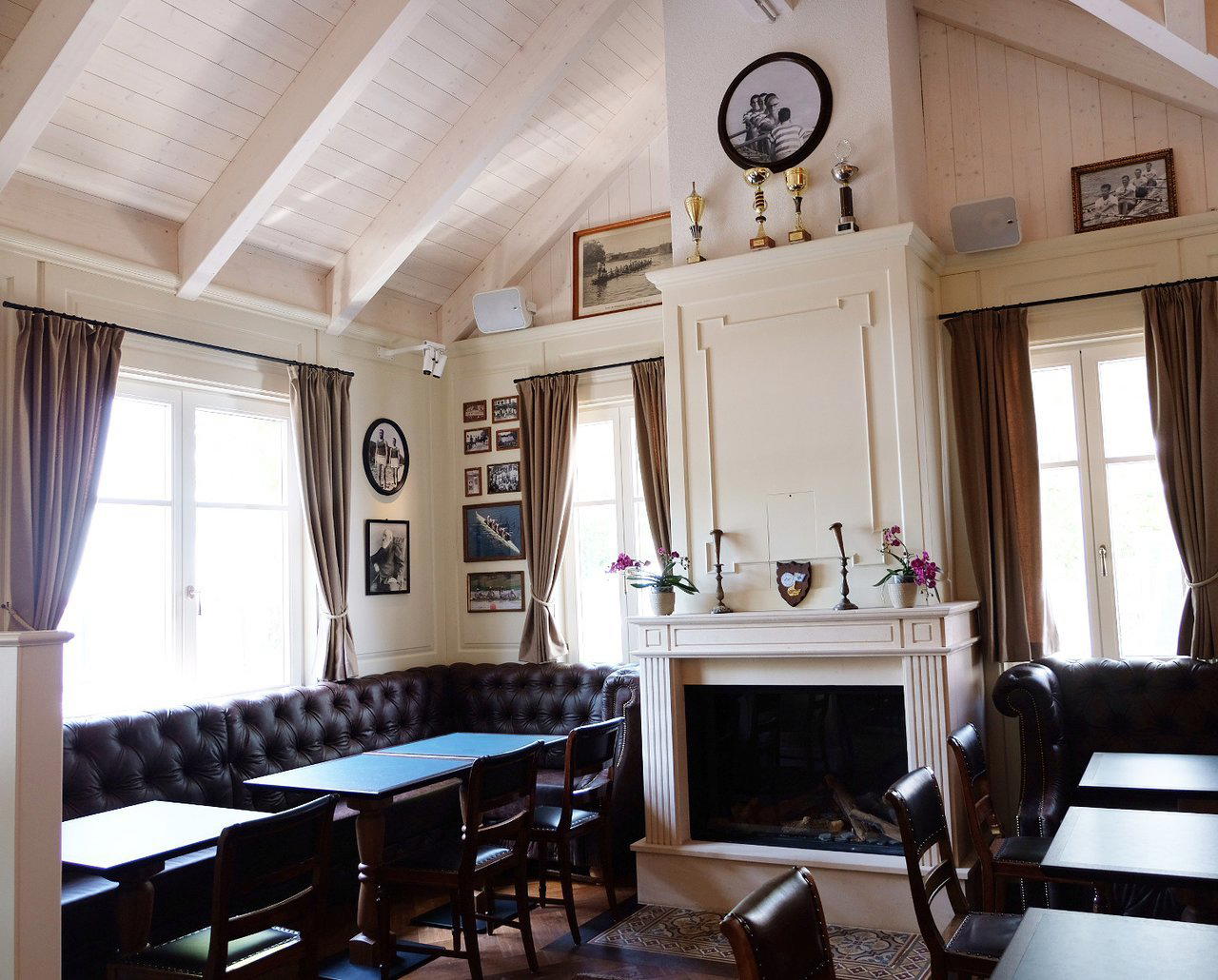
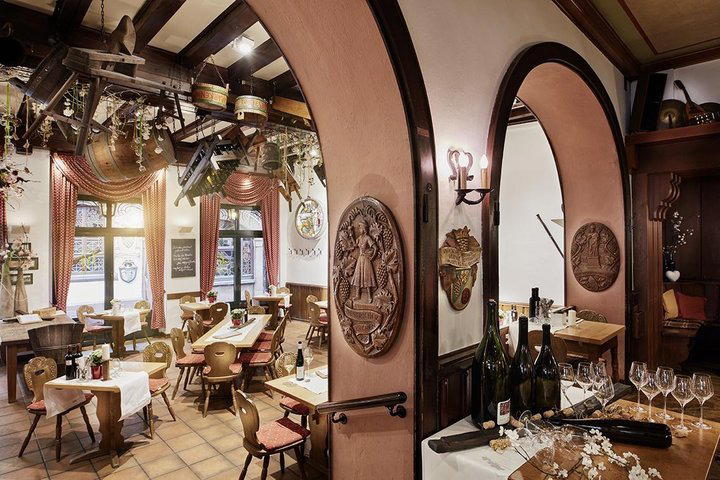
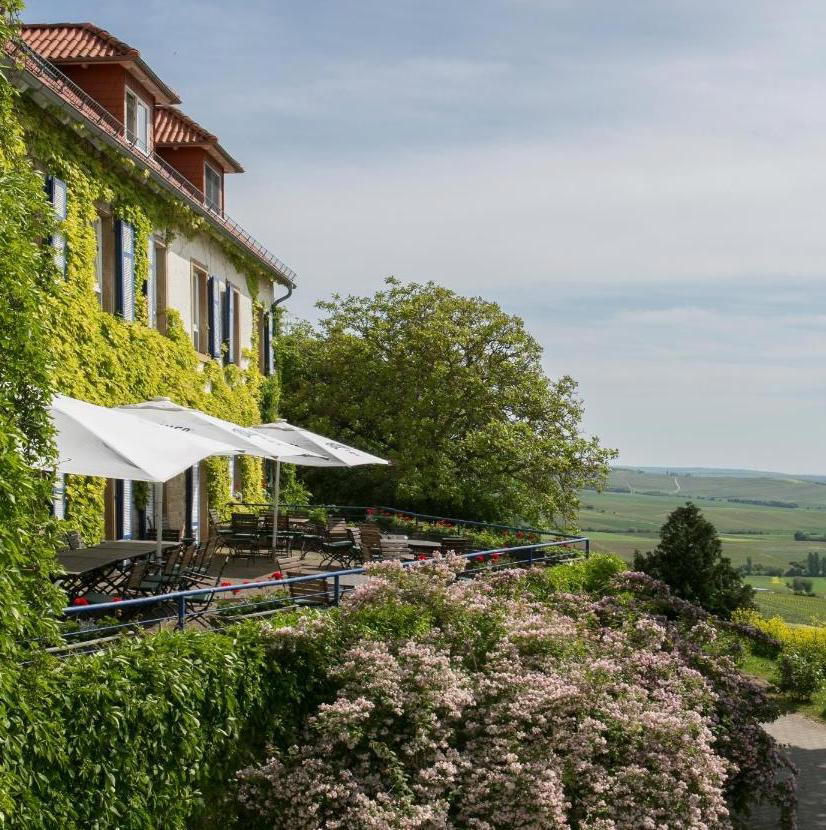
Weingut Gres in Appenheim is best understood as a traditional family winery rather than a formal destination restaurant or design-led tasting room. The picture is deliberately modest: a classic, rustic and cozy estate with a relaxed wine tavern and tasting atmosphere. That is the useful starting point for planning a visit. The draw is not a documented chef program, a confirmed tasting-menu format or a published list of awards; it is the character of a long-running family wine address in Appenheim.
Specific grape varieties, vineyard names, founding dates, opening hours, reservation rules, languages, seating counts and formal accolades are not established here. What can be said with confidence is that Weingut Gres presents itself as a family winery with a long winemaking heritage, and that its hospitality is framed around a relaxed wine tavern and tasting experience rather than a polished, modern showroom.
Limestone, Rotliegend and the Appenheim grammar of place
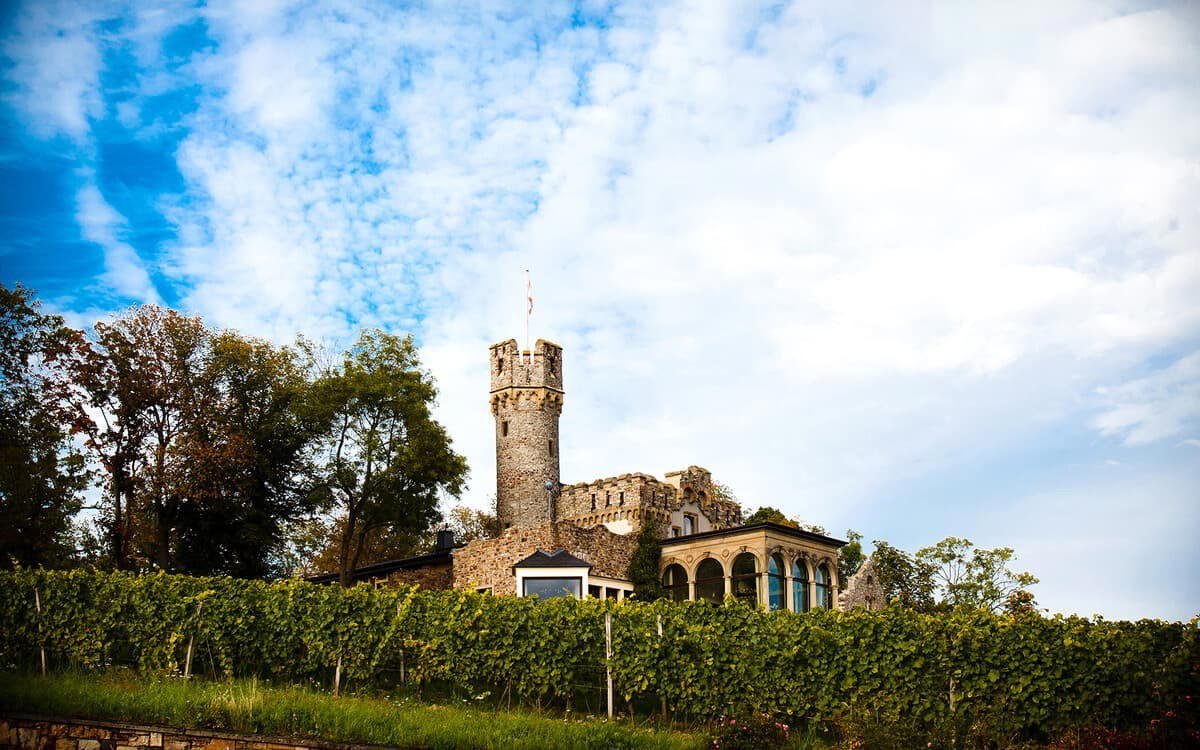
For a visitor, the safest way to read Weingut Gres is through atmosphere and context rather than through unsupported technical claims. Appenheim is a wine village, and this estate fits the quieter, heritage-led side of that setting: classic, rustic, cozy and somewhat hidden-gem in feel. The emphasis is on the family winery experience itself.
That restraint matters. Wine pages often become over-specific quickly, attaching a producer to exact parcels, soils, grape lists, historic dates or award records. None of those details should be treated as confirmed unless they are independently for the venue. For Weingut Gres, the grounded description is simpler: it is a traditional family winery in Appenheim with a relaxed tavern-like tasting setting. That may be enough for travelers who prefer established local character over spectacle.
The price level is listed as $$. No specific price list is here. Visitors should therefore treat $$ as a general planning cue and confirm practical details directly before arranging a visit.
A tasting culture built around vineyard literacy
The description points toward an informal wine experience rather than a formal restaurant structure. “Traditional family winery,” “relaxed wine tavern,” and “tasting experience” are the key phrases. They suggest a place where the estate identity and the wines are the center of attention, not a venue built around a separate chef-led dining program or luxury hospitality script.
That also shapes expectations for service. Travelers should not assume lunch, dinner, takeaway, delivery or a fixed guided tasting unless those details are confirmed directly with the winery. The practical recommendation is to approach Weingut Gres as a wine-focused Appenheim stop and verify the current visiting arrangements in advance.
The atmosphere is the most clearly supported part of the profile. Classic, rustic and cozy are not incidental adjectives here; they are the core of the venue’s appeal. The estate is framed as a with a relaxed tone, better suited to guests who enjoy family-run wine culture than to those looking for a sleek contemporary room. In that sense, Weingut Gres is compelling precisely because it does not need to be exaggerated.
Its case rests on grounded fundamentals: Appenheim location, family winery heritage, relaxed wine tavern character and $$ pricing. Those are modest facts, but they are enough to define the kind of visitor who will appreciate it.
How to place it within an Appenheim wine day
When planning a day in Appenheim, treat Weingut Gres as a relaxed family-winery stop rather than a full-service dining anchor unless you have confirmed otherwise. It may suit travelers who want a classic local wine setting, a rustic atmosphere and a less formal experience. Other dining or wine options in Appenheim can be considered generically around it, but this profile does not verify specific companion venues, routes or itineraries.
The most reliable comparison is with Weingut Gres itself as a heritage-led Appenheim winery: traditional, relaxed and rooted in family winemaking. Keep expectations simple, confirm current practical details directly, and let the visit stand on its strengths rather than on unconfirmed claims about vineyards, awards, menus or service formats.
Recognition history
Dated appearances from independent guides and award organizations, with the underlying list record or original source where available.
Falstaff Winery - Listed
Falstaff
Continue exploring
More in Appenheim
Wineries in Appenheim
All wineries in Appenheim →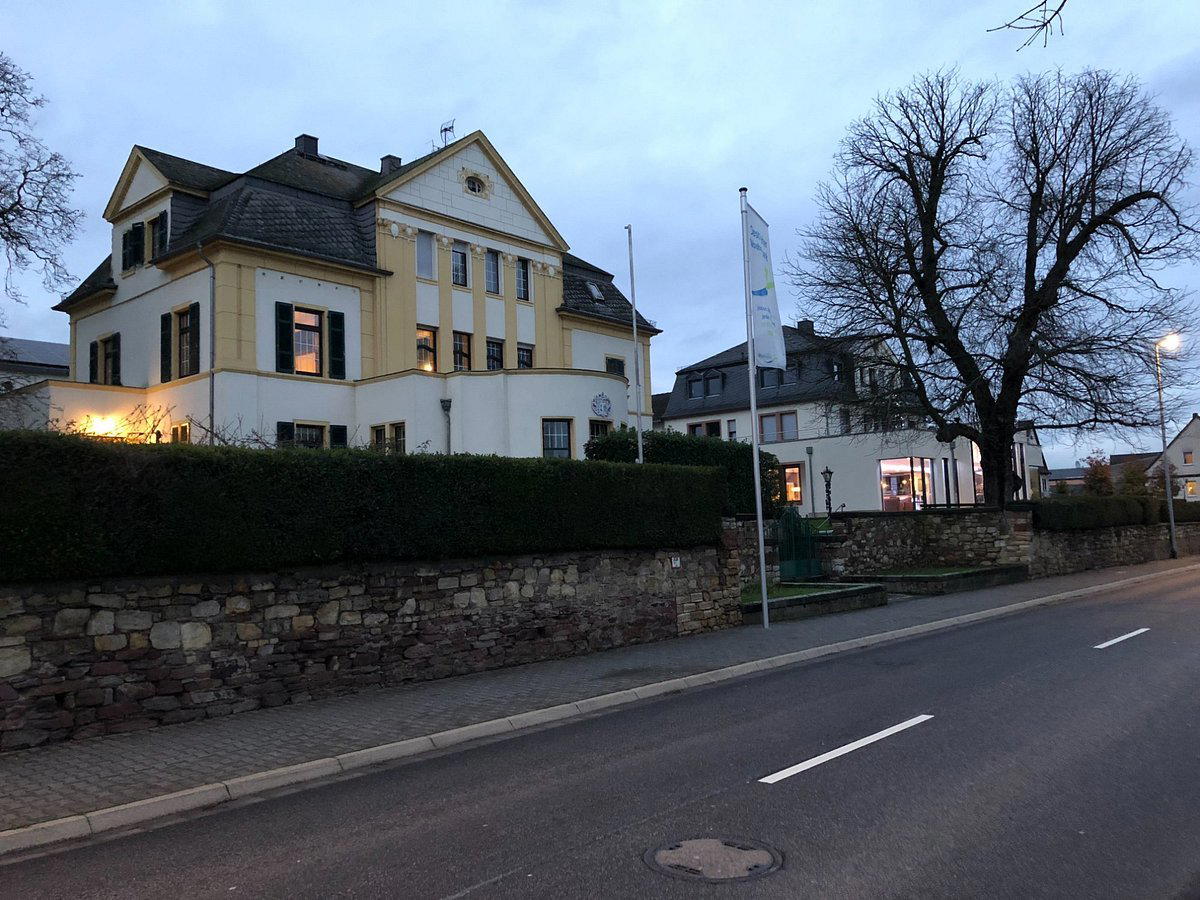
Bars in Appenheim
Browse all →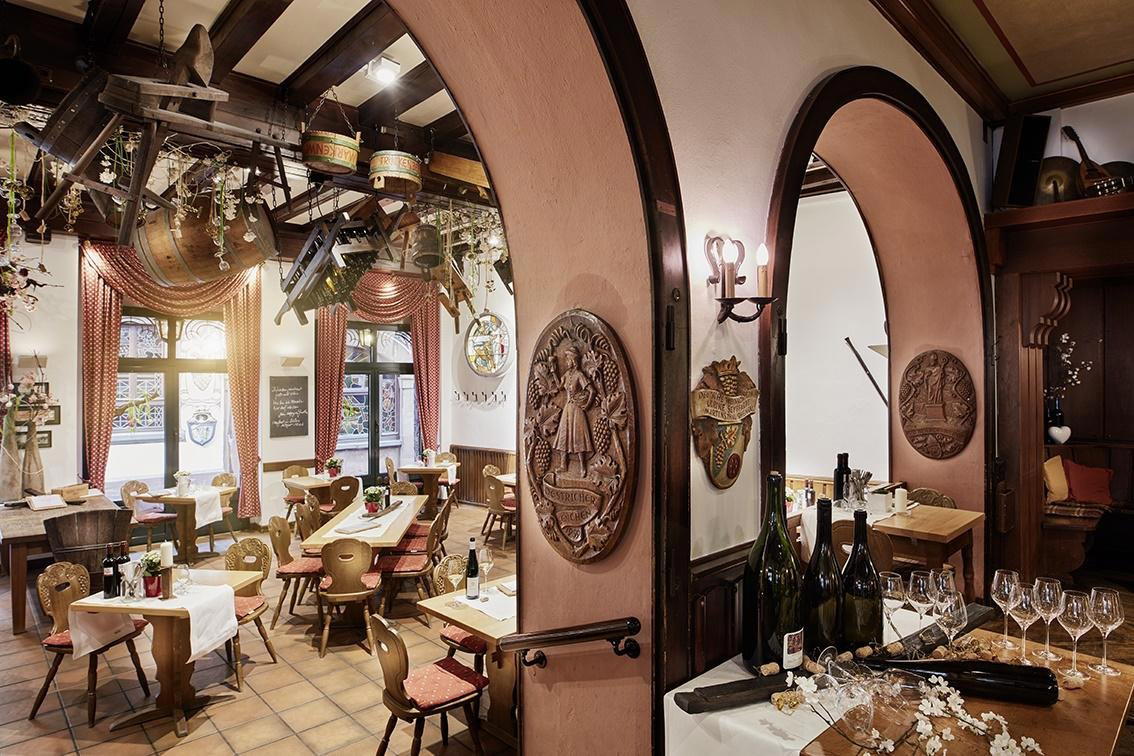




Details
- Classic
- Rustic
- Cozy
- Wine Education
- Group Outing
- Special Occasion
- Historic Building
- Estate Grounds
- Private Tasting
- Vineyard
- Riesling
- Pinot Blanc
- Pinot Noir
- Silvaner
- Chardonnay
- Sauvignon Blanc
- Still White
- Still Red
- Sparkling
- Guided Tasting
- Estate Tasting
- German
Traditional family winery with a long winemaking heritage; the estate emphasizes a relaxed wine tavern and tasting experience rather than a formal, modern design.