
Falstaff Winery - Listed
A small biodynamic winery in Alzey, Weingut Christopher Barth reads as part working cellar, part restoration project, with Riesling-led vineyards and natural-wine methods shaping the range. The draw is terroir rather than polish: roughly 7 hectares across three nearby Rheinhessen sites, organic farming since 2019, demeter certification since 2020, and a cellar that moves between used French oak, a half-piece cask, and stainless steel.

Pearl is the En Primeur Club membership app, where members save venues, book tables and use the concierge.

Small wine estates can reveal their character through working rooms rather than polished tasting salons. At Weingut Christopher Barth in Alzey, the picture is intimate and practical: a small, picture-book estate in active renovation, with many small rooms, a wood-fired stove, old French oak barrels, a half-piece cask and stainless-steel tanks. The appeal is not built on spectacle or a grand visitor complex. It is the close, hands-on feeling of a working winery.
That modest scale is central to how the venue should be understood. The estate reads as a: compact, personal and still visibly in motion. The renovation is part of the atmosphere, not something to look past. Rather than presenting a finished stage set, Weingut Christopher Barth gives the impression of a place where cellar work, storage, repair and hospitality sit close together.
Rheinhessen geology, read through small-batch natural wine
For a venue like this, that matters: it is better to avoid building a story around unconfirmed specifics and focus instead on the aspects that are known. Weingut Christopher Barth is a small estate in Alzey with a working-winery feel, and the cellar setting is part of its identity.
The material details are concrete enough to shape expectations. Old French oak barrels, a half-piece cask and stainless-steel tanks suggest a cellar where different vessels are present, while the wood-fired stove and small rooms give the space a warmer, more domestic quality than a large production hall. Those details do not prove a particular wine style, certification or service format, but they do describe the experience a visitor should picture: close quarters, visible equipment and a sense of hands-on work.
Alzey has other dining and drinking options beyond one estate, and visitors can treat Weingut Christopher Barth as one stop within a broader local plan. Still, this is not a page where names, rankings or award hooks should carry the recommendation. The reason to pay attention is simpler: it is a small, characterful winery setting in Alzey with a strong sense of place through its rooms and cellar equipment.
A working estate before a hospitality stage
Weingut Christopher Barth is best framed as a working estate before it is framed as a hospitality venue. The description emphasizes renovation, small rooms and cellar infrastructure, not a formal dining room, tasting counter, set menu or large-scale visitor operation. That distinction is useful for planning. Expect the atmosphere of a winery in use rather than the predictability of a fully standardized guest format.
The wood-fired stove is a particularly telling detail because it softens the working environment without turning it into something overly designed. Alongside the old French oak barrels, the half-piece cask and stainless-steel tanks, it helps create a picture of a compact estate where practical production spaces and human warmth overlap. The result is intimate rather than grand.
What can be said with confidence is narrower but still useful: Weingut Christopher Barth is a small Alzey winery estate with a hands-on cellar character and a hidden-gem feel.
How to fit it into an Alzey trip
For visitors, the safest practical reading is to plan around the venue’s small scale and working-estate atmosphere. Anyone planning a visit should therefore check directly with the estate before relying on assumptions about availability or format.
Within an Alzey itinerary, Weingut Christopher Barth makes most sense for people who value atmosphere, cellar context and small-scale wine settings. It should not be described as a restaurant, bar, hotel or formal tasting room unless current details are confirmed elsewhere.
The editorial case for Weingut Christopher Barth is therefore deliberately restrained. It does not rest on medals, ratings, fixed menus, vineyard statistics or certifications. It rests on a clear set of grounded signals: Alzey location, $$ price level, hidden-gem character, small estate scale, active renovation, many small rooms, a wood-fired stove, old French oak barrels, a half-piece cask and stainless-steel tanks. For readers looking for a polished hospitality production, that may be too little. For readers drawn to intimate working wineries, it is exactly the point.
Recognition history
Dated appearances from independent guides and award organizations, with the underlying list record or original source where available.
Falstaff Winery - Listed
Falstaff
Continue exploring
More in Alzey
Wineries in Alzey
All wineries in Alzey →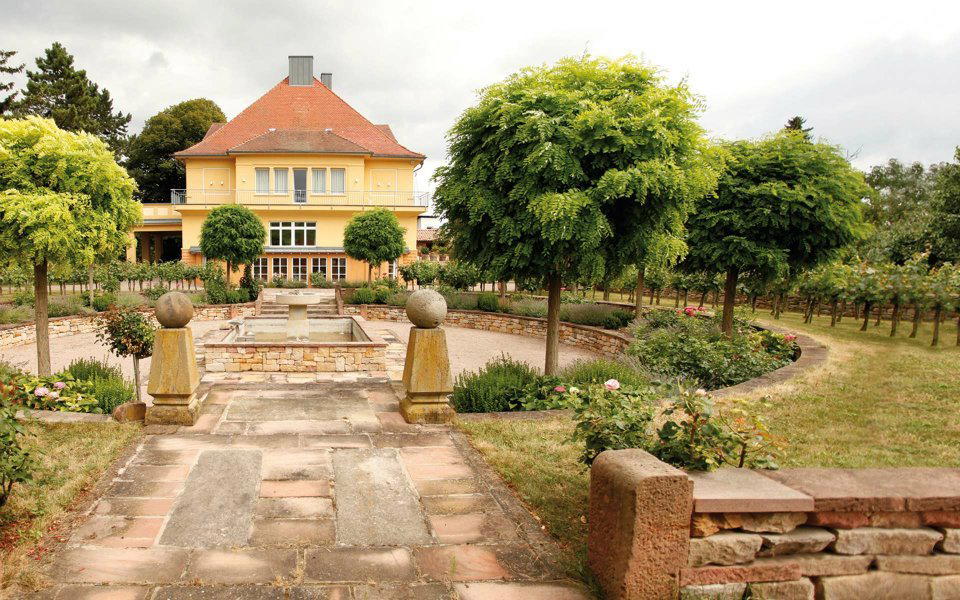
Details
- Rustic
- Intimate
- Quiet
- Solo Exploration
- Special Occasion
- Wine Education
- Historic Building
- Estate Grounds
- Private Tasting
- Biodynamic
- Organic
- Vineyard
- Riesling
- Silvaner
- Chardonnay
- Sauvignon Blanc
- Weissburgunder
- Müller Thurgau
- Still White
- Still Red
- Still Rosé
- Orange
- Skin Contact
- Wine Tasting
- Private Tasting
- German
- English
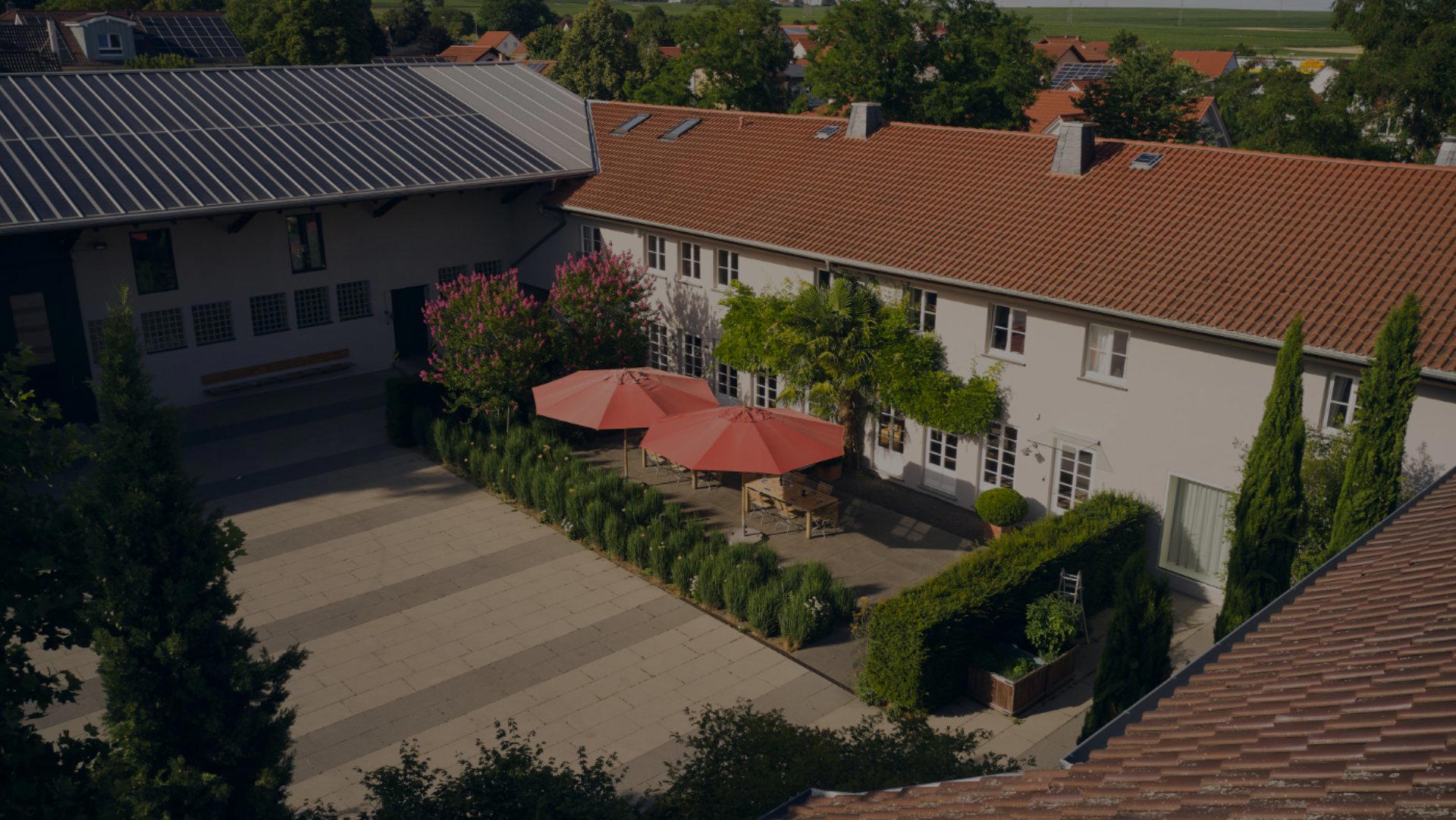
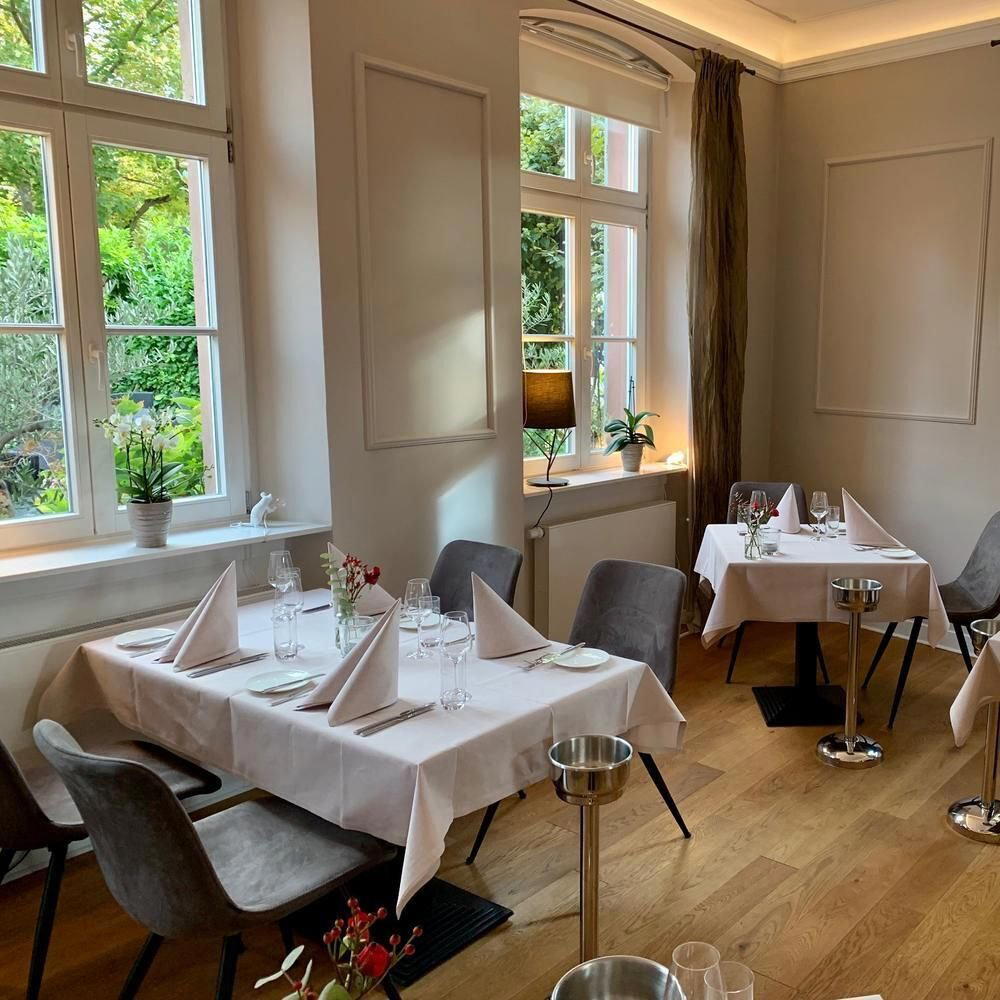
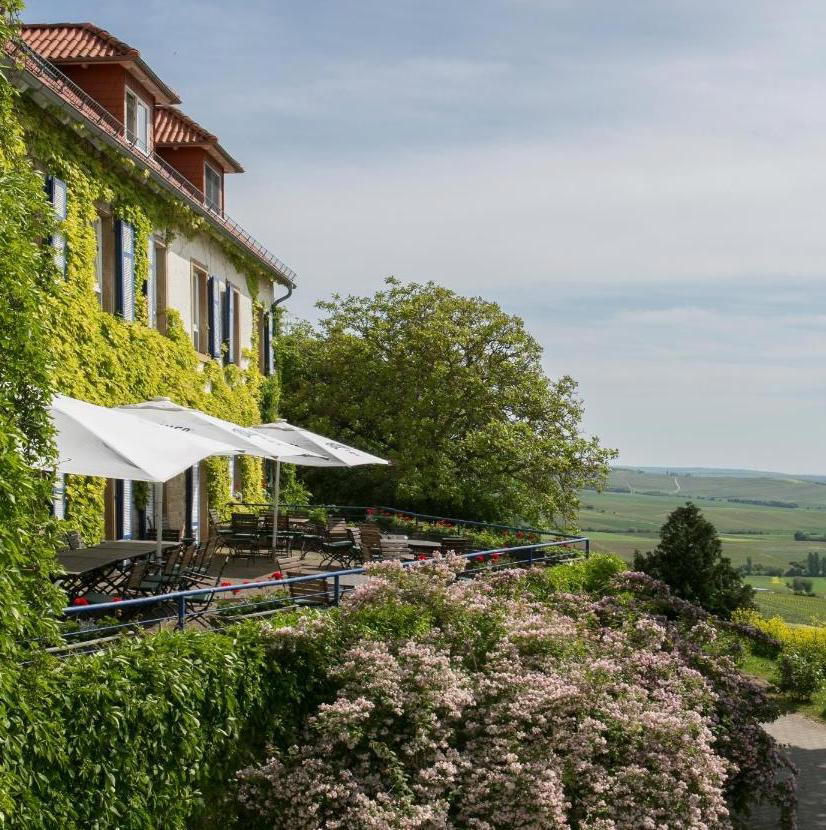
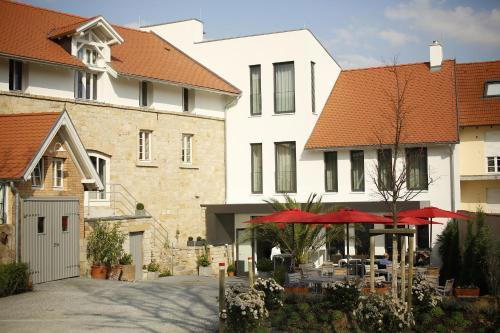
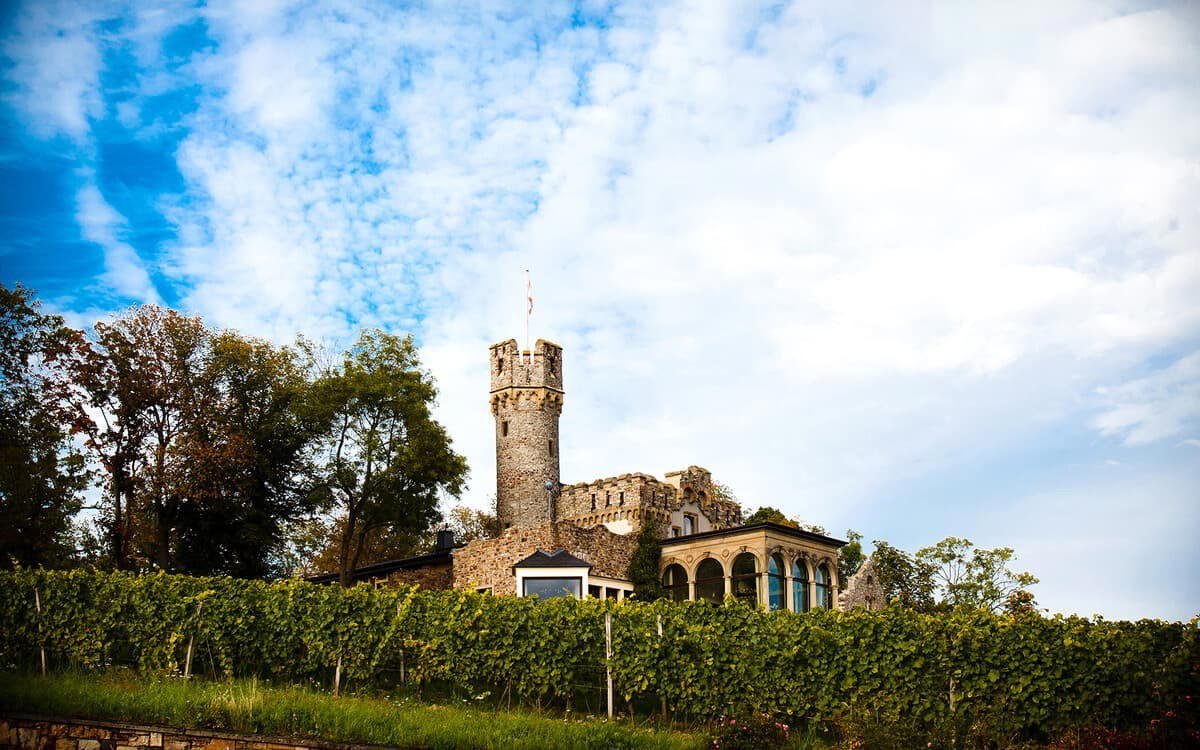
A small, picture-book estate in active renovation with many small rooms, a wood-fired stove, and a mix of old French oak barrels, a half-piece cask, and stainless-steel tanks, giving it an intimate, hands-on working-winery feel.