
Weingut Beisiegel is a small Nahe family estate in Traisen, rooted in local viticulture since 1579 and estate bottling since 1959. The interest here is terroir rather than trophy culture: Riesling, Pinot varieties, Scheurebe, Sekt, St. Laurent and Frühburgunder are framed through Traisen and Norheim vineyard material, porphyry and melaphyr soils, and a quiet estate-and-guesthouse atmosphere.
Pearl is the En Primeur Club membership app — saves, bookings, and concierge access live there. Same editors, same standards.
- Address
- Traisen, Nahe, Rhineland-Palatinate, Deutschland
- Directions
- Get directions
 Saves & bookings on Pearl
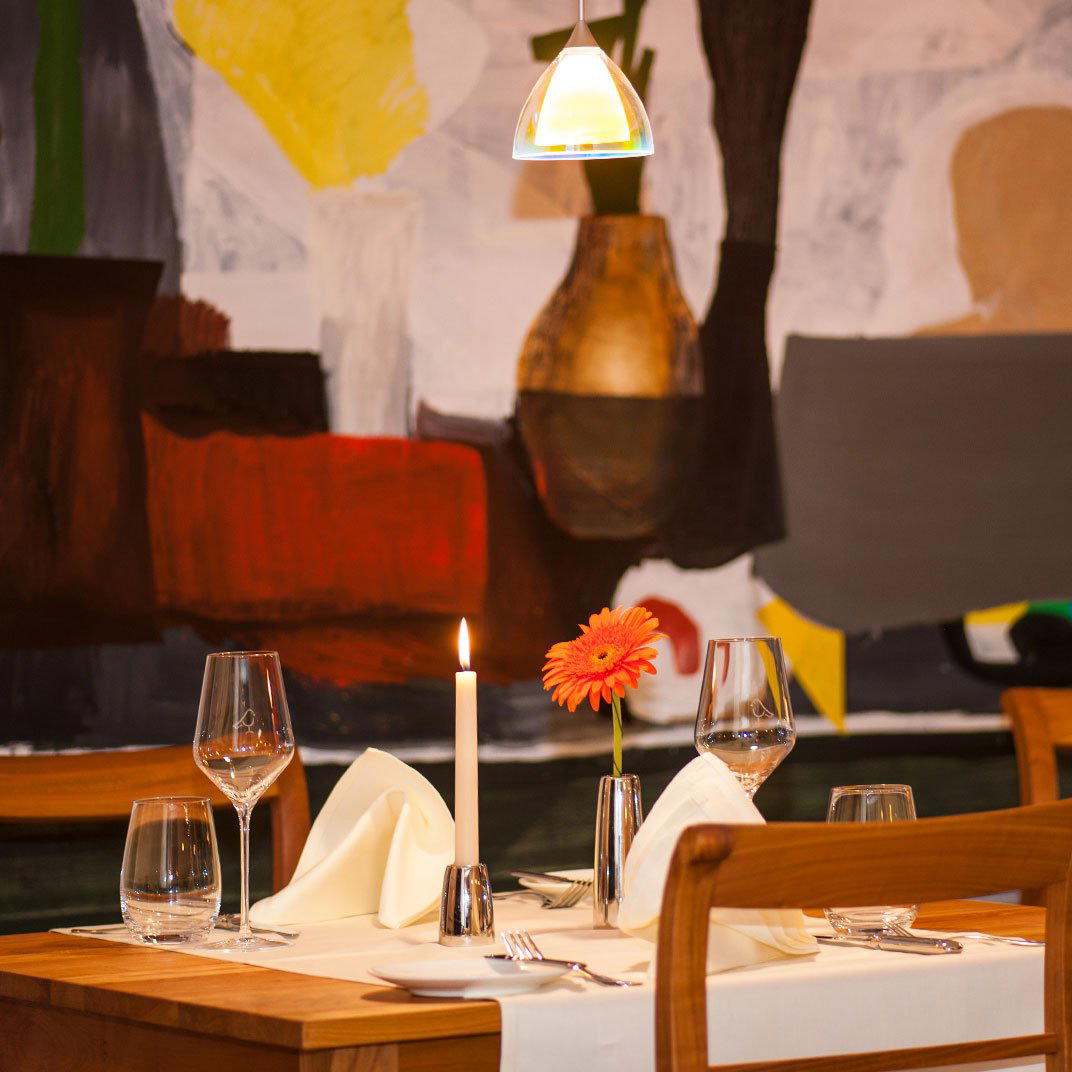
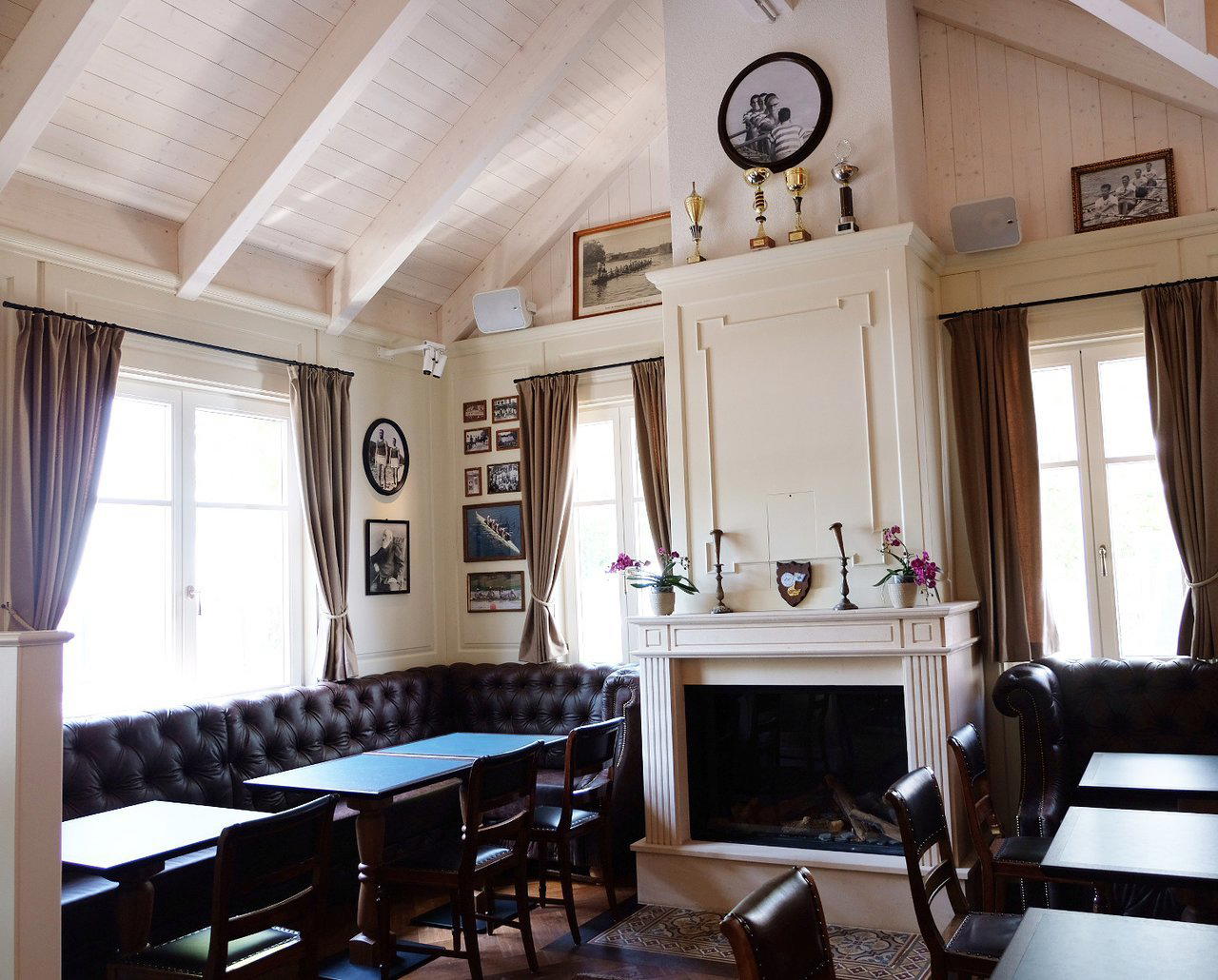
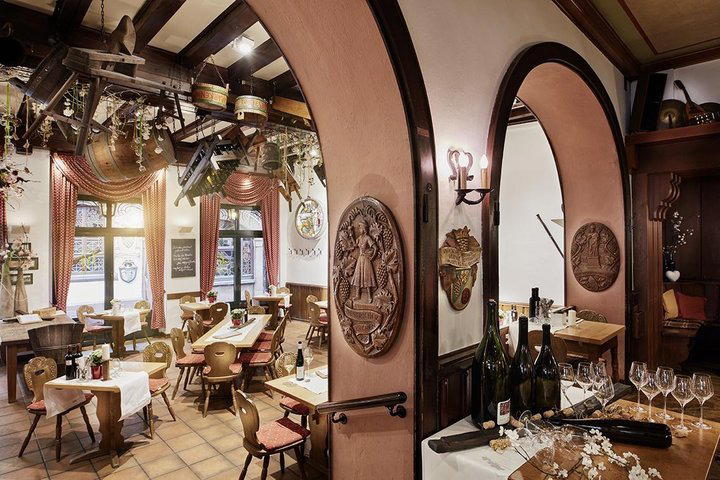
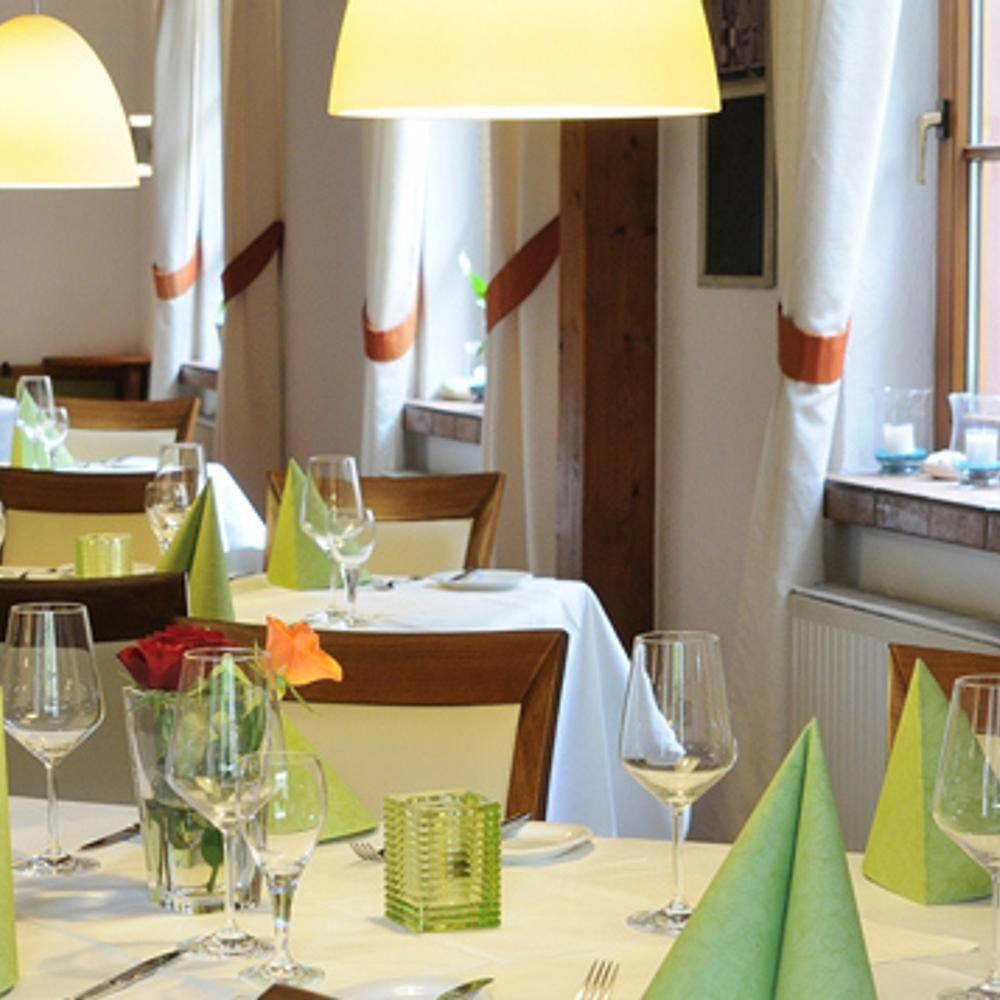
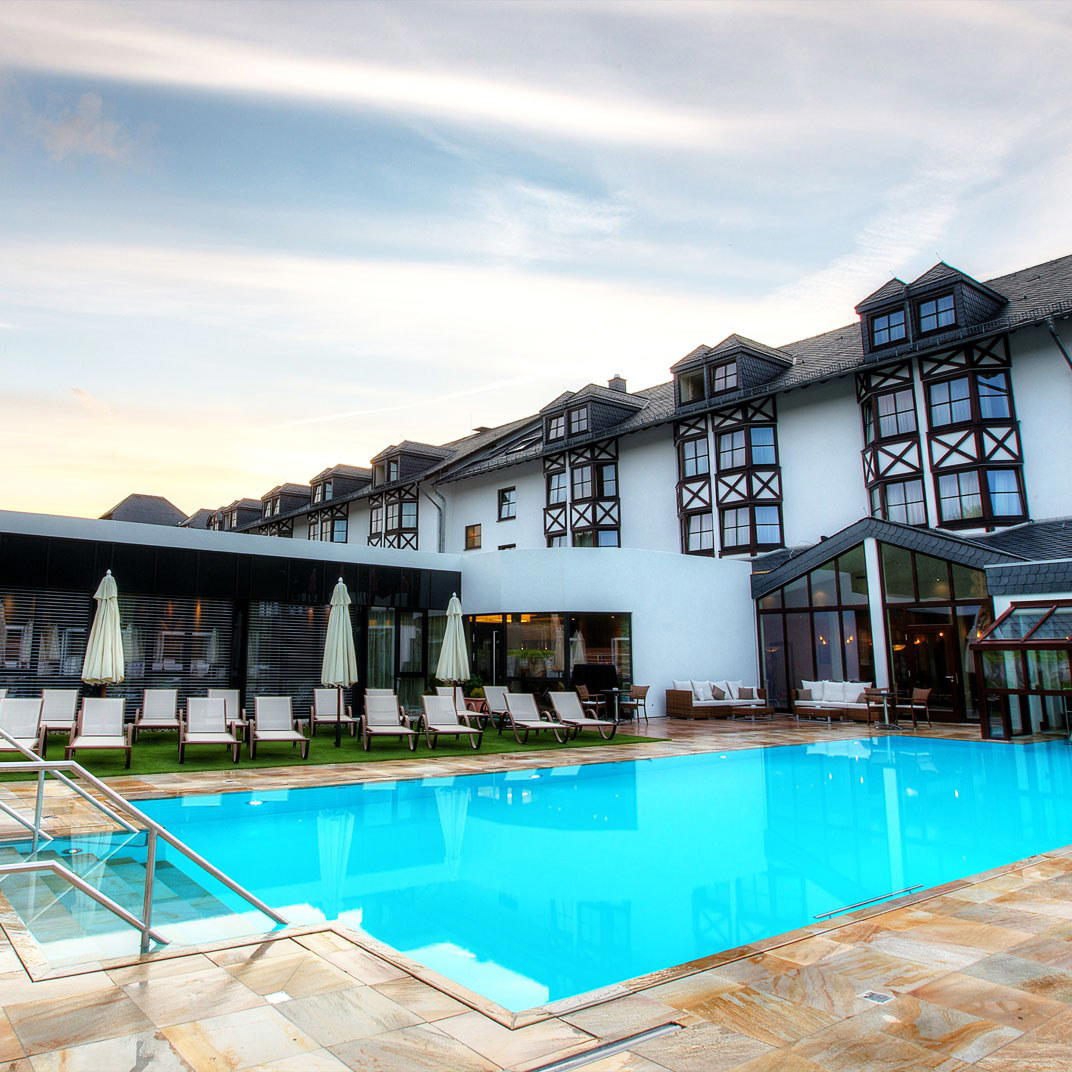
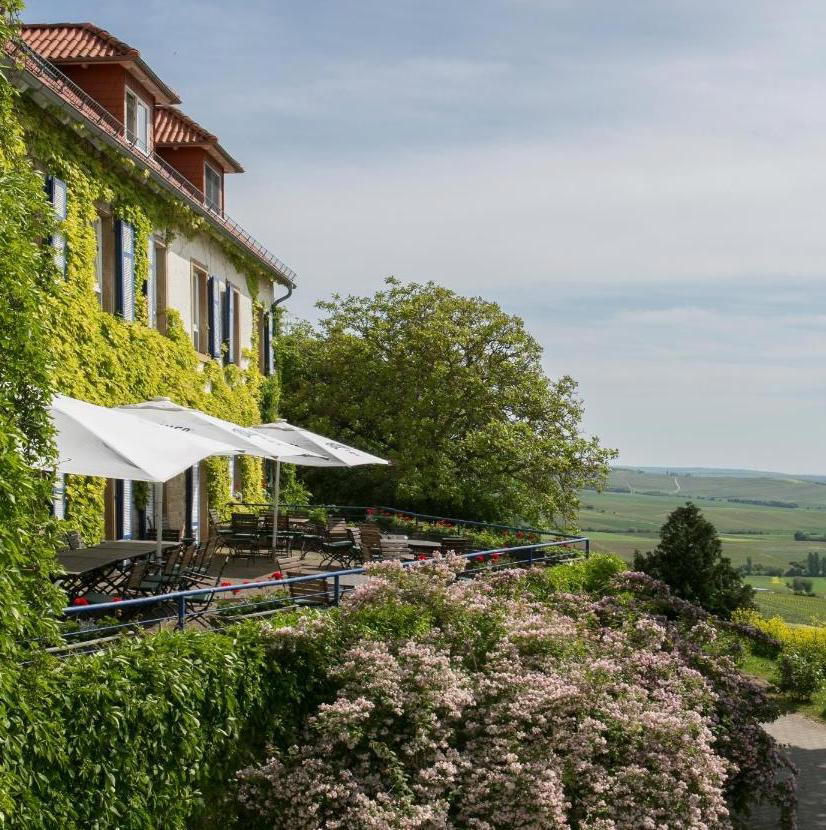
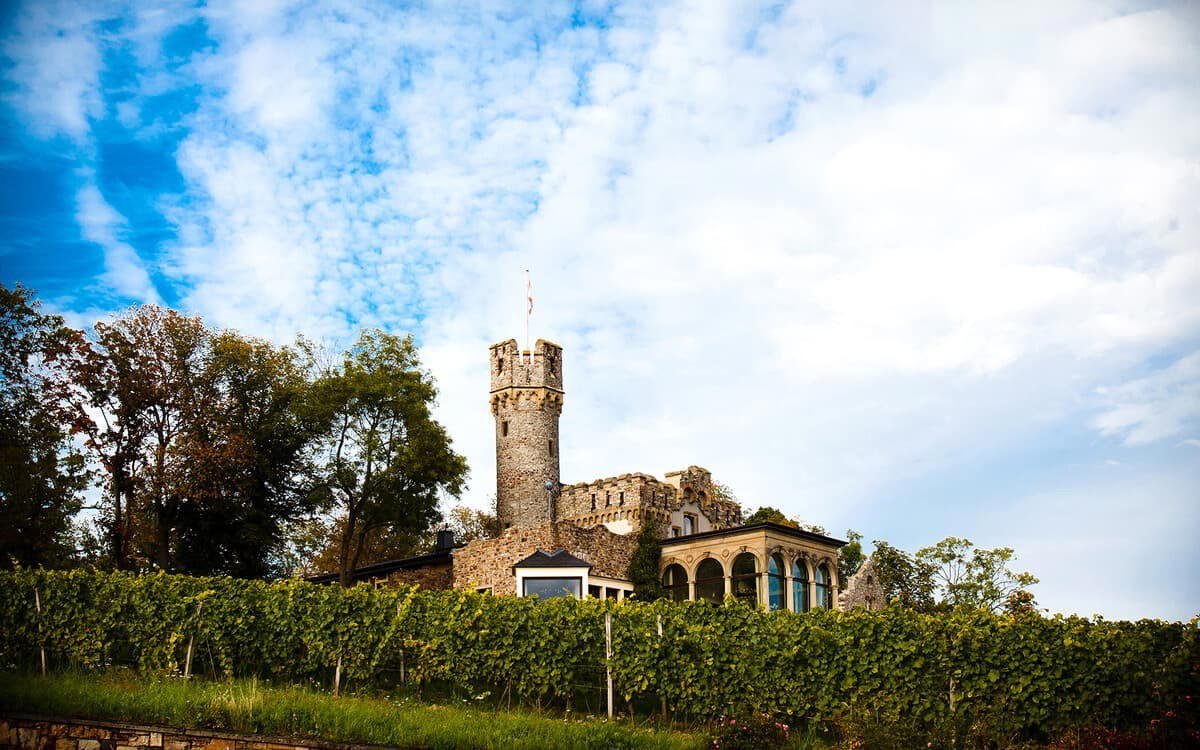
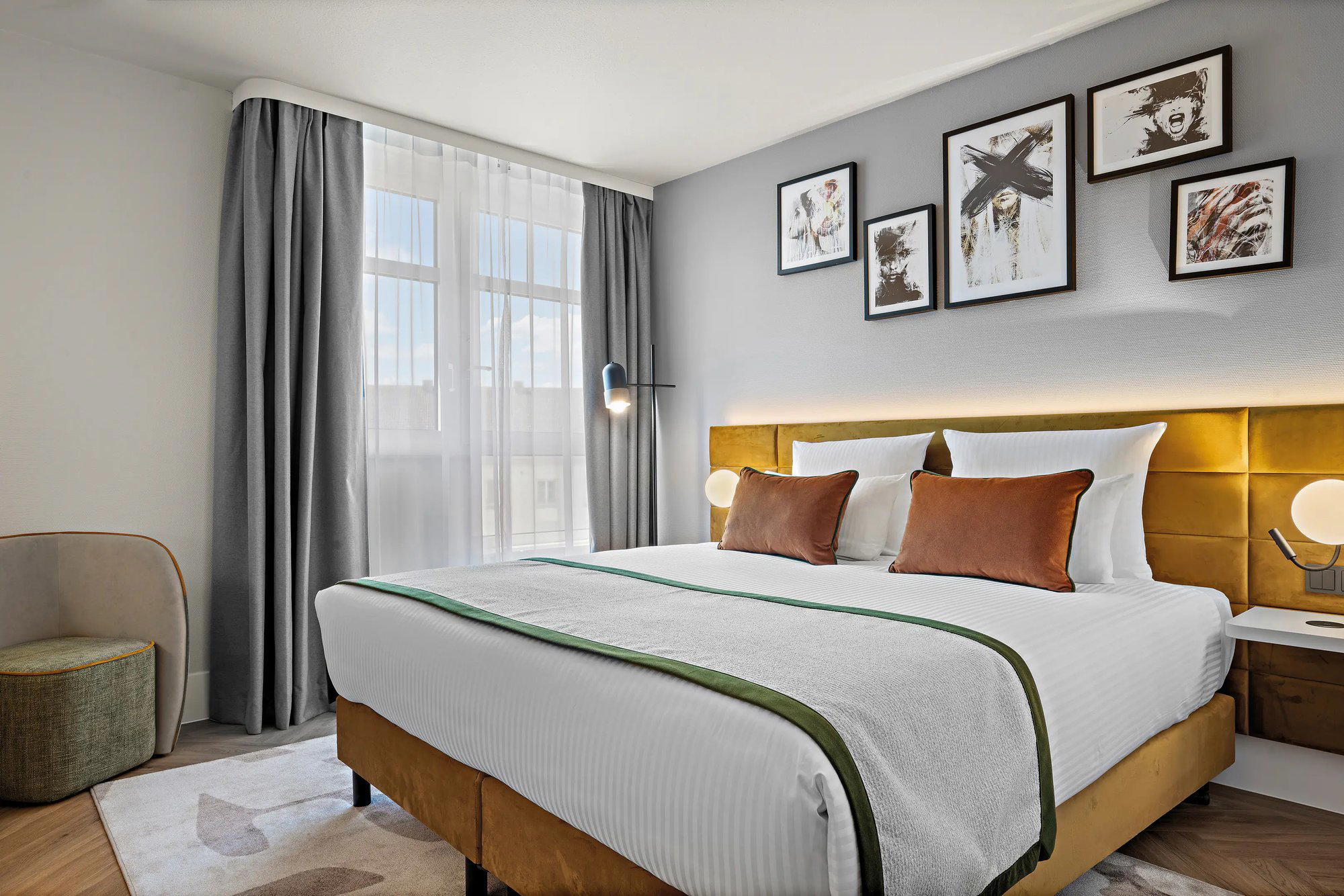
Weingut Beisiegel in Traisen is best understood as a family-run Nahe winery and guesthouse rather than as a formal, highly staged tasting-room concept. The picture is deliberately modest: a quiet estate atmosphere, a strong terroir-driven identity, and a setting associated with Nahe vineyards, porphyry and melaphyr soils. For travellers, that makes the address less about spectacle and more about the local grammar of vineyard country.
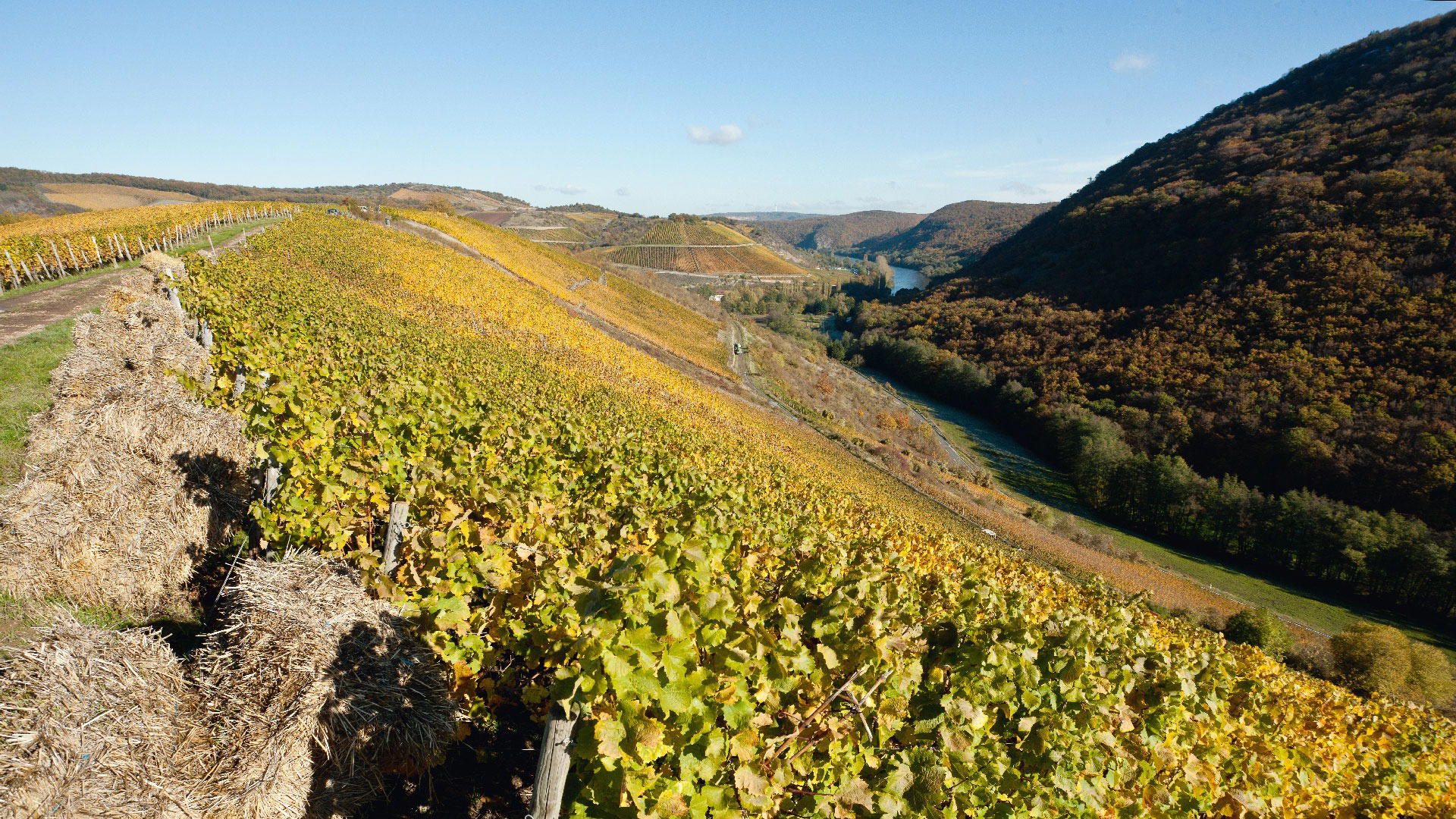
The useful editorial frame is restraint. Traisen sits within a wine landscape where geology matters, and the estate’s identity is tied to the way porphyry and melaphyr are presented as part of its vineyard character. Those soil references are especially specific hook here. They point to a place that wants to be read through land, continuity and regional context rather than through a long list of services, awards, menu-style claims or luxury amenities.
Porphyry, melaphyr and the Nahe's practical idea of terroir
For Weingut Beisiegel, the grounded story begins with Traisen and the Nahe. The estate is associated with vineyard country shaped by porphyry and melaphyr, and its public identity is terroir-led. That is enough to distinguish the venue from a generic rural stop: the emphasis is not simply that wine is made here, but that the surrounding land and soil are central to how the estate presents itself.
It is important not to overstate what. The available facts do not confirm a detailed grape list, named bottlings, vineyard size, cellar techniques, critic scores, award history, tasting fees, opening hours or a specific visit format. A careful guide should therefore avoid turning the estate into something more elaborate than the public record supports. What can be said is that Weingut Beisiegel belongs to a family-estate winery and guesthouse setting in Traisen, with a quiet, classic and rustic feel rather than a formal tasting-room premise.
That distinction is useful for planning. Some wine destinations are built around architecture, luxury hospitality, or a tightly scripted experience. The impression here is different: a working estate atmosphere connected to Nahe vineyards and soil identity. Visitors considering it should treat the appeal as regional and place-based, not as a promise of specific services unless those are confirmed directly with the venue.
A broad, table-minded portfolio rather than trophy bottling
The page should not claim a particular portfolio beyond what. The safer and more accurate read is that winery is a winery whose identity is grounded in estate atmosphere, Nahe vineyards and terroir language, especially the porphyry and melaphyr references associated with the setting.
Price is the one clear practical signal: the winery is listed at $.
The absence of confirmed awards or scores is also worth handling carefully. In this case, the more reliable editorial emphasis is on family-run character, quiet rural atmosphere and terroir-driven Nahe identity.
How to place it in a Traisen wine itinerary
For a Traisen itinerary, the winery reads as a calm winery-and-guesthouse address rather than a polished urban hospitality venue. The mood is classic, quiet and rustic, with the estate setting tied to vineyards rather than to a formal tasting-room concept. Travellers who value a low-key sense of place may find that framing more useful than a checklist of amenities.
None of those specifics are established in the supplied facts, so they should not be presented here as promises.
Within Traisen, it is reasonable to place the winery alongside other local dining, lodging and wine-country plans in a general way. The estate’s role in that plan is clear enough: it offers a family-run Nahe winery identity in a guesthouse setting, with a terroir vocabulary connected to porphyry and melaphyr. Other venues in Traisen can fill out meals or overnight logistics, but they should be checked separately rather than inferred from this listing.
The editorial read is therefore compact but solid: the winery is a $ Traisen winery and guesthouse with a quiet family-estate atmosphere and a terroir-driven Nahe identity. Its strongest qualities are setting, soil association and tone. Anything more specific should be confirmed before being treated as part of the visitor experience.
Recognition history
Dated appearances from independent guides and award organizations, with the underlying list record or original source where available.
Falstaff Winery - Listed
Falstaff
Continue exploring
More in Traisen
Wineries in Traisen
Browse all →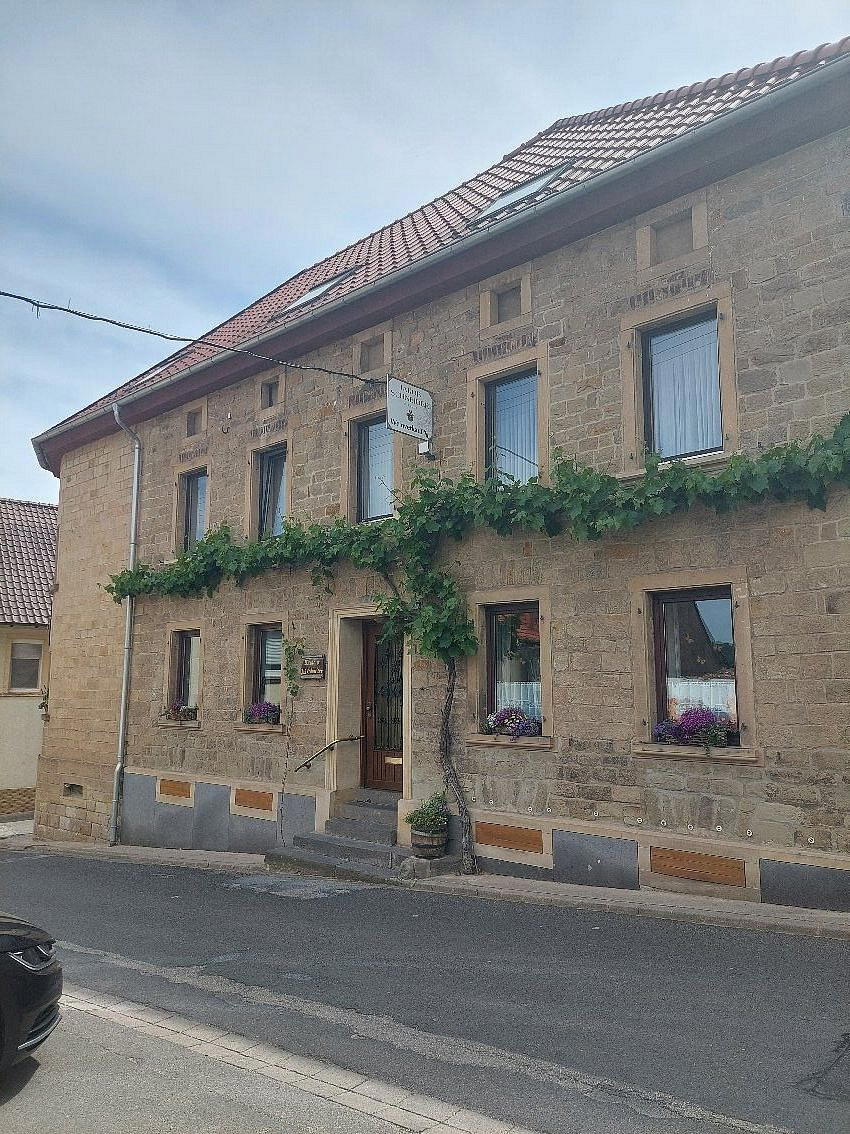
Bars in Traisen
Browse all →


Restaurants in Traisen
Browse all →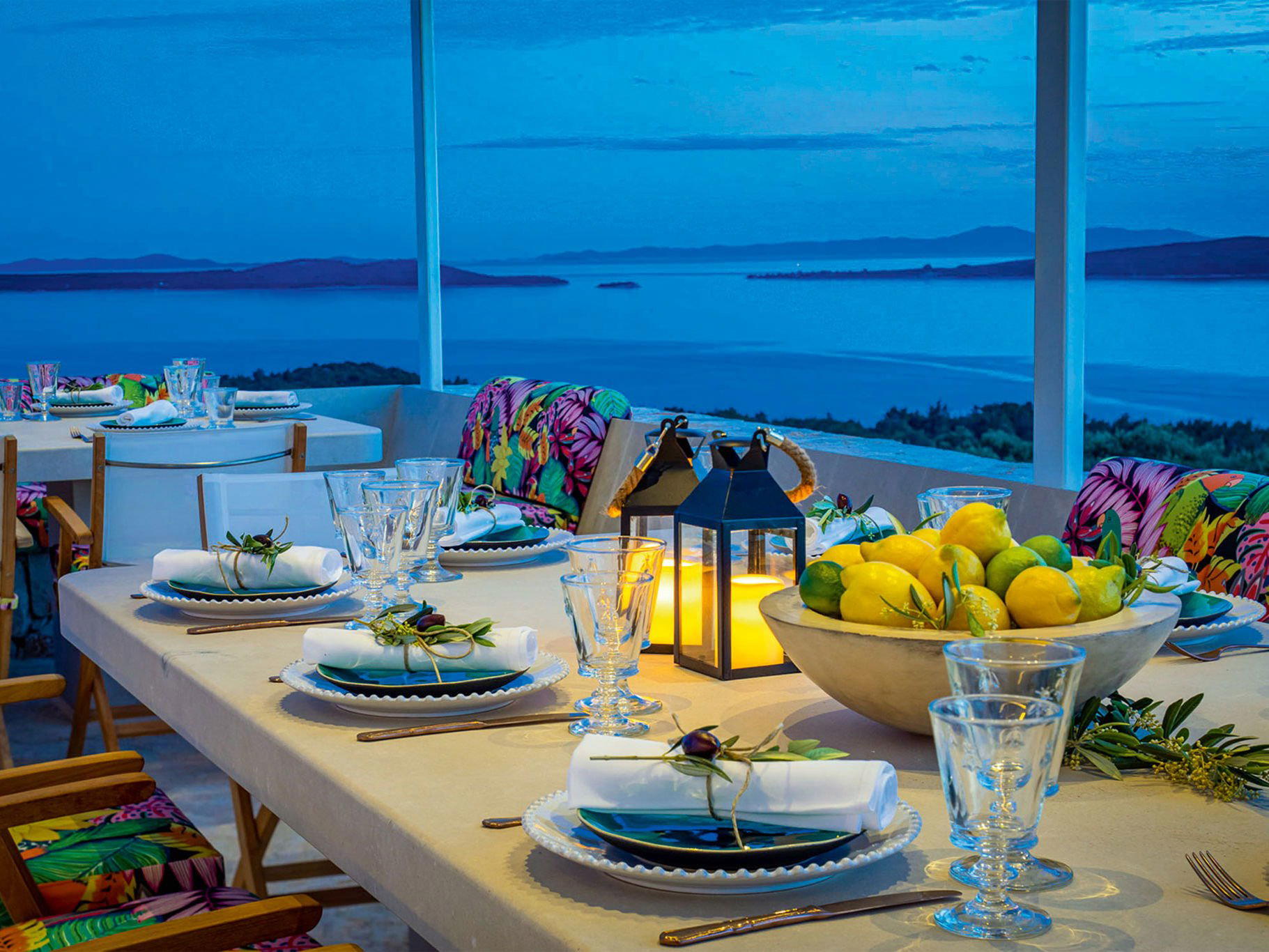
At a Glance
- Classic
- Quiet
- Rustic
- Solo Exploration
- Group Outing
- Special Occasion
- Estate Grounds
- Private Tasting
- Sustainable
- Vineyard
- Nahe
- Riesling
- St. Laurent
- Frühburgunder
- Weissburgunder
- Grauburgunder
- Still White
- Still Red
- Still Rosé
- Sparkling
- Estate Tasting
Family-run estate atmosphere with a strong terroir-driven identity; the setting is associated with Nahe vineyards, porphyry and melaphyr soils, and a guesthouse/winery operation rather than a formal tasting room concept.