Weinbau Frick

Weinbau Frick is a small Remstal producer in Schorndorf, built around organic cultivation, handwork, and home-based cellar production. Its strongest editorial interest is terroir at modest scale: 1.5 hectares, seven varieties, barrique-led reds, stainless-steel whites, Riesling Sekt, and a cellar approach that keeps the region close to the glass.
Pearl is the En Primeur Club membership app — saves, bookings, and concierge access live there. Same editors, same standards.
- Address
- Schorndorf, Württemberg, Baden-Wuerttemberg, Deutschland
- Directions
- Get directions
 Saves & bookings on Pearl
Central Schorndorf is not the stage many travellers picture for German wine country: no grand estate theatre, no manicured tasting lawns. The more interesting story is quieter: a garage-winery model where the cellar sits close to domestic life, production stays small, and Remstal fruit is treated as local material rather than commodity. Weinbau Frick belongs to the strand of German wine culture where scale is not the selling point; proximity is.
That matters in the Remstal, a region that rewards producers who speak clearly through small parcels and direct cellar decisions. Weinbau Frick works about 1.5 hectares across seven varieties, with vineyards in the lower Remstal on Weinstadt territory and production in Schorndorf. The result is not a broad regional survey, but a compact statement of what a small producer can do when grape source, cellar, and local identity stay tightly linked.
Remstal at garage scale, with organic farming as the anchor
Small German wineries often use handwork as atmosphere; here it is operating structure. The estate describes itself as one of the smaller producers in the Remstal, run as a side business and supported by family, friends, customers, and nearby wine people when more hands are needed. That social texture explains why the wines read as low-volume, closely managed bottlings rather than standardized regional labels.
The farming timeline gives the project its backbone. The estate converted fully to ecological cultivation from the 2015 season and has carried certification from the 2018 vintage onward. In a 1.5-hectare operation, that choice has practical weight: disease pressure, yield decisions, and vineyard labor become more personal when the same people responsible for the vines also answer for the cellar.
The cellar logic is deliberately split by style. Reds are preferentially matured in barrique; whites generally move through stainless steel, with smaller wooden barrels used when fruit quality and potential justify them. White wines receive a frame that protects clarity and freshness; red wines receive time and oak structure. It is not neutral, and that is the point. Terroir here is filtered through a cellar that favors legibility over spectacle.
For readers building a wider Schorndorf itinerary, the city’s category guides are planning scaffolding, not substitutes for context: Our full Schorndorf wineries guide, Our full Schorndorf restaurants guide, Our full Schorndorf hotels guide, Our full Schorndorf bars guide, and Our full Schorndorf experiences guide help place the wine stop within a broader day in town.
Barrique reds, stainless-steel whites, and a portfolio that avoids bloat
The portfolio is compact, but not narrow. Pinot Noir, Syrah, Zweigelt, Riesling, Grauburgunder, rosé, and sparkling wine give the estate more range than its acreage suggests. The editorial interest lies in the organization. The red program carries stronger structural ambition: Zweigelt 2019 spent 22 months in barrique; Pinot Noir 2019 and 2020 each spent 24 months in barrique; Syrah 2020 is a varietal barrique bottling in years when grapes reach the required standard. Those numbers separate the reds from quick-release local drinking wine.
The white side is different. Grauburgunder 2023, under the Kolorit label, is positioned with more breadth than the estate’s Riesling. Rosé 2023, labeled Symbiose, is made from Pinot Noir and saignée from red barriques, with 8.5 g/l residual sugar placing it near the dry boundary rather than in a sharply austere register. The choices show a producer willing to let texture matter without losing the regional freshness expected from this part of Württemberg.
Riesling Sekt adds another signal. Bottle fermentation for 18 months puts the sparkling wine in a more serious technical lane than simple tank-method fizz, and extends the estate’s argument about place: Remstal fruit is used not only for still wines, but for a traditional-method sparkling expression. The small distillate line, including fruit brandies and grape marc at 40% ABV, extends that local-production instinct beyond wine.
There is a temptation to over-romanticize producers of this size. The better reading is disciplined. Weinbau Frick is compelling because the facts are concrete: organic conversion in 2015, certification from the 2018 vintage, 1.5 hectares, seven varieties, barrique élevage measured in months, and a working model rooted in Schorndorf rather than a purpose-built hospitality complex.
Why this address belongs on a serious Schorndorf wine map
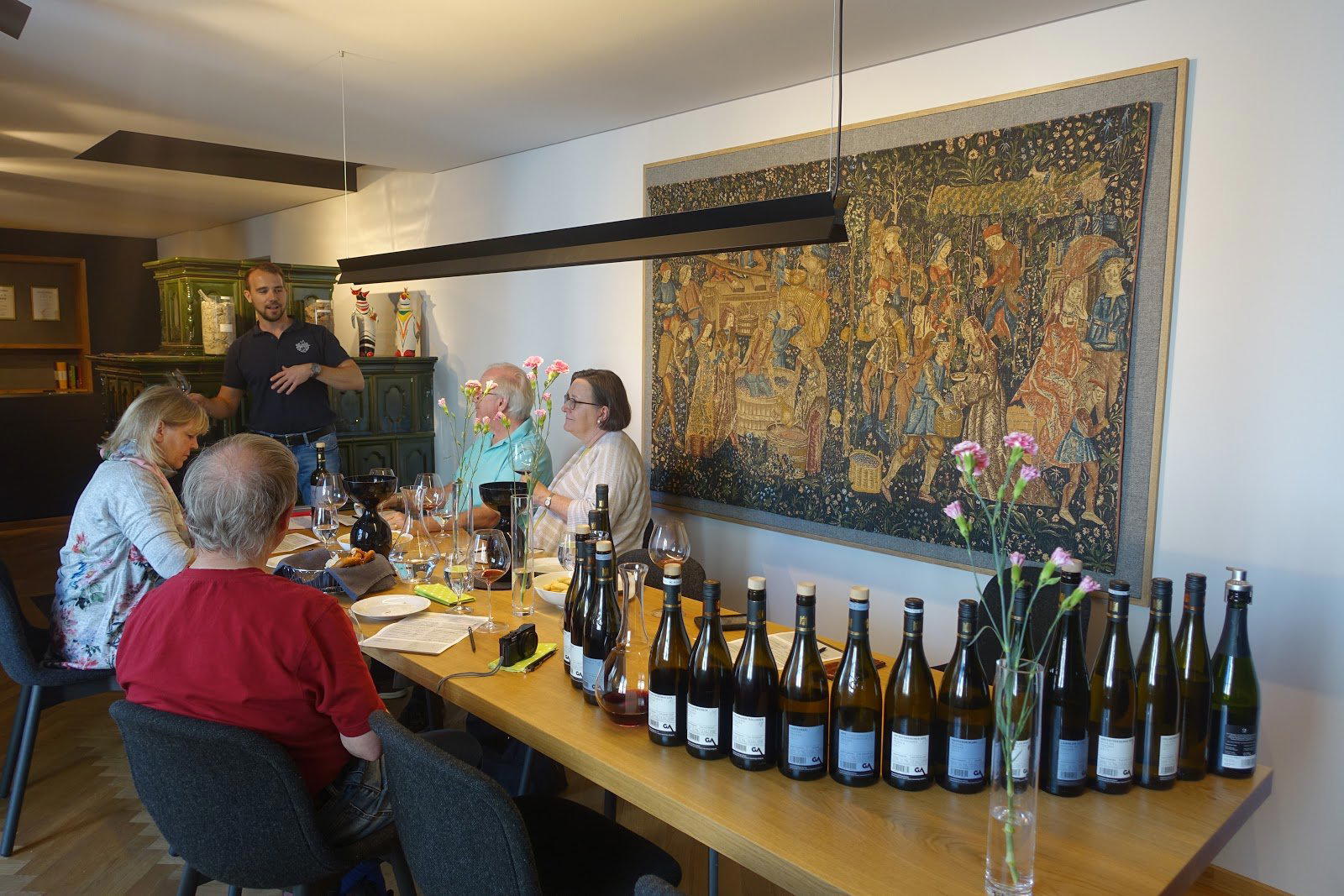
German wine travel often splits between established estate destinations and small producers requiring more intent from the visitor. The winery belongs to the latter category. Its appeal is not breadth of programming, but the chance to understand how a Remstal micro-producer converts regional fruit, organic farming, and restrained cellar decisions into still red, still white, rosé, sparkling wine, and small-batch spirits.
Oliver Frick’s background as a quality engineer in the automotive industry is useful context, though not the whole story. More relevant is how technical precision can sit inside a modest craft operation. The estate began in the 1990s with about 10 ares of vineyard area and grew as demand exceeded production. That is the opposite of the large-format estate narrative: incremental, local, and tied to capacity.
For comparison across broader German and Central European small-producer culture, Schorndorf can sit alongside a wider route of independent wineries: & Handwein in Mannheim, 2 Naturkinder in Kitzingen, 3 Winner in Bechtheim, 49Point9 in Geisenheim, 532 Riesling in Rüdesheim am Rhein, 70469! in Stuttgart Feuerbach, 746 - Route du Brut in Ettlingen, Achkarrer Winzer am Schlossberg eG in Vogtsburg Achkarren, »der Steiner« Hans Steiner in Podersdorf am See, and ®walzer in Gneixendorf Bei Krems. The shared thread is not sameness; it is the growing value of producers whose scale forces specificity.
The right expectation is a low-key winery experience where the intellectual reward comes from production choices, not performance. In Schorndorf, the winery gives the Remstal a human scale: organic vines, small lots, barrique reds, stainless-steel whites, and a cellar close enough to home that garage winery describes a working condition as much as a style.
Recognition history
Dated appearances from independent guides and award organizations, with the underlying list record or original source where available.
Falstaff Winery - Listed
Falstaff
Continue exploring
More in Schorndorf
Wineries in Schorndorf
Browse all →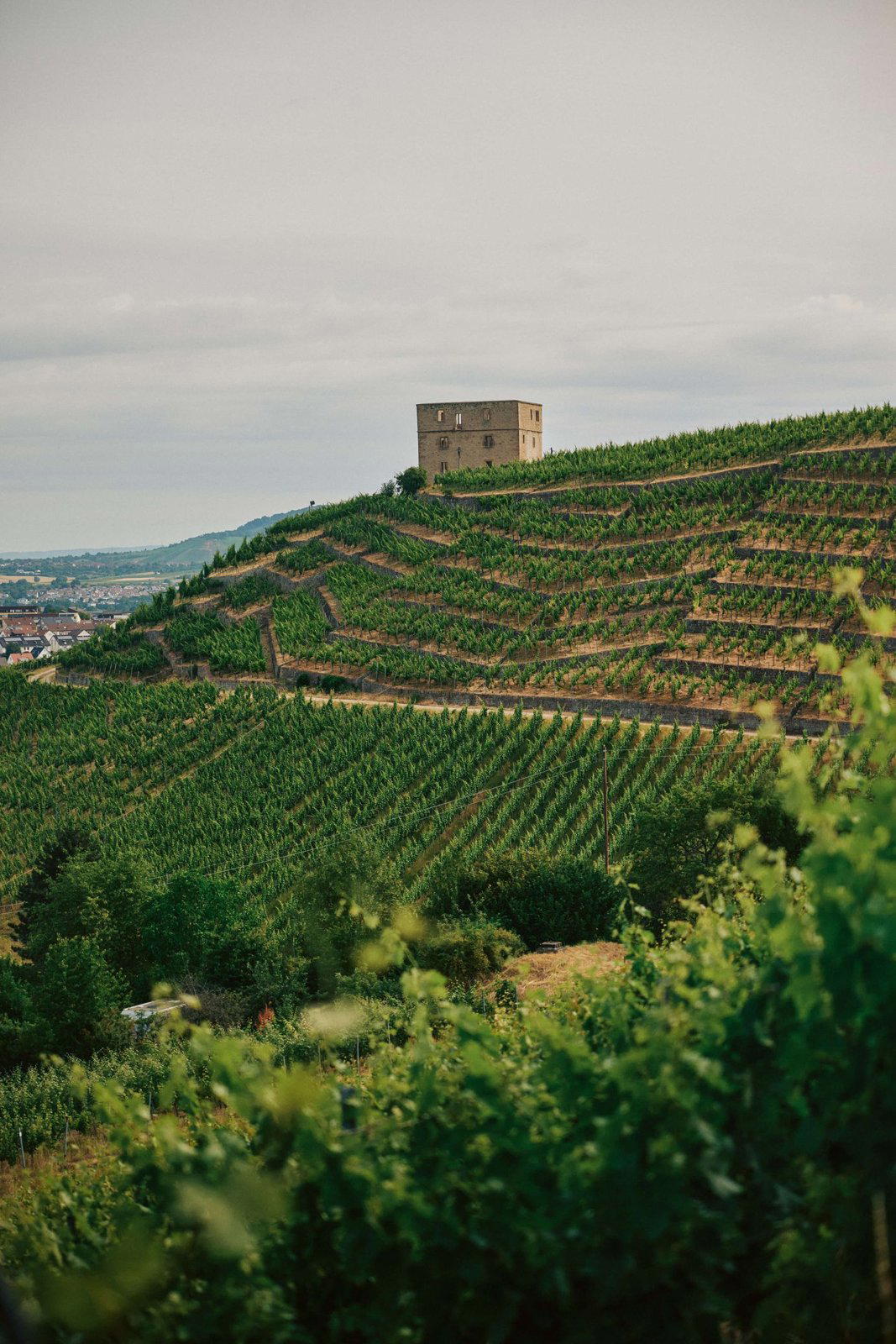
Bars in Schorndorf
Browse all →
Restaurants in Schorndorf
Browse all →
At a Glance
- Rustic
- Cozy
- Intimate
- Solo Exploration
- Special Occasion
- Private Tasting
- Historic Building
- Organic
- Street Scene
- Remstal
- Pinot Noir
- Syrah
- Riesling
- Grauburgunder
- Zweigelt
- Rosé
- Still Red
- Still White
- Still Rosé
- Sparkling
- Private Tasting
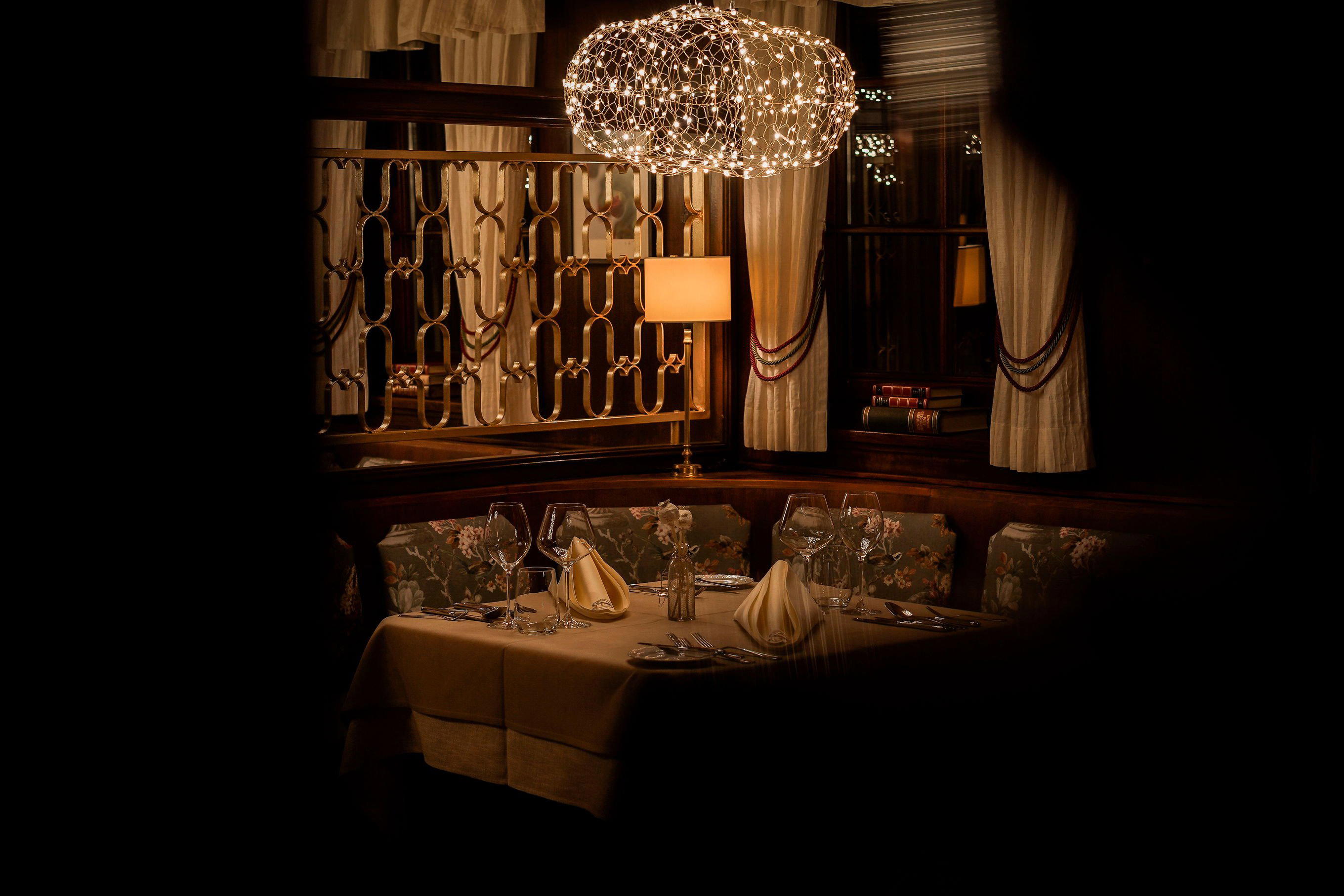
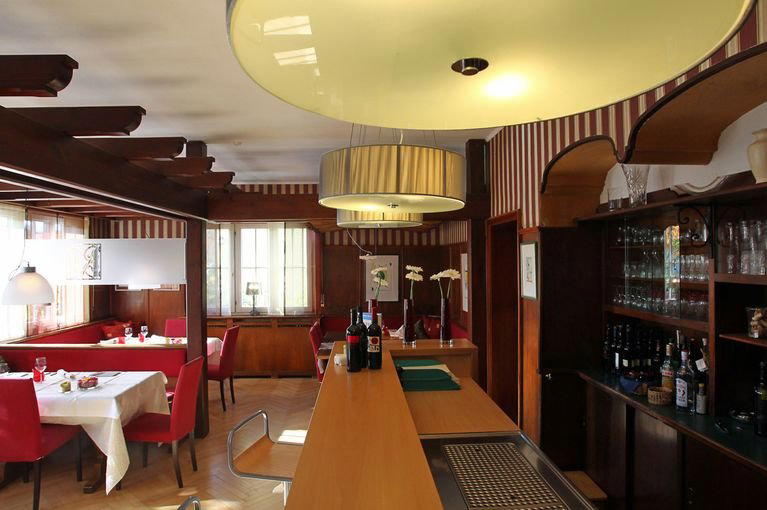
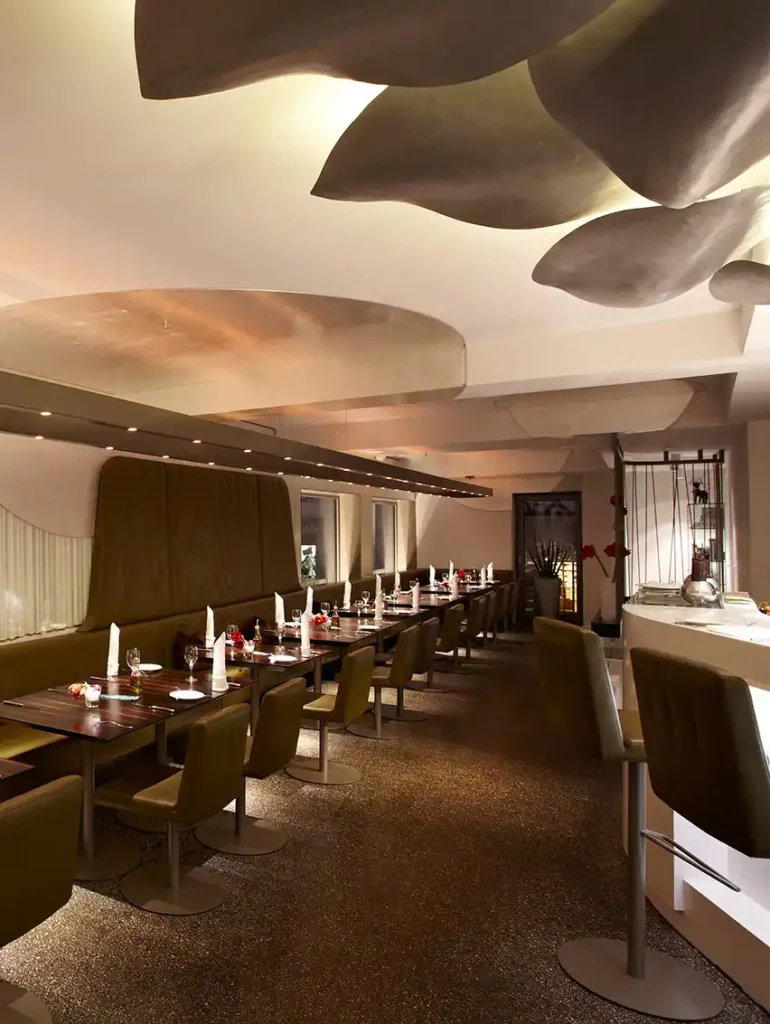
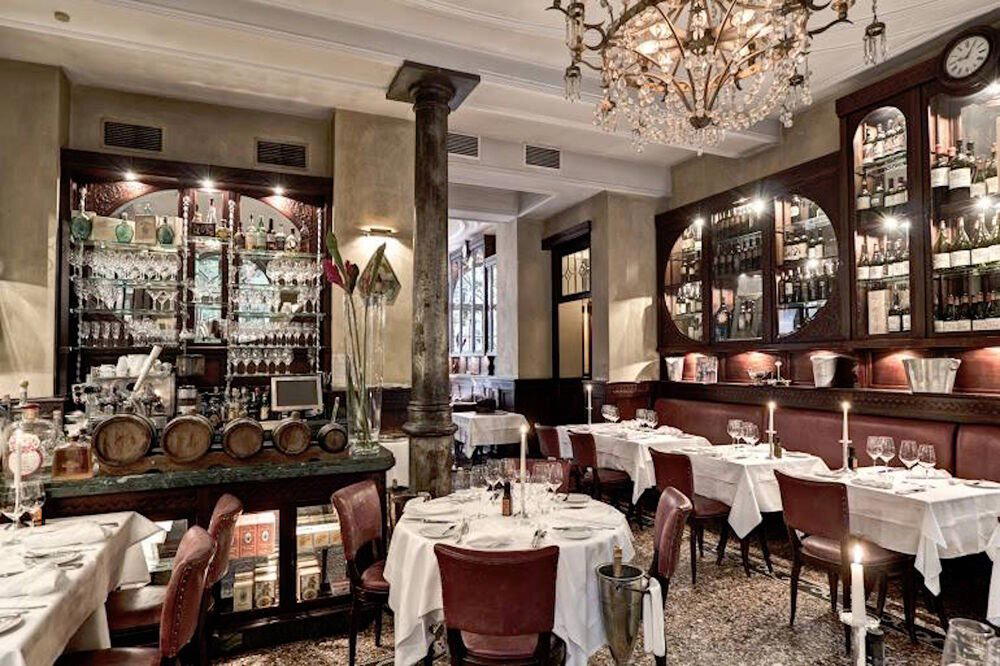
Small, hands-on winery atmosphere centered on careful cellar work, authentic character, and a family/friends-supported garage-winery feel in central Schorndorf.