
Wein vom Haigst gives Stuttgart’s steep-slope wine culture a small-scale, Trollinger-focused reading. Founded in 2020, the Degerloch project works 0.6 hectares of terraced vineyard by hand, farms organically, and builds its identity around old vines, landscape preservation, and a compact Vis-à-Vis range that has already drawn Falstaff scores in the low 90s.
Pearl is the En Primeur Club membership app — saves, bookings, and concierge access live there. Same editors, same standards.
- Address
- Stuttgart, Württemberg, Baden-Wuerttemberg, Deutschland
- Directions
- Get directions
 Saves & bookings on Pearl
Wein vom Haigst is best approached as a small Stuttgart wine address rather than as a grand estate or a broad hospitality complex. The picture is deliberately compact: a handcrafted, nature-focused winery atmosphere, a close relationship to steep-slope vineyards, and a rustic tone rather than a polished or formal one. For travelers trying to understand Stuttgart through its wine culture, that matters. The appeal is not built on a long list of public claims about menus, awards, varieties, seat counts, or elaborate services; it rests on the character of a small producer shaped by hillside viticulture.
That also makes the venue useful to describe carefully. Wein vom Haigst should not be framed as a restaurant, tasting-menu destination, luxury cellar, or large visitor attraction unless a specific service is confirmed. The reliable editorial angle is simpler and stronger: this is a modestly priced Stuttgart winery with a handcrafted feel, a nature-led identity, and an atmosphere connected to steep vineyards and rustic outdoor events. Its price category is listed as $, so the positioning is accessible rather than premium-luxury.
A small Stuttgart winery shaped by steep-slope vineyards
The defining feature is the setting and sensibility: Wein vom Haigst is centered on steep-slope vineyards in Stuttgart. That detail gives the place its identity. Steep vineyard landscapes tend to create a different kind of wine experience from flat, industrial, or purely showroom-like wine settings. Even without relying on claims about exact vineyard size, grape varieties, yields, or cellar technique, it is fair to say that the public impression is one of close contact with land, slope, and craft.
The atmosphere is described as small, handcrafted, and nature-focused. Those words are important because they set expectations correctly. This is not a venue to describe through a formal dress code, an elaborate culinary program, or a full restaurant-style service model. It is more honest to present it as a rustic winery environment where the surrounding vineyard culture is central to the experience. Visitors looking for a sleek city bar or a highly structured dining room should understand that the character here is more rural-urban, handmade, and restrained.
There is no confirmed basis here for stating particular tasting formats, opening hours, appointment rules, bottle lists, food pairings, dietary accommodations, take-out, delivery, awards, scores, or named personnel. That restraint is not a weakness; it keeps the recommendation grounded. The confirmed story is the place itself: a Stuttgart winery whose appeal comes from its small scale, hillside context, and low-intervention ethos.
A nature-focused, low-intervention identity
The winery’s description includes a strong emphasis on natural, low-intervention winemaking. That can be stated as a core part of the venue’s identity, but it should not be stretched into unsupported technical detail. Without information on specific farming certifications, grape varieties, cellar vessels, additives, maturation regimes, or production volumes, the safest reading is that the winery presents itself around a more natural and less heavily manipulated approach to wine.
For many travelers, that is enough to locate it within a broader contemporary wine conversation. Small producers increasingly use wine not only as a beverage but as a way to preserve landscape, express a place, and keep agricultural work visible within or near cities. The winery fits that conversation through its connection to steep-slope vineyards and handcrafted atmosphere. It is a useful Stuttgart stop for people who care less about a long tasting checklist and more about the relationship between wine, land, and small-scale production.
The rustic mood also helps distinguish the venue from more formal wine environments. “Rustic” here should be understood positively: open, unpretentious, and close to the conditions that make the wine culture possible. The outdoor event setting at the Schimmelhütte reinforces that impression. It suggests a wine experience that can be tied to place and season rather than one defined only by an indoor counter or conventional retail room.
What the visit says about Stuttgart wine now
Stuttgart’s wine identity is often most interesting when it is viewed through small-scale hillside production rather than through generic city drinking. The winery gives that idea a clear focal point. Its value for a visitor is not that it promises a long list of confirmed services; it is that it represents a compact, handcrafted, nature-led way of engaging with wine in Stuttgart.
That makes it a good fit for travelers who are building a broader Stuttgart itinerary and want one wine-focused stop with a strong sense of landscape. It can sit alongside other dining, bar, hotel, and experience planning in the city without needing to be treated as the same kind of venue. The guide should therefore frame it as a winery atmosphere first: small, rustic, steep-slope, and low-intervention in emphasis.
There is no confirmed information here to support claims about a specific grape focus, founding year, owner biography, award record, point score, detailed event calendar, exact tasting arrangements, lunch or dinner service, or a formal food program. Those omissions should not be filled with speculation. If planning a visit, the practical next step is to check directly with the winery for current arrangements.
The editorial case is clean: the winery is a modestly priced Stuttgart winery with a handcrafted and nature-focused atmosphere, a strong connection to steep-slope vineyards, rustic outdoor-event character at the Schimmelhütte, and an emphasis on natural, low-intervention winemaking. That is enough to recommend it honestly for travelers interested in Stuttgart wine culture at a small, place-driven scale.
Recognition history
Dated appearances from independent guides and award organizations, with the underlying list record or original source where available.
Falstaff Winery - Listed
Falstaff
Continue exploring
More in Stuttgart
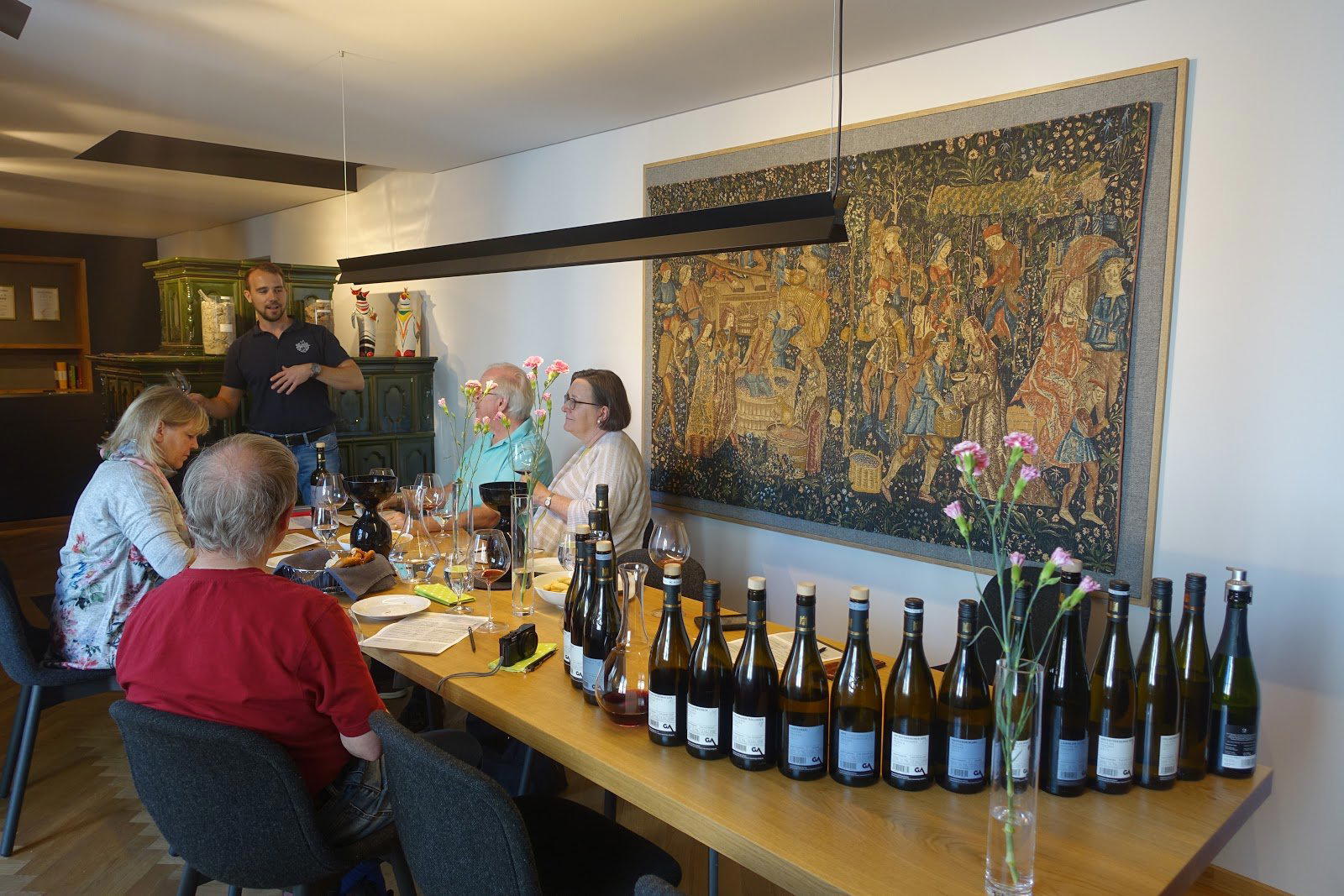
Wineries in Stuttgart
Browse all →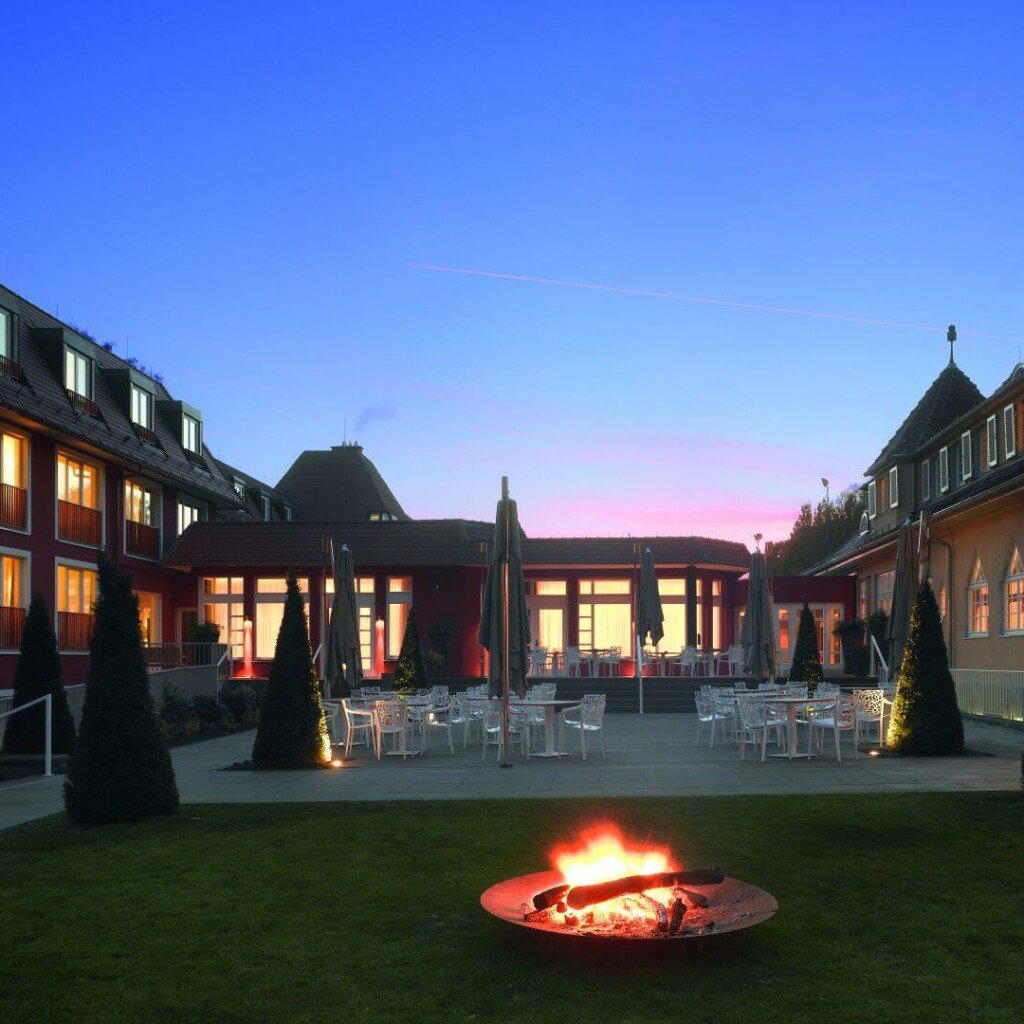
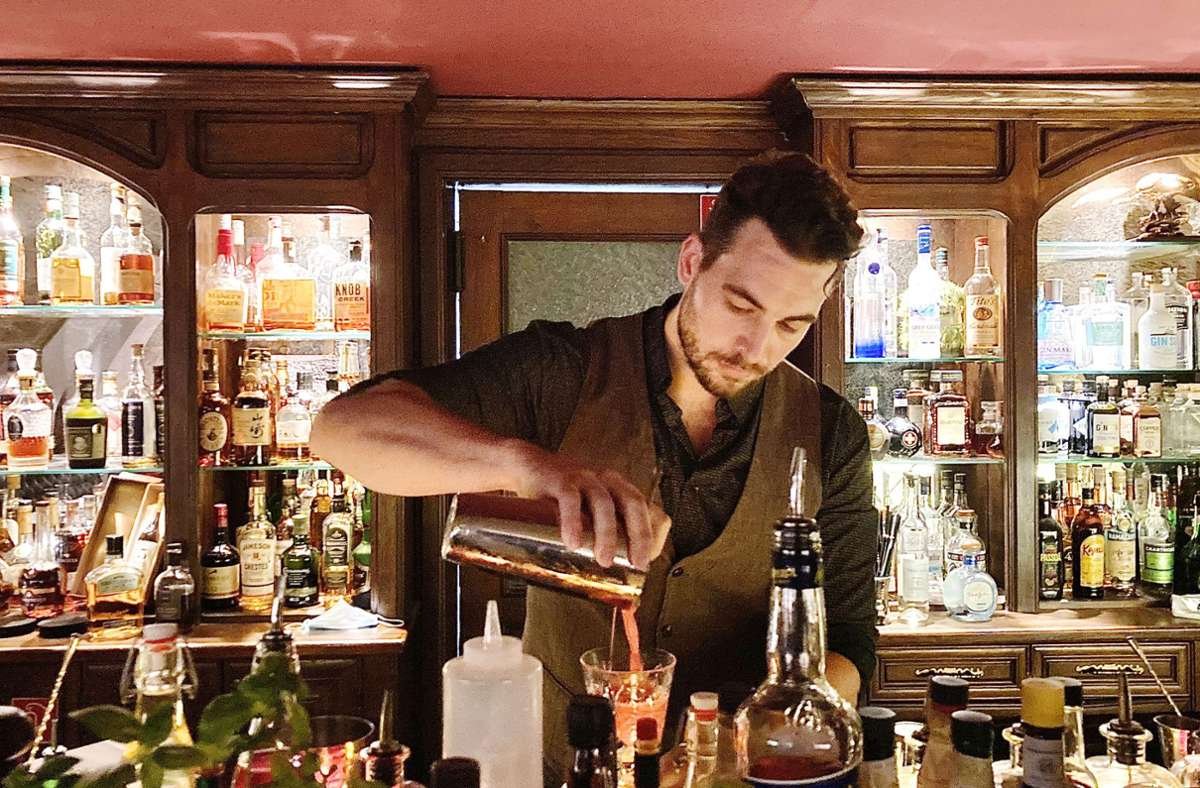
Bars in Stuttgart
Browse all →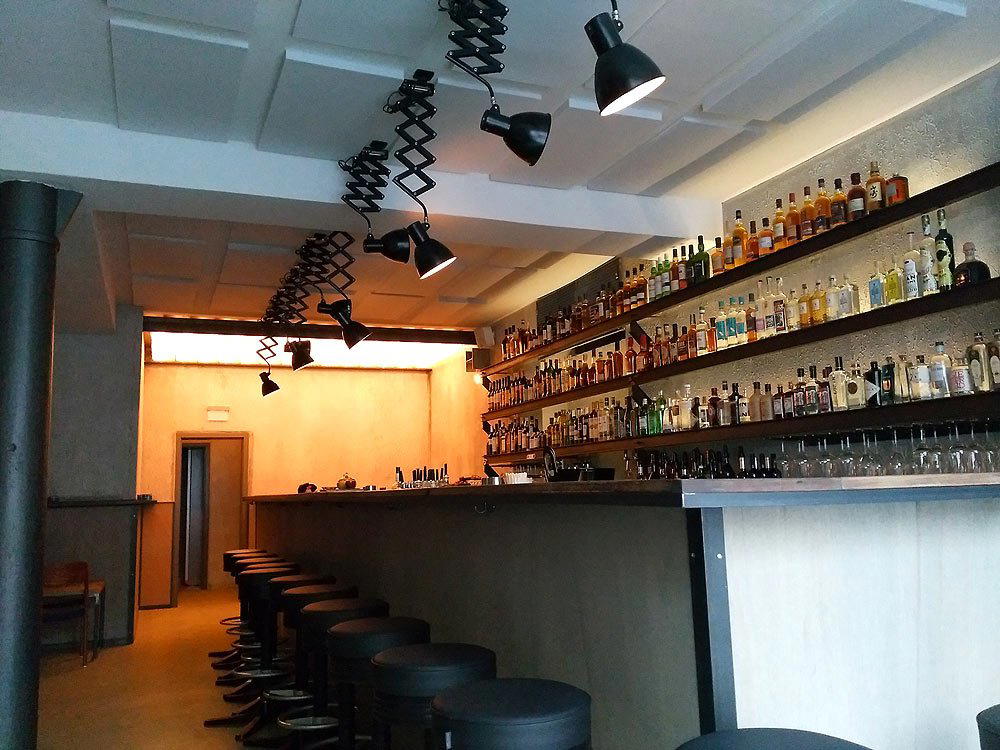
Restaurants in Stuttgart
Browse all →
At a Glance
- Rustic
- Quiet
- Scenic
- Intimate
- Solo Exploration
- Special Occasion
- Wine Education
- Vineyard Tour
- Design Destination
- Organic
- Sustainable
- Vineyard
- Württemberg
- Trollinger
- Rosé
- Red Wine
- Still Red
- Still Rosé
- Guided Tasting
- Outdoor Tasting
- Wine And Snack Pairing
Small, handcrafted, nature-focused winery atmosphere centered on steep-slope vineyards in Stuttgart-Degerloch, with a rustic outdoor event setting at the Schimmelhütte and a strong emphasis on natural, low-intervention winemaking.