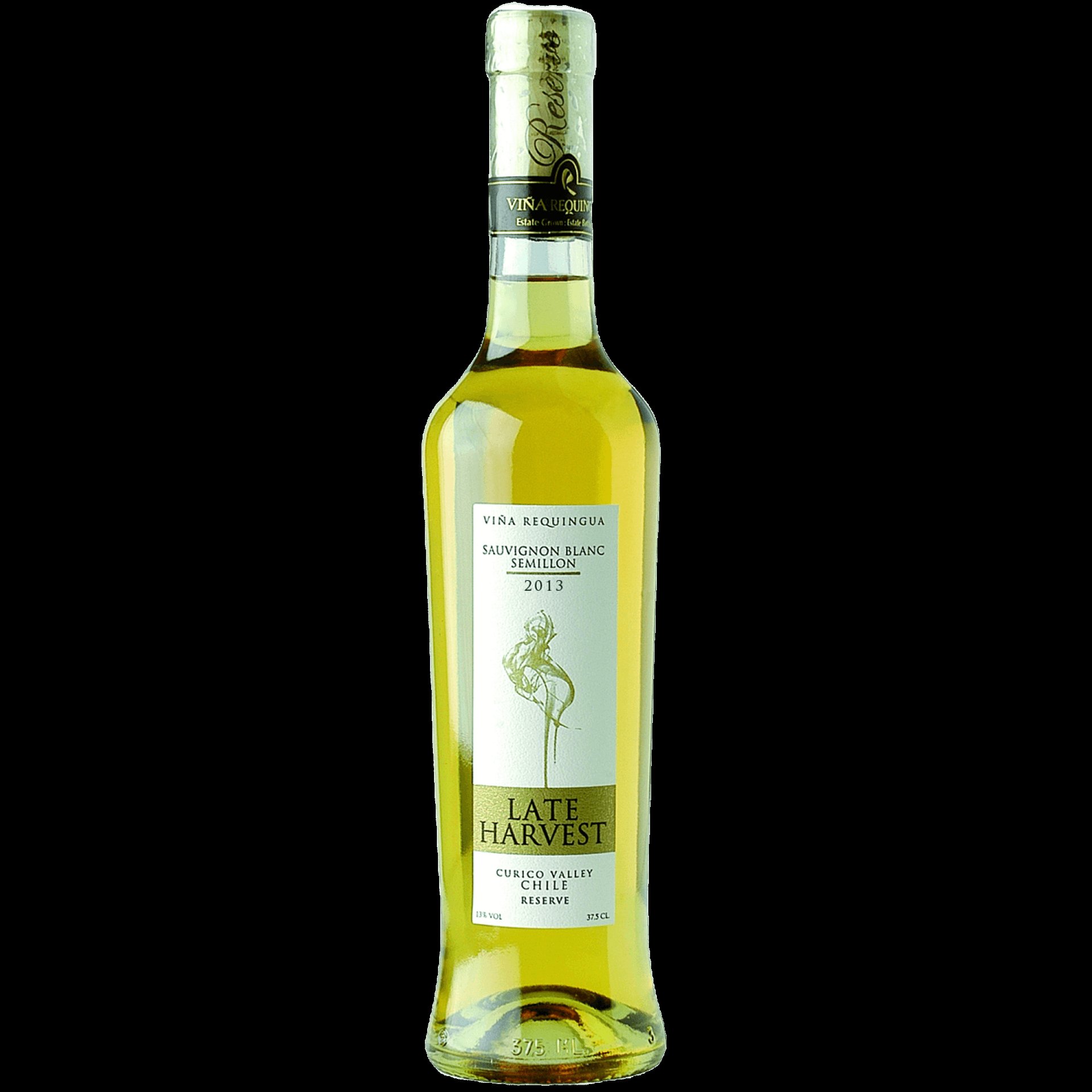
Viña Requingua operates from the Sagrada Familia district of Curicó, one of Chile's most established wine corridors in the Maule region. For visitors travelling through the central valley wine route, Requingua represents a serious stop in the Curicó appellation.

Pearl is the En Primeur Club membership app — saves, bookings, and concierge access live there. Same editors, same standards.
- Address
- 3390000, 3390000, Sagrada Familia, Maule
- Phone
- +56 75 257 7452
- Website
- requingua.com
- Directions
- Get directions
Curicó's Wine Geography and Where Requingua Sits Within It
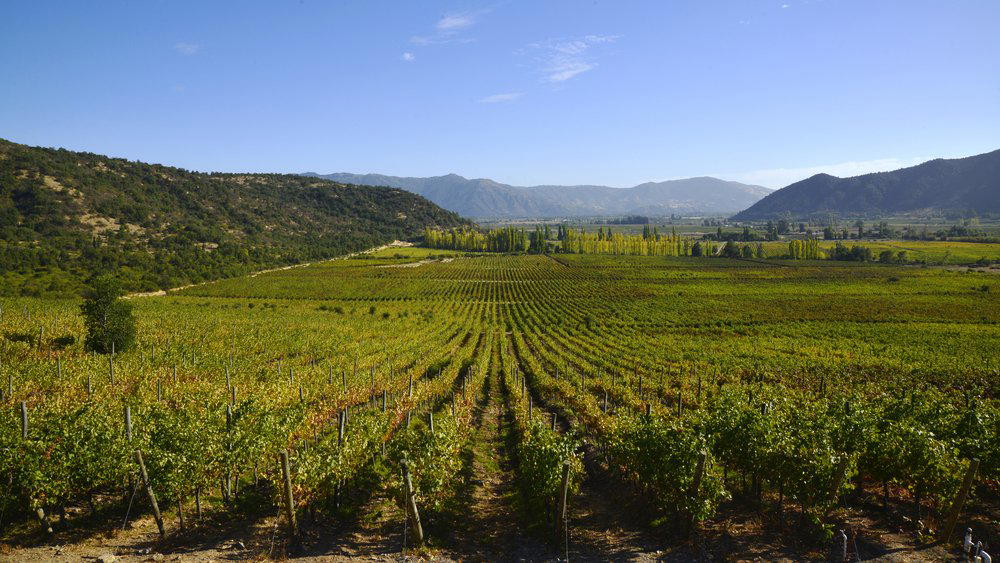
Chile's central valley wine corridor runs for several hundred kilometres south of Santiago, but Curicó occupies a specific and influential position within it. Sitting roughly halfway between Santiago and Concepción, the Curicó Valley benefits from a continental climate shaped by the Andes to the east and Pacific influence funnelled through gaps in the coastal range. Warm, dry summers with cool nights produce grapes that hold both ripeness and structure — conditions that have drawn serious producers here for generations.
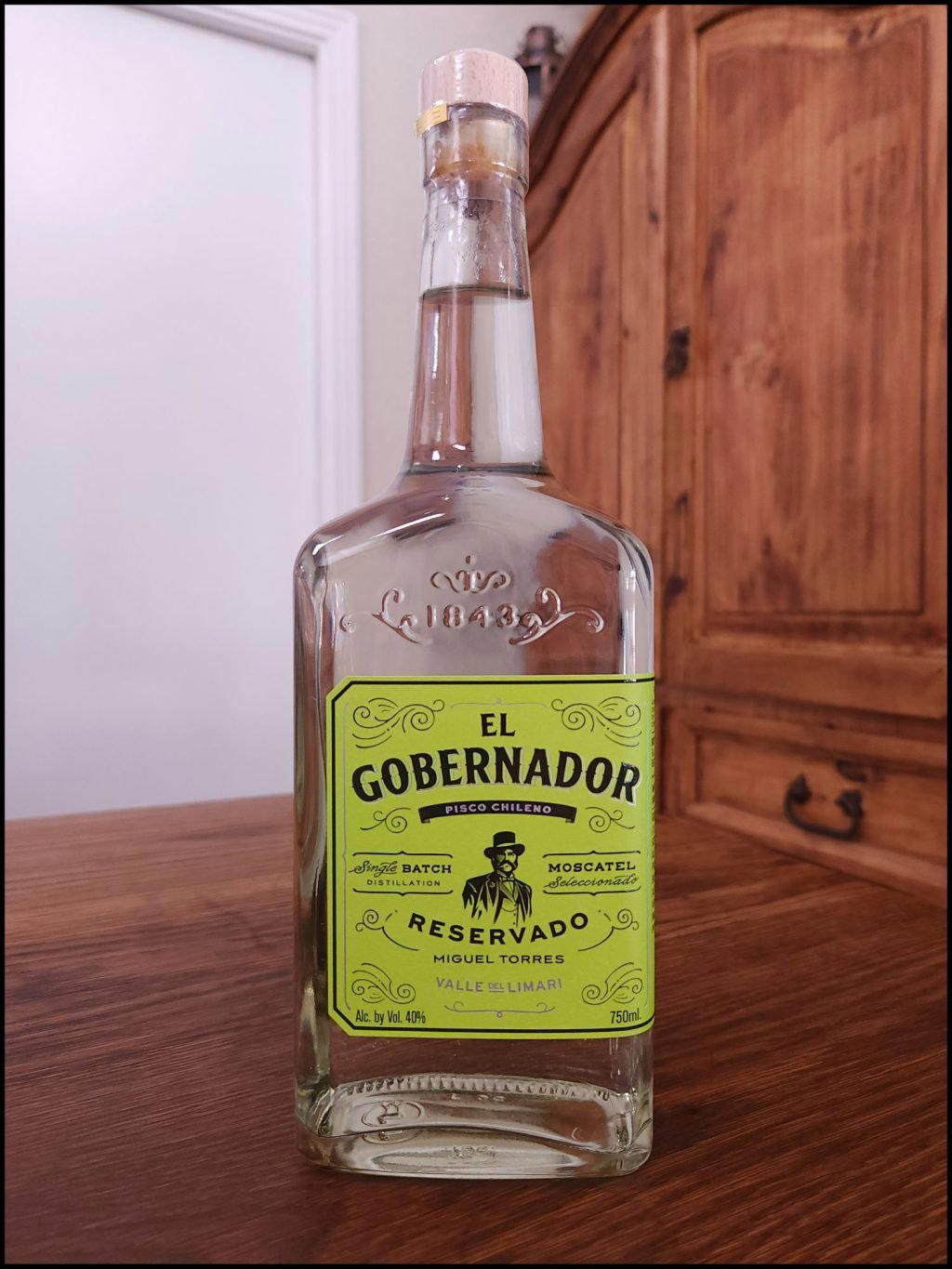
Within Curicó, the Sagrada Familia district, where Viña Requingua is based, sits in the eastern portion of the valley closer to the Andean foothills. This sub-zone tends toward alluvial soils deposited by river systems over millennia, a profile that typically delivers more mineral complexity than the clay-heavy soils further west. The address places Requingua in a zone with serious viticultural credentials, one that several of Curicó's most committed producers have long favoured. Neighbours in the broader Curicó appellation include El Gobernador (Miguel Torres Chile) and Viña San Pedro, both of which have invested heavily in the valley's identity as a source of premium Chilean wine.
The Maule region as a whole has undergone a critical reappraisal over the past decade. Long regarded primarily as a source of bulk wine, it is now being examined more carefully by buyers and critics who have found that old-vine Carignan and Malbec from dry-farmed parcels, alongside Cabernet Sauvignon from cooler sites, can deliver complexity well beyond the region's historical reputation.
The 2025 vintage year attached to this award indicates current relevance rather than historical reputation alone.
To calibrate what this means in competitive terms: across Chile's wine regions, a number of estates carry strong export recognition without necessarily earning formal EP Club Prestige-level ratings. The distinction matters when you are choosing between stops on a central valley itinerary. Compared to larger volume producers in the Maule and Colchagua corridors, estates holding 2-Star Prestige ratings represent a tier where the winemaking decisions are traceable, site expression is intentional, and the cellar door visit is likely to reflect the seriousness of what's in the bottle.
For regional comparison, other Chilean producers recognised within EP Club's broader framework include Viña Casa Silva in San Fernando, Viña De Martino in Isla de Maipo, and Viña MontGras in Palmilla. Each occupies a different sub-region with distinct soil and climate signatures, but all belong to the same broader movement of Chilean producers building identity through place rather than volume.
Approaching the Estate: What the Sagrada Familia Setting Suggests
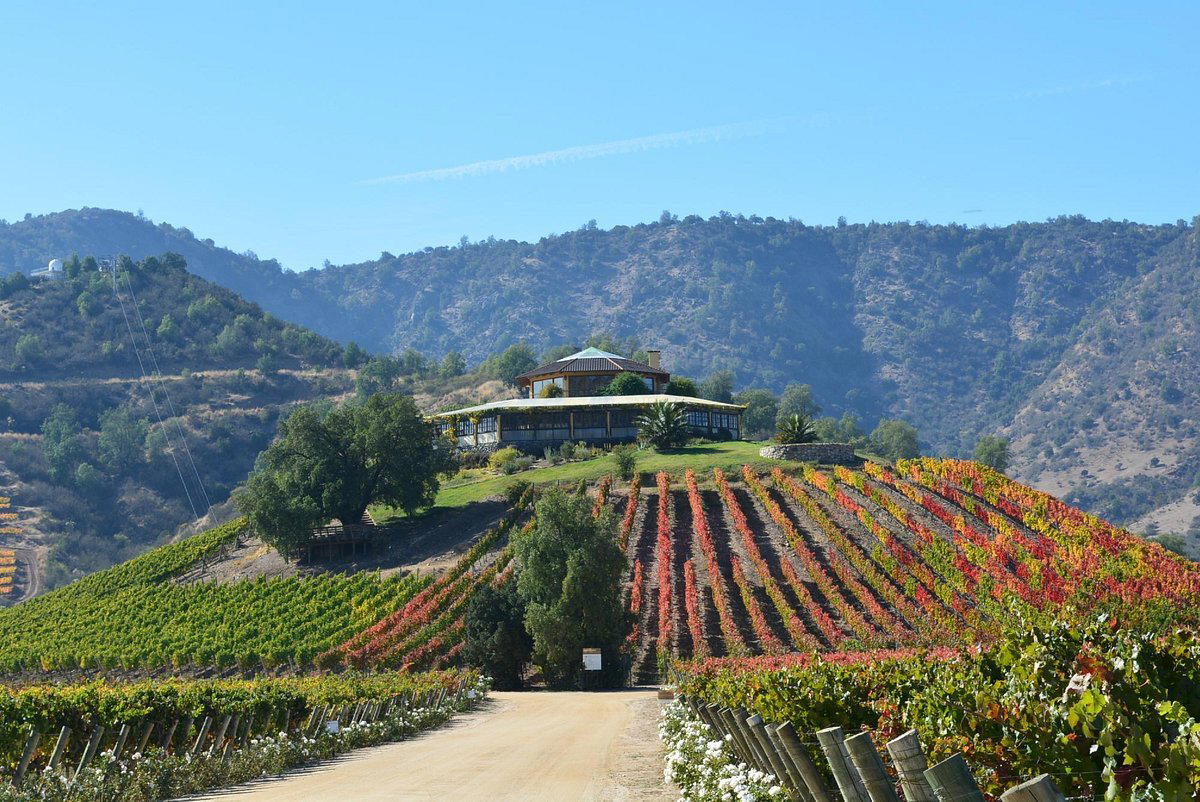
The physical approach to wineries in Curicó's eastern reaches tends to follow a consistent rhythm: the Pan-American highway gives way to narrower roads that cut through agricultural land, with the Andes becoming increasingly present on the horizon. The Sagrada Familia commune sits in a part of the valley where viticulture shares space with other agricultural activity, and the estates here tend to feel embedded in working farmland rather than landscaped for tourism.
This setting matters because it shapes the visitor experience at a category level. Eastern Curicó estates are not, in the main, the glossy hospitality operations you find at some Colchagua properties designed around domestic tourism and event hire. The experience here tends to be more production-focused, oriented around the vineyards and cellar rather than a restaurant or resort amenity layer. Visitors who make the drive to Sagrada Familia are typically there because they have a specific interest in what the winemaking team is doing, which sets a different tone than a drop-in tasting at a highway-adjacent facility.
For context on the full range of Chilean estate experiences, the spectrum runs from large-scale destination wineries like Viña Undurraga in Talagante and Viña Santa Rita in Buin, which are heavily trafficked and tourist-oriented, to smaller prestige producers in more remote sub-zones where the visit is structured differently. Requingua sits closer to the latter end of that spectrum by virtue of location alone.
The Winemaking Orientation: Reading Between the Lines of a Prestige Rating
That process is not based on marketing materials or submitted samples alone — it involves comparative assessment against peer producers in the same region and price tier.
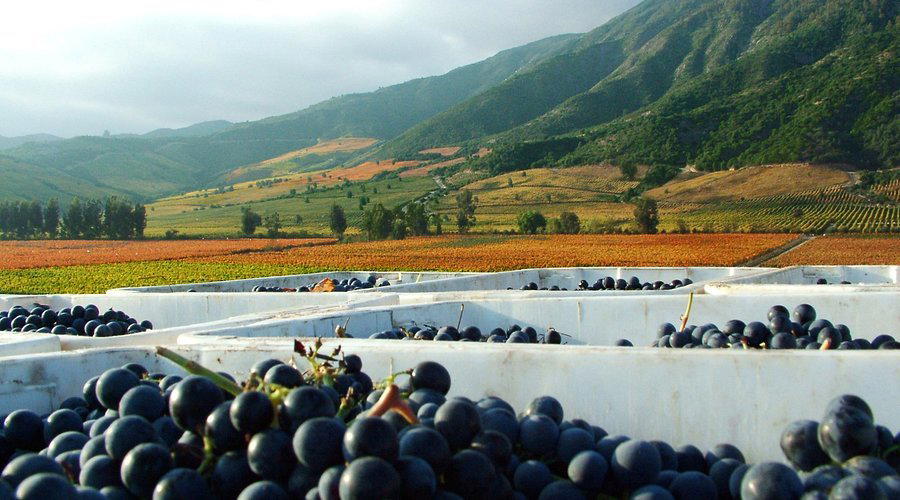
In Curicó's Sagrada Familia zone, the varieties that typically define serious estate production are Cabernet Sauvignon, Merlot, and Carménère from established red blocks, with Sauvignon Blanc playing a consistent role in white programmes. The cooler overnight temperatures in the eastern valley allow extended hang time that preserves aromatic precision, a technical advantage that winemakers at quality-focused estates in this zone have learned to exploit deliberately rather than incidentally.
The broader Maule trend toward lower-intervention, terroir-expressive winemaking, visible in the work of producers like Viña Valdivieso in Lontué and, on a larger scale, Viña Ventisquero in Santiago, has raised the floor for what buyers expect from the region's prestige-tier producers. Estates that earned recognition a decade ago on extraction and oak alone have had to rethink their approach as the market has shifted. A current 2025 Prestige rating at Requingua suggests the estate is aligned with where Chilean fine wine is heading rather than where it has been.
For those tracing the full arc of Chilean wine ambition, comparisons outside the immediate region are instructive. Viña Seña in Panquehue represents the Aconcagua valley's upper tier, while Viña Falernia in Vicuña demonstrates what high-altitude desert viticulture in the Norte Chico can achieve. These are different wine territories entirely, but they share the same national conversation about specificity and ambition that Requingua is participating in from its Curicó base.
Planning a Visit: What You Need to Know
Given the estate's location in Sagrada Familia rather than on a main tourist circuit, direct outreach through the winery's official channels before travelling is advisable. Many serious Chilean estates at this tier operate by appointment rather than walk-in, particularly outside peak summer season, and Curicó's eastern sub-zones are not heavily signposted for independent tourism. Allowing lead time for communication is sensible.
Curicó itself is accessible from Santiago via the Pan-American highway, with the drive taking roughly two hours under normal conditions. The city functions as a base for exploring several wineries in a single itinerary, and our full Curicó guide maps the key producers and districts across the valley. For travellers building a wider central and northern Chilean wine route, the itinerary might also include Pisco Alto del Carmen Distillery in Huasco for a different dimension of Chilean spirits production, or ventures further afield to Accendo Cellars in St. Helena and Aberlour in Aberlour for comparative international context.
A Pricing-First Comparison
Comparable venues nearby, for context on price, style, and recognition.
| Venue | Cuisine | Price | Awards | Notes |
|---|---|---|---|---|
| Viña RequinguaThis venue — the venue you are viewing | Not listed | Not listed | Not listed | Not listed |
| El Gobernador (Miguel Torres Chile) | Not listed | Not listed | Not listed | Curicó Valley, Cabernet Sauvignon, Malbec |
| Viña San Pedro | Molina, Cabernet Sauvignon, Carmenère | Not listed | Falstaff Winery - Listed | Not listed |
| Bouchon Family Wines | Mingre, País, Carmenère | Not listed | Falstaff Winery - Listed | Not listed |
| Viña Cousiño-Macul | Macul, Cabernet Sauvignon, Merlot | $20–30 | Falstaff Winery - Listed | Not listed |
| Hanaq Pacha Distillery | Winery | Not listed | Not listed | Not listed |

Details
- Rustic
- Classic
- Scenic
- Wine Education
- Group Outing
- Vineyard Tour
- Barrel Room
- Sustainable
- Vineyard
- Cabernet Sauvignon
- Cabernet Franc
- Carmenere
- Merlot
- Chardonnay
- Syrah
- Pinot Noir
- Still Red
- Still White
- Estate Tasting
- Spanish
- English
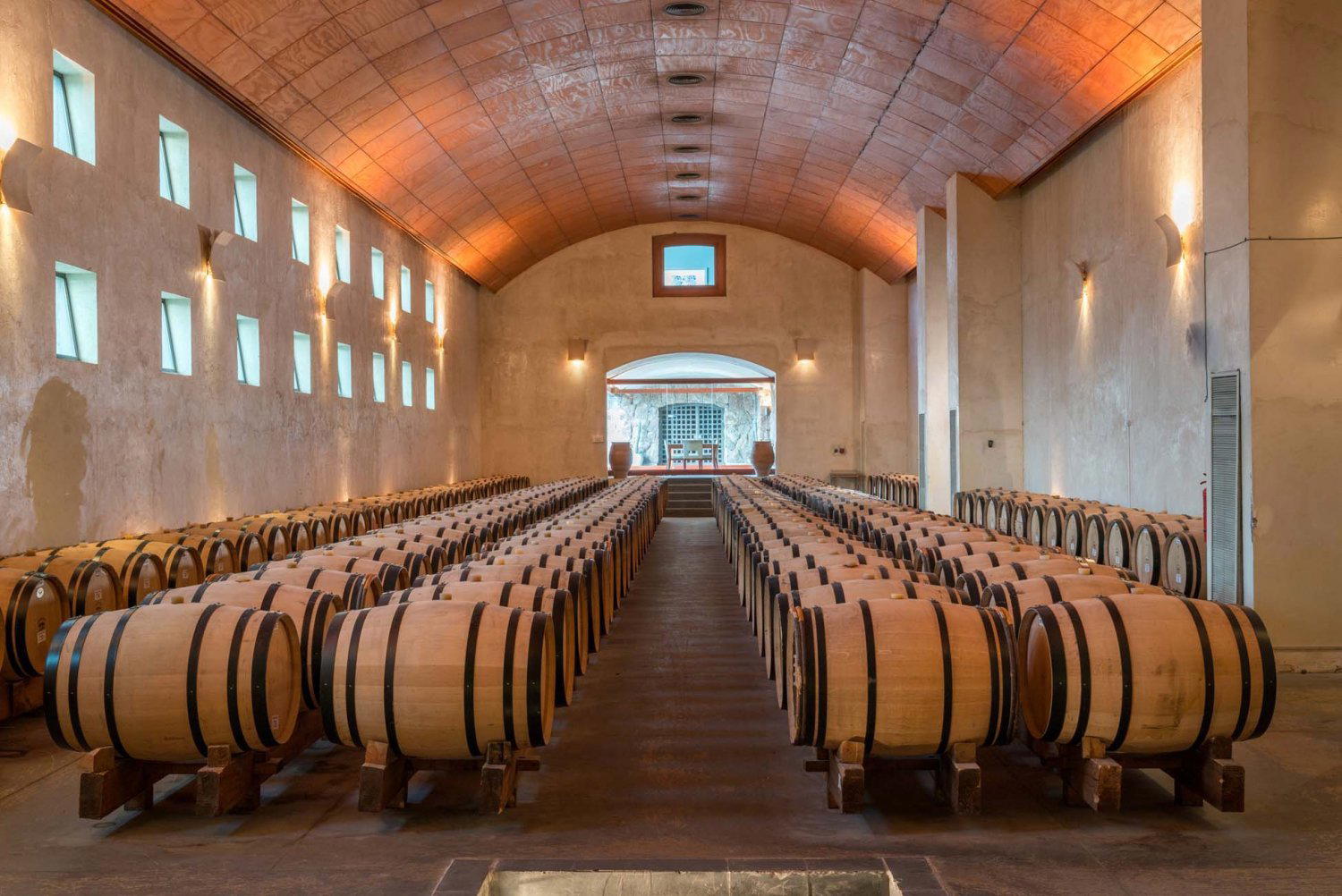
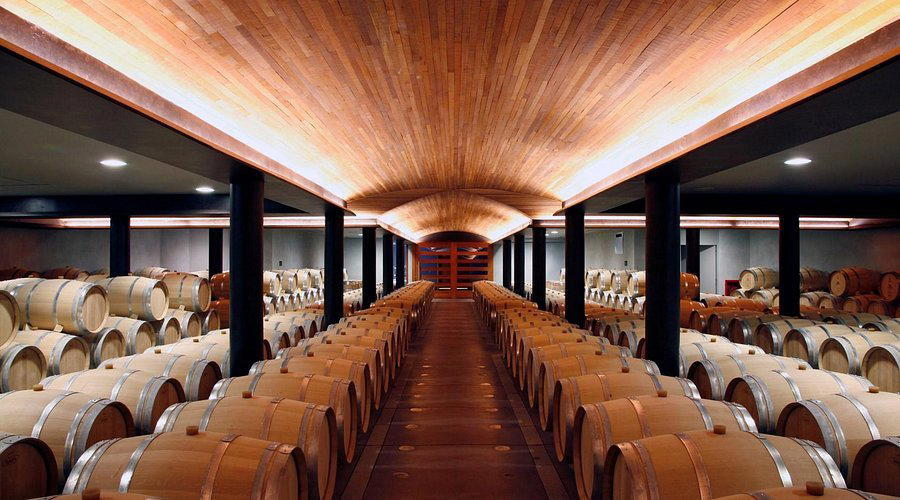
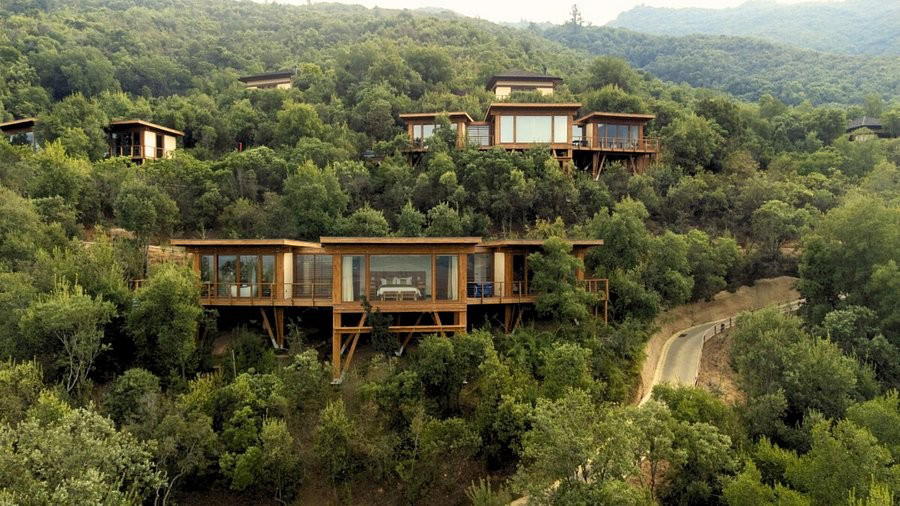
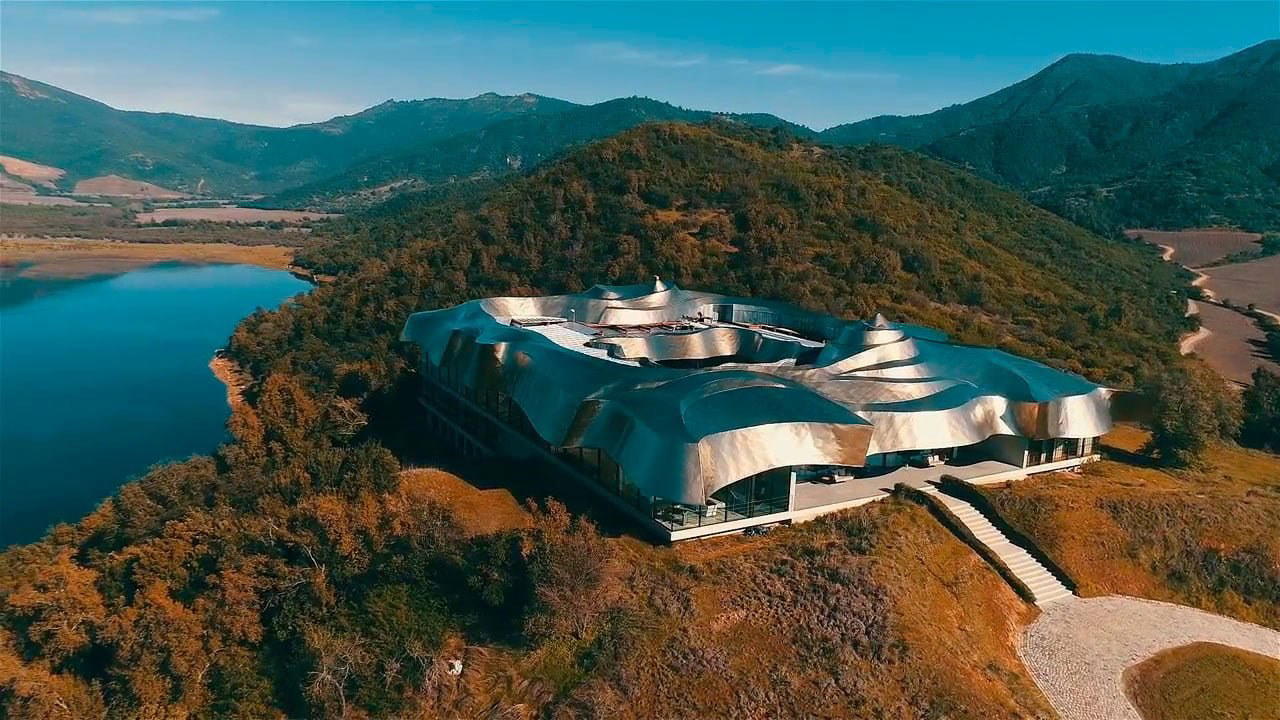
Professional and passionate winemaking environment with modern facilities including large wine cellars and barrel rooms.