Viñas del Cenit

Falstaff Winery - 3 Stars
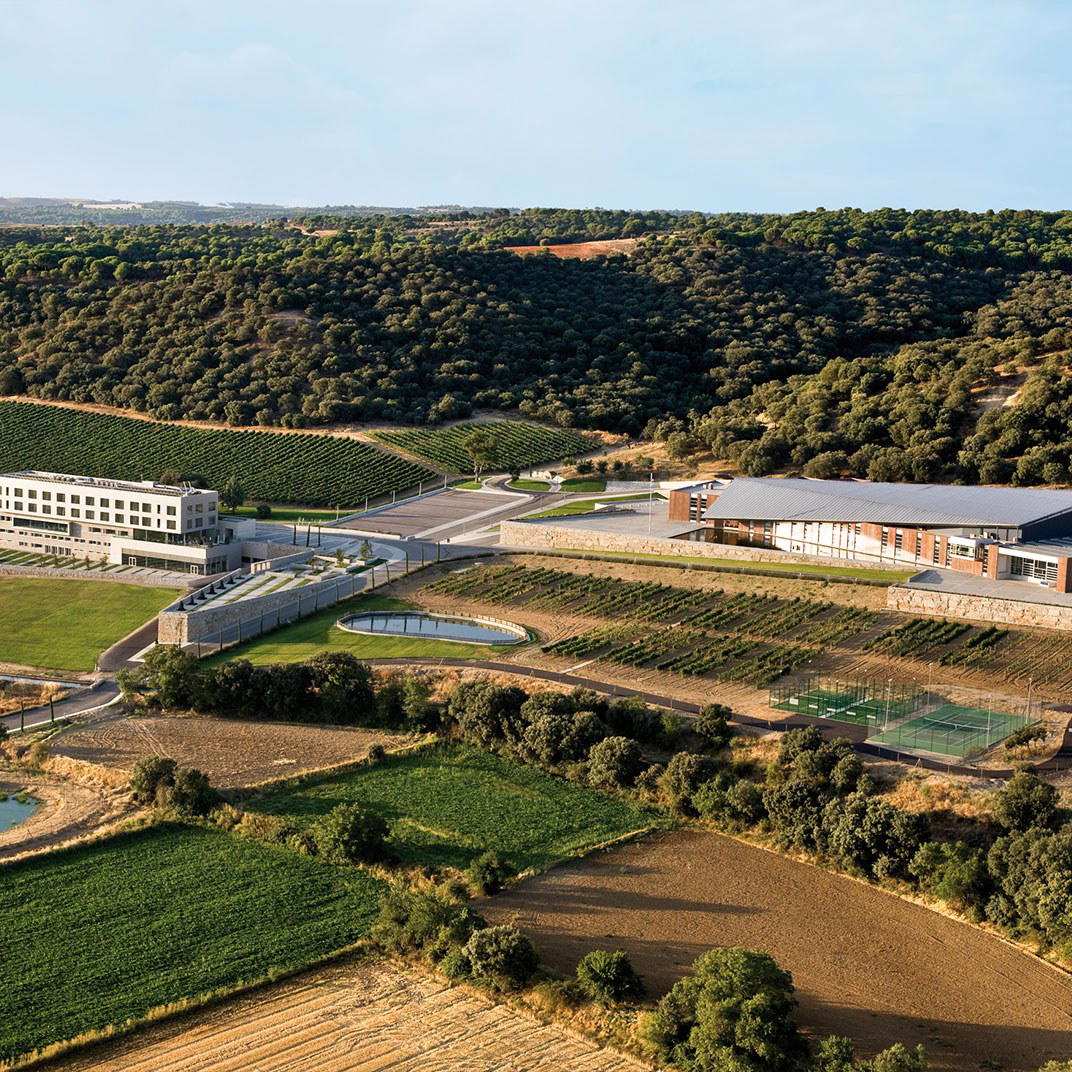
Viñas del Cenit is a production-focused winery in Villanueva De Campean shaped by old-vine Tempranillo, sandy-clay soils, and the high-altitude conditions of Tierra del Vino de Zamora. The appeal is terroir first: 20 hectares of old vines, parcel-minded cellar work, and a red-wine range that moves from accessible VT Castilla y León bottlings to older-vine expressions.

Pearl is the En Primeur Club membership app — saves, bookings, and concierge access live there. Same editors, same standards.
- Address
- Villanueva de Campean, Castilla y León, Spanien
- Directions
- Get directions
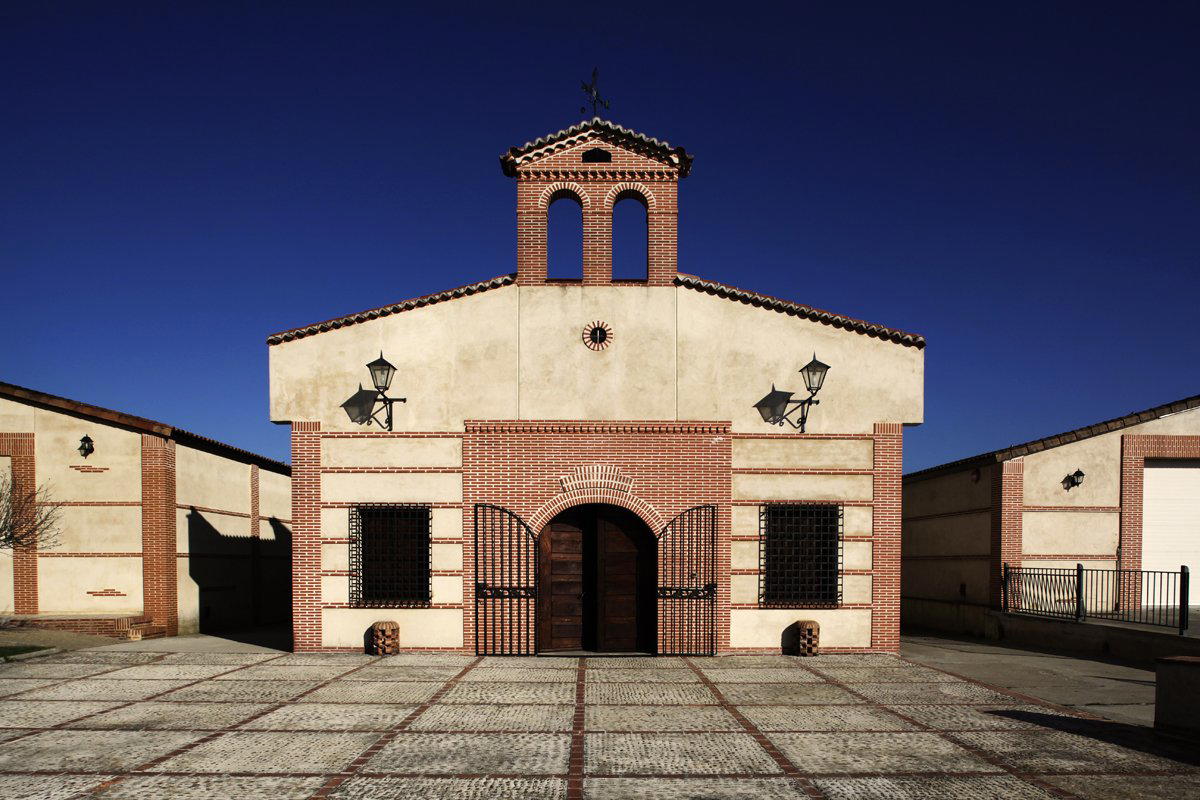
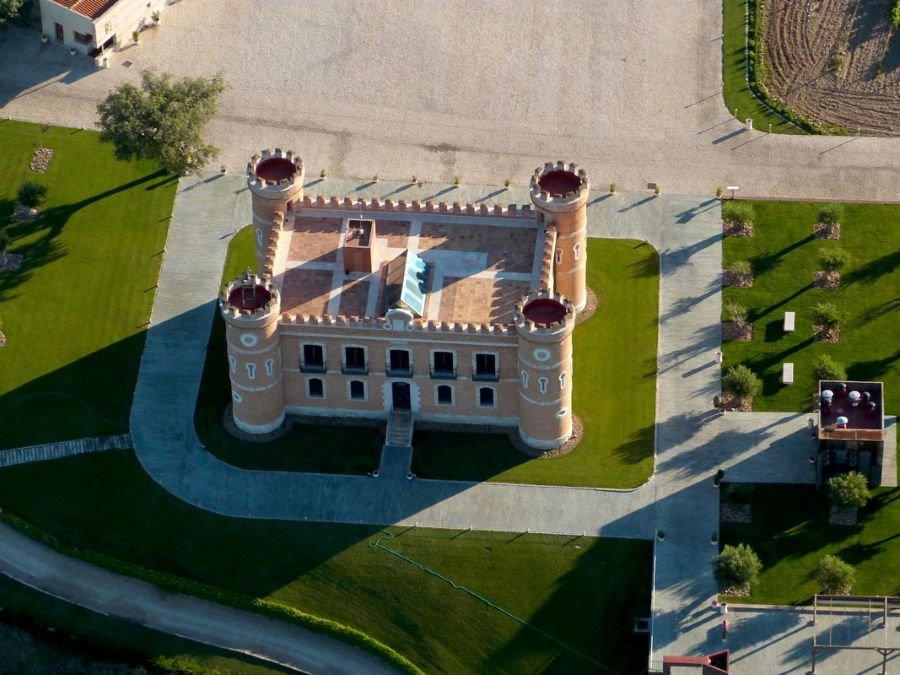
Viñas del Cenit is a winery in Villanueva De Campean whose identity is best understood through a small set of grounded facts: old-vine Tempranillo, sandy-clay soils, and a high-altitude Tierra del Vino setting. Rather than leaning on claims about visitor formats, bottle ranges, production figures, or awards, the clearest way to read the place is as a modern, production-focused winery rooted in its landscape.
That restraint is useful for travellers and wine-focused readers. The picture is not of a restaurant, hotel, or entertainment venue, but of a winery with a quiet, scenic, rustic, and modern atmosphere. The appeal comes from the relationship between the grape, the terrain, and the setting in Villanueva De Campean. If you are comparing it with other dining or drinking options in the area, it should be approached on its own terms: as a wine-country stop rather than as a conventional meal-led destination.
Old-vine Tempranillo, not cellar theatrics, defines the house style
The central point at Viñas del Cenit is old-vine Tempranillo. That gives the winery a clear focus without needing to claim a detailed portfolio, winemaking regime, named cuvées, or specific tasting notes that are not confirmed here. For EP Club readers, the important distinction is that the venue’s profile is anchored in a traditional Spanish red-wine grape and in the conditions around Villanueva De Campean.
The soils are also part of the story. Sandy-clay ground is specifically associated with the winery’s setting, and that detail is more useful than broad language about “prestige” or “luxury.” Soil and altitude are not decorative backdrops; they are the concrete facts that help explain why the venue is described as production-focused. The surrounding landscape is part of the experience, but the winery should not be recast as a resort-style hospitality venue unless a specific visitor service is confirmed.
Atmosphere is described as modern, rustic, quiet, and scenic. Those words sit well together here: modern because the winery is production-focused, rustic because the setting remains tied to land and vineyard, quiet because the tone is not nightlife or spectacle, and scenic because the high-altitude Tierra del Vino context is part of the appeal. This is the reliable frame for the venue.
A compact red-wine range built around vine age
Data supports a broad reading of Viñas del Cenit as centered on old-vine Tempranillo, but it does not confirm specific labels, vintages, bottle prices, oak regimes, vineyard sizes, production totals, or winemaking personnel. Those details should therefore be treated cautiously unless checked directly with the winery or a current official source.
What can be said confidently is narrower and more useful: the winery’s identity is tied to old vines, Tempranillo, sandy-clay soils, and high-altitude Tierra del Vino conditions. That makes it a good fit for readers who prefer wine venues defined by place rather than by accolades or a long list of hospitality features. Its listed price level is $$, which gives a general sense of positioning without implying exact bottle costs or tasting fees.
Anyone planning a visit should confirm practical arrangements directly. The grounded takeaway is that Viñas del Cenit is a modern winery in Villanueva De Campean with a strong production identity and a clear emphasis on old-vine Tempranillo.
How to read the experience in Villanueva De Campean
For a Villanueva De Campean itinerary, Viñas del Cenit works well as a wine-focused reference point. The tone is quieter: scenic, rustic, modern, and shaped by the winery’s production setting. That makes it most relevant for travellers who want to understand the wine range of the area rather than simply add another generic stop to a route.
Within Villanueva De Campean, other dining and hospitality options should be considered separately and generically unless independently verified. Viñas del Cenit should remain the focus when discussing this specific venue. Its confirmed strengths are concise but meaningful: old-vine Tempranillo, sandy-clay soils, a high-altitude Tierra del Vino setting, and a quiet modern-rustic atmosphere. Those points are enough to define the venue without adding unsupported claims about awards, exact services, named wines, or visitor programming.
Recognition history
Dated appearances from independent guides and award organizations, with the underlying list record or original source where available.
Falstaff Winery - 3 Stars
Falstaff
Full recognition history (2 entries)
Falstaff Winery - 2 Stars
Falstaff
Continue exploring
More in Villanueva De Campean
Wineries in Villanueva De Campean
Browse all →

Bars in Villanueva De Campean
Browse all →
Restaurants in Villanueva De Campean
Browse all →

Details
- Quiet
- Scenic
- Rustic
- Modern
- Wine Education
- Group Outing
- Special Occasion
- Vineyard Tour
- Estate Grounds
- Design Destination
- Sustainable
- Vineyard
- Tempranillo
- Still Red
- Guided Tasting
Modern, production-focused winery atmosphere centered on old-vine Tempranillo, sandy-clay soils, and a high-altitude Tierra del Vino setting.