
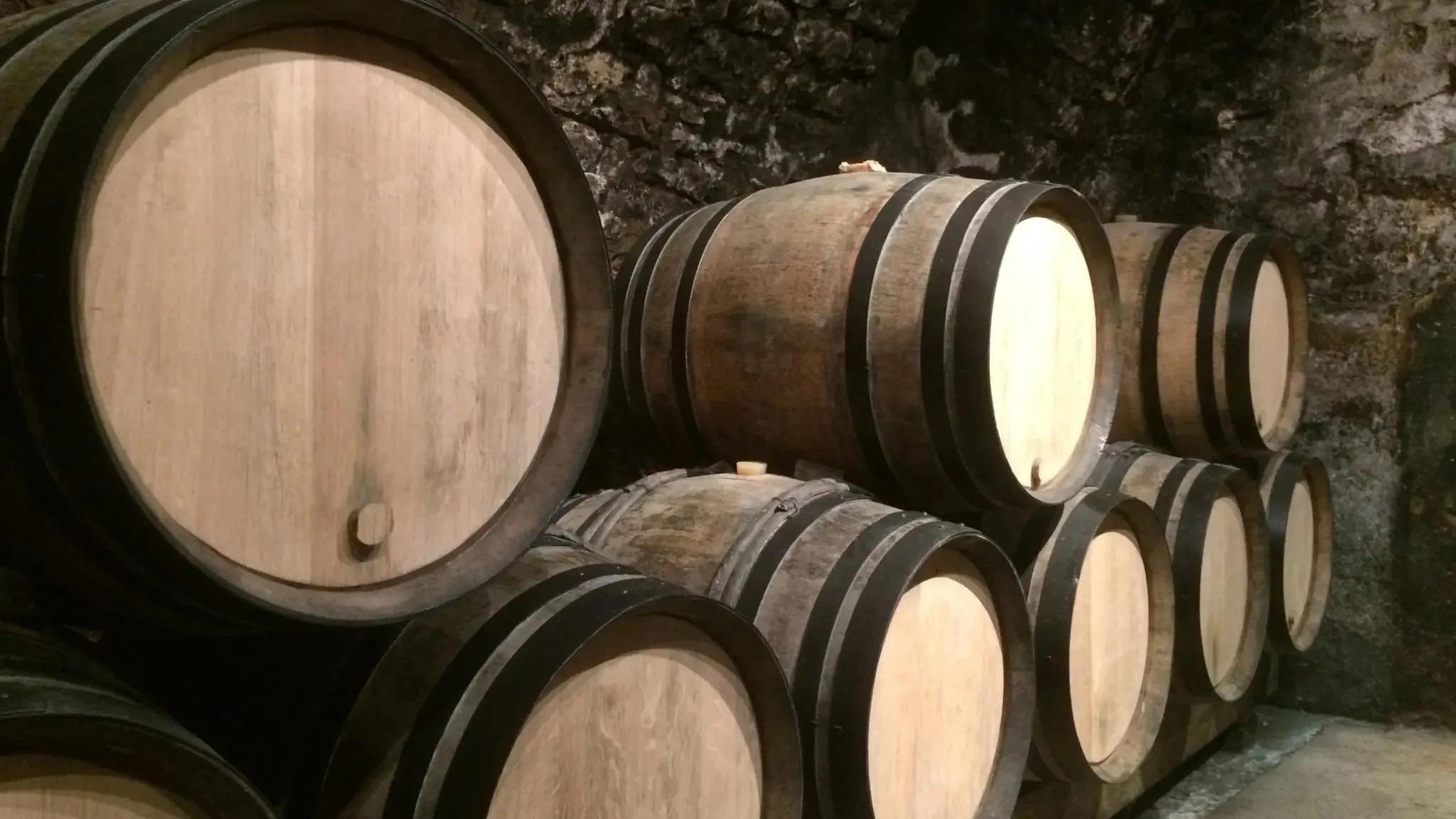
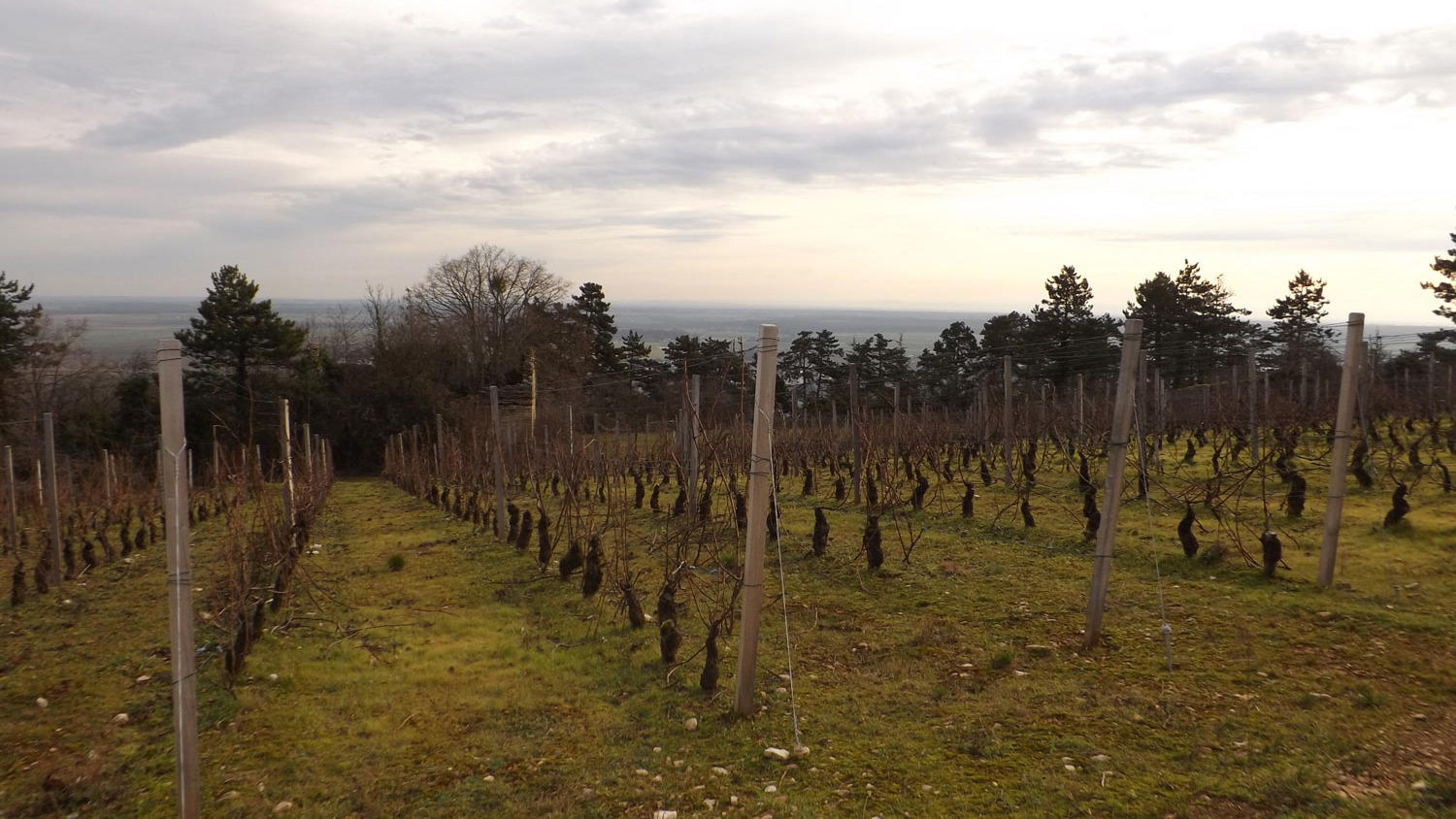
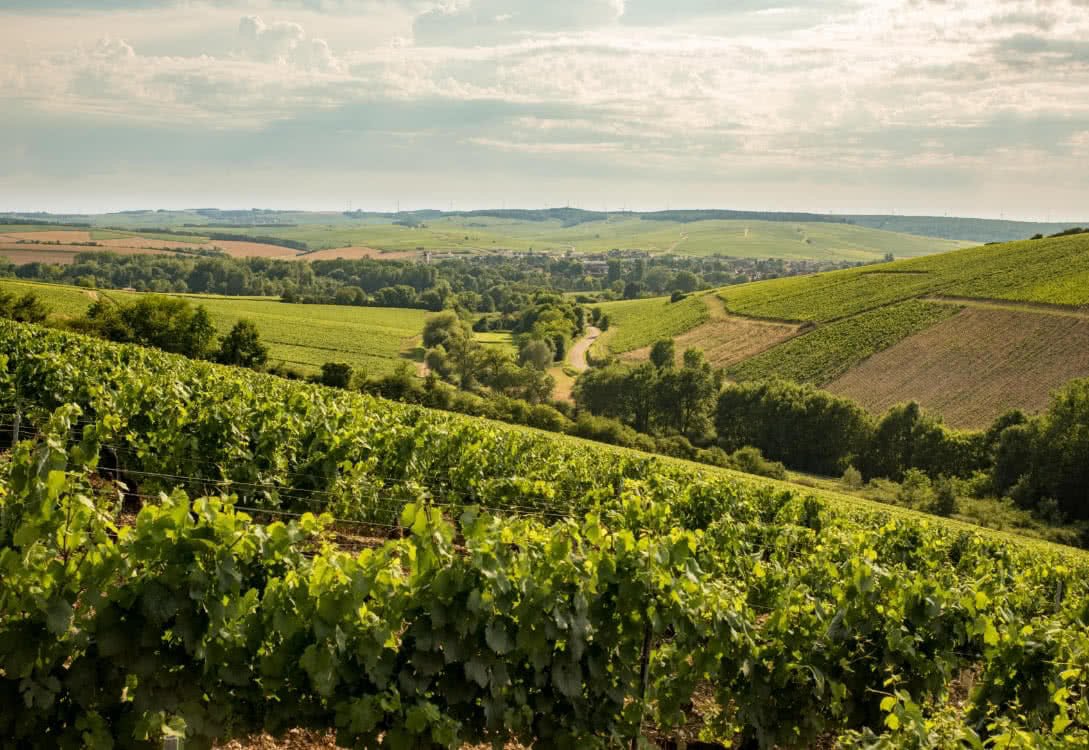
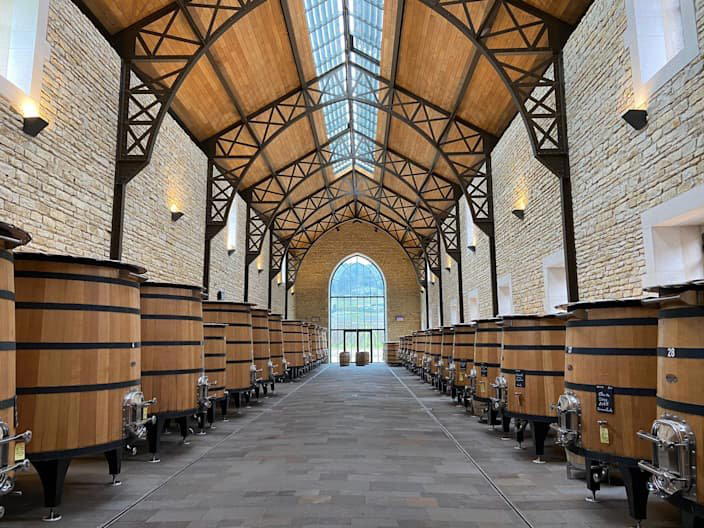
Simonnet-Febvre gives Chablis a production-minded counterpoint to the region’s small-domain romance: historic vaulted cellars, a modern winery in Chitry-le-Fort, and a range anchored in Chardonnay with Pinot Noir and Aligoté also in the frame. Its distinctive point is Crémant de Bourgogne, a rare thread in a town usually read through still white wine alone.
Pearl is the En Primeur Club membership app — saves, bookings, and concierge access live there. Same editors, same standards.
- Address
- Chablis, chablis, Bourgogne-Franche-Comté, Frankreich
 Saves & bookings on Pearl
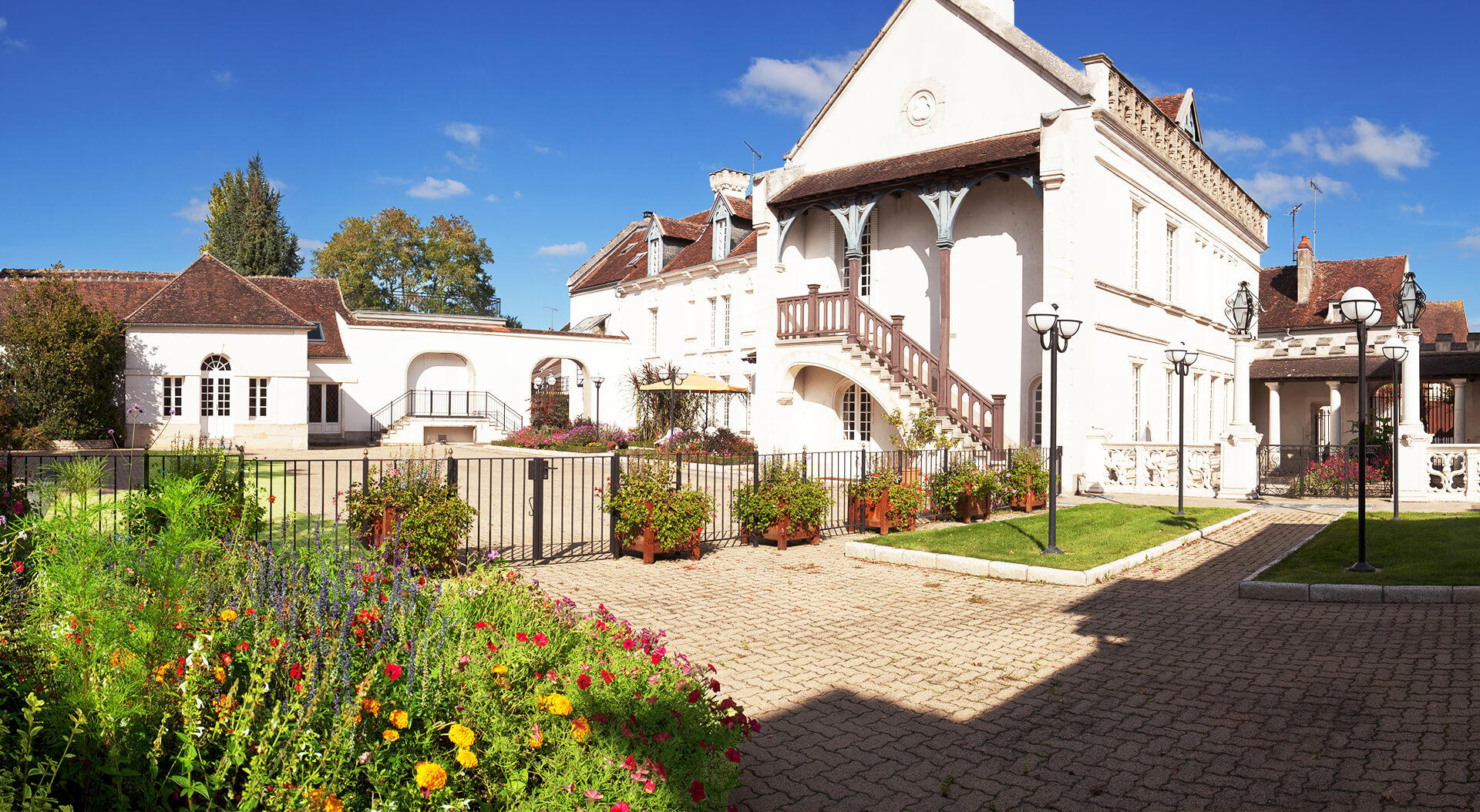
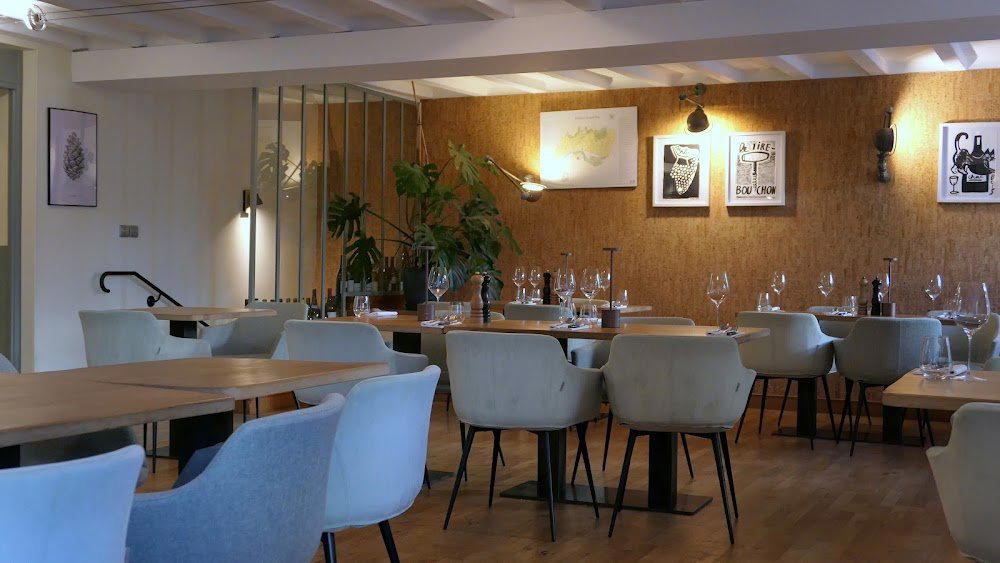
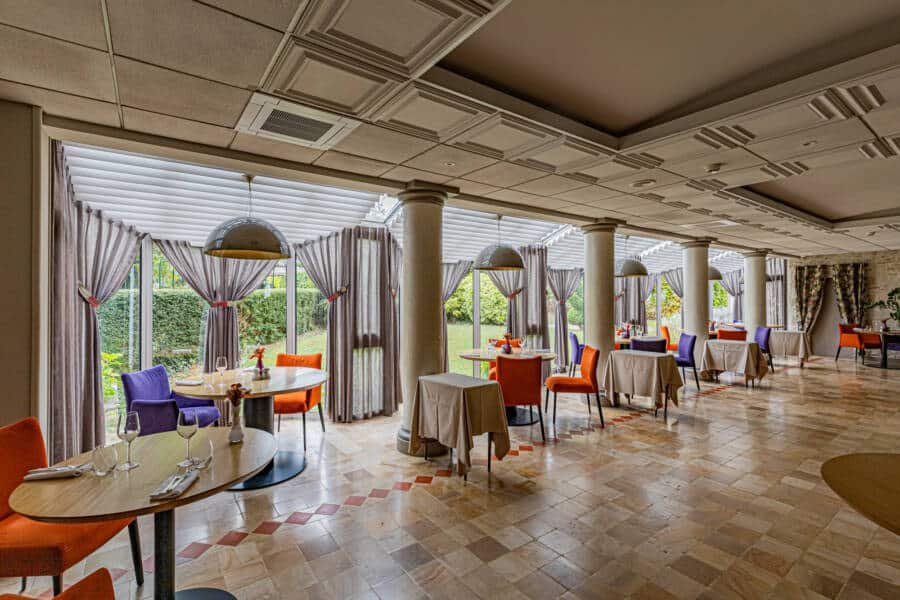
Simonnet-Febvre in Chablis is best described, on the information available here, as a wine venue where the physical setting does much of the work. The confirmed picture is not one of theatrical staging or lifestyle spectacle, but of traditional historic cellars paired with a modern winery. That combination gives the place a classic, quiet, and sophisticated tone while keeping the emphasis on production rather than decoration.
Because the available information is intentionally narrow, one useful way to approach Simonnet-Febvre is with restraint. The page should not pretend to know a detailed tasting format, a grape list, a cellar route, a founder story, a winemaker biography, a service schedule, or a particular bottle to request. What can be said with confidence is simpler: this is a Chablis venue whose atmosphere is historic, precise, and production-focused, with a price level listed as $$.
Chablis through cellars and production
Chablis is a destination many visitors approach through wine, and Simonnet-Febvre fits that expectation through its setting: traditional historic cellars connected with a modern winery. That contrast is the clearest grounded detail. It suggests a venue where older cellar character and contemporary production space sit side by side, giving visitors a sense of continuity without requiring the page to invent a specific tour, tasting, or technical program.
The atmosphere is also part of the identity. The winery is described as classic, quiet, and sophisticated, with an overall mood that is precise and production-focused. In practical terms, that means it is better framed as a calm Chablis stop than as a high-energy social venue. The appeal is the seriousness of the setting: historic cellar character, modern winery context, and a tone that keeps attention on the producer rather than on excess design language.
That makes the winery a useful entry for travelers who want a Chablis experience anchored in place and production. Rather than filling those gaps with assumptions, the safer reading is that the venue’s confirmed strengths are architectural and atmospheric: historic cellars, a modern winery, and a polished but quiet feel.
Terroir is the subject, not the decoration
For Chablis, understatement often matters. The winery’s description aligns with that idea because the venue is presented as classic and precise rather than flashy. The historic-cellar setting gives the visit a sense of regional seriousness, while the modern winery component keeps the identity connected to production. That pairing is especially reliable editorial hook for the venue.
It is important not to overstate what is known. They also do not confirm a specific guided format or any named signature experience. For a premium guide, that absence is useful information: readers should treat the winery as a Chablis winery listing with a confirmed atmosphere and setting, then check current practical arrangements directly before planning around it.
The price level is listed as $$. That gives a broad planning signal without implying an exact cost. It is enough to help position the winery within a Chablis itinerary, but not enough to promise a specific spend.
The dress and mood cues point in the same direction. Traditional historic cellars and a modern winery call for a composed, practical approach rather than a nightlife or resort mindset. “Classic, quiet, sophisticated” is the safest expectation: a polished Chablis setting where the production environment matters and where the experience is likely to feel measured rather than casual or theatrical.
How to place it in a Chablis trip
It should not be sold as a restaurant, a bar, a hotel, or a confirmed tasting-menu destination. It should also not be described through awards, exact hours, special services, or named dishes. The grounded reason to include it is clearer and more modest: historic cellars, a modern winery, a precise production-focused atmosphere, and $$ pricing.
When planning, treat the listing as a starting point rather than a complete itinerary. Confirm directly any details that matter to your visit, especially timing, access, tasting availability, group suitability, and current pricing. The profile supports interest in the winery, but it does not support assumptions about how visits are arranged on a given day.
For a broader Chablis trip, combine the winery with other dining, lodging, and wine experiences in Chablis according to your schedule and priorities. Keep the comparison natural: the winery is the reference point here, and other Chablis options can be considered generically depending on whether you want a meal, a place to stay, another cellar stop, or a quieter production-focused visit.
Recognition history
Dated appearances from independent guides and award organizations, with the underlying list record or original source where available.
Falstaff Winery - Listed
Falstaff
At a Glance
- Classic
- Quiet
- Sophisticated
- Wine Education
- Group Outing
- Solo Exploration
- Cave Tasting
- Private Tasting
- Historic Building
- Chablis AOC
- Chardonnay
- Pinot Noir
- Aligoté
- Still White
- Sparkling
- Still Red
- Still Rosé
- Guided Tasting
- Cellar Visit
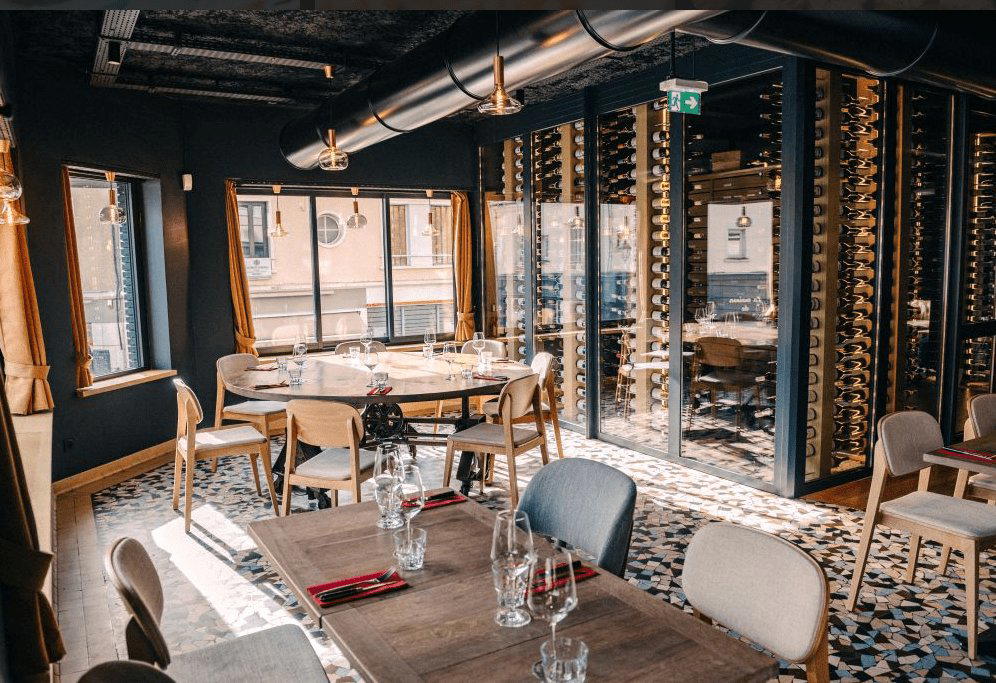
Traditional historic cellars paired with a modern winery; overall atmosphere is classic, precise, and production-focused.