Shea Wine Cellars
Shea Wine Cellars sits along Oregon Route 240 in Newberg, at the heart of the Willamette Valley's Chehalem Mountains AVA.. For visitors tracing the Newberg wine corridor, it offers a grounded counterpoint to the valley's larger commercial operations.
Pearl is the En Primeur Club membership app — saves, bookings, and concierge access live there. Same editors, same standards.
- Address
- 12321 OR-240, Newberg, OR 97132
- Phone
- +1 503-241-6527
- Website
- sheawinecellars.com
- Directions
- Get directions
 Saves & bookings on Pearl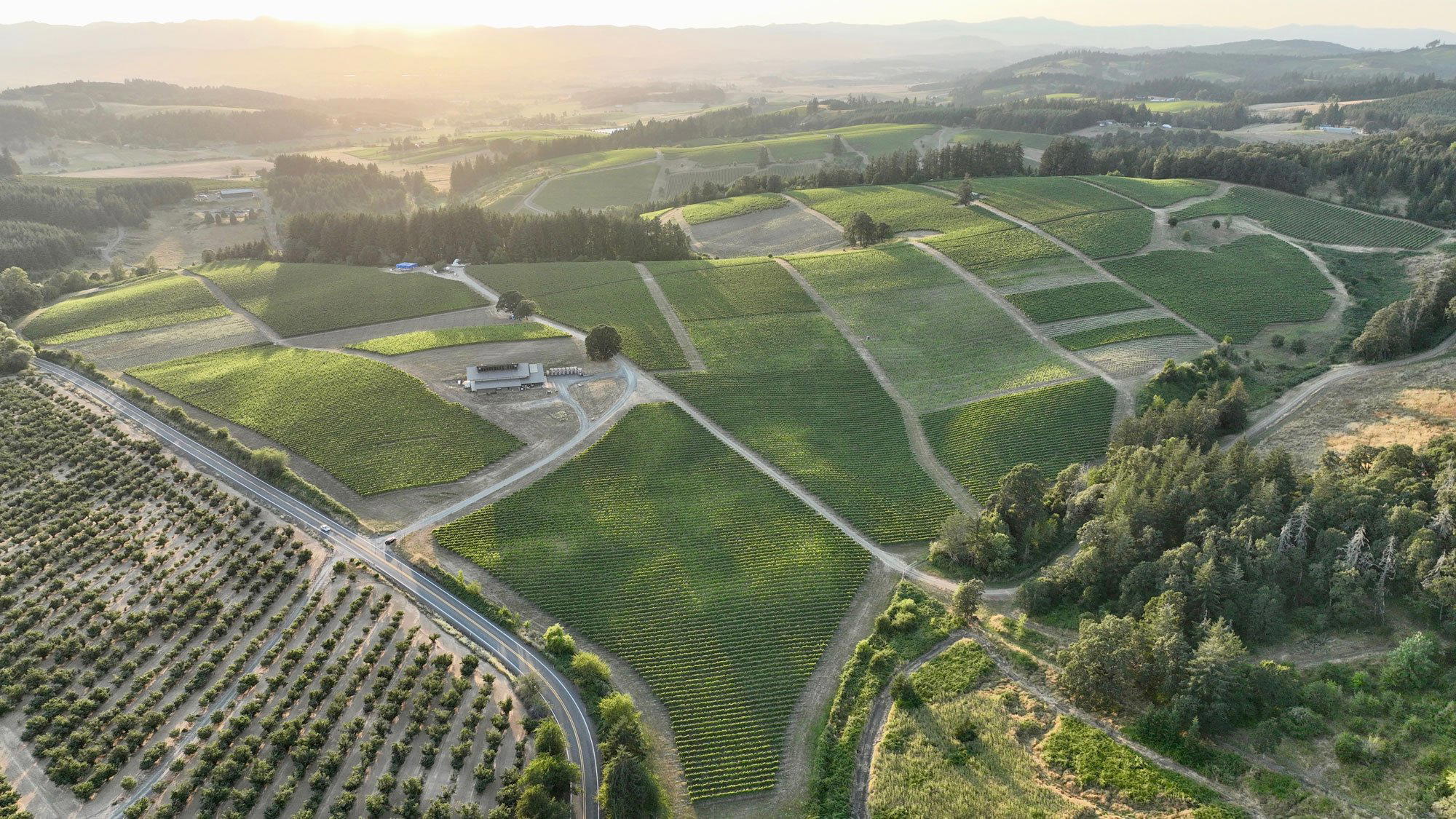
The Road That Defines Oregon Wine Country
Shea Wine Cellars is a winery in Newberg, Oregon, along Oregon Route 240 in the Chehalem Mountains wine country. The road connects a concentration of estate producers whose collective output has done as much as any marketing campaign to put Oregon Pinot Noir on the global map. Shea Wine Cellars sits along this corridor at 12321 OR-240, occupying a position in Newberg's wine geography that places it squarely within the Willamette Valley's most historically significant growing terrain. Arriving here, you're moving through a landscape that has attracted serious winemaking attention for decades, the hills carry that particular combination of volcanic Jory soil and marine-influenced climate that Oregon producers have spent a generation learning to read.
The Chehalem Mountains AVA, within which properties like Shea Wine Cellars operate, sits at the northern edge of the Willamette Valley's three primary mountain ranges. It is higher and cooler than parts of the Dundee Hills, and the diurnal temperature swings that define quality Pinot Noir production here are among the more pronounced in the state. Winemakers across Oregon have used Chehalem fruit as a reference point for tension and acidity in ways that distinguish Willamette work from, say, the denser, warmer-climate expressions you'd find at Alpha Omega Winery in Rutherford or Accendo Cellars in St. Helena. The Pacific influence is real and measurable in the glass.
Where Shea Sits in the Newberg Tier
Newberg's wine scene has matured considerably over the past two decades, splitting between estate producers with deep vineyard roots and négociant-style operations sourcing across the valley. The winery is set at a premium price tier and operates by appointment only.
That positioning is meaningful context. Newberg's wine corridor on and around OR-240 contains producers at several distinct quality levels. Beaux Frères, for instance, operates at the allocation end of the market with long-standing critical recognition. Patricia Green Cellars has built a reputation around site-specific single-vineyard bottlings that attract serious Pinot collectors. Adelsheim Vineyard represents an older-generation pioneer that helped establish the region's credibility internationally. Shea occupies a tier where the wines are treated seriously by the local trade and where the tasting experience is oriented toward informed visitors rather than general tourism traffic. The contrast with A to Z Wineworks, which plays a volume-and-value role in the Newberg ecosystem, is instructive: Shea is working in a different register entirely.
Further afield, the comparison set expands to include estate-focused producers in other parts of the American West. Adelaida Vineyards in Paso Robles, Alban Vineyards in Arroyo Grande, and Alexander Valley Vineyards in Geyserville each represent regional producers with a clear identity and serious winery infrastructure. What separates Willamette Valley estates from most of those California counterparts comes down to climate: Oregon's cooler, wetter, more marginal growing conditions push winemakers toward restraint rather than extraction, and toward earlier harvest decisions that preserve the aromatics Pinot Noir is supposed to express.
Oregon Pinot Noir and the Cultural Weight of the Variety
Pinot Noir arrived in the Willamette Valley in the early 1960s and 1970s through a handful of pioneering producers who had studied in Burgundy and were convinced that Oregon's cool, grey growing season resembled the Côte d'Or more than California's Central Valley. That conviction was controversial at the time and has since been validated repeatedly by international critics. The variety dominates the valley's identity in a way that few American wine regions achieve with a single grape, for context, Napa built its reputation on Cabernet but also accommodates Chardonnay, Merlot, and others at the prestige level. In the Willamette, Pinot Noir and Pinot Gris define nearly everything that matters commercially and critically.
What this cultural history means for a visit to the winery is that the wines you encounter exist in a deeply considered tradition. Oregon Pinot has gone through several generations of development: the pioneering phase, a period of over-extraction in the 1990s that mimicked Californian models, and a return to restraint that now characterises particularly respected estates. Shea is working within that current of thoughtful, quality-oriented production rather than the commodity end of the valley's output. Properties at this level tend to show structural complexity and site expression that rewards attention rather than casual drinking. Whether the fruit reads as red cherry and forest floor, or moves toward darker fruit with more spice, depends on site, vintage, and winemaking choices that vary year to year, which is precisely what makes the Willamette's leading estates worth revisiting.
Visitors who want to build comparison across the Newberg corridor will find useful reference points at Alexana Winery, another Chehalem Mountains producer with estate-grown fruit and a clear quality orientation. The Newberg cluster is dense enough that a focused two-day visit can move through three or four serious properties without excessive driving, which is one reason the town has become a credible base for wine travel in a way that requires both planning and flexibility.
Planning a Visit: Practical Notes
The winery is located at 12321 OR-240, Newberg, which places it within the Chehalem Mountains sub-appellation of the Willamette Valley. Getting to Newberg from Portland takes roughly 45 minutes via OR-99W, and the wine corridor properties along OR-240 are accessible without a guide, though the road is rural and single-lane in sections. Visiting in harvest season, typically late September through October, offers the atmospheric context but also the busiest booking windows across the whole valley. Late spring and early summer provide quieter access with the added benefit of a fully leafed-out vineyard environment.
The winery visits are by appointment only.
Visitors with an interest in comparing how Willamette Valley estate production stacks up against other serious American regions can extend their research to Andrew Murray Vineyards in Los Olivos, Artesa Vineyards and Winery in Napa, or, for contrast with different traditions, Aberlour in Aberlour and Achaia Clauss in Patras. The breadth of that comparison underlines how specific Oregon's wine identity actually is.
A Lean Comparison
Comparable venues nearby, for context on price, style, and recognition.
| Venue | Cuisine | Price | Notes |
|---|---|---|---|
| Shea Wine CellarsThis venue — the venue you are viewing | Not listed | $$$ | Not listed |
| Brick House Wine Co. | Ribbon Ridge, Pinot Noir, Chardonnay | $$$ | Not listed |
| Penner-Ash Wine Cellars | Yamhill-Carlton, Pinot Noir, Chardonnay | $$$ | Not listed |
| Beaux Frères | Ribbon Ridge, Pinot Noir, Chardonnay | $$$$ | Not listed |
| Adelsheim Vineyard | Not listed | $$ | Chehalem Mountains, Pinot Noir, Chardonnay |
| Chehalem Winery | downtown Newberg, Pinot Noir, Riesling | $$$ | Not listed |
Continue exploring
More in Newberg
Wineries in Newberg
Browse all →
Bars in Newberg
Browse all →
Restaurants in Newberg
Browse all →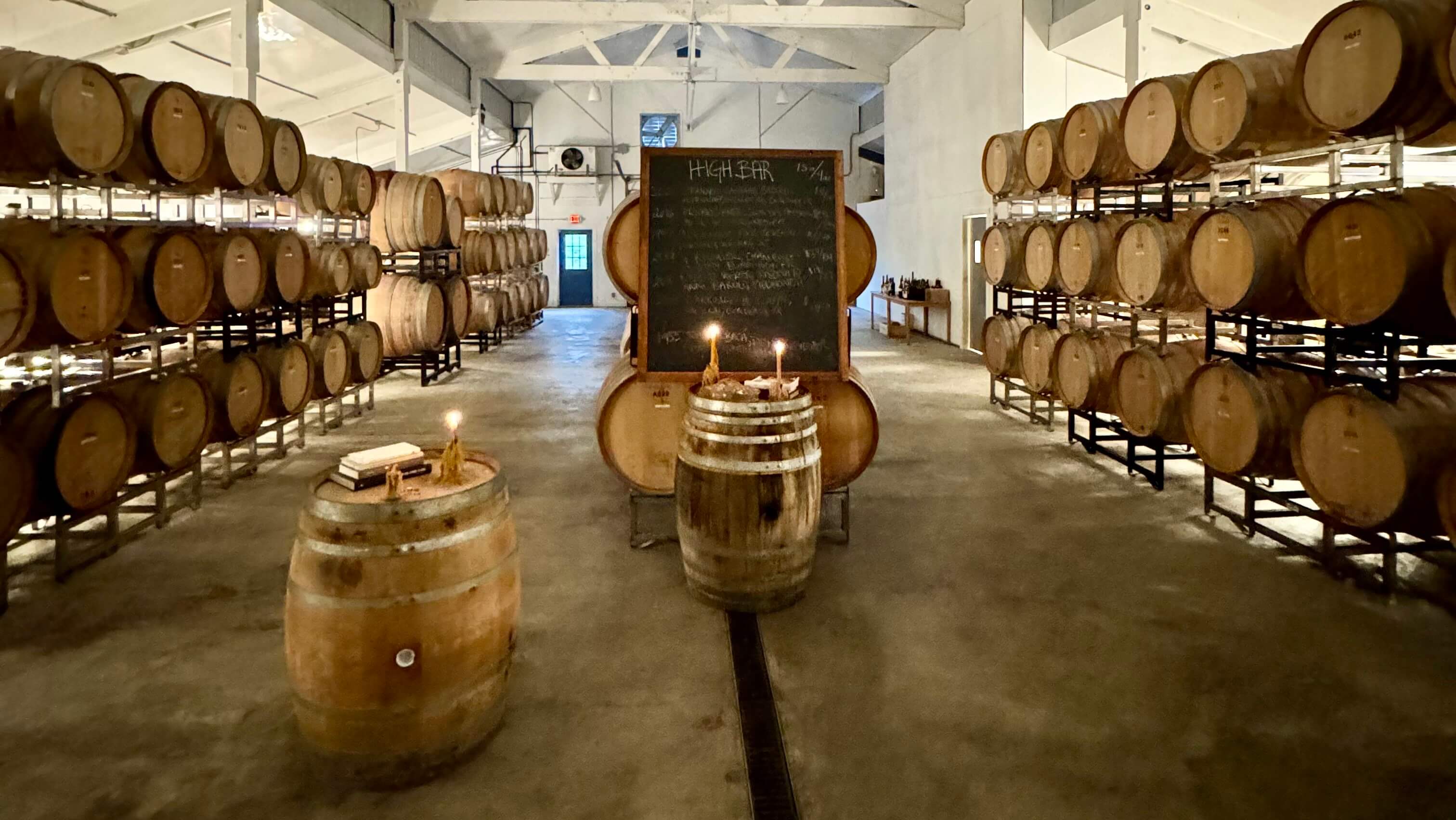

At a Glance
- Intimate
- Rustic
- Scenic
- Elegant
- Wine Education
- Solo Exploration
- Special Occasion
- Barrel Room
- Estate Grounds
- Sustainable
- Vineyard
- Mountain
- Yamhill Carlton AVA
- Pinot Noir
- Chardonnay
- Still Red
- Still White
- Seated Tasting
- Barrel Tasting
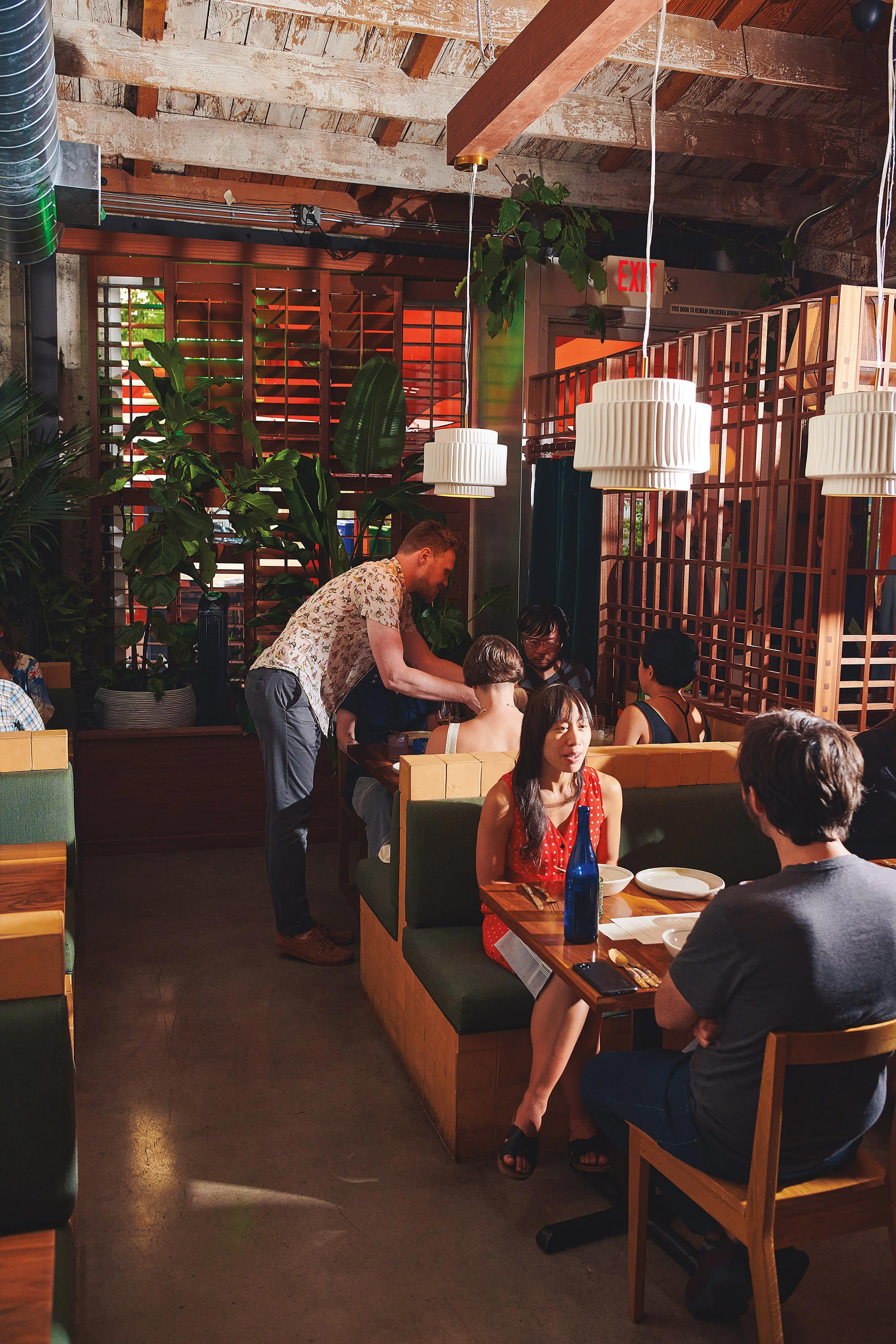
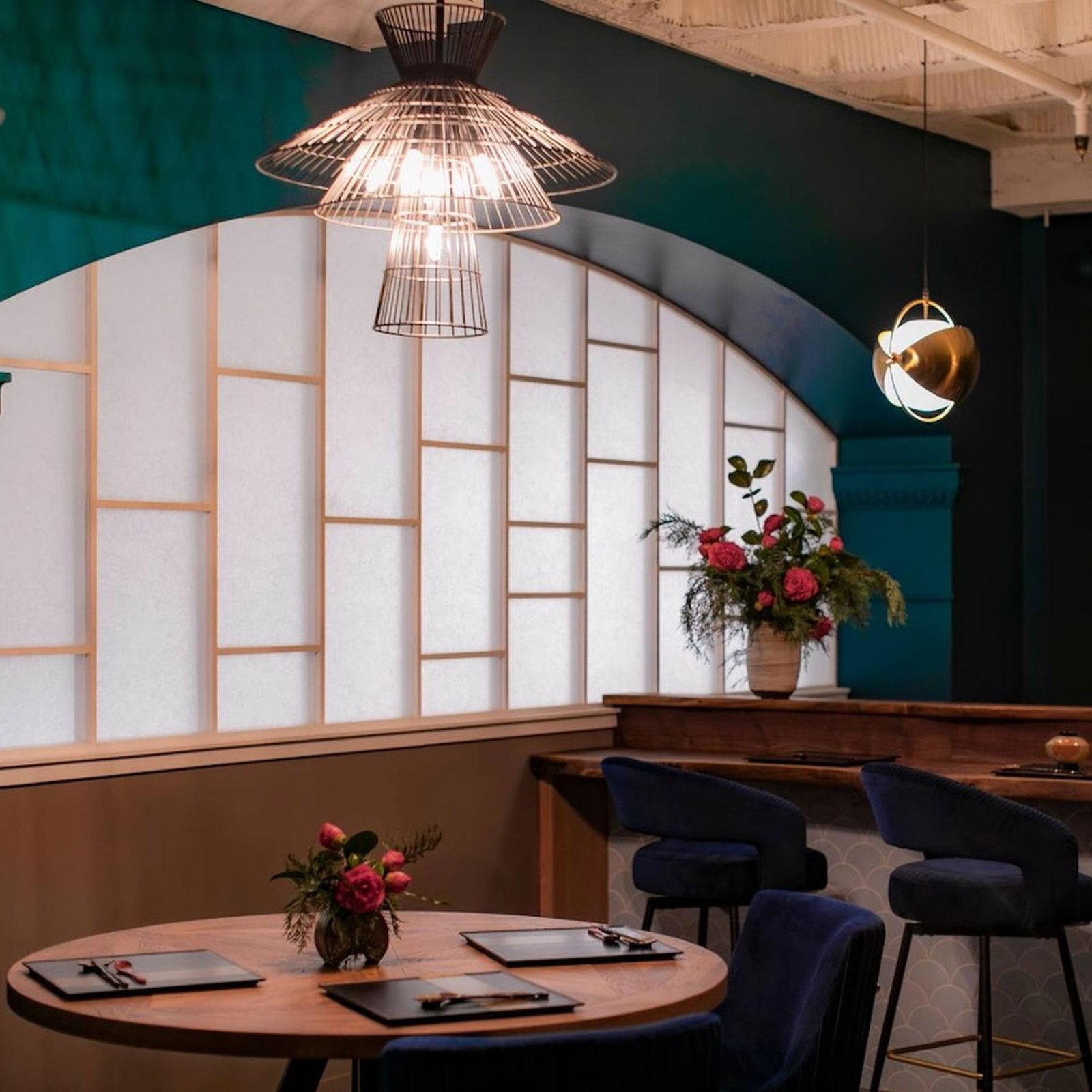
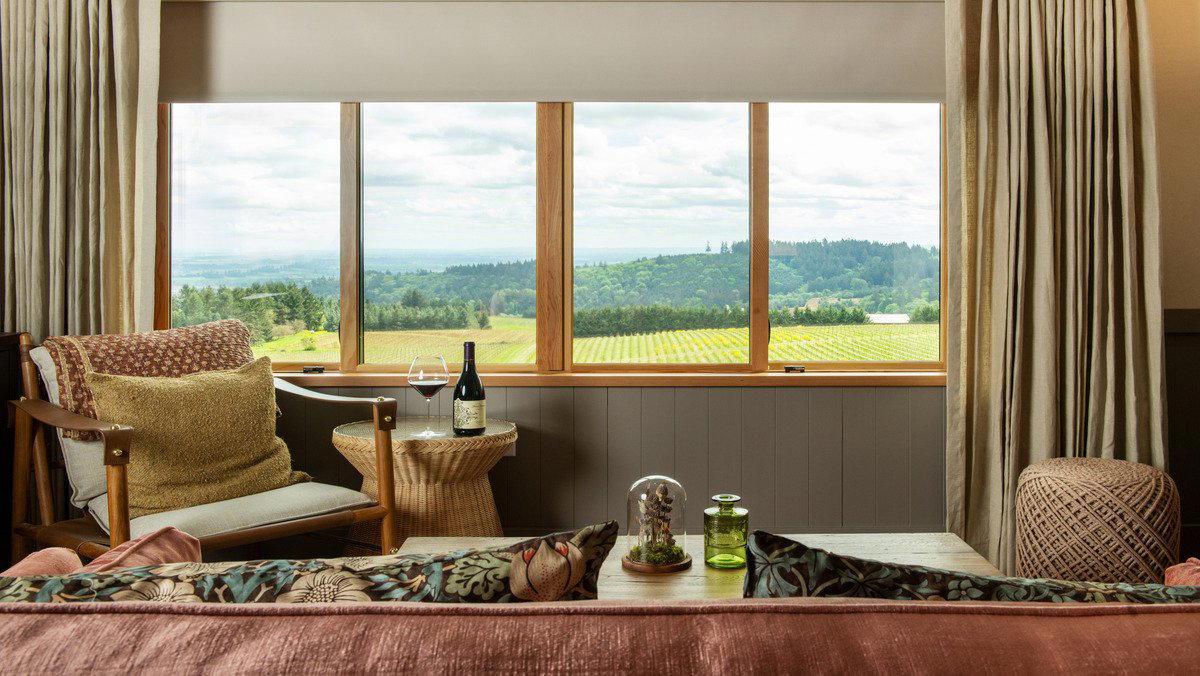
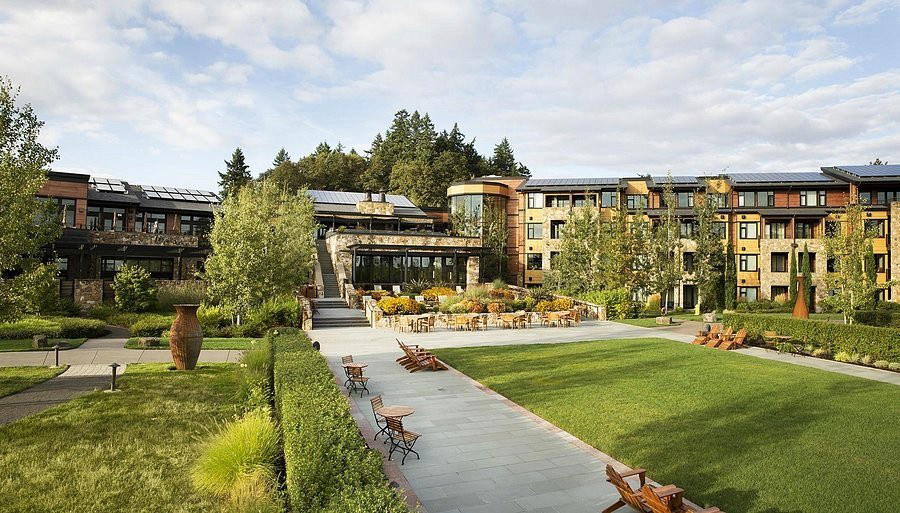
Intimate, hands-on tasting room adjacent to the production floor with knowledgeable hosts providing personalized, geeky discussions amid working winery operations.