Rock 12 Distillery

Rock 12 Distillery sits along CA-246 in Lompoc, California, at the edge of one of the Central Coast's most productive wine corridors. Recognized with a Pearl 2 Star Prestige award in 2025, it occupies a distinct position in a region better known for Pinot Noir and Chardonnay, bringing craft spirits production into a landscape shaped almost entirely by viticulture.
Pearl is the En Primeur Club membership app — saves, bookings, and concierge access live there. Same editors, same standards.
- Address
- 6605 CA-246, Lompoc, CA 93436
- Phone
- +1 805-264-6026
- Website
- rock12distillery.com
 Saves & bookings on Pearl
Where the Santa Rita Hills Meet Something Other Than Wine
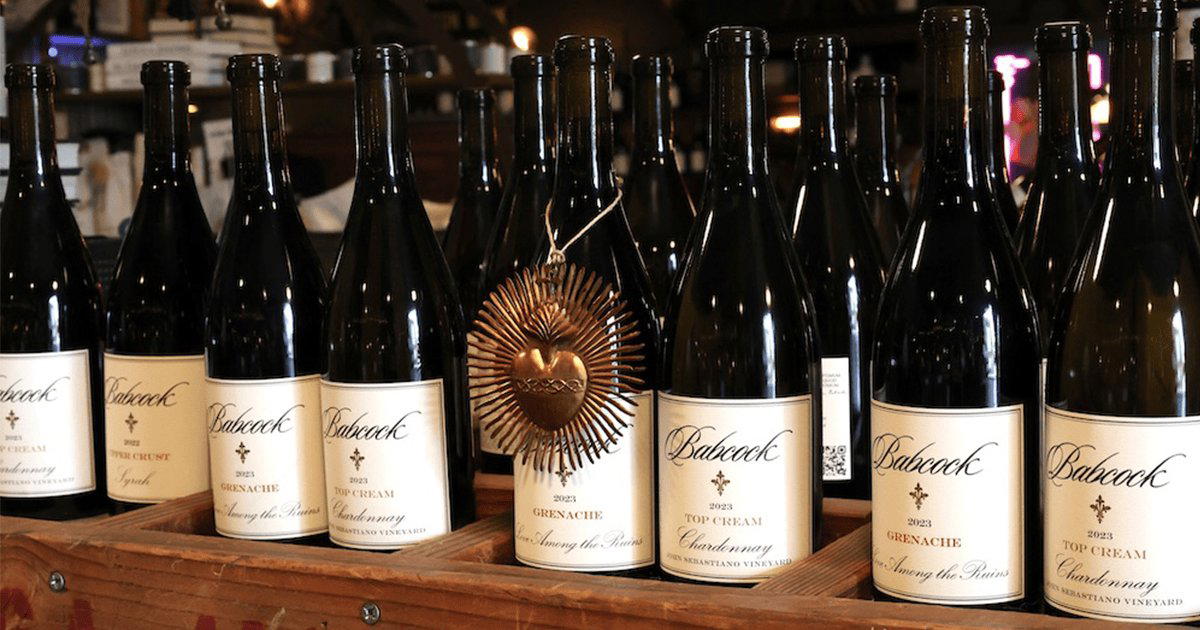
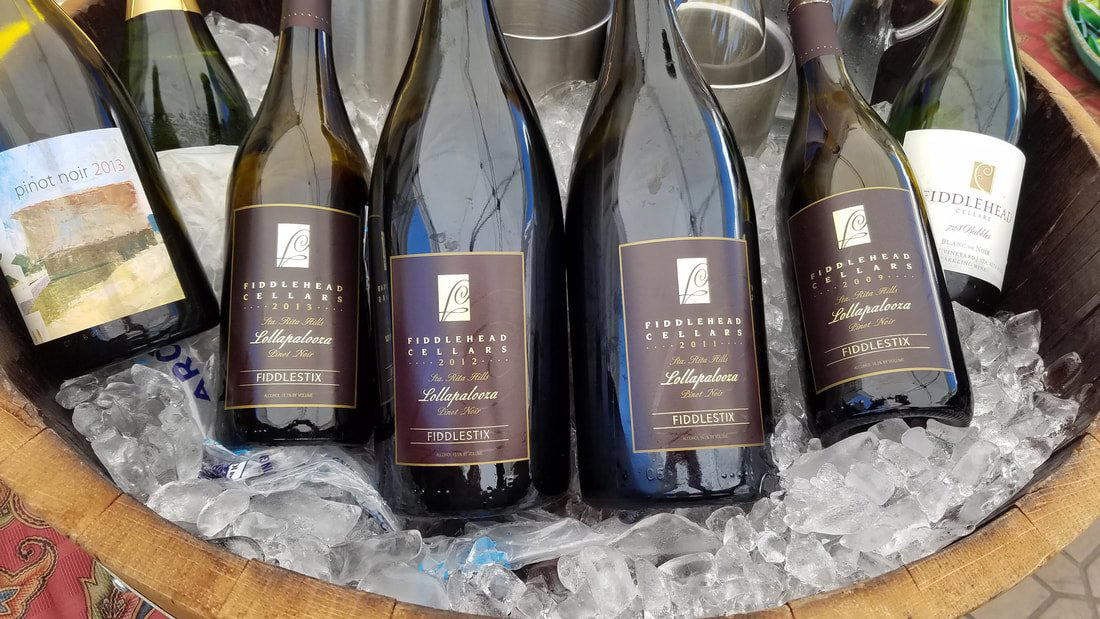
The stretch of CA-246 between Buellton and Lompoc is one of California's more concentrated wine corridors. The Santa Rita Hills AVA, formally established in 2001, drew producers and sommeliers who recognized that the gap in the western transverse ranges funnels cold Pacific air inland, creating a climate that few other California appellations can replicate for cool-climate Burgundian varieties. Drive this road on any given afternoon and you pass tasting rooms, vineyard access roads, and hand-lettered signs pointing toward producers like Brewer-Clifton Winery, Fiddlehead Cellars, and Babcock Winery and Vineyards. Rock 12 Distillery, located at 6605 CA-246, occupies the same address geography but a different category entirely.
That positioning matters more than it might initially appear. Craft distilling in wine-dominant regions is still a relatively rare move on the Central Coast. The infrastructure, the tourism logic, the distribution networks, and the critical vocabulary have all been built around fermented grape products. A distillery here is not simply another producer; it is a statement about what this corridor might become as the category broadens.
The Pearl Recognition and What It Signals
Rock 12 Distillery received a Pearl 2 Star Prestige designation in 2025. Within the Pearl evaluation framework, 2 Star Prestige represents a meaningful tier of recognition, placing Rock 12 in a cohort of producers assessed on quality, consistency, and production standards rather than simply regional fame or tasting-room volume. The 2025 timing is notable: it means the recognition is current, not historical, and reflects the operation as it stands today rather than an earlier iteration that may have since evolved.
For context, Pearl recognition tends to track producers who have moved past the early-stage volatility common in craft spirits and demonstrated repeatable quality across batches. A 2 Star Prestige designation in that system puts Rock 12 in a different conversation than a local novelty operation. The award functions as the primary trust signal here, and it is a substantive one.
Lompoc and the Craft Production Question
Lompoc itself has a split identity that often surprises visitors expecting a purely wine-focused town. The Lompoc Wine Ghetto, a cluster of warehouse tasting rooms on the eastern edge of the city, emerged in the early 2000s as urban production space for brands whose vineyards were located elsewhere in the Santa Rita Hills. It normalized the idea of separating production infrastructure from the vineyard address, and it created a precedent for non-traditional wine-country formats. Rock 12's location on the CA-246 corridor places it in proximity to that tradition while sitting outside the wine category altogether.
The broader Central Coast craft beverage scene has been expanding steadily. Producers like Tyler Winery and Sanford Winery have reinforced Santa Rita Hills' reputation for serious, cellar-worthy Pinot Noir, and that critical mass of wine tourism creates foot traffic that benefits adjacent producers regardless of category. A distillery in this corridor benefits from the same visitor infrastructure without competing directly with the wineries that anchor it.
Regional Identity in a Wine-Country Frame
The editorial angle that applies to Rock 12 is less about spirits regionalism in the way that bourbon carries Kentucky identity or Scotch whisky carries its distilling geography, and more about what happens when craft production arrives in a wine-defined region and has to build its own identity against that dominant narrative. The Santa Rita Hills is a protected AVA with a specific set of varietals and a clear critical hierarchy. Babcock Winery and Vineyards and Fiddlehead Cellars exist within that hierarchy. Rock 12 Distillery does not, which gives it both more freedom and a harder positioning challenge.
That challenge is not unique to Lompoc. Across California wine country, from the Napa Valley to Paso Robles, craft distilleries have been appearing in spaces historically defined by viticulture. Producers like Adelaida Vineyards in Paso Robles or Accendo Cellars in St. Helena represent the depth of wine culture that distilleries must position alongside rather than against. In Oregon's Willamette Valley, where producers like Adelsheim Vineyard in Newberg have anchored serious Pinot Noir production for decades, the same dynamic plays out. The distillery that succeeds in wine country typically does so by attracting a visitor who wants a different sensory experience within the same trip, not by converting wine drinkers.
Visiting Rock 12: What to Know Before You Go
Rock 12 Distillery is located at 6605 CA-246, Lompoc, CA 93436. The CA-246 route makes it accessible from both Buellton to the east, which connects to US-101, and from Lompoc proper to the west. For visitors planning a day that includes multiple producers, the geographic logic is direct: the corridor runs roughly linear, and Rock 12 sits within reasonable range of the tasting rooms that populate this stretch of road.
Visitors should verify current hours and tasting availability before traveling, particularly given that craft distillery operations can differ significantly from the appointment or walk-in models common to local wineries.
For those building a Central Coast circuit that extends beyond Lompoc, Alban Vineyards in Arroyo Grande and Andrew Murray Vineyards in Los Olivos represent different stylistic poles of the region and pair well as reference points against which to calibrate a broader understanding of what the Central Coast produces. Further afield, properties like Alexander Valley Vineyards in Geyserville and Alpha Omega Winery in Rutherford illustrate how California's premium wine corridors operate at different price and production scales.
Rock 12 Distillery is in price tier 2. Given the Pearl 2 Star Prestige recognition, the operation is unlikely to be positioned at the commodity end of the craft spirits market, but direct pricing should be confirmed on visit.
Price and Positioning
Comparable venues nearby, for context on price, style, and recognition.
| Venue | Cuisine | Price | Notes |
|---|---|---|---|
| Rock 12 DistilleryThis venue — the venue you are viewing | Santa Rita Hills, apple, quince | $$ | |
| Babcock Winery & Vineyards | $$$ | Sta. Rita Hills, Pinot Noir, Chardonnay | |
| Brewer-Clifton Winery | Midtown Lompoc, Pinot Noir, Chardonnay | $$$ | |
| Sanford Winery | $$$ | Sta. Rita Hills, Pinot Noir, Chardonnay | |
| Fiddlehead Cellars | $$ | Lompoc Wine Ghetto, Sauvignon Blanc, Pinot Noir | |
| Zotovich Vineyards | $$ | Sta. Rita Hills, Chardonnay, Viognier |
Continue exploring
More in Lompoc
Wineries in Lompoc
Browse all →
Bars in Lompoc
Browse all →
Restaurants in Lompoc
Browse all →



At a Glance
- Rustic
- Scenic
- Cozy
- Hidden Gem
- Group Outing
- Celebration
- Wine Education
- Estate Grounds
- Sustainable
- Vineyard
- Mountain
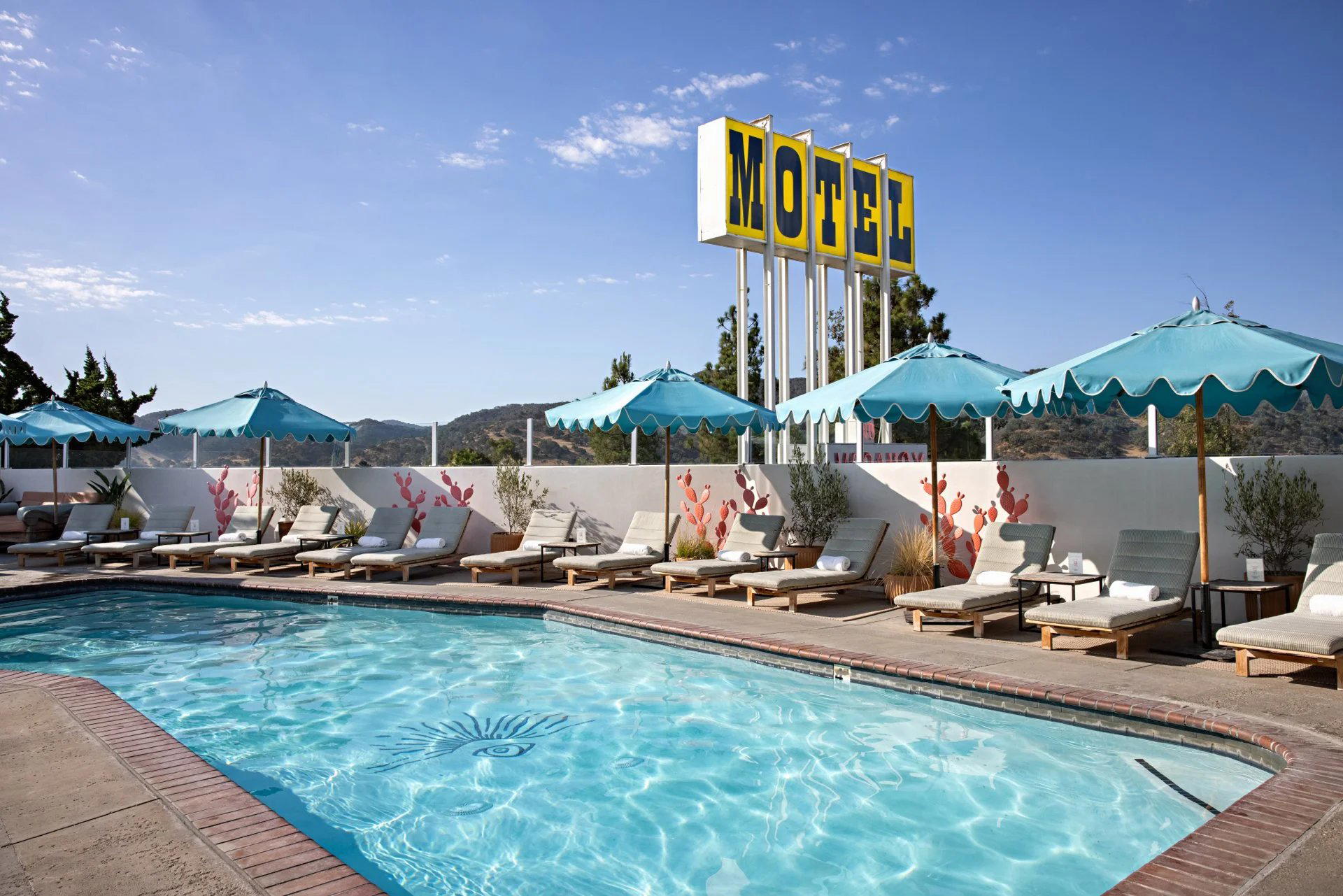
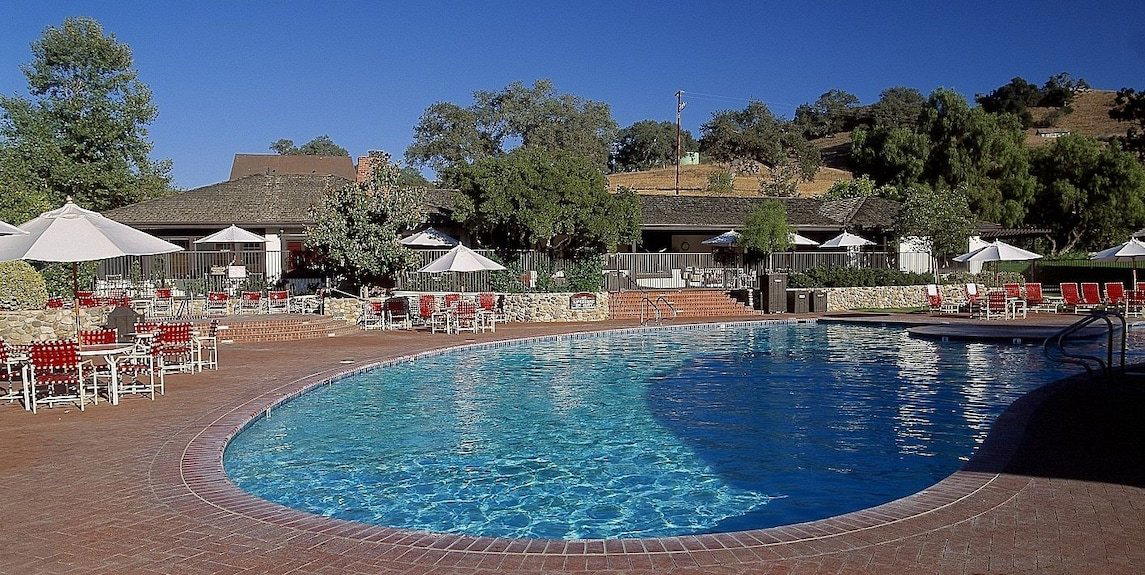
Rustic barn tasting room with industrial elements, open doors revealing stunning hillside views, farm atmosphere with goats nearby, and welcoming family-hosted service.