Ramos Pinto

One of the Douro's most historically grounded port houses, Ramos Pinto operates its Vila Nova de Gaia lodge on the southern bank of the river where the city's port wine trade has been concentrated for centuries. Awarded Pearl 2 Star Prestige status by EP Club in 2025, it sits in the upper tier of Gaia's lodge circuit, offering visitors access to aged tawny and vintage ports drawn from Quinta do Bom Retiro and Quinta da Ervamoira in the Douro Valley.
 Discover on Pearl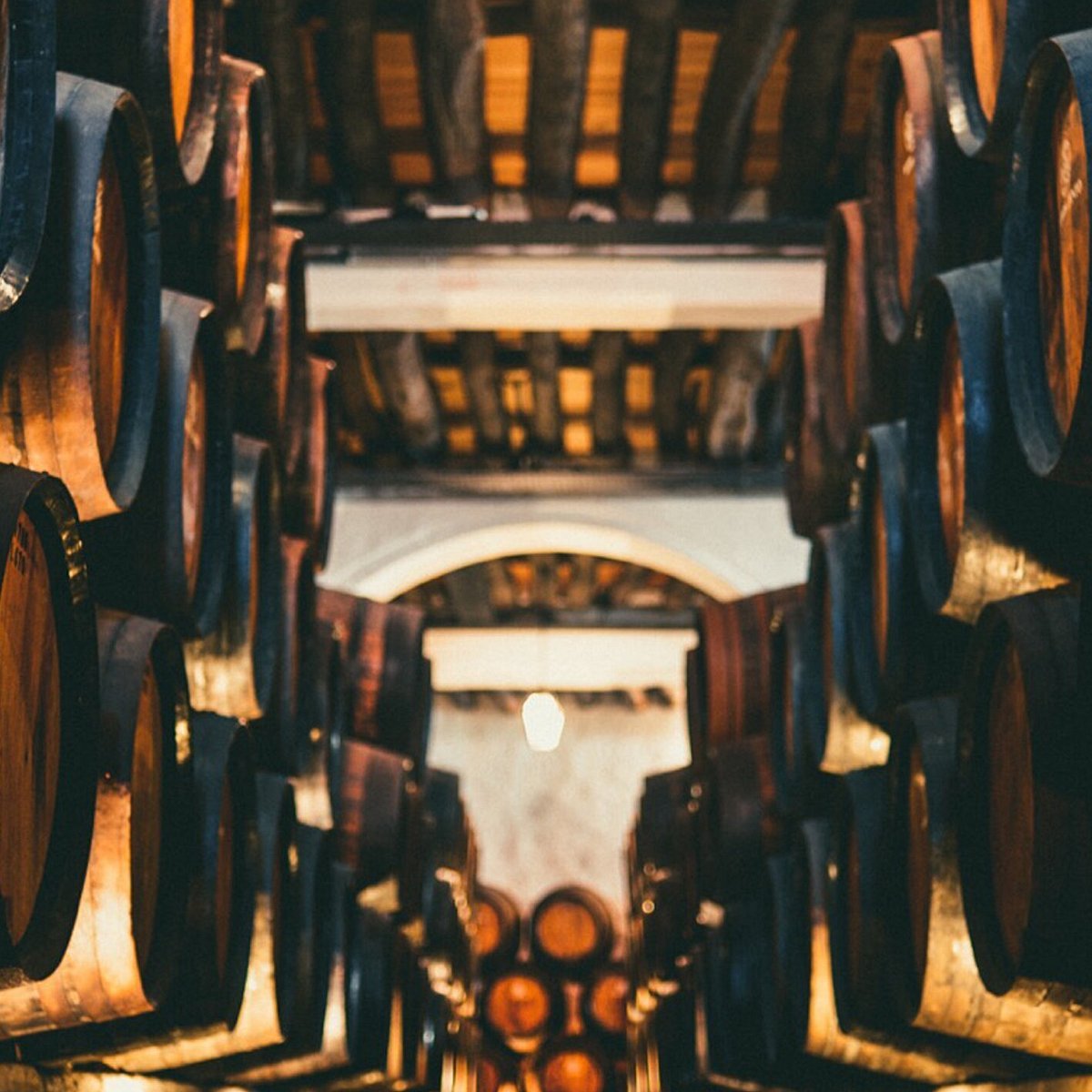
Stand on the Avenida de Ramos Pinto and look north across the Douro, and you are occupying the exact geography that made Vila Nova de Gaia the operational heart of the port wine trade for over three centuries. The river carried pipes of fortified wine down from the Upper Douro's schist terraces to these lodges — long, low warehouses where the Atlantic-influenced microclimate of the Gaia bank allowed slow, controlled ageing. That physical relationship between upriver viticulture and riverside maturation remains intact today, and Ramos Pinto's lodge on this avenue is one of the cleaner expressions of it still functioning as both a working cellar and a visitor destination.
The Source Argument: Why the Douro Quintas Matter
Port wine's quality story has always been an origin story. The grapes come from a tightly demarcated region in the northeast of Portugal, planted on steep, terraced slopes of schist that stress the vines into producing small, concentrated berries. Within that demarcation, individual quintas — estate farms , carry different qualitative weight depending on their altitude, aspect, and soil composition. Ramos Pinto's visitor experience is meaningfully shaped by the house's connection to two specific quintas: Quinta do Bom Retiro in the Roncão valley of the Cima Corgo, long associated with aged tawny production, and Quinta da Ervamoira in the Douro Superior, one of the easternmost classified estates in the region, planted heavily with Touriga Nacional and producing material that goes into the house's vintage declarations. Understanding which parcels supply which wines is the kind of sourcing specificity that separates a serious lodge visit from a generic wine tourism experience, and it is the thread that runs through Ramos Pinto's educational programming.
This is a house that built its commercial reputation in the late nineteenth and early twentieth centuries partly through distinctive Art Nouveau promotional imagery , a visible artefact of an era when port producers competed aggressively in European markets and brand identity was as important as bottle quality. That historical layer, visible inside the lodge museum, gives the visit a documentary dimension absent from newer or more aggressively modernised competitors. Among the Gaia lodges, Ramos Pinto sits in a peer group that includes Graham's Port, Cockburn's Port, and Churchill's , houses that combine serious aged inventory with visitor programming developed over decades. Niepoort and Real Companhia Velha represent adjacent positions in the Gaia winery circuit with different stylistic emphases.
Reading the Aged Tawnies
The categorisation logic of port is not always legible to visitors arriving from outside the region's wine culture. Ruby and vintage ports age primarily in bottle, retaining fruit colour and structure; tawny ports age in small oak pipes, oxidising slowly to amber and copper tones, concentrating sugar and developing dried fruit, nut, and spice characteristics. The 10-, 20-, 30-, and 40-year age indications on a tawny label are statistical averages of blended lots, not birth year declarations. What this means in practice is that a well-structured 20-year tawny from a house with strong Douro sourcing , aged properly in Gaia's moderating riverside climate , can deliver complexity that challenges wines at higher price points from other categories. Ramos Pinto's aged tawnies, drawing on Bom Retiro material, are the wines that form the core of what the lodge serves to visitors and the ones most worth spending time with during a tasting.
For those whose port frame of reference comes mainly from vintage declarations, tasting through a tawny flight in sequence is a recalibrating exercise. The structural differences between a 10-year and a 40-year are not incremental; they represent genuinely different winemaking objectives and different sensory outcomes. Houses that maintain deep inventory of old tawny lots are operating in a different supply chain from those that rely primarily on younger blends, and it shows in the tasting room.
The Lodge on the Gaia Riverfront
Vila Nova de Gaia's lodge district has undergone substantial transformation in the past fifteen years. The UNESCO World Heritage designation covering the historic centre of Porto across the river has drawn tourism infrastructure to the Gaia bank, with rooftop bars, restaurants, and cable car access competing for the same visitor footfall that was previously directed entirely at Porto's Ribeira district. The lodges themselves sit in the older, less-renovated tier of Gaia's built fabric , warehouses dating to the eighteenth and nineteenth centuries, with the specific insulating and humidity properties that long-term wine ageing requires. Ramos Pinto's address on Avenida de Ramos Pinto places it within easy reach of the D. Luís I bridge approach and the Cais de Gaia waterfront, which has become the main pedestrian spine of the lodge district.
The practical implication for visitors is that a serious tasting at Ramos Pinto can be combined with the broader Gaia lodge circuit in a single half-day without significant logistical effort. The lodges are sufficiently concentrated along the riverfront and the streets immediately behind it that walking between four or five of them is realistic. The question of sequencing matters: beginning with lighter, younger ports and moving toward older, more tannic or more oxidatively aged material follows the same logic as any structured tasting, and the Ramos Pinto visit, with its tawny emphasis, fits naturally at the contemplative end of such a progression rather than the opening act.
Ramos Pinto earned a Pearl 2 Star Prestige rating from EP Club in 2025, placing it in the upper tier of recognition within the Gaia winery circuit and signalling that the visitor experience and wine quality combination meets a documented standard. For context, EP Club's Pearl tier indicates a level of quality and visitor experience that warrants dedicated planning rather than casual walk-in treatment. Booking in advance is advisable, particularly from spring through autumn when Gaia's tourist volumes are at their highest and lodge visit slots fill quickly.
Beyond Gaia: Port Wine in the Wider Portuguese Context
Porto and Gaia sit at one end of a broader Portuguese wine tourism circuit that has expanded considerably in the past decade. Visitors building a more extensive itinerary around Portuguese wine production might extend south to Bacalhôa Vinhos in Azeitão, east to Herdade do Esporão in Reguengos de Monsaraz, or west to Blandy's Wine Lodge in Funchal on Madeira, where a fortified wine tradition parallel to port's , with its own oxidative ageing logic and demarcated island terroir , has been producing for a similarly extended period. For those whose interest in estate-based wine production extends into Iberia more broadly, Abadía Retuerta in Sardón de Duero offers a different but related argument about single-estate concentration, while Aberlour in Aberlour provides a useful comparative lens for thinking about how geographic demarcation and ageing vessel choice shape a fortified or matured spirit category in a different northern European context.
Planning a Visit
The lodge sits at Av. de Ramos Pinto 380, 4400-266 Vila Nova de Gaia, in the main lodge concentration along the Douro's southern bank. Given the 2025 Pearl 2 Star Prestige recognition, the tasting programs are likely structured into tiered formats covering different age categories and wine styles , visiting Ramos Pinto's website directly for current booking options and tasting format details is the appropriate starting point, as opening hours and slot availability vary seasonally. For those planning a full day in Gaia, EP Club's guides to the city's wider offerings cover the context: see our full Vila Nova de Gaia wineries guide, our full Vila Nova de Gaia restaurants guide, our full Vila Nova de Gaia hotels guide, our full Vila Nova de Gaia bars guide, and our full Vila Nova de Gaia experiences guide.
Frequently Asked Questions
- What should I taste at Ramos Pinto?
- The aged tawnies are the wines most closely tied to the house's Douro sourcing identity, particularly those drawing on Quinta do Bom Retiro material from the Cima Corgo. A structured tasting that moves through the 10-, 20-, and older age categories gives the clearest picture of what the house's cellar and vineyard resources produce. The EP Club Pearl 2 Star Prestige recognition in 2025 reflects the quality of the overall visitor and wine experience, with the tawny range at the centre of that assessment.
- What is Ramos Pinto leading at?
- Ramos Pinto's strongest position within the Gaia lodge circuit is in aged tawny port, where its Douro quinta sourcing and long cellar history give it demonstrable depth. Its location on the Vila Nova de Gaia riverfront, combined with the 2025 EP Club Pearl 2 Star Prestige award, places it in the upper tier of lodges worth dedicating serious tasting time to, rather than treating as a passing stop on a wider tour.
- What is the leading way to book Ramos Pinto?
- The lodge's website is the primary booking channel for tasting visits and tours. Given that spring and summer visitor volumes in Vila Nova de Gaia are high and lodge tasting slots are finite, booking at least a week or two in advance is advisable during peak periods. Walk-in availability varies by season, but the Pearl 2 Star Prestige rating signals sufficient demand that pre-booking is the lower-risk approach, particularly for structured tasting formats rather than basic cellar entry.
Peer Set Snapshot
These are the closest comparables we have in our database for quick context.
| Venue | Awards | Notes |
|---|---|---|
| Ramos Pinto | Pearl 2 Star Prestige | This venue |
| Taylor's Port | 50 Best Vineyards #85 (2025); Pearl 4 Star Prestige | |
| Graham's Port | 50 Best Vineyards #40 (2023); Pearl 3 Star Prestige | |
| Churchill's | Pearl 3 Star Prestige | |
| Cockburn's Port | Pearl 3 Star Prestige | |
| Dow's Port | Pearl 2 Star Prestige |
Access the Cellar?
Our members enjoy exclusive access to private tastings and priority allocations from the world's most sought-after producers.
Get Exclusive Access