Quinta de São Domingos

Quinta de São Domingos is a hospitality-led Douro estate in Peso da Régua, built around cellar visits, guided and walk-in tastings, dining, local accommodation, and private events. Its appeal sits less in bottle-by-bottle prestige than in the way a century-old Port-wine setting turns Douro wine culture into a practical, social, all-day visit.
Pearl is the En Primeur Club membership app — saves, bookings, and concierge access live there. Same editors, same standards.
- Address
- Peso da Régua, Portugal
- Directions
- Get directions
 Saves & bookings on Pearl
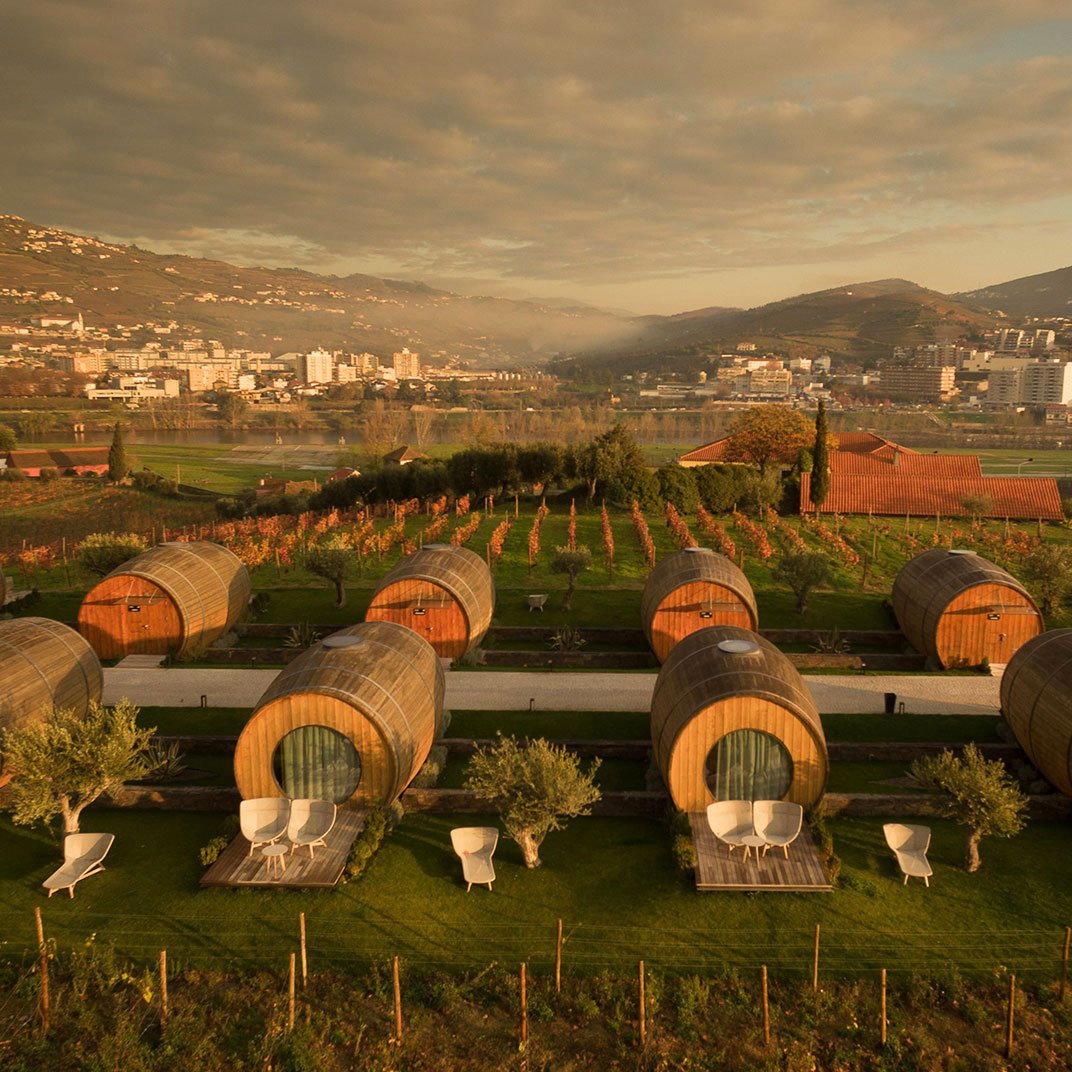
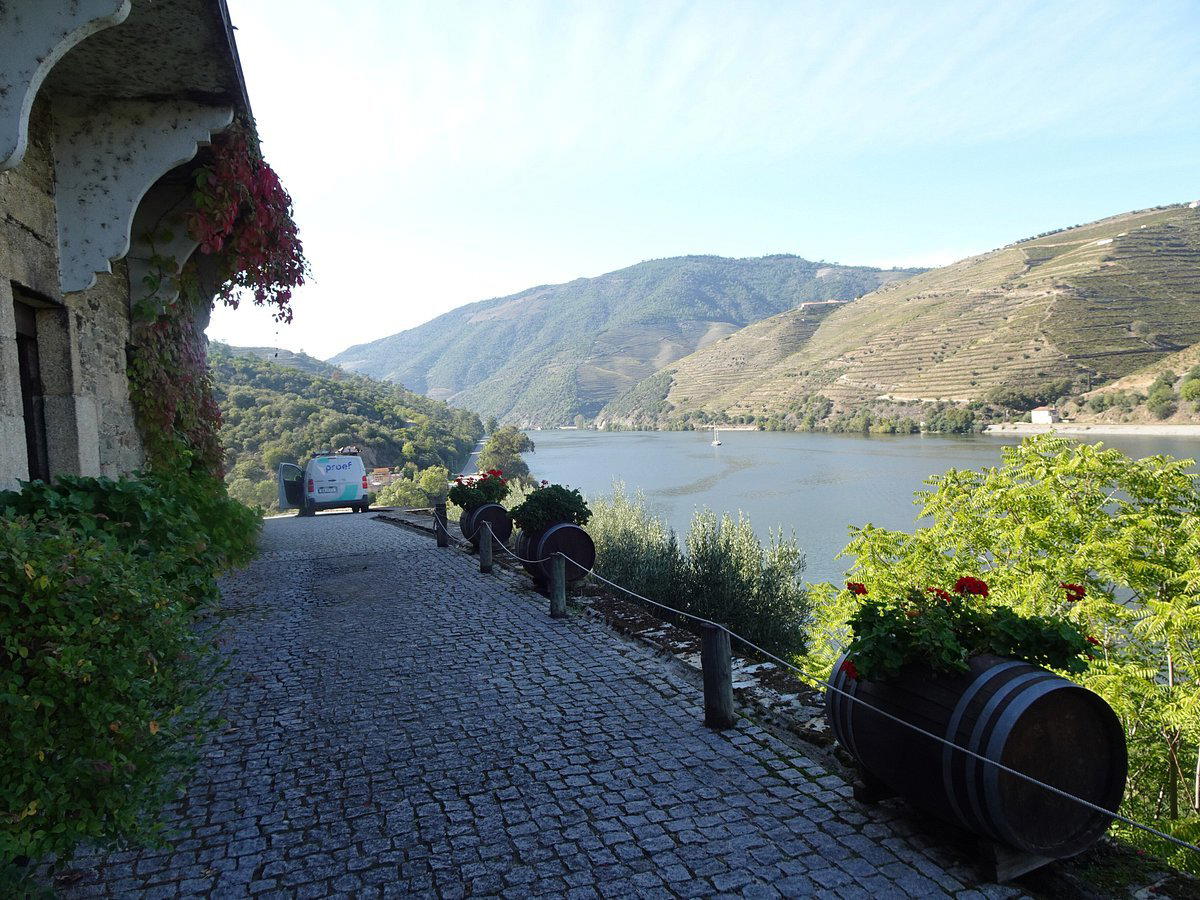
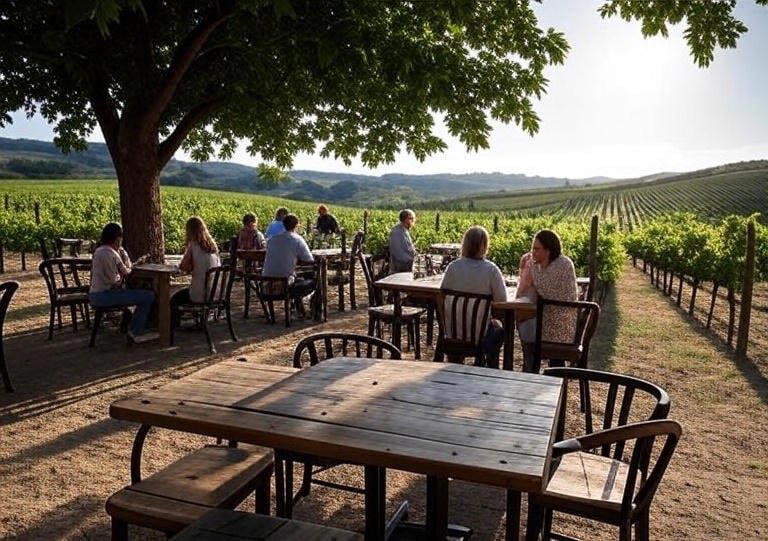
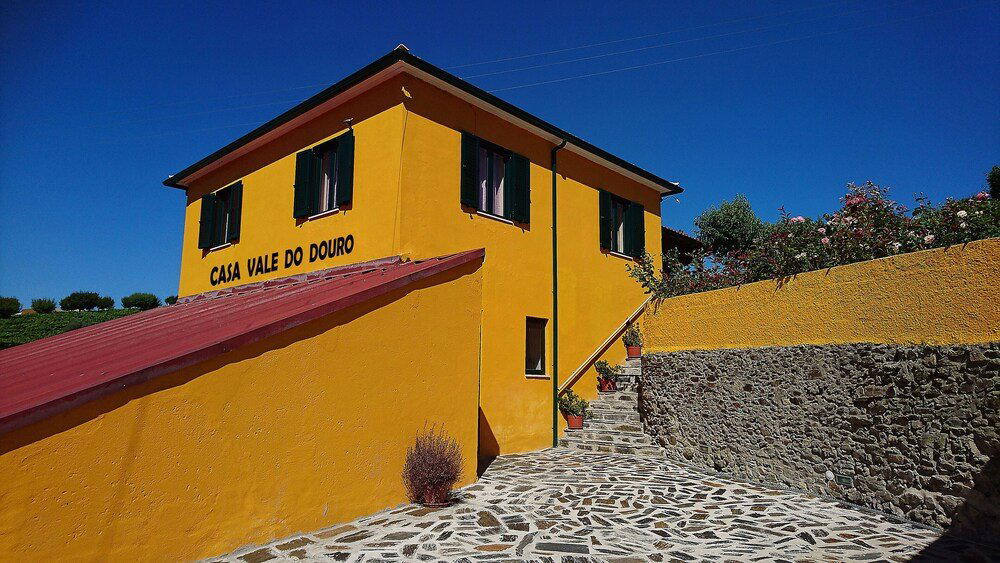
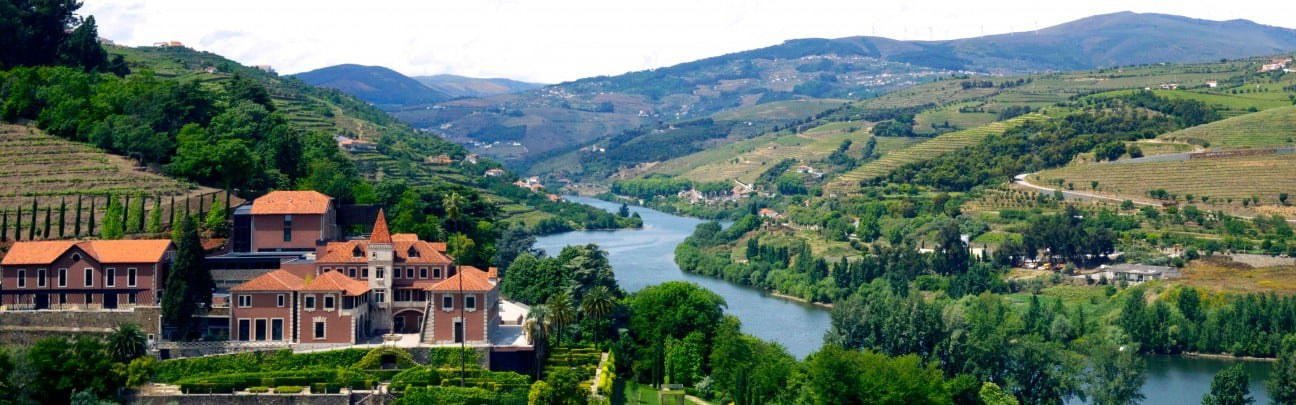
In Peso da Régua, wine tourism often starts with the Douro’s physical grammar: stone, cellar doors, river-town streets, and Port history close to the table. Quinta de São Domingos fits that register as a centric urban quinta, not a remote vineyard retreat, with a restaurant, wine shop, party hall, and local accommodation under one estate identity. The mood is classic and rustic; the format is contemporary in breadth, combining tastings, cellar visits, meals, and celebrations, so the property reads as a working hospitality address rather than a production site with a tasting counter attached.
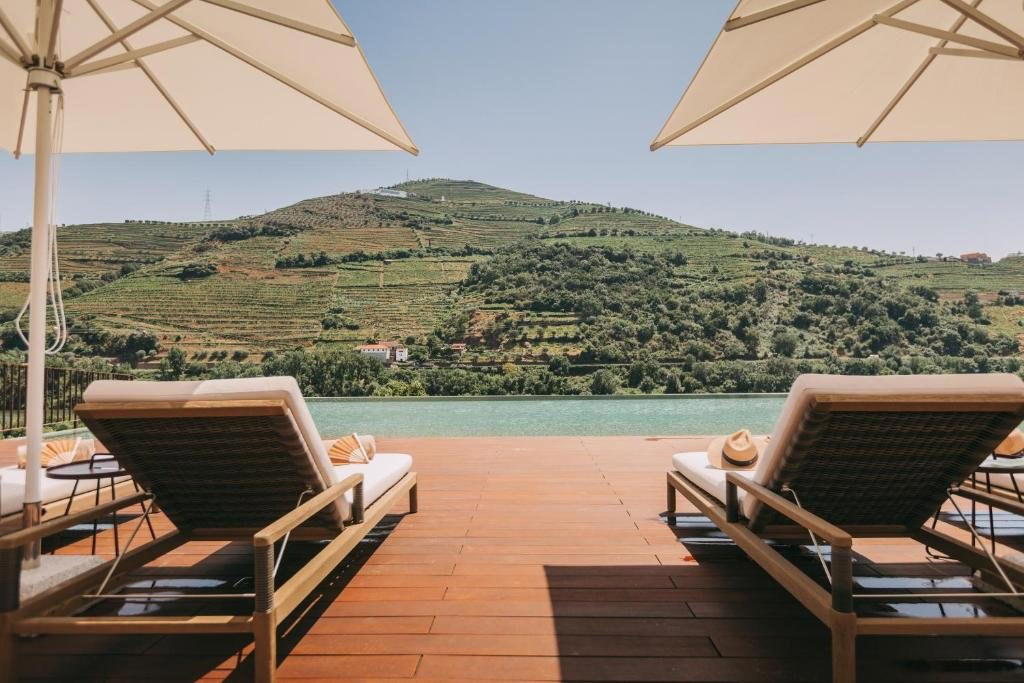
Place is the defining point. Peso da Régua is one of the Douro’s key visitor gateways, and the estate uses that position directly: guests meet wine through cellar access, guided tasting, walk-in tasting, food pairing, and the social architecture of lunches, dinners, and events. In a region where terroir is often reduced to postcard shorthand, the land here is not explained through vineyard maps or named parcels; it is mediated through the rhythms of a Douro town where wine, meals, and family occasions share the same cultural economy.
A Douro estate where tasting is part of a larger social format
The modern Douro visitor circuit has split into two broad modes. One is technical and bottle-led, built around vineyard exposition, cellar detail, and collector language. The other is experience-led, where the estate becomes a place to taste, eat, gather, and mark an occasion. Quinta de São Domingos belongs firmly to the second mode. Wine anchors the visit, but is not the only transaction: cellar visits give context, tastings provide the formal entry point, and the restaurant and event spaces extend the experience beyond the glass.
That integrated model suits first-time Douro travelers. Guests do not need deep command of fortified wine, still reds, or still whites to understand the place. The property’s focus styles include fortified wine alongside still red and still white, and its tasting format offers guided and walk-in options. That combination lowers the threshold without losing the regional frame. In a wine area that can intimidate casual visitors with steep vineyard talk and vintage hierarchies, this estate makes the Douro legible through hospitality.
The century-old Port-wine heritage is the property’s strongest trust signal. It is presented not through medals or international rankings, but through continuity of setting and use: a historic estate in central Peso da Régua that folds wine education, private tasting, food pairing, and events into one program. In the Douro, where the memory of Port production shapes the visitor experience as much as any named cuvée, that is a credible form of regional authority.
Terroir as town culture, not vineyard theatre
Terroir language in the Douro can become grand too quickly. The region has schist slopes, severe summer heat, and a long fortified-wine history, but a visit need not begin with geology. At Quinta de São Domingos, the more useful reading is cultural terroir: the way Peso da Régua turns wine into everyday public language. A cellar visit brings production within reach; a tasting translates it into the glass; lunch or dinner returns it to the social setting where Douro wines have always made sense.
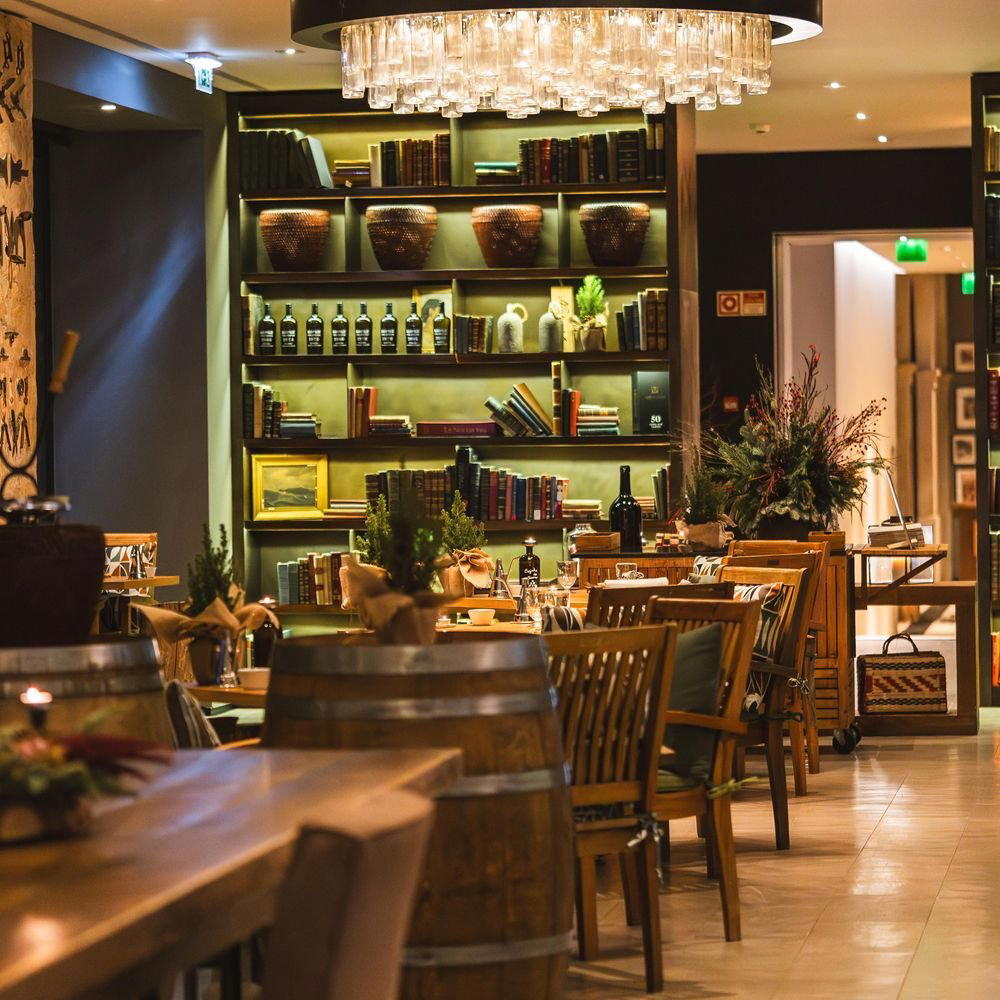
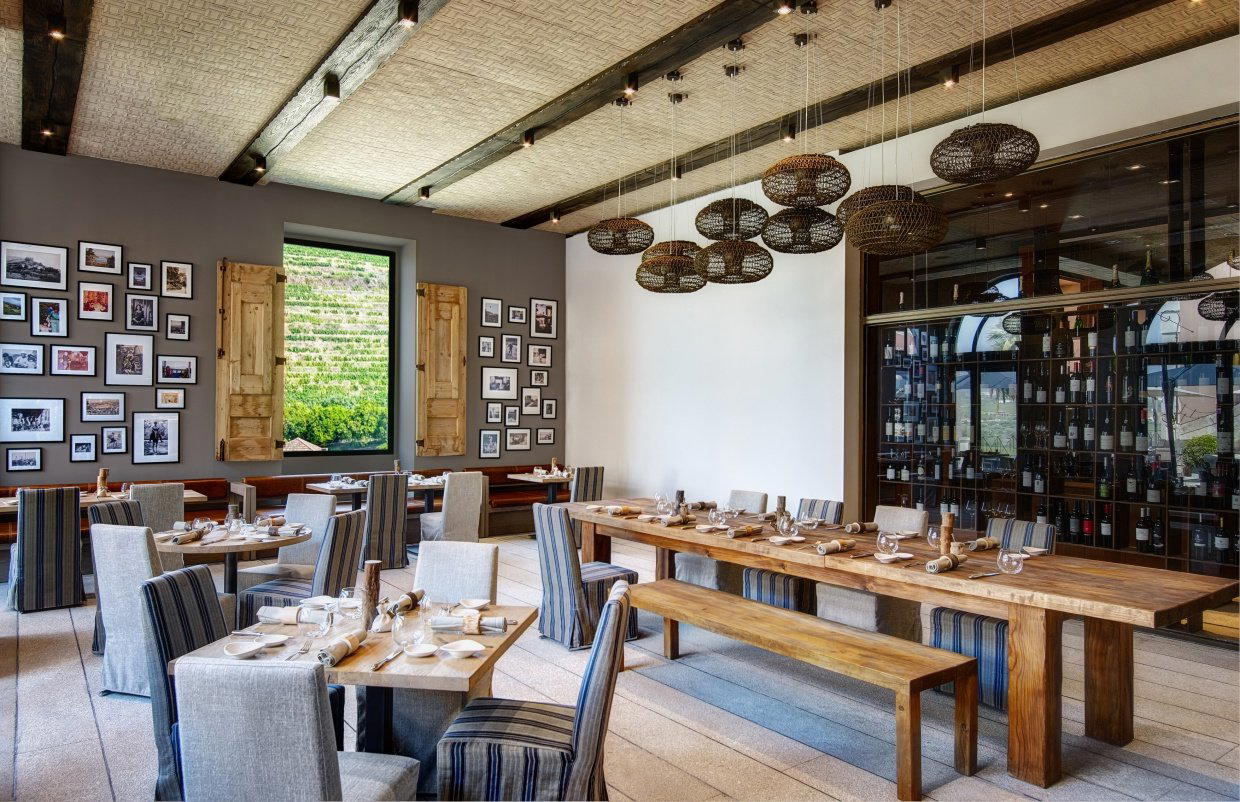
The estate’s ambiance reinforces that reading. It is described as tradition-and-modernity rather than museum-like, with a cozy, conversational tone and a street-scene outlook. That matters because Douro hospitality can overperform rural drama. This property’s centric setting keeps the experience tied to the town itself. The result is less spectacle than access: visitors can use the estate as an introduction to local wine culture, while groups can use the same setting for celebrations, family gatherings, or corporate events.
Food pairing changes the role of the tasting. A stand-alone flight can teach structure and style; wine with food shows how those styles work in a Portuguese meal context. The estate lists snacks, lunches, and dinners as part of its guest-facing identity, so the stronger approach is pacing rather than sampling. A cellar visit followed by tasting and a meal gives the Douro room to explain itself without requiring collector vocabulary.
How to read the visit in the wider Peso da Régua circuit
For travelers building a Régua wine itinerary, the winery is useful because it concentrates several formats in one stop: education, tasting, dining, accommodation, and event infrastructure. That efficiency suits mixed groups, where some guests want wine detail and others want a relaxed meal or scenic setting with low friction. The property is walk-in friendly, has a casual dress code, accepts cash and credit card, and is suitable for groups and families. Tour duration is listed at 60 to 90 minutes, with Portuguese noted for tours, so timing and language should shape expectations.
Price is marked at the $$ level, placing the visit in an accessible mid-range rather than a trophy-spend category. The stronger editorial reason to go is not scarcity, allocation, or award-chasing; it is the breadth of the estate format. In one address, visitors see how the Douro packages heritage for contemporary travel: a historic Port-wine setting, a cellar component, still and fortified wine styles, meal service, and formal celebration space. This is not a deeply technical vineyard appointment and should not be judged as one; its value lies in clarity, convenience, and social usefulness.
For a fuller Régua plan, keep the wine day anchored in the city rather than overloading it with distant stops. EP Club’s related regional pages include Our full Peso da Régua wineries guide, Our full Peso da Régua restaurants guide, Our full Peso da Régua hotels guide, Our full Peso da Régua bars guide, and Our full Peso da Régua experiences guide. Nearby wine references on the Régua circuit include Poças, Quinta de Valbom, Quinta do Vallado, Quinta dos Murças - Esporão, and Rola Wines. Broader Portugal and Europe wine reading can extend through 1912Winemakers LDA in Porto, Adega Cartuxa (Fundação Eugénio de Almeida) in Évora, Adega Cooperativa de Borba in Borba, »der Steiner« Hans Steiner in Podersdorf am See, and & Handwein in Mannheim.
Recognition history
Dated appearances from independent guides and award organizations, with the underlying list record or original source where available.
Falstaff Winery - Listed
Falstaff
Continue exploring
More in Peso da Régua
Wineries in Peso da Régua
Browse all →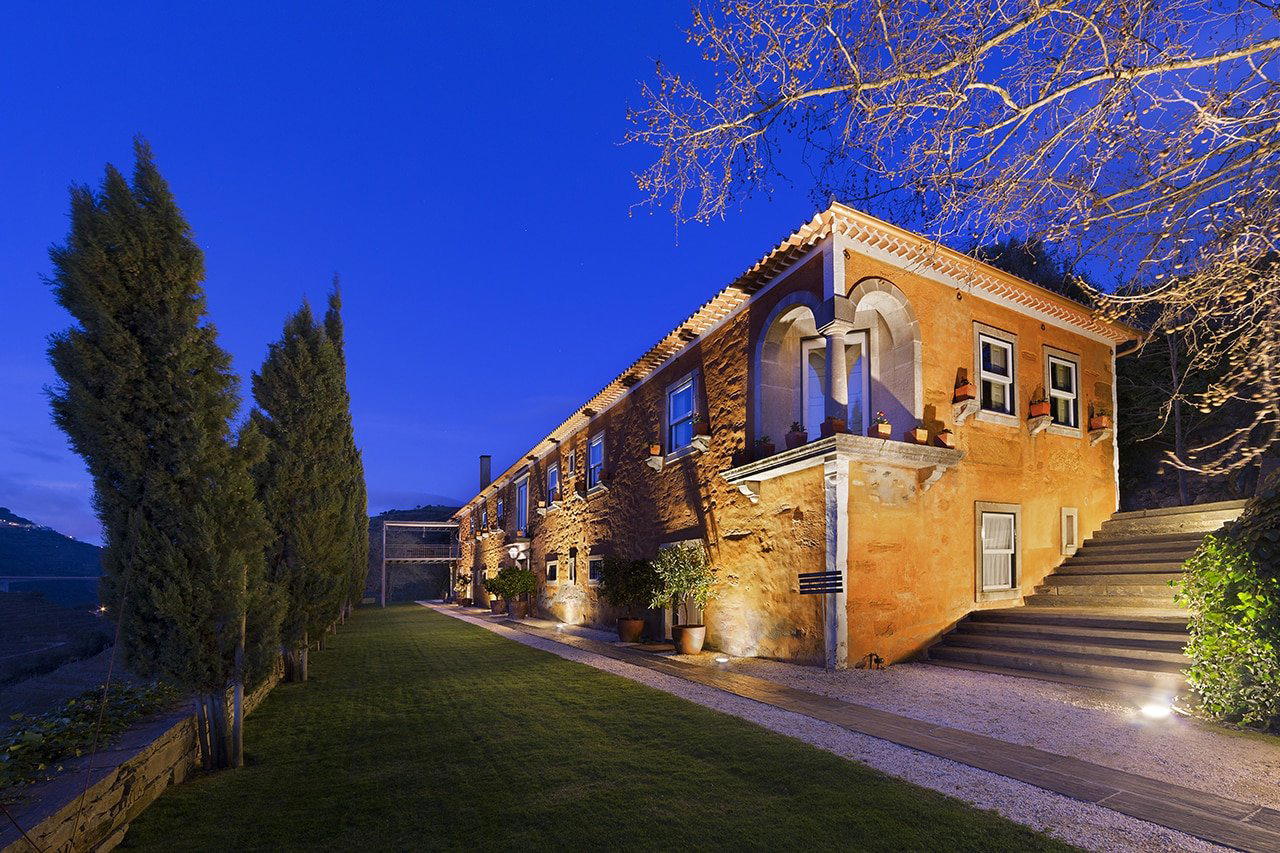
Bars in Peso da Régua
Browse all →
Restaurants in Peso da Régua
Browse all →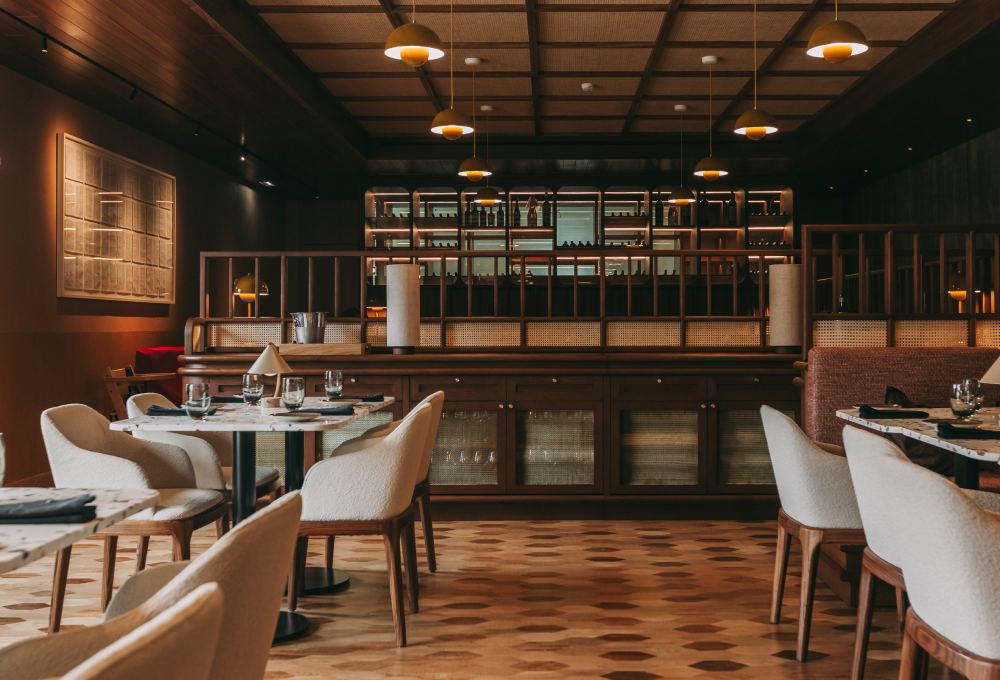
At a Glance
- Classic
- Scenic
- Cozy
- Rustic
- Group Outing
- Celebration
- Special Occasion
- Family
- Corporate Event
- Private Tasting
- Historic Building
- Design Destination
- Street Scene
- Douro DOC
- Fortified
- Still Red
- Still White
- Guided Tasting
- Walk In Tasting
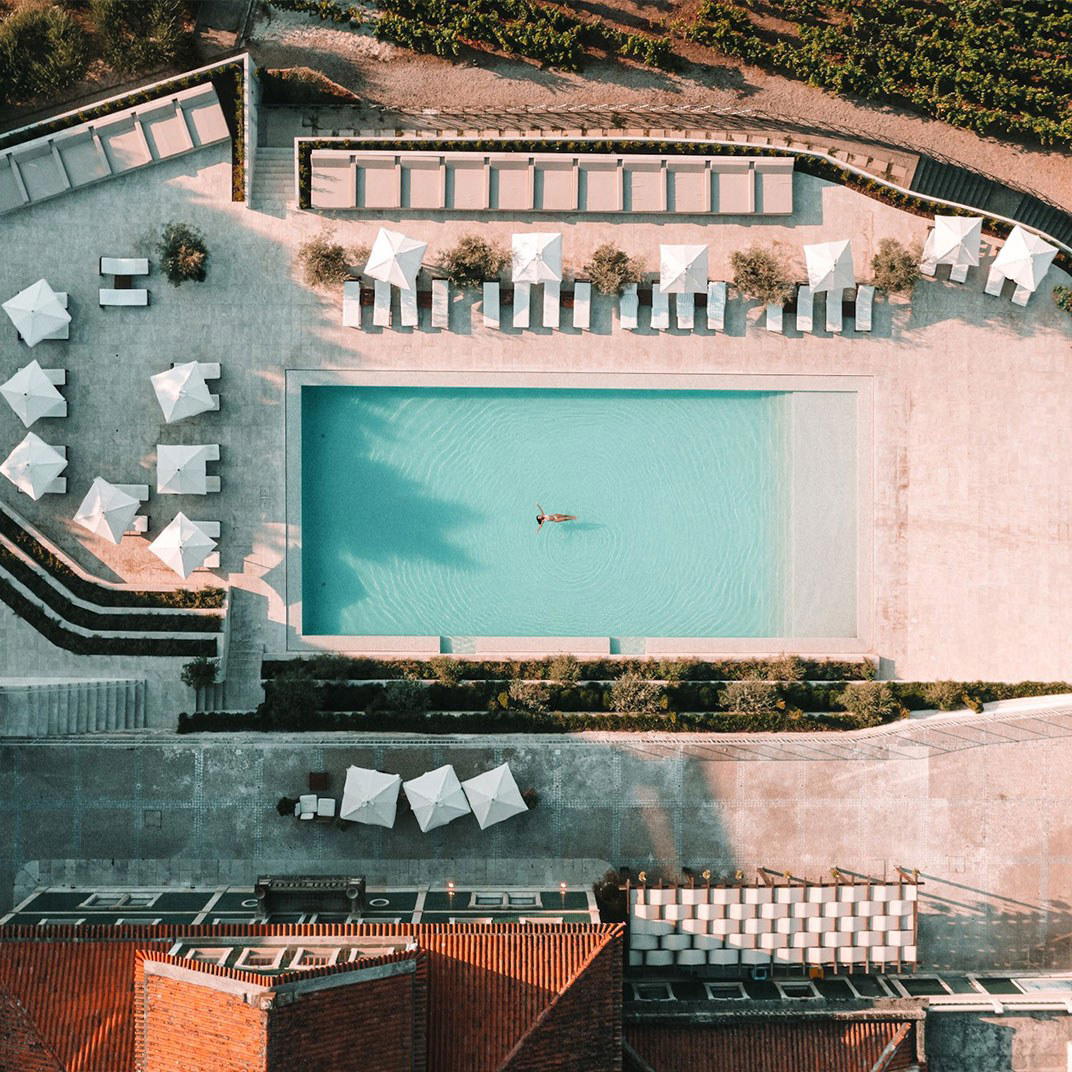
Tradition-and-modernity estate atmosphere with a century-old Port wine heritage, restaurant, event spaces, and local accommodation in the center of Peso da Régua.