16Legoas
Eating in the Douro: Why the Quinta Setting Matters The Douro Valley has long exported its product outward — port, Touriga Nacional, and more recently, table wines that now command serious international attention — but the act of eating within the valley, rather than tasting at a lodge in Vila Nova de Gaia, remains a different proposition entirely. Restaurants positioned on or near quintas operate with a proximity to raw materials that urban dining rooms cannot replicate. The schist terraces that drain the Douro's steep slopes produce lamb, olives, almonds, and honey alongside the vines. A kitchen that takes that geography seriously starts with a structural advantage. 16Legoas sits within this context, at Quinta da Vacaria in Vilarinho dos Freires, a short drive from Peso da Régua, the commercial and spiritual centre of port country. The address itself encodes an editorial argument: this is a restaurant shaped by place before it is shaped by technique. In a region where most visitor attention concentrates on wine tourism, a table here reframes the Douro as a food-producing territory, not merely a wine-producing one. For broader orientation across the town's dining options, see our full Peso da Régua restaurants guide. The Ingredient Logic of the Douro Interior Portugal's most decorated kitchens, Belcanto in Lisbon, Casa de Chá da Boa Nova in Leça da Palmeira, Ocean in Porches, have built their reputations partly on the discipline of sourcing: knowing the producer, shortening the chain, letting terroir inform technique. The Douro interior offers a particular version of that discipline. It is not the Atlantic coast's argument for freshness via proximity to fishing ports; it is an inland argument, structured around altitude, aridity, and the kind of protein and produce that survives in a landscape that bakes in summer and freezes in winter. Presunto from Trás-os-Montes, locally caught river fish, game from the upper Douro, olive oils pressed from centuries-old trees, these are the materials that define the larder in this corridor. A restaurant operating from a quinta in Vilarinho dos Freires has access to that supply chain in a way that a Porto dining room does not. The question for any kitchen in this position is whether the menu reflects that access or merely benefits from the postcode's prestige. Portugal's broader fine dining scene has demonstrated that terroir-driven sourcing and formal technique are not in opposition. Antiqvvm in Porto and A Cozinha in Guimarães both anchor their menus in northern Portuguese produce while maintaining the structural ambition of contemporary European cooking. The interior Douro has the raw materials to support the same register; the question is execution. The Quinta as Dining Environment Wine estate restaurants across Portugal operate across a wide band of seriousness. Some treat the restaurant as a tourism amenity attached to the tasting room; others build it as a primary destination in its own right. Herdade do Esporão in Reguengos de Monsaraz represents the latter model in the Alentejo, a restaurant where the agricultural setting actively shapes the menu rather than just the view. The quinta format in the Douro carries similar potential, where the vine rows, stone walls, and seasonal rhythms of an operational estate provide context that a converted urban building cannot manufacture. At Quinta da Vacaria, the physical environment, the address translates loosely to a property with historical agricultural roots, positions the dining experience within Portugal's tradition of estate hospitality. That tradition is older than the country's current fine dining moment and operates on different terms: the relationship between land, table, and guest is the structure, and the menu is its expression. Travelling the Douro by car and building a multi-day itinerary around wine and food is now a recognised format among Portuguese food travellers. Peso da Régua sits roughly midway along the demarcated Douro region, making it a logical base for a circuit that might also include The Yeatman in Vila Nova de Gaia on the downstream end or the upper Douro villages beyond Pinhão heading east. Adding a lunch or dinner at a quinta-based restaurant in the Régua corridor turns a wine trip into a more complete reading of the territory. Portuguese Fine Dining Beyond the Capital The concentration of Michelin recognition in Portugal remains heavily coastal and urban: Lisbon, the Algarve, and the Atlantic-facing north account for the majority of starred tables. Vila Joya in Albufeira, Gusto by Heinz Beck in Almancil, Il Gallo d'Oro in Funchal, and Lab by Sergi Arola in Sintra anchor a landscape where critical attention has historically followed tourism infrastructure. The Douro interior, despite its wine reputation, has fewer fine dining anchors relative to its cultural weight. That gap between the region's global profile and its table-service offer is partly a function of seasonality, the Douro is intensely hot in summer and cold in winter, which compresses the comfortable dining window, and partly a function of infrastructure. Getting to Régua from Porto takes roughly an hour by train along a route that passes through some of the most photographed river scenery in Europe, but the town itself has historically offered fewer dining options than its tourism volume might suggest. That makes restaurants that do operate at a serious level more significant as anchors for the region's food identity. For comparison across Portugal's broader dining scene, Palatial in Braga, Ó Balcão in Santarém, and A Ver Tavira in Tavira all demonstrate that serious regional cooking exists well outside the capital's orbit. Internationally, the quinta-restaurant format has analogues in estate dining at properties like Lazy Bear in San Francisco and sourcing-driven coastal institutions like Le Bernardin in New York City, restaurants where the supply chain is as deliberate as the technique. In the Douro context, Al Sud in Lagos offers a useful coastal counterpoint: a southern Portuguese kitchen that foregrounds local produce with similar geographic conviction, just operating from a coastline rather than a river valley interior. Planning a Visit 16Legoas is located at Quinta da Vacaria, Vilarinho dos Freires, outside Peso da Régua. The approach by car from Régua follows the south bank of the Douro before turning into the estate road. Given the estate format and the region's short high-season window, roughly April through October for comfortable outdoor dining, advance planning is worth building into any Douro itinerary. Frequently Asked Questions What kind of setting is 16Legoas? 16Legoas operates from Quinta da Vacaria in Vilarinho dos Freires, a working agricultural estate in the Douro Valley outside Peso da Régua. The setting is rural and quinta-style, placing it in the category of estate dining rather than urban restaurant. In a region known primarily for wine tourism infrastructure, that format gives the dining experience a different character from town-centre restaurants in Régua or lodge restaurants downstream in Gaia. What do people recommend at 16Legoas? What the Douro interior's larder typically produces, presunto, river fish, lamb, almonds, local olive oil, suggests the kind of materials a kitchen in this location would logically work with. For current menu information, contacting the quinta directly is the appropriate route. Is 16Legoas reservation-only? The estate location and quinta format suggest that advance booking is advisable, particularly during the Douro's busiest visitor season from late spring through harvest (September to October). Given the distance from central Régua, arriving without a confirmed booking carries meaningful risk. Does 16Legoas work for a family meal? The quinta setting, open air, estate grounds, agricultural context, tends to suit a broader age range than a formal urban dining room. The environment itself is a more relaxed proposition than, say, a multi-course tasting counter in Lisbon or the Algarve. What is the standout thing about 16Legoas? Location within a functioning quinta in the Douro Valley is the structural argument for the restaurant: it positions sourcing from one of Portugal's most historically significant agricultural and wine-producing territories as the foundation of the dining experience. Few restaurants in the immediate Régua area operate from that kind of estate context, which gives 16Legoas a distinct position in the region's food offer. How does 16Legoas compare to other Douro Valley dining experiences? Douro Valley has a concentrated wine tourism infrastructure but a thinner layer of destination restaurant options relative to coastal Portugal. 16Legoas, operating from a quinta in Vilarinho dos Freires, belongs to the estate-dining format that has proven its model in regions like the Alentejo, where Herdade do Esporão has demonstrated how agricultural context and serious cooking can coexist at the same address. In the Douro, that combination remains less common, which makes the format itself a point of differentiation independent of any specific award or critical recognition.
Pearl is the En Primeur Club membership app — saves, bookings, and concierge access live there. Same editors, same standards.
- Address
- Q.ta da Vacaria, 5050-364 Vilarinho dos Freires, Portugal
- Phone
- +351 254 240 242
- Website
- torelquintadavacaria.com
- Directions
- Get directions
 Saves & bookings on Pearl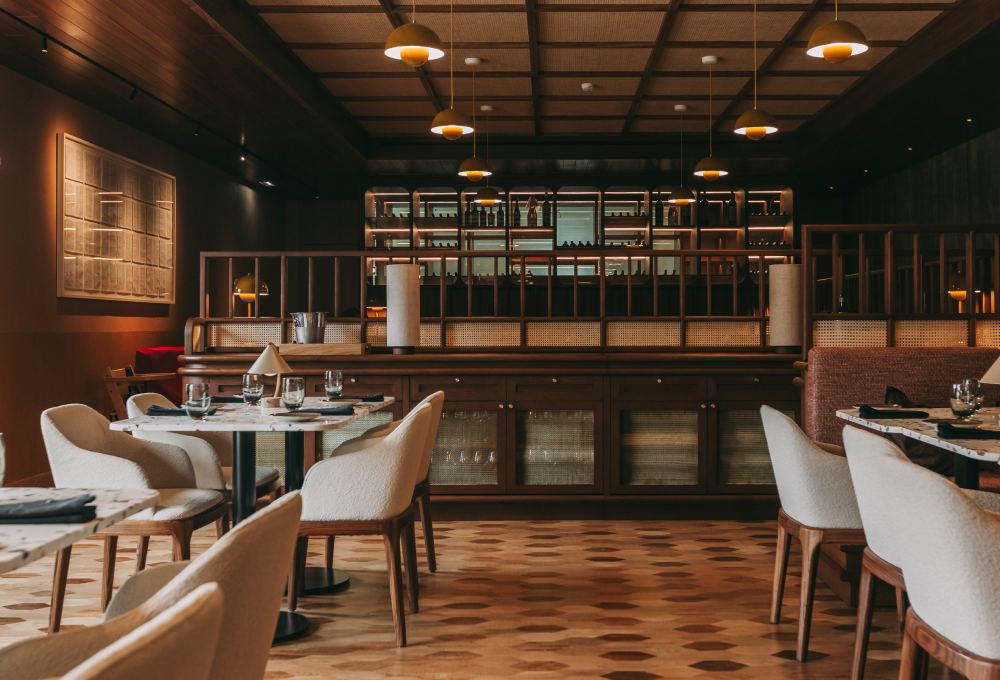
Eating in the Douro: Why the Quinta Setting Matters
The Douro Valley has long exported its product outward — port, Touriga Nacional, and more recently, table wines that now command serious international attention — but the act of eating within the valley, rather than tasting at a lodge in Vila Nova de Gaia, remains a different proposition entirely. Restaurants positioned on or near quintas operate with a proximity to raw materials that urban dining rooms cannot replicate. The schist terraces that drain the Douro's steep slopes produce lamb, olives, almonds, and honey alongside the vines. A kitchen that takes that geography seriously starts with a structural advantage.
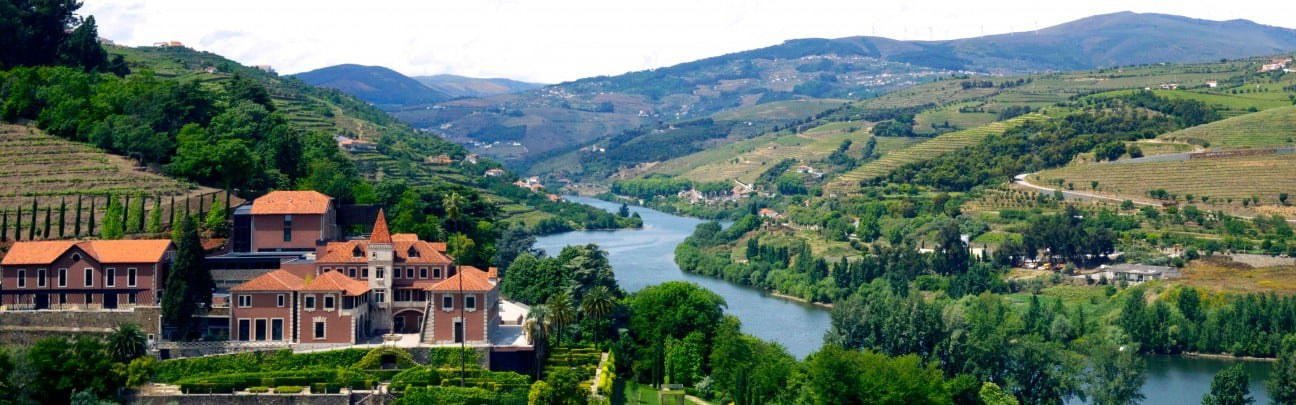
16Legoas sits within this context, at Quinta da Vacaria in Vilarinho dos Freires, a short drive from Peso da Régua, the commercial and spiritual centre of port country. The address itself encodes an editorial argument: this is a restaurant shaped by place before it is shaped by technique. In a region where most visitor attention concentrates on wine tourism, a table here reframes the Douro as a food-producing territory, not merely a wine-producing one.
For broader orientation across the town's dining options, see our full Peso da Régua restaurants guide.
The Ingredient Logic of the Douro Interior
Portugal's most decorated kitchens, Belcanto in Lisbon, Casa de Chá da Boa Nova in Leça da Palmeira, Ocean in Porches, have built their reputations partly on the discipline of sourcing: knowing the producer, shortening the chain, letting terroir inform technique. The Douro interior offers a particular version of that discipline. It is not the Atlantic coast's argument for freshness via proximity to fishing ports; it is an inland argument, structured around altitude, aridity, and the kind of protein and produce that survives in a landscape that bakes in summer and freezes in winter.
Presunto from Trás-os-Montes, locally caught river fish, game from the upper Douro, olive oils pressed from centuries-old trees, these are the materials that define the larder in this corridor. A restaurant operating from a quinta in Vilarinho dos Freires has access to that supply chain in a way that a Porto dining room does not. The question for any kitchen in this position is whether the menu reflects that access or merely benefits from the postcode's prestige.
Portugal's broader fine dining scene has demonstrated that terroir-driven sourcing and formal technique are not in opposition. Antiqvvm in Porto and A Cozinha in Guimarães both anchor their menus in northern Portuguese produce while maintaining the structural ambition of contemporary European cooking. The interior Douro has the raw materials to support the same register; the question is execution.
The Quinta as Dining Environment
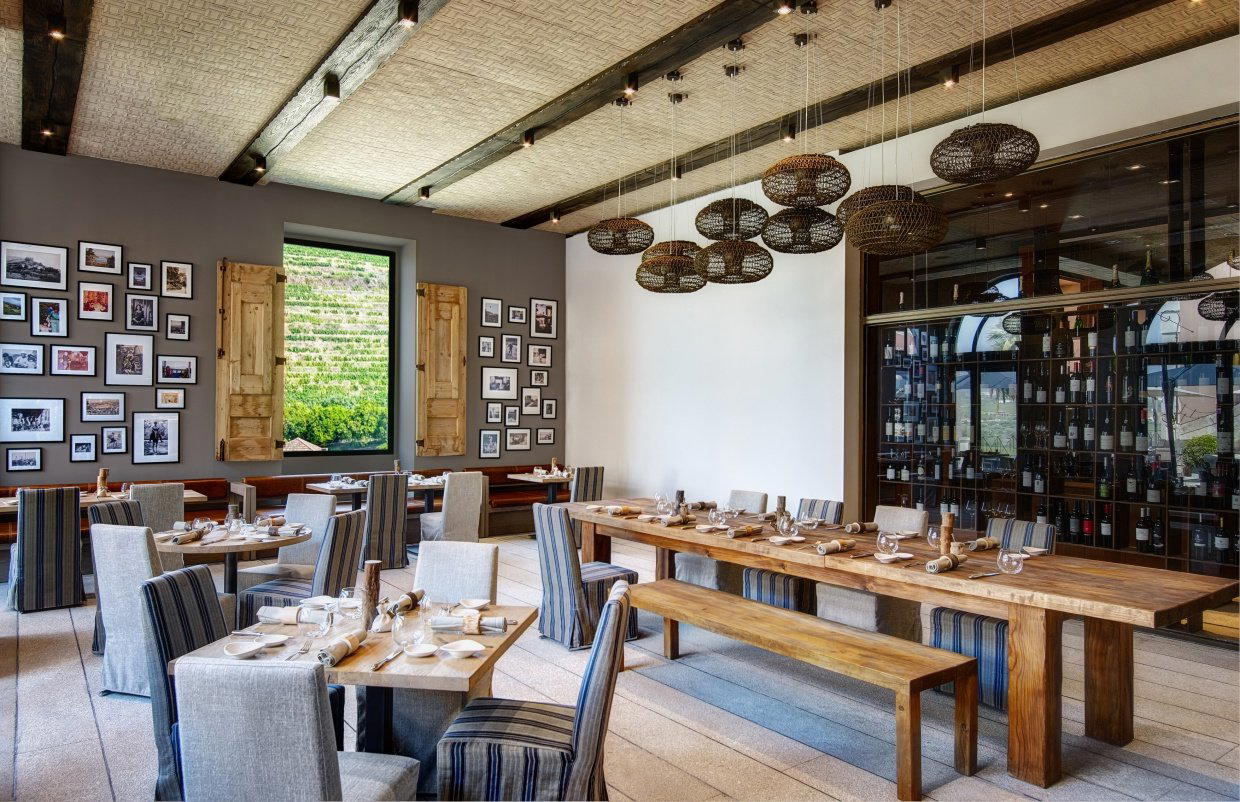
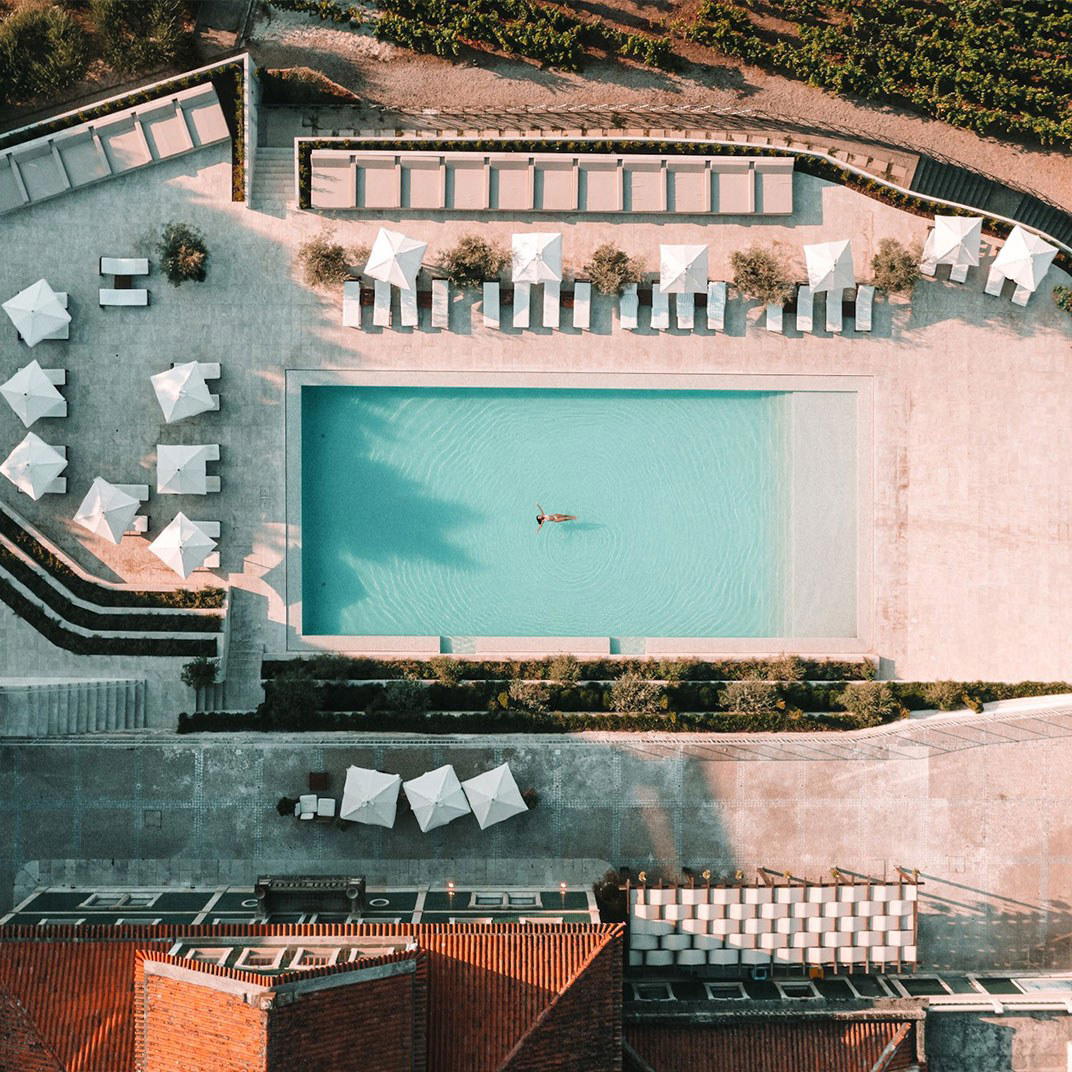
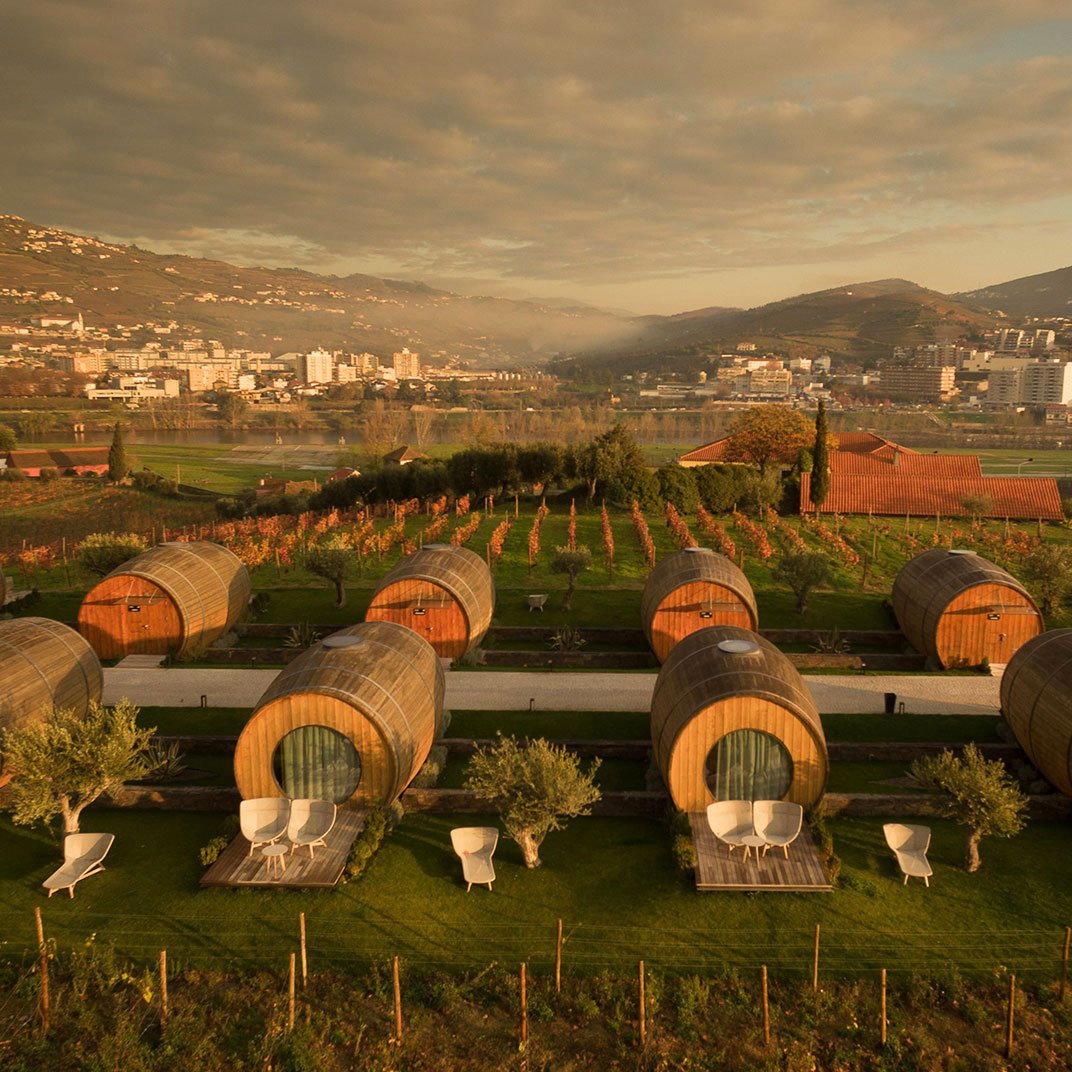
Wine estate restaurants across Portugal operate across a wide band of seriousness. Some treat the restaurant as a tourism amenity attached to the tasting room; others build it as a primary destination in its own right. Herdade do Esporão in Reguengos de Monsaraz represents the latter model in the Alentejo, a restaurant where the agricultural setting actively shapes the menu rather than just the view. The quinta format in the Douro carries similar potential, where the vine rows, stone walls, and seasonal rhythms of an operational estate provide context that a converted urban building cannot manufacture.
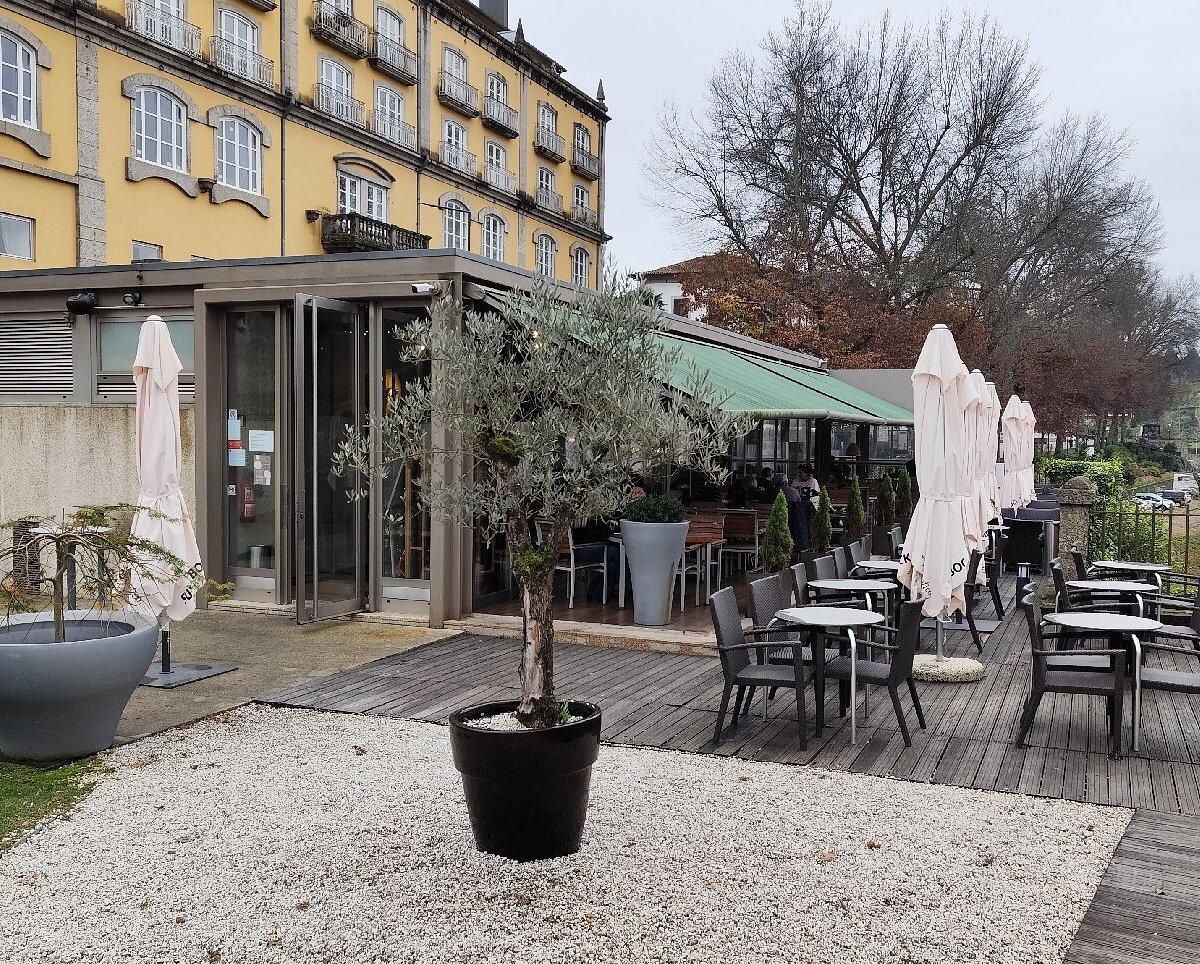
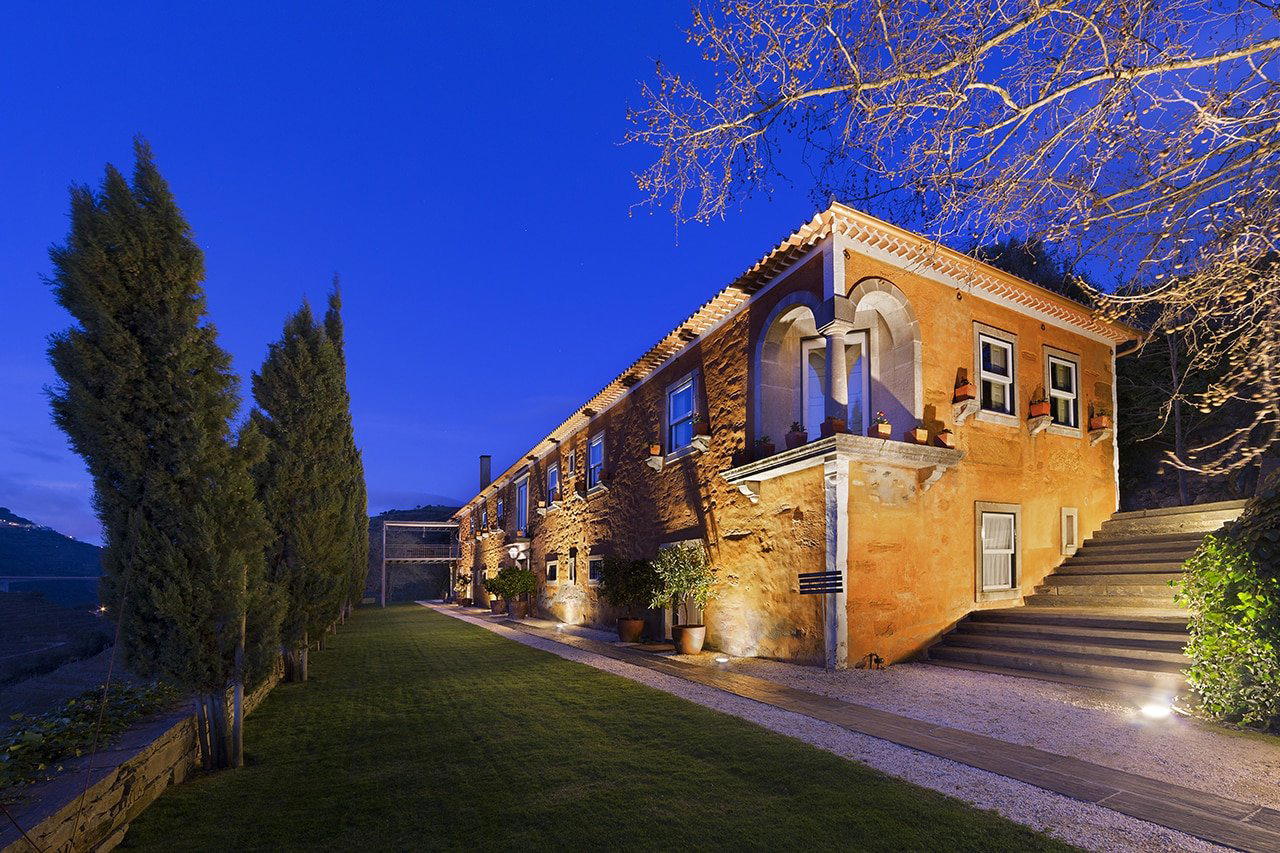
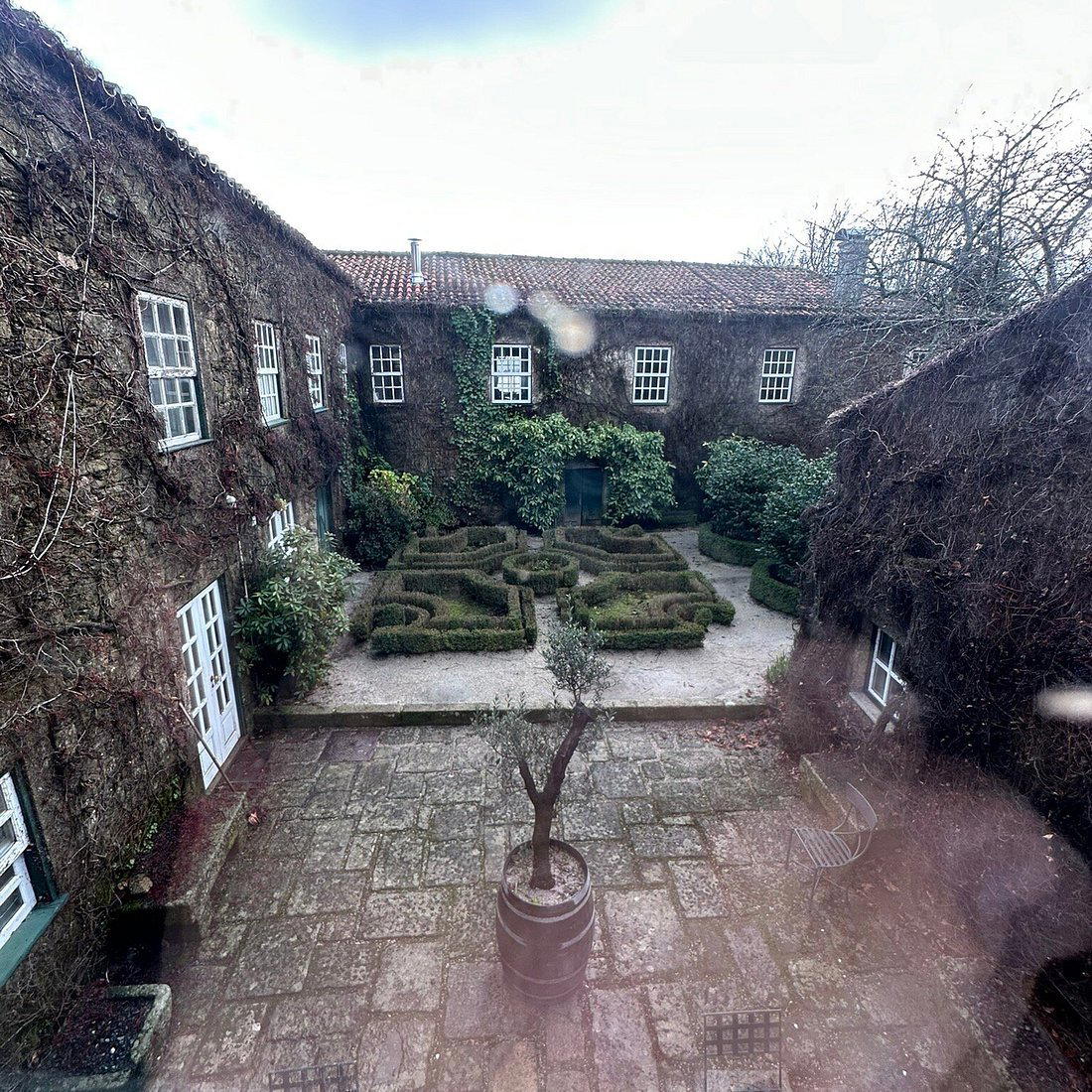
At Quinta da Vacaria, the physical environment, the address translates loosely to a property with historical agricultural roots, positions the dining experience within Portugal's tradition of estate hospitality. That tradition is older than the country's current fine dining moment and operates on different terms: the relationship between land, table, and guest is the structure, and the menu is its expression.
Travelling the Douro by car and building a multi-day itinerary around wine and food is now a recognised format among Portuguese food travellers. Peso da Régua sits roughly midway along the demarcated Douro region, making it a logical base for a circuit that might also include The Yeatman in Vila Nova de Gaia on the downstream end or the upper Douro villages beyond Pinhão heading east. Adding a lunch or dinner at a quinta-based restaurant in the Régua corridor turns a wine trip into a more complete reading of the territory.
Portuguese Fine Dining Beyond the Capital
The concentration of Michelin recognition in Portugal remains heavily coastal and urban: Lisbon, the Algarve, and the Atlantic-facing north account for the majority of starred tables. Vila Joya in Albufeira, Gusto by Heinz Beck in Almancil, Il Gallo d'Oro in Funchal, and Lab by Sergi Arola in Sintra anchor a landscape where critical attention has historically followed tourism infrastructure. The Douro interior, despite its wine reputation, has fewer fine dining anchors relative to its cultural weight.
That gap between the region's global profile and its table-service offer is partly a function of seasonality, the Douro is intensely hot in summer and cold in winter, which compresses the comfortable dining window, and partly a function of infrastructure. Getting to Régua from Porto takes roughly an hour by train along a route that passes through some of the most photographed river scenery in Europe, but the town itself has historically offered fewer dining options than its tourism volume might suggest. That makes restaurants that do operate at a serious level more significant as anchors for the region's food identity.
For comparison across Portugal's broader dining scene, Palatial in Braga, Ó Balcão in Santarém, and A Ver Tavira in Tavira all demonstrate that serious regional cooking exists well outside the capital's orbit. Internationally, the quinta-restaurant format has analogues in estate dining at properties like Lazy Bear in San Francisco and sourcing-driven coastal institutions like Le Bernardin in New York City, restaurants where the supply chain is as deliberate as the technique.
In the Douro context, Al Sud in Lagos offers a useful coastal counterpoint: a southern Portuguese kitchen that foregrounds local produce with similar geographic conviction, just operating from a coastline rather than a river valley interior.
Planning a Visit
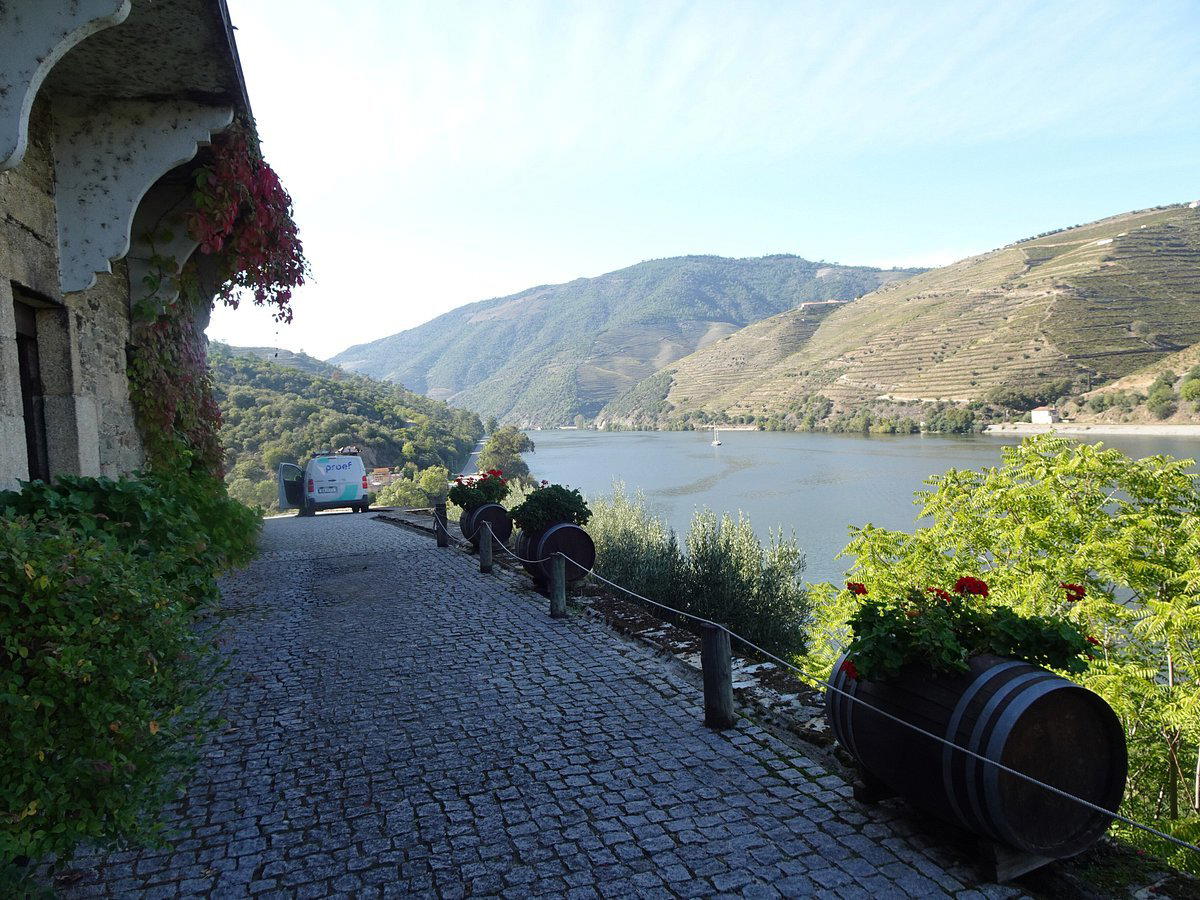
16Legoas is located at Quinta da Vacaria, Vilarinho dos Freires, outside Peso da Régua. The approach by car from Régua follows the south bank of the Douro before turning into the estate road. Given the estate format and the region's short high-season window, roughly April through October for comfortable outdoor dining, advance planning is worth building into any Douro itinerary.
How 16Legoas Peso da Régua compares with similar nearby venues.
| Venue | Cuisine | Price |
|---|---|---|
| DOC | Modern Cuisine | €€€ |
Continue exploring
More in Peso da Régua
Restaurants in Peso da Régua
Browse all →
Bars in Peso da Régua
Browse all →
Hotels in Peso da Régua
Browse all →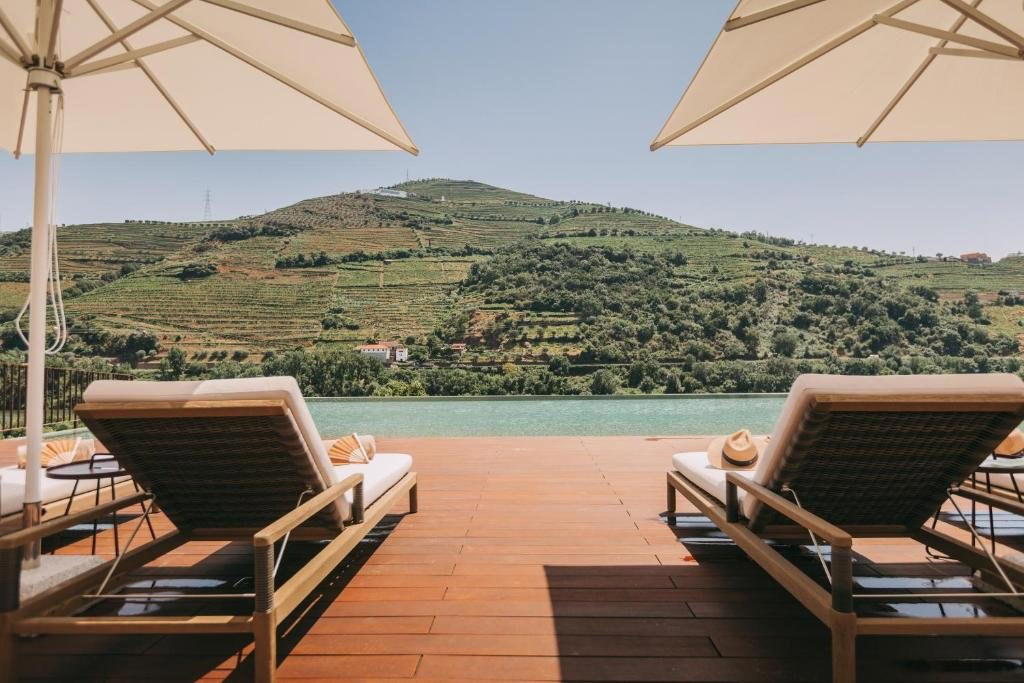
At a Glance
- Romantic
- Cozy
- Elegant
- Scenic
- Sophisticated
- Date Night
- Special Occasion
- Hotel Restaurant
- Panoramic View
- Extensive Wine List
- Sommelier Led
- Local Sourcing
- Farm To Table
- Vineyard
- Waterfront
Current opening hours
- Monday
- 12:30–3 PM, 7:30–10 PM
- Tuesday
- 12:30–3:30 PM, 7:30–10 PM
- Wednesday
- 12:30–3 PM, 7:30–10 PM
- Thursday
- 12:30–3 PM, 7:30–10 PM
- Friday
- 12:30–3 PM, 7:30–10 PM
- Saturday
- 12:30–3 PM, 7:30–10 PM
- Sunday
- 12:30–3 PM, 7:30–10 PM
Hours can change for holidays and private events. Last verified .
Relaxed and beautiful winery atmosphere with notable attentive service.
Know Before You Go
- Getting there
- Q.ta da Vacaria, 5050-364 Vilarinho dos Freires, Portugal