Mount Veeder Winery

Falstaff Winery - Listed
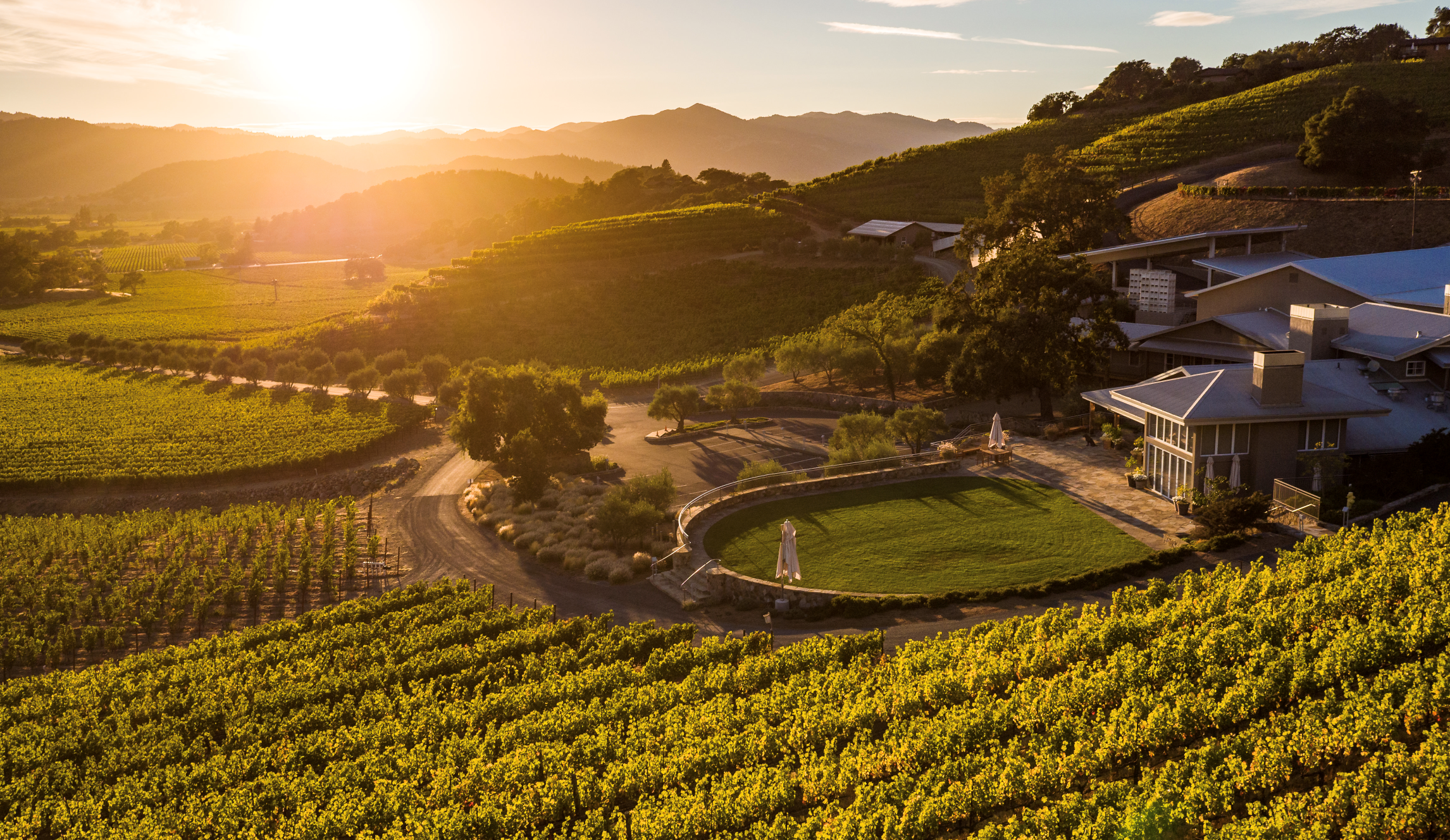
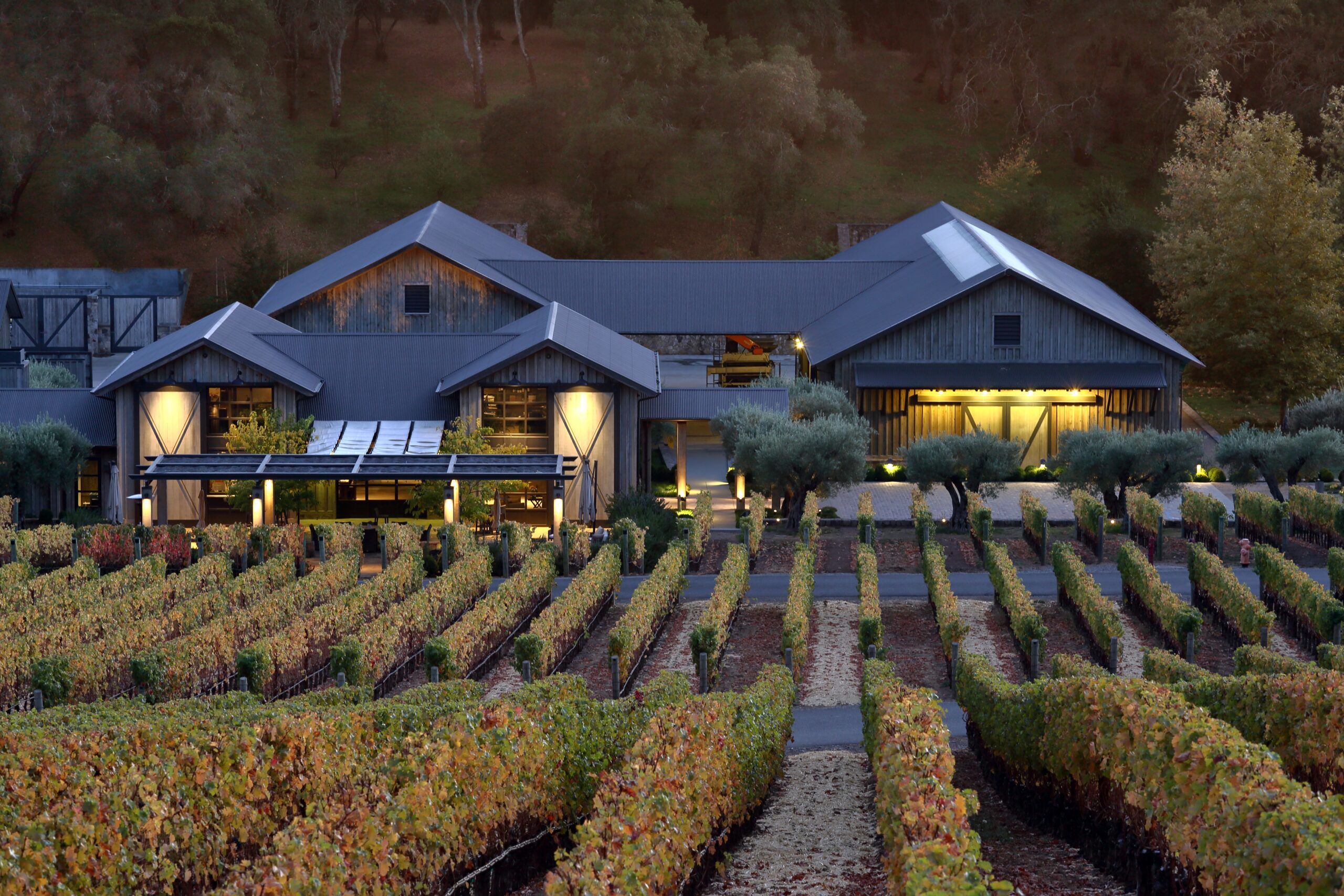
Mount Veeder Winery belongs to Napa’s mountain-Cabernet tradition: structured reds, Bordeaux varieties, and a tasting style built around terroir education rather than spectacle. Founded in 1973, its story runs through early Mount Veeder plantings, dry-farmed and organic vineyard history, and a Cabernet-led portfolio shaped by high-elevation fruit.

Pearl is the En Primeur Club membership app, where members save venues, book tables and use the concierge.

Mount Veeder Winery in Napa is best understood through its mountain-focused identity. The picture is a boutique winery centered on structured, age-worthy Cabernet Sauvignon and Bordeaux-style reds, with an emphasis on the rugged Mount Veeder terroir. In a region where winery visits can easily blur into a general idea of Napa polish, this is a more specific proposition: red wines framed by mountain character, concentration, and a clear relationship to place.
The style is described as minimal-intervention and terroir-driven rather than built around spectacle. For visitors comparing Napa wine experiences, the useful distinction is the focus: mountain character, structure, and education around place. That does not require elaborate claims about the setting or the format of a visit; the identity is already legible in the way the winery is positioned. It is about understanding how Cabernet Sauvignon and Bordeaux-style reds express themselves through a rugged mountain lens.
Mountain Cabernet, not tasting-room theatre
Mount Veeder Winery’s clearest strength is its focus on Cabernet Sauvignon and Bordeaux-style reds. The wines are presented as structured and age-worthy, with the mountain setting shaping the conversation more than broad lifestyle hospitality. That emphasis gives the winery a more disciplined kind of appeal, especially for visitors who are looking beyond a generic tasting stop and want to think about why one part of Napa can produce a particular style of red wine.
That makes the winery a good fit for travelers who want a more educational Napa stop. Rather than relying on claims about specific formats, capacities, or tasting-room details, the grounded reason to pay attention is the combination of mountain terroir, red-wine structure, and a boutique sensibility. The boutique aspect is important because it keeps the focus tight: not on scale for its own sake, but on a defined point of view around Cabernet, Bordeaux varieties, and place.
The description also points to minimal intervention. In practical terms, that frames the winery as one where the site and the fruit are meant to remain central to the experience. For a visitor, that can make the tasting feel less like a performance of luxury and more like a guided encounter with the conditions behind the wine. The point is not that the winemaking disappears, but that the stated philosophy asks the vineyard character to lead.
For Napa visitors who have mostly encountered softer or more polished expressions of Cabernet, Mount Veeder Winery offers a mountain-focused counterpoint: structured reds, Bordeaux-style framing, and an emphasis on how place shapes the wine. That contrast is the reason it belongs in a serious Napa comparison. It gives context to the broader Cabernet conversation by showing how a rugged mountain identity can shift the feel, shape, and purpose of the wines.
Bordeaux varieties as a Napa argument
Cabernet Sauvignon is central to Mount Veeder Winery’s identity, but the broader description includes Bordeaux-style reds as well. That matters because the winery’s appeal is not simply that it makes Cabernet; it is that the wines are positioned around structure, age-worthiness, and mountain character. In that sense, the Bordeaux-style framing functions as a way to understand the wines as built with seriousness and longevity in mind, rather than as quick, decorative expressions of Napa red wine.
A careful reading should therefore keep the focus on the confirmed identity: boutique, mountain-focused, Cabernet-led, and terroir-driven. Those words do most of the work. They establish the scale, the location-based emphasis, the leading grape, and the philosophy without needing extra embellishment. For a venue page, that restraint is useful because it keeps the recommendation anchored in what is actually supported.
That still gives travelers a clear reason to include it in a Napa itinerary. Mount Veeder Winery is most compelling when treated as a study in rugged mountain terroir and Bordeaux-style red wines rather than as a venue defined by amenities or trophy claims. The draw is not a checklist of extras. It is the chance to orient a Napa day around a focused red-wine identity and to use that stop as a reference point for understanding structure and site.
For broader planning, pair the winery research with other Napa dining, hotel, bar, winery, and experience research, while keeping Mount Veeder Winery’s role clear: a premium Napa stop for structured mountain reds. It can sit especially well in an itinerary that wants contrast, giving the day a sharper wine-focused spine rather than letting every stop serve the same purpose.
How to place it in a wider wine itinerary
Mount Veeder Winery is strongest for visitors who want a focused Napa winery experience built around mountain Cabernet Sauvignon, Bordeaux-style reds, and terroir education. Its price level is $$$, placing it in a premium Napa range. That price context reinforces the need to approach it with intention: the best fit is a visitor who values a concentrated, place-led red-wine conversation and wants the visit to add substance to a Napa plan.
The broader itinerary can widen from there through other Napa wineries and dining rooms, but Mount Veeder Winery should remain the reference point here. Its appeal is specific: a boutique mountain-focused winery with structured, age-worthy reds and a clear sense of place. Around it, travelers can build contrast, but the reason for choosing this winery should not be diluted. It is there to represent a mountain Cabernet and Bordeaux-style perspective within Napa.
The critical reason to include this stop is not an award, score, format, or amenity. Its grounded appeal is the combination of Cabernet Sauvignon, Bordeaux-style reds, minimal intervention, rugged Mount Veeder terroir, and an educational feel in Napa. For the right visitor, that combination is enough: a concise, premium, red-wine-focused argument for why this mountain identity deserves attention in a wider Napa itinerary.
Recognition history
Dated appearances from independent guides and award organizations, with the underlying list record or original source where available.
Falstaff Winery - Listed
Falstaff
Continue exploring
More in Napa
Wineries in Napa
All wineries in Napa →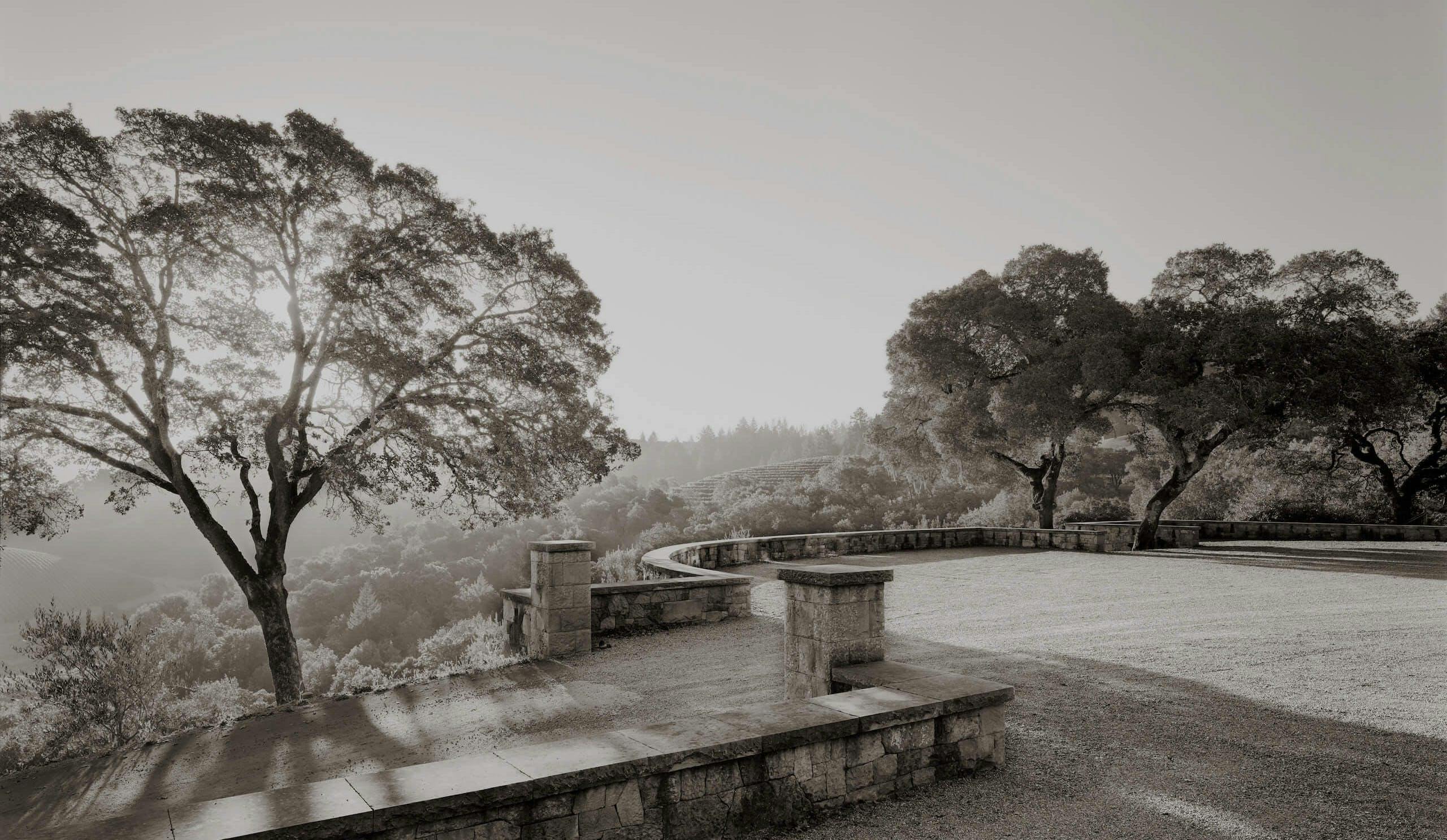
Bars in Napa
All bars in Napa →
Details
- Classic
- Scenic
- Rustic
- Well Known
- Intimate
- Sophisticated
- Wine Education
- Romantic Getaway
- Group Outing
- Special Occasion
- Solo Exploration
- Estate Grounds
- Private Tasting
- Panoramic View
- Dry Farmed
- Organic
- Sustainable
- Mountain
- Vineyard
- Cabernet Sauvignon
- Cabernet Franc
- Malbec
- Merlot
- Petit Verdot
- Still Red
- Appointment Tasting
- Educational Tasting
- Private Tasting
- English
A boutique mountain-focused Napa winery offering structured, age-worthy Cabernet Sauvignon and Bordeaux-style reds that emphasize minimal intervention and the rugged Mount Veeder terroir, with an educational, terroir-driven feel rather than a large visitor-center atmosphere.