Montina Franciacorta

Falstaff Winery - 4 Stars
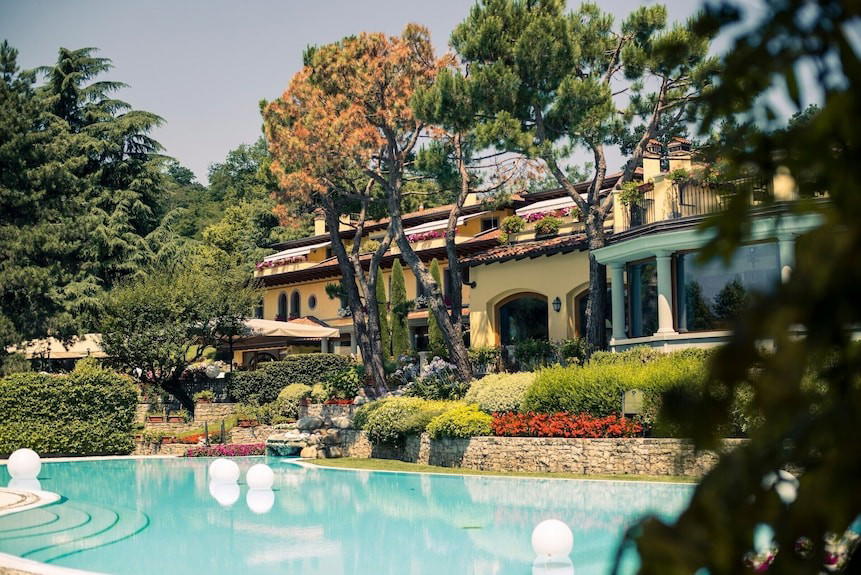
Montina Franciacorta is a substantial family-run estate in Monticelli Brusati, shaped by hillside vineyards, Metodo Classico production and a 17th-century villa. Its appeal sits in the combination of Franciacorta DOCG wines, an 8,000 m² underground cellar, guided estate formats and a permanent contemporary art gallery with more than 280 works.

Pearl is the En Primeur Club membership app — saves, bookings, and concierge access live there. Same editors, same standards.
- Address
- Via Baiana, 17, 25040 Monticelli Brusati BS, Italy
- Phone
- +39 030 653278
- Hours
- Daily Closed
- Website
- montinafranciacorta.it
- Directions
- Get directions
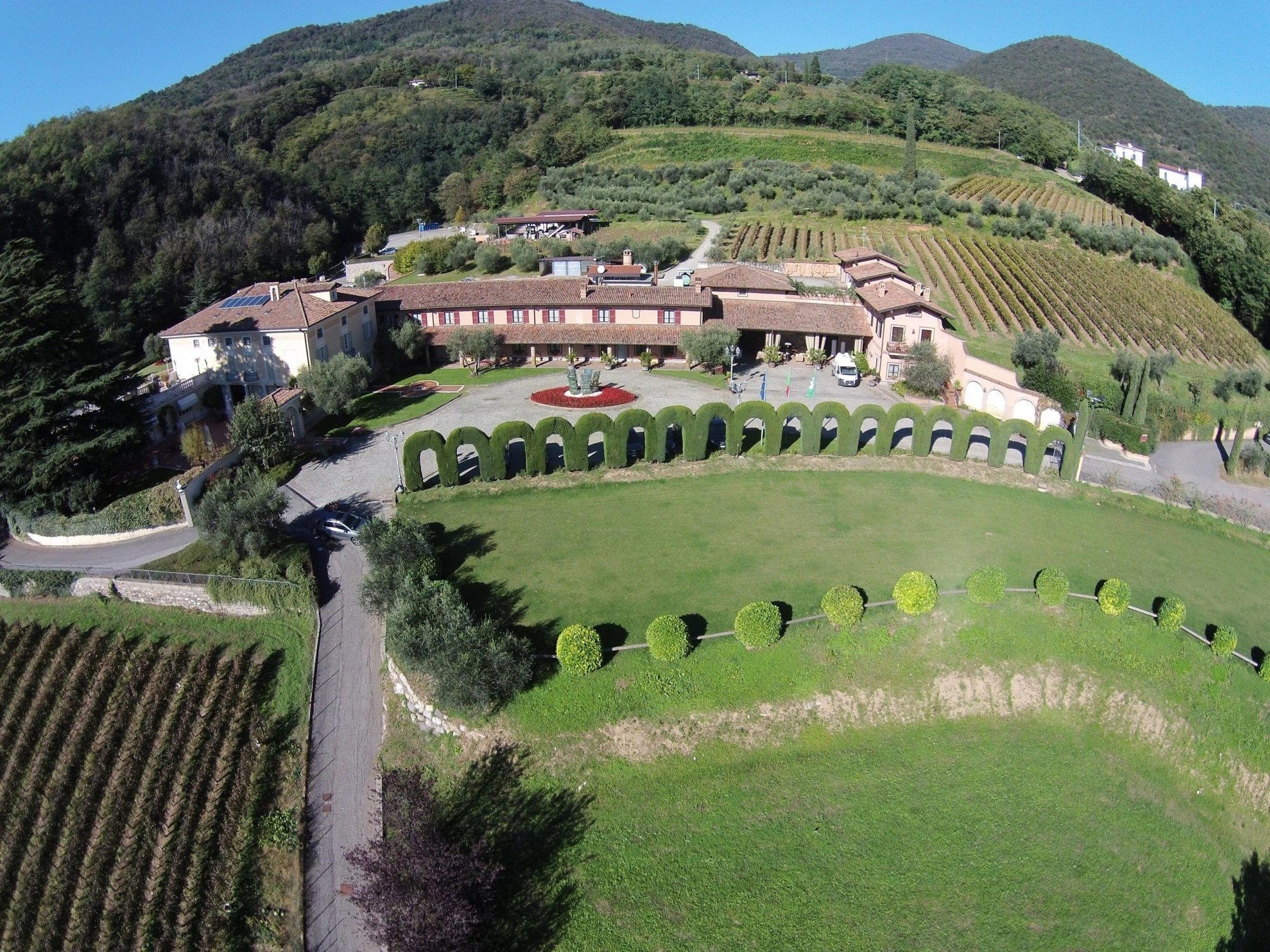
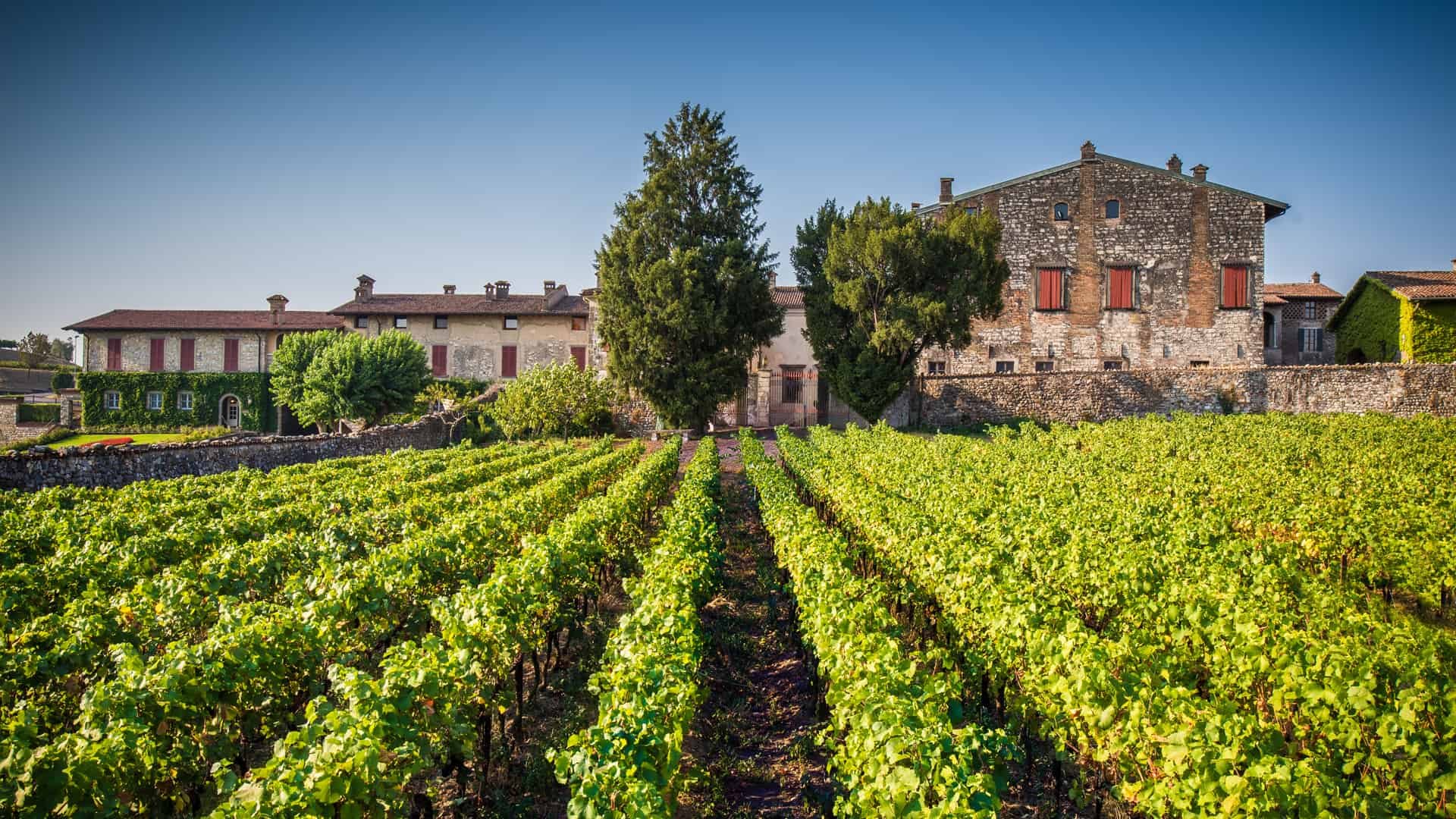
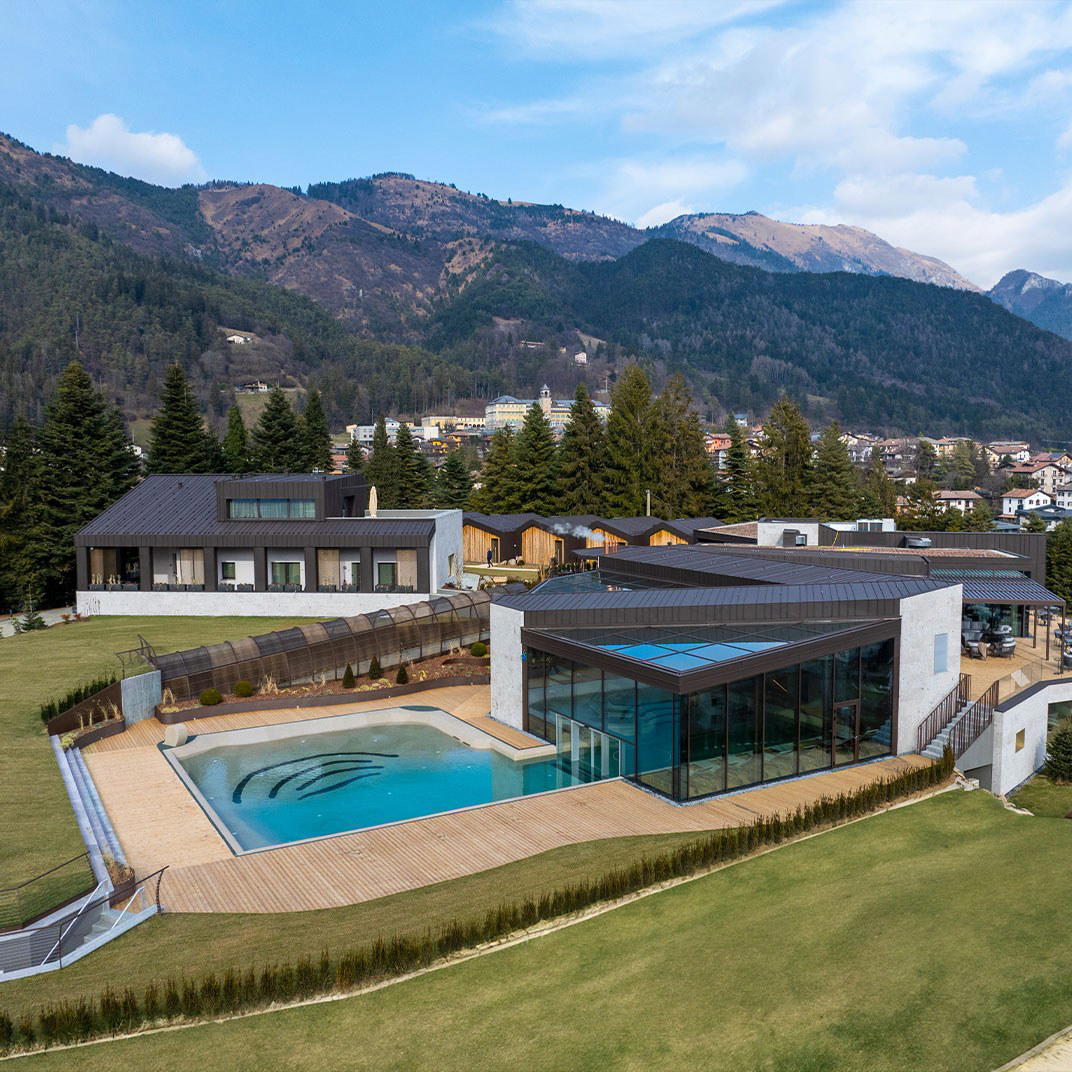
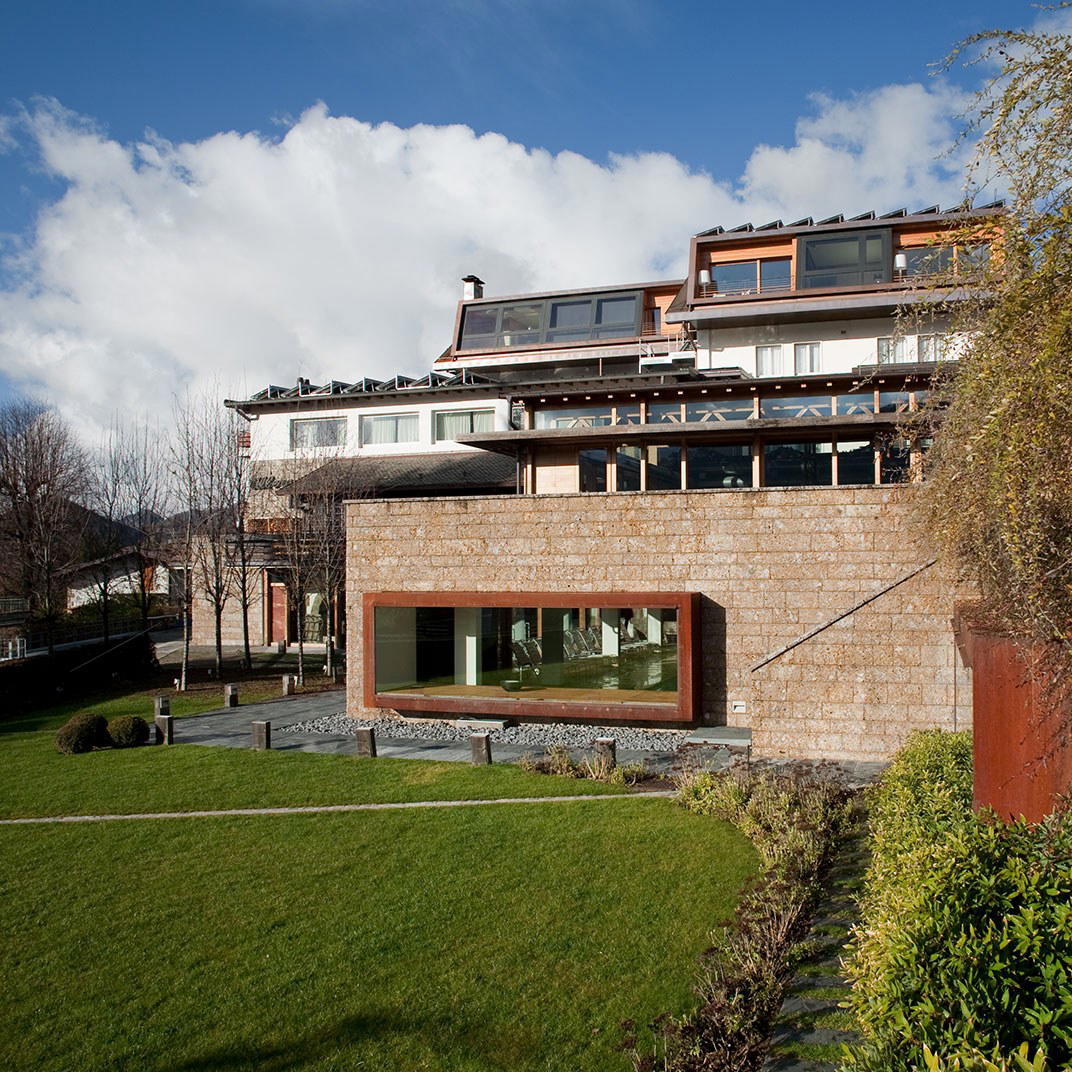
Approach Franciacorta from the hilly ground around Monticelli Brusati and the argument for sparkling wine becomes physical before it becomes technical: slopes, glacial traces, lake influence and cellar architecture all doing their part. Montina Franciacorta belongs to that reading of the region. The estate is built around a 17th-century villa, vineyards on Franciacorta terrain and more than 8,000 m² of underground cellars carved into the hillside, so the visit is not just a tasting-room stop. It is a compact lesson in how this part of Lombardy turns landscape into bottle.
Franciacorta’s reputation rests on Metodo Classico discipline rather than casual effervescence. The denomination asks producers to work within a strict sparkling-wine framework, and the serious houses are judged by vineyard control, cellar capacity, aging ambition and the ability to explain terroir without reducing it to slogans. Montina sits in the substantial estate category: about 70 hectares of vineyards, annual production around 400,000 to 450,000 bottles, and a portfolio focused on Franciacorta DOCG styles rather than a scattered range of still wines.
Hillside cellars and lake-shaped Franciacorta
The northeastern edge of Franciacorta has a different feel from wine regions built around postcard villages alone. Here the defining features are geological and climatic: morainic landforms from ancient glacial movement, hilly vineyard sites, limestone and clay-silt soils, and the moderating presence of Lake Iseo. Those conditions matter because Franciacorta is not trying to imitate Champagne by scenery; it depends on its own temperature patterns, ripening curve and soils to make traditional-method sparkling wine with local identity.
Montina’s vineyard base is planted to the classic regional cast, with Chardonnay, Pinot Nero and Pinot Bianco listed among the estate varieties. The wine focus is sparkling, and the range covers the principal Franciacorta categories: Satèn, Rosé, single-vineyard bottlings and Riserva alongside the core DOCG expressions. That spread gives the estate room to show both house style and site ambition. Satèn generally signals a softer pressure and Chardonnay-led profile; Rosé brings Pinot Nero into clearer view; Riserva and single-vineyard wines move the conversation toward aging and place.
The underground cellar is the estate’s strongest production signal. Traditional-method wine requires space, patience and stable conditions, and 8,000 m² below ground places Montina in a scale of operation beyond the small tasting-room producer. The cellar also gives the visit its architectural logic: the hillside is not a backdrop but part of the working system. In a region where premium identity often comes from the controlled tension between climate, acidity and long bottle maturation, that infrastructure carries more weight than decorative hospitality.
A Franciacorta estate built as a cultural stop, not only a cellar door
Monticelli Brusati is useful for travellers who want Franciacorta without reducing the day to a single pour. The area can be read through wineries, restaurants, small-town hospitality and Lake Iseo excursions, and Montina’s format fits that broader rhythm. The estate combines guided tastings, cellar and estate tours, a wine shop, event spaces and a permanent Contemporary Art Gallery with more than 280 works. The art component matters because it changes the register of the visit: wine tourism here is framed through architecture, collection and cultural programming as much as through bottles.
The family chronology adds depth without needing to carry the whole story. The Bozza brothers founded the winery in 1987, and the property’s older layer reaches back to a residence built in 1620 by Benedetto Montini, an ancestor of Pope Paul VI. In Franciacorta, where many producers lean on estate heritage, the more telling point is what Montina has done with that inheritance: a working winery of meaningful scale, a destination-format property and a hospitality model suited to guided visits rather than casual counter sampling.
For a broader Monticelli Brusati wine day, EP Club’s city pages help separate cellar visits from the rest of the itinerary: see Our full Monticelli Brusati wineries guide, Our full Monticelli Brusati restaurants guide, Our full Monticelli Brusati hotels guide, Our full Monticelli Brusati bars guide and Our full Monticelli Brusati experiences guide. Other winery pages in the EP Club index, including Agricole Gussalli Beretta, Antica Fratta, Lo Sparviere, Villa Franciacorta, 3GP SRL in Treviso, 47 Anno Domini in Trebaseleghe, A Mano Wine in Noci, a6mani in Fragagnano, »der Steiner« Hans Steiner in Podersdorf am See and & Handwein in Mannheim, are better used as planning references than as direct local substitutes.
How to read the wines in the glass
The useful way to approach Montina is through Franciacorta structure. A seven-label range suggests focus rather than catalogue sprawl, and the presence of Brut, Extra Brut, millesimato and pas dosé styles gives visitors a way to understand dosage, vintage expression and aging intent within the same estate language. The production philosophy is listed as sustainable, with integrated winemaking also part of the estate’s agricultural profile, but the stronger editorial point is land management at scale: dozens of hectares across hilly Franciacorta demand consistency from vineyard to cellar.
Price positioning is moderate in the broad premium-wine tourism sense, marked as $$ rather than a luxury-only proposition. That makes the estate practical for travellers who want a serious Franciacorta introduction without turning the visit into a trophy appointment. The stronger reason to go is educational: few categories in Italian wine are as misunderstood by international visitors as Franciacorta, and a property with estate vineyards, a large underground cellar, DOCG sparkling focus and cultural infrastructure can explain the region more clearly than a retail tasting alone.
Recognition history
Dated appearances from independent guides and award organizations, with the underlying list record or original source where available.
Falstaff Winery - 4 Stars
Falstaff
Continue exploring
More in Monticelli Brusati
Wineries in Monticelli Brusati
Browse all →
Bars in Monticelli Brusati
Browse all →
Restaurants in Monticelli Brusati
Browse all →
Details
- Romantic
- Elegant
- Scenic
- Classic
- Sophisticated
- Well Known
- Romantic Getaway
- Group Outing
- Celebration
- Wine Education
- Special Occasion
- Family
- Corporate Event
- Cave Tasting
- Estate Grounds
- Vineyard Tour
- Historic Building
- Design Destination
- Private Tasting
- Sustainable
- Vineyard
- Garden
- Chardonnay
- Pinot Nero
- Pinot Bianco
- Sparkling
- Guided Tasting
- Cellar Tour
- Estate Tour
- Private Experience
- Italian
- English
Current opening hours
- Monday
- Closed
- Tuesday
- Closed
- Wednesday
- Closed
- Thursday
- Closed
- Friday
- Closed
- Saturday
- Closed
- Sunday
- Closed
Hours can change for holidays and private events. Last verified .
Historic yet contemporary estate winery with extensive underground cellars, set in hilly Franciacorta countryside near Lake Iseo, combining classic architecture (17th‑century villa) with modern art and organized, professional hospitality.