Matthew Clark

Falstaff Winery - Listed
Founded in 1810, it now operates at national scale, with more than 7,000 alcohol lines, next-day delivery, wine-specialist support, and a trade-facing model shaped around restaurants, bars, hotels, and pub groups.

Pearl is the En Primeur Club membership app — saves, bookings, and concierge access live there. Same editors, same standards.
- Address
- Bristol, England, United Kingdom

For travellers using EP Club as a map of food and drink culture, the distinction matters. A winery visit usually asks what land, cellar work, and hospitality add to the glass. A wholesaler is better understood through service, organisation, and supply relationships.
That does not make the listing irrelevant. Many hospitality experiences depend on businesses that guests rarely see: wholesalers, importers, logistics teams, account support, and category planning. Matthew Clark belongs in that wider drinks context because it represents the professional side of how restaurants, bars, hotels, and other venues may organise beverage supply. The public-facing romance of the bottle is elsewhere; the identity here is commercial, service-led, and operational.
Where terroir becomes portfolio strategy
Wine language often begins with terroir: soil, slope, climate, exposure, and the decisions that turn a vineyard into a bottle. Matthew Clark sits on a different part of that chain. Its role is not production and not a visitor-facing winery setting. The useful editorial lens is therefore portfolio strategy: how a trade-focused wholesaler can sit between producers, drinks categories, and the hospitality venues that eventually present bottles, beers, spirits, or other drinks to guests.
Specifics beyond that should be treated carefully. It also does not verify any chef, menu, cuisine, lunch offering, tasting format, seat count, score, or ranking. For a guide reader, that means the page should not be used like a restaurant review.
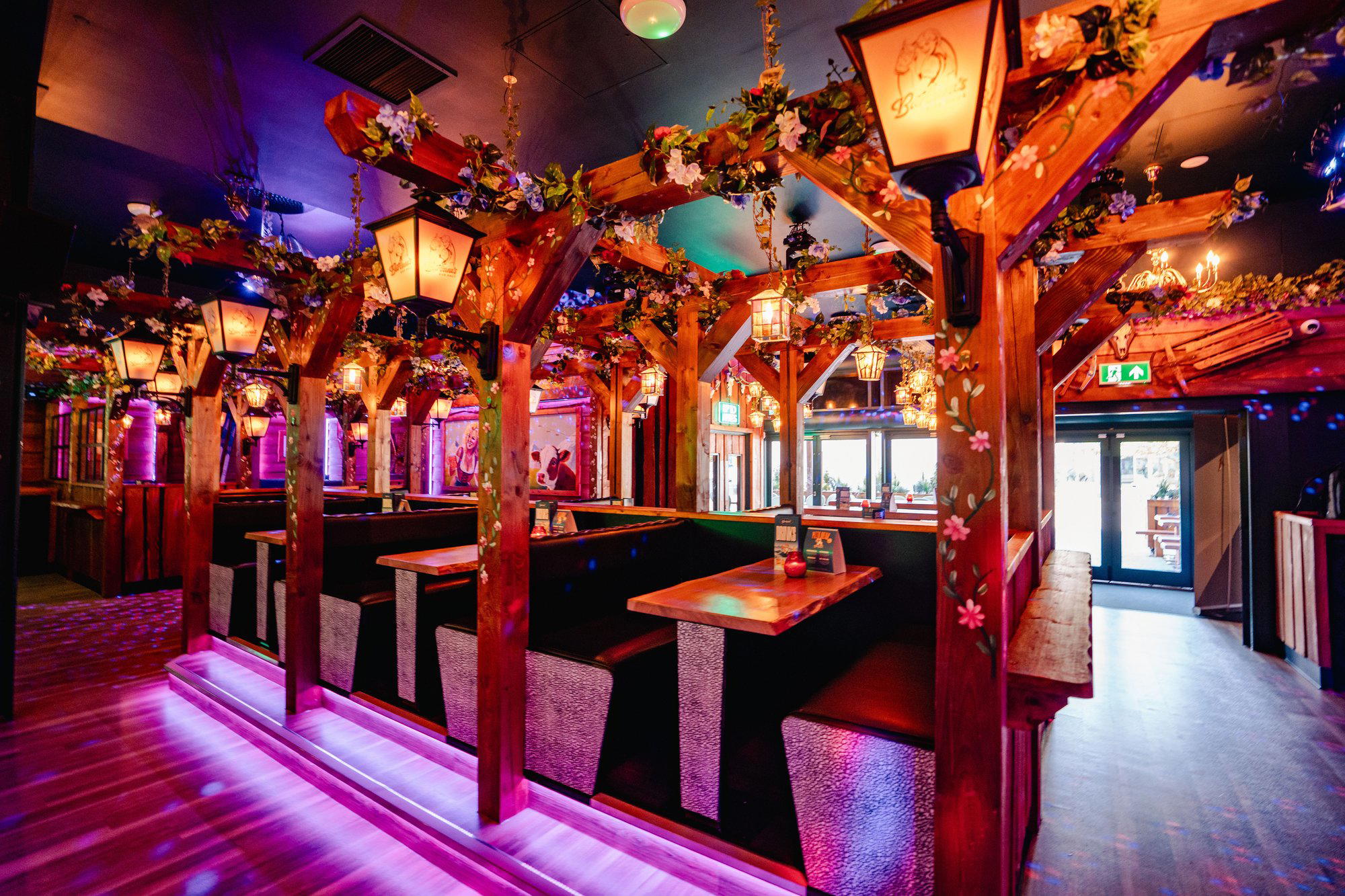
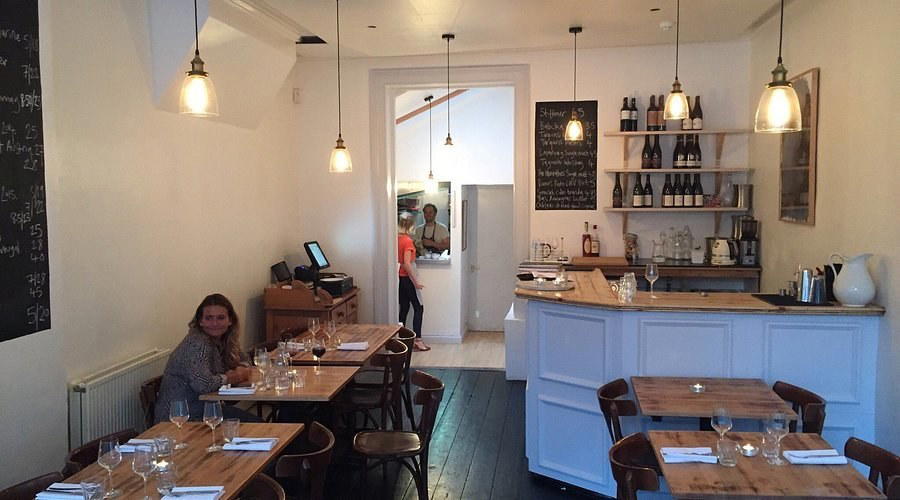
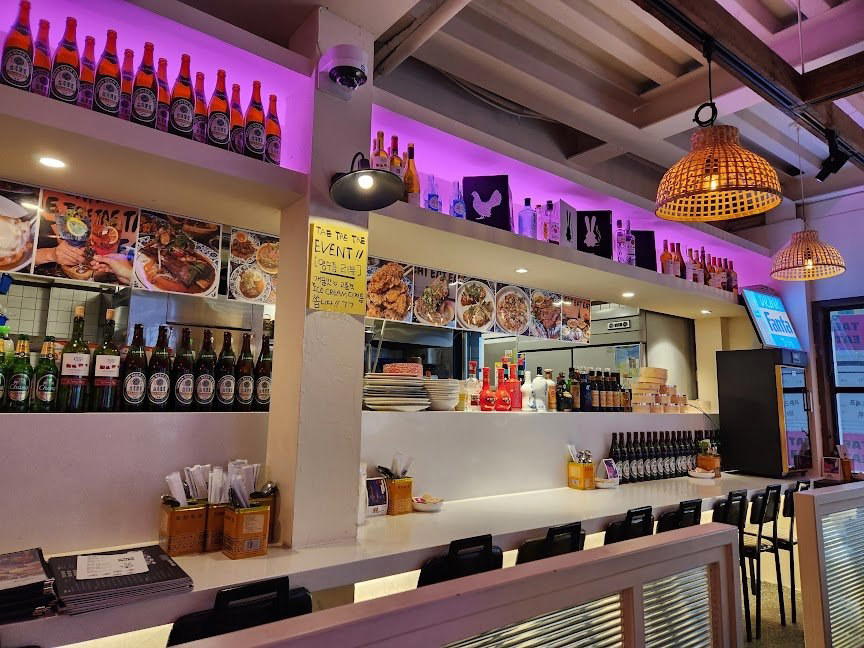
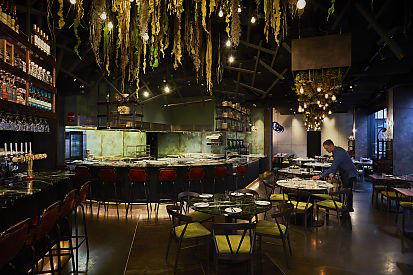
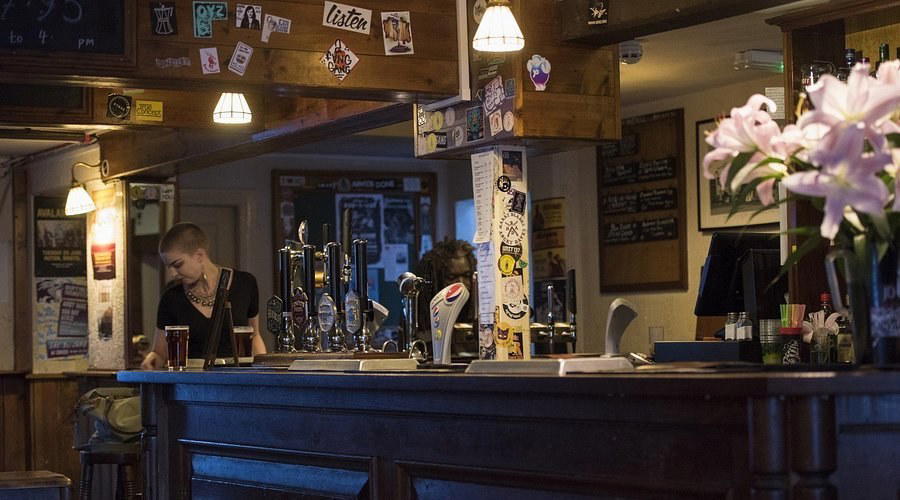
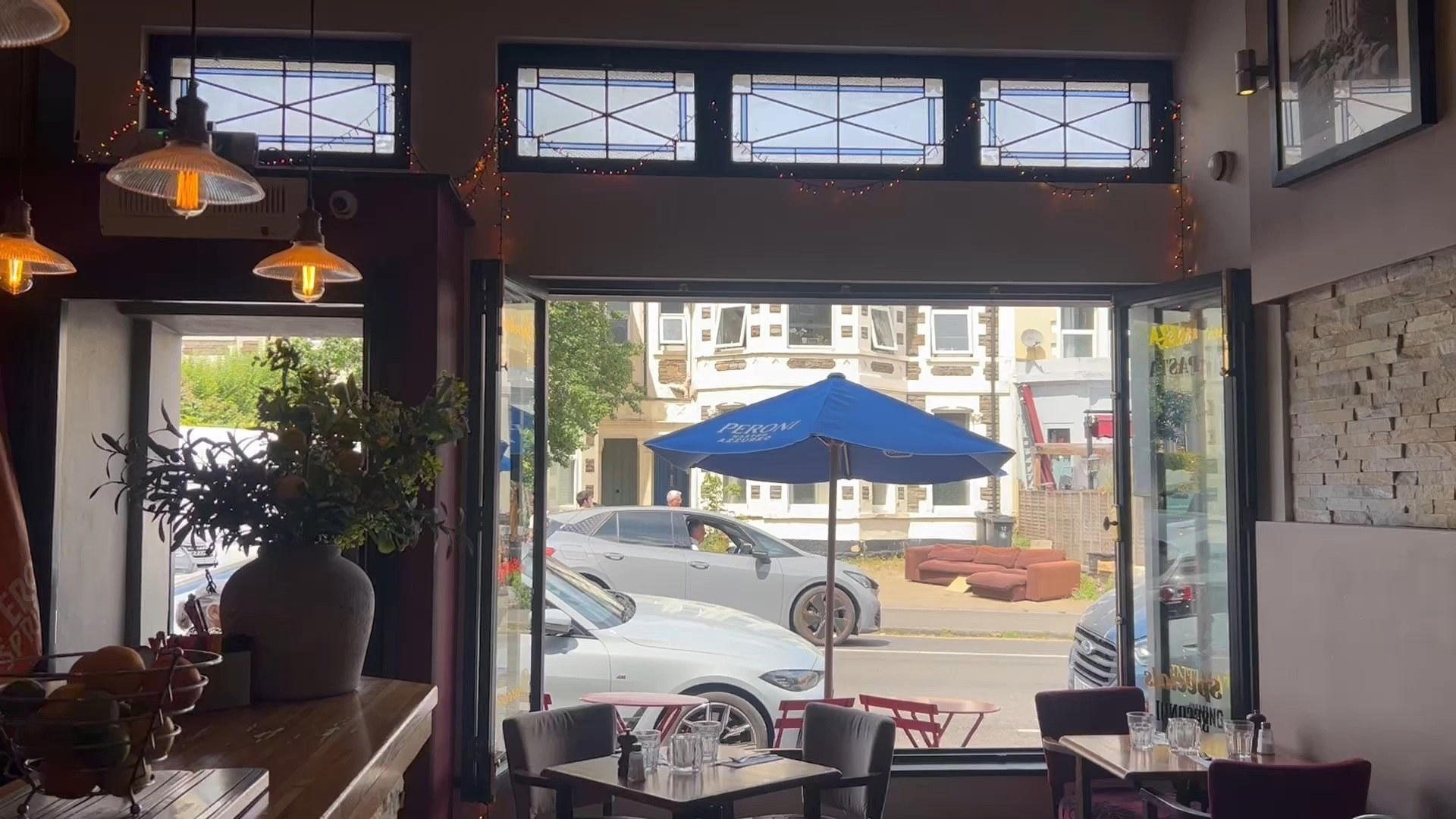
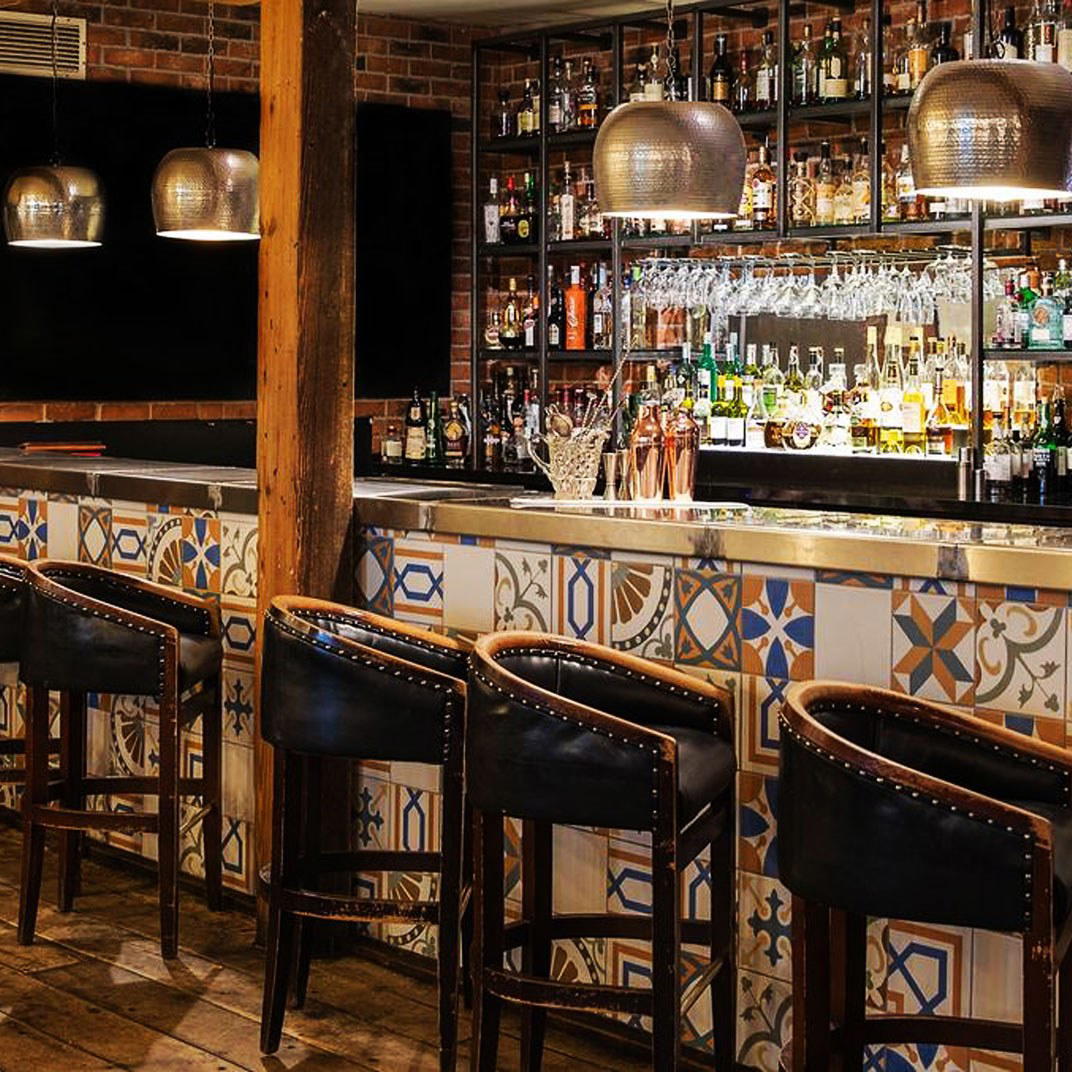
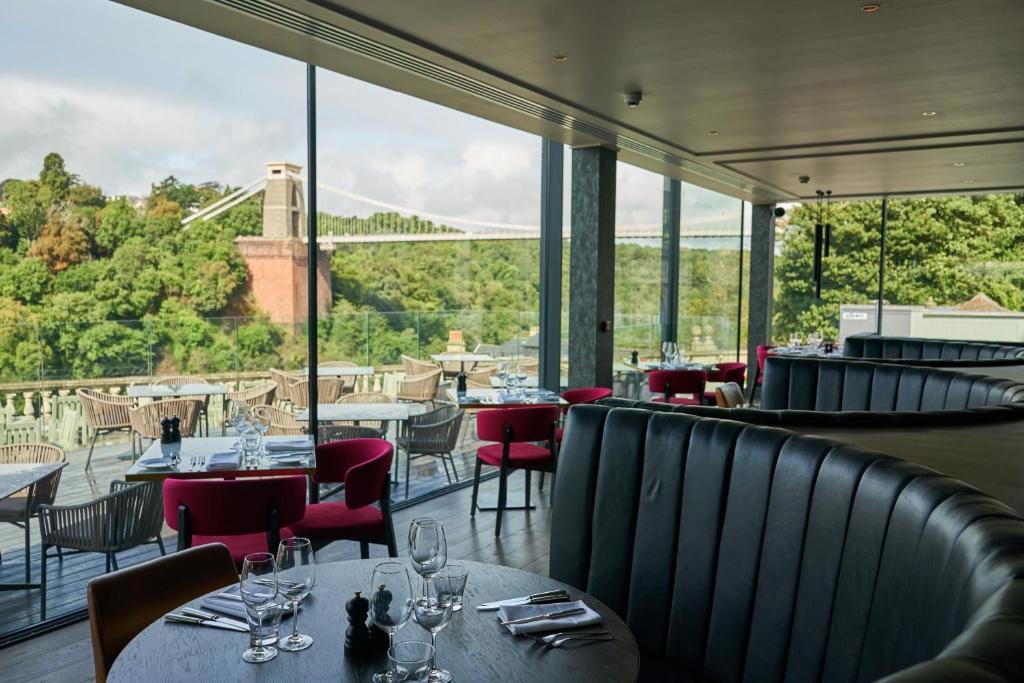
The atmosphere is the strongest confirmed detail. Matthew Clark is described as large-scale, business-focused, professional, data-driven, and service-oriented, with an industrial, modern character. Those words suggest an environment closer to offices, systems, and operational support than to vineyard views or a polished tasting counter. In premium hospitality terms, the interest lies in the back-of-house network: the practical structures that help drinks move through the trade. Matthew Clark is different. It is not confirmed as a place for a tasting menu, a cocktail session, a guided estate walk, or a casual cellar-door visit. Its value in a guide is contextual: it helps explain that hospitality is built not only by chefs, sommeliers, bartenders, and hosts, but also by businesses that support the trade behind the scenes.
The trade-facing room behind the dining room
The modern drinks world divides sharply between public experience and trade enablement. Some venues sell atmosphere directly to guests. A drinks wholesaler sells service, consistency, and business support to professional customers. Matthew Clark’s profile falls clearly into the second category.
That distinction is important because many unsupported claims can easily attach themselves to a name like this. Without evidence, it would be misleading to state a specific appointment policy, opening hours, visitor route, tasting programme, digital platform, award history, or operational scale. The price marker is listed as $$, but no specific menu, bottle price, fee, or public experience price.
In editorial terms, the most honest description is also the clearest. Matthew Clark is not being recommended here as a restaurant, bar, hotel, winery, or attraction. It is included as a drinks-trade business whose setting and purpose differ from the venues most travellers book.
The business-facing nature also changes how to think about style. A restaurant is described through service pacing, table layout, cuisine, wine pairings, or a signature dish. None of those details is for Matthew Clark. The grounded vocabulary is operational: professional, data-driven, service-led, industrial, modern, and large-scale. If your interest is the ecosystem behind hospitality, the listing has a clearer role: it points to the business infrastructure that can sit behind what appears on drinks lists elsewhere.
That infrastructure can be easy to overlook. Guests see the glass, the bottle, the list, and the service moment. They rarely see the procurement, account support, stock planning, or data-led decisions that may sit behind those visible details. Matthew Clark’s confirmed description places it in that less visible layer.
The most useful expectation is therefore modest and precise. Do not arrive expecting a confirmed public tasting counter, a restaurant, a vineyard setting, a named chef, or a published menu. Do not assume a particular access policy or service format from this profile alone.
For EP Club readers, that can still be meaningful. Premium hospitality depends on both front-of-house theatre and back-of-house competence. Matthew Clark belongs to the latter story. Its relevance is not the romance of a destination cellar door, but the practical, service-oriented world that helps drinks reach hospitality venues and, eventually, the guest experience.
Recognition history
Dated appearances from independent guides and award organizations, with the underlying list record or original source where available.
Falstaff Winery - Listed
Falstaff


Details
- Industrial
- Modern
- Well Known
- Corporate Event
- Group Outing
- Wine Education
Large-scale, business-focused drinks wholesaler with a professional, data-driven and service-oriented atmosphere rather than a traditional visitor-facing winery setting.