Luddite Wines

Luddite Wines suits travelers who want Cape wine country without the performance layer: a small hilltop farm in Bot River, shaped around Shiraz, Chenin Blanc and low-volume production. The draw is not scale or spectacle, but a vineyard-led tasting culture where the Houw Hoek mountain setting, owner-winemaker structure and minimal-intervention ethos define the visit.
Pearl is the En Primeur Club membership app — saves, bookings, and concierge access live there. Same editors, same standards.
- Address
- Cape Town, Walker Bay, iTjhingalanga Kapa, Südafrika
 Saves & bookings on Pearl
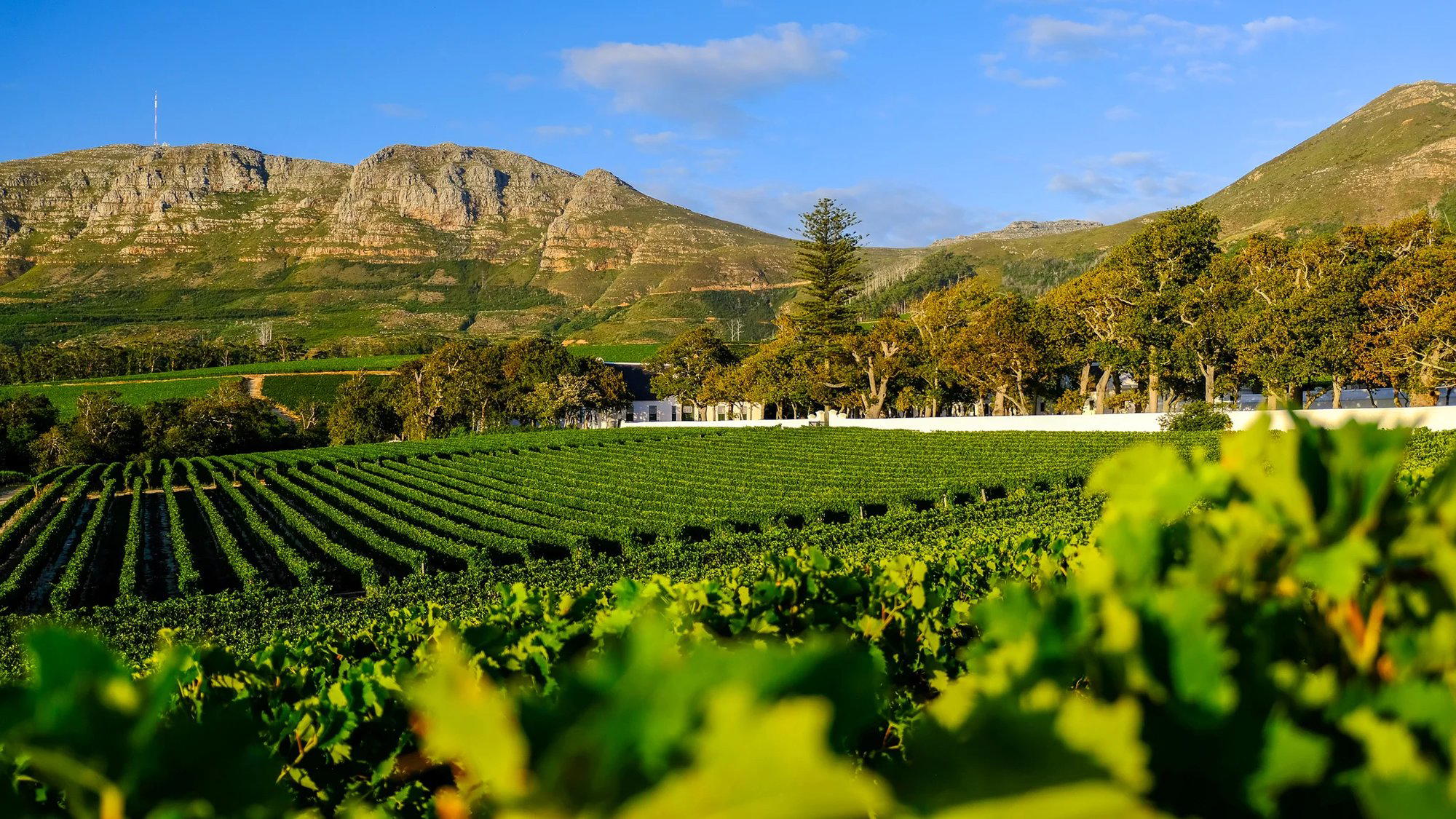
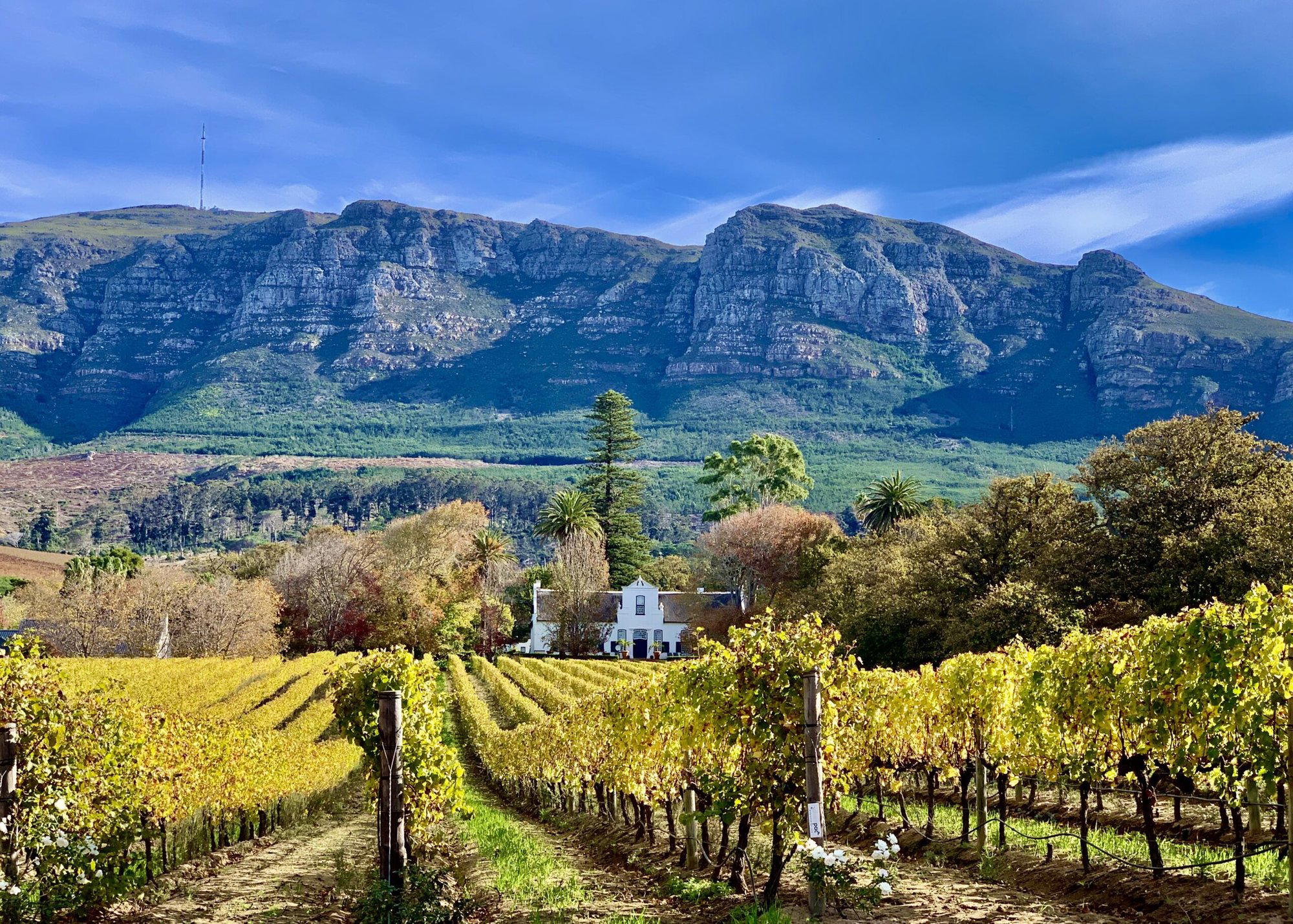
The approach to this hilltop farm is part of the argument. Bot River wine country is not built around polished tasting-room choreography; it works through passes, slopes, working farms and a slower rhythm of discovery. At Luddite Wines, the setting above the village, on the eastern slopes of the Houw Hoek Mountains, frames the wines before a glass is poured: vineyard rows, olive trees, mountain air and the quieter register of a small producer rather than a hospitality complex.
That context matters because the Western Cape has two parallel wine narratives. One is the high-visibility circuit of architect-designed estates, restaurant-led cellars and full-day itineraries. The other is producer-led, lower volume and more dependent on the relationship between site, farming and the person making the wine. Luddite Wines belongs firmly to the second camp. Its public philosophy, “technology and mechanisation will never be a substitute for passion,” is not a technical certification, but it does explain the tone: human scale, close vineyard attention and a deliberate resistance to industrial polish.
Bot River terroir through a small-batch lens
Bot River sits outside the more heavily trafficked Cape wine corridors, which gives its better small estates a different kind of appeal. The conversation is less about grand arrival moments and more about what marginality can do for wine: cooler influences, mixed farming textures, exposed routes and producers who have to make a clear case for place. Luddite Wines works from about 17 hectares, a scale that supports the estate’s boutique positioning and makes the vineyard story feel materially connected to the bottles rather than decorative.
The varietal mix is broad enough to show Cape range but focused enough to avoid feeling scattered. Shiraz/Syrah is central to the identity, joined by Chenin Blanc, Cabernet Sauvignon, Mourvèdre, Grenache Noir, Viognier, Sauvignon Blanc and Sémillon. That combination places the estate between two Cape traditions: Chenin and white blends on one side, Rhône-leaning reds and blends on the other. The wine program is therefore not a single-varietal thesis; it is a compact argument for Bot River as a place where structure, ripeness and restraint can be read across both red and white styles.
Production is described as small-batch and low-volume, with an organic philosophy and sourcing tags that include sustainable and dry-farmed. Those are meaningful signals for travelers who care about farming, though the more useful reading is practical rather than ideological: this is a winery where site and cellar decisions are meant to stay visible. The estate’s own harvest commentary from 2021 noted that lockdown and travel restrictions gave the team more time in the vineyards, a small temporal detail that says plenty about where the work is understood to begin.
A farmhouse tasting culture, not a stage set
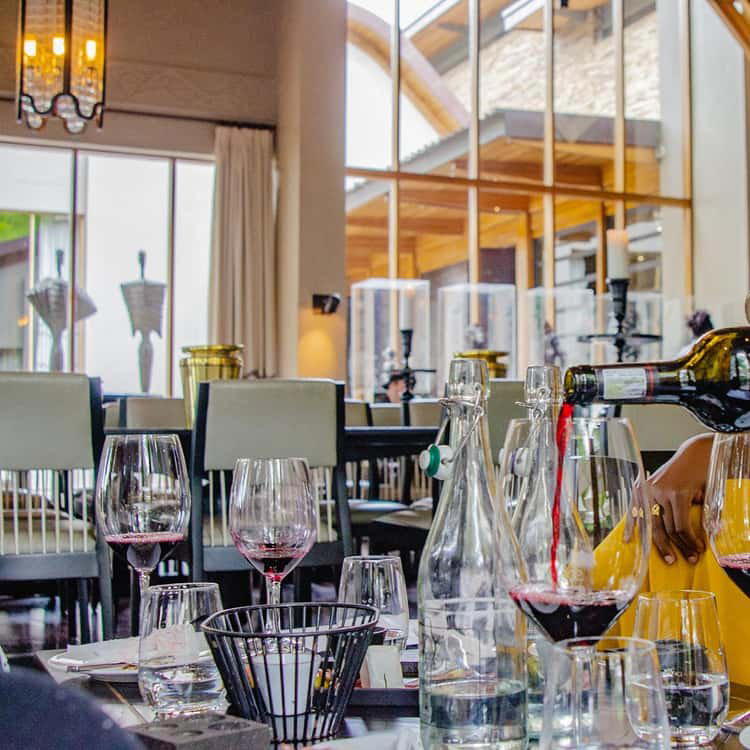
The hospitality format follows the production logic. Tastings are by appointment, with private sit-down and cellar-door counter formats listed, plus vineyard-tour and estate-grounds experience tags. The room is not the point; the exchange is. The strongest signal is the owner-winemaker structure, with Niels Verburg and Alice Verburg named as winemakers, and the estate’s reputation for tastings that can feel close to the people behind the bottles. That does not turn the visit into a personality profile. It places the estate inside a Cape tradition where access to the maker remains one of the advantages of smaller farms.
For a traveler building a Cape Town wine itinerary, this is a different proposition from a restaurant-centered estate lunch or a large cellar with fixed visitor flows. The atmosphere is quiet, casual and intimate, with mountain and vineyard views doing more of the work than design theatre. There is on-site parking, wheelchair accessibility, English-language hosting and payment by cash, credit card or debit card. Food pairing is not part of the listed offer, so the focus should stay on tasting and place rather than a long-table dining plan.
The estate is also better understood as part of a wider Cape wine conversation than as an isolated stop. For readers comparing styles across the region, EP Club’s winery coverage ranges from coastal and mountain-facing estates such as Beau Constantia to broader Cape cellar-door references including Bruce Jack and Drift Estate, Buitenverwachting and Buitenverwachting Wine Farm. The point is not to rank them against one another; it is to see how different Cape producers use setting, format and scale to shape the visitor’s reading of the wine.
Who should make the detour
The winery rewards drinkers who want a cellar-door experience with fewer distractions. The strongest fit is a traveler interested in Shiraz, Cape white varieties, small farms and the practical realities of low-volume wine production. It is less suited to visitors seeking a full hospitality campus, elaborate pairing menus or a high-energy group tasting room. The price level sits in the moderate bracket, but the value proposition is driven by access, setting and production scale rather than extras.
First-timers to Cape wine country can make sense of the estate if they already know they prefer producer-led visits over set-piece estates. Repeat visitors may get more from it, especially those who have seen the better-known routes and now want Bot River’s quieter register. The estate’s allocation status is open and shipping is available, which also makes it a practical stop for drinkers who want the visit to lead to bottles rather than remain a scenic afternoon.
For wider trip planning, keep the winery inside a Cape Town itinerary rather than treating it as an urban tasting stop. EP Club’s city guides can help frame the rest of the trip: our full Cape Town wineries guide, our full Cape Town restaurants guide, our full Cape Town hotels guide, our full Cape Town bars guide and our full Cape Town experiences guide. For a broader reading of producer-led wine travel beyond the Cape, see 4G Wines in Kapstadt, A. A. Badenhorst Family Wines in Paardeberg, Aaldering Estate in Stellenbosch, »der Steiner« Hans Steiner in Podersdorf am See, & Handwein in Mannheim and the spirits-side contrast of Cape of Storms Distilling Company.
Recognition history
Dated appearances from independent guides and award organizations, with the underlying list record or original source where available.
Falstaff Winery - Listed
Falstaff
Continue exploring
More in Cape Town
Wineries in Cape Town
Browse all →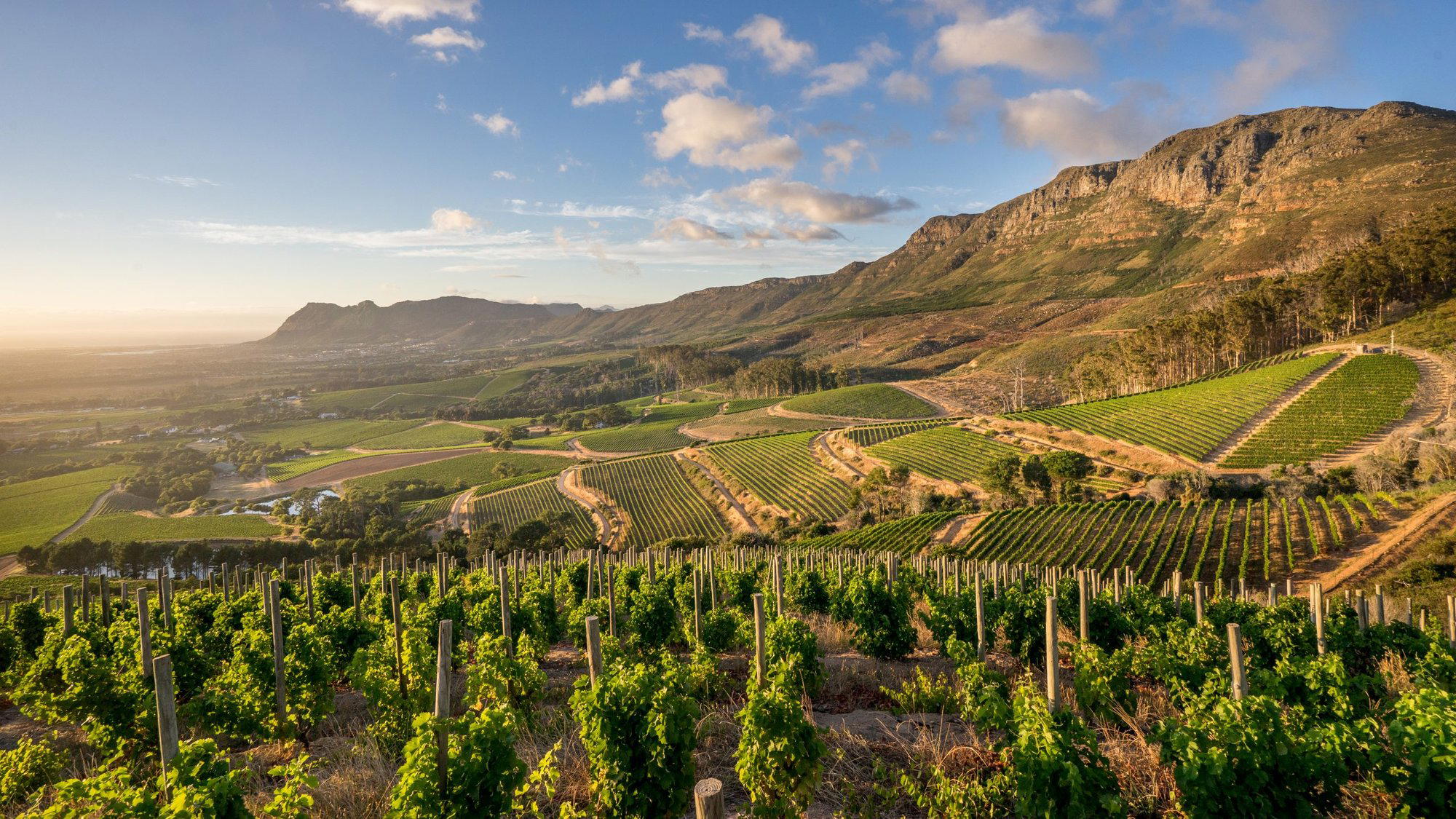
Bars in Cape Town
Browse all →
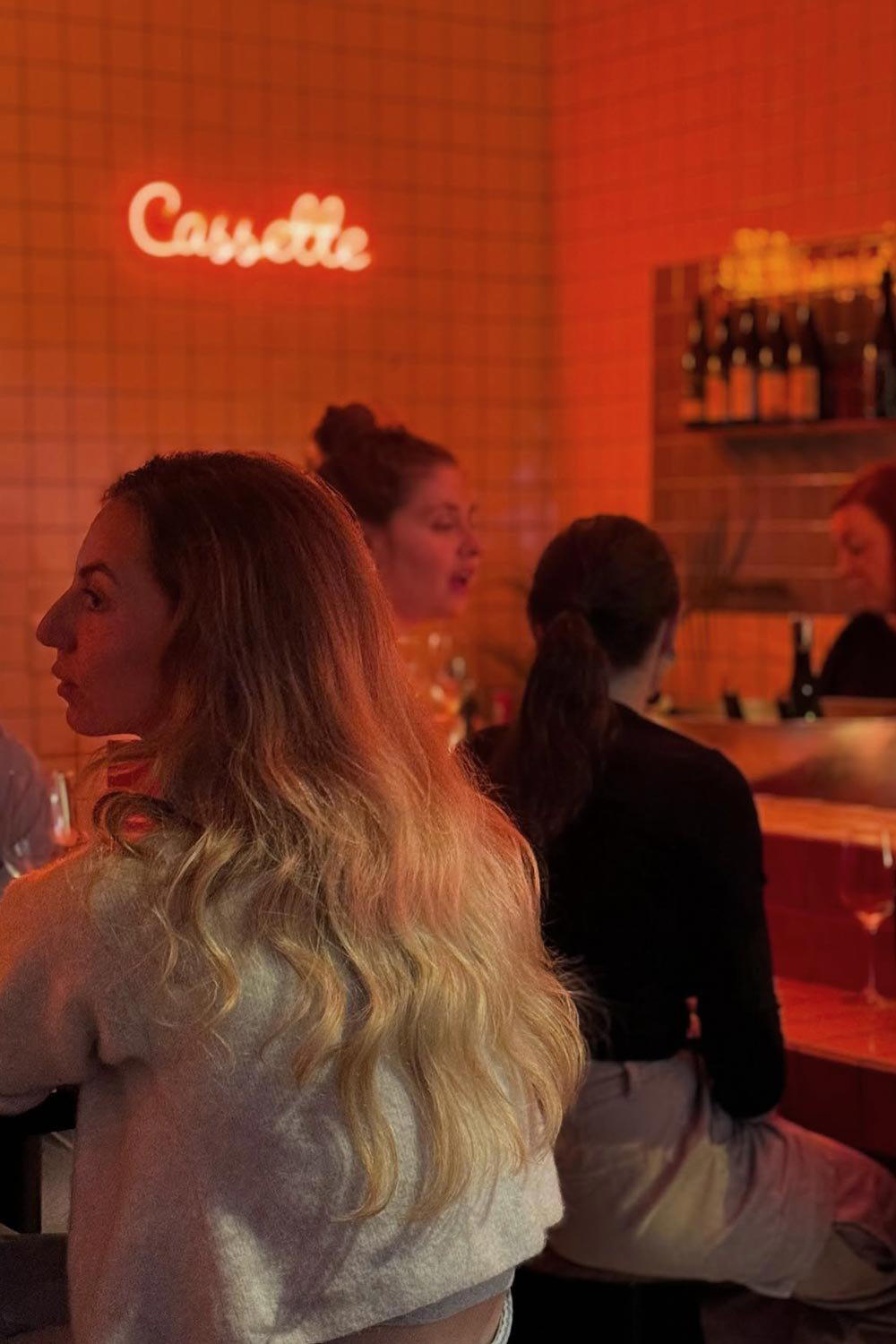
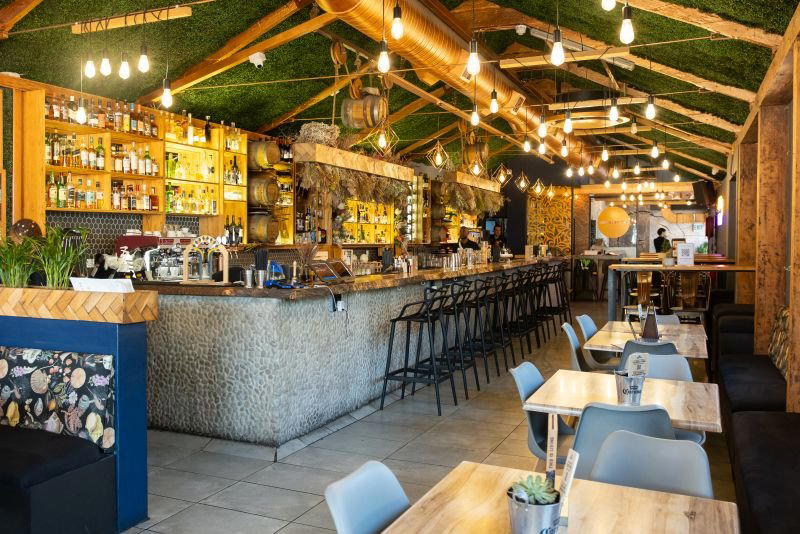
Restaurants in Cape Town
Browse all →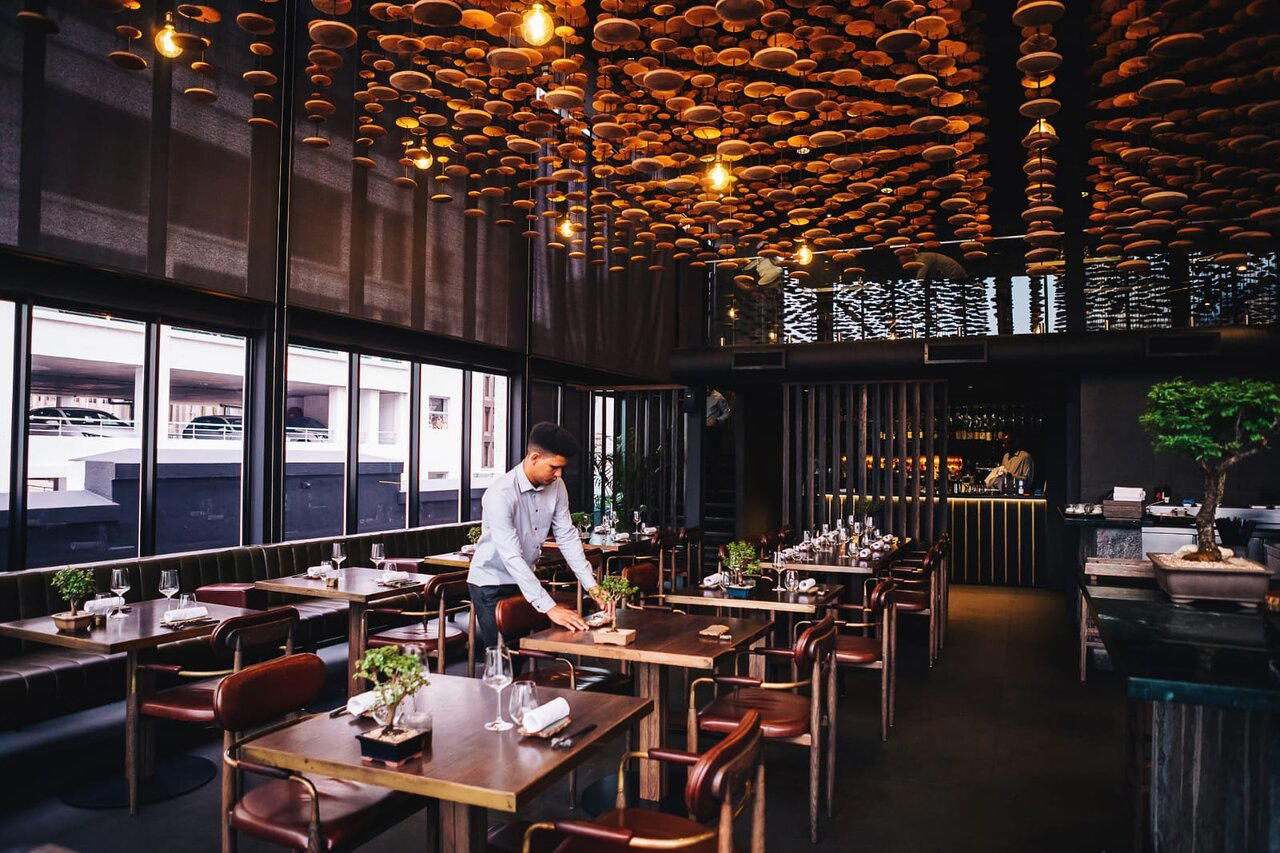
At a Glance
- Rustic
- Intimate
- Scenic
- Classic
- Romantic Getaway
- Group Outing
- Solo Exploration
- Wine Education
- Special Occasion
- Estate Grounds
- Vineyard Tour
- Private Tasting
- Organic
- Sustainable
- Dry Farmed
- Mountain
- Vineyard
- Bot River
- Shiraz/syrah
- Chenin Blanc
- Cabernet Sauvignon
- Mourvèdre
- Grenache Noir
- Viognier
- Sauvignon Blanc
- Sémillon
- Still Red
- Still White
- Cellardoorcounter
- Privatesitdown
- Byappointment
Small, family-run hilltop farm with a relaxed, intimate farmhouse feel where tastings are often hosted by the owners themselves, emphasizing authenticity and minimal-intervention craft over spectacle.