Li Veli

Falstaff Winery - Listed
Li Veli gives Salento wine tourism a serious architectural frame: a restored 19th-century masseria in Cellino San Marco, built in local carparo stone and set among estate vineyards between the Adriatic and Ionian seas. The draw is terroir-led Apulian wine, especially native varieties such as Negroamaro, Primitivo and Susumaniello, shown through a guided estate-and-cellar tasting format.

Pearl is the En Primeur Club membership app — saves, bookings, and concierge access live there. Same editors, same standards.
- Address
- Cellino San Marco, Puglia, Italien
- Directions
- Get directions

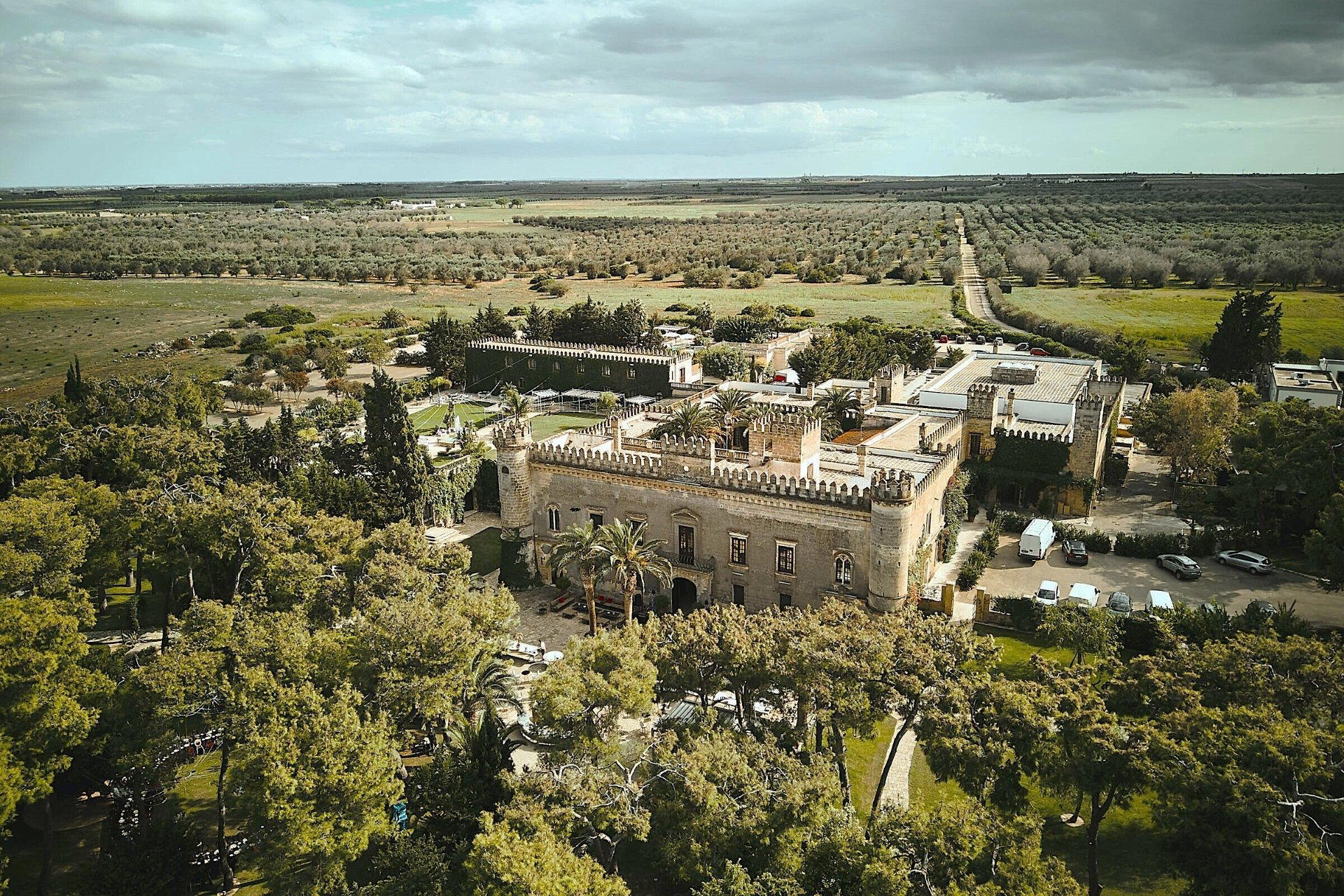
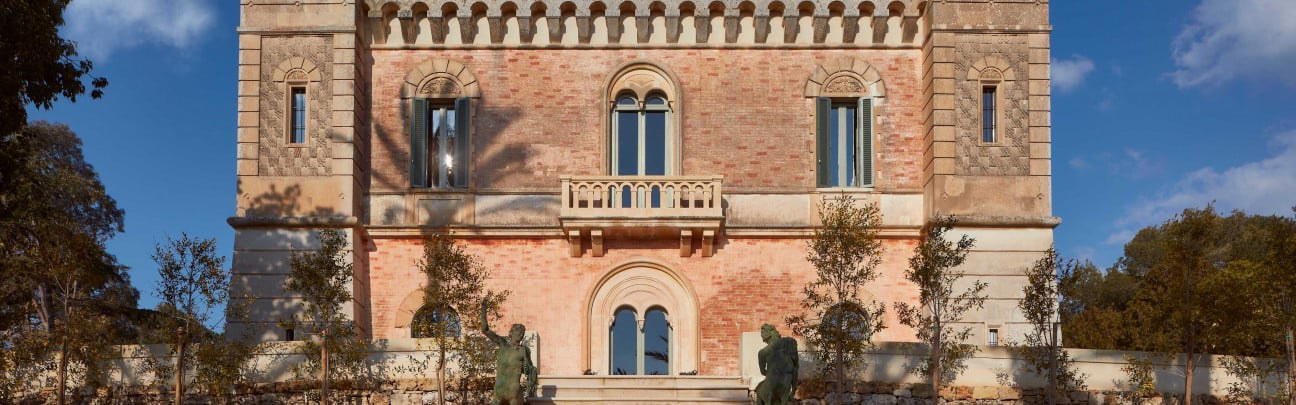
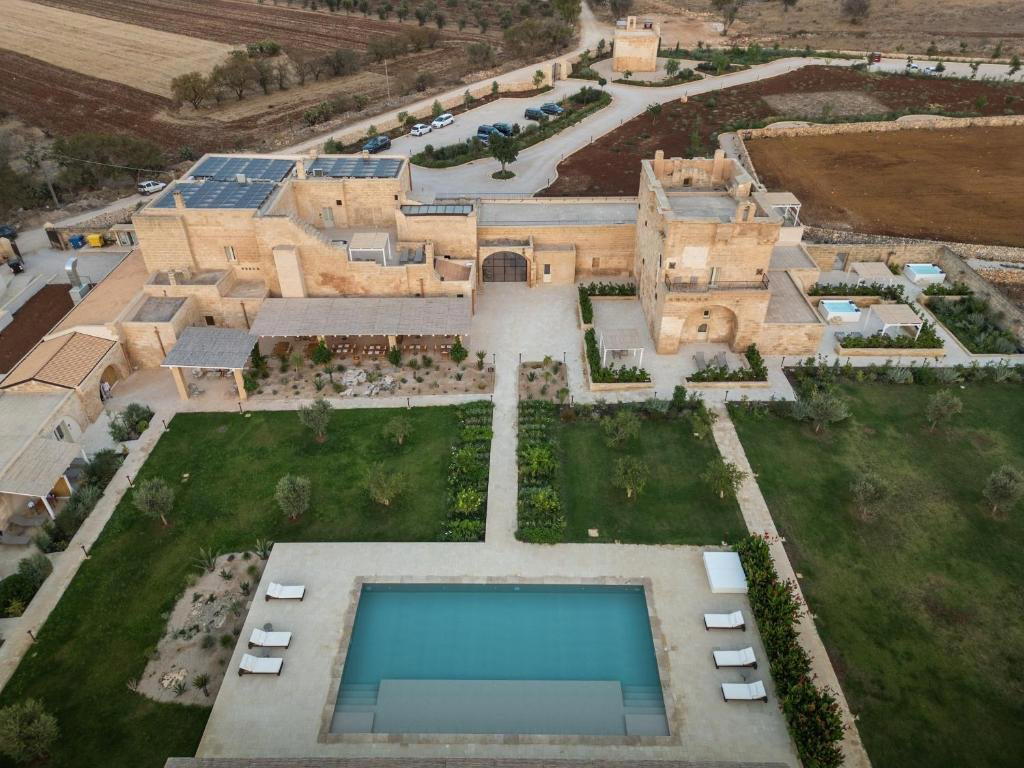
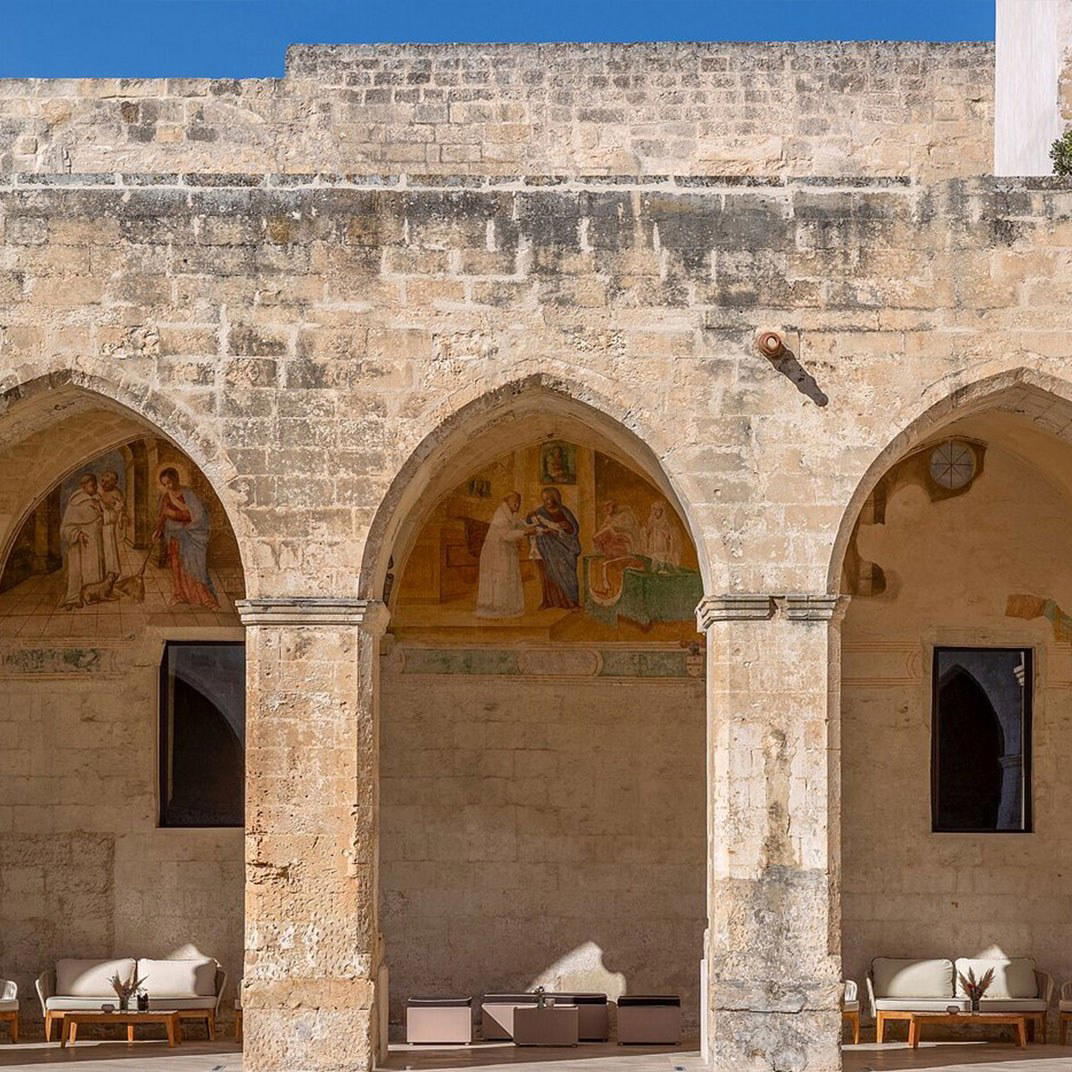
Li Veli in Cellino San Marco is grounded in the visual language of rural Salento: local carparo stone, traditional groin vaults, estate vineyards and the quiet scale of a historic Apulian masseria. The appeal here is the setting itself: a preserved 19th-century farmhouse aesthetic combined with a modern, temperature-controlled cellar and vineyards in the surrounding countryside. It is the kind of venue where the first impression is not built around a single advertised dish, label or itinerary, but around the relationship between old rural architecture and the working landscape that still frames it.
For travellers considering Li Veli, the most reliable way to frame it is as a place where architecture, cellar environment and landscape define the experience. Specific claims about menus, tasting formats, grape varieties, tour languages, opening hours or service details should be confirmed directly before planning around them. That caution matters because the strongest available information points less to a fixed visitor script and more to the atmosphere of the property: a Salento farmhouse setting, the texture of carparo stone, the geometry of vaulted interiors and the presence of vineyard land around the estate.
Historic masseria character in the Salento countryside
Li Veli’s confirmed identity is tied to Cellino San Marco and the surrounding Salento countryside rather than to a public list of specific grapes, dishes or tasting formats. The setting pairs historic agricultural architecture with contemporary cellar control, which gives the venue its clearest point of distinction. In practical terms, that means the venue is best understood through what can be seen and situated: the farmhouse form, the rural context and the cellar environment that has been brought into dialogue with the older structure.
The masseria character is central: preserved carparo stone and traditional groin vaults keep the farmhouse atmosphere legible, while the temperature-controlled cellar signals a modern cellar environment. That contrast is the most grounded way to understand the venue from the information available. The stone and vaults are not minor decorative notes in this reading; they are the architectural language that anchors the place in Salento. At the same time, the modern cellar element prevents the experience from feeling like a purely static heritage setting. The result is a venue whose identity comes from balance: rural Apulian continuity on one side, contemporary cellar control on the other.
Pricing is listed at $90 per person. As with the other practical details, travellers should treat that figure as a planning reference and confirm directly if the exact inclusions, availability or current arrangements are important to the visit.
Heritage stewardship rather than museum nostalgia
Li Veli’s physical character rests on a preserved 19th-century farmhouse aesthetic. Rather than treating the masseria as a decorative backdrop, the venue’s strongest confirmed feature is the way historic Apulian building elements remain part of the contemporary cellar setting. This gives the property a different feel from a venue described only through production data or hospitality packages. The emphasis here is on stewardship of a rural architectural language: keeping the sense of a working farmhouse environment visible while allowing the cellar to function within a more controlled, modern framework.
The surrounding estate vineyards add to that sense of continuity between land and building. With only limited operational detail available, the safest reading is architectural and atmospheric: a historic rural property in Cellino San Marco with a modern cellar embedded in the setting. The vineyards are important because they complete the picture of place. They connect the stone masseria and cellar interiors to the broader Salento countryside, making the venue feel rooted in its immediate landscape rather than isolated from it. For visitors, that context may be as significant as any more formal programme, because it helps explain why the property is described through materials, structure and land.
Visitors who need those specifics should confirm them with Li Veli directly. The same applies to any assumptions about the rhythm of a visit, the content of a tasting, or the presence of food service. Without details, it is better to avoid over-reading the venue and instead recognise the confirmed strengths: historic farmhouse character, modern cellar infrastructure and the surrounding estate landscape.
How to read the visit
Read Li Veli first as a Cellino San Marco venue shaped by masseria architecture, cellar infrastructure and vineyard surroundings. That framing keeps expectations aligned with what is actually supported. It also makes the venue easier to place within a broader Salento itinerary: not as a checklist of offerings, but as a rural Apulian setting where the physical environment is the main attraction.
For planning, keep expectations focused on the confirmed strengths: the historic Apulian masseria in carparo stone, traditional groin vaults, a modern temperature-controlled cellar and estate vineyards in the Salento countryside. That distinction is useful for travellers comparing venues, because Li Veli’s clearest appeal lies in the coherence of its setting rather than in any confirmed list of services or add-ons.
Travellers building a wider itinerary should confirm current availability, exact inclusions and practical arrangements directly with Li Veli before making plans. A direct check is especially important if the visit depends on timing, language, format, group size or any particular hospitality expectation. With those details clarified, Li Veli can be approached on the terms that are most securely established here: as a Salento masseria setting where preserved rural architecture, a controlled cellar environment and estate vineyards create the essential experience.
Recognition history
Dated appearances from independent guides and award organizations, with the underlying list record or original source where available.
Falstaff Winery - Listed
Falstaff
Continue exploring
More in Cellino San Marco
Wineries in Cellino San Marco
Browse all →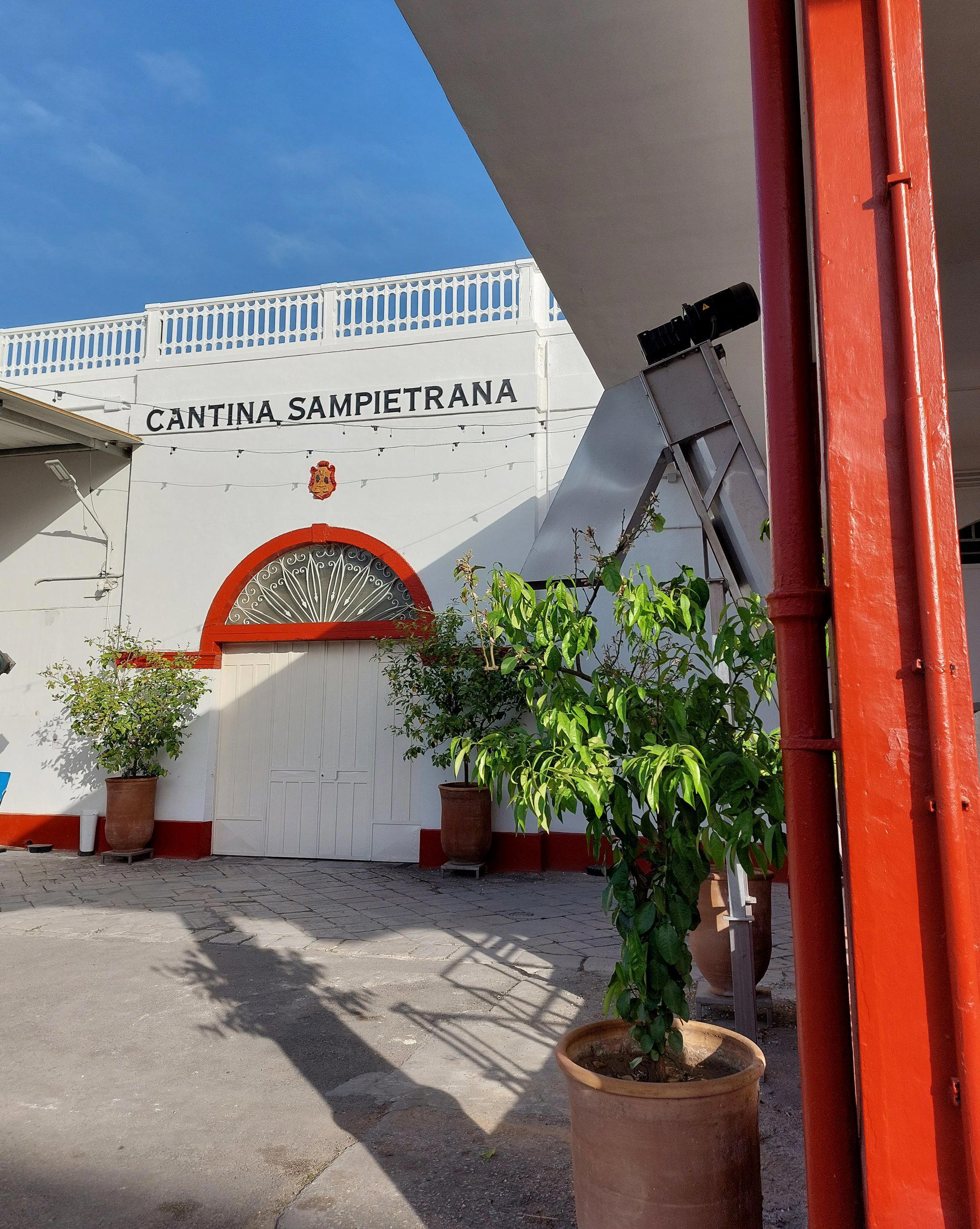
Bars in Cellino San Marco
Browse all →
Restaurants in Cellino San Marco
Browse all →
Details
- Classic
- Rustic
- Scenic
- Elegant
- Group Outing
- Wine Education
- Romantic Getaway
- Special Occasion
- Solo Exploration
- Family
- Estate Grounds
- Barrel Room
- Vineyard Tour
- Historic Building
- Private Tasting
- Sustainable
- Organic
- Vineyard
- Garden
- Negroamaro
- Primitivo
- Susumaniello
- Malvasia Nera Di Lecce
- Aleatico
- Verdeca
- Minutolo
- Fiano
- Still Red
- Still Rosé
- Still White
- Dessert
- Guided Tasting
- Estate Tour Plus Tasting
- Vertical/current Vintage Tasting
- Italian
- English
Historic Apulian masseria built in local carparo stone with traditional groin vaults, combining a preserved 19th‑century farmhouse aesthetic with a modern, temperature‑controlled cellar and estate vineyards in the surrounding Salento countryside.