Castello Monaci

Castello Monaci frames Salento wine through place rather than spectacle: Negroamaro, Primitivo and Verdeca grown around a historic castle estate, shaped by maritime wind, strong sun and sustainable vineyard work. The experience is strongest for travellers who want vineyard context, cellar architecture and guided tasting in the Salice Salentino countryside, with food pairing and event hospitality folded into the estate format.
Pearl is the En Primeur Club membership app — saves, bookings, and concierge access live there. Same editors, same standards.
- Address
- Salice Salentino, Puglia, Italien
- Directions
- Get directions
 Saves & bookings on Pearl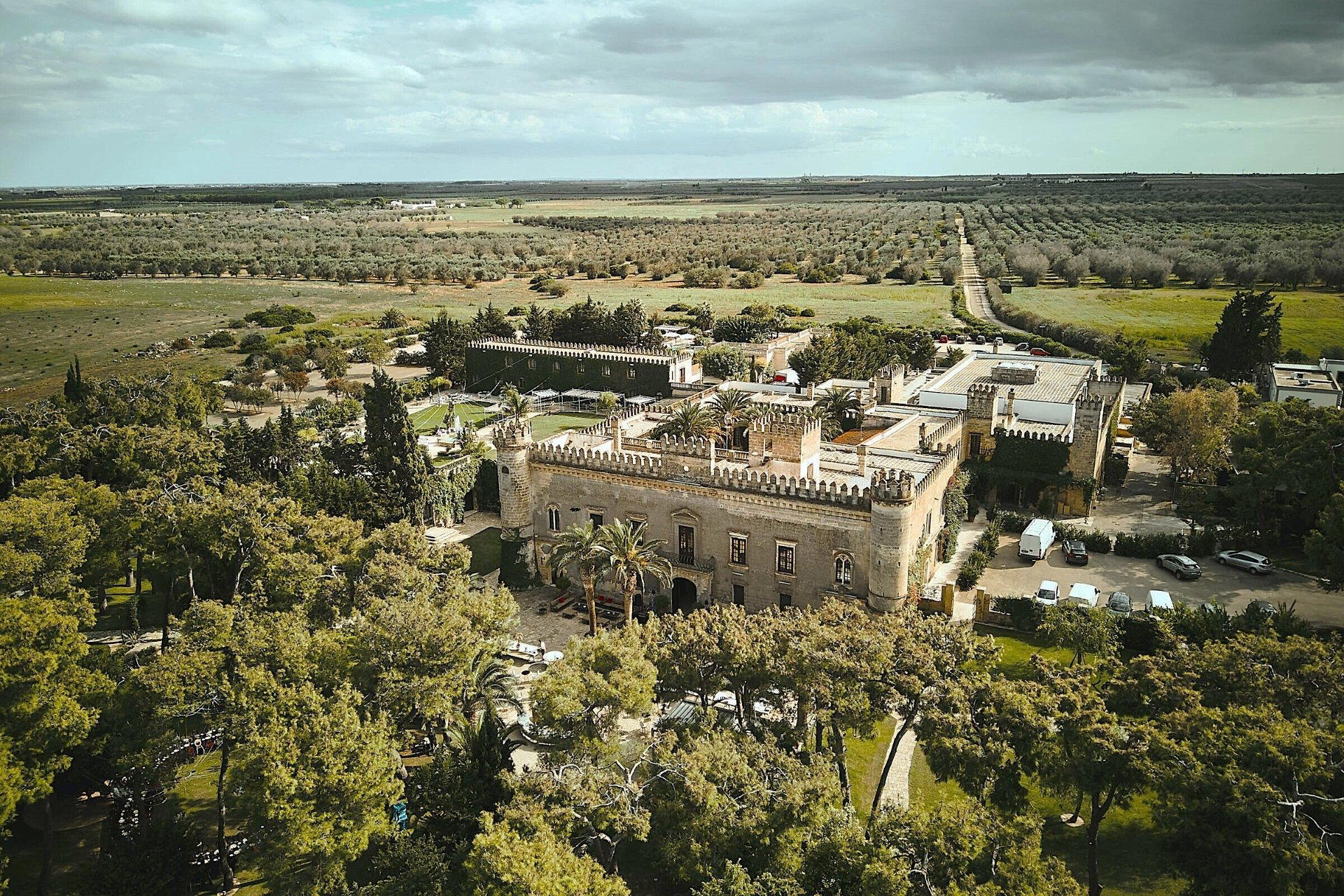
Approaching Castello Monaci means entering the version of Puglia where wine is inseparable from stone, wind and agriculture. The castle gives the estate its theatrical outline, but the more important frame is viticultural: olive trees, vineyard rows and a Salento climate pushed by two seas. This is not a tasting room built as an accessory to tourism. It is a production estate where the visitor experience is tied to indigenous grapes, cellar work and the long local argument for Negroamaro and Primitivo as serious southern Italian varieties.
Salice Salentino has a different rhythm from the prestige corridors of northern Italian wine. The region’s identity has historically rested on generous reds, maritime exposure and the durability of native grapes in heat. Castello Monaci sits inside that conversation with roughly 150 hectares, more than 350 acres, of vineyards around the castle, plus additional holdings near Brindisi for white varieties. The estate’s scale matters because it places the visit beyond the small family cellar category, while the castle and guided format keep it from feeling like a detached production plant.
Salento sun, two-sea wind and the case for native grapes
The strongest reason to pay attention here is terroir expression in a warm-zone context. Puglia gives abundant sun; the Salento peninsula tempers it with Adriatic and Ionian influence. That push and pull explains why the estate’s core grapes are Primitivo, Negroamaro and Verdeca rather than imported varieties used as shortcuts to familiarity. Salice Salentino DOC also gives Negroamaro formal weight, with the appellation requiring at least 75 percent of the grape in its red wines.
In practical wine terms, the estate’s portfolio covers still red, white and rosé, but the editorial centre is the local trio. Negroamaro carries the regional argument, Primitivo brings breadth and depth, and Verdeca gives the white-wine counterpoint in a part of Italy often discussed through reds. The production approach reinforces that reading: vineyard parcels are cultivated, harvested and vinified separately, a useful signal for travellers who care about site distinction rather than generic regional branding.
The sustainability work is not a decorative claim here. Castello Monaci achieved ISO 14001 certification in 2004, uses renewable electricity through its own photovoltaic system or recovered renewable sources, monitors water efficiency, manages waste through recycling processes and sets aside land to support biodiversity. Night harvesting also has a technical purpose in this climate, bringing grapes in at lower temperatures to protect acidity and freshness before fermentation. For a warm Mediterranean estate, those choices are not marginal; they shape the difference between ripeness and heaviness.
The cellar visit gives the estate its strongest argument
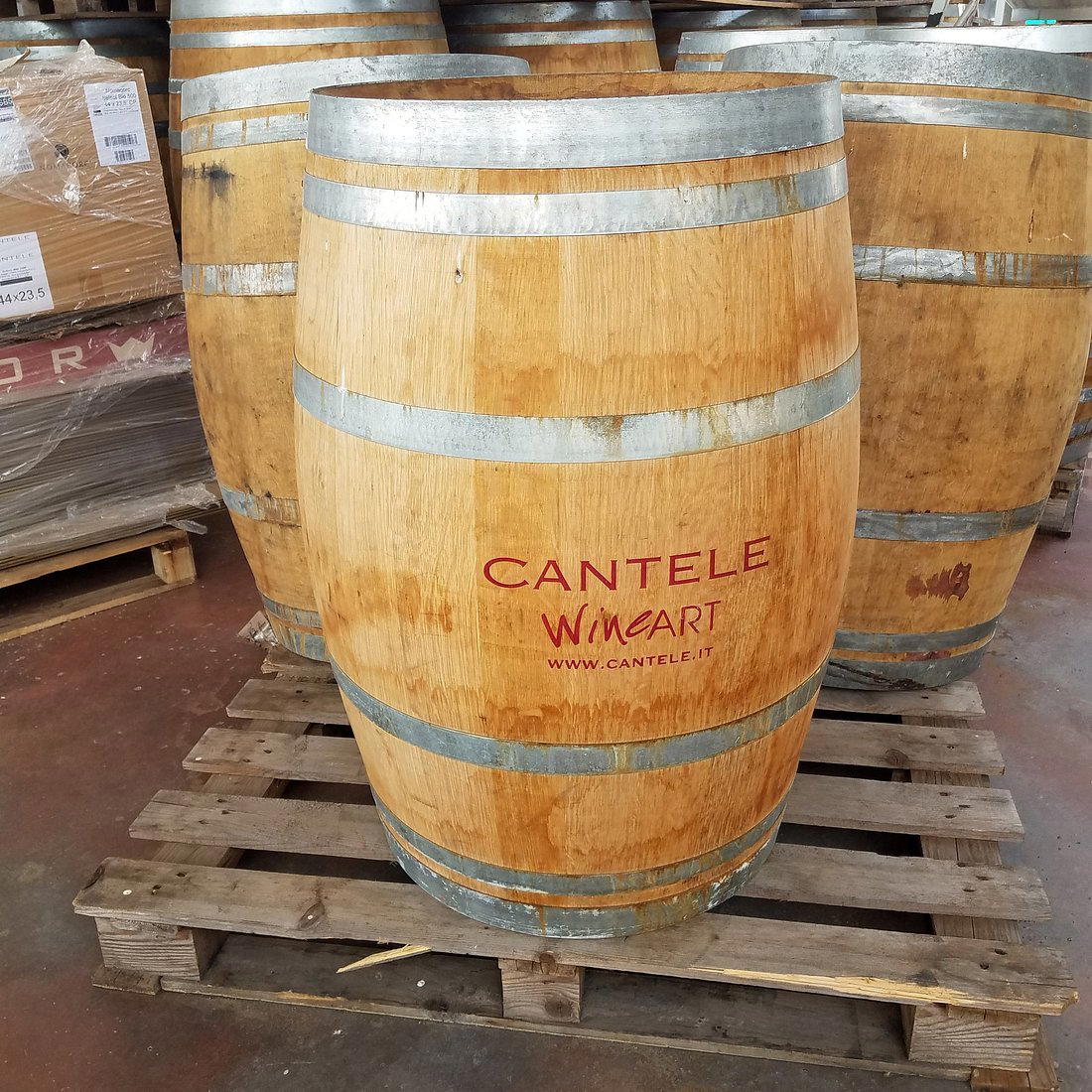
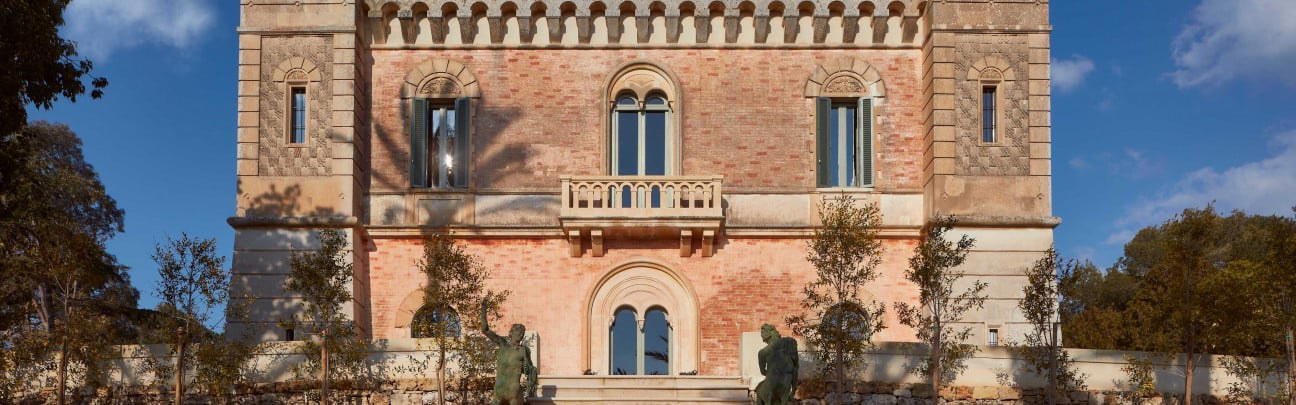
The estate’s historic face is the 16th-century castle, but the barrel cellar is where the visit becomes more than scenery. The ageing space is dug into tufa, a natural insulating stone, and holds 1,000 barriques plus 18 French oak barrels. That combination of architectural drama and functional temperature control explains why the guided cellar component carries more weight than a simple pour at a counter.
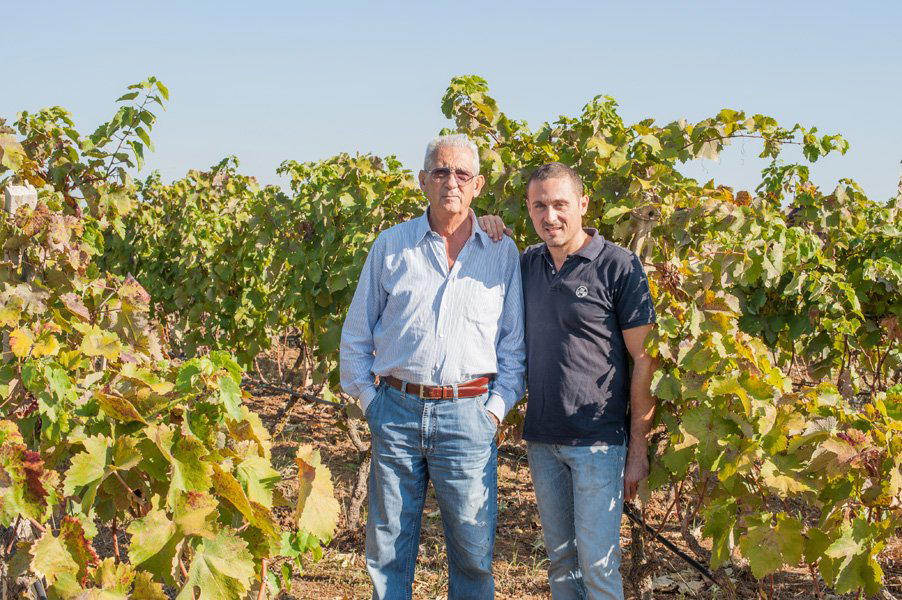
Chief winemaker Leonardo Sergio has led the winemaking since 2000, a long tenure in a region where local knowledge matters. His role should be read less as a personality story than as a continuity signal: the estate’s growth, parcel work and native-grape focus have all needed stable technical direction. The property has also expanded from 20,000 bottles less than two decades ago to nearly 2 million bottles, a leap that makes its production discipline a fair subject of scrutiny. Separate vinification, sustainability controls and the tufa cellar are the evidence that scale has not erased the agricultural premise.
The tasting experience is structured around guided formats: estate tour plus tasting, vineyard walk, barrel cellar visit and private tasting options. Food pairing is part of the hospitality program, with local cheeses and cured meats used alongside six-wine gourmet tastings. That pairing format is well matched to Salento reds, where local fat, salt and dairy help frame the structure of Negroamaro and Primitivo without forcing the wines into a restaurant-style tasting menu.
The castle also operates as a high-end events and wedding venue, which changes the atmosphere. Travellers looking for a silent, monastic cellar may find the estate polished and occasion-oriented. That is not a weakness if expectations are set correctly. The winery is strongest when treated as a complete estate visit: vineyards, historic architecture, cellar infrastructure and a tasting program designed for guests who want context as much as the glass.
How to place it in a Salice Salentino itinerary
For a wine-focused trip through Salice Salentino, this estate works as an anchor rather than a quick stop. The setting, guided format and cellar component reward time on site, while the local grape focus gives a clear framework for understanding the wider area. Travellers building a broader route can pair it with the Our full Salice Salentino wineries guide, then widen the plan through the Our full Salice Salentino restaurants guide, Our full Salice Salentino hotels guide, Our full Salice Salentino bars guide and Our full Salice Salentino experiences guide.
For readers mapping Italian wine beyond Salento, the useful lens is contrast rather than ranking. Nearby winery pages such as Leone de Castris and Vini Minicune help frame the local scene, while broader entries including A Mano Wine in Noci, a6mani in Fragagnano, Abbadia Ardenga in Torrenieri, Abbazia di Crapolla in Neapel, 3GP SRL in Treviso, 47 Anno Domini in Trebaseleghe, »der Steiner« Hans Steiner in Podersdorf am See and & Handwein in Mannheim show how different European wine regions build hospitality around place, scale and cellar identity.
Recognition history
Dated appearances from independent guides and award organizations, with the underlying list record or original source where available.
Falstaff Winery - Listed
Falstaff
Continue exploring
More in Salice Salentino
Wineries in Salice Salentino
Browse all →
Bars in Salice Salentino
Browse all →
Restaurants in Salice Salentino
Browse all →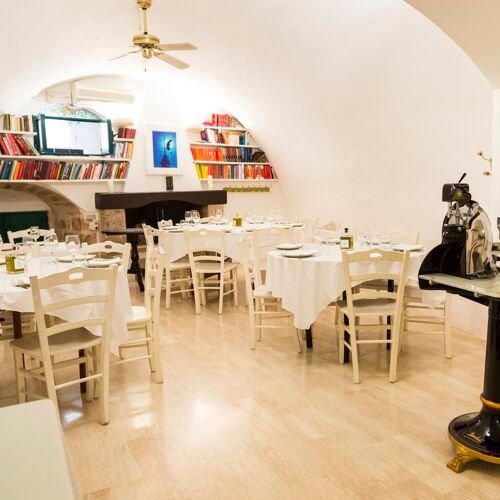
At a Glance
- Romantic
- Elegant
- Classic
- Scenic
- Well Known
- Sophisticated
- Special Occasion
- Romantic Getaway
- Corporate Event
- Group Outing
- Wine Education
- Celebration
- Estate Grounds
- Vineyard Tour
- Historic Building
- Barrel Room
- Private Tasting
- Garden
- Sustainable
- Zero Waste
- Vineyard
- Garden
- Salice Salentino DOC
- Primitivo
- Negroamaro
- Verdeca
- Still Red
- Still White
- Still Rosé
- Guided Tasting
- Estate Tour Plus Tasting
- Barrel Cellar Visit
- Vineyard Walk
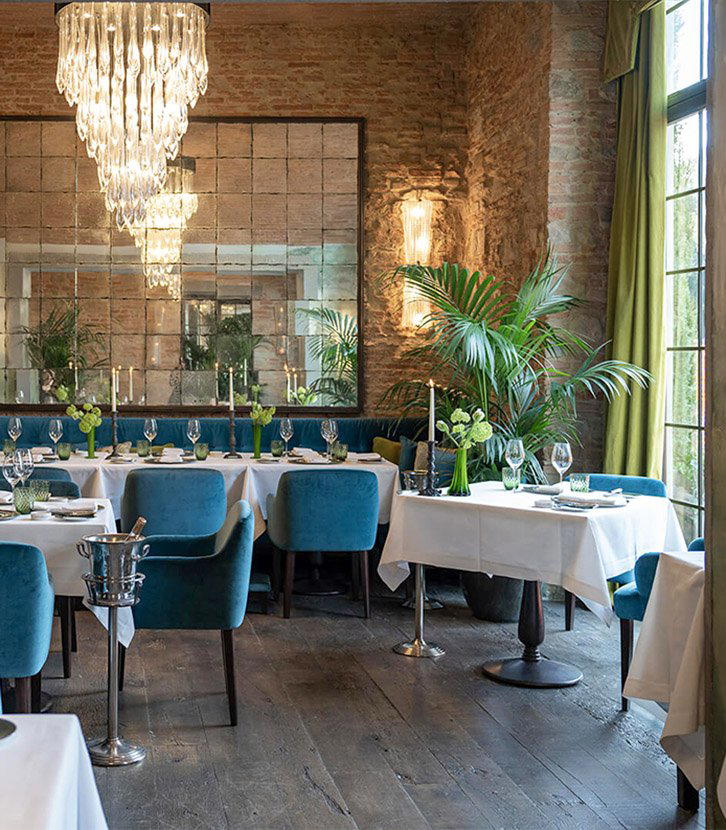
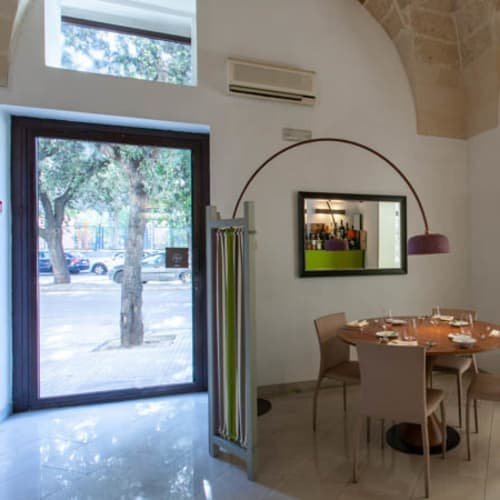
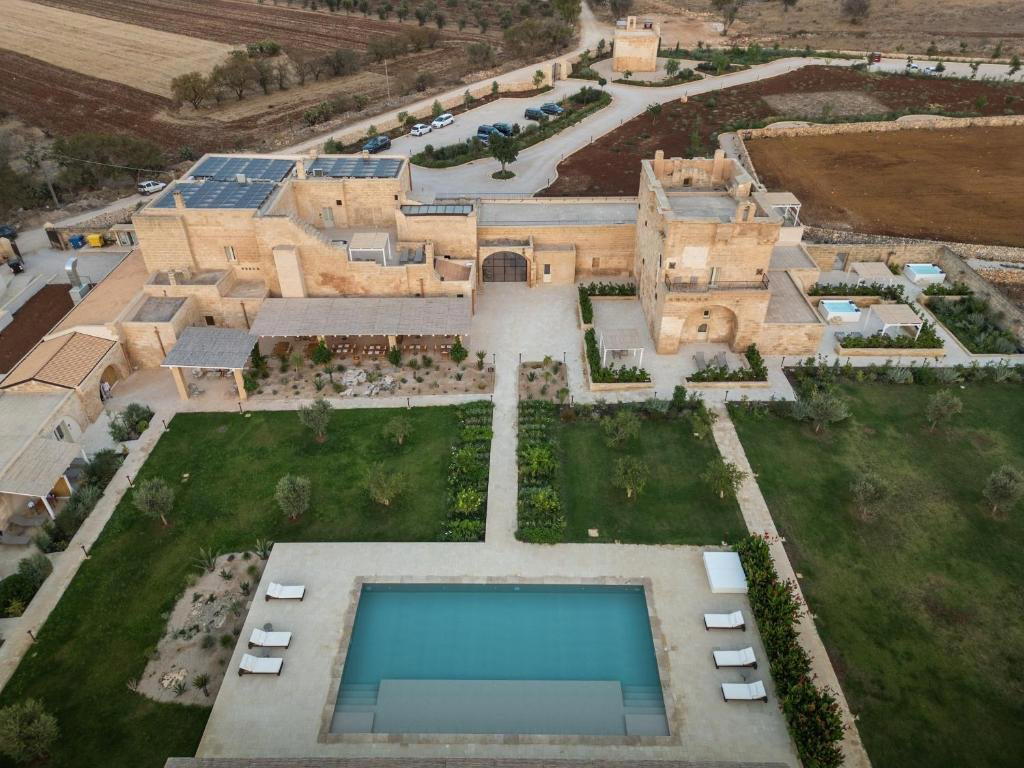
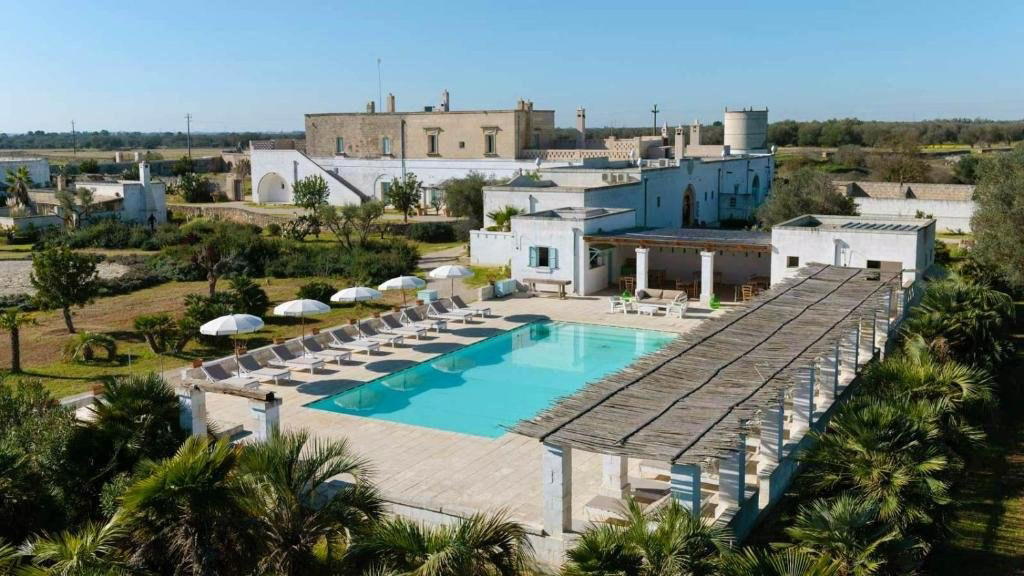
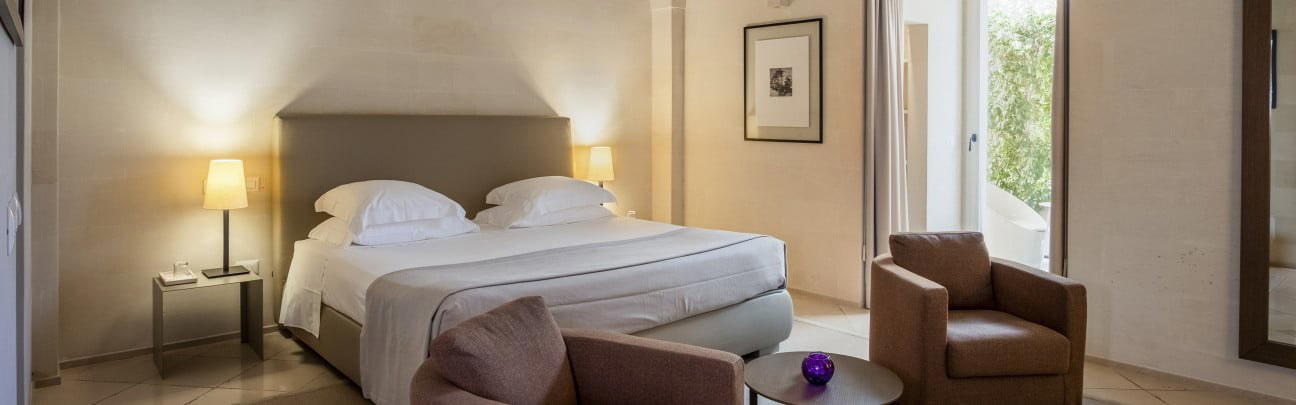
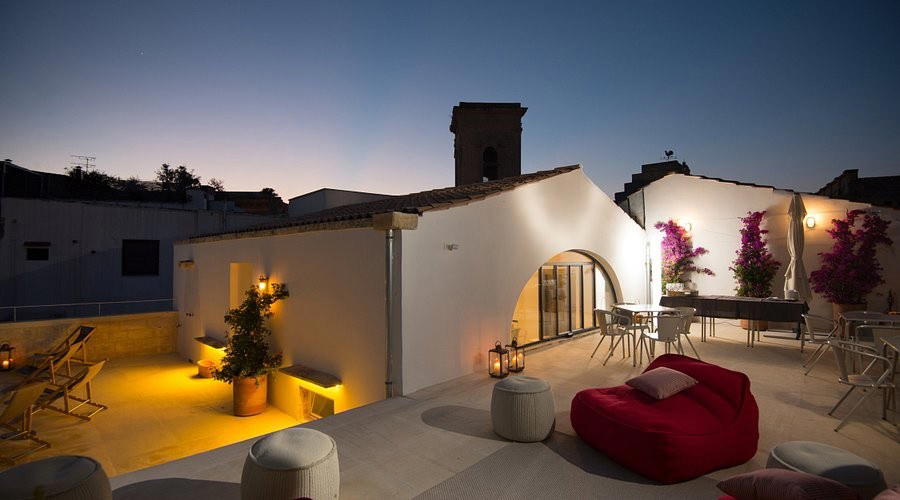
Historic 16th‑century castle estate surrounded by olive groves and vineyards, offering an elegant, romantic atmosphere with carefully staged wedding setups and a sensory wine experience guided by expert staff.