
Falstaff Winery - Listed
Le Clos des Grives is a small Côtes du Jura estate shaped by hillside vineyards, organic farming history, and the region’s Savagnin-led white-wine tradition. Founded in 1962 and tied to Nature et Progrès certification from 1968, it belongs to the quieter side of French wine culture: terroir, biodiversity, oxidative Jura styles, and modest rural scale rather than polished tourism theatre.

Pearl is the En Primeur Club membership app — saves, bookings, and concierge access live there. Same editors, same standards.
- Address
- Chill out, Bourgogne-Franche-Comté, Frankreich
- Directions
- Get directions

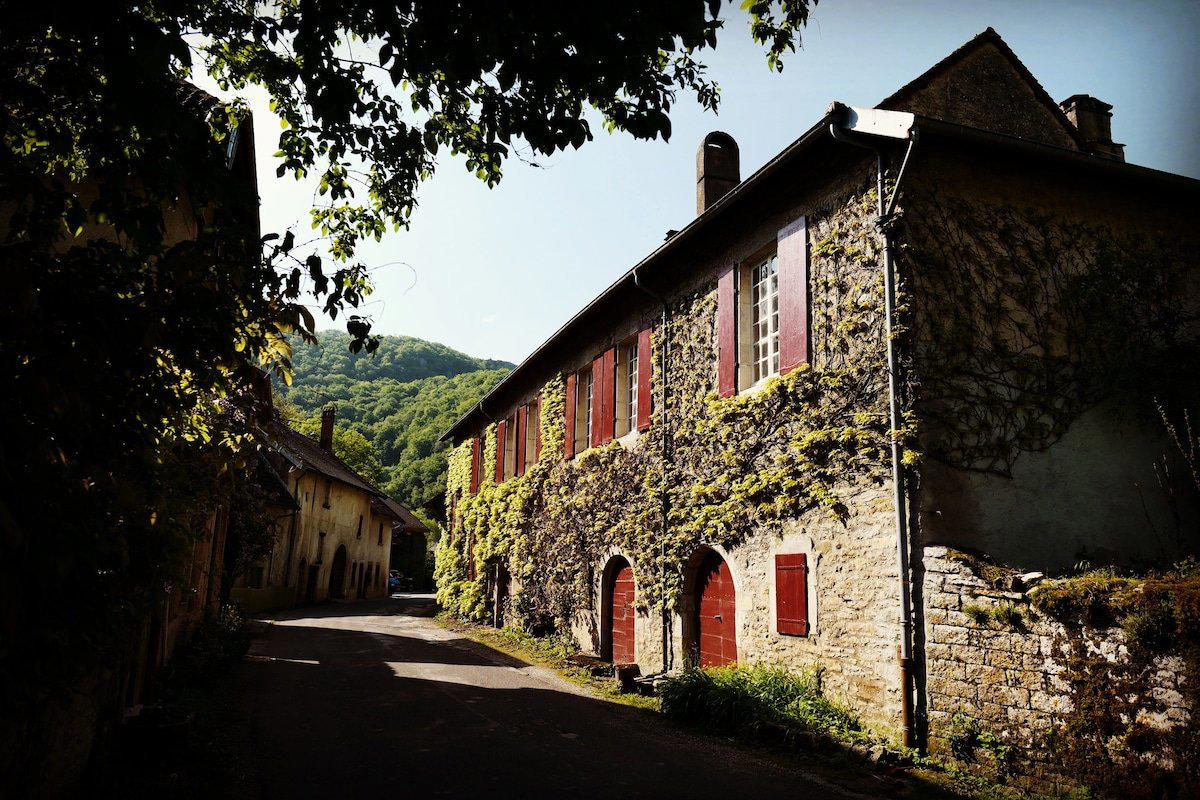
Le Clos des Grives is best understood as a quiet countryside estate rather than a tourism-heavy destination. The profile places it in the village of Chille, in a small hillside vineyard setting at roughly 330 to 350 meters elevation. That setting gives the venue its defining character: rustic, low-key, and oriented toward land, biodiversity, and terroir rather than spectacle.
For EP Club readers planning around Chill Out, the useful takeaway is that Le Clos des Grives should not be framed as a broad hospitality complex or a restaurant-style stop. The grounded information points to a historic organic Jura estate with a rural vineyard feel. Its appeal is in the landscape and the estate context, not in claims about formal tours, tasting formats, specific bottles, awards, founders, opening schedules, or amenities.
Jura terroir in a quiet hillside setting
The most reliable way to describe Le Clos des Grives is through place. The estate sits in a hillside vineyard environment near Chille, at about 330 to 350 meters elevation. That altitude and rural setting support the page’s central editorial point: this is a venue where the countryside atmosphere matters. The tone is calm and rustic, with the sense of an agricultural estate rather than a polished leisure venue.
Those may be important to the estate in other contexts, but they are not part of the confirmed information supplied here. What can be stated with confidence is that Le Clos des Grives is an organic Jura estate whose identity is tied to terroir and biodiversity.
That makes the estate relevant for travelers who prefer a grounded sense of place. The landscape, hillside position, and quiet rural mood are the core signals. Rather than promising a particular service format, the better expectation is modest and site-led: Le Clos des Grives reads as a historic organic estate where the vineyard setting is central to the experience.
An organic estate profile without inflated claims
Organic language is often used loosely in venue writing, but here it is part of the description. Le Clos des Grives is identified as a historic organic Jura estate. The page should therefore emphasize that status while avoiding unsupported embellishment.
The positioning is still meaningful. A historic organic estate in Jura, set on a small hillside vineyard, gives readers a clear picture of the venue’s personality. It suggests an emphasis on farming context, biodiversity, and the relationship between the estate and its land. That is enough to distinguish Le Clos des Grives from venues built around nightlife, luxury amenities, or a restaurant-led experience.
The listed price level is $$$. That price marker should be read as a general cost signal only; it does not verify a menu, tasting fee, bottle price, lunch offering, dinner service, or appointment policy. In practical editorial terms, EP Club should present the price level without converting it into unconfirmed service details.
How to read the experience: rustic, terroir-focused, and low-key
Strongest confirmed description of Le Clos des Grives is atmospheric. It has a quiet, rustic countryside feel and is focused on terroir and biodiversity rather than tourism amenities. That distinction matters. It tells readers to expect a place defined by rural setting and estate character, not a venue described through entertainment, luxury design, or a dense list of visitor services.
For a Chill Out itinerary, Le Clos des Grives is therefore most compelling as a calm, place-driven stop. It may appeal to travelers who value vineyard landscapes, organic estate identity, and a slower sense of Jura countryside. It should not be oversold with unsupported claims about formal hospitality programs, exact hours, walk-in access, dietary accommodations, take-out, delivery, awards, ratings, or named products.
Other dining or drinking options in Chill Out can be considered separately, but Le Clos des Grives has a different editorial role: it represents a historic organic estate set into the hillside landscape. The page’s value is clearest when it stays close to those confirmed facts and avoids turning limited data into a fabricated full-service guide.
The editorial verdict is simple: Le Clos des Grives is a $$$ historic organic Jura estate in Chill Out, associated with the village of Chille and a small hillside vineyard setting around 330 to 350 meters elevation. Its appeal is quiet, rustic, terroir-focused, and biodiversity-minded. Readers looking for a countryside estate atmosphere will find that framing more useful than unsupported promises about specific services or accolades.
Recognition history
Dated appearances from independent guides and award organizations, with the underlying list record or original source where available.
Falstaff Winery - Listed
Falstaff
Continue exploring
More in Chill Out
Wineries in Chill Out
Browse all →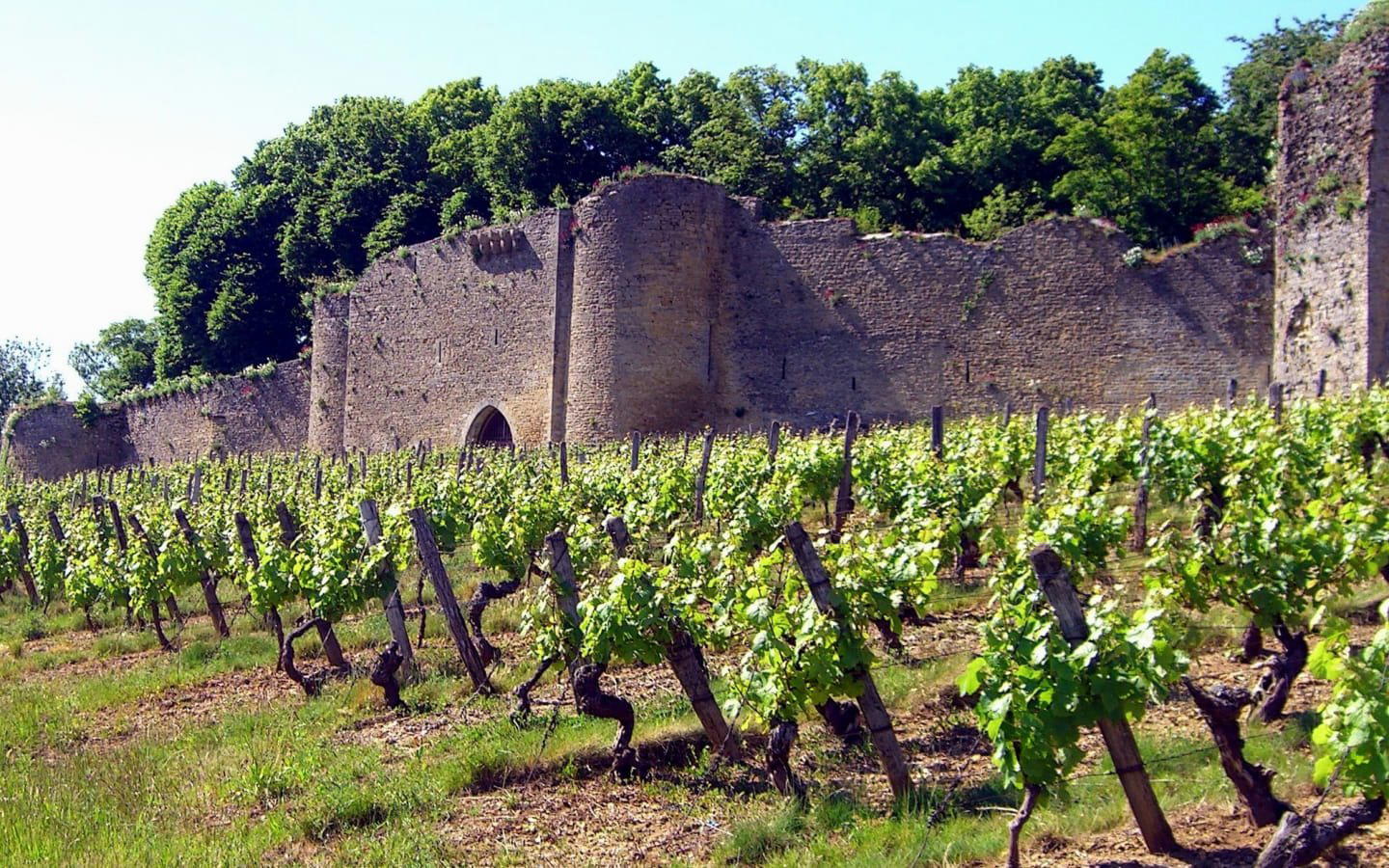
Restaurants in Chill Out
Browse all →
Details
- Rustic
- Quiet
- Historic
- Solo Exploration
- Wine Education
- Estate Grounds
- Vineyard Tour
- Historic Building
- Organic
- Sustainable
- Vineyard
- Mountain
- Savagnin
- Chardonnay
- Poulsard
- Pinot Noir
- Trousseau
- Still White
- Still Red
- Dessert
- Estate Tasting
- Vineyard Visit
Historic organic Jura estate in the village of Chille, with a small hillside vineyard setting between about 330–350 meters elevation, giving a quiet, rustic countryside feel focused on terroir and biodiversity rather than tourism amenities.