Le Clos des Quarterons

Le Clos des Quarterons is a family-run Loire estate in Saint-Nicolas-de-Bourgueil, framed around Cabernet Franc, biodynamic farming, and a 37-hectare production base. The visit reads as wine education rather than formality: guided tastings, cellar context, vineyard views, and a relaxed estate atmosphere tied closely to the appellation’s old-vine and terroir vocabulary.
Pearl is the En Primeur Club membership app — saves, bookings, and concierge access live there. Same editors, same standards.
- Address
- Saint-Nicolas-de-Bourgueil, Touraine, Center-Val de Loire, Frankreich
- Directions
- Get directions
 Saves & bookings on Pearl
Approach Saint-Nicolas-de-Bourgueil and the tone shifts quickly: the Loire’s château-and-restaurant polish gives way to vineyard rows, working farms, and grower cellars. Le Clos des Quarterons belongs to that register. Its appeal is legibility, not grandeur: Cabernet Franc, old-vine language, biodynamic farming, and estate hospitality tied to the same Touraine-Anjou ground.
Here, Cabernet Franc is not a supporting grape but the structure of local wine culture, producing reds built on freshness, aromatic lift, and site definition rather than extraction alone. The estate’s Saint-Nicolas-de-Bourgueil AOC identity places it in one of the Loire Valley’s clearest Cabernet Franc zones, where the useful question is not power, but how directly the wine translates place, vine age, and farming into the glass.
Cabernet Franc as the estate's organizing language
The domaine is best read through varietal discipline. Cabernet Franc anchors the Saint-Nicolas-de-Bourgueil story, while Chenin Blanc appears in the wider varietal frame, keeping the estate within the Loire’s broader white-and-red grammar. Scale matters: 37 hectares supports a range of Loire wines from Saint-Nicolas-de-Bourgueil and nearby appellations, yet still reads as a family estate rather than an anonymous volume label.
The Clos des Quarterons name carries site emphasis, and recurring old-vine terminology adds another signal. In Loire Cabernet Franc, “Vieilles Vignes” is more than romance: it usually points to a selection framed by vine maturity and concentration, though not necessarily heaviness. That distinction is central in Saint-Nicolas-de-Bourgueil, where freshness and line can matter as much as depth.
Estate is associated with Domaine Amirault and winemaker Xavier Amirault, but biography is not the main point. The Loire rewards growers who make a commune name feel specific rather than generic, and this domaine follows that logic: appellation first, grape second, site and farming as evidence. That lens is more useful than treating the visit as personality-driven cellar tourism.
Organic and biodynamic practice gives the wines another frame. In a region where farming language can become decorative, the value lies in how the estate makes viticulture part of the tasting conversation. The production philosophy is biodynamic, sourcing tags include organic, biodynamic, and sustainable, and the experience is education-led rather than pour-and-leave. For travelers trying to understand Loire Cabernet Franc beyond a restaurant list, that matters.
A working Loire estate with cellars, art, and vineyard context
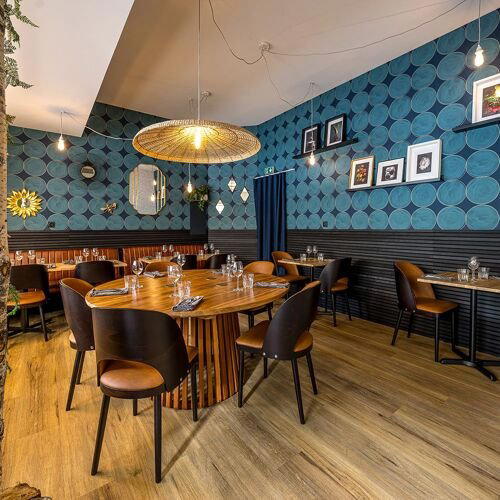
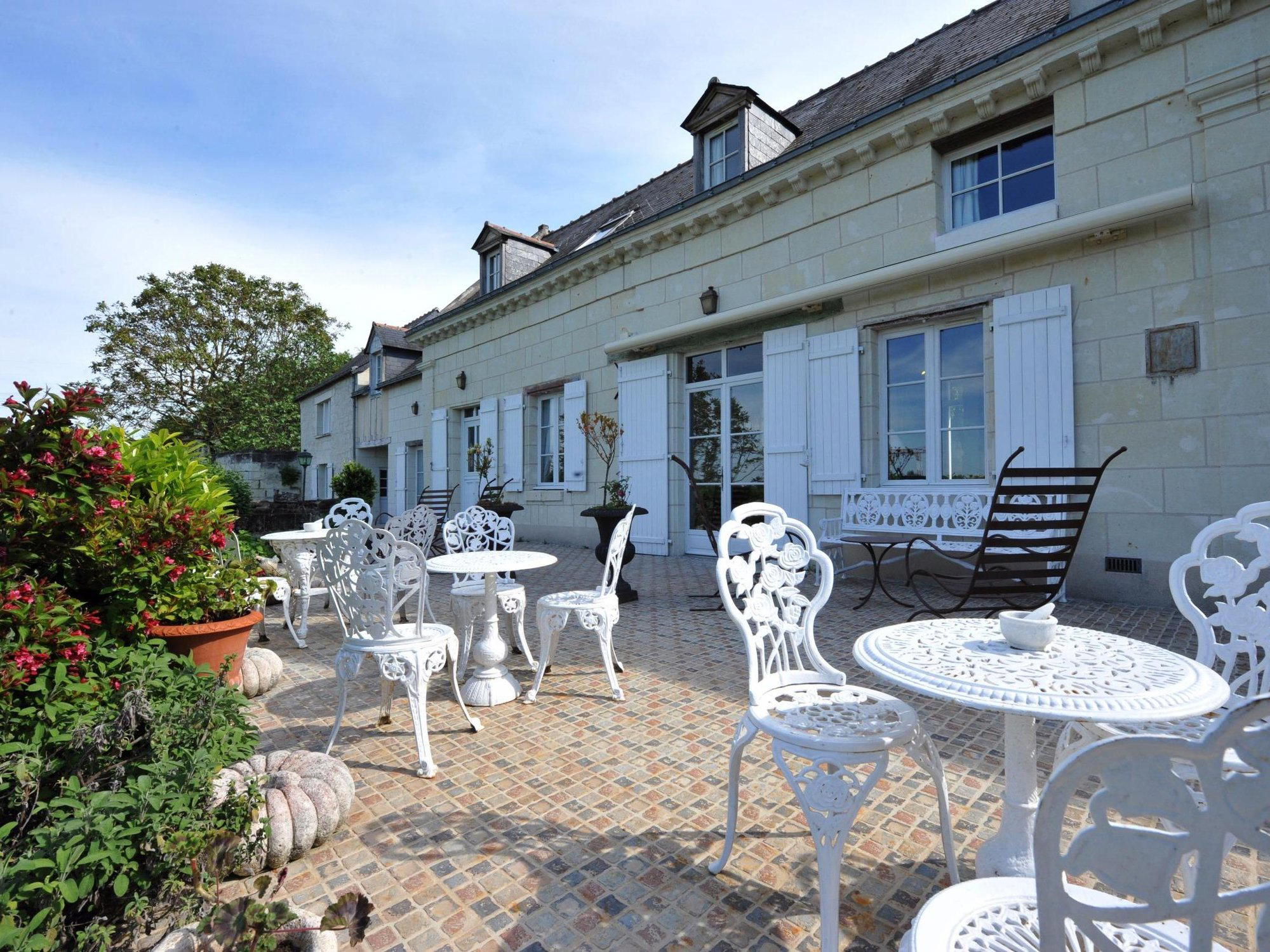
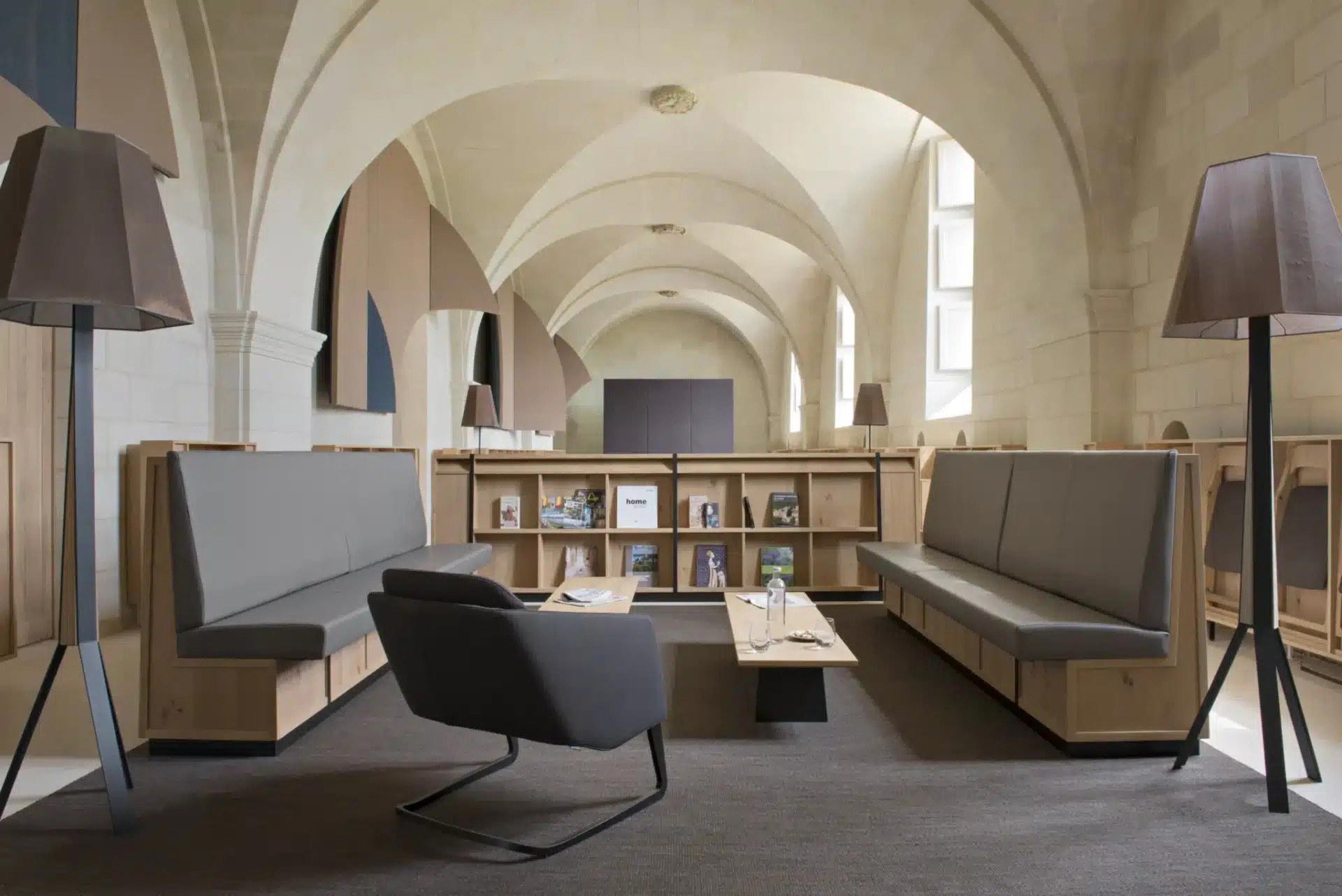
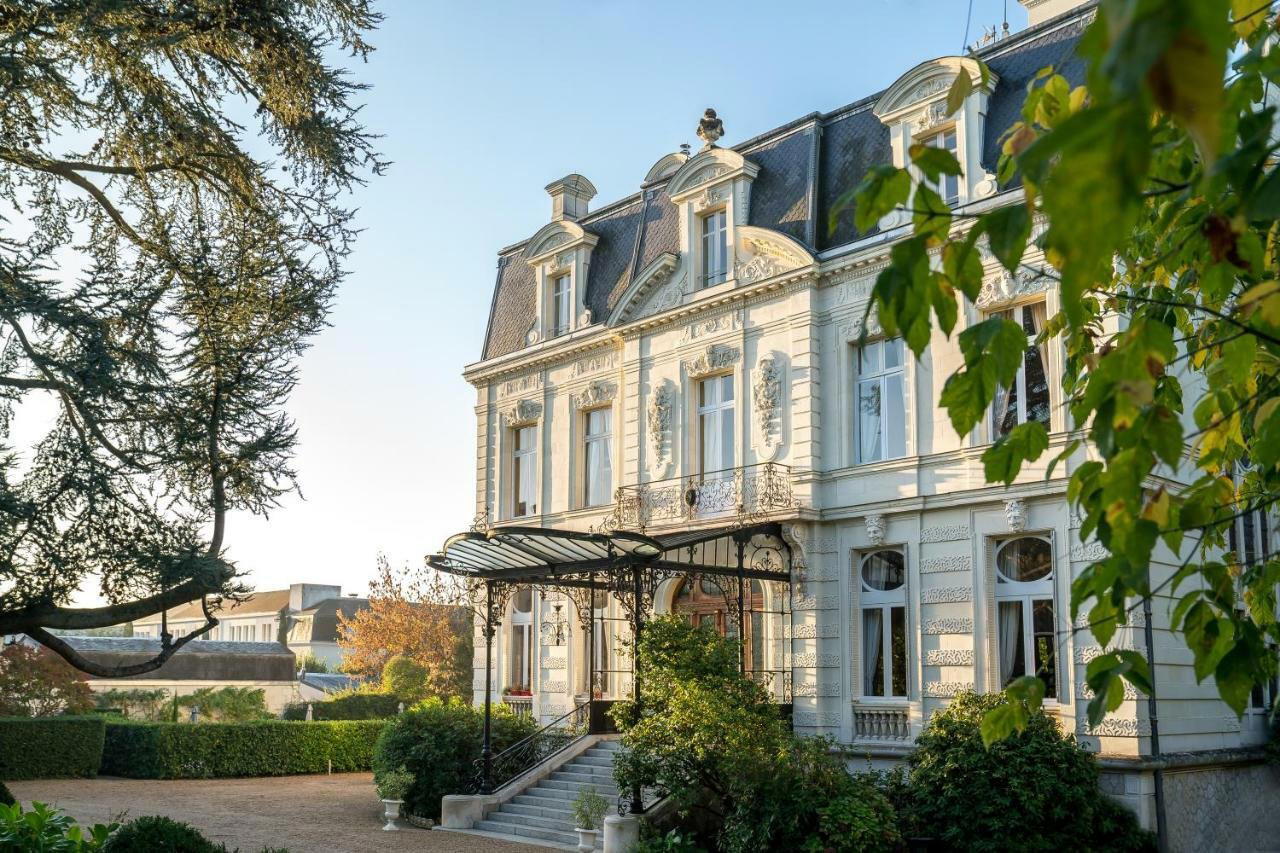
The hospitality format is deliberately informal. The setting combines historic cellar spaces, a working farm atmosphere, vineyard and garden views, and contemporary street-art installations. In a more polished region that mix might feel forced; here it suits Loire grower culture, where cellar, vineyard, and tasting table often sit close together. The mood is rustic, cozy, intimate, and bohemian rather than ceremonial.
Tasting options include bar tasting, guided tasting, vineyard tour with tasting, and cellar tour with tasting. That range lets visitors use the stop two ways: a shorter tasting clarifies house style and the appellation’s Cabernet Franc profile, while a vineyard or cellar-led format explains how Saint-Nicolas-de-Bourgueil presents itself through soil, vine age, and farming decisions. The listed tour duration of 60 to 90 minutes makes it serious but not exhaustive.
The estate is built for conversation, not hush. Noise level is conversational, dress code casual, and visits are by reservation. Groups fit, and the capacity tier is medium, but it is not pitched as a children’s outing. Outdoor seating, vineyard views, garden views, and wheelchair-accessibility tags help fold the estate into a broader day in the commune, especially for travelers wanting wine education without formal dining. Food pairing is not part of the format, keeping emphasis on the wines and the land behind them.
The visual character adds a sharper contemporary edge than many traditional Loire cellar stops. Street-art installations inside an estate context can become gimmickry, but here they keep the old-cellar narrative from becoming purely nostalgic. Saint-Nicolas-de-Bourgueil is an old wine place, not a museum, and strong estates in such regions must explain continuity without freezing themselves in the past.
How to place it within a Saint-Nicolas-de-Bourgueil itinerary
Le Clos des Quarterons works well as a terroir-focused stop in a day built around the appellation, not as a standalone sightseeing detour. The commune’s value is cumulative: one Cabernet Franc tasting teaches structure; two or three show how farming, vine age, and cellar choices alter the same grape within a narrow geography. For another local winery reference, Frédéric Mabileau Vigneron gives travelers another way to think about the same village-scale wine culture.
The practical rhythm is simple: keep the day loose enough for a guided format, avoid treating the tasting as quick retail, and let the vineyard and cellar context do the explaining. On-site parking supports a driving itinerary, while French and English tour languages widen access for international visitors. Payment options include cash, credit card, debit card, and contactless, so logistics are less complicated than the appellation map.
Travelers building a fuller Saint-Nicolas-de-Bourgueil plan can use the city guides as scaffolding: wineries for producer research, restaurants for the meal around the tasting, hotels for overnight pacing, bars for later drinking, and experiences for non-winery context. For broader wine travel planning beyond the Loire, EP Club’s winery index also covers addresses such as A. Margaine in Villers-Marmery, Abbaye de Fontfroide in Narbonne, Abbotts & Delaunay in Marseillette, Advini in Saint Felix De Lodez, Agrapart & Fils in Avize, Alain Brumont in Castelnau Riviere Basse, Alain Gras in Saint-Romain, »der Steiner« Hans Steiner in Podersdorf am See, and & Handwein in Mannheim.
The editorial case is clear: choose this estate for an accessible, education-led look at Loire Cabernet Franc through a biodynamic, family-run lens. The experience is casual, the vineyard setting does real work, and the 37-hectare scale gives enough breadth to discuss the appellation without losing the sense of a grower’s address. In Saint-Nicolas-de-Bourgueil, that is the right kind of seriousness.
Recognition history
Dated appearances from independent guides and award organizations, with the underlying list record or original source where available.
Falstaff Winery - Listed
Falstaff
Continue exploring
More in Saint Nicolas De Bourgueil
Wineries in Saint Nicolas De Bourgueil
Browse all →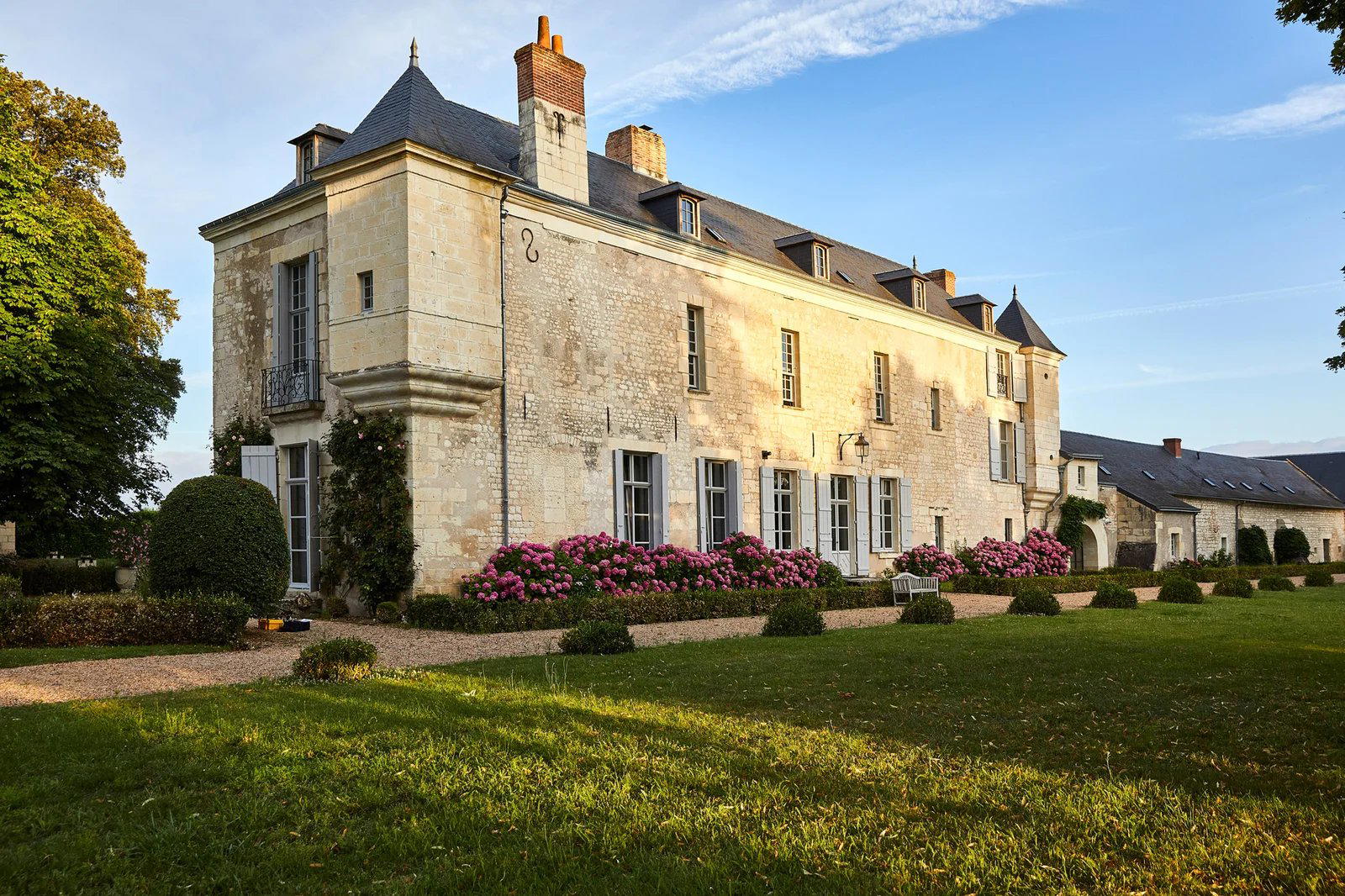
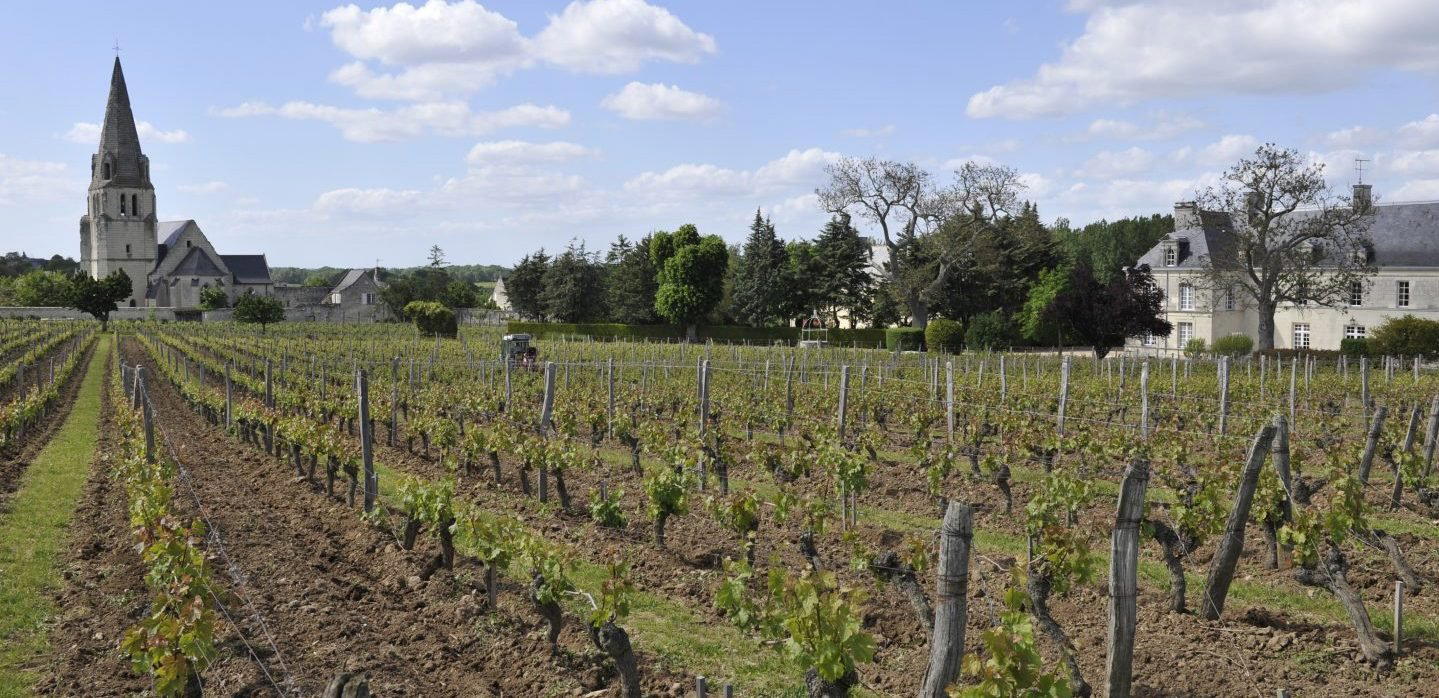
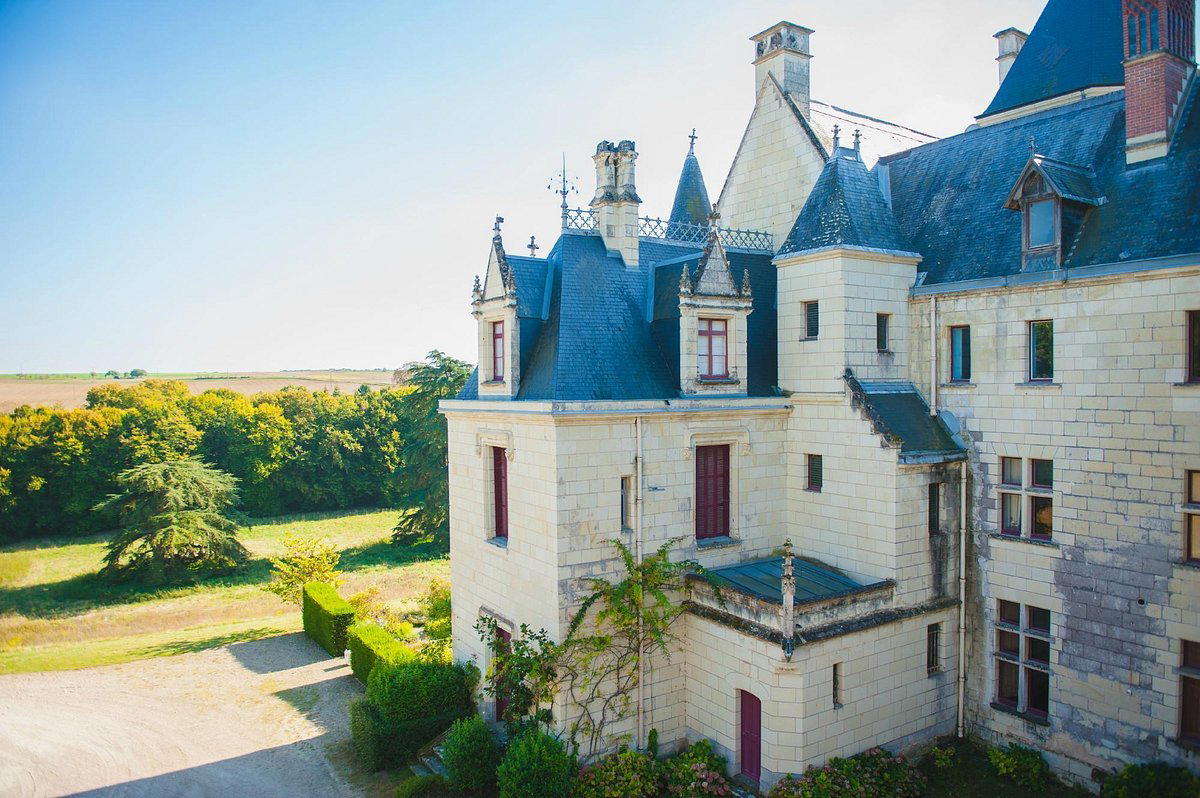
Bars in Saint Nicolas De Bourgueil
Browse all →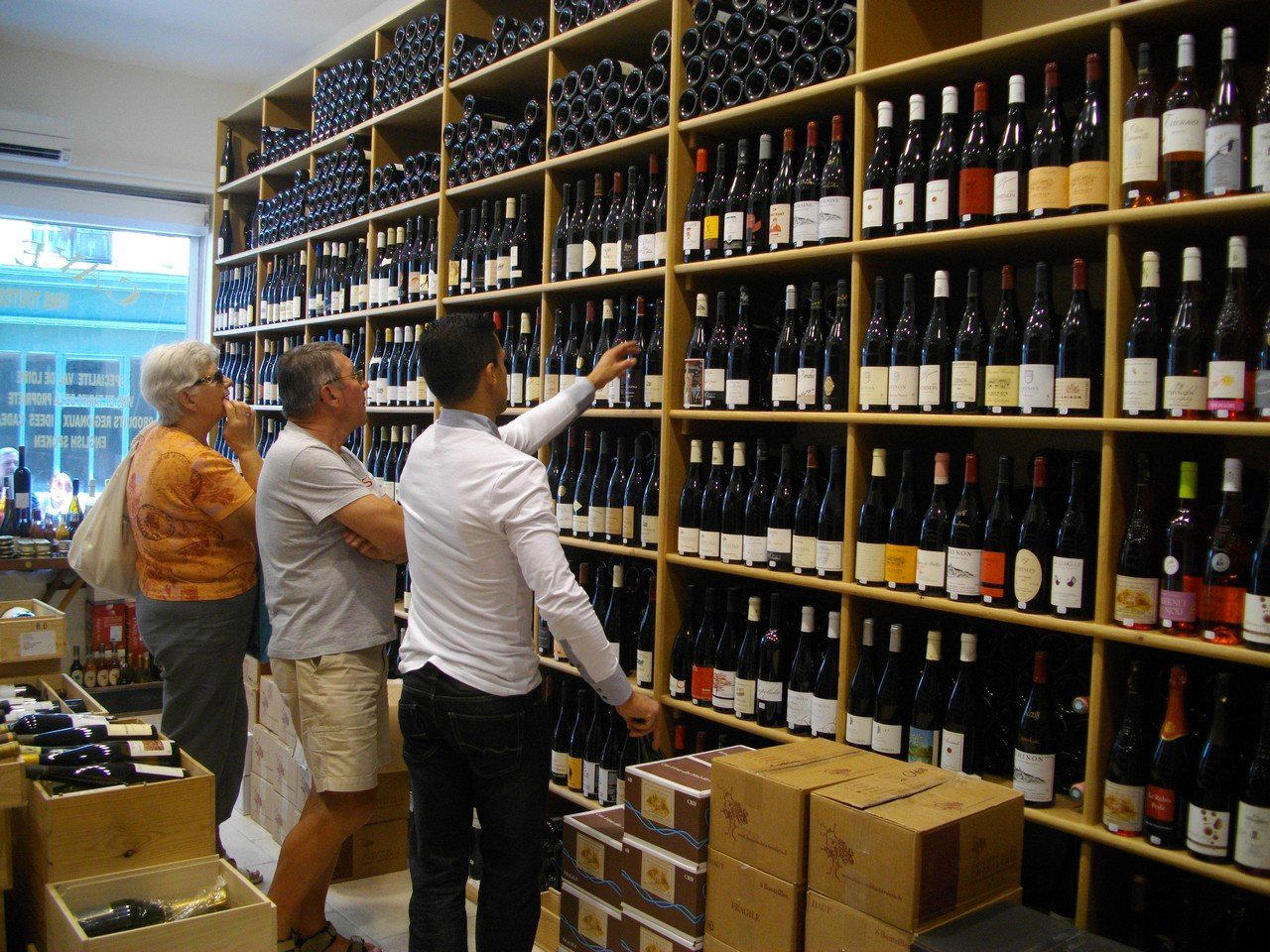
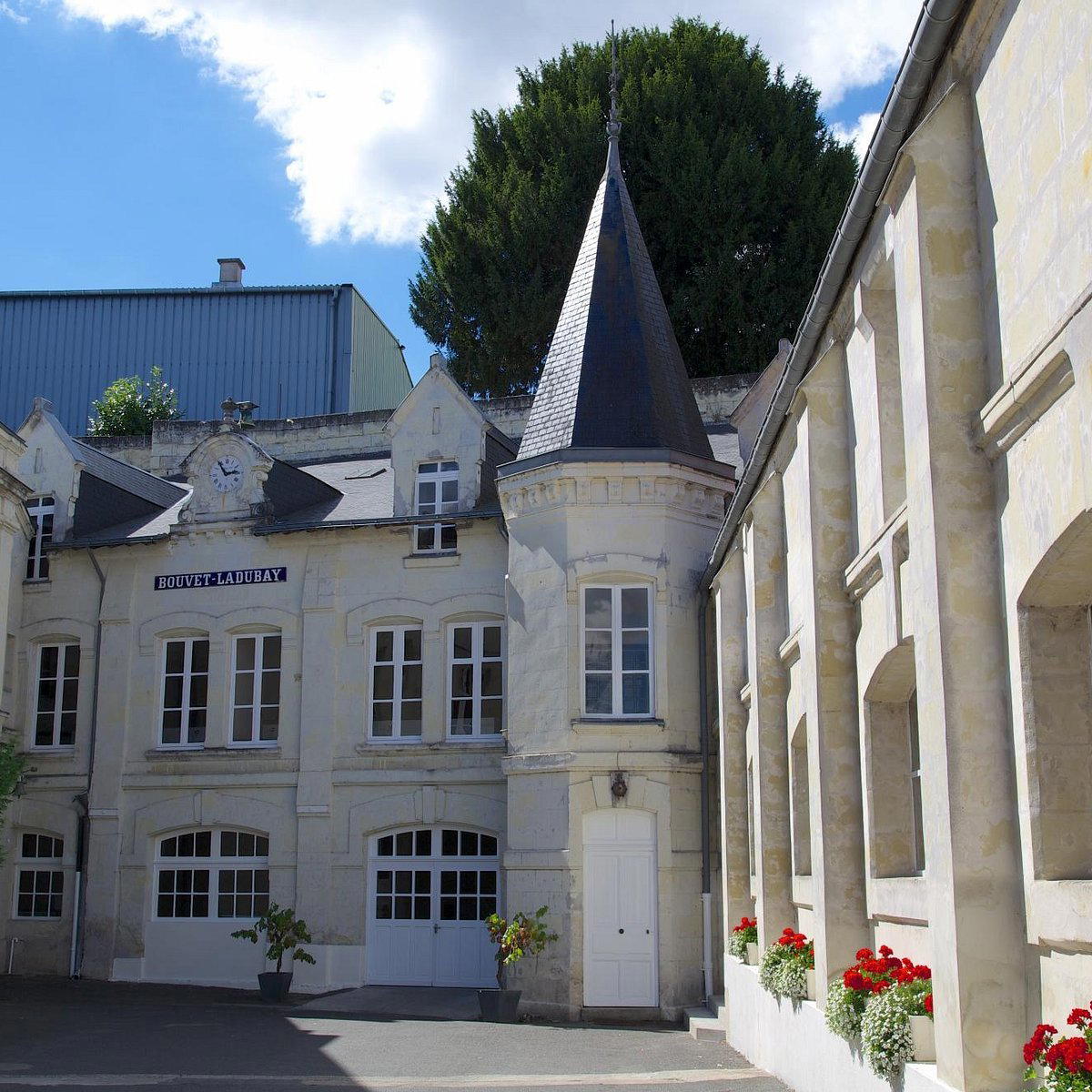
Restaurants in Saint Nicolas De Bourgueil
Browse all →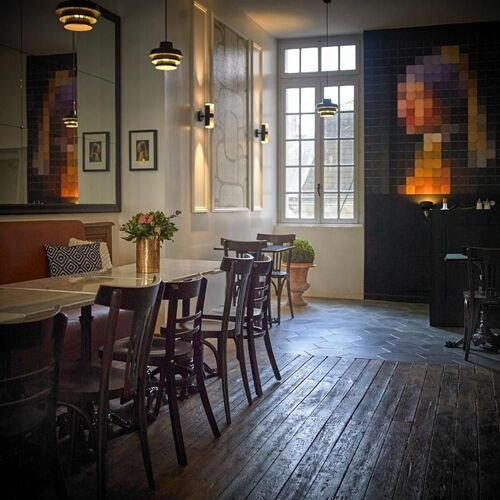
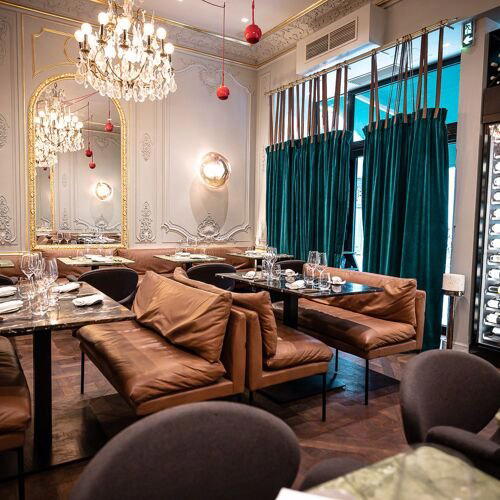
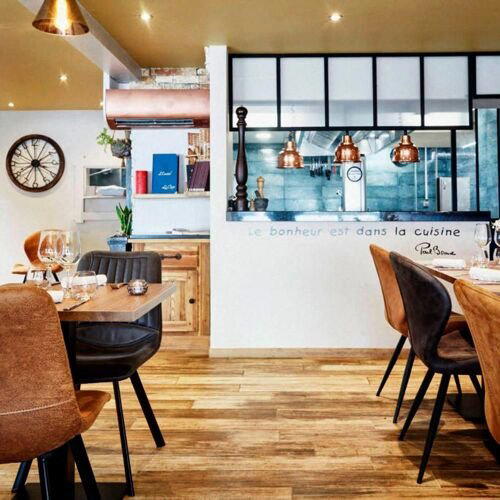
At a Glance
- Rustic
- Scenic
- Classic
- Cozy
- Intimate
- Bohemian
- Group Outing
- Wine Education
- Romantic Getaway
- Special Occasion
- Solo Exploration
- Vineyard Tour
- Estate Grounds
- Historic Building
- Design Destination
- Private Tasting
- Organic
- Biodynamic
- Sustainable
- Vineyard
- Garden
- Saint Nicolas De Bourgueil AOC
- Cabernet Franc
- Chenin Blanc
- Still Red
- Still Rosé
- Still White
- Sparkling
- Bar Tasting
- Guided Tasting
- Vineyard Tour With Tasting
- Cellar Tour With Tasting
Organic Loire estate with a mix of traditional cellar spaces and contemporary street-art installations, offering a relaxed, educational atmosphere focused on terroir-driven wines and sustainable farming.