Larner Vineyard & Winery
Larner Vineyard & Winery sits on Ballard Canyon Road in Solvang. The property represents the Sta. Rita Hills and Santa Ynez Valley tradition of estate-grown Rhône and Bordeaux varieties, where farming philosophy shapes the wine program as directly as the winemaking itself. Ballard Canyon's elevation and diurnal temperature swings make it one of the more compelling sub-appellations in Santa Barbara County.
Pearl is the En Primeur Club membership app — saves, bookings, and concierge access live there. Same editors, same standards.
- Address
- 955 Ballard Canyon Rd, Solvang, CA 93463
- Phone
- +1 805-688-8148
- Website
- larnerwine.com
- Directions
- Get directions
 Saves & bookings on Pearl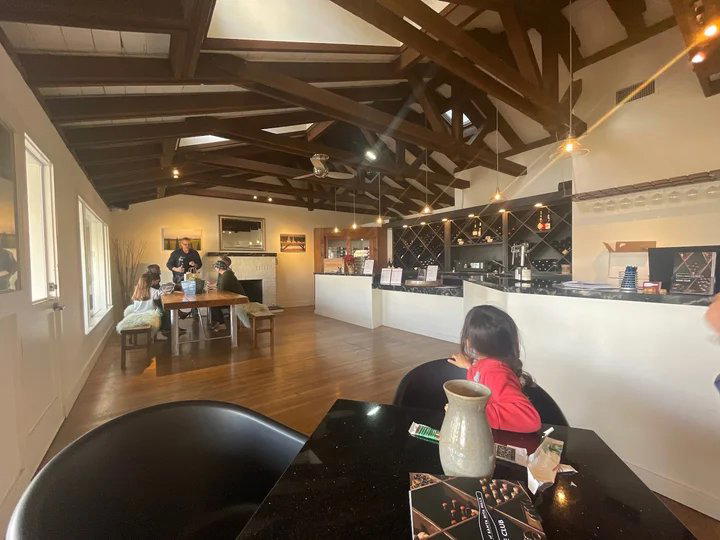
Ballard Canyon and the Case for Farming First
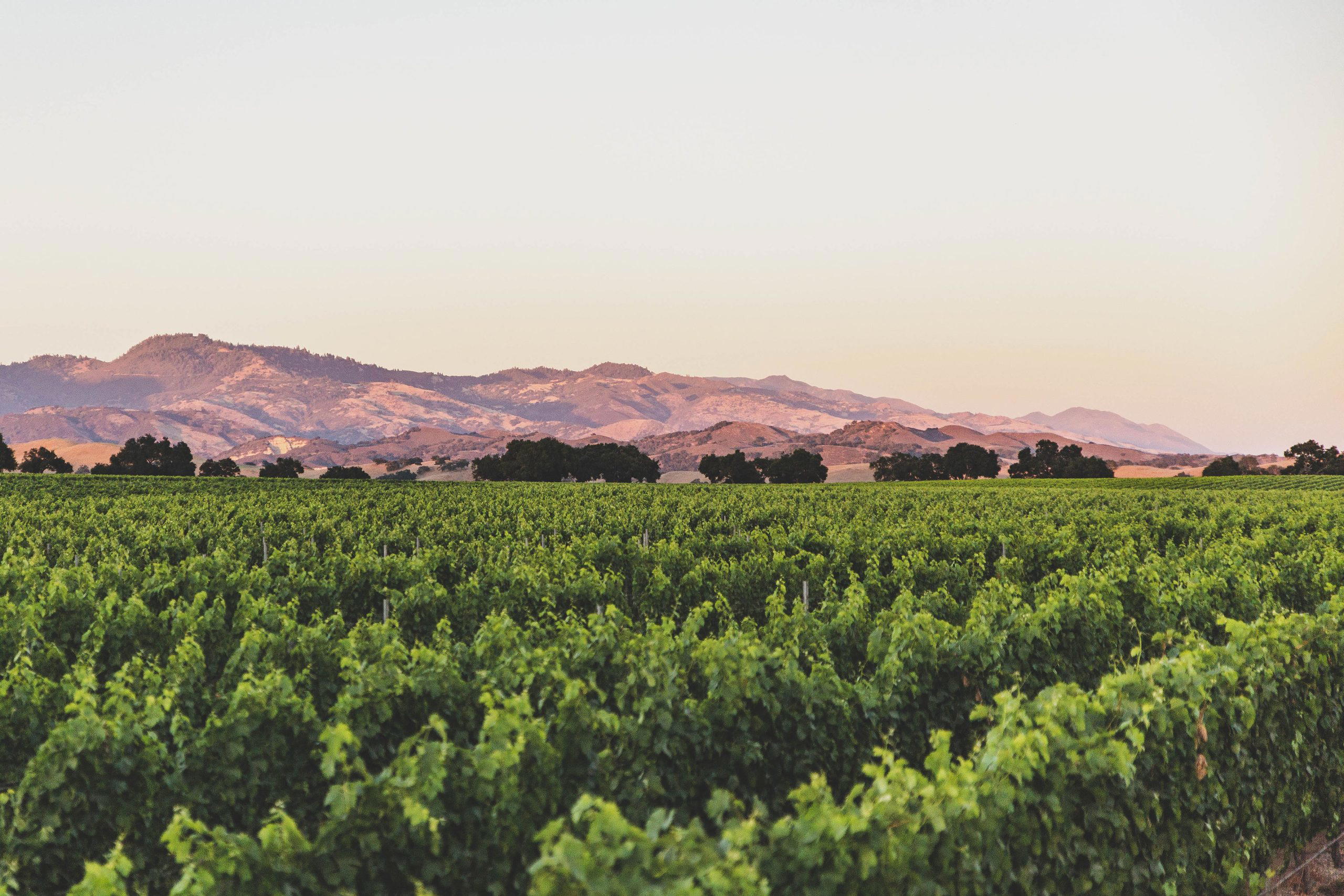
Santa Barbara County's wine identity has always been split between the coastal fog-driven sites of Sta. Rita Hills and the warmer, more sheltered interiors of the Santa Ynez Valley. Ballard Canyon, the sub-appellation where Larner Vineyard & Winery operates on 955 Ballard Canyon Road, sits in that interior corridor, where significant day-to-night temperature swings push ripeness without sacrificing structure. It is a geography that rewards producers who farm with intention, because the site itself is the argument.
Across Santa Barbara County's premium tier, the clearest differentiator between producers has become viticulture rather than cellar technique. Estates that commit to organic or biodynamic practices on their own land operate from a different premise than négociant-style houses that source widely. Larner, as an estate property, is shaped by that premise: the land is not a starting point to be corrected in the cellar but the primary text. This approach has become more visible in Ballard Canyon over the past decade, as growers recognised that the sub-appellation's Mediterranean-adjacent climate and well-drained soils are particularly suited to Rhône varieties that respond to low-intervention farming.
Within Solvang's competitive winery set, that rating aligns Larner with peers such as Beckmen Vineyards, which has built its own reputation around biodynamic Rhône farming in the same general corridor, and Buttonwood Farm Winery, another estate-focused house in the Santa Ynez Valley. The Prestige designation functions as a signal to readers that the property merits serious engagement rather than casual visit.
Comparative context matters here. California's premium wine tier has fragmented considerably, with recognition now spread across coastal Pinot houses, Napa Cabernet allocations, and a growing cohort of Central Coast Rhône specialists. Larner's recognition within that broader field reflects a specific kind of credibility: the estate-grown, site-expressive model that California's more serious smaller producers have championed against the volume-driven appellation system. For a reference point further north along the California coast, Accendo Cellars in St. Helena represents the Napa end of this estate-identity approach, while Alban Vineyards in Arroyo Grande occupies a comparable Rhône-specialist position to Larner's own in the southern Central Coast.
Rhône Varieties and Why Ballard Canyon Suits Them
The choice of Rhône varieties as a primary focus at an estate like Larner is not arbitrary. Syrah, Grenache, Viognier, and Roussanne perform well in climates where warm days and cool nights compress the growing season without forcing early harvest. Ballard Canyon provides exactly that compression: the elevation and canyon topography produce a pronounced diurnal range that allows grapes to develop flavour concentration while retaining natural acidity. The result, across the sub-appellation's committed growers, tends toward wines with more structure than equivalent sun-hours in warmer Central Valley sites would produce.
This regional characteristic connects Larner to a broader California Rhône conversation that includes Andrew Murray Vineyards in Los Olivos, a producer whose Rhône program has defined part of the Santa Ynez Valley's identity for the better part of three decades. Further afield, Adelaida Vineyards in Paso Robles pursues a comparable farming-led approach to Rhône varieties in a different limestone-influenced terroir, and the contrast between the two sites is instructive for anyone trying to map Central Coast wine geography. At the other end of the stylistic range, Adelsheim Vineyard in Newberg illustrates how Oregon's Pinot-focused estate model runs parallel to but distinct from the California Rhône tradition.
Sustainability in Practice Along Ballard Canyon Road
Organic certification addresses synthetic inputs; biodynamic practice goes further, treating the farm as a closed-loop system with attention to soil biology, cover cropping, and lunar calendars. Regenerative models extend the frame to include carbon sequestration and ecosystem restoration. Where exactly a given estate sits within that spectrum matters, because the vineyard practices directly shape what ends up in the bottle.
Ballard Canyon as a sub-appellation has attracted a number of producers oriented toward lower-intervention farming, in part because the Mediterranean climate reduces disease pressure compared to wetter coastal or valley-floor sites. That reduced pressure makes the economics of organic or biodynamic certification more viable, and several Ballard Canyon estates have pursued formal certification rather than simply farming informally without synthetic inputs. The broader pattern across Santa Barbara County mirrors what has happened in more established regenerative wine regions globally: growers find that healthier soil biology produces more complex fruit expression, which in turn justifies the premium positioning that serious wine buyers expect from estate-grown bottles.
For comparison within the Solvang comparable set, Folded Hills Winery has made sustainable farming a central part of its estate narrative, while Blackjack Ranch Winery and Lucas & Lewellen Vineyards represent different approaches to Santa Barbara County estate production across a range of varieties and price tiers. The collective weight of these producers makes Solvang's winery corridor substantive rather than merely scenic.
Visiting Larner: Approach and Planning
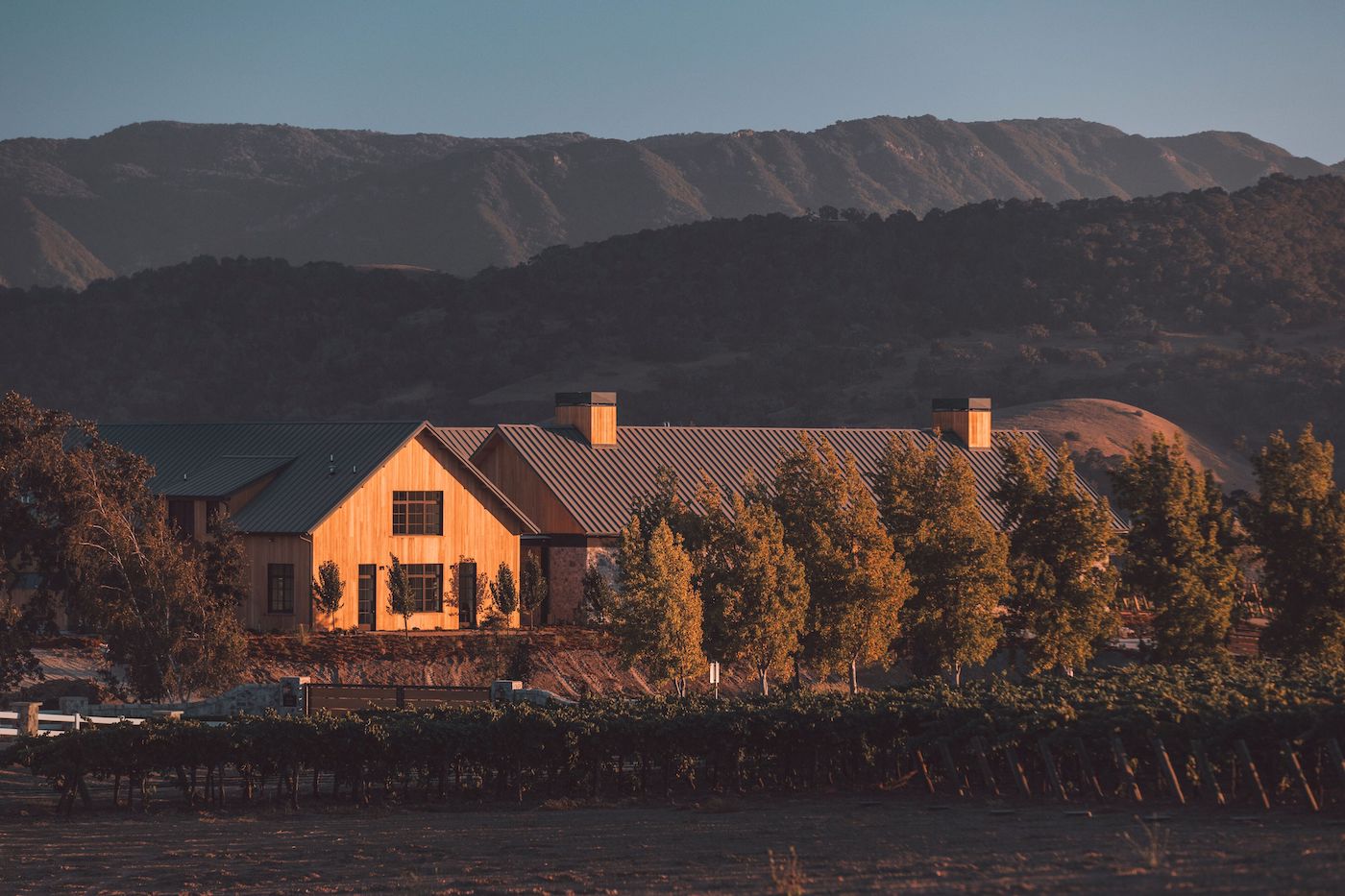
Ballard Canyon Road runs north from the Solvang town centre through a narrow agricultural valley where vineyard parcels alternate with horse properties and dry-farmed fruit orchards. The approach to Larner at 955 Ballard Canyon Road puts the estate in immediate physical context: this is working agricultural land, not a resort property dressed in wine-country aesthetics. That distinction matters for visitors calibrating expectations. Properties at this tier in California wine typically operate by appointment, with tasting experiences designed to give serious buyers access to the full range rather than a walk-in pour at a bar. Larner is walk-in friendly, and the drive from Solvang is roughly ten minutes from the town's main commercial strip.
The broader Solvang wine corridor rewards combining visits: Beckmen's biodynamic Purisima Mountain Vineyard blocks and the Buttonwood Farm estate are both accessible on the same day, making a focused Ballard Canyon itinerary viable without excessive driving.
Alpha Omega Winery in Rutherford and Alexander Valley Vineyards in Geyserville anchor the northern California end of an itinerary that could trace estate wine culture from Napa south through Paso Robles and into Santa Barbara County. For those with an interest in how estate wine programs develop internationally, Aberlour in Aberlour and Achaia Clauss in Patras offer reference points for how place-driven production operates across entirely different traditions.
Credentials Lens
Comparable venues nearby, for context on price, style, and recognition.
| Venue | Cuisine | Price | Notes |
|---|---|---|---|
| Larner Vineyard & WineryThis venue — the venue you are viewing | Syrah, Grenache | $$$ | Not listed |
| Pence Vineyards & Winery | Pinot Noir, Chardonnay | $$$ | Sta. Rita Hills |
| Blackjack Ranch Winery | Syrah, Chardonnay | $$ | Solvang |
| Lucas & Lewellen Vineyards | Pinot Noir, Chardonnay | $$ | downtown Solvang |
| Rusack Vineyards | Syrah, Pinot Noir | $$$ | Solvang |
| Folded Hills Winery | Santa Ynez Valley AVA | $$$ | Santa Ynez Valley |
Continue exploring
More in Solvang
Wineries in Solvang
Browse all →
Bars in Solvang
Browse all →

Restaurants in Solvang
Browse all →
At a Glance
- Intimate
- Scenic
- Elegant
- Rustic
- Wine Education
- Romantic Getaway
- Solo Exploration
- Private Tasting
- Estate Grounds
- Vineyard Tour
- Organic
- Vineyard
- Garden
- Ballard Canyon AVA
- Syrah
- Grenache
- Mourvèdre
- Viognier
- Malvasia Bianca
- Still Red
- Still White
- Estate Tasting
- Wine By The Glass
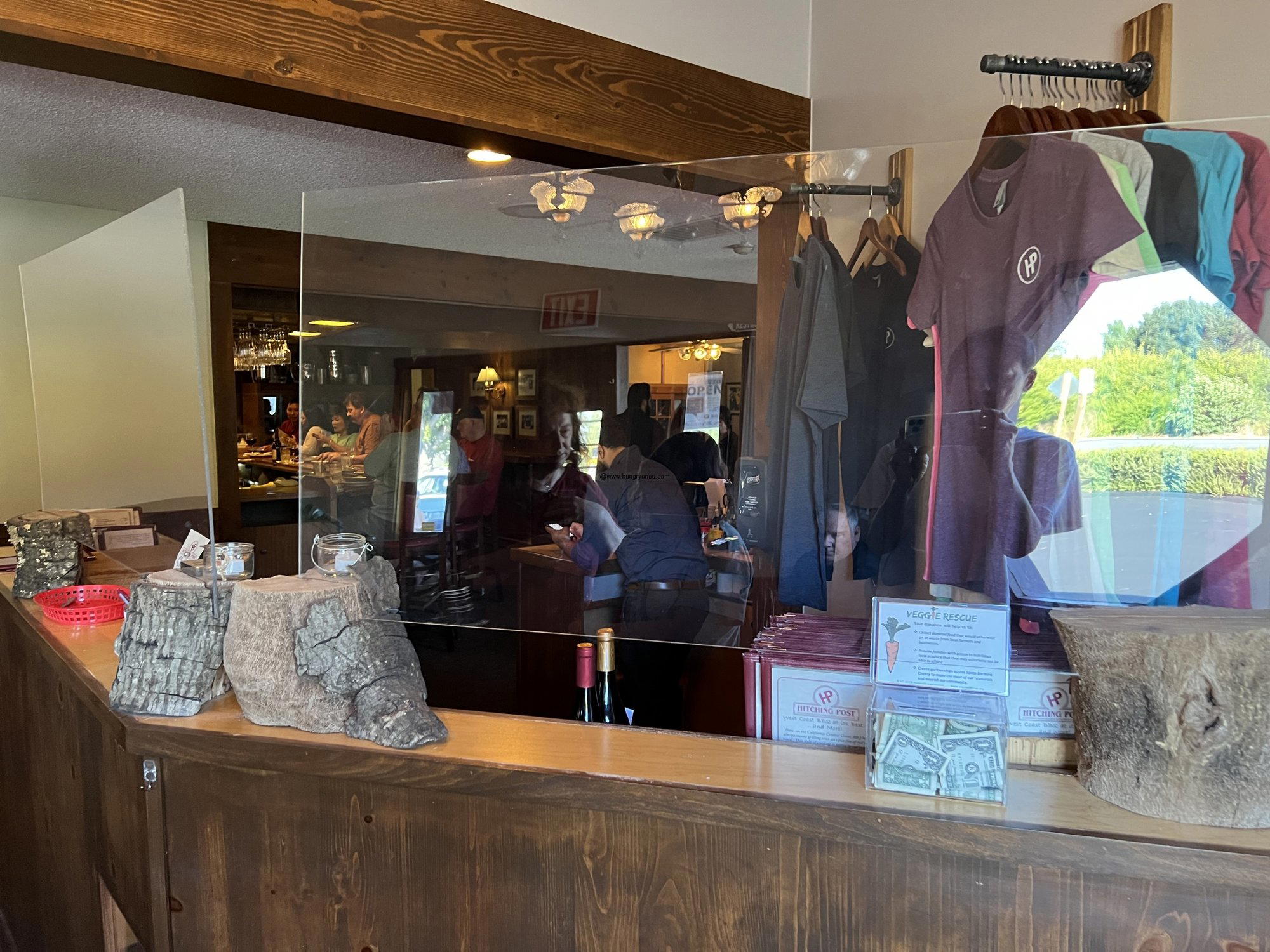
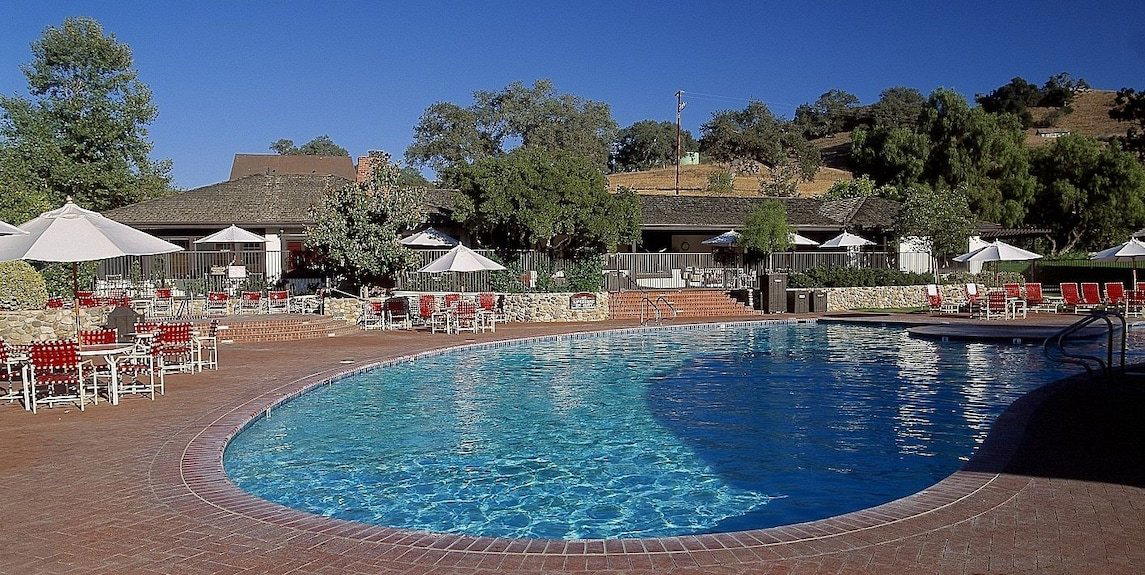
Intimate, relaxed setting with inviting patio seating overlooking the historic town of Los Olivos; small counter space creates a personal, conversational atmosphere with knowledgeable staff.