La Porta di Vertine

La Porta di Vertine is a small Chianti Classico estate in Gaiole in Chianti, shaped around high-altitude Sangiovese, organic farming, and calcareous soils near Vertine. The appeal is not scale or spectacle, but site definition: still red wines built around freshness, structure, and a restrained Tuscan register.
Pearl is the En Primeur Club membership app — saves, bookings, and concierge access live there. Same editors, same standards.
- Address
- Gaiole in Chianti, Tuscany, Italien
 Saves & bookings on Pearl
Approaching La Porta di Vertine in Gaiole in Chianti means focusing on the essentials: a small, family-owned Chianti Classico estate, a quiet and classic Tuscan atmosphere, organic farming, high-altitude terroir and a Sangiovese-led identity. It is a venue page that should be read through those stable points rather than through a catalogue of embellishments. The appeal lies in the way these elements sit together: a place rooted in Gaiole, working within Chianti Classico, with Sangiovese at the centre and a tone that feels measured rather than theatrical.
The confirmed picture is intentionally simple. La Porta di Vertine is best understood through place, Sangiovese, organic farming and a restrained, terroir-focused character rather than through showy design or large-scale tourism. That simplicity is not a lack of identity; it is the identity. The estate’s profile depends on a clear relationship between land, grape and farming approach, and on an atmosphere that stays close to the classic Tuscan register without needing to overstate itself.
High-altitude Sangiovese in a stricter Gaiole frame
Chianti Classico is closely associated with Sangiovese, and La Porta di Vertine is framed around a pure, precise expression of that grape. The high-altitude context is central to the estate’s identity, giving the project a sense of place without relying on spectacle. In this frame, altitude is not presented as a decorative detail but as part of the way the estate is understood: a defining condition of the site, and one that helps explain why the emphasis falls on clarity, restraint and a direct reading of Sangiovese.
That matters because Sangiovese can communicate place with particular sensitivity when the surrounding choices are kept focused. Here, the relevant story is not about excess or a crowded hospitality offer, but about an estate whose confirmed identity keeps returning to the same core ideas. Gaiole in Chianti provides the broader setting, Chianti Classico provides the category, and the Sangiovese-led approach provides the through-line. Together, they create a useful framework for visitors who want to understand the estate on its own terms.
Beyond that core identity, specific technical details should be treated cautiously unless confirmed directly by the estate. The reliable takeaway is that winery’s appeal rests on Sangiovese, organic farming and the Chianti Classico range of Gaiole in Chianti. That caution is part of reading the estate accurately. Rather than filling the gaps with production notes or cellar claims, it is better to stay with what is secure and meaningful: a small, family-owned estate working organically in a high-altitude Chianti Classico context.
For those interested in Tuscany, the draw is not a long list of public claims or decorative extras. It is the chance to focus on a small estate whose confirmed character is quiet, classic and terroir-led. The attraction is therefore relatively narrow, but in a positive sense: it suits travellers and wine drinkers who prefer a concise, place-based profile over a more promotional one, and who value a Chianti Classico address for its agricultural seriousness as much as for its atmosphere.
A small estate format, not a large hospitality machine
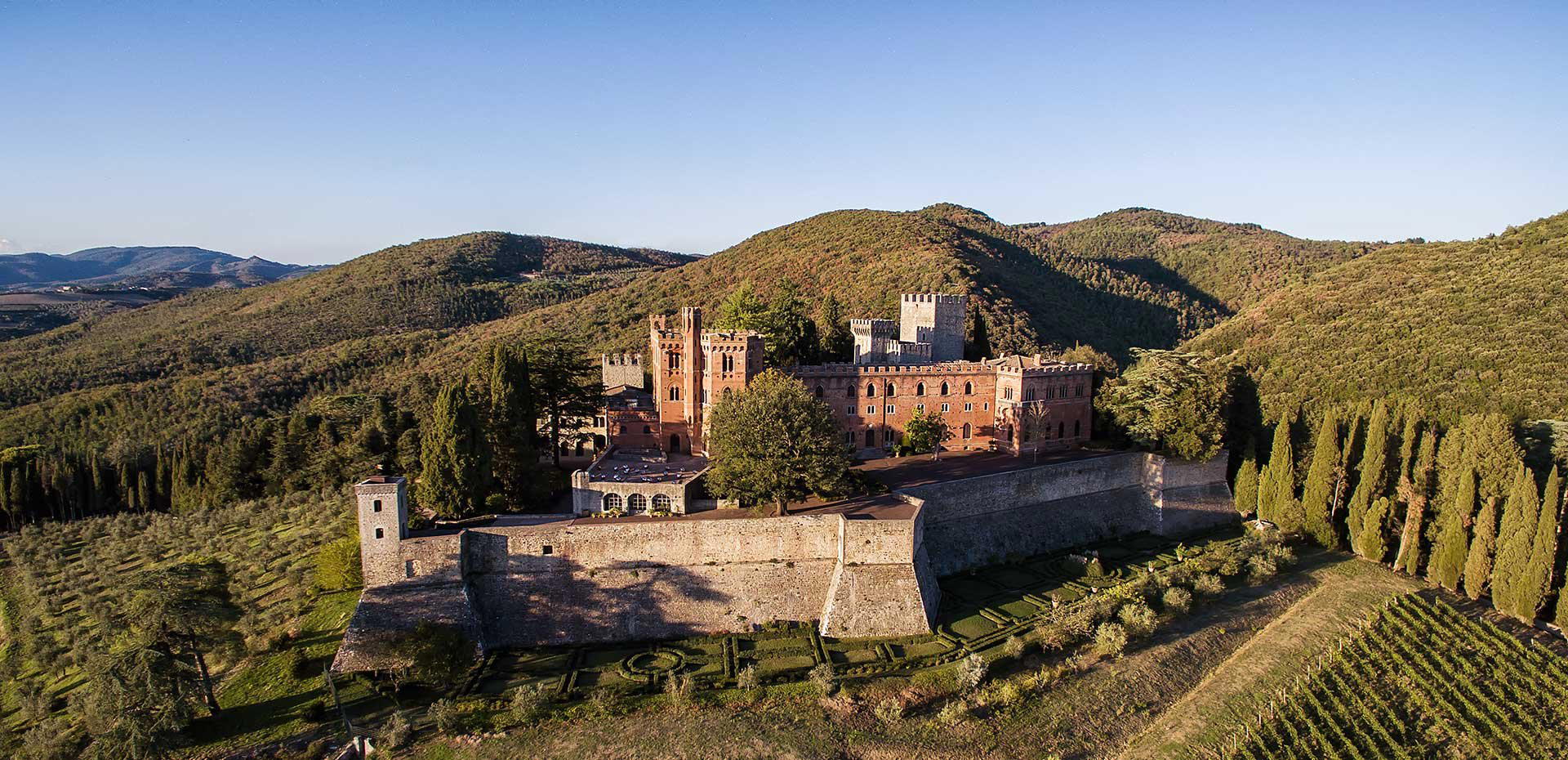
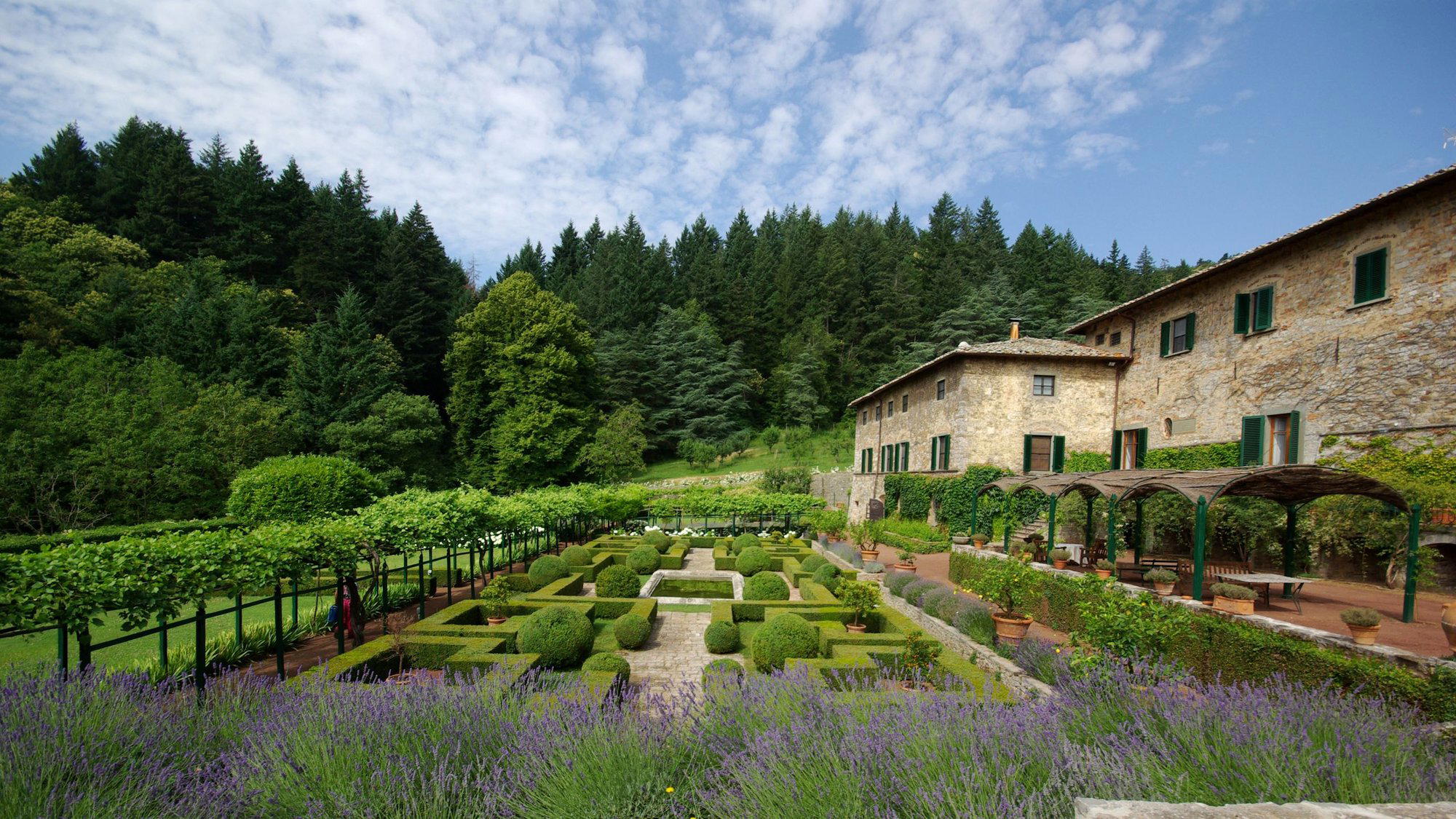
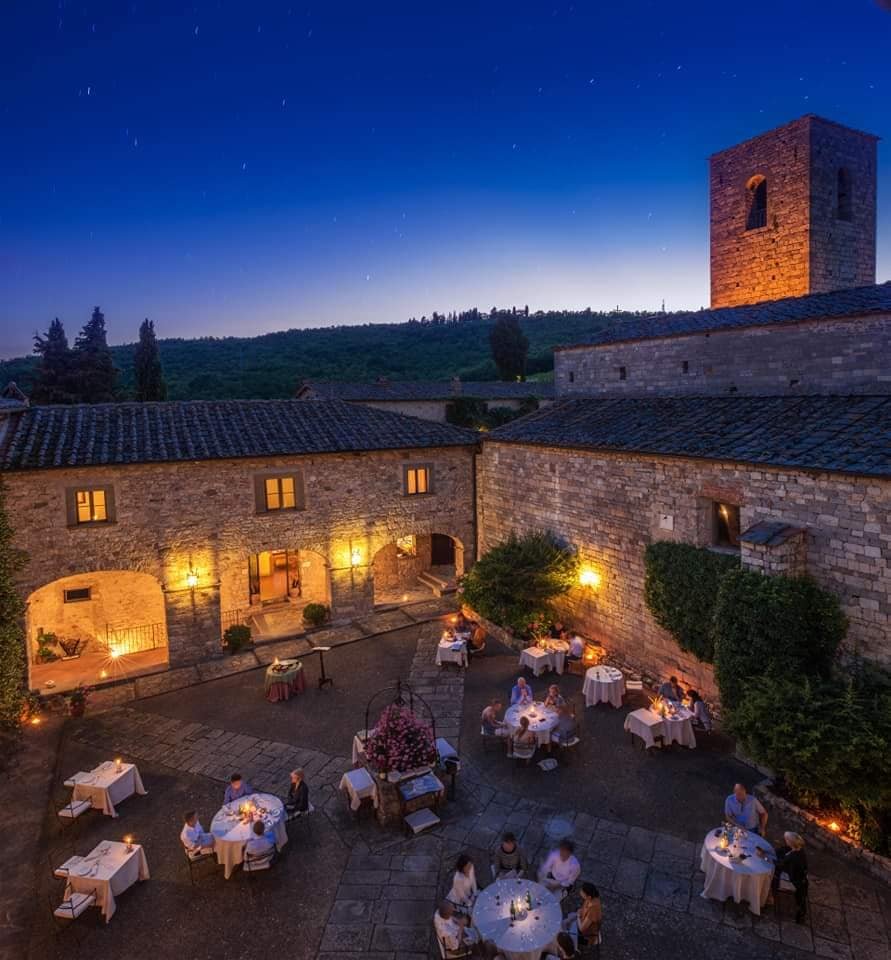
The winery is best described as intimate and agricultural rather than as a large-scale leisure complex. It is a small, family-owned estate with a quiet, classic Tuscan atmosphere, focused on expressing high-altitude terroir through Sangiovese and organic farming. That description keeps the emphasis where it belongs: on scale, land, grape and farming, rather than on amenities or spectacle. The estate’s character is therefore best approached with the expectations one would bring to a focused wine property, not to a broad tourism operation.
That positioning matters in Chianti Classico, where some names lean on grand design or volume. The winery reads differently: more restrained, more site-focused, and more concerned with clarity than spectacle. Its value is in the way it represents a quieter version of the region, one where the classic Tuscan atmosphere is present but not turned into a performance. The small-estate format also helps keep the story legible: family ownership, organic farming, Sangiovese and altitude remain the central points rather than background details.
The trust case rests on the confirmed fundamentals: Gaiole in Chianti, Chianti Classico, a small family-owned estate, organic farming, high-altitude terroir and Sangiovese. Those fundamentals are enough to define the venue without exaggeration. They also make clear what not to expect from the description: no need for grand claims, no need for invented technical flourishes, and no need to recast the estate as something larger or more elaborate than the information supports. Its strength is the coherence of a limited, credible set of facts.
Where it fits in a Gaiole wine itinerary
Gaiole in Chianti is a useful place to think about how altitude and farming shape Sangiovese, and the winery fits that context as a quiet, classic estate rather than a showpiece destination. Within an itinerary, it is best positioned as a stop for people who want to pay attention to the fundamentals of Chianti Classico: where the wine comes from, how Sangiovese is framed, and how a small organic estate presents itself without unnecessary noise.
For broader local planning, compare the winery with other options in Gaiole in Chianti generically, keeping the focus on what is confirmed: a small family-owned Chianti Classico estate, organic farming, high-altitude terroir and a Sangiovese-led identity. That comparison should be made through style and emphasis rather than unsupported specifics. The winery belongs in the itinerary as a restrained, terroir-led reference point, especially for visitors who prefer the quieter side of Tuscany and want a Chianti Classico experience anchored in place rather than display.
Recognition history
Dated appearances from independent guides and award organizations, with the underlying list record or original source where available.
Falstaff Winery - Listed
Falstaff
Continue exploring
More in Gaiole in Chianti
Wineries in Gaiole in Chianti
Browse all →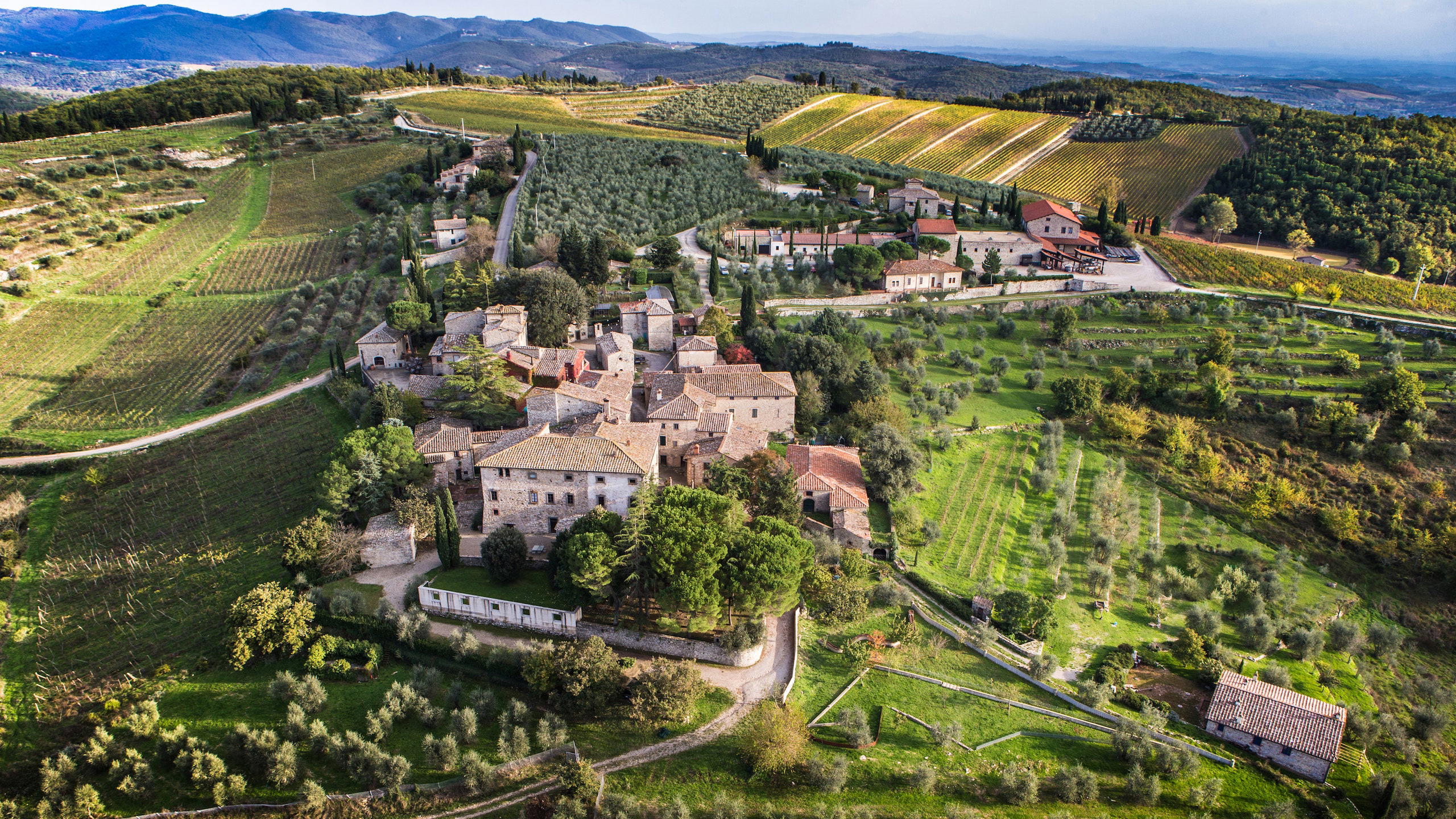
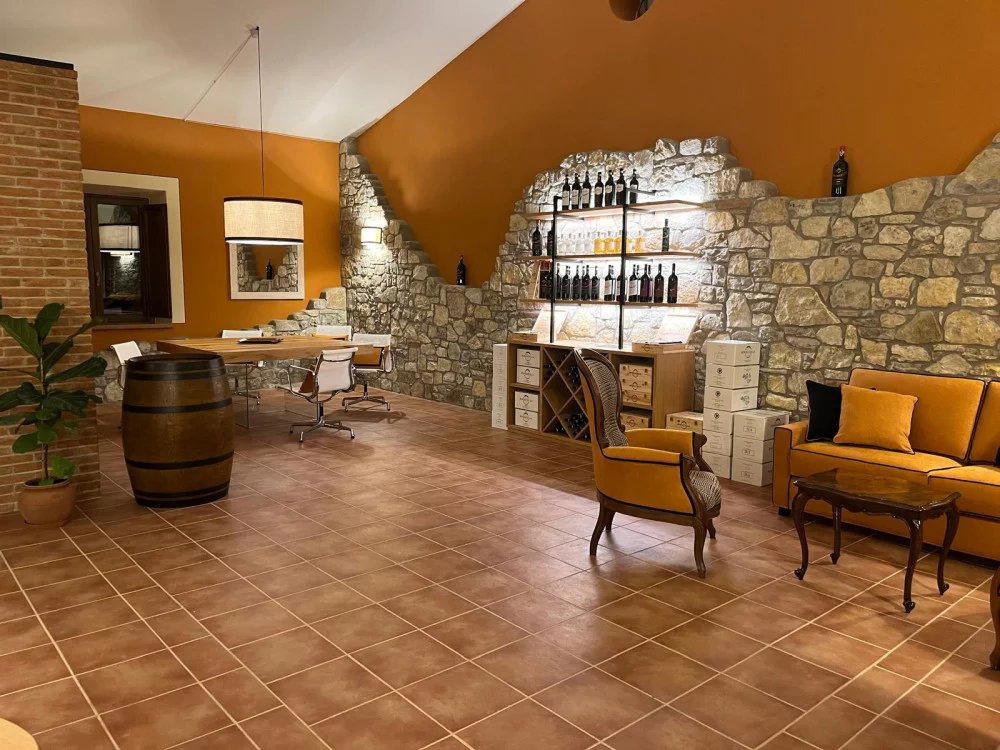
Restaurants in Gaiole in Chianti
Browse all →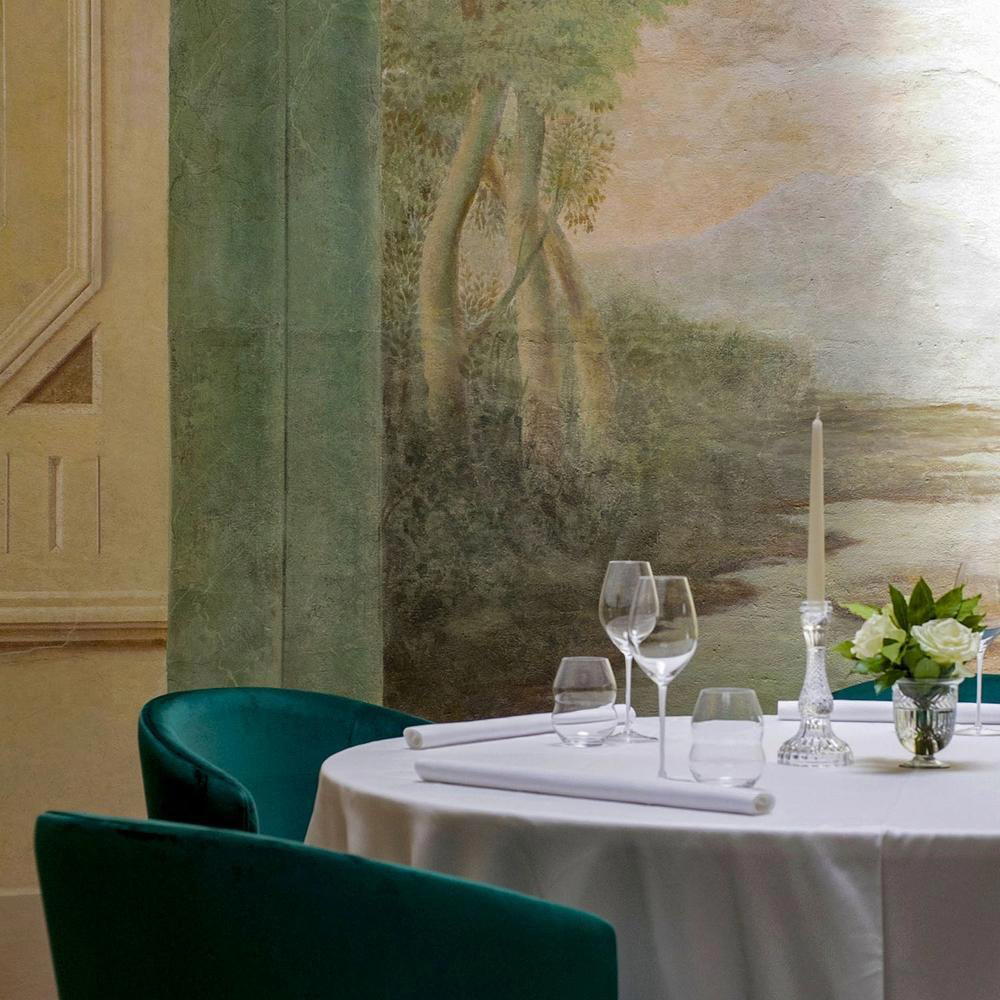
Hotels in Gaiole in Chianti
Browse all →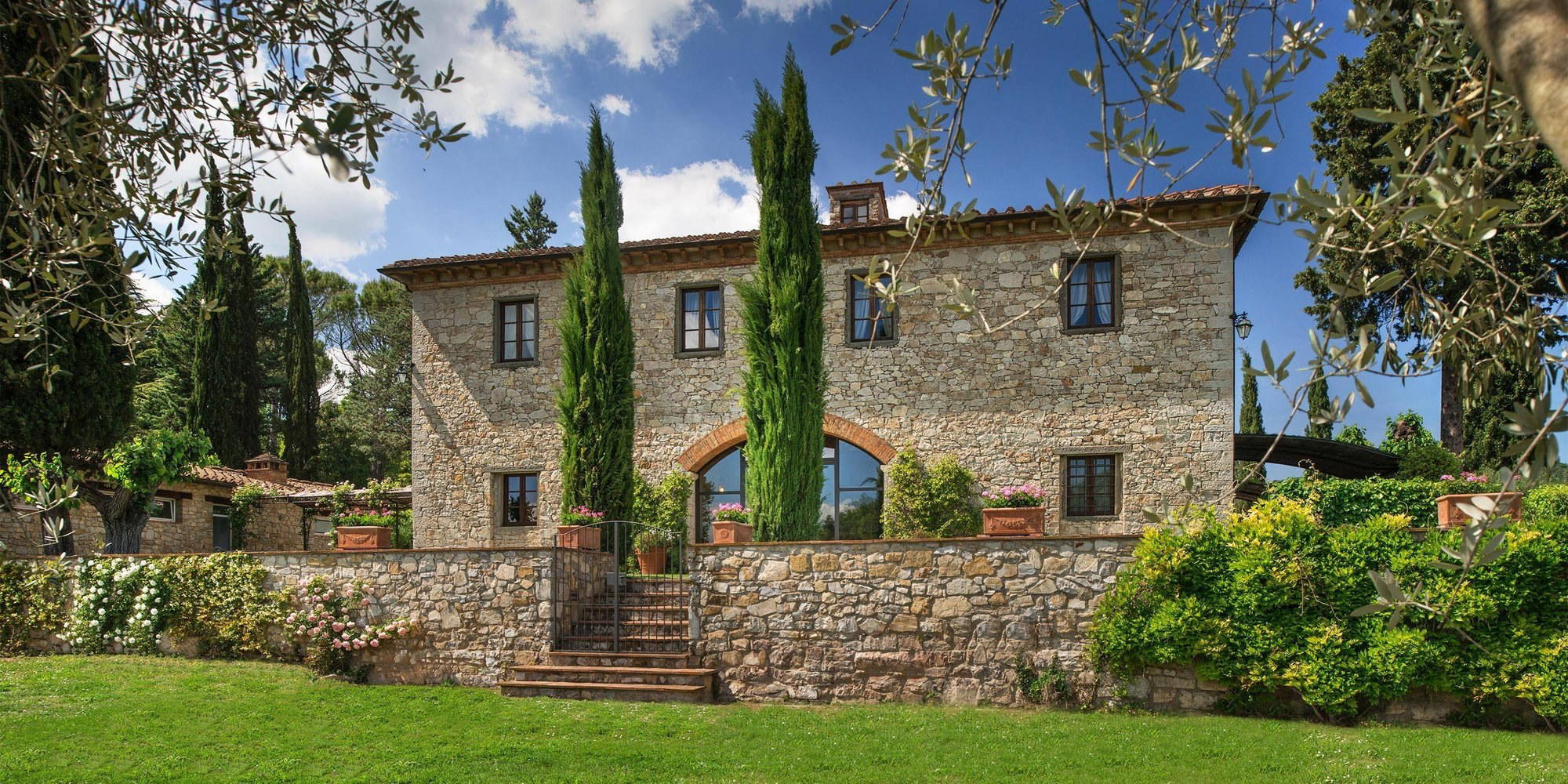
At a Glance
- Classic
- Scenic
- Rustic
- Intimate
- Sophisticated
- Romantic Getaway
- Solo Exploration
- Wine Education
- Special Occasion
- Estate Grounds
- Vineyard Tour
- Organic
- Vineyard
- Mountain
- Chianti Classico DOCG
- Sangiovese
- Canaiolo
- Colorino
- Merlot
- Still Red
- Estate Tasting
- Vineyard Focused
Small, family-owned Chianti Classico estate with a quiet, classic Tuscan atmosphere focused on expressing high-altitude terroir through pure, precise Sangiovese and organic farming rather than showy design or large-scale tourism.