Léon Perdigal

Léon Perdigal is a traditional Châteauneuf-du-Pape producer framed around the Southern Rhône’s red-wine grammar: Grenache-led blending, Mediterranean heat, old-vine material and cellar ageing in large foudres. The draw is not a polished hospitality complex, but a quieter estate-ground format for visitors who want the appellation’s historic, rustic register rather than a high-production tasting circuit.
Pearl is the En Primeur Club membership app — saves, bookings, and concierge access live there. Same editors, same standards.
- Address
- Châteauneuf-du-Pape, Vaucluse, Frankreich
 Saves & bookings on Pearl
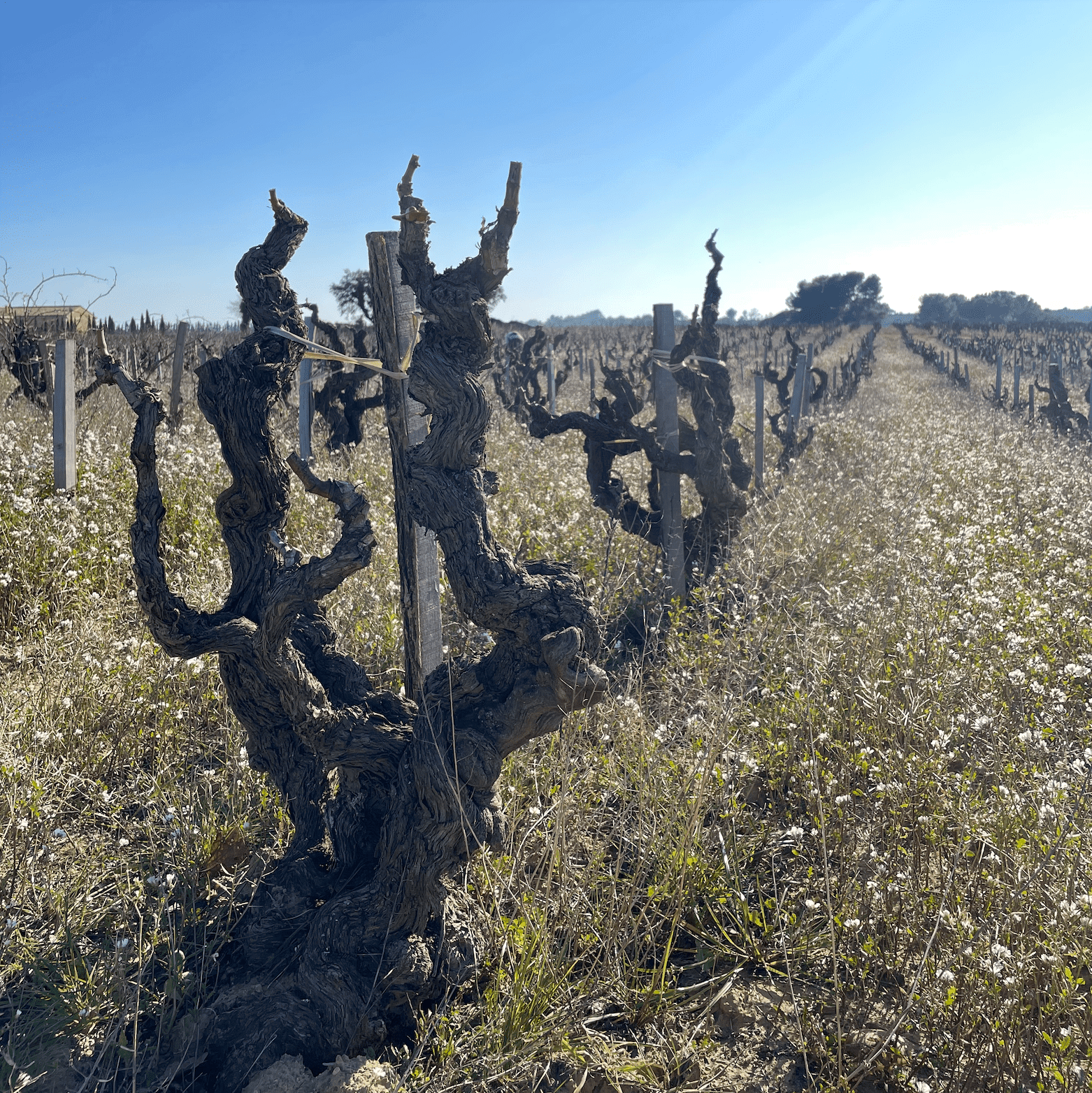
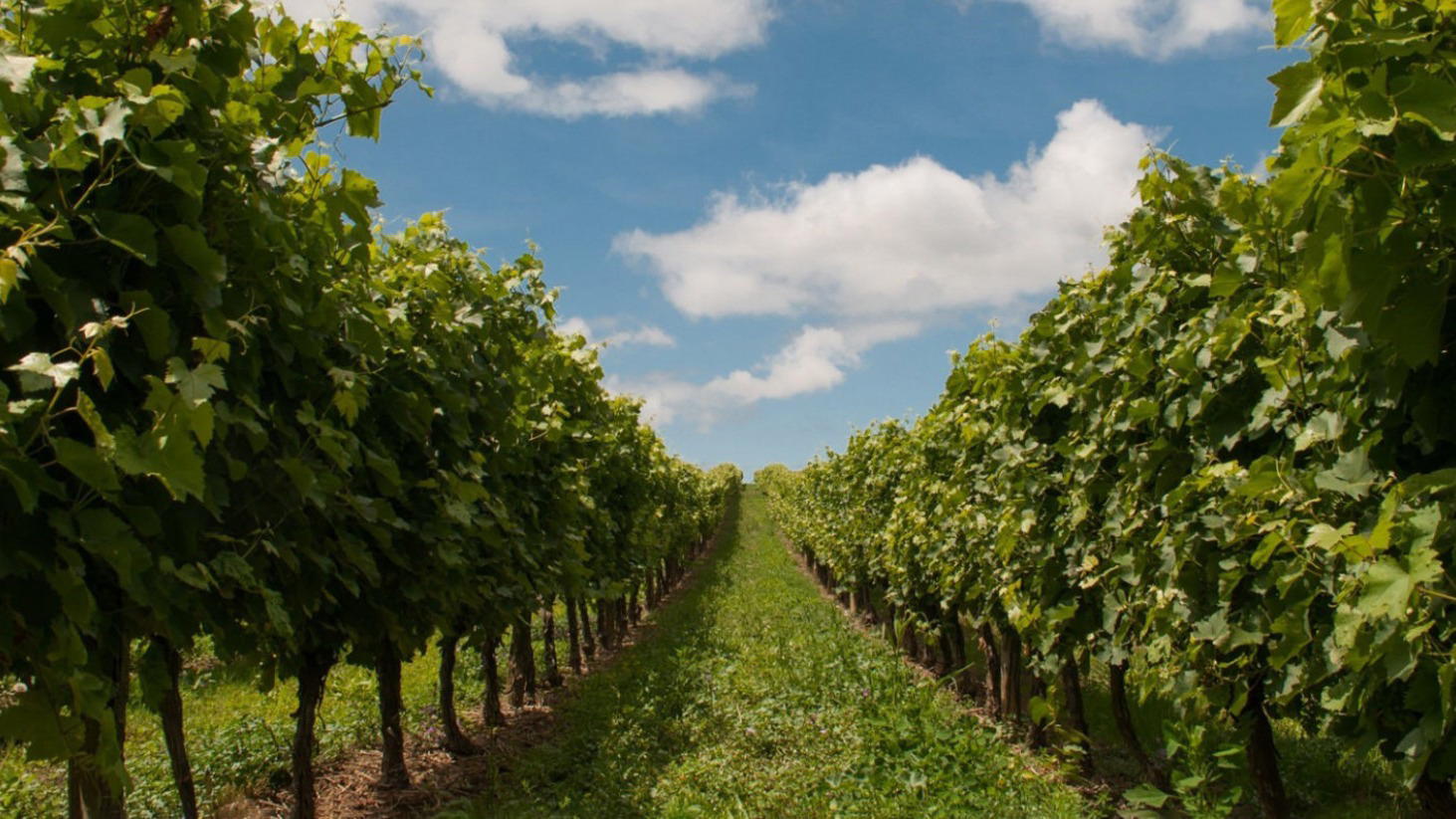
Approaching Châteauneuf-du-Pape, the visual argument for the wine is already in place: Mediterranean vegetation, vineyard land, pale stone and the compact village rising above the Rhône plain. Léon Perdigal belongs to the more traditional register of the appellation, where the cellar, the vines and the idea of Southern Rhône wine matter more than architectural theatre. The picture is deliberately narrow: a Châteauneuf-du-Pape producer with a classic, terroir-driven feel, an emphasis on old vines, large foudres and a Mediterranean vineyard landscape rather than a polished modern visitor center.
That matters in Châteauneuf-du-Pape because the appellation can be experienced in more than one way. Some visits are built around broad hospitality and highly designed tasting spaces; Léon Perdigal is better understood through a cellar-focused lens. The appeal is not a list of extra services or a scripted visitor program. It is the sense of a Southern Rhône producer rooted in its place, with the landscape and cellar vocabulary doing much of the explanatory work.
Old-vine Southern Rhône character, read through the appellation
The useful way to read Léon Perdigal is through Châteauneuf-du-Pape itself. This is a traditional, terroir-driven producer whose identity is tied to old vines and the Southern Rhône cellar idiom. For visitors trying to understand the appellation, that is already a meaningful frame.
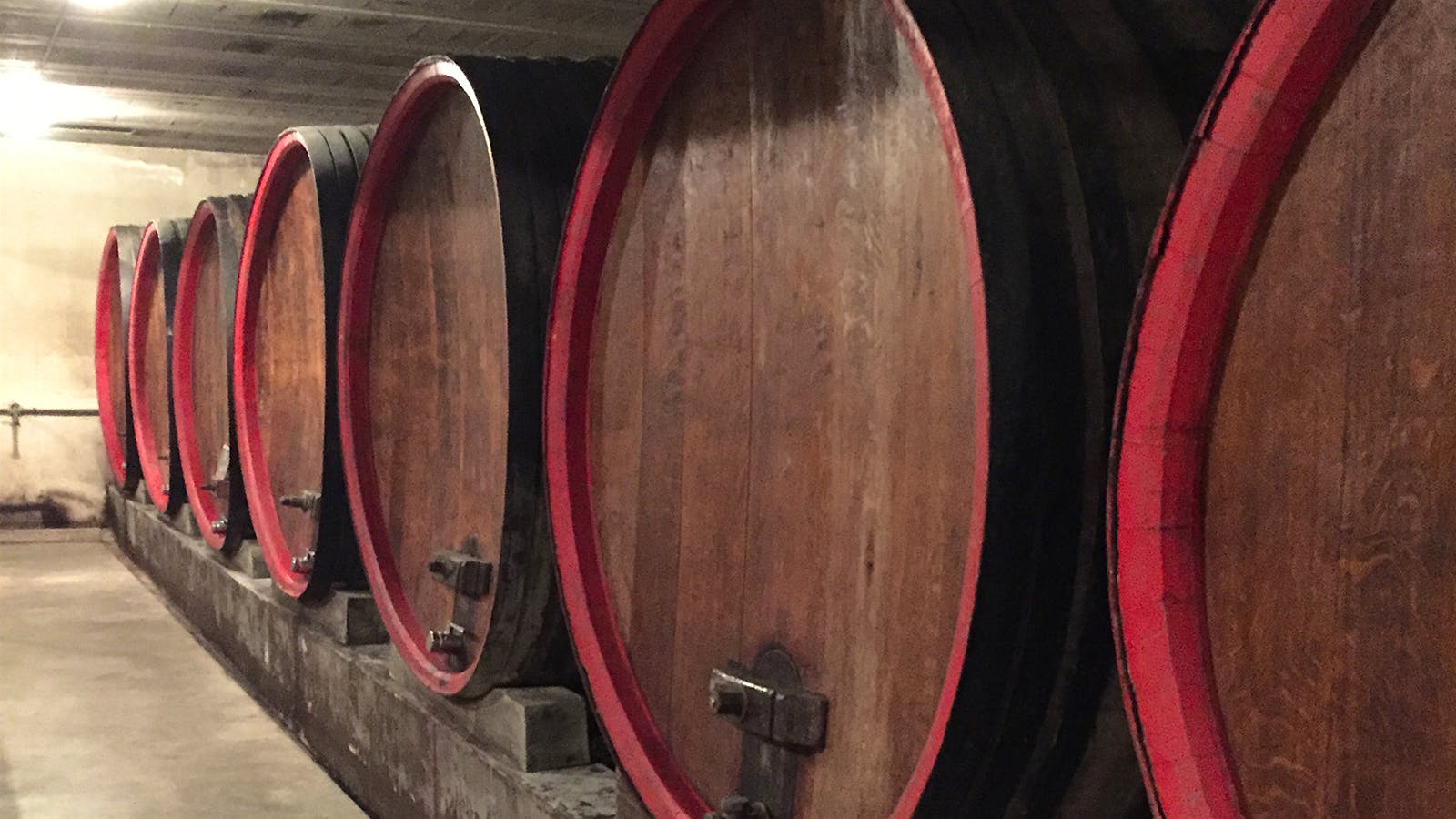
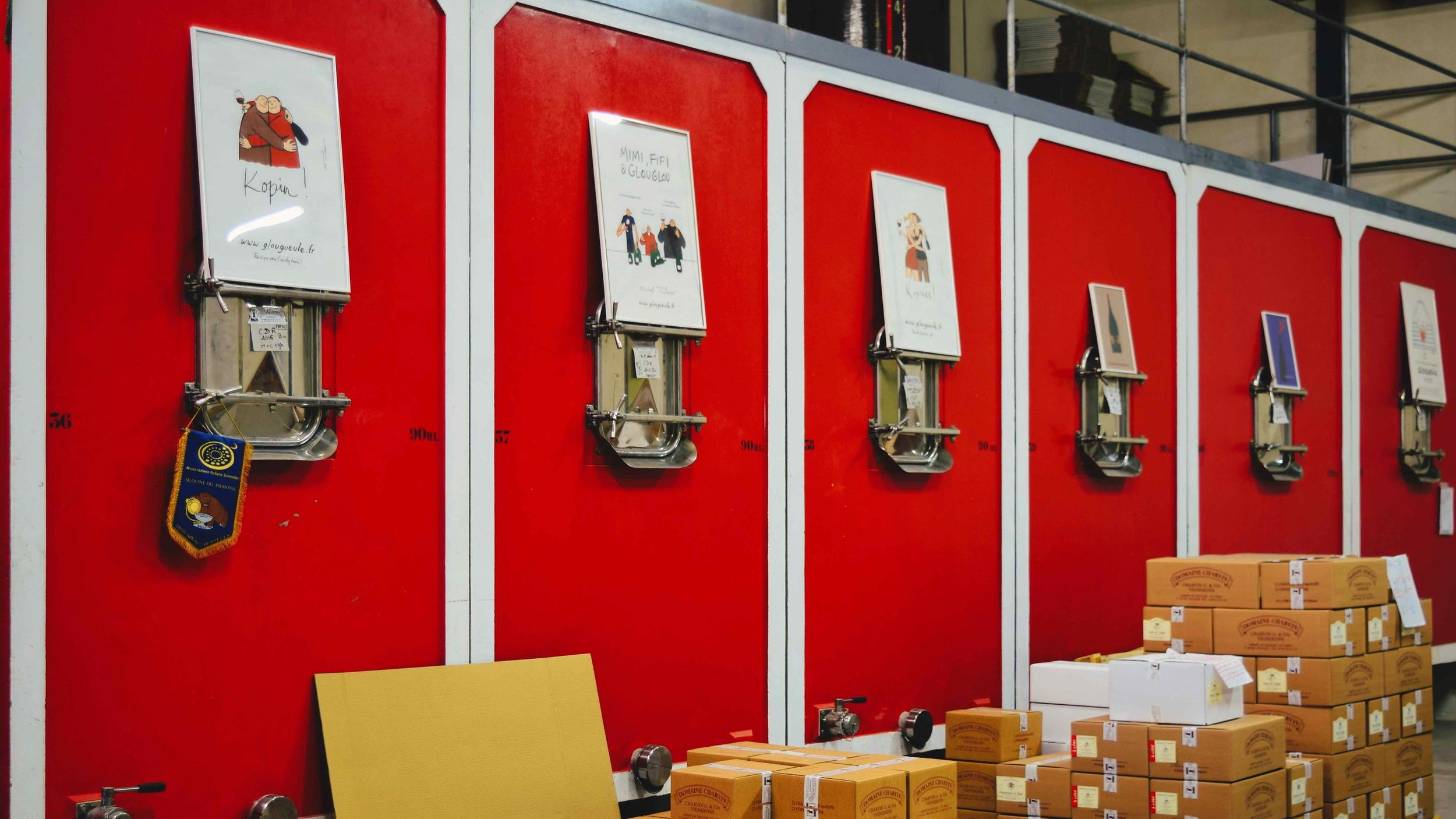
The cellar detail is especially important. Large foudres point toward a classic ageing vocabulary, one in which wood is part of the cellar’s structure rather than a modern design statement. In a region often reduced to shorthand ideas of warmth, ripeness and power, that distinction helps. Châteauneuf-du-Pape is most interesting when it is read as landscape, farming history and cellar practice together. The winery’s appeal sits in that conversation, with old vines, foudres and Mediterranean surroundings forming the core of what can be stated confidently.
It is also important not to overstate the public record. That absence should not be treated as a weakness. For an EP Club guide, it simply means the recommendation should be framed honestly: the winery is best presented as a traditional Châteauneuf-du-Pape producer with a cellar-led identity, not as a hospitality complex with a long checklist of confirmed amenities.
A cellar-focused visit, not a spectacle format
The clearest way to position the winery is as a quiet, cellar-focused stop. The description emphasizes a classic Southern Rhône feel rather than a polished modern visitor center. That makes it more relevant to travelers who care about appellation character, old-vine context and cellar atmosphere than to those looking for a broad lifestyle destination. The Mediterranean vineyard landscape is part of the experience, but the guide should avoid claiming specific services, tour formats or booking rules that are not confirmed.
Price is listed as $$$, which places it in a premium bracket but no specific tasting fee, bottle price, meal price or package price is confirmed. Visitors should treat the venue as a wine-focused Châteauneuf-du-Pape address and confirm current arrangements directly before making firm plans.
There is no need to turn the winery into a trophy stop. Its value is more specific: a traditional, cellar-led lens on Châteauneuf-du-Pape, grounded in old vines, large foudres and the surrounding Mediterranean vineyard landscape. Travelers building a broader wine day in the village can set it against other Châteauneuf-du-Pape producers generically, then round out the trip with dining, hotels, bars or other experiences in the area according to their schedule.
How to place it in a wider wine itinerary
Châteauneuf-du-Pape is dense enough that a good itinerary benefits from contrast rather than repetition. A cellar-focused producer like Léon Perdigal makes sense when paired with other local wine stops that show different sides of the appellation. Since the here does not support naming other specific venues, the cleanest comparison is generic: use the winery for the traditional, terroir-led register, then compare it with other unnamed Châteauneuf-du-Pape options that may offer a different setting, rhythm or visitor style.
For travelers using Châteauneuf-du-Pape as part of a wider wine trip, the same principle applies. Wine travel works well when the format explains the place. The winery’s identity is narrow but useful: a traditional Southern Rhône producer rooted in Châteauneuf-du-Pape, with old-vine emphasis, large foudres and a Mediterranean vineyard landscape. That is the reason to include it, provided the goal is appellation literacy and cellar atmosphere rather than a highly polished visitor-center experience.
Recognition history
Dated appearances from independent guides and award organizations, with the underlying list record or original source where available.
Falstaff Winery - Listed
Falstaff
Continue exploring
More in Châteauneuf-du-Pape
Wineries in Châteauneuf-du-Pape
Browse all →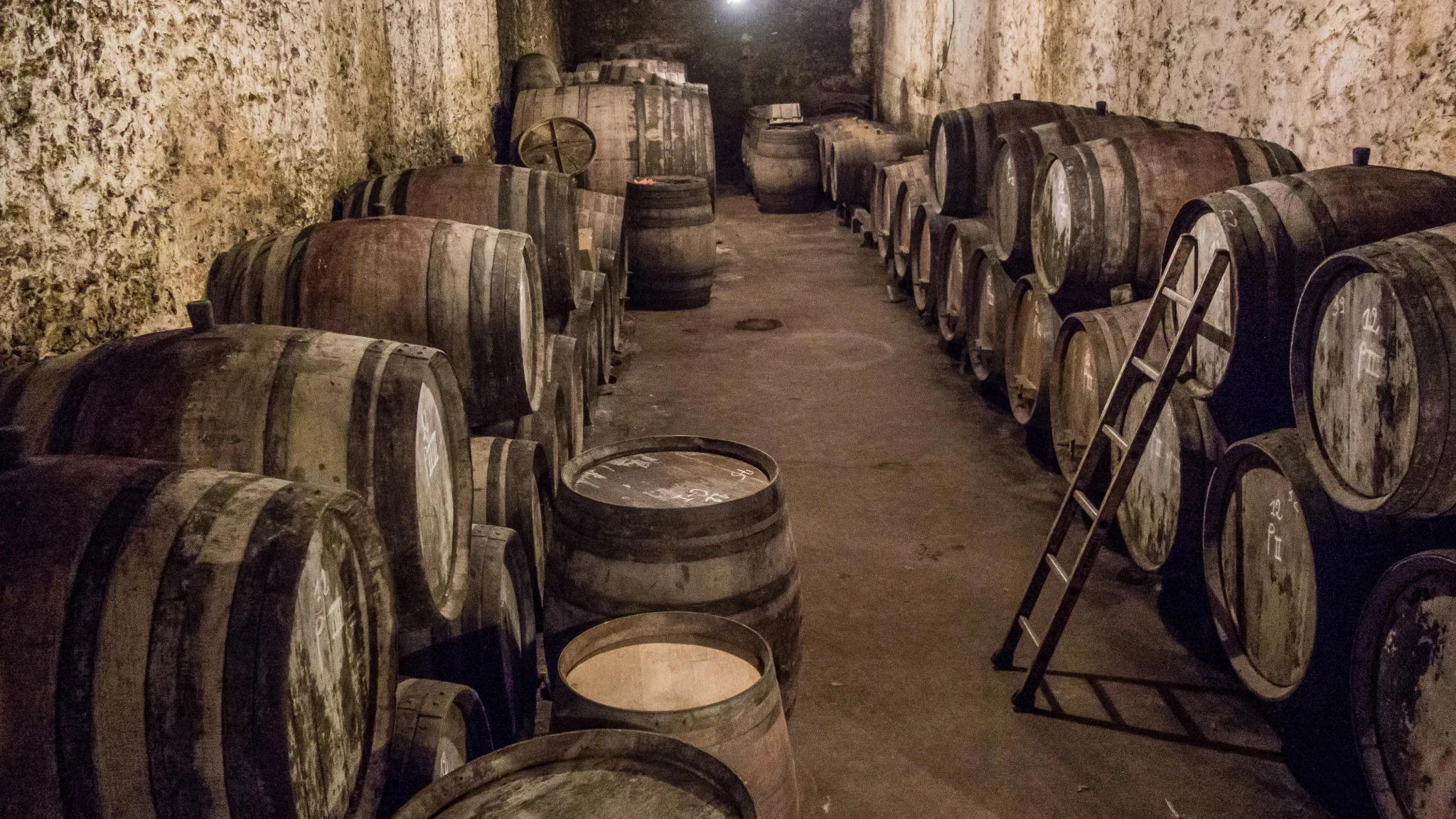
Restaurants in Châteauneuf-du-Pape
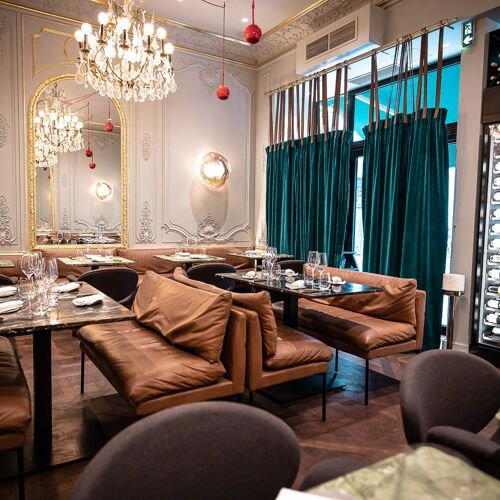
Browse all →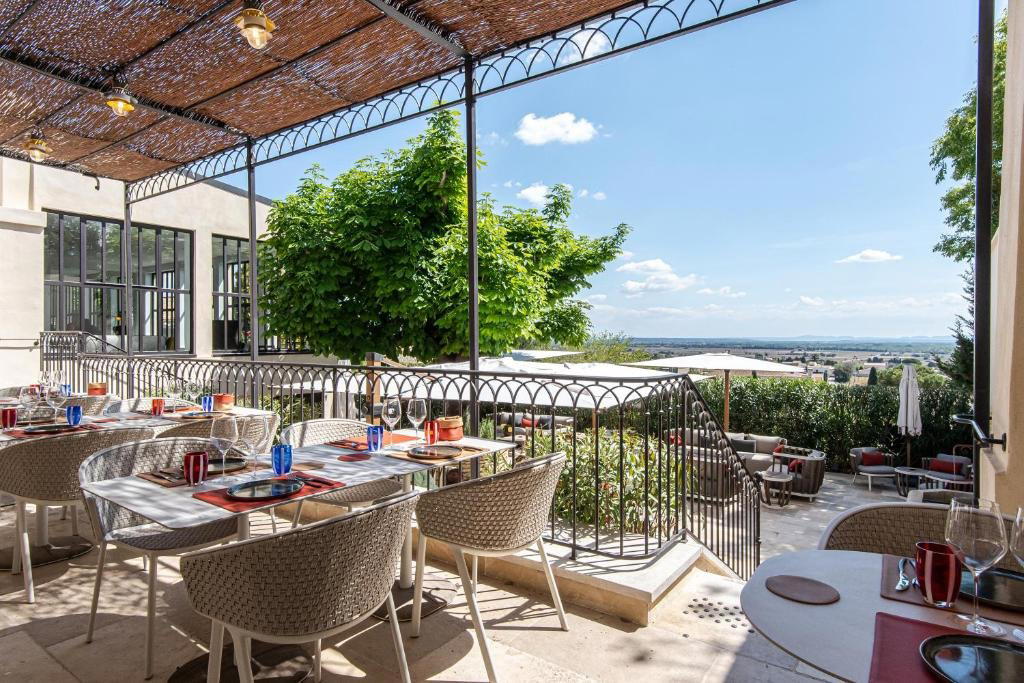
Hotels in Châteauneuf-du-Pape
Browse all →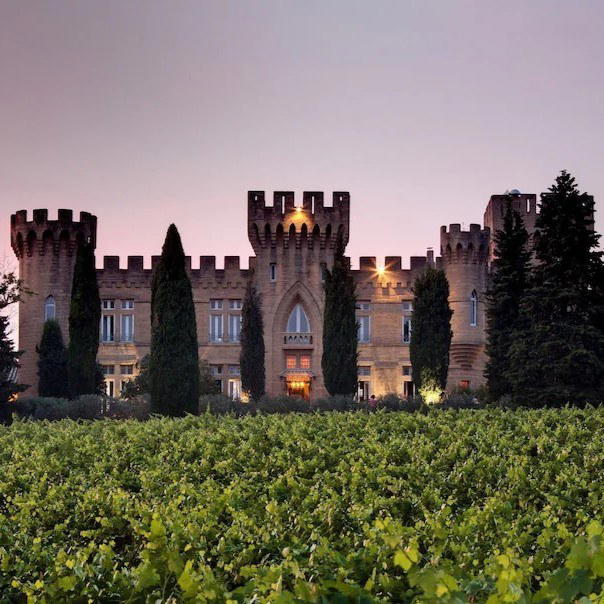
At a Glance
- Classic
- Rustic
- Scenic
- Well Known
- Solo Exploration
- Wine Education
- Historic Building
- Estate Grounds
- Vineyard
- Châteauneuf Du Pape AOC
- Grenache
- Syrah
- Mourvèdre
- Cinsault
- Carignan
- Still Red
- Standard Tasting
Traditional Southern Rhône cellar-focused producer rooted in Châteauneuf-du-Pape, with a classic, terroir-driven feel emphasizing old vines, large foudres and a Mediterranean vineyard landscape rather than a polished modern visitor center.