L’Avenir Wine Estate

L'Avenir Wine Estate sits along the R44 corridor between Stellenbosch and Paarl, a stretch that has long concentrated some of the Cape Winelands' most serious production. The estate is positioned for wine-focused visitors with a clear sense of what they are looking for.
Pearl is the En Primeur Club membership app — saves, bookings, and concierge access live there. Same editors, same standards.
- Address
- Off R44, Klapmuts Road, R44, Stellenbosch, 7599
- Phone
- +27 21 889 5001
- Website
- lavenirestate.co.za
- Directions
- Get directions
 Saves & bookings on Pearl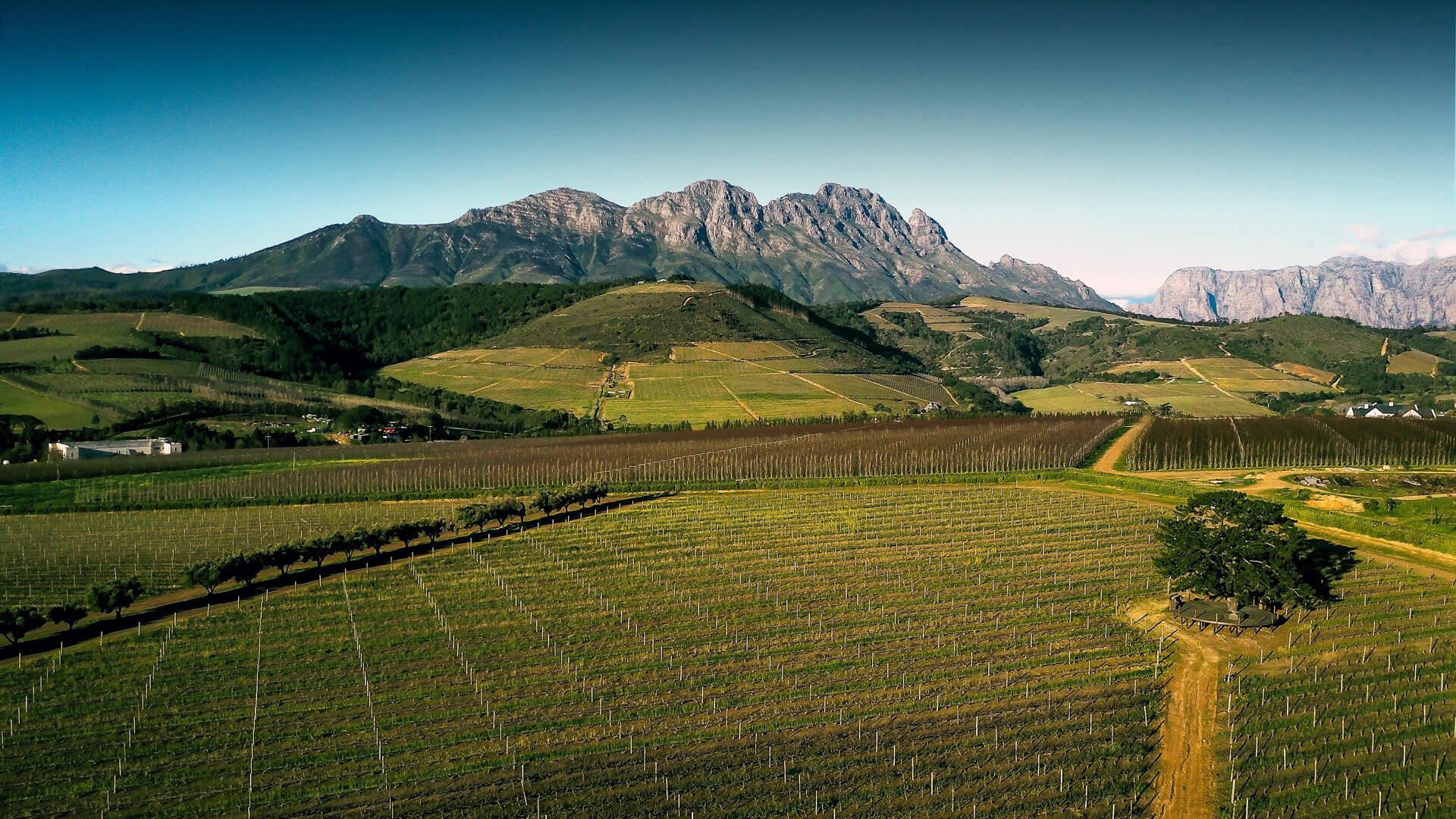
Where the R44 Corridor Earns Its Reputation
The road between Stellenbosch and Paarl carries more winemaking credibility per kilometre than almost any other stretch in South Africa. Granite-rich soils, mountain-facing slopes, and a century-plus of viticulture have made this corridor a reference point for serious Cape wine. L'Avenir Wine Estate sits along this route on Klapmuts Road, in a part of Stellenbosch where the farms tend to run quieter than those closer to town but the wines tend to run deeper. This is the Stellenbosch of working cellars and considered production, where a visit is structured around what is in the glass rather than what is on the Instagram grid. It is the Stellenbosch of working cellars and considered production, where a visit is structured around what is in the glass rather than what is on the Instagram grid.
Stellenbosch hosts a wide range of estate experiences, from the grand hospitality infrastructure of properties like Delaire Graff Estate to the heritage scale of Neethlingshof Estate, and the more commercially oriented visitor offer at Spier Wine Farm. L'Avenir occupies a different register: a prestige-rated estate where the critical credentials lead and the visitor experience follows from that, rather than the reverse.
A 2 Star Prestige result in 2025 places L'Avenir in a peer group defined by sustained critical performance rather than one strong vintage or a single standout wine.
Across the Cape Winelands, the producers achieving prestige-level ratings tend to share a few characteristics: yield discipline, site-specific winemaking decisions, and a willingness to position against quality benchmarks rather than volume targets. L'Avenir's 2025 recognition slots it into that conversation. For visitors deciding between the many estates accessible from Stellenbosch's town centre, a current prestige rating is a more reliable orientation point than marketing copy or drive-by reputation. Comparable estates further afield in the Winelands, such as Vergelegen Wine Estate in Somerset West and Babylonstoren in Franschhoek, carry their own critical histories, but L'Avenir's award speaks specifically to its current form.
Stellenbosch's Prestige Tier: Context for the Visit
Stellenbosch's wine identity has always been plural. The appellation covers Pinotage birthplace mythology, serious Bordeaux-blend production, and increasingly a generation of winemakers working with restraint and precision on varieties that were historically considered secondary. The estates that attract prestige-level critical attention in this environment are not a monolithic group, but they do tend to share a serious approach to site expression and a production philosophy that can withstand scrutiny from international benchmarks.
L'Avenir's position on the R44 corridor gives it access to growing conditions that have produced award-winning wines across multiple producers. Estates further along this route into Paarl, including Val de Vie Estate, work similar terroir with different stylistic emphases. The contrast between those approaches is itself an argument for structured tasting across multiple stops, treating the corridor as a wine region to be read rather than a checklist to be ticked. Visitors who also plan to explore beyond Stellenbosch might consider Creation Wines in Hermanus or Graham Beck Wines in Robertson for comparison across Cape appellations.
Within Stellenbosch specifically, the prestige-rated estate tier rewards visitors who arrive with some orientation. Tokara Winery and Asara Wine Estate represent different facets of what Stellenbosch does at a serious level, and placing L'Avenir in relation to those properties helps clarify what kind of experience a visitor is choosing when they drive out to Klapmuts Road.
Planning a Visit to L'Avenir
L'Avenir Wine Estate sits off the R44, a route that connects Stellenbosch town with Klapmuts and runs on toward Paarl. The address on Klapmuts Road positions the estate north of the Stellenbosch urban centre, accessible by car without requiring navigation through the more congested approach roads closer to town. Visitors arriving from Cape Town typically reach the R44 via the N1 or N2, with the journey from central Cape Town running roughly 45 to 50 minutes depending on traffic.
Because this section of the R44 corridor concentrates several serious producers, the estate works well as part of a structured day rather than a standalone drive-out. Building an itinerary that includes two or three stops along or near the route makes efficient use of the travel time involved. Reservations are recommended.
For those extending into different wine region comparisons, Constantia Glen in Cape Town offers a cooler-climate counterpoint to the Stellenbosch approach.
Cuisine and Awards Snapshot
Comparable venues nearby, for context on price, style, and recognition.
| Venue | Cuisine | Price | Notes |
|---|---|---|---|
| L’Avenir Wine EstateThis venue — the venue you are viewing | Pinotage, Chenin Blanc | $$$ | Not listed |
| Thelema Mountain Vineyards | Cabernet Sauvignon, Merlot | $$$ | Simonsberg |
| Jordan Wine Estate | Cabernet Sauvignon, Merlot | $$$ | Stellenbosch |
| Eikendal Vineyards | Cabernet Sauvignon, Merlot | $$$ | Helderberg |
| Neethlingshof Estate | Pinotage, Cabernet Sauvignon | $$$ | Stellenbosch |
| Kanonkop Wine Estate | Pinotage, Cabernet Sauvignon | $$$ | Stellenbosch |
Recognition history
Dated appearances from independent guides and award organizations, with the underlying list record or original source where available.
Falstaff Winery - Listed
Falstaff
Continue exploring
More in Stellenbosch
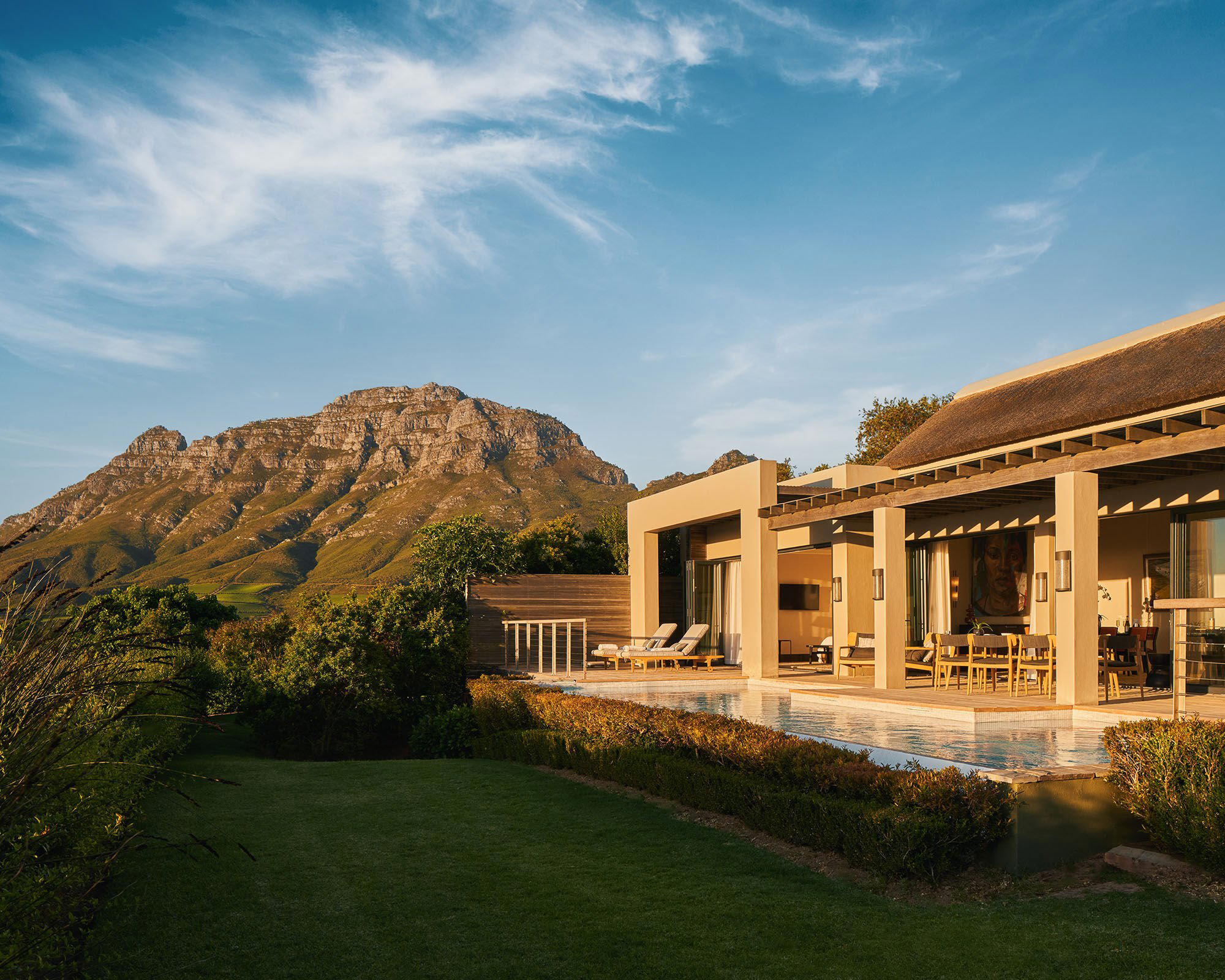
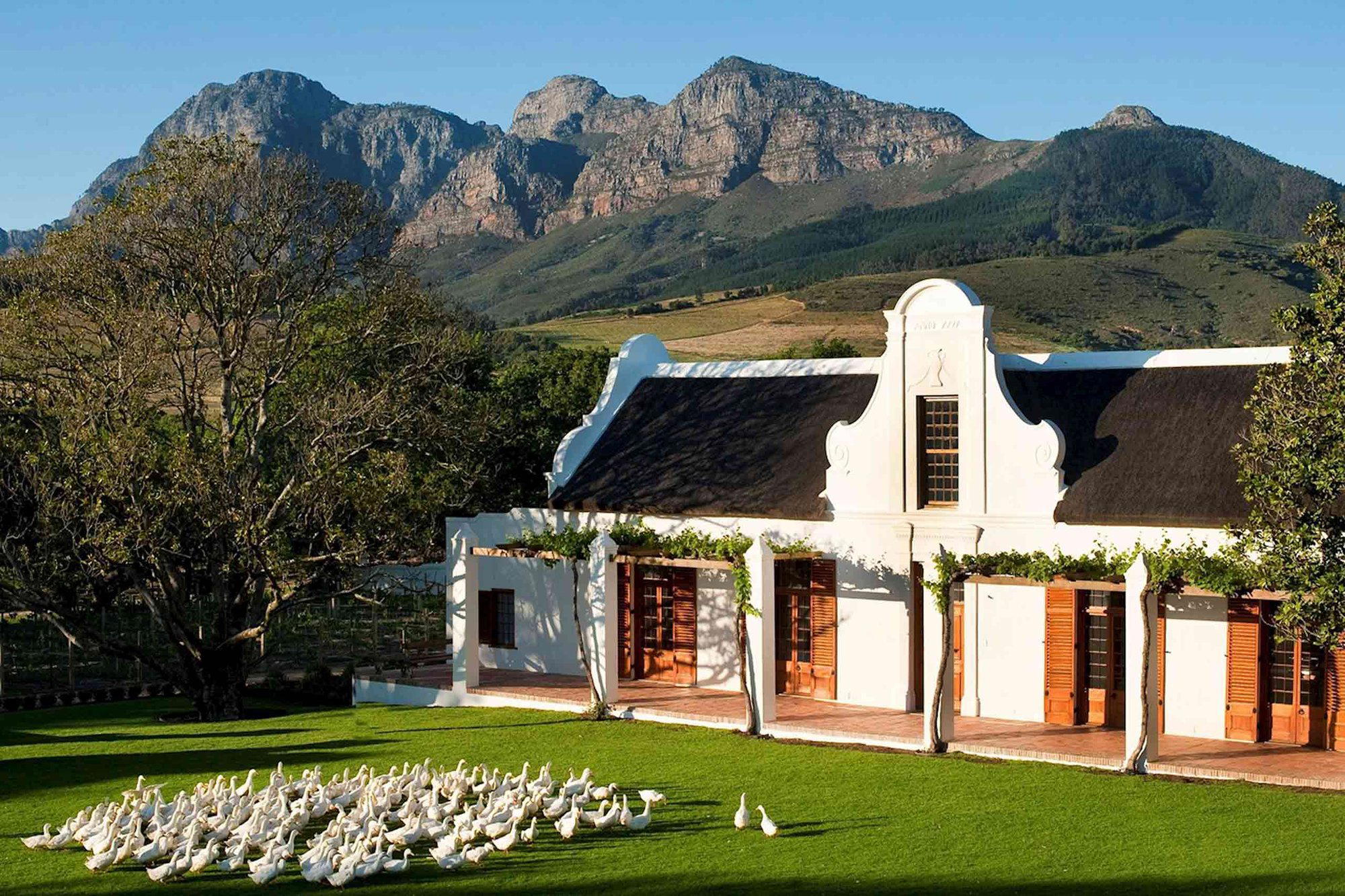
Wineries in Stellenbosch
Browse all →
Bars in Stellenbosch
Browse all →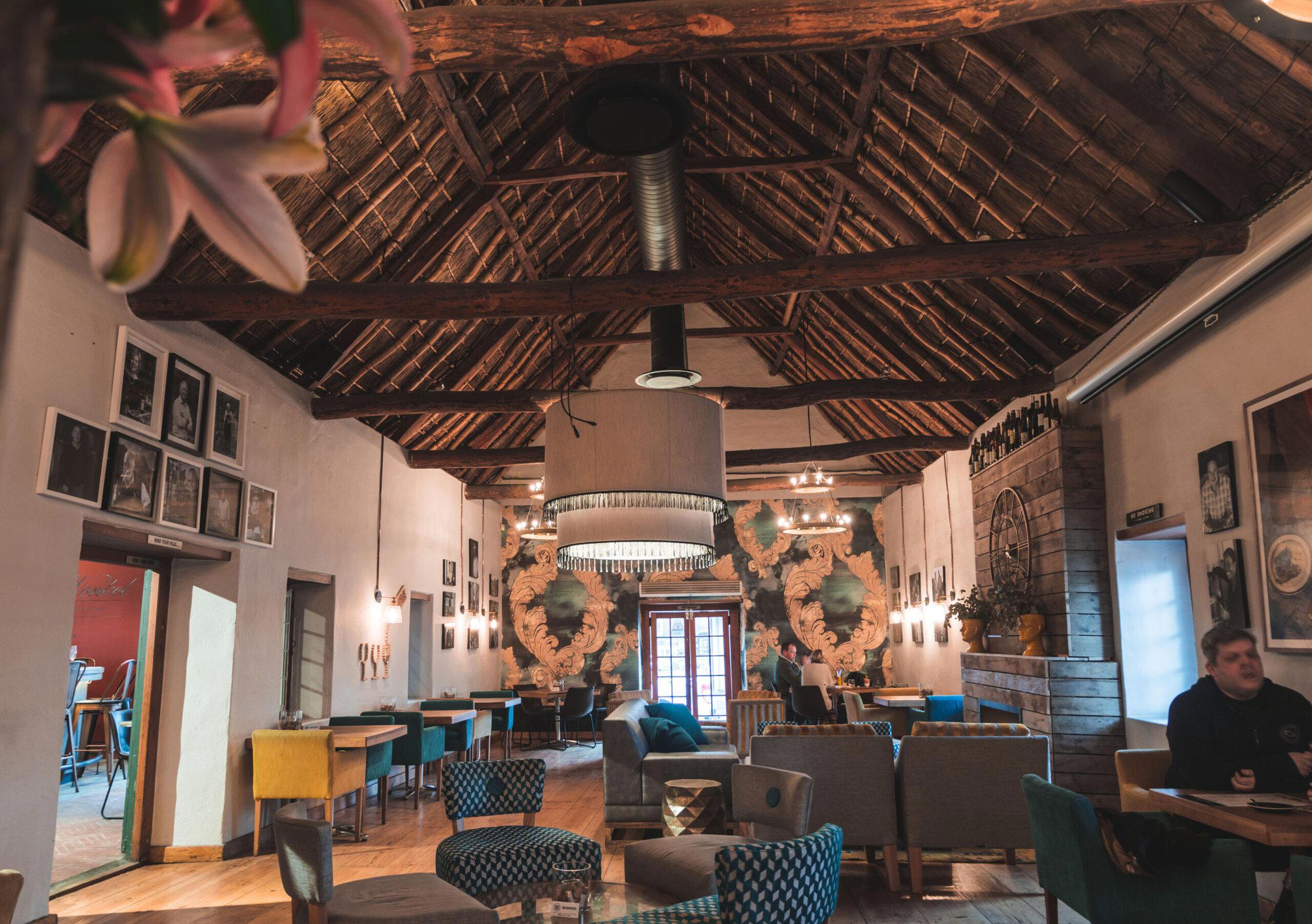
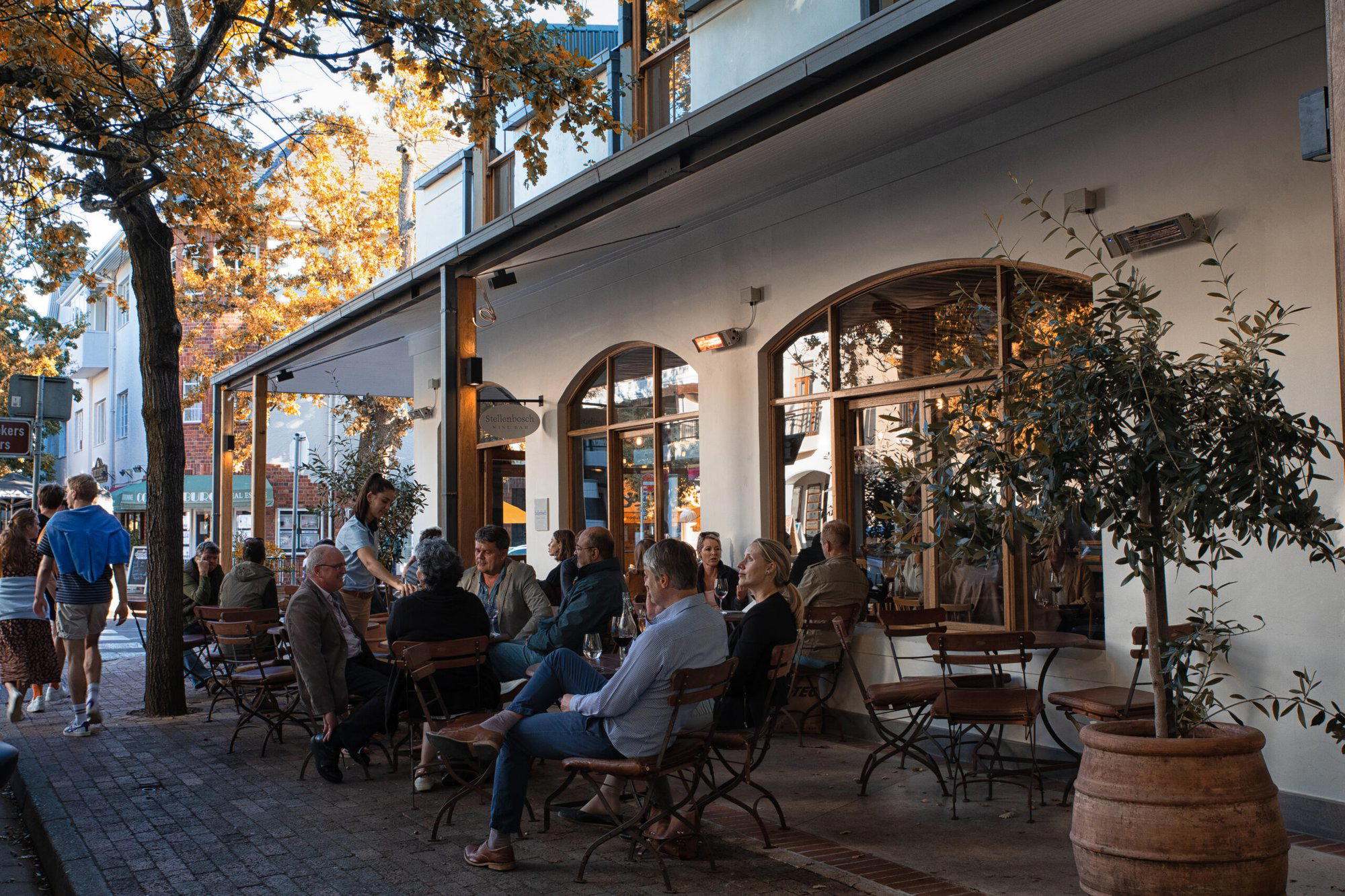
Restaurants in Stellenbosch
Browse all →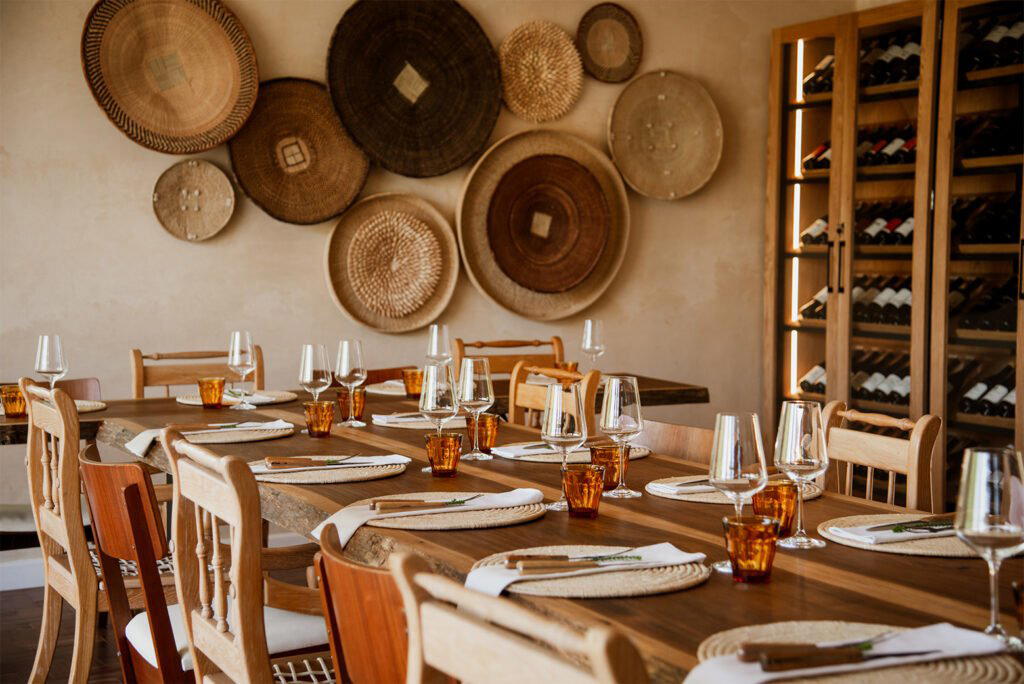
At a Glance
- Scenic
- Elegant
- Rustic
- Romantic
- Intimate
- Romantic Getaway
- Group Outing
- Celebration
- Wine Education
- Vineyard Tour
- Estate Grounds
- Picnic Area
- Panoramic View
- Barrel Room
- Vineyard
- Garden
- Mountain
- Stellenbosch
- Pinotage
- Chenin Blanc
- Cabernet Sauvignon
- Merlot
- Cabernet Franc
- Pinot Grigio
- Still Red
- Still White
- Still Rosé
- Sparkling
- Standard Tasting
- Comparative Tasting
- Barrel Tasting
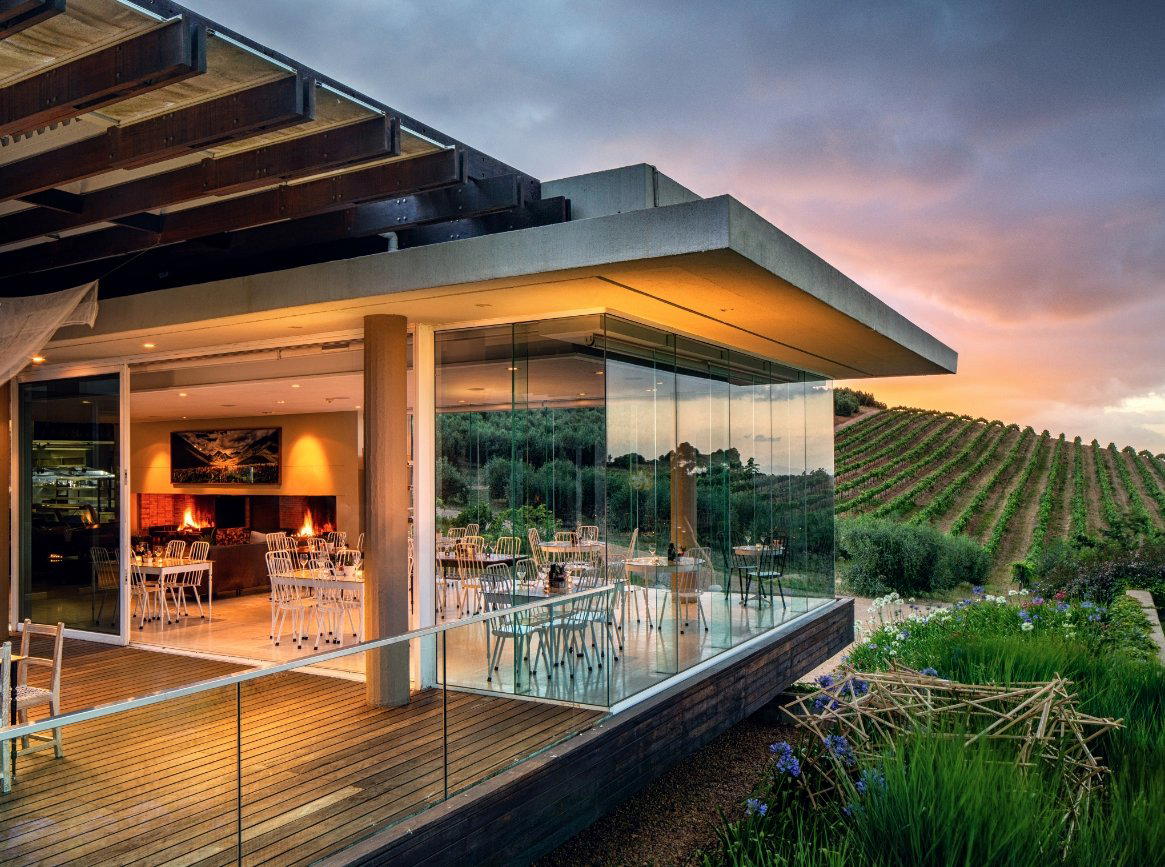
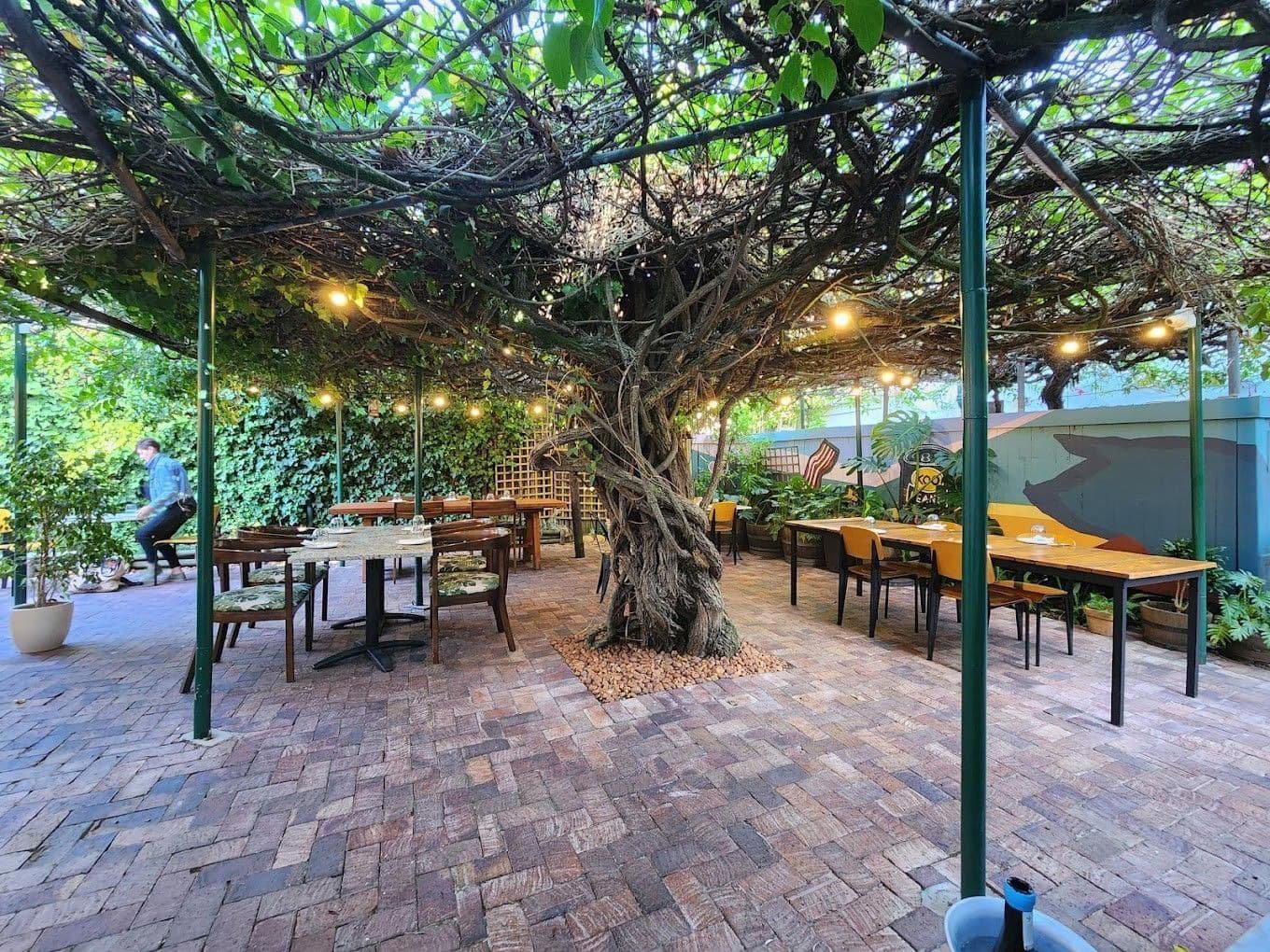
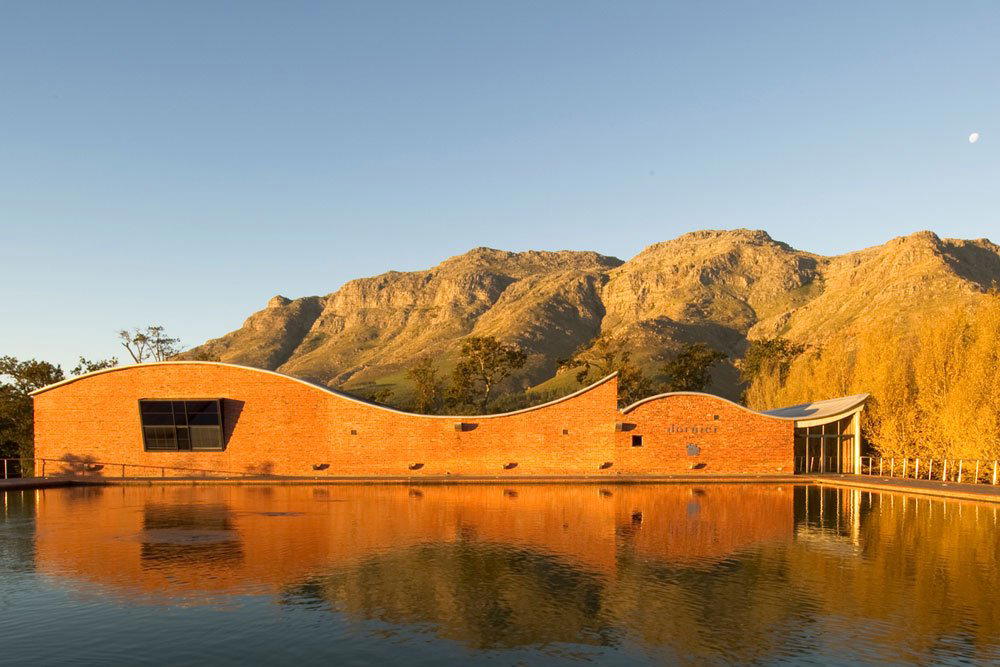
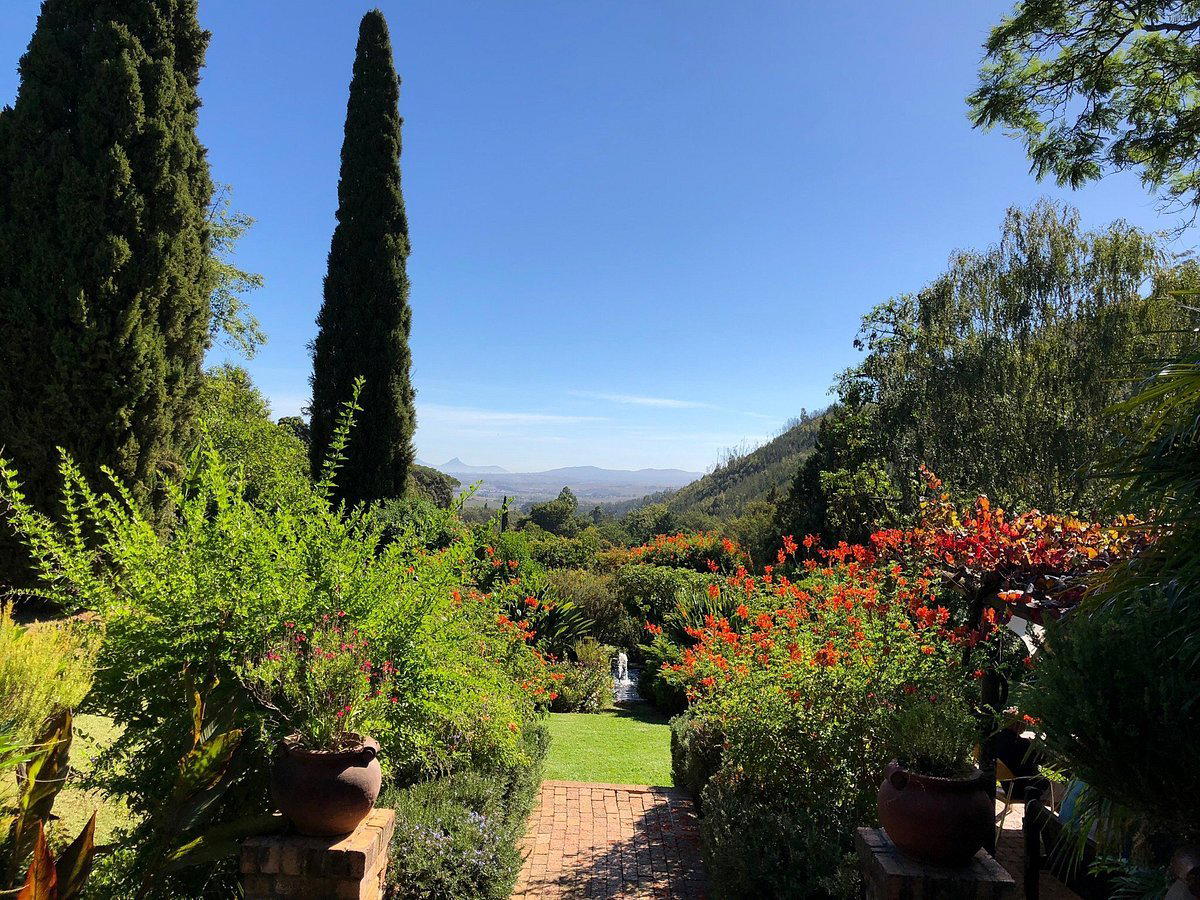
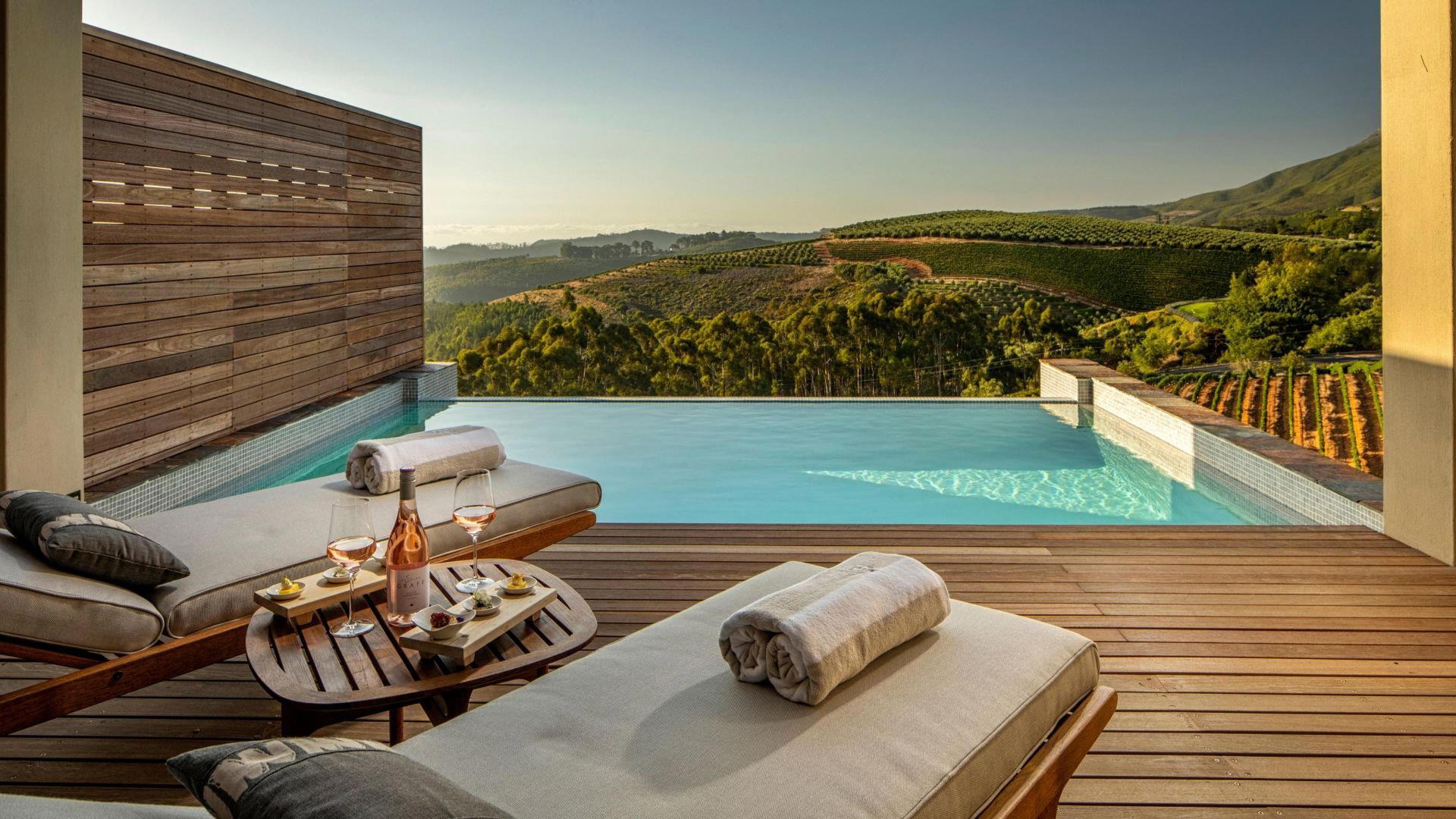
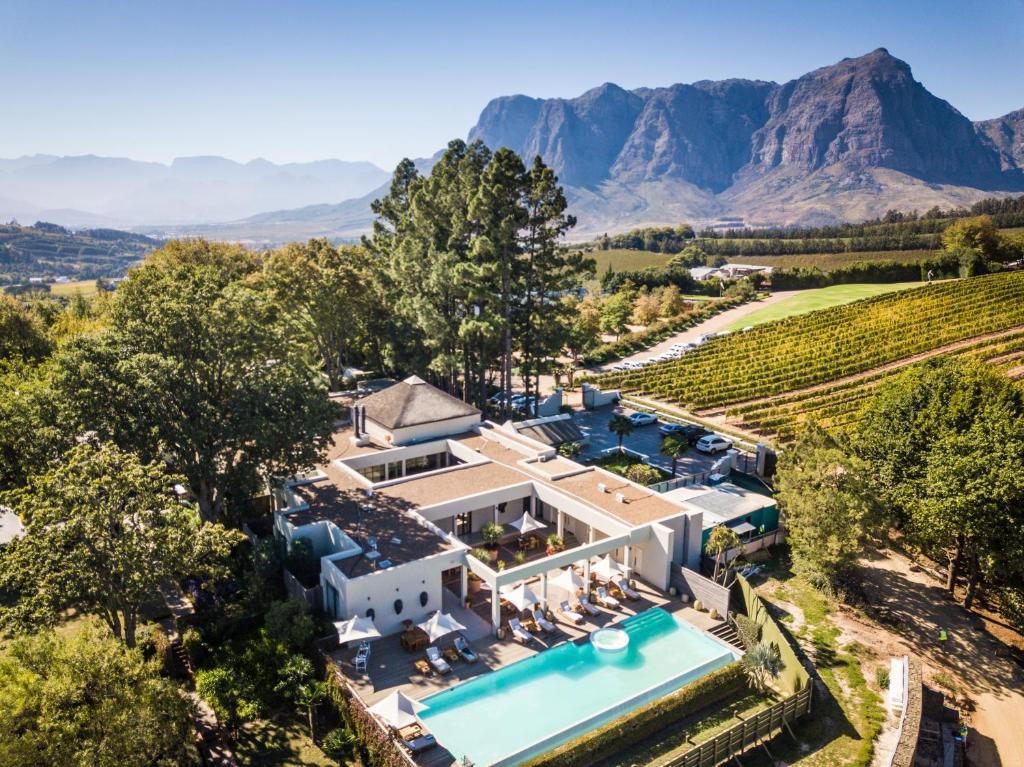
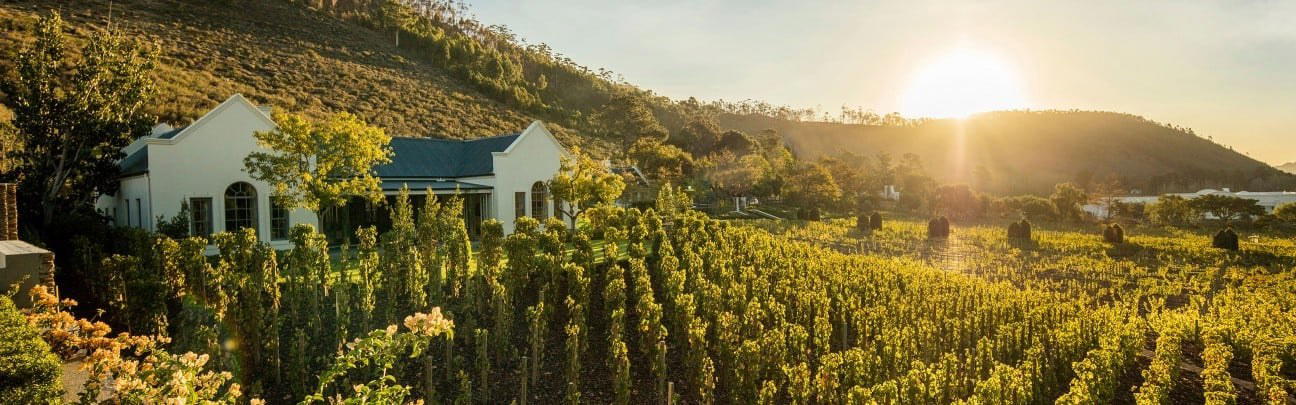
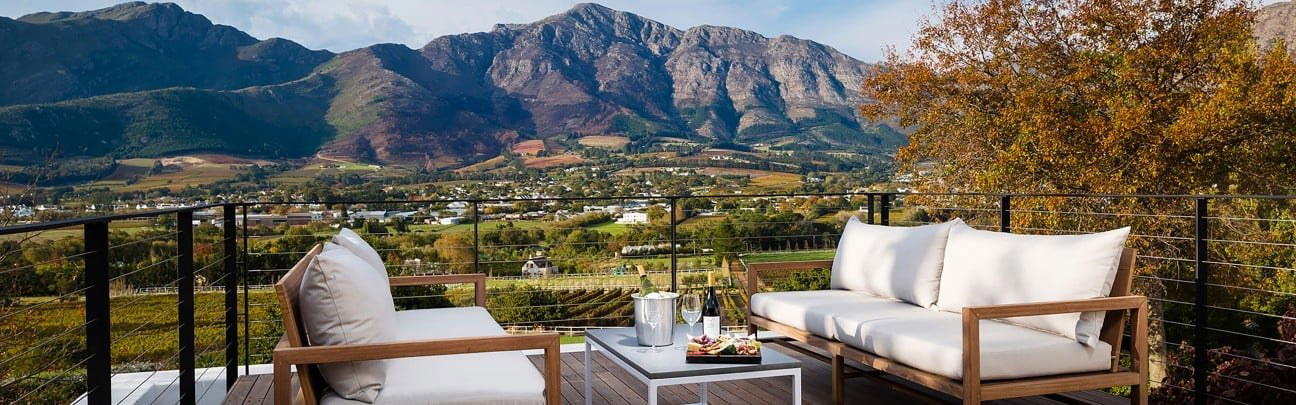
Relaxed and elegant French-bistro inspired atmosphere with far-reaching views of rolling vineyards, lush green lawns, and a tranquil lake.