Klosterkeller Siegendorf

Falstaff Winery - 1 Stars
Klosterkeller Siegendorf is a Burgenland wine address tied to the Lenz Moser name and the O’Dora range, with a cellar-led identity rather than a restaurant-style hospitality pitch. Expect a classic, rustic, quiet setting shaped around regional still wines, including Zweigelt, Blaufränkisch, Grüner Veltliner and Welschriesling.

Pearl is the En Primeur Club membership app — saves, bookings, and concierge access live there. Same editors, same standards.
- Address
- Siegendorf, Leithaberg, Burgenland, Österreich
- Directions
- Get directions

Klosterkeller Siegendorf is best presented with restraint, because the public detail is limited. What can be said is that it is a Siegendorf venue with a historic monastery-cellar and winery association connected to Lenz Moser. The editorial description points toward a classic, rustic, quiet setting rather than a heavily documented restaurant, bar, or tasting-room format.
That distinction matters for a premium guide. A cellar can be compelling without attaching unsupported claims to it. Klosterkeller Siegendorf has enough identity to be understood as a traditional Burgenland-style cellar setting, but not enough detail to describe specific grape varieties, named bottles, service sequences, food offerings, booking rules, parking arrangements, payment methods, or visit structure. The safest reading is atmospheric and contextual: a classic, rustic, quiet cellar address in Siegendorf, associated with Lenz Moser and shaped by the region’s wine culture.
A Burgenland cellar reading built around regional context
The information supports a broad regional reading rather than a detailed technical one. Klosterkeller Siegendorf sits in Siegendorf and is associated with a historic monastery-cellar winery context linked to Lenz Moser. That gives the venue a heritage-oriented identity, especially for travelers interested in Burgenland’s traditional cellar culture. It does not, however, verify a full wine list, a specific grape program, a signature bottling, a tasting format, or a particular production style. Those details should be checked directly with the venue before building an itinerary around them.
For editorial purposes, the most reliable way to describe the venue is as a classic and rustic cellar setting with a quiet tone. That is a narrower claim than calling it a destination tasting room or a fully documented wine-tourism experience, but it is also more accurate. The value lies in the association between place, cellar atmosphere, and regional tradition.
The Lenz Moser association is the clearest identity marker. It gives Klosterkeller Siegendorf a recognizable connection within Austrian wine culture, while the monastery-cellar framing keeps the description rooted in heritage rather than novelty. Without details on particular wines, food, staff, or visitor services, the guide should avoid turning that association into claims about a defined tasting lineup or cellar-door experience. The honest conclusion is that this is a traditional Siegendorf cellar address with a known association and a classic mood.
The room favors quiet tradition over performance
The atmosphere descriptors are classic, rustic, and quiet. That makes Klosterkeller Siegendorf easier to understand as a low-key cellar setting than as a performance-led hospitality venue.
For a traveler, the practical approach is to treat the venue as a traditional Siegendorf wine-cellar reference point and verify logistics directly before visiting. The guide can therefore speak to the general positioning without inventing a tariff or visit structure.
Within Siegendorf, Klosterkeller Siegendorf can be considered alongside other local dining and drinking options in a general itinerary, but no other specific venue names are for comparison here. That keeps the focus where it belongs: on Klosterkeller Siegendorf itself, its Siegendorf setting, its historic cellar association, and its classic, rustic, quiet atmosphere.
How to place it in an Austrian wine itinerary
Its appeal is the combination of Siegendorf, a monastery-cellar identity, a Lenz Moser association, and a traditional Burgenland feel. Those are grounded points.
This makes the venue most useful for travelers who appreciate atmosphere and regional context, and who are comfortable confirming operational details themselves. If the goal is a tightly scheduled wine trip, contact the venue or consult current official information before relying on opening hours, booking rules, or available services. If the goal is to understand the tone of the place from guide data, the picture is clear enough: Klosterkeller Siegendorf is a $$ Siegendorf cellar venue with a classic, rustic, quiet character and a historic association tied to Lenz Moser.
Klosterkeller Siegendorf is strongest when described plainly. It does not need unsupported claims about a tasting format, grape lineup, cellar-door amenities, or regional rankings to be useful. Its identity is narrower but still meaningful: a traditional, quiet cellar address in Siegendorf, connected with Lenz Moser and framed by Burgenland’s historic wine culture.
Recognition history
Dated appearances from independent guides and award organizations, with the underlying list record or original source where available.
Falstaff Winery - 1 Stars
Falstaff
Continue exploring
More in Siegendorf
Wineries in Siegendorf
Browse all →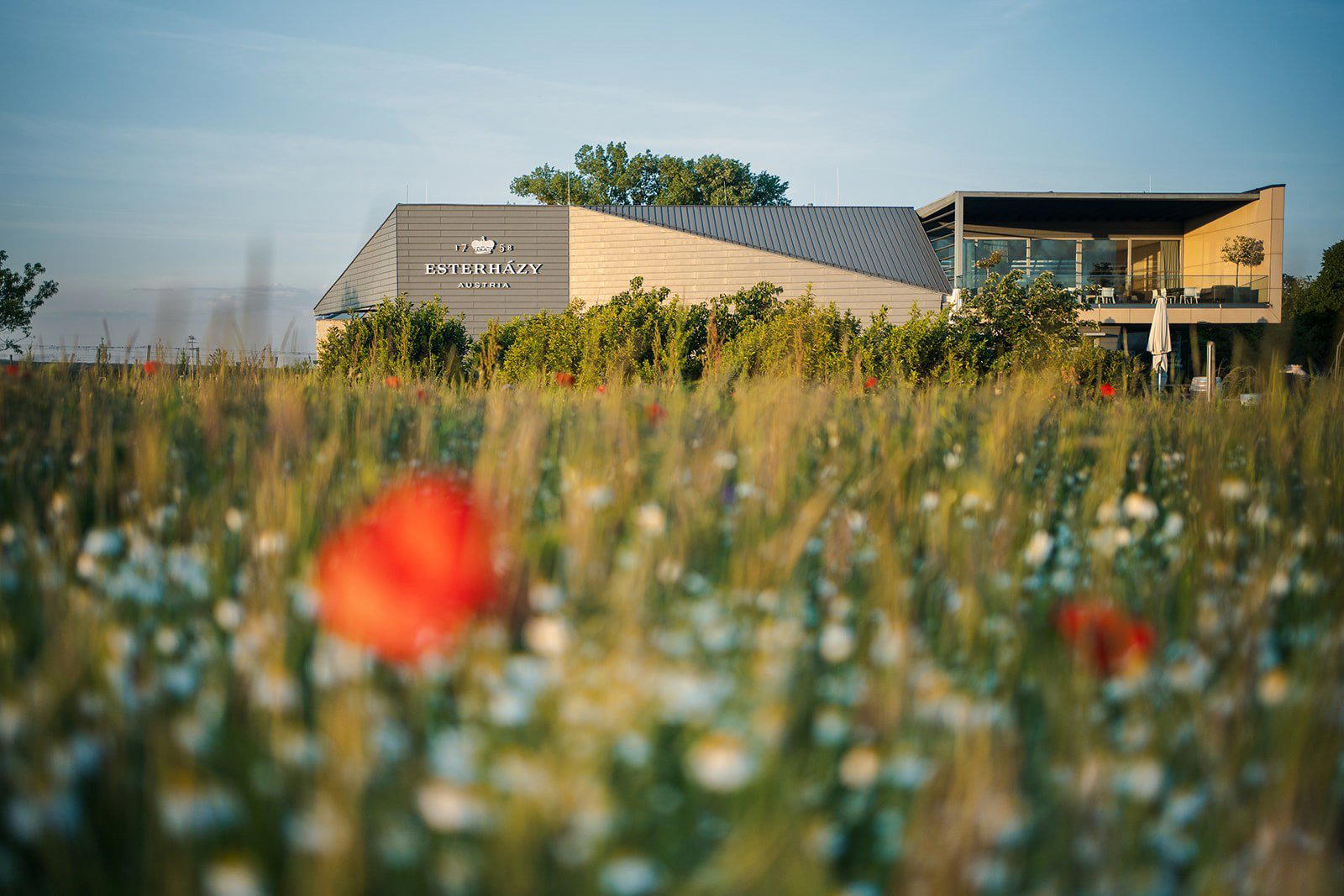
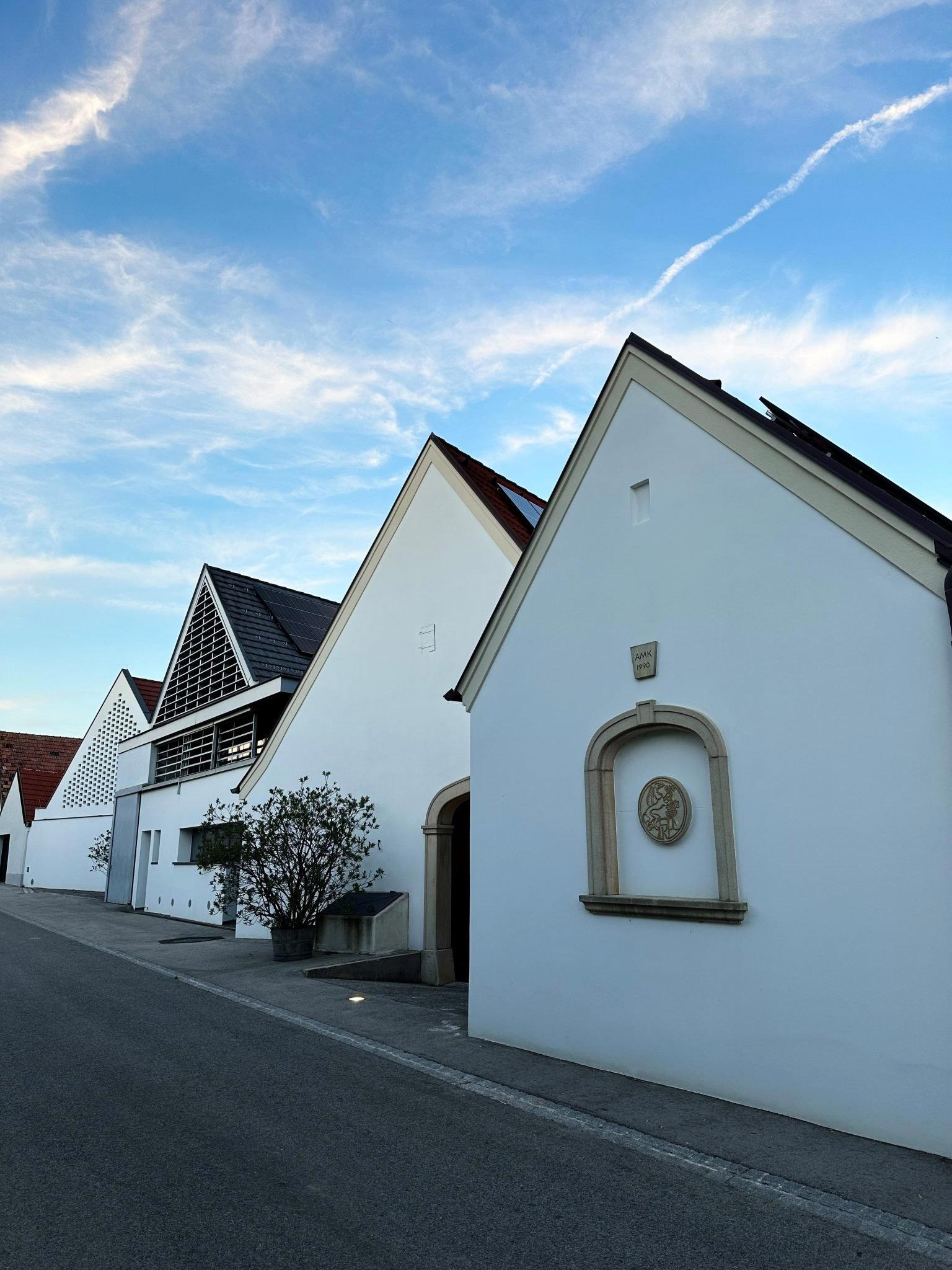
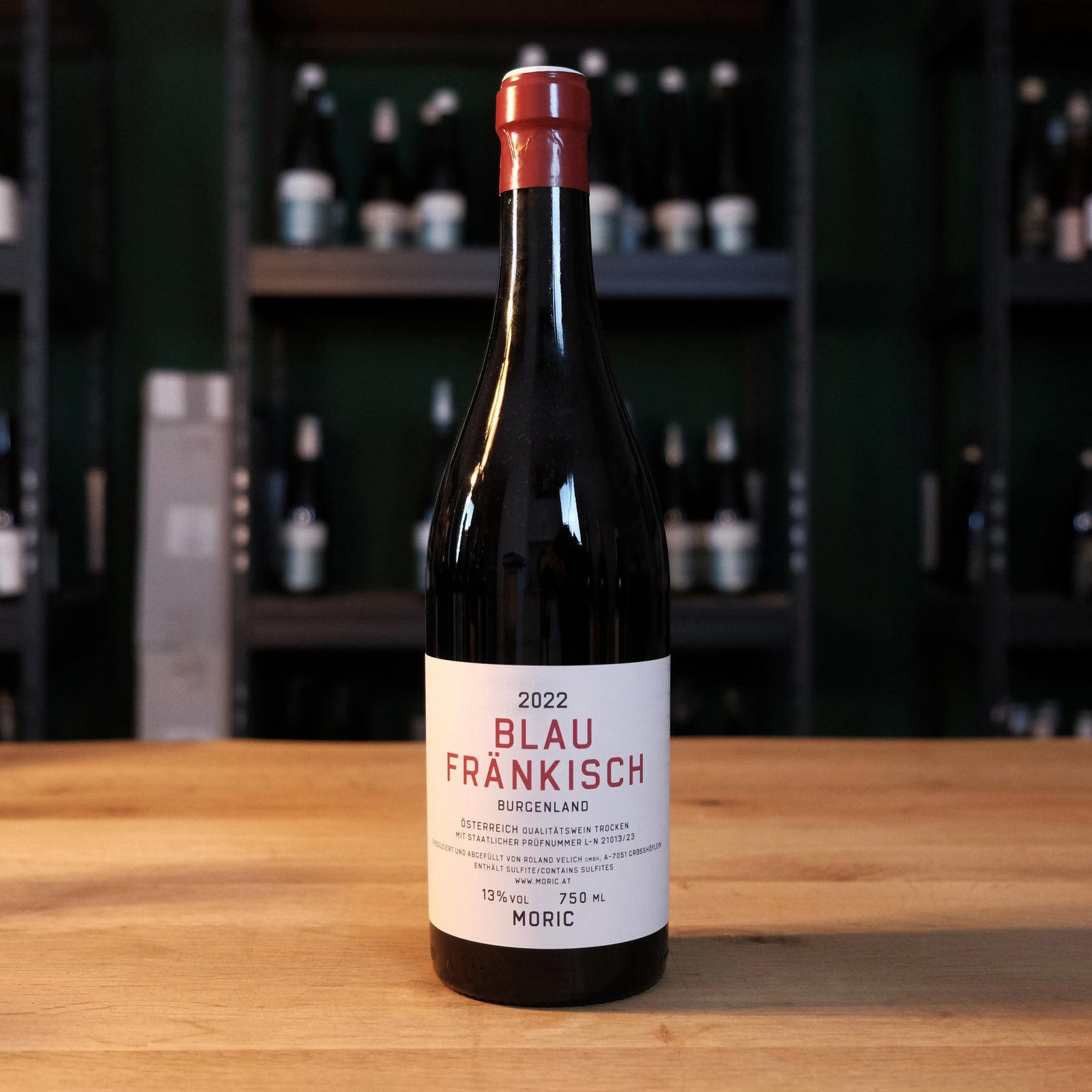
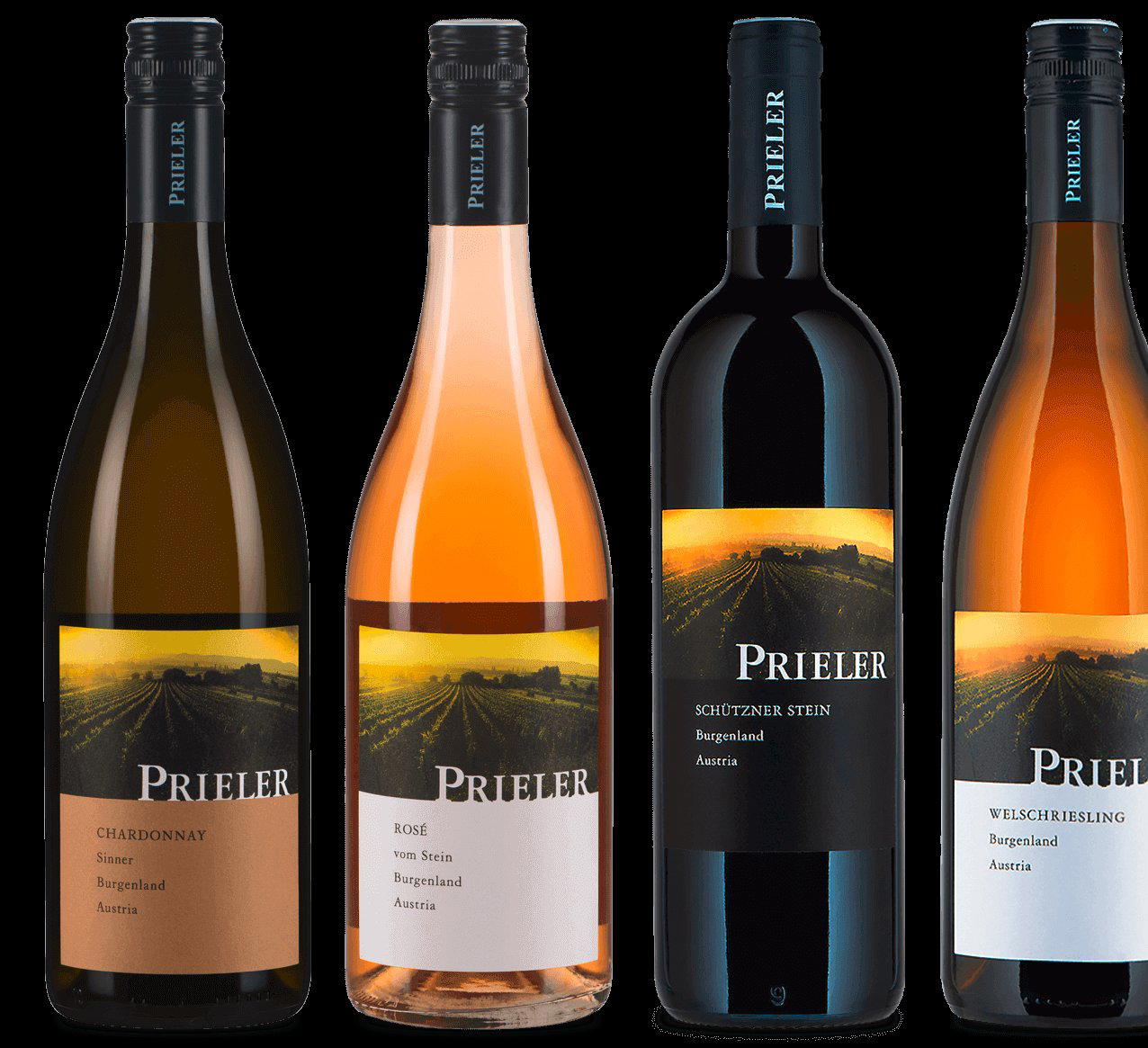
Bars in Siegendorf
Browse all →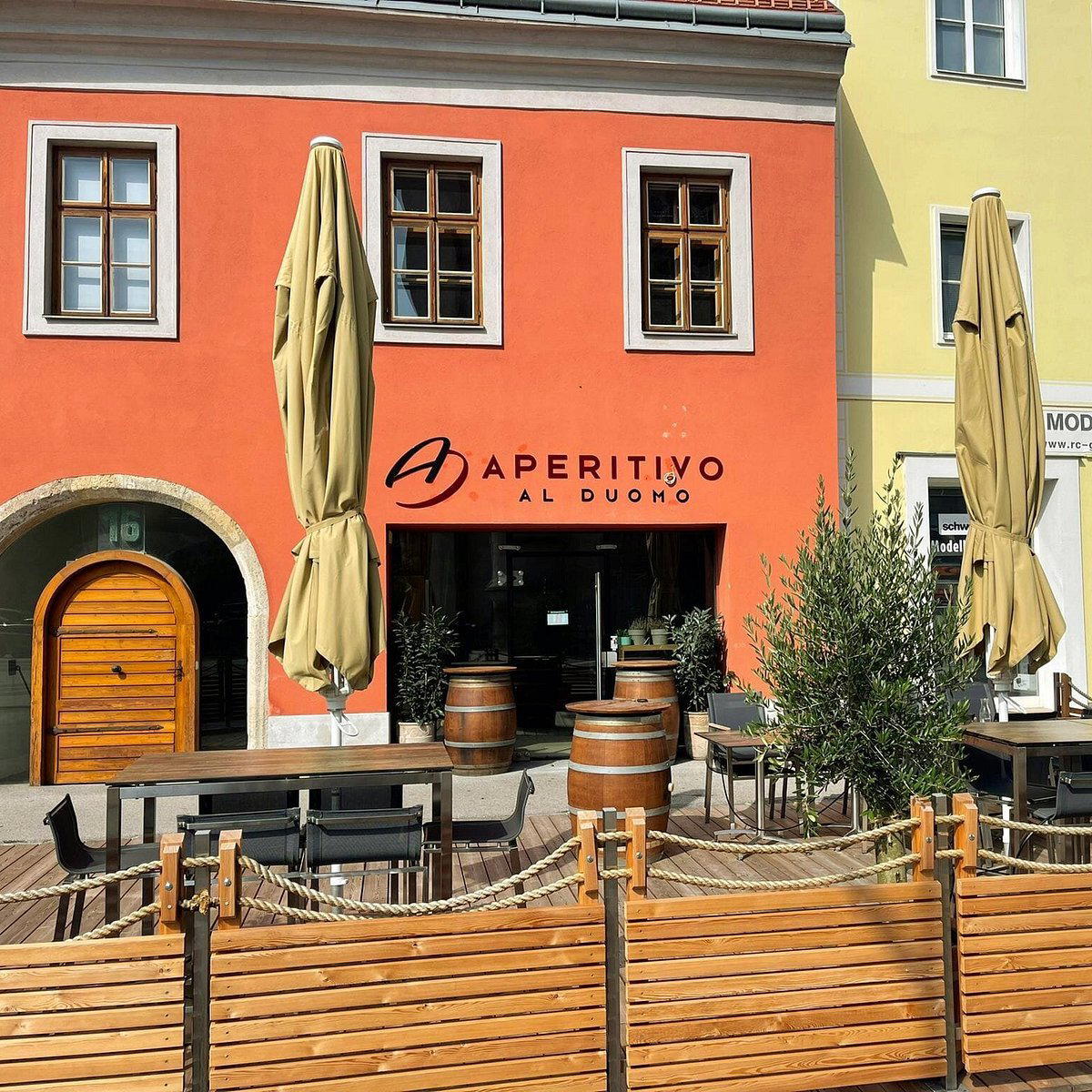

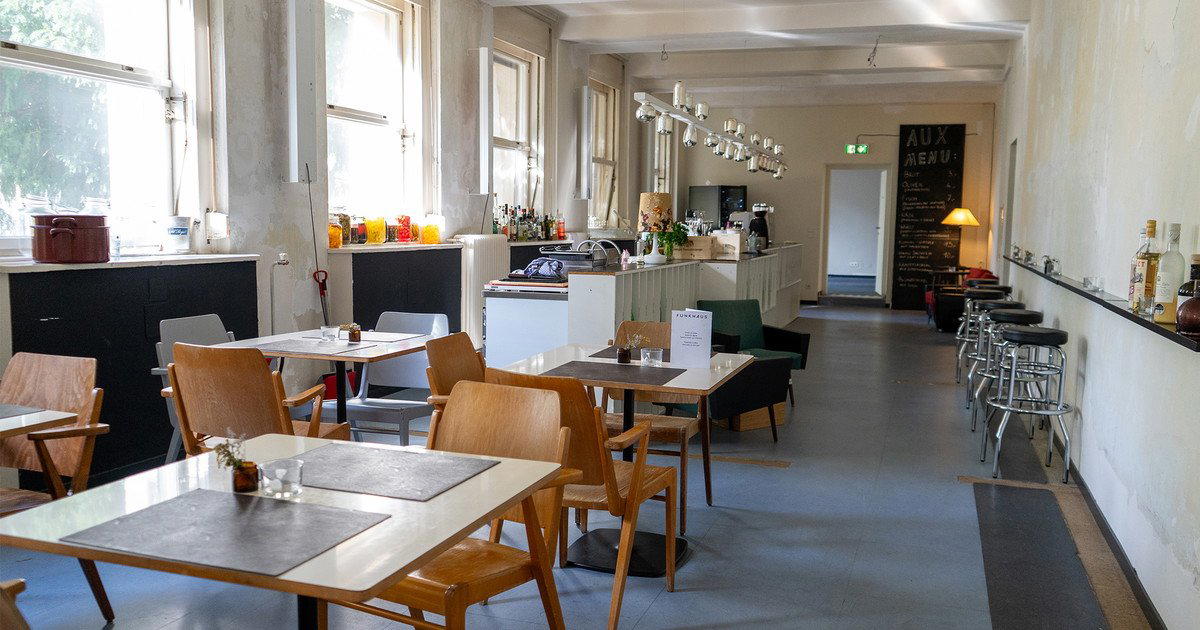
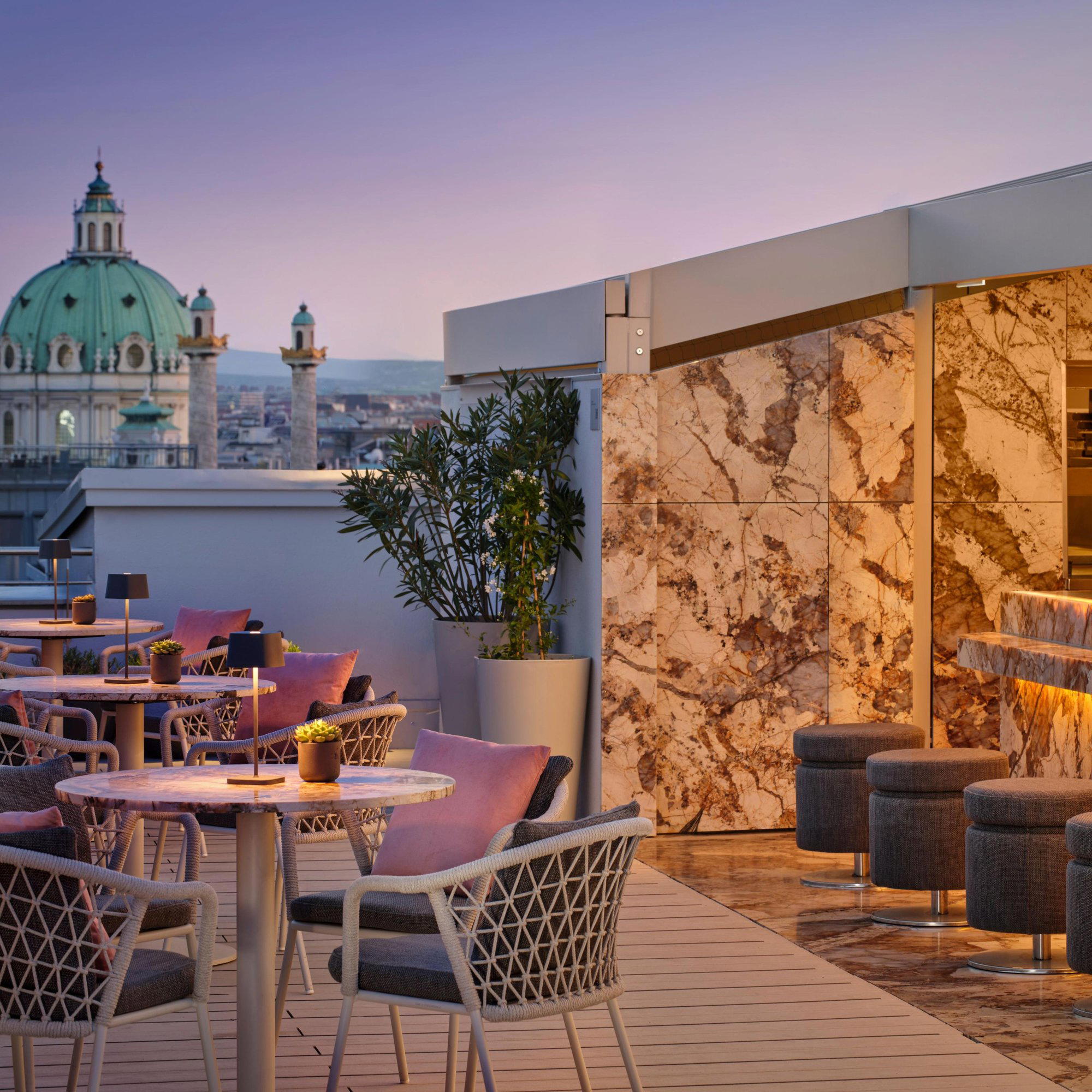
Restaurants in Siegendorf
Browse all →
![[aend] restaurant in Vienna](https://cdn.enprimeurclub.com/storage/v1/object/public/images/locations/recsVyRkMfzCxPmp0/hero2.jpg?width=3840&quality=75)

Details
- Classic
- Rustic
- Quiet
- Group Outing
- Wine Education
- Solo Exploration
- Historic Building
- Zweigelt
- Blaufränkisch
- Grüner Veltliner
- Welschriesling
- Still Red
- Still White
- Still Rosé
- Bar Tasting
Historic monastery cellar winery associated with Lenz Moser, likely featuring traditional Burgenland styles in a classic cellar setting