
Falstaff Winery - Listed
Kircher Weingut is a small family-run Württemberg estate in Beilstein, built around Wartberg vineyards, regional grapes, guided tastings and a practical farm-shop-and-distillery setup. Its appeal is not luxury polish; it is the directness of a rural cellar door where Trollinger, Lemberger, Riesling, Pinot varieties, Merlot, Sekt and house-made spirits sit inside one local agricultural economy.

Pearl is the En Primeur Club membership app — saves, bookings, and concierge access live there. Same editors, same standards.
- Address
- Beilstein, Württemberg, Baden-Wuerttemberg, Deutschland
- Directions
- Get directions

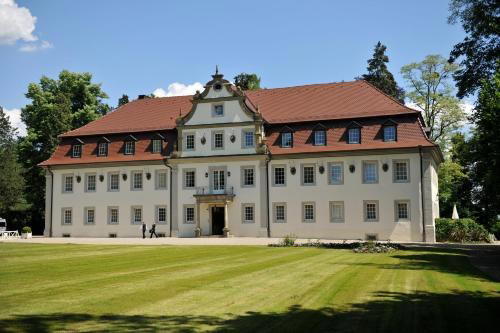
Beilstein wine country is best approached through its rural scale: vineyard work, practical retail, and producers that serve local customers as much as visiting wine lovers. Kircher Weingut fits that register. It is a family-run Württemberg winery in Beilstein with vineyard-focused production, an on-site farm shop and a distillery, and a relaxed, informal feel rather than a polished destination-showpiece atmosphere. The useful way to read it is not as a heavily staged stop, but as part of the everyday fabric of local wine country, where production, sales, and rural hospitality sit close together.
A Württemberg winery with a practical rural frame
Kircher Weingut is best understood as a working Beilstein winery rather than as a restaurant-style hospitality venue. The picture is direct: family-run, rooted in Württemberg wine production, and organized around vineyards, a practical farm shop, and distilling on site. Those elements give the place its shape. The emphasis is less on performance and more on the basic structure of a producer that makes, sells, and presents its work in the same local setting.
That makes the appeal local and grounded. The estate combines wine production with direct rural retail, giving visitors a clear sense of place without the framing of a luxury experience.
The farm shop is important in that reading because it keeps the winery connected to direct purchase and everyday use, while the distillery adds another dimension to the same working rural base. Neither detail needs to be embellished to be meaningful. Together, they suggest a producer whose identity is built around on-site activity and local continuity rather than a separated hospitality concept.
For planning, the price level is listed as $$, placing Kircher Weingut in a moderate bracket. Beyond that, specific details such as exact opening hours, booking requirements, tasting formats, individual bottlings, or payment methods should be checked directly with the winery before visiting. That is especially important for a place best understood as a working rural business, where the most accurate practical information is the information confirmed at source.
A relaxed setting, not a destination-showpiece model
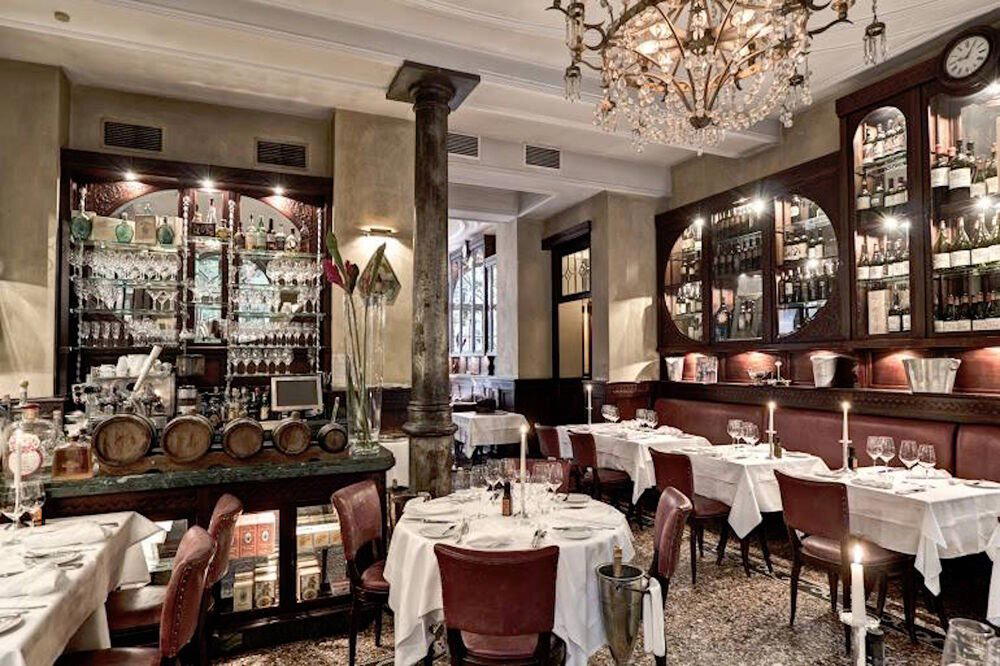
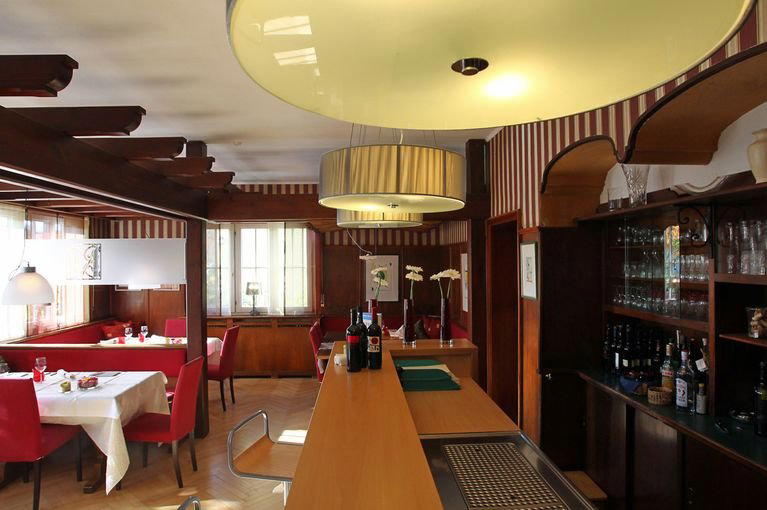
The hospitality frame is modest and practical. Kircher Weingut’s strengths are its family-run structure, vineyard-focused production, on-site farm shop, and distillery. Those details point to a working rural business rather than a venue built around spectacle or formal service. Here, understatement is part of the appeal: the interest lies in the producer’s setting and function, not in an inflated promise of ceremony.
The setting is informal and suited to people interested in Württemberg wine culture in Beilstein. Confirm tasting formats and other practical details directly with the winery before making plans.
That restraint is part of the point. Kircher Weingut is most compelling as a grounded local stop: a family-run winery with production, retail, and distilling connected to the same rural context. Its value is in coherence. The winery, shop, and distillery belong to one practical setting, and the experience is likely to feel more direct than staged.
How to place it in a Beilstein wine day
For travelers mapping Beilstein, the draw is simplicity rather than acclaim. Kircher Weingut works well when placed into a day that values the texture of local wine country: the scale of Beilstein, the presence of vineyards, and the practical role of a producer serving both nearby customers and interested visitors. It does not need to carry the weight of being a marquee destination in order to be worthwhile.
Kircher Weingut is a good fit for wine lovers who prefer a direct rural setting over a formal destination venue. It may also suit visitors who want to buy directly from a local producer or understand how a working winery fits into everyday Beilstein life. For any specifics beyond that, including hours, tastings, group visits, food, accessibility, or language support, confirm with the winery before making plans. That confirmation keeps the visit aligned with what the winery can actually provide, rather than with assumptions imported from more formal wine tourism models.
For a wider local itinerary, pair Kircher Weingut with other dining and drinking options in Beilstein, or make it the main winery stop. Either approach makes sense as long as expectations stay grounded: this is a moderate, informal, family-run Württemberg winery with a farm shop, distillery, and vineyard-focused production, best appreciated for its practical rural character.
Recognition history
Dated appearances from independent guides and award organizations, with the underlying list record or original source where available.
Falstaff Winery - Listed
Falstaff
Continue exploring
More in Beilstein
Wineries in Beilstein
Browse all →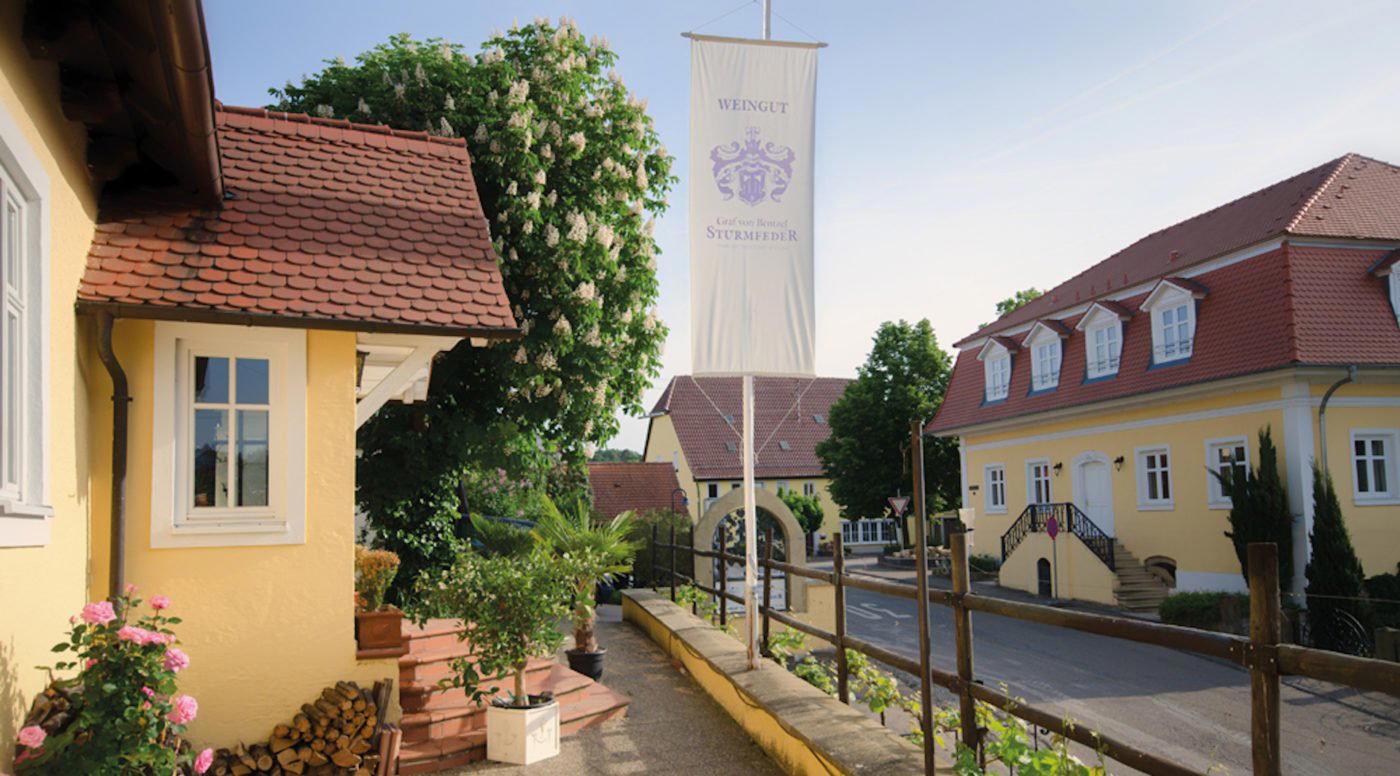
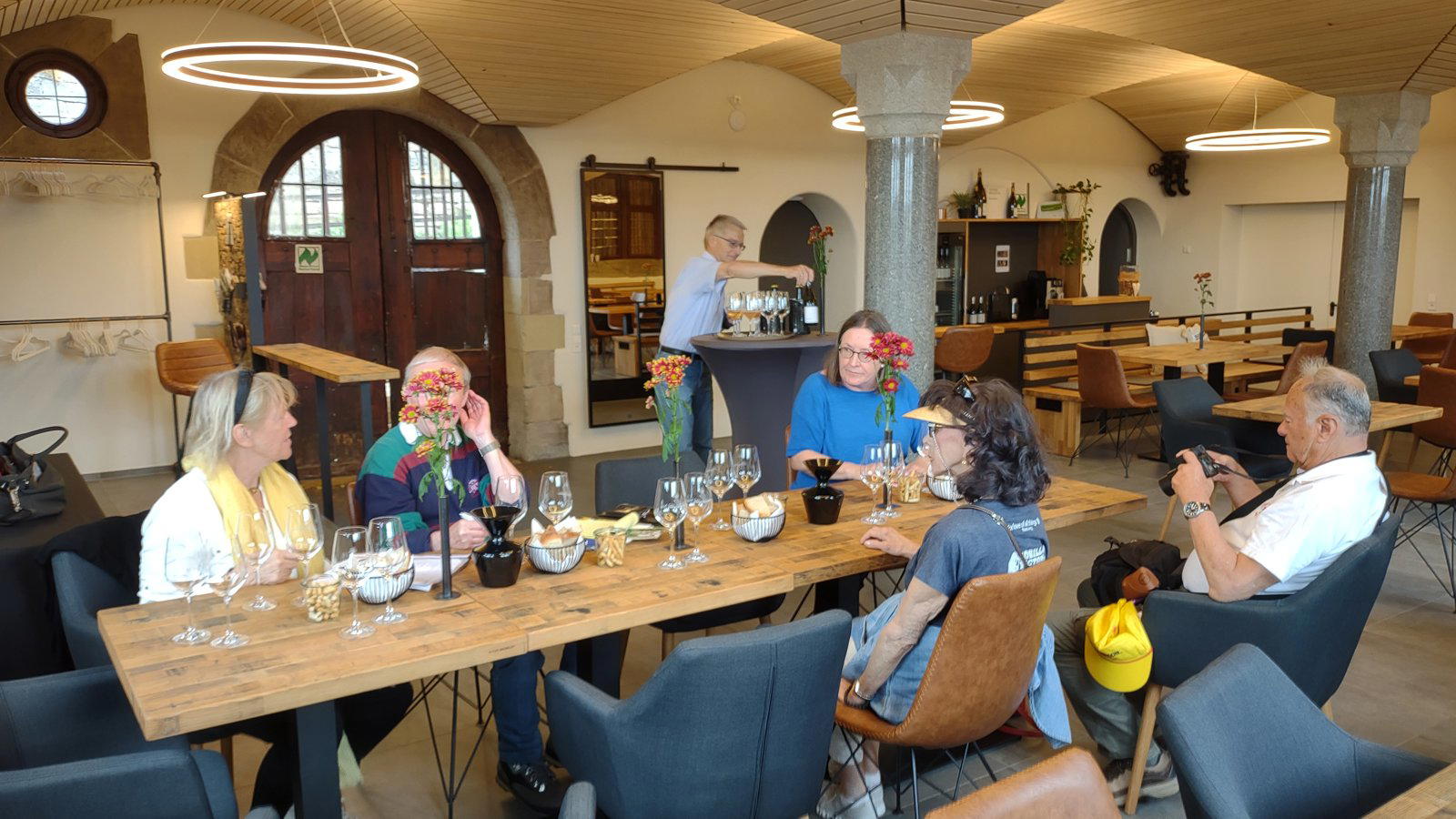
Bars in Beilstein
Browse all →

Restaurants in Beilstein
Browse all →

Details
- Rustic
- Scenic
- Cozy
- Classic
- Intimate
- Group Outing
- Wine Education
- Solo Exploration
- Family
- Vineyard Tour
- Estate Grounds
- Vineyard
- Trollinger
- Lemberger
- Riesling
- Pinot Varieties
- Merlot
- Still Red
- Still White
- Still Rosé
- Sparkling
- Vineyard Tour
- Guided Tasting
- German
Family-run Württemberg winery with a direct, rural feel, combining vineyard-focused production with a practical on-site farm shop and distillery; atmosphere is relaxed and informal, geared to local customers and visiting wine lovers rather than polished tourism spectacle.