Keermont Vineyards

Keermont Vineyards is a small Stellenbosch estate shaped by mountain vineyards, sustainable farming and a clear estate-grown identity. Its appeal is the Upper Blaauwklippen Valley itself: a natural amphitheater, parcels divided by native vegetation, and wines built around site expression rather than cellar spectacle.
Pearl is the En Primeur Club membership app — saves, bookings, and concierge access live there. Same editors, same standards.
- Address
- Blaauwklippen Road, Stellenbosch, 7600, South Africa
- Phone
- +27 21 880 0397
- Website
- keermont.co.za
- Directions
- Get directions
 Saves & bookings on Pearl
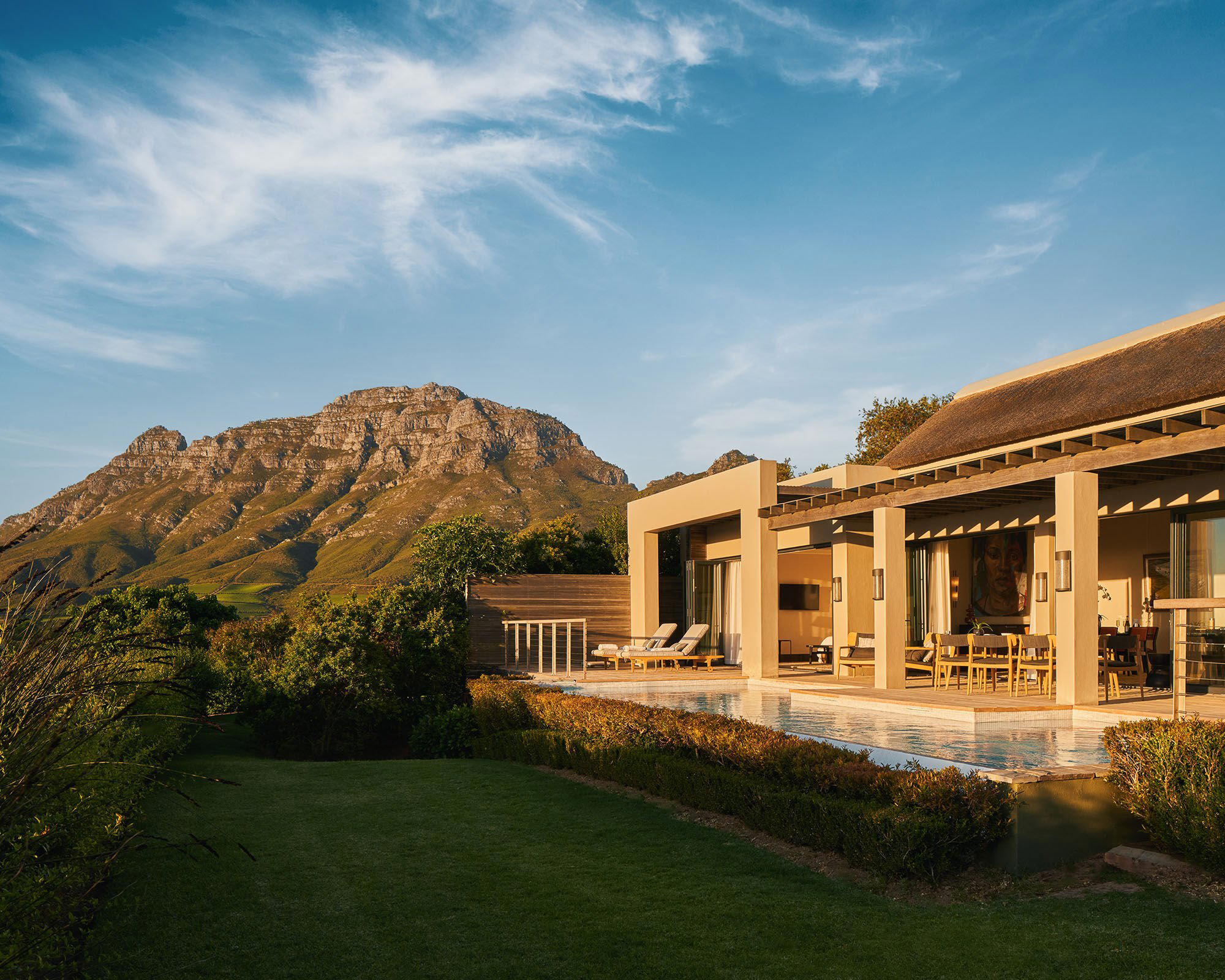
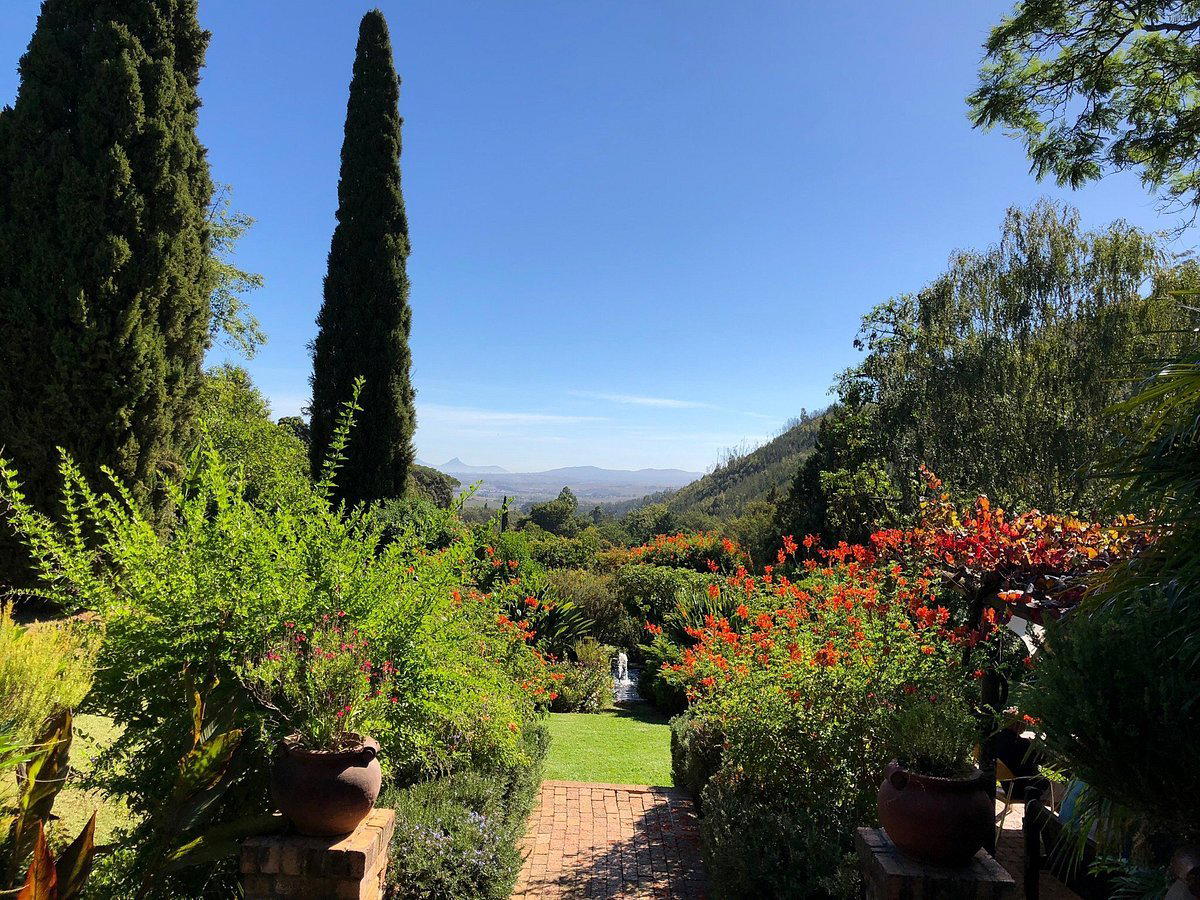
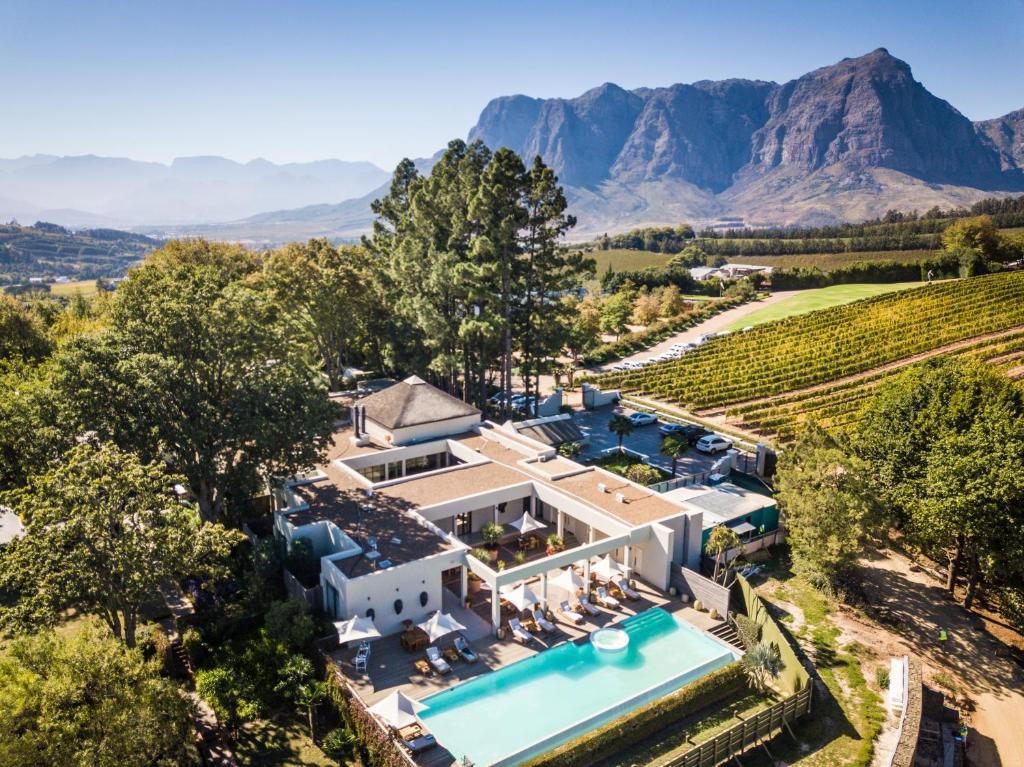
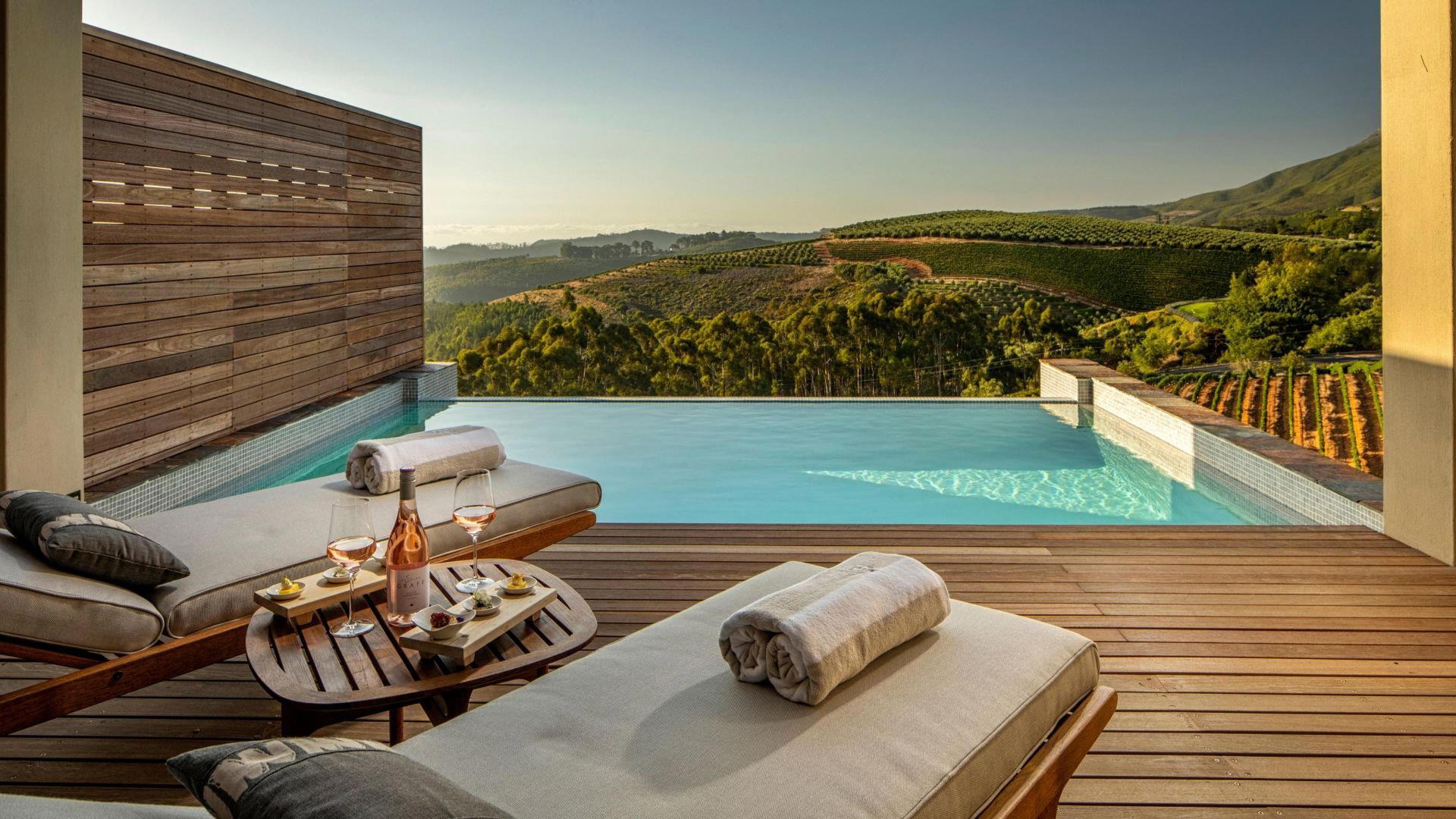
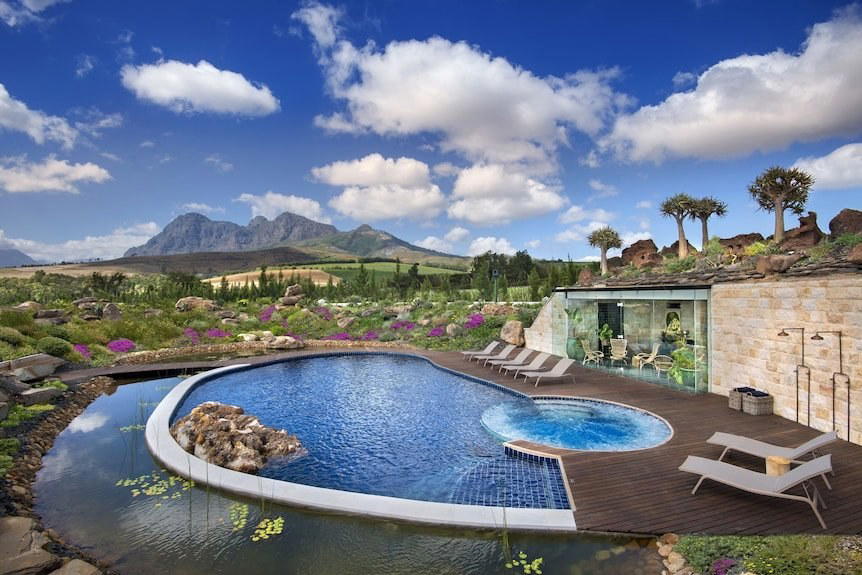
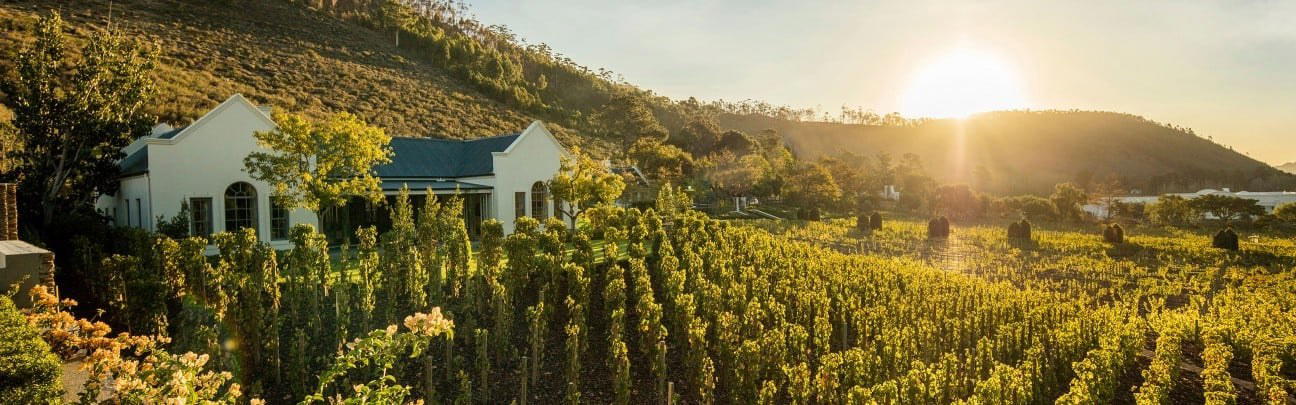
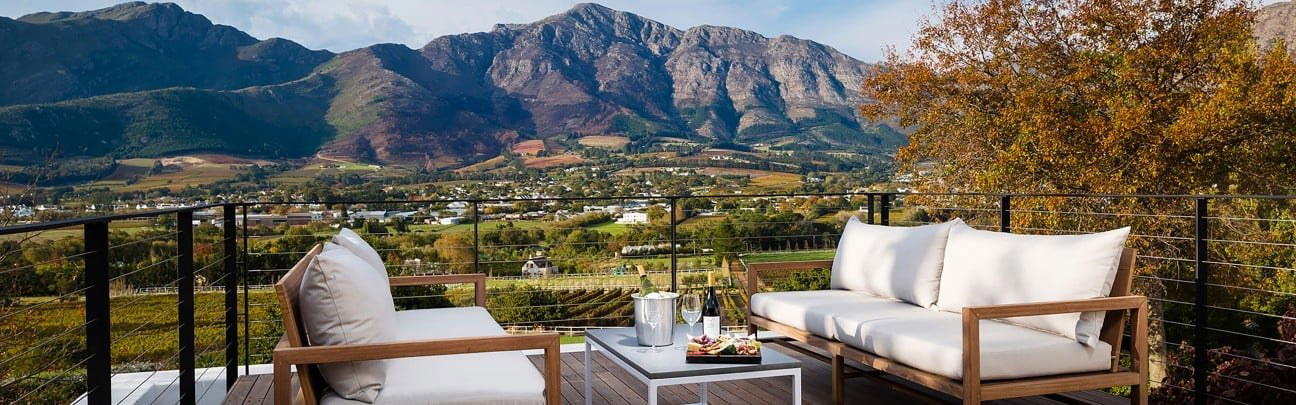
Approaching the Upper Blaauwklippen Valley, the logic of the wines is visible before a glass is poured. Mountain slopes close around the vineyards, the farm sits inside a natural amphitheater between the Stellenbosch and Helderberg ranges, and the room’s quiet, farm-style character keeps the attention on the land rather than on hospitality theatre. In a region where cellar-door experiences can drift toward restaurants, events and architectural display, Keermont Vineyards belongs to the smaller camp: the working estate where the vineyard remains the main argument.
That matters in Stellenbosch. The region’s premium identity is often read through power, polish and Cabernet-weighted ambition, but its more interesting producers are increasingly judged by how precisely they translate slope, wind and soil into the bottle. Keermont’s position high in the valley gives it a clear editorial angle. Vineyards climb to 400 metres above sea level, parcels are broken up by fynbos and renosterveld, and cooling influence from the Atlantic Ocean and False Bay works against the easy ripeness associated with warmer inland sites. This is not a decorative setting; it is the production brief.
Mountain parcels, maritime air and wines built from the estate outward
The estate’s public identity rests on a direct claim: the wines are grown, produced and bottled at Keermont. In practical terms, that places the farm in the estate-led tradition rather than the broader sourcing model used by many labels with larger commercial reach. The distinction is not romantic. When the vineyard area, cellar work and brand identity all sit on the same property, variation in slope, soil and exposure has fewer places to hide.
The vineyard holding covers 28 hectares, while 100 hectares are set aside for conservation. That ratio says as much about the estate as any tasting note could. In the Western Cape, where biodiversity sits beside valuable agricultural land, conservation is not an accessory claim; it frames how the vineyards sit within the wider mountain ecology. The presence of fynbos and renosterveld between parcels also reinforces a sense of separation: blocks are not treated as a single flat resource, but as pockets within a larger living site.
Cellar approach follows the same direction. Natural fermentation and a restrained filtration regime, with little filtration for whites and no filtration for reds, point to wines that are intended to carry texture and site character rather than a heavily corrected house style. This is where Keermont’s seriousness lies. The wines are not sold on spectacle, and the tasting-room atmosphere does not need to over-explain them. The estate’s credibility comes from the coherence between geography, farming and production choices.
Portfolio makes that site language legible. Terrasse, Amphitheatre, Steepside, Topside, Pondokrug and Fleurfontein are not generic branding exercises; they read as a map of the farm. Cabernet Sauvignon, Syrah, Merlot, Cabernet Franc, Chenin Blanc, Sauvignon Blanc and Viognier give the range both Stellenbosch structure and white-wine breadth, while the named parcel and blend architecture keeps the emphasis on place. For visitors who usually associate the area with red-wine density, the estate offers a more nuanced reading of the valley: still red, still white and dessert wine all tied back to the same mountain setting.
A tasting room for people who want the farm, not the performance
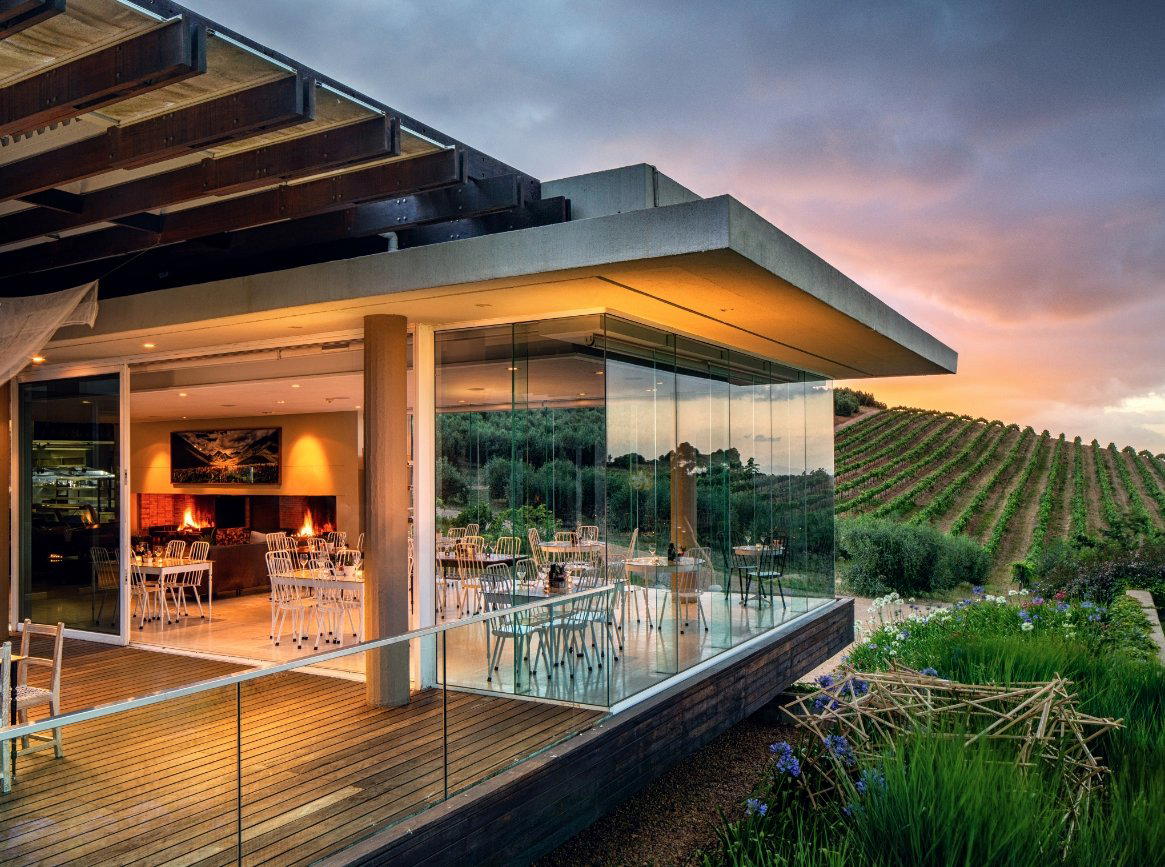
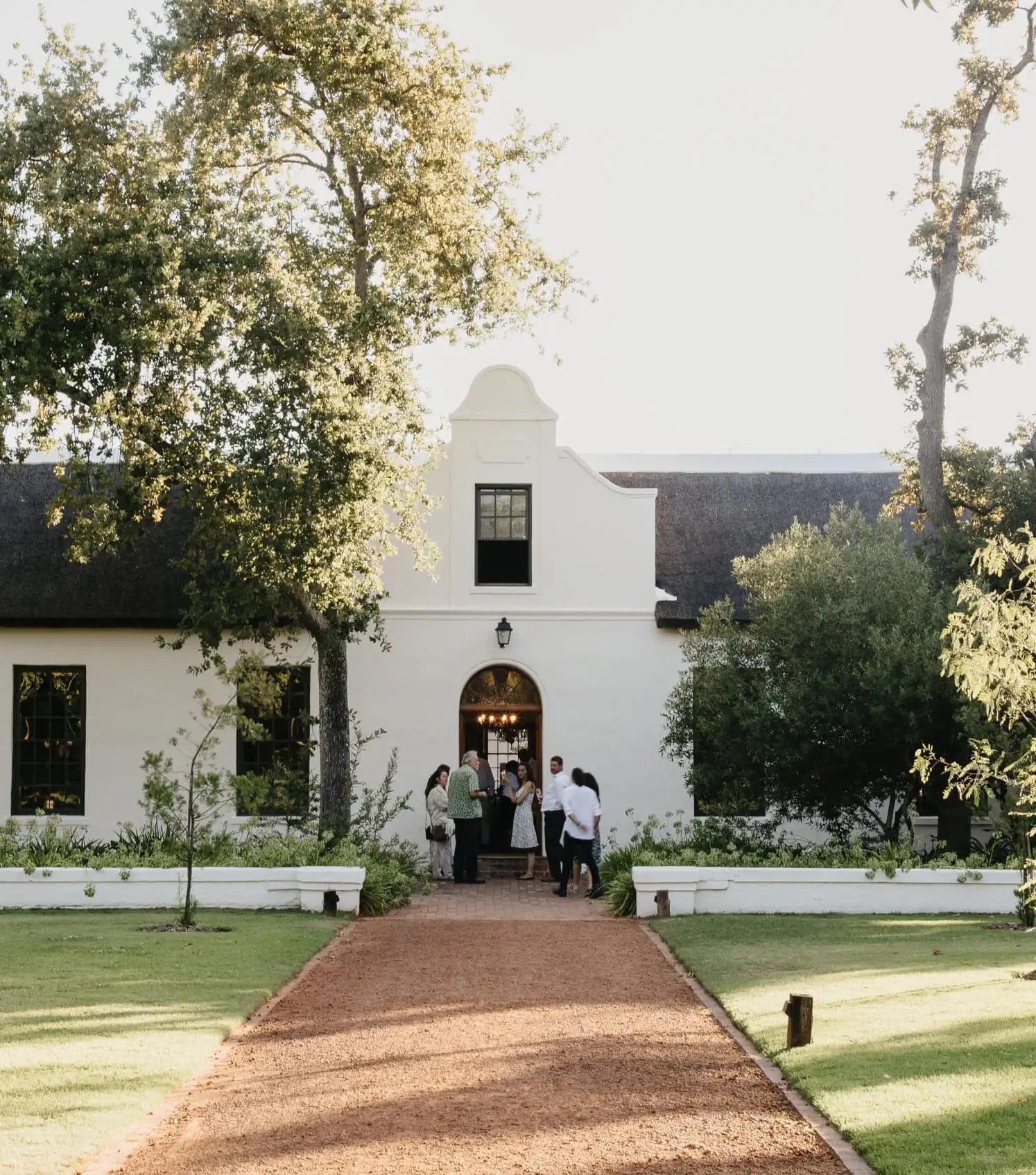
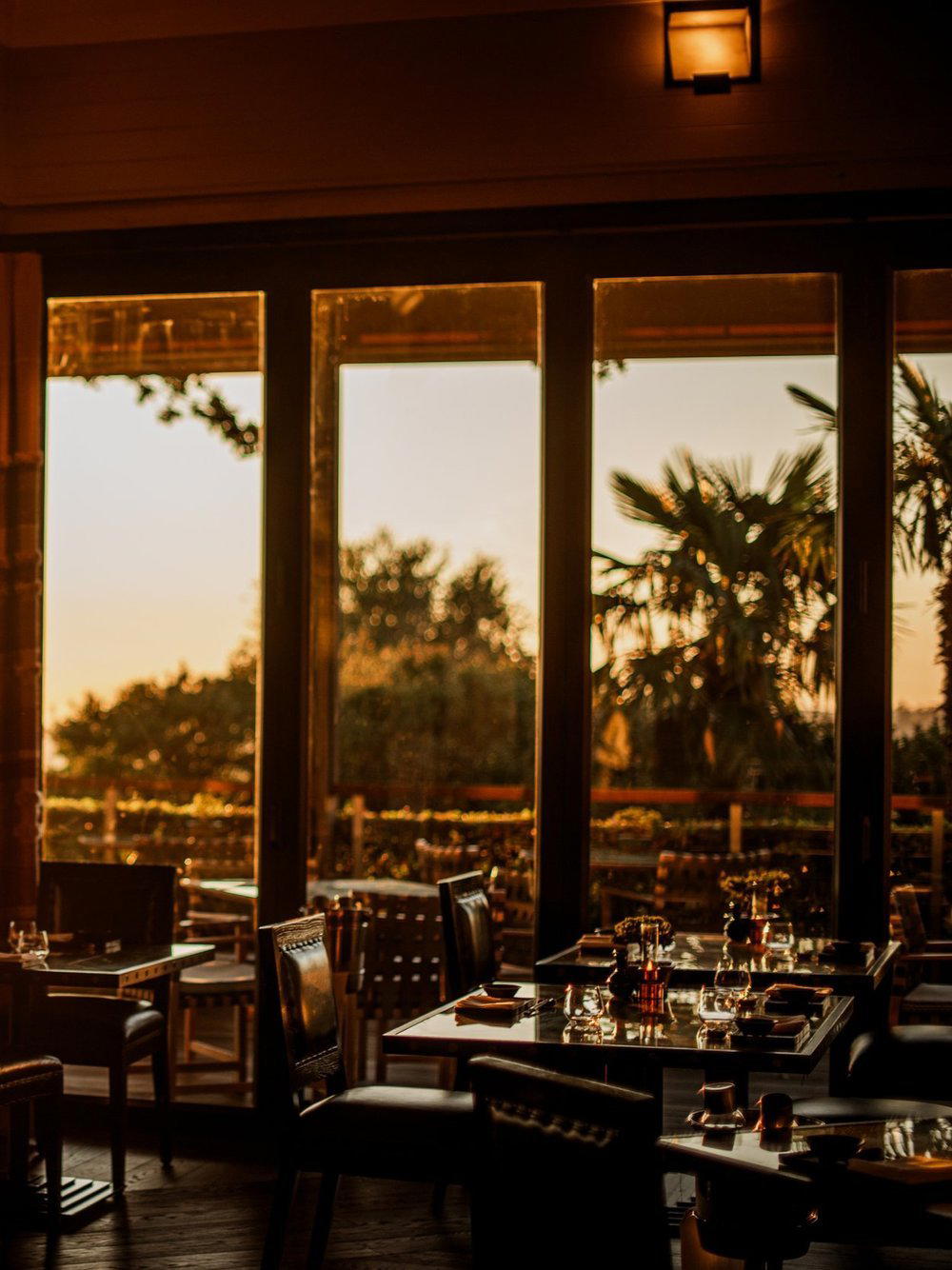
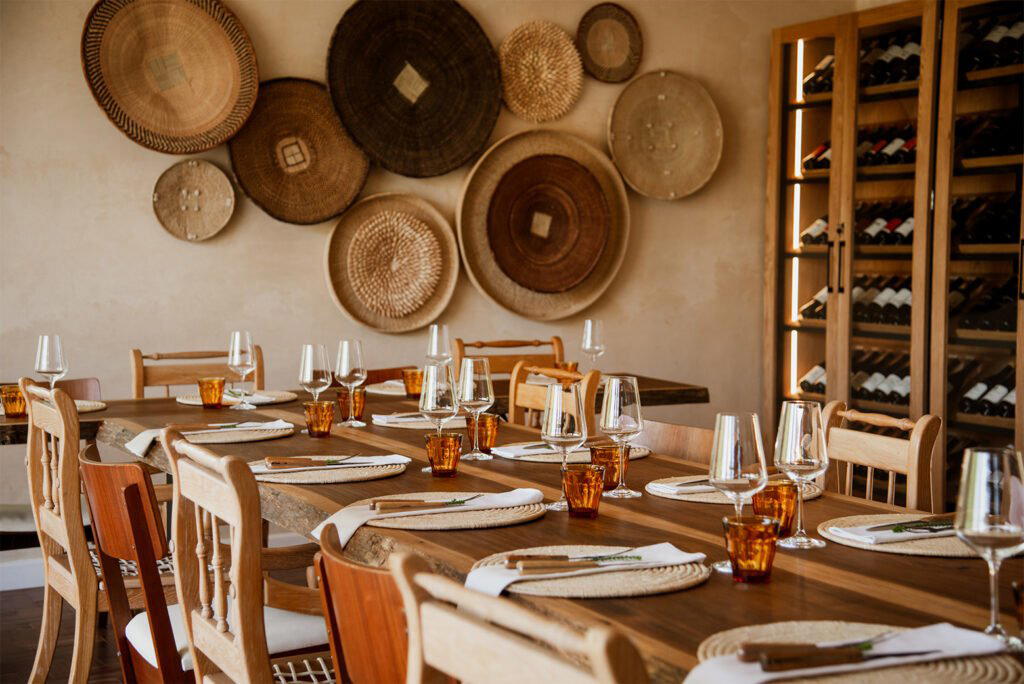
Hospitality style is compact and low-key, with a quiet room, vineyard and mountain views, and a casual rhythm that suits a working farm better than a high-volume cellar door. The experience is strongest for drinkers who want to understand why the valley matters: altitude, maritime air, parcel separation, sustainable farming and low-intervention cellar decisions all connect directly to what is poured. The appeal is not excess choice; it is focus.
Winemaker Alex Starey gives the project a useful credential without turning the story into biography. His Stellenbosch oenology training, harvest experience in France and Spain, and role in building the estate after its 2007 registration help explain the technical confidence behind the wines. The more important point is how that background serves the farm. Keermont’s development reads as a research-led estate project, with parcel understanding and site expression placed ahead of scale.
Within a Stellenbosch itinerary, this is the stop to use as a corrective to over-programmed wine tourism. It suits wine education, solo exploration, small group tastings and a slower conversation about how mountain vineyards behave in a warm coastal region. The estate’s wine club, built around quarterly six-bottle cases and access to its wines, also signals a producer thinking beyond the casual tasting-room sale. The relationship being cultivated is with drinkers who return to the wines over time, not only with visitors passing through the valley.
How to place it in a Stellenbosch wine trip
Keermont works well as the terroir-focused anchor in a broader Stellenbosch plan. For readers building a day around the region, EP Club’s wider guides can help set the frame: start with Our full Stellenbosch wineries guide, then use Our full Stellenbosch restaurants guide, Our full Stellenbosch hotels guide, Our full Stellenbosch bars guide and Our full Stellenbosch experiences guide to build the rest of the trip around meals, beds and cultural time rather than cellar-door hopping alone.
Other South African and international winery pages can widen the lens without forcing a direct comparison: Aaldering Estate, Alto Wine Estate, Asara Wine Estate, Bartinney, Beyerskloof, 4G Wines in Kapstadt, A. A. Badenhorst Family Wines in Paardeberg, Alheit Vineyards in Hermanus, »der Steiner« Hans Steiner in Podersdorf am See and & Handwein in Mannheim. Keermont’s place in that broader reading is clear: a small, mountain-side Stellenbosch estate where the valley is not scenery around the wine, but the central technical fact behind it.
Recognition history
Dated appearances from independent guides and award organizations, with the underlying list record or original source where available.
Falstaff Winery - Listed
Falstaff
Continue exploring
More in Stellenbosch
Wineries in Stellenbosch
Browse all →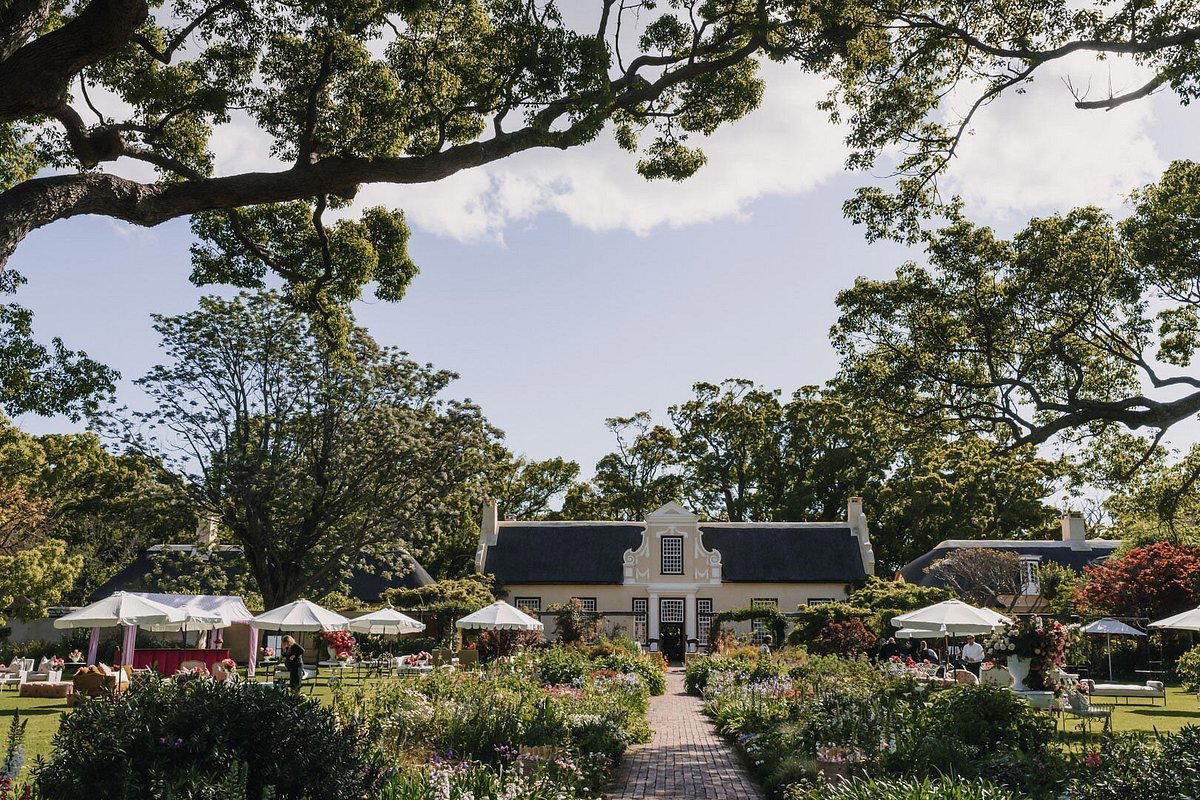
Bars in Stellenbosch
Browse all →
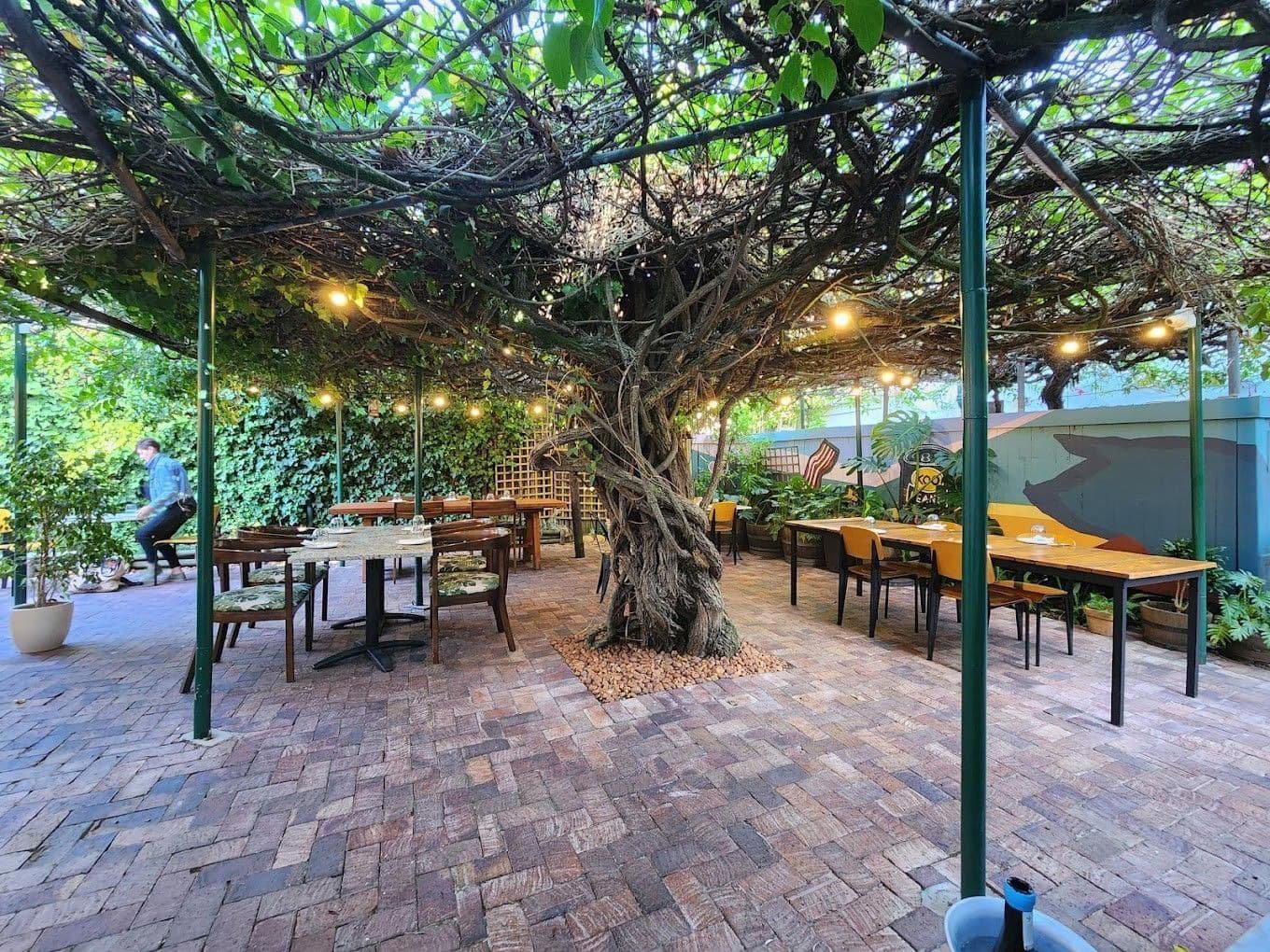
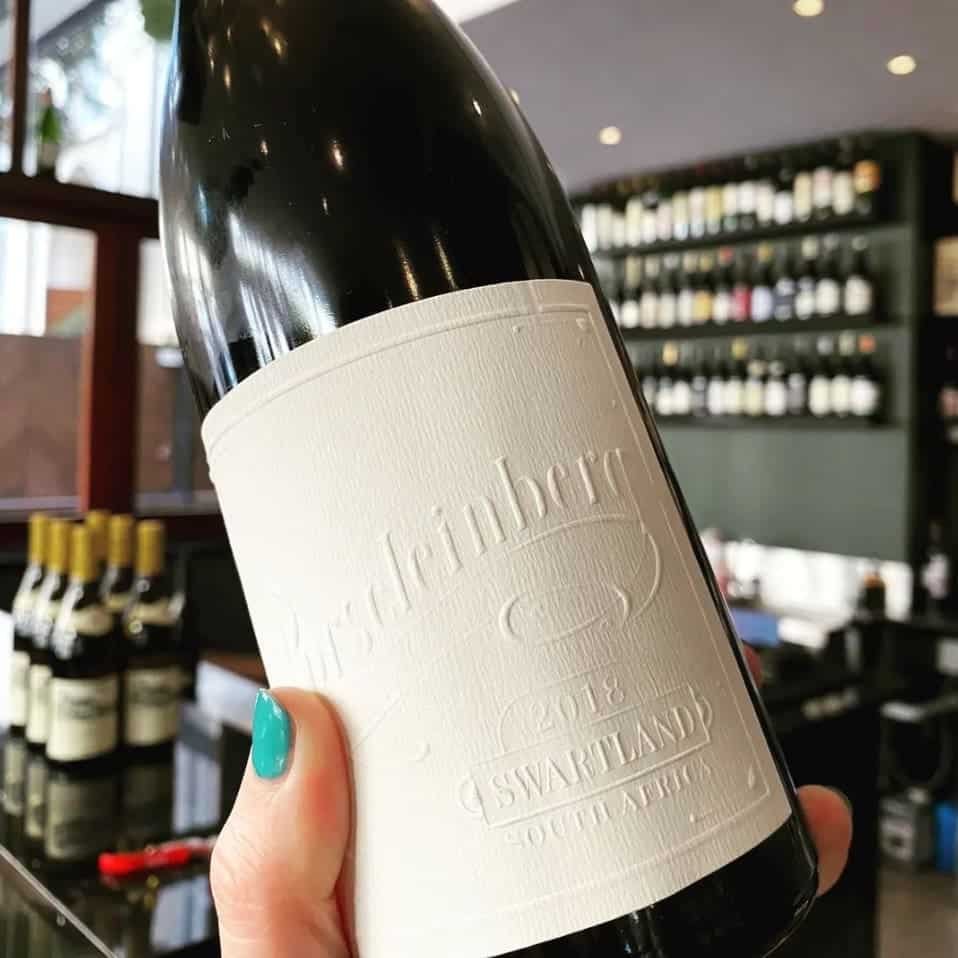
Restaurants in Stellenbosch
Browse all →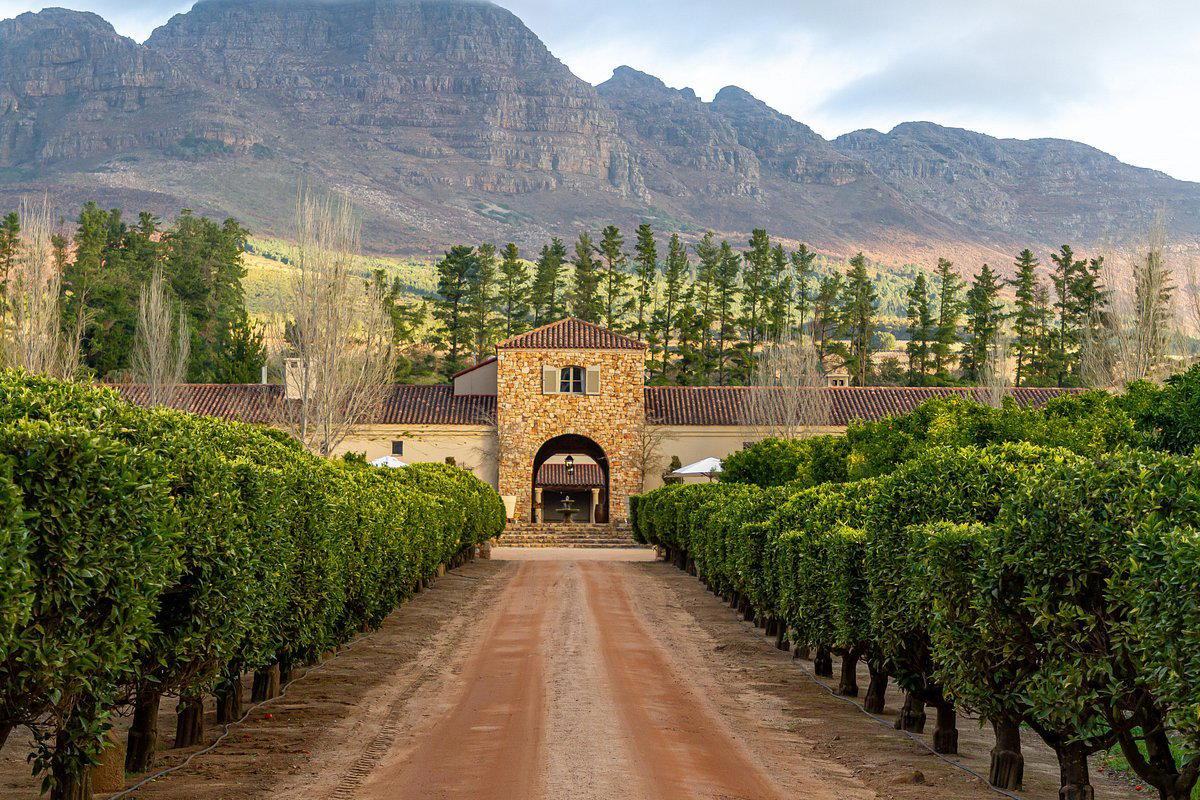
At a Glance
- Scenic
- Rustic
- Intimate
- Classic
- Romantic Getaway
- Group Outing
- Wine Education
- Special Occasion
- Solo Exploration
- Estate Grounds
- Vineyard Tour
- Panoramic View
- Private Tasting
- Sustainable
- Mountain
- Vineyard
- Garden
- Stellenbosch
- Cabernet Sauvignon
- Syrah
- Merlot
- Cabernet Franc
- Chenin Blanc
- Sauvignon Blanc
- Viognier
- Still Red
- Still White
- Dessert
- Estate Tasting
- Appointment Tasting
- Private Tasting
Current opening hours
- Monday
- Closed
- Tuesday
- Closed
- Wednesday
- Closed
- Thursday
- Closed
- Friday
- 10:30 AM–1:30 PM
- Saturday
- 10:30 AM–3:30 PM
- Sunday
- Closed
Hours can change for holidays and private events. Last verified .
Quiet, intimate farm-style tasting room in a natural amphitheater surrounded by mountains and vineyards, with a relaxed, low-key atmosphere that emphasizes the sense of place and scenic views.