
Jesuitenhof is a family-run Pfalz wine and sparkling-wine estate in Dirmstein, shaped by a former Jesuit cloister setting, traditional cellars, and the walled Jesuitenhofgarten vineyard. The draw is terroir-led rather than trophy-led: Riesling, Pinot varieties, traditional-method sekt, and a visitor format that connects the glass to the estate grounds.
Pearl is the En Primeur Club membership app — saves, bookings, and concierge access live there. Same editors, same standards.
- Address
- Dirmstein, Pfalz (Palatinate), Rhineland-Palatinate, Deutschland
- Directions
- Get directions
 Saves & bookings on Pearl
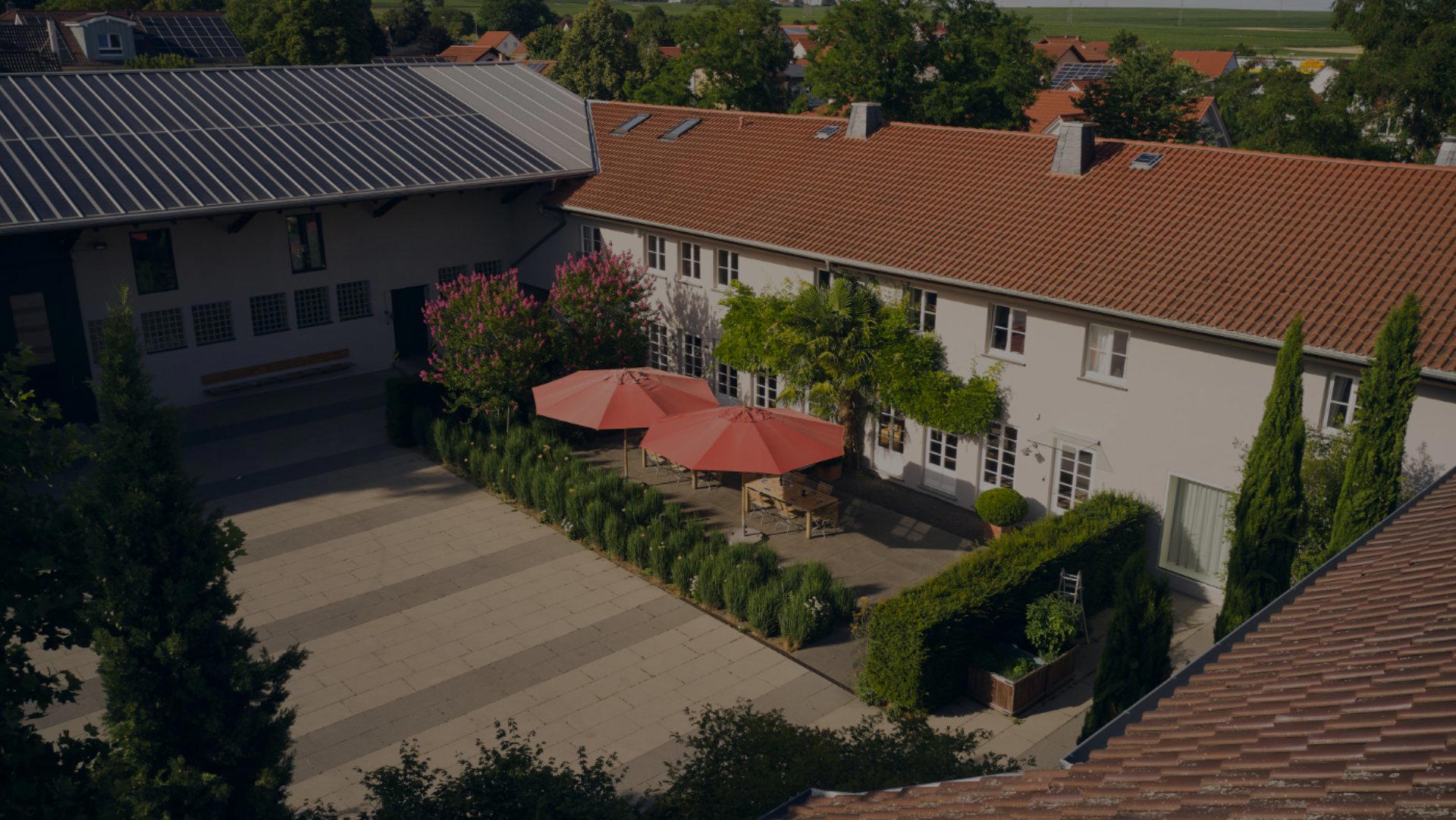
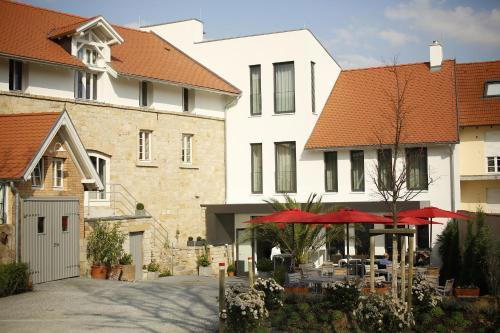
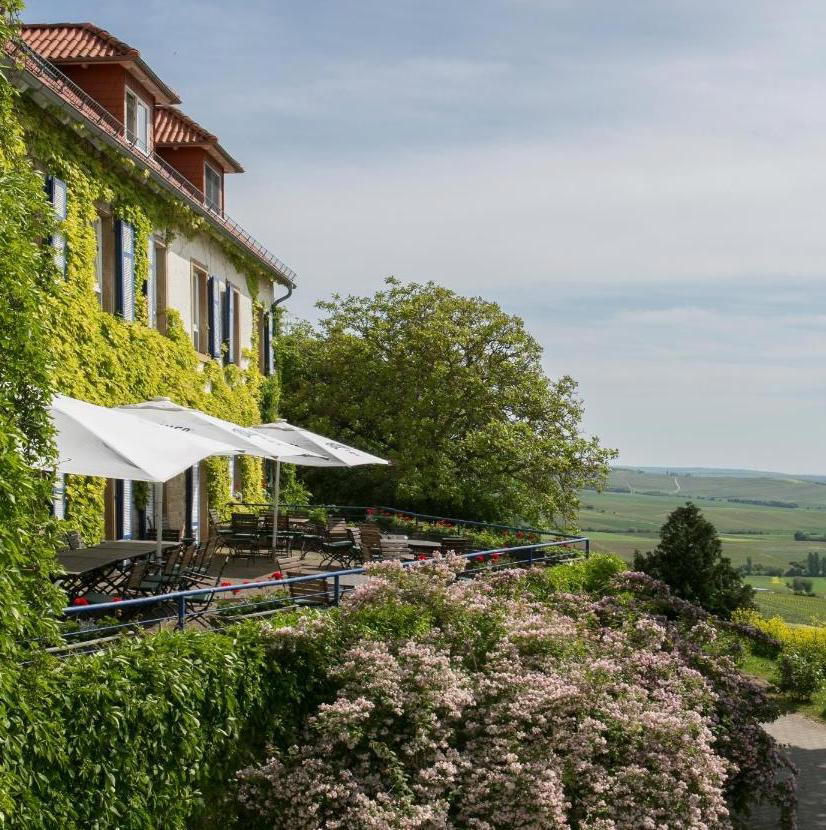
Jesuitenhof belongs to the quieter register of Pfalz travel: a historic former Jesuit cloister and walled estate in Dirmstein, with traditional cellars and a serene garden-vineyard atmosphere. Its appeal is not flashy design, spectacle or one headline feature, but a classic, rustic, intimate Pfalz winegrower setting built from stone, enclosure, cellar, garden and village context.
Atmospherically, Jesuitenhof is easy to read. It is about entering a settled estate world rather than a staged contemporary concept: quiet, grounded and separated from the everyday pace outside by the former cloister and walled grounds. In a region where wine travel can move quickly from stop to stop, that slower, contained character is central.
A walled Pfalz estate sets the tone
A reliable way to describe Jesuitenhof is through its setting: former Jesuit cloister, walled estate, traditional cellars and garden-vineyard mood. Together they create a quiet, scenic character rather than a polished showroom identity. The venue is not defined by sharp branding or dramatic architecture; its tone comes from continuity, enclosure and the traditional language of a Pfalz estate.
The atmosphere is classic Pfalz: historic, rustic and understated. That restraint is the charm. The former cloister suggests a layered older setting; the walls create a protected, inward-looking quality; the cellars anchor it in winegrowing culture; and the garden vineyard mood softens the experience into something calm rather than ceremonial.
For travellers, Jesuitenhof is best understood as a way to experience Dirmstein through an estate setting rather than through accolades or menu-style details. The draw is the enclosure, history and calm around the former cloister and walled grounds. The courtyards, cellars and garden atmosphere do much of the interpretive work, without needing a long list of external validations.
This also sets expectations. Jesuitenhof is not a loud, high-gloss showcase or a venue whose value lies in novelty. Its strength is feeling rooted, local and intimate. The walled-estate character gives the visit a beginning and an inside, while the rustic Pfalz tone keeps it approachable rather than grandiose. For many wine-country travellers, that balance of history and simplicity is the point.
Hospitality follows the estate, not a showroom script
Jesuitenhof suggests a visit shaped by place: quiet cellars, a traditional winegrower feel and a serene garden-vineyard atmosphere. It is better framed as a hidden-gem estate experience than as a flashy design destination. Its hospitality belongs in the same register as the venue itself: calm, traditional and intimate, not performative.
That distinction matters. A showroom-style wine destination often foregrounds polish, spectacle and a carefully signposted narrative. Jesuitenhof is presented through older, quieter elements: former cloister, walls, cellars and garden vineyard. These are not decorative background but the main frame. The estate sets the pace, and the experience is strongest when it remains modest and unforced.
The price level is listed as $$, placing it in a moderate bracket. Practically, that reinforces Jesuitenhof as an accessible estate stop rather than an ultra-luxury statement. The positioning fits the broader description: classic, rustic, intimate and traditional, with value in the atmosphere and the sense of being within a Pfalz winegrower setting.
For a wider Dirmstein itinerary, Jesuitenhof can sit alongside other local dining options in the village. The safest comparison is not to a named peer, but to the choice between quiet, traditional estate atmosphere and more conventional stops elsewhere. Travellers building a day around the village may find Jesuitenhof provides the more enclosed, scenic and historic version of Dirmstein, while other stops serve different needs in the same local context.
Its usefulness is partly about mood-matching. If the desired experience is polished novelty, this is probably not the main draw. If the goal is a quiet Pfalz estate with traditional cellars and a garden-vineyard feel, Jesuitenhof’s appeal is clear. It adds texture to an itinerary: a pause, a sense of place and a setting tied to the village rather than detached from it.
Where it sits in a German wine itinerary
Jesuitenhof is strongest for travellers who value atmosphere: a historic former Jesuit cloister, walled estate, traditional cellars and calm garden vineyard setting in Dirmstein. It is less suited to anyone seeking a trophy-label narrative, confirmed critic scores or a highly contemporary design statement. Its confirmed identity rests on history, enclosure, rusticity and a traditional Pfalz winegrower feel.
On a broader Pfalz or German wine-country route, Jesuitenhof works as a classic, scenic, intimate estate stop. Its place and mood are quiet, traditional, rustic and rooted in Dirmstein, making it a useful counterpoint to more curated or modern wine destinations. It emphasizes the older grammar of wine-country travel: walls, cellars, garden, village and estate.
Jesuitenhof is not trying to dominate an itinerary; it adds depth and calm. It rounds out a Pfalz journey by linking the historic and the rural, with atmosphere as the main reason to go. Approach it with an eye for texture rather than spectacle: the cloister association, walled grounds, cellar tradition and quiet garden vineyard mood create the experience.
For EP Club travellers, the recommendation is direct. Choose Jesuitenhof to feel the quieter side of Dirmstein and the Pfalz through a traditional estate environment. Expect intimacy, rustic character and a scenic historic setting, not a heavily publicized destination narrative. Its appeal lies in being calm, classic and rooted in place.
Recognition history
Dated appearances from independent guides and award organizations, with the underlying list record or original source where available.
Falstaff Winery - Listed
Falstaff
Continue exploring
More in Dirmstein
Wineries in Dirmstein
Browse all →
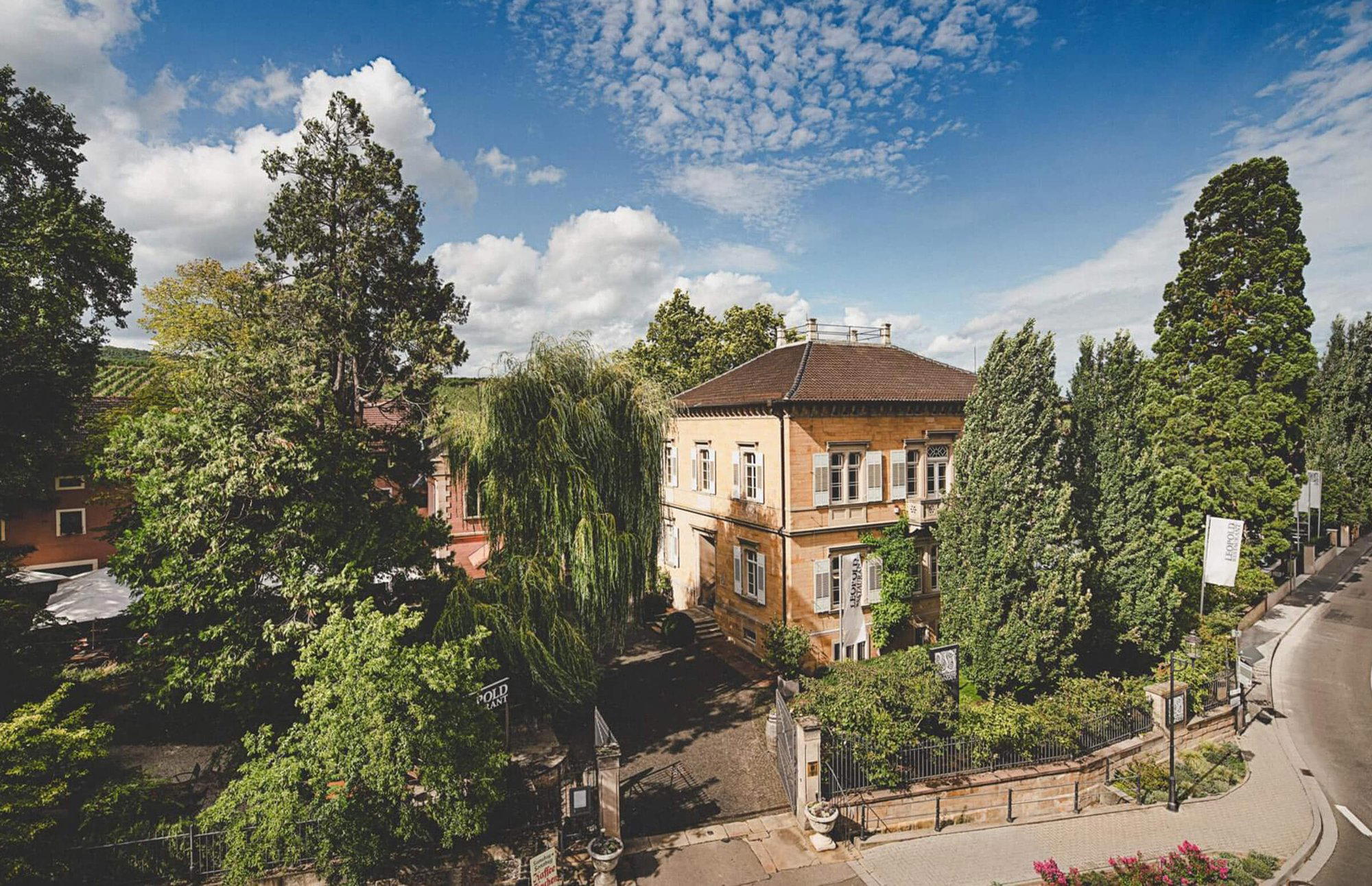
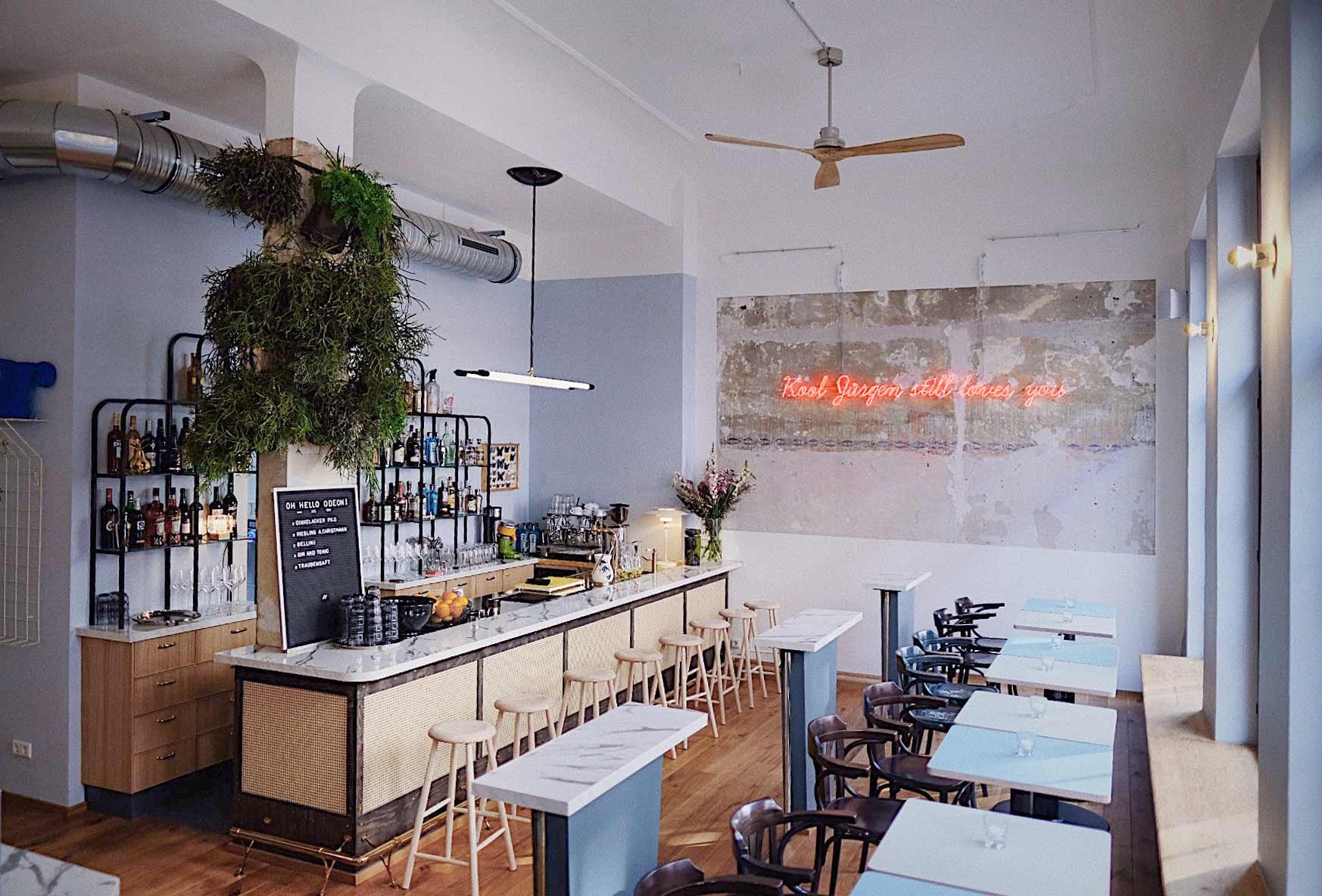
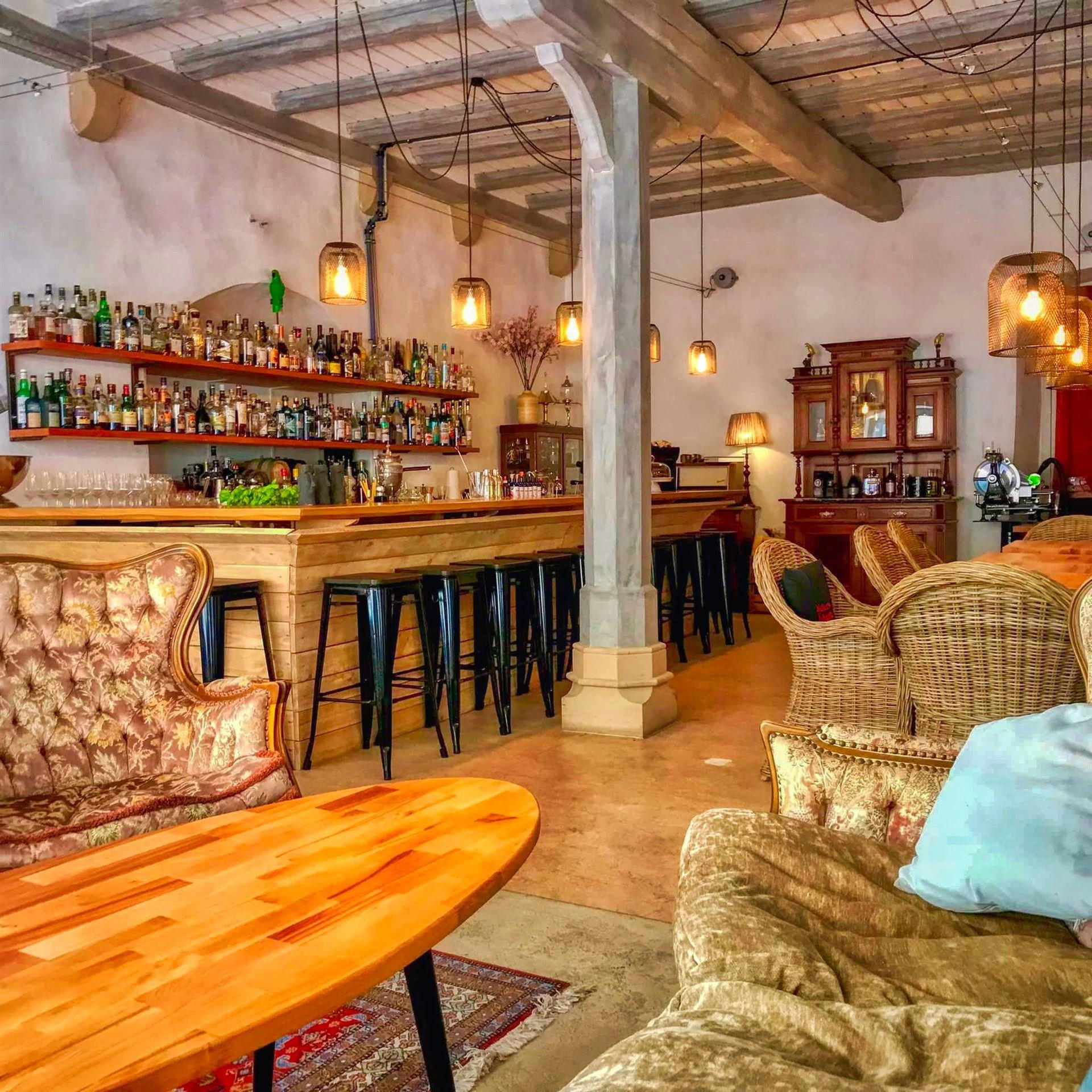
Bars in Dirmstein
Browse all →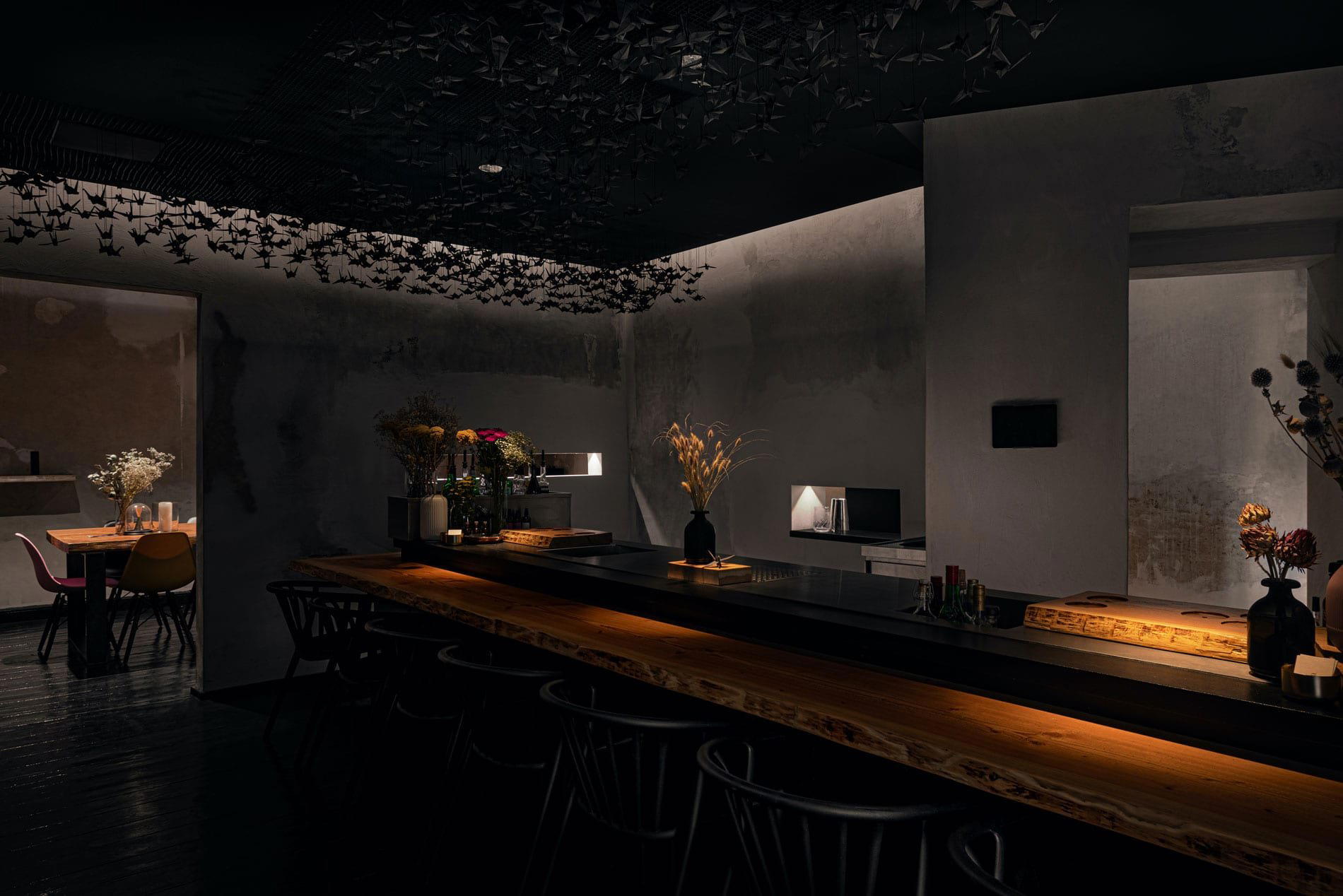
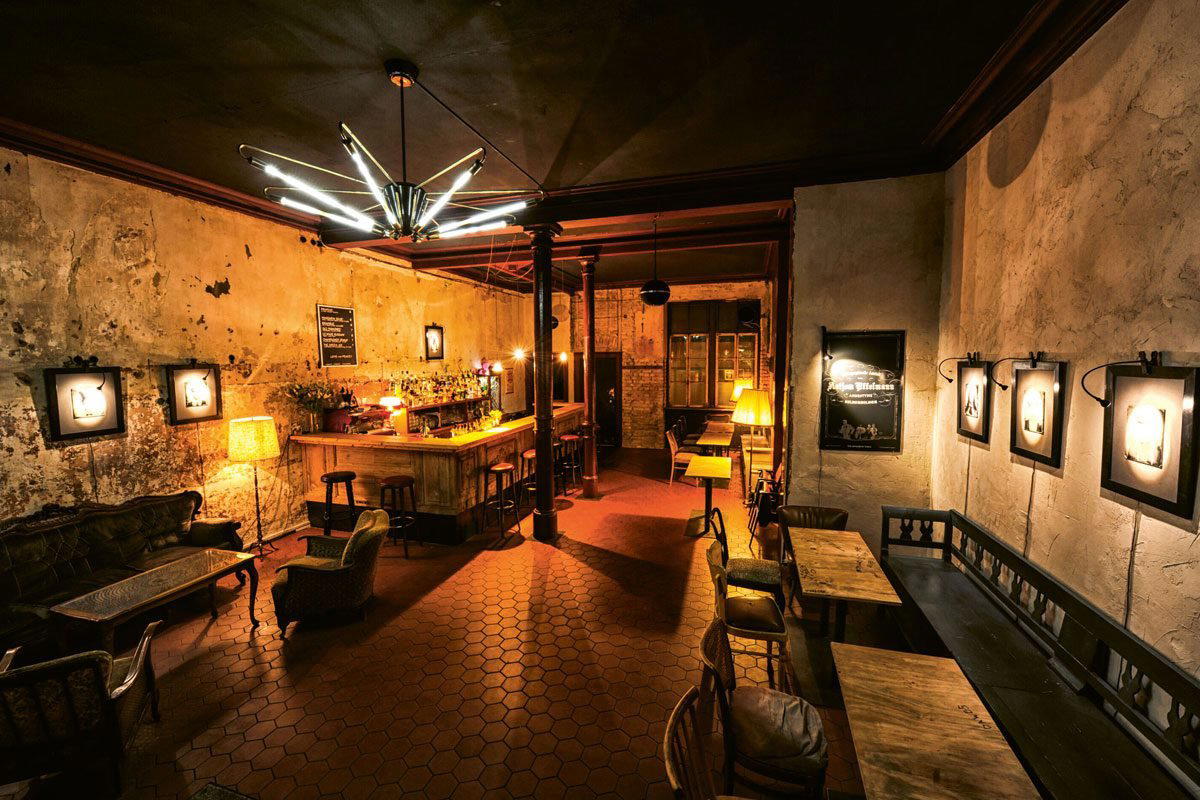
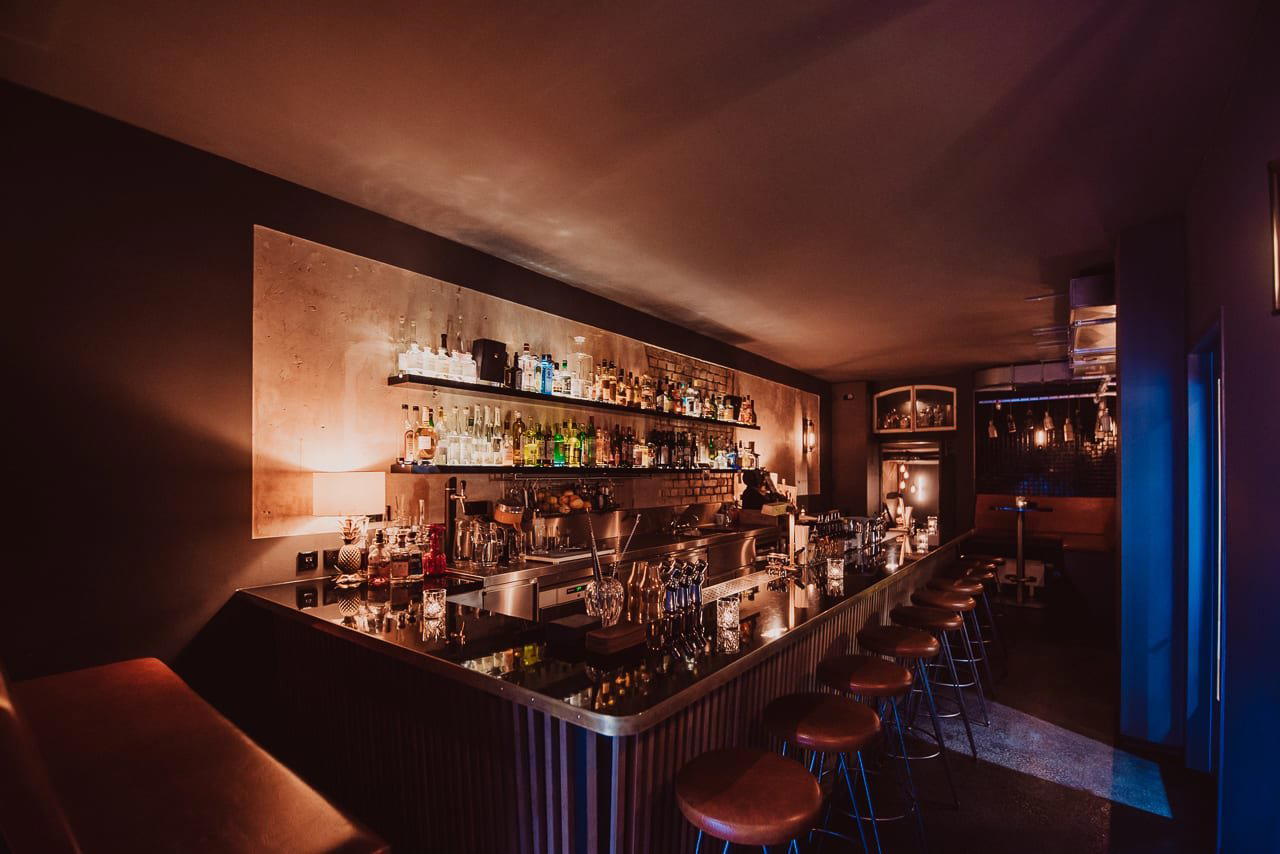
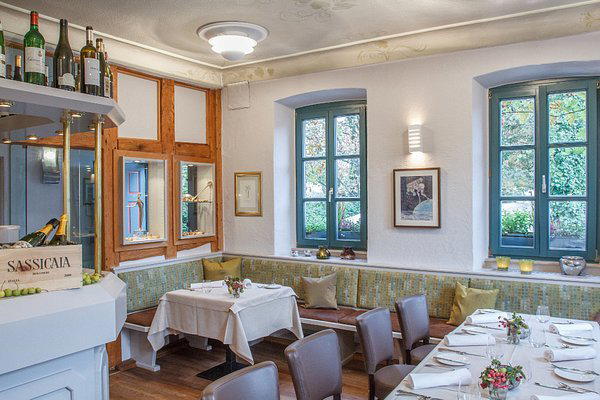
Restaurants in Dirmstein
Browse all →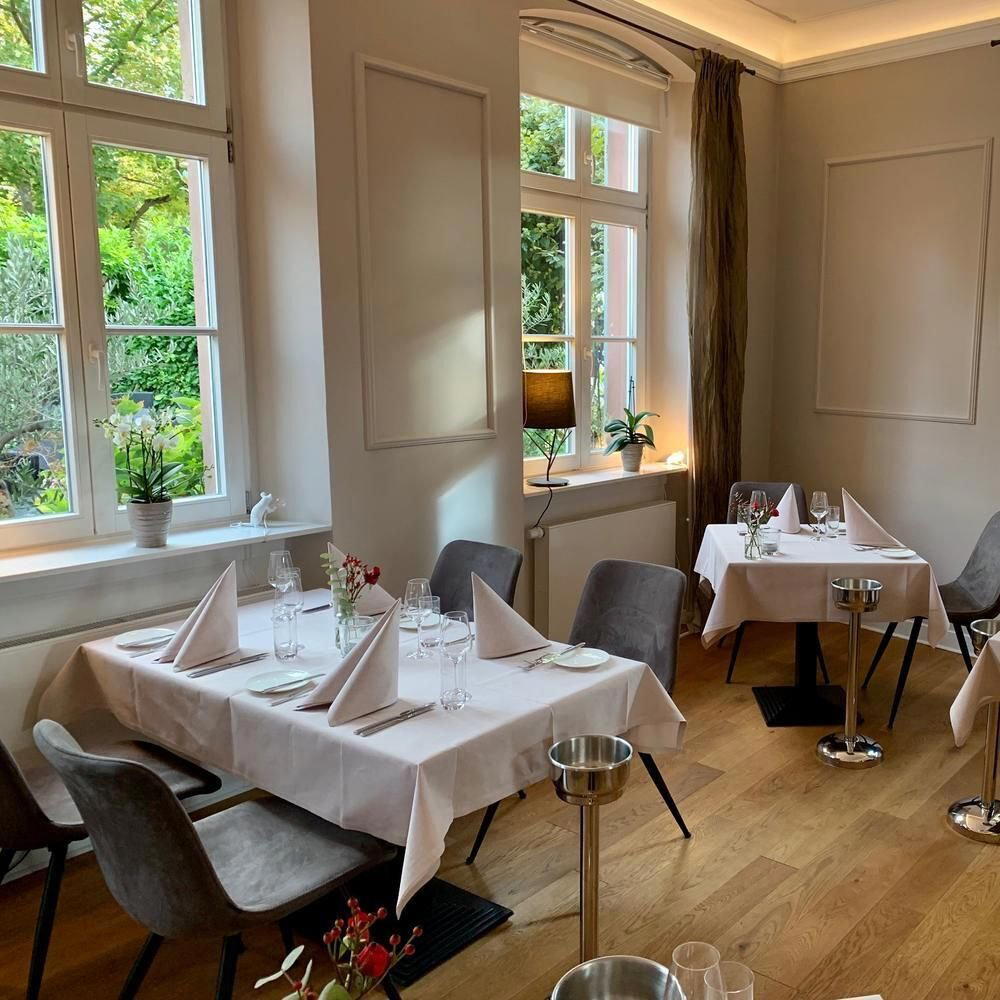

At a Glance
- Classic
- Scenic
- Rustic
- Intimate
- Wine Education
- Group Outing
- Romantic Getaway
- Solo Exploration
- Special Occasion
- Estate Grounds
- Garden
- Vineyard Tour
- Private Tasting
- Historic Building
- Sustainable
- Garden
- Vineyard
- Pfalz G.u.
- Riesling
- Spätburgunder (pinot Noir)
- Grauburgunder (pinot Gris)
- Weissburgunder (pinot Blanc)
- Gewürztraminer
- Sauvignon Blanc
- Still White
- Still Red
- Still Rosé
- Sparkling
- Dessert
- Walk In
- Private Tasting
- Vineyard Tasting
- Group Tasting
Historic former Jesuit cloister and walled estate with a classic Pfalz winegrower feel: quiet, traditional cellars, and a serene garden vineyard atmosphere rather than a flashy design destination.