Haskell Vineyards

Haskell Vineyards reads as a Helderberg wine estate shaped by slope, view, and a tiered cellar identity rather than a simple tasting stop. The Stellenbosch property links Chardonnay, Syrah, Cabernet Sauvignon, Merlot, Sauvignon Blanc, restaurant dining, and on-site accommodation into a destination-format wine experience with a clear sense of place.
Pearl is the En Primeur Club membership app — saves, bookings, and concierge access live there. Same editors, same standards.
- Address
- Stellenbosch, Coastal Region, Südafrika
 Saves & bookings on Pearl
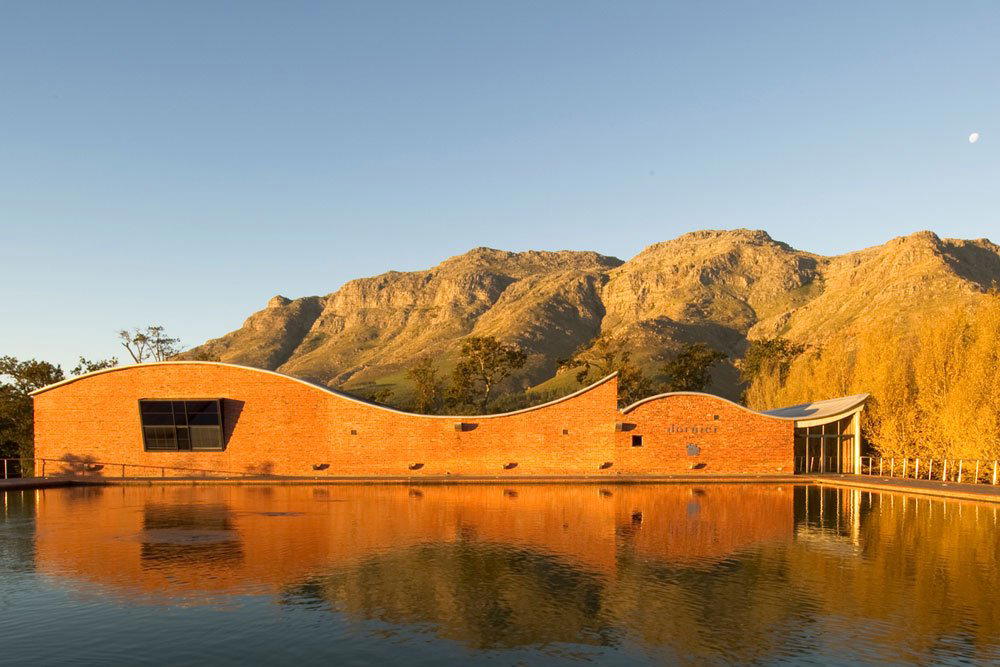
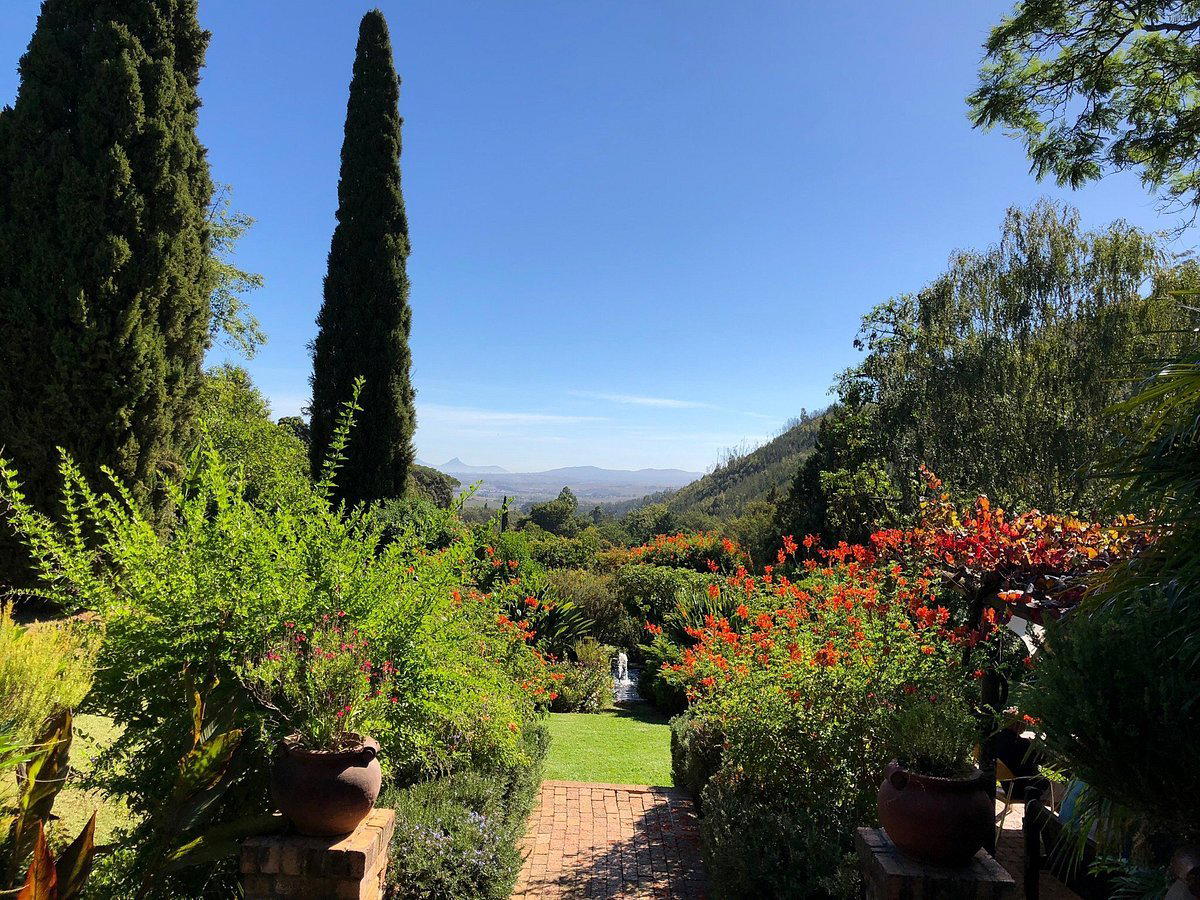
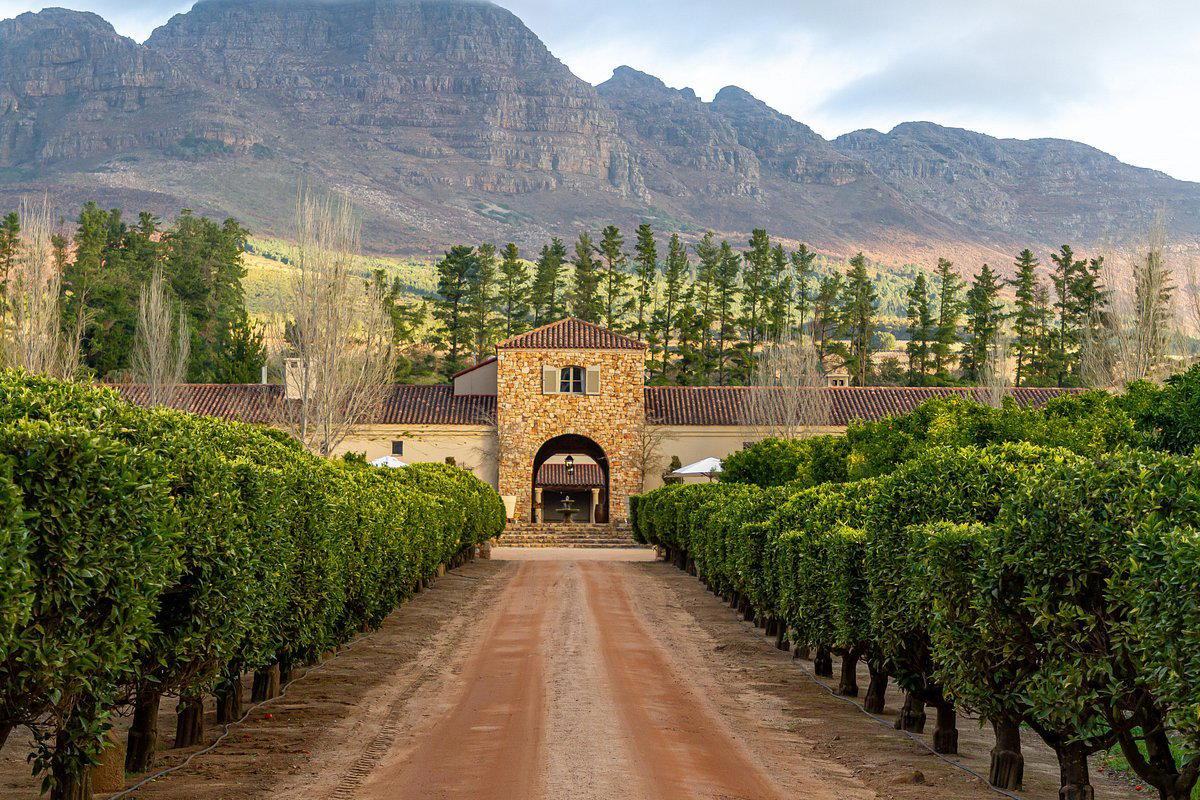
Approaching the Helderberg side of Stellenbosch, the wine-country drama becomes less about manicured grandeur and more about slope, exposure, and long views across vineyard rows. Haskell Vineyards belongs to that register: mountain-backed, estate-led, and built around the idea that wine hospitality in this part of the Cape is strongest when the glass, the table, and the landscape are read together.
The estate sits within the Helderberg, a sub-region often associated with serious Stellenbosch reds and increasingly persuasive white wines. That matters because the property’s identity is not only scenic. Its strongest editorial argument is terroir expression: Chardonnay with tension, Syrah with freshness, Cabernet-led blends with structure, and a hospitality format that gives those wines a physical setting rather than treating them as retail objects.
Helderberg slope, classic varieties, and a cellar identity built around structure
Stellenbosch can be a broad term in wine conversation, covering everything from large-volume estates to small, site-focused producers. The Helderberg narrows that conversation. Here, the appeal lies in the meeting of Mediterranean climate, mountain influence, and the region’s long confidence with Cabernet Sauvignon, Syrah, Merlot, Chardonnay, and Sauvignon Blanc. Haskell Vineyards works squarely inside that grammar.
The vineyard story is relatively recent by Cape standards. The land was previously known as Dombeya and had been a citrus farm before its modern wine chapter took shape. Vine plantings date to 1999 and 2002, and the Haskell name replaced Dombeya in 2006. The first Haskell wines were released in 2009 from the 2007 vintage, giving the estate a defined modern arc rather than a centuries-old inheritance.
That recent history does not weaken the wine argument. It clarifies it. This is a converted agricultural property where the vineyard was part of a deliberate premium project, not a relic repackaged for tourism. The estate has been associated with 15 hectares of vines, and its portfolio has historically been described as largely estate-grown, with limited additional Helderberg fruit where needed. In a region where scale can blur identity, that size and sourcing language point toward a focused cellar program.
The range is organized around two linked identities: Haskell as the premium label and Dombeya as a more accessible foundation tier. The Haskell names include Anvil Chardonnay, Pillars, Aeon, Haskell IV, and Haskell II, while the broader lineup spans Sauvignon Blanc, Lily Rose, Boulder Road Shiraz, Chardonnay, Merlot, Cabernet Sauvignon, Syrah, and blends. That structure gives the estate two ways to speak: one through flagship bottles, another through wines that make the property’s style easier to enter.
Independent tasting commentary has been especially useful in framing the style. Haskell IV 2007 received 94/100, Haskell Pillars 2008 received 93/100, Haskell Anvil 2010 received 92/100, Haskell Aeon 2008 received 92/100, and Dombeya Boulder Road Shiraz 2008 received 90/100 from Wine Anorak. The pattern across those notes is telling: freshness, firmness, mineral tension, aromatic clarity, and balance rather than blunt ripeness. For Stellenbosch, that places the estate in the camp of producers whose wines are meant to hold line and shape, not simply volume.
Restaurant, cottages, and the rise of the destination wine estate
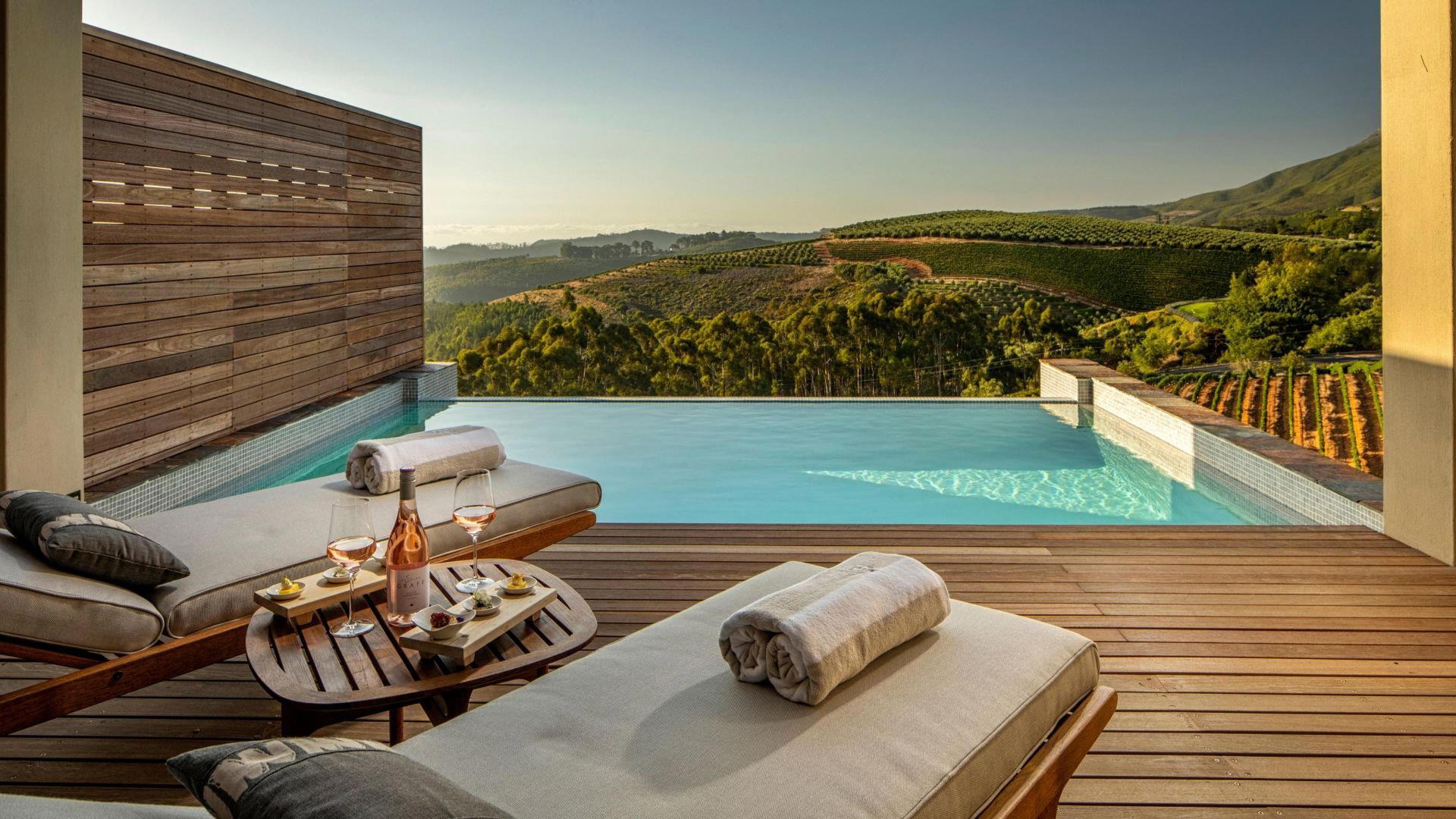
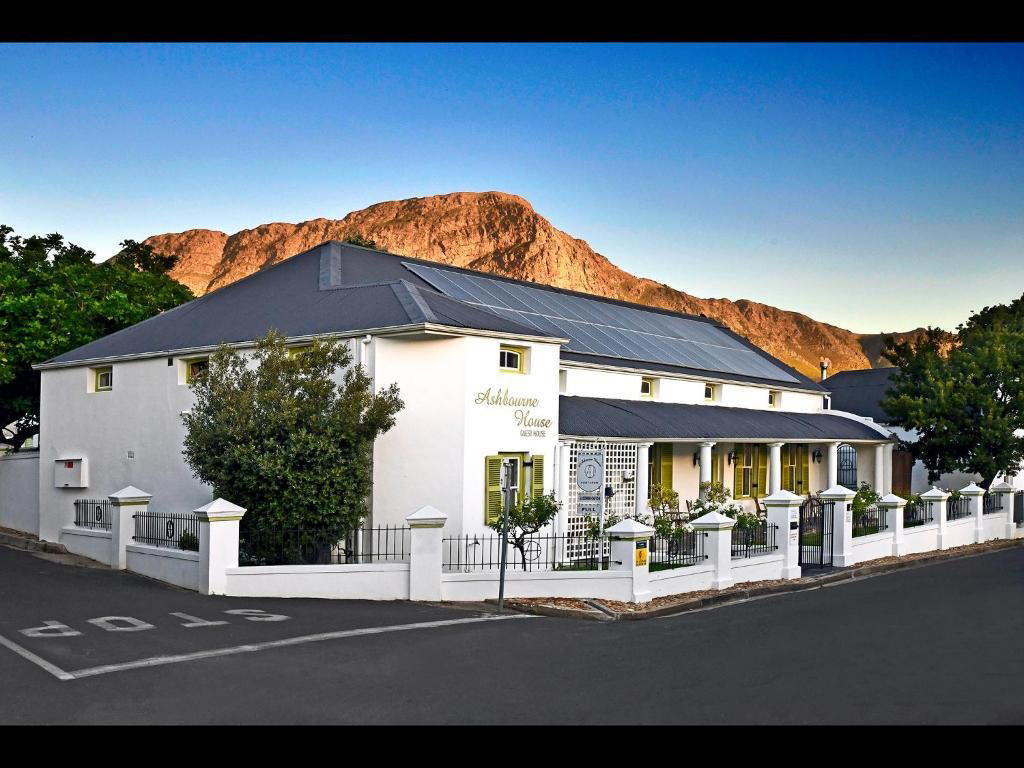
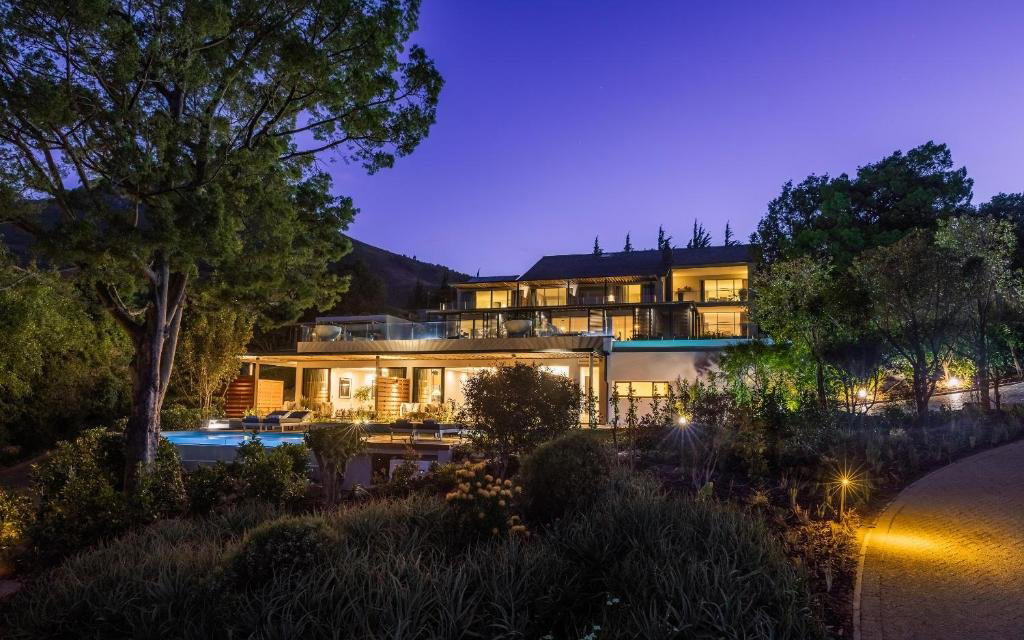
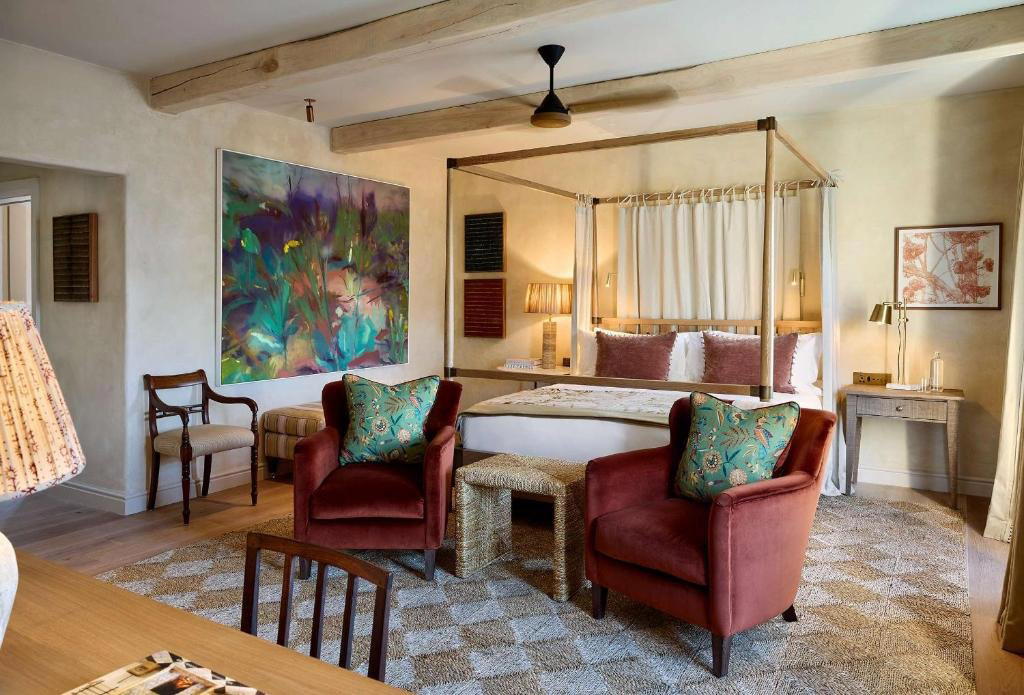
The Cape winelands have increasingly separated into two visitor models. One is the quick cellar-door stop, useful for tasting flights and bottle purchases. The other is the destination estate, where wine is part of a longer stay, a lunch, a terrace, or a weekend itinerary. Haskell Vineyards belongs to the second model, with a restaurant and accommodation on site, and Mountain View Cottages extending the property beyond a tasting-room visit.
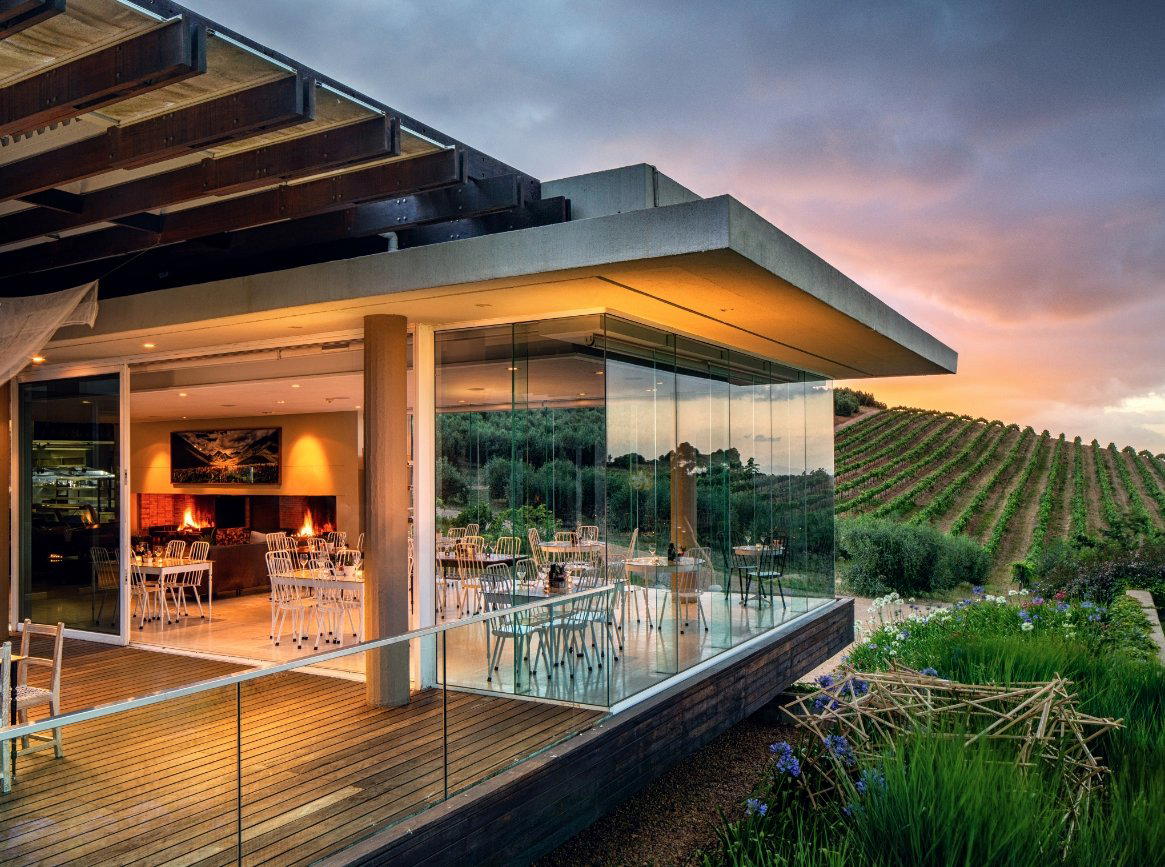
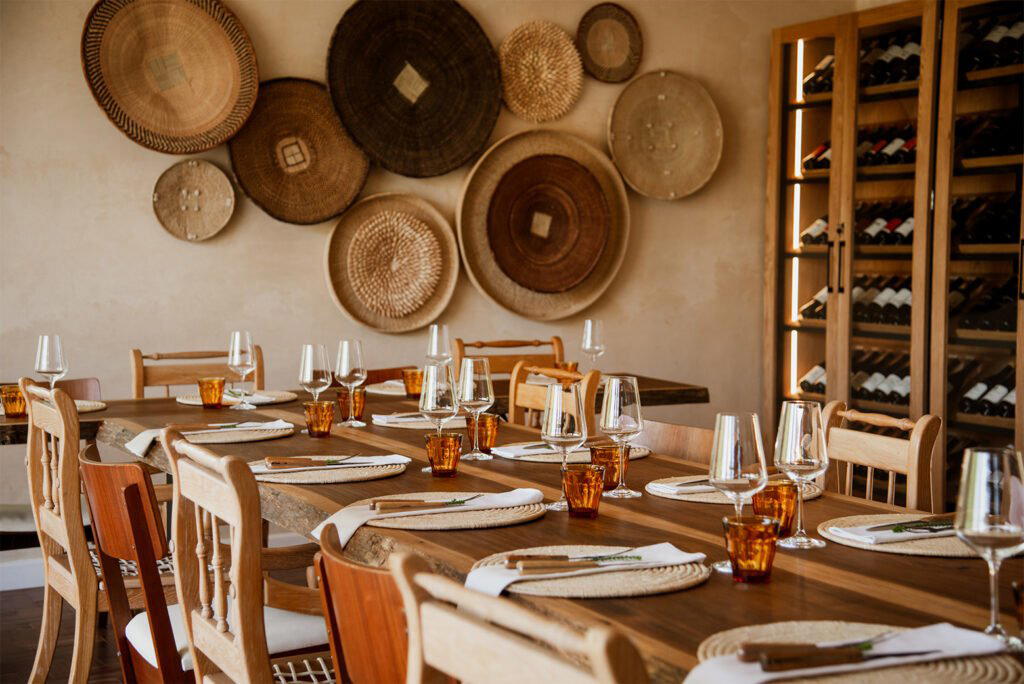
The restaurant, known as the Long Table, was added in 2009 and has been described in press coverage as a vineyard-view lunch setting. That detail is more than decorative. Stellenbosch estates with food programs change how guests understand the wines: acidity, tannin, and oak sit differently when experienced alongside a meal, and a mountain-facing lunch slows the encounter enough for structure and texture to register. In this format, the estate becomes a lens on Helderberg hospitality, not just a place to sample bottles.
Property’s current farming arrangement adds a further layer. Since January 2023, the farm has been rented to neighbouring Rust en Vrede, which continues to farm the land. For readers tracking producer identity, that distinction matters: the Haskell brand and hospitality presence remain visible, while the agricultural stewardship of the land now sits within a different operational structure. The useful takeaway is continuity of viticulture on the site, with the Helderberg land remaining active rather than becoming merely scenic real estate.
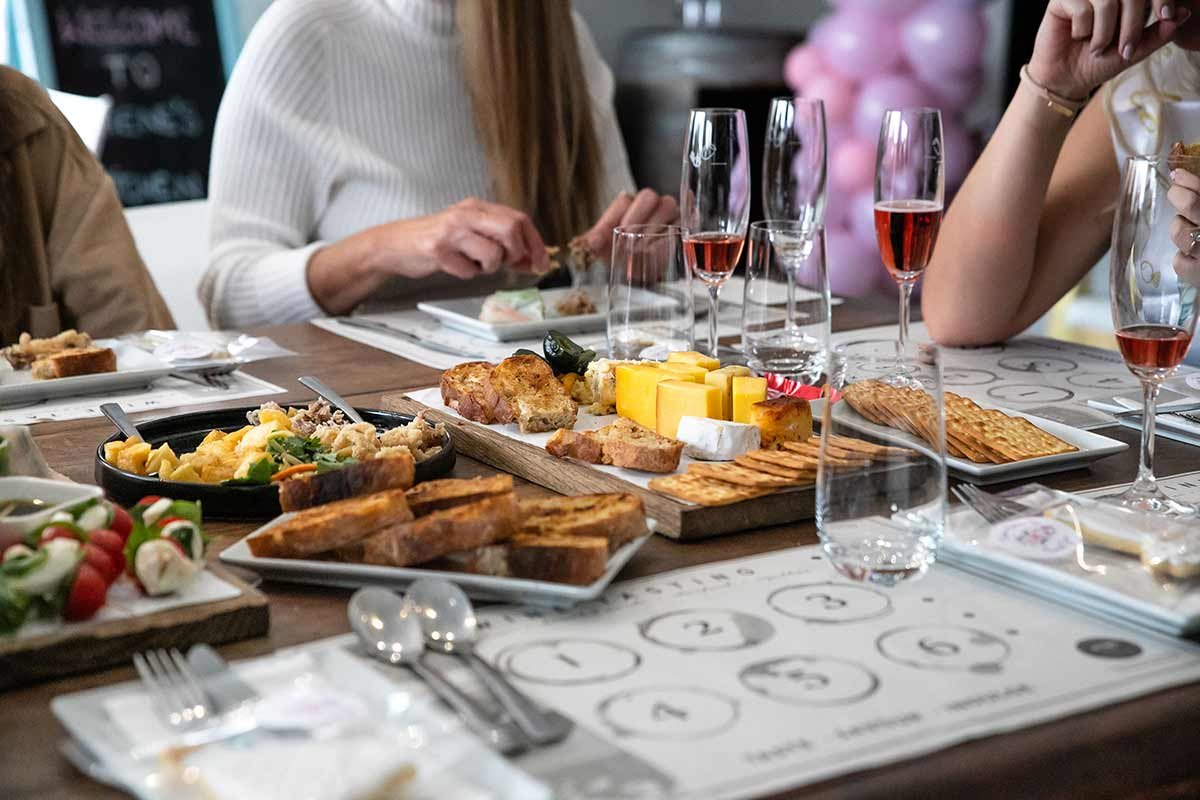
There is no need to overcomplicate the visit. This is a Stellenbosch estate for travellers who want the wine-region experience to include mountain views, still wines across red, white, and rosé styles, and enough on-site hospitality to make the stop feel unhurried. It will appeal less to those seeking a purely technical cellar appointment and more to those who want terroir to be legible in both bottle and setting.
How to place it in a Stellenbosch itinerary
The winery is useful as a Helderberg anchor in a broader Stellenbosch itinerary because it brings together several strands of the region at once: premium-minded cellar work, vineyard-view dining, accommodation, and classic Cape varieties. Its price positioning sits in the premium bracket, but the two-tier Haskell and Dombeya structure gives the portfolio a wider range than a single flagship-only estate.
For broader planning, use Our full Stellenbosch wineries guide to understand the region’s producer spread, then cross-reference meals through Our full Stellenbosch restaurants guide, stays through Our full Stellenbosch hotels guide, drinks through Our full Stellenbosch bars guide, and cultural add-ons through Our full Stellenbosch experiences guide.
Readers building a wider Cape wine route can also look at Aaldering Estate, Alto Wine Estate, Asara Wine Estate, Bartinney, Beyerskloof, 4G Wines in Kapstadt, A. A. Badenhorst Family Wines in Paardeberg, and Alheit Vineyards in Hermanus. For a broader European contrast in smaller wine cultures, there are also entries for »der Steiner« Hans Steiner in Podersdorf am See and & Handwein in Mannheim.
Recognition history
Dated appearances from independent guides and award organizations, with the underlying list record or original source where available.
Falstaff Winery - Listed
Falstaff
Continue exploring
More in Stellenbosch
Wineries in Stellenbosch
Browse all →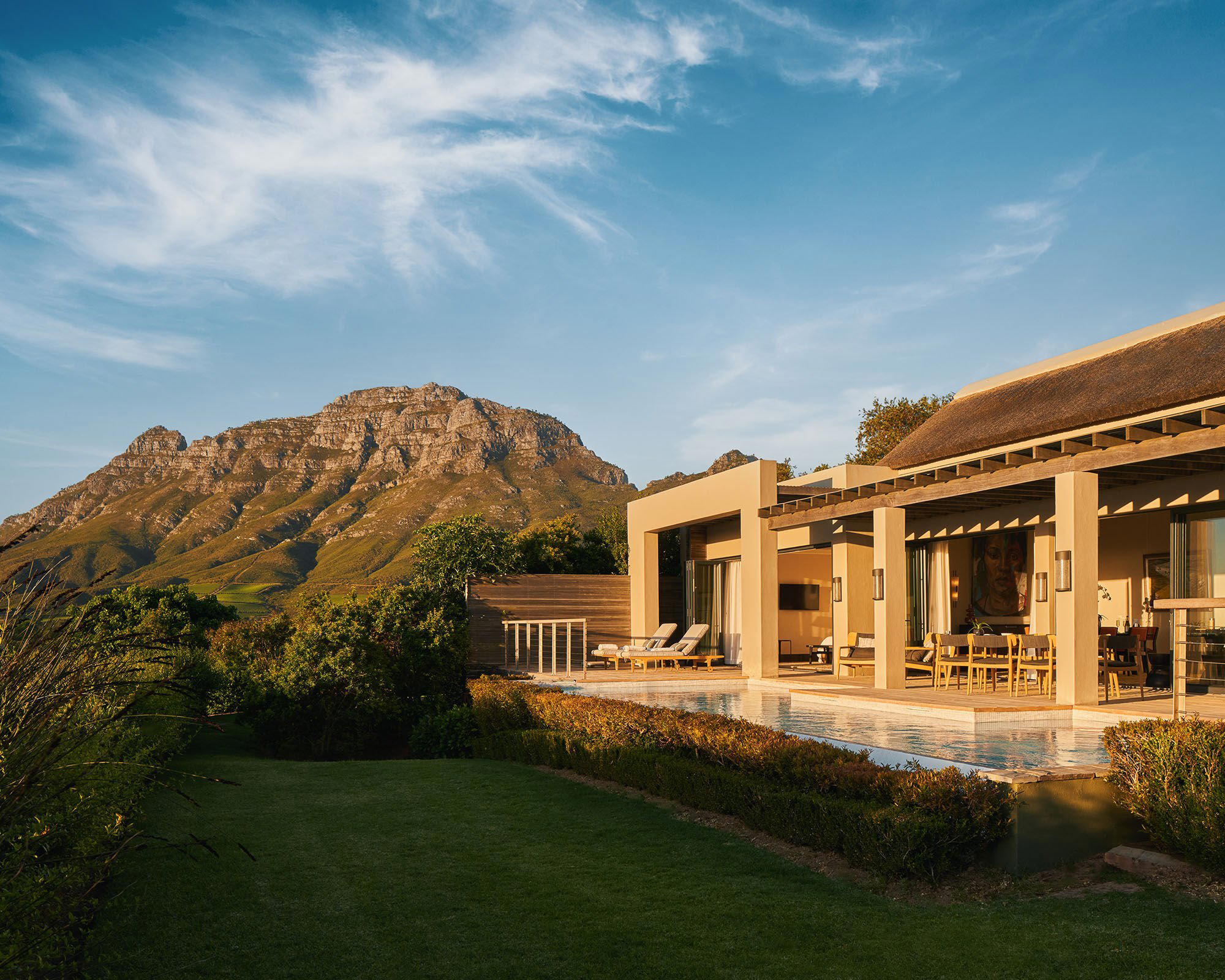
Bars in Stellenbosch
Browse all →
Restaurants in Stellenbosch
Browse all →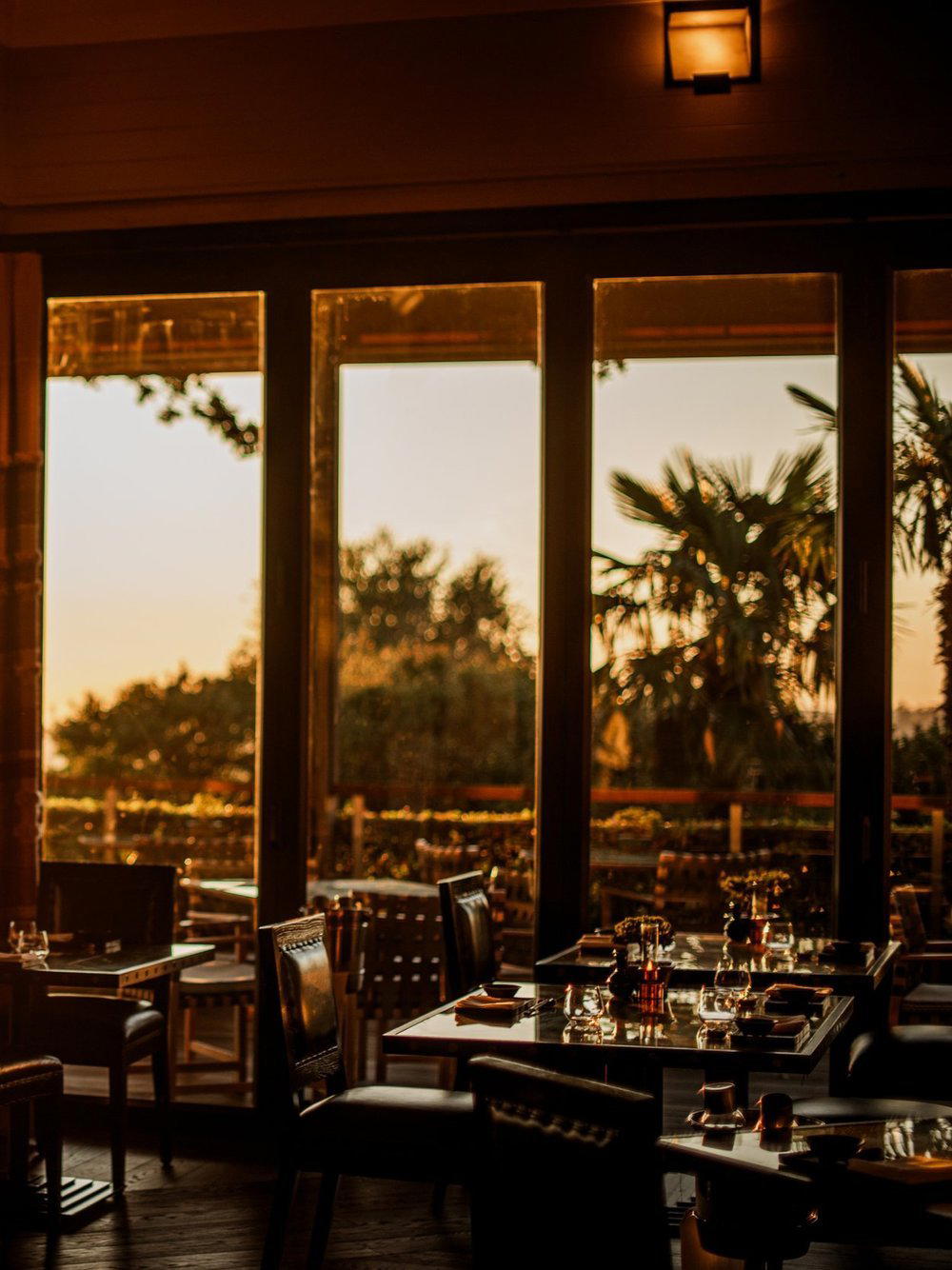
At a Glance
- Scenic
- Elegant
- Classic
- Romantic
- Romantic Getaway
- Group Outing
- Special Occasion
- Wine Education
- Vineyard Tour
- Terrace
- Panoramic View
- Vineyard
- Mountain
- Stellenbosch
- Syrah
- Chardonnay
- Cabernet Sauvignon
- Merlot
- Sauvignon Blanc
- Still Red
- Still White
- Still Rosé
- Guided Tasting
- Restaurant Pairing
Scenic vineyard setting on the slopes of the Helderberg with a restaurant and accommodation on site; press coverage describes it as a lovely lunch location overlooking the vineyards.