Grosset
The winery is a reference point for Riesling and Cabernet-based blends in Australian fine wine, drawing collectors and trade visitors from across the country to a valley that has shaped its identity around altitude-driven acidity and long-aging potential.
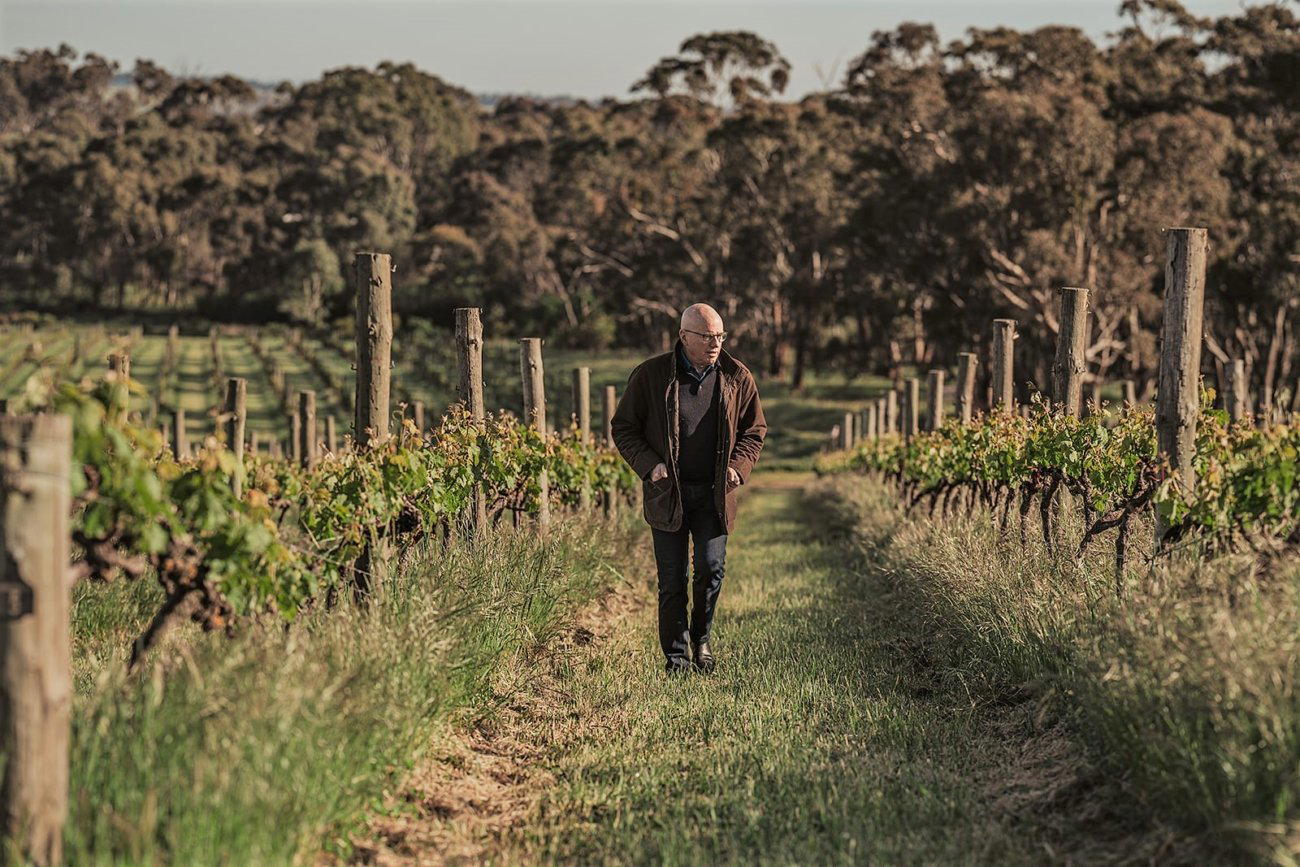
Clare Valley Riesling occupies a distinct position in the Australian fine wine conversation: its high-altitude sites and low-yielding soils generate the kind of steely acidity and lime-citrus precision that allow the wines to develop over a decade or more in bottle. That combination of immediate intensity and long-aging potential has attracted collectors who might otherwise look to the Mosel or Alsace. Grosset.
The Winemaking Philosophy in Context
Among the Clare Valley's prestige producers, Grosset represents a particular school of thought: wines made with intervention kept deliberately low, where the argument is made through the vineyard rather than the winery. This approach has shaped the region's international reputation more than any single promotional campaign. When sommeliers in London, Tokyo, or New York reach for an Australian Riesling that will age, the regional shorthand almost always runs through producers like Grosset.
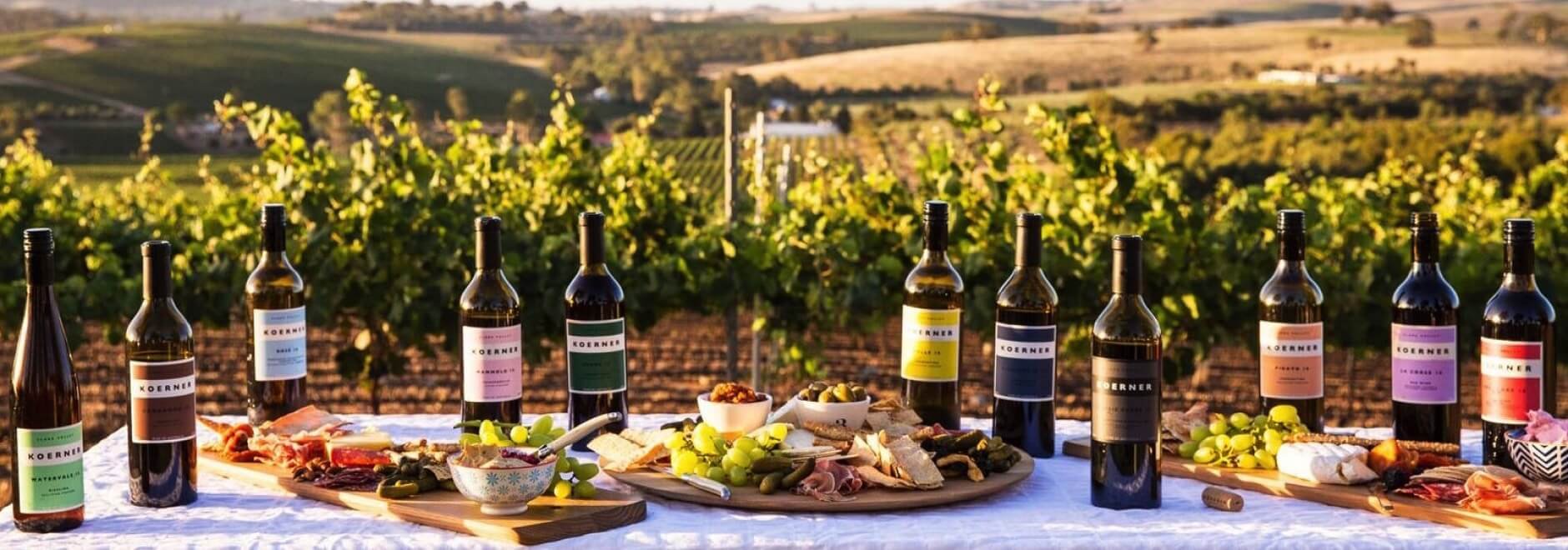
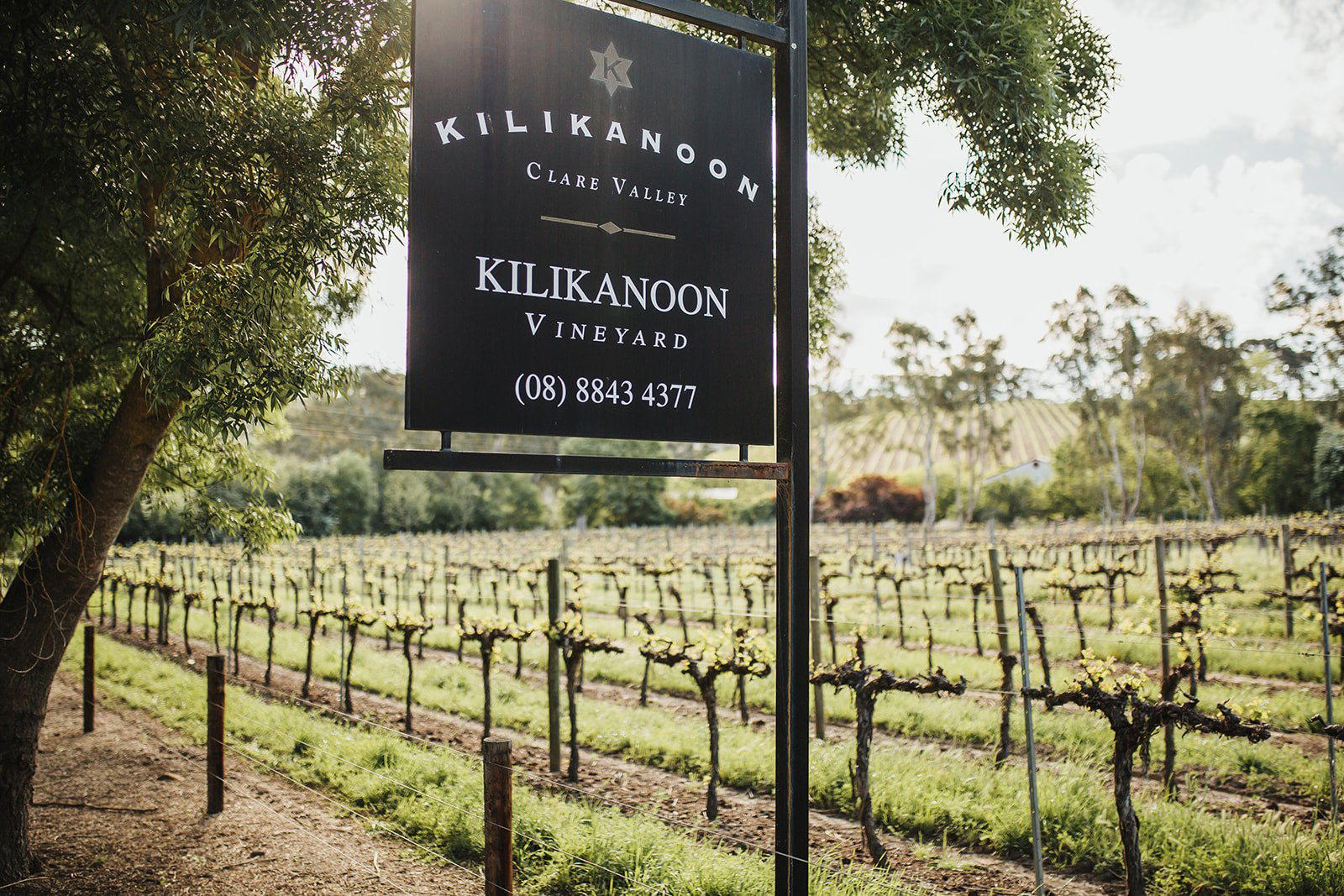
The broader Clare scene contains producers working across a range of registers. Kilikanoon works across multiple sub-regions with a wider production range, while Taylors (Wakefield) represents the valley's larger-scale, export-oriented tier. Tim Adams Wines and Jim Barry Wines each hold distinct identities in the mid-to-prestige range, with Jim Barry's Armagh Shiraz carrying particular weight in the red wine segment. Adelina Wines represents a newer generation working with alternative varieties and minimal-intervention methods. Grosset's position in this field is as the house that most consistently references the valley's Riesling reputation against international benchmarks rather than solely domestic ones.
What Defines the Wines
Clare Valley's two most celebrated sub-zones, Polish Hill and Watervale, produce Rieslings with notably different characters: Polish Hill tends toward mineral austerity and slow development, while Watervale leans into a slightly more accessible citrus profile. Grosset has long worked with both, and the distinction between sub-zone expressions is one of the clearer arguments for single-vineyard specificity in the Australian white wine conversation. For collectors, this translates into a portfolio where the same producer can demonstrate how geology and aspect override winemaking variables.
Beyond Riesling, the Clare Valley has a credible red wine identity built primarily around Shiraz and Cabernet Sauvignon, where altitude moderates ripeness enough to retain structure without sacrificing generosity. Grosset's red wine program sits inside that conversation, where the valley's elevation argues for elegance over extraction. This positions the estate alongside international peers in Burgundy and the cooler Rhône sub-appellations rather than the warmer Australian styles that dominated export markets through the 1990s and 2000s. For a full picture of what Clare Valley wine can do, see our full Clare Valley wineries guide.
Visiting the Clare Valley involves planning against the region's characteristic rhythms. The valley is most accessible during the cooler months, and the annual Riesling and Cuisine festival in May draws both trade and serious consumers who treat the event as a working tasting rather than a tourism occasion. For those extending a visit, our full Clare Valley hotels guide covers accommodation across the valley's range, from boutique stays to working farm properties. The Clare Valley restaurants guide and bars guide map the food and drink context beyond the cellar door, and our experiences guide covers the valley's broader offering including the Riesling Trail cycling route that connects most of the major production towns.
Placing Grosset in a Wider Australian and International Frame
The prestige tier in Australian fine wine has never been limited to a single region, but the Clare Valley's contribution rests almost entirely on the Riesling argument, and Grosset has been central to making that argument internationally credible. Comparable commitments to terroir-driven, allocation-level production can be found elsewhere in the Australian fine wine map: All Saints Estate in Rutherglen holds a different but equally region-specific prestige position built around fortified wine, while Angove Family Winemakers in Renmark represents the broader South Australian wine story across a larger production scale. Outside Australia, estate-driven prestige programs at properties like Abadía Retuerta in Sardón de Duero share the logic of single-estate focus and long-aging positioning, even if the varietals and climate are entirely different.
For collectors building a cellar around aged white wine, Clare Valley Riesling at the Grosset level competes directly with aged German Riesling Spätlese and dry Alsatian Riesling grand cru in terms of development timeline and structural longevity. The difference is price: Australian prestige Riesling at this level often trades at a significant discount to European equivalents with equivalent aging credentials, which is an argument that has driven international trade interest for the past two decades. Non-wine readers curious about comparable institutional prestige in drink production might find useful reference points in Aberlour in Aberlour, where single-malt Scotch production carries a similar logic of place-specific identity at the prestige tier, or in Archie Rose Distilling Co in Sydney as a marker of how Australian artisan drink production has scaled its ambitions. Specific cellar door hours, tasting formats, and current release availability should be confirmed directly before visiting, as prestige producers at this tier often operate limited cellar door schedules or require appointments during peak periods. The May festival window is the most competitive time to visit, with trade buyers and collectors arriving in significant numbers; late autumn and early winter visits outside the festival tend to allow more time with the wines.
Frequently asked questions
Where can I find Grosset?
Grosset is located at Cnr Manoora Road and Stanley Street, Auburn, Clare Valley, SA 5451, Australia, Clare Valley.
What should I taste at Grosset?
The two Rieslings to seek out are the Polish Hill and Watervale expressions, which represent Clare Valley's contrasting sub-zone characters. Polish Hill typically runs toward mineral austerity and slow development, while Watervale tends to show earlier citrus and lime definition.
What's the defining thing about Grosset?
The estate's approach keeps winemaking intervention deliberately low, allowing Clare Valley's distinct sub-zone soils to drive the wine's character rather than technique. Within the Clare Valley prestige tier, this producer-led restraint is the consistent reference point.
What's the best way to book Grosset?
The cellar door is located at the corner of Manoora Road and Stanley Street in Auburn, Clare Valley SA 5451.
Pricing, Compared
| Venue | Price | Awards |
|---|---|---|
| GrossetThis venue (the venue you are viewing) | Not listed | Not listed |
| Kilikanoon | $10–20 | Falstaff Winery - Listed |
| Tim Adams Wines | $30–50 | Falstaff Winery - Listed |
| Jim Barry Wines | $10–20 | Falstaff Winery - Listed |
Continue exploring
More in Clare Valley
Wineries in Clare Valley
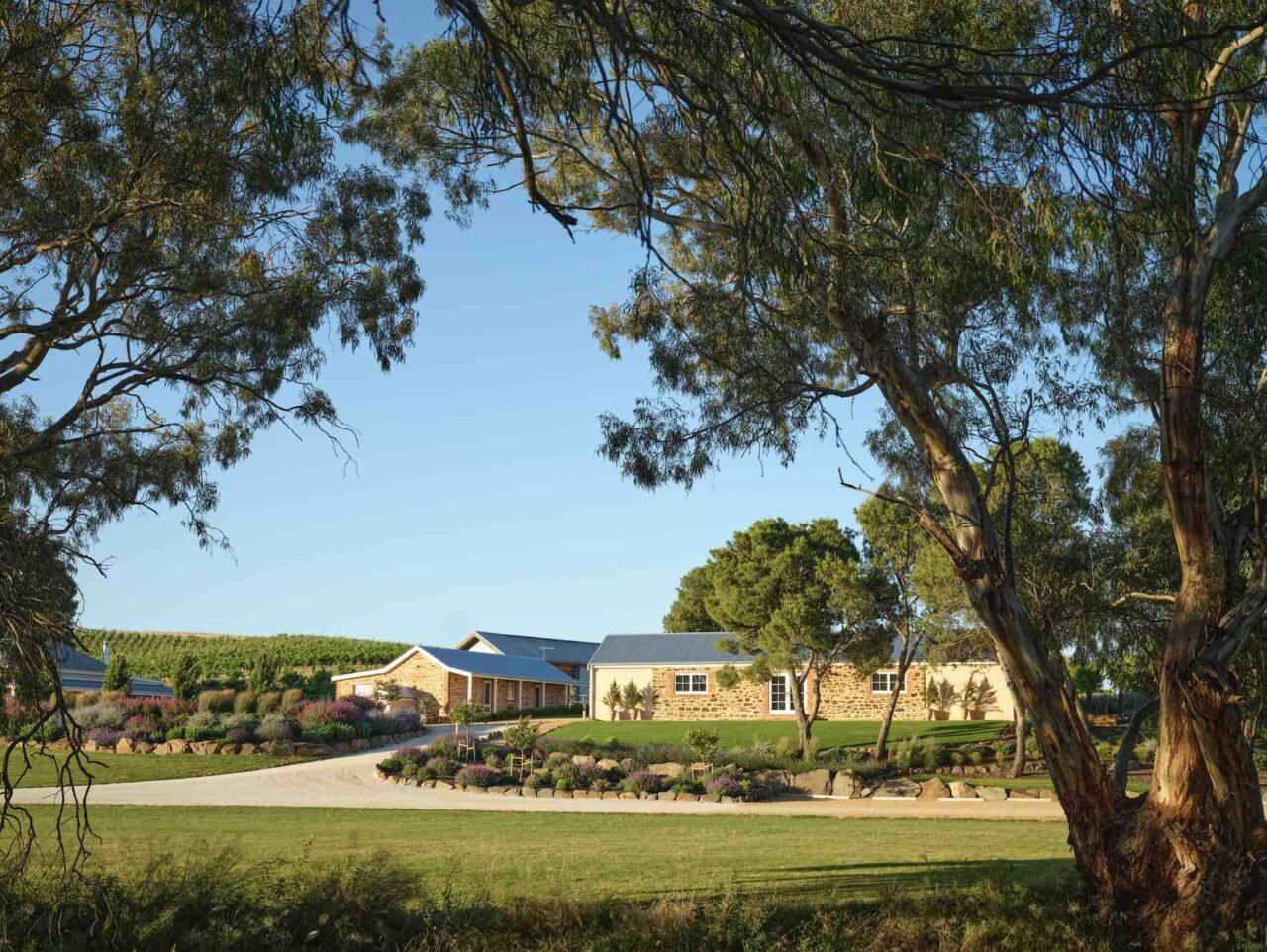
All wineries in Clare Valley →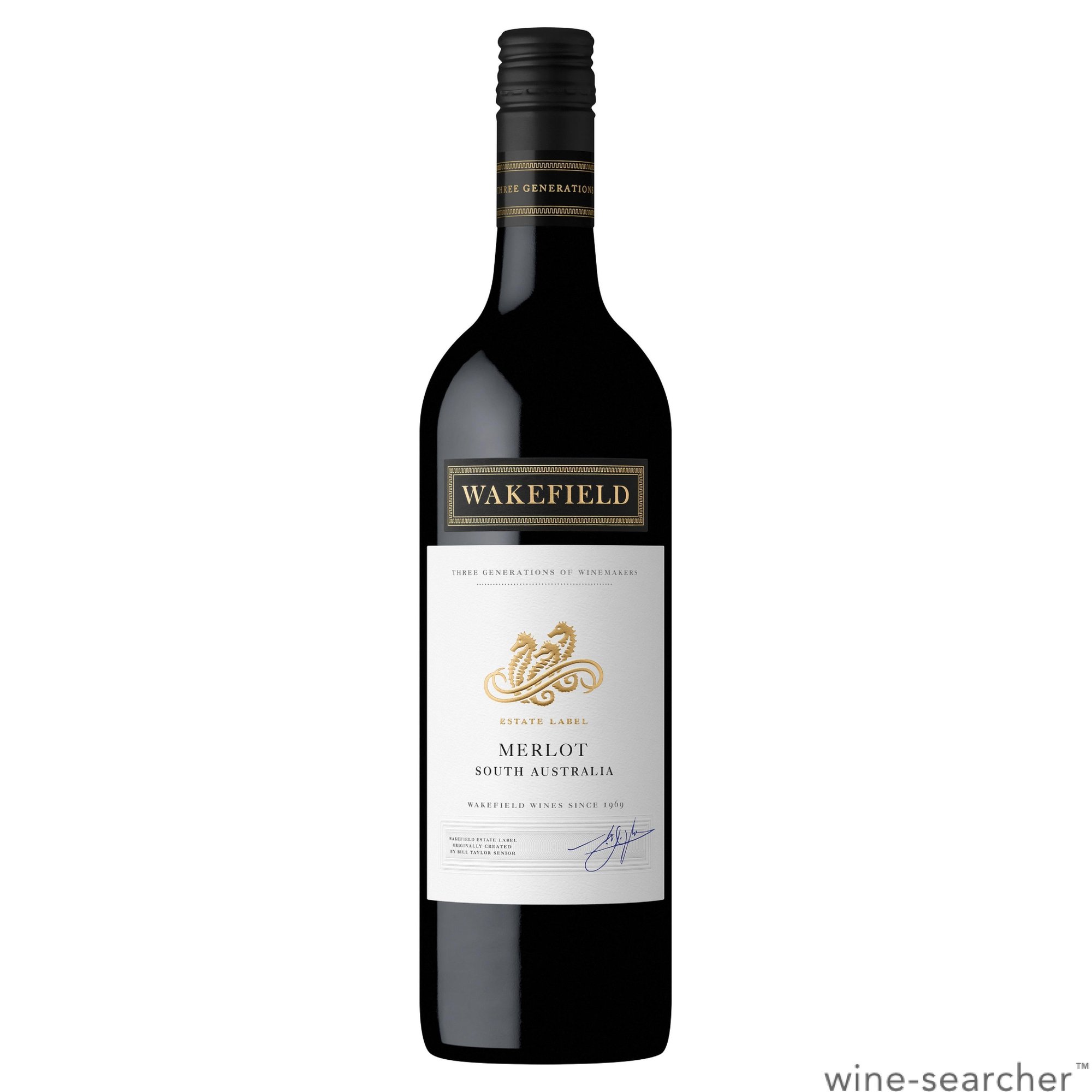

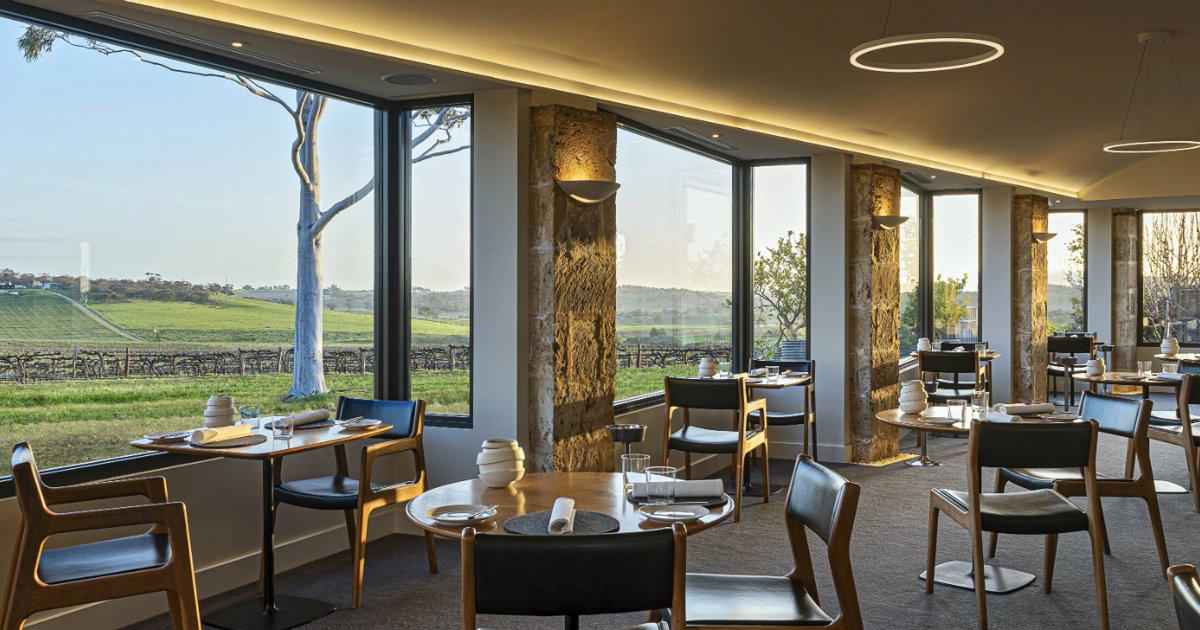
Restaurants in Clare Valley
Browse all →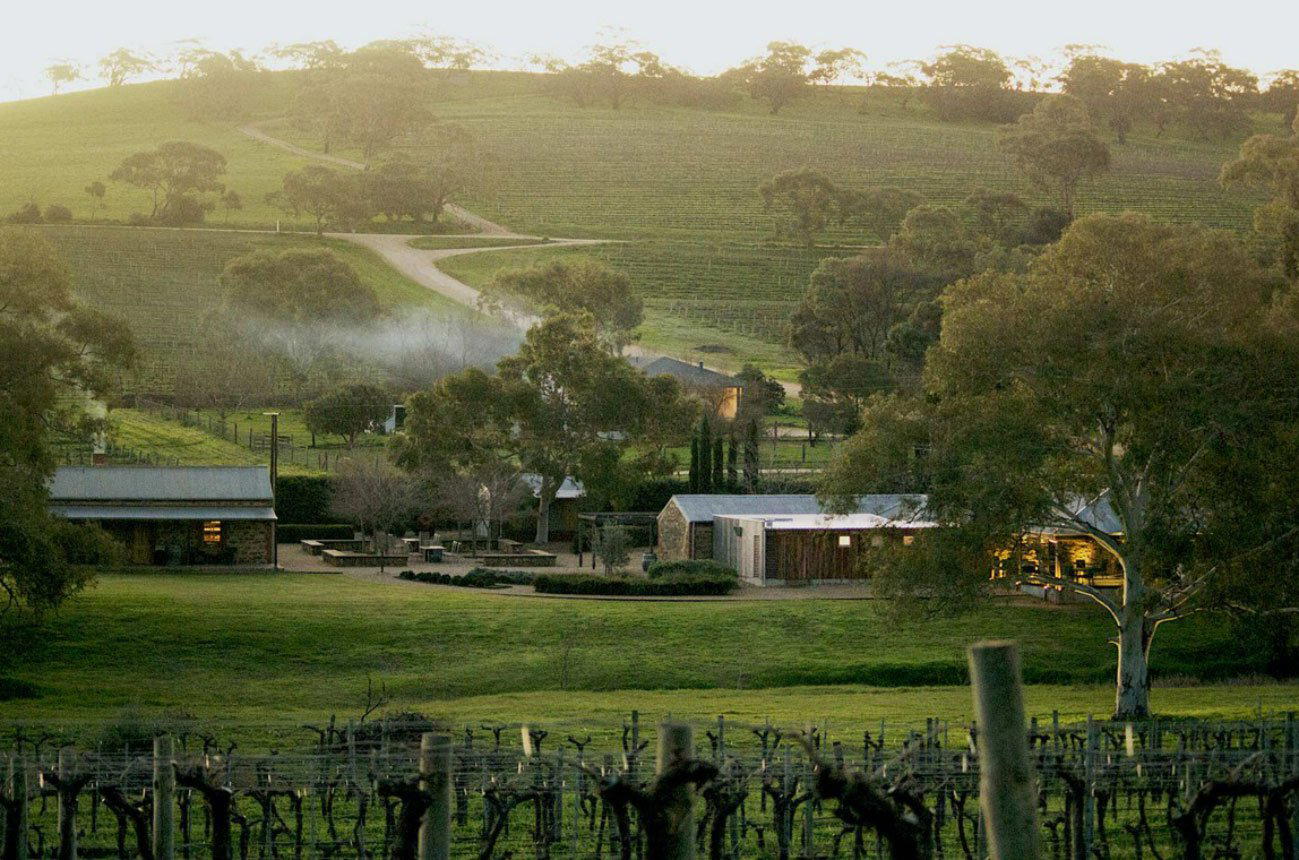
Hotels in Clare Valley
Browse all →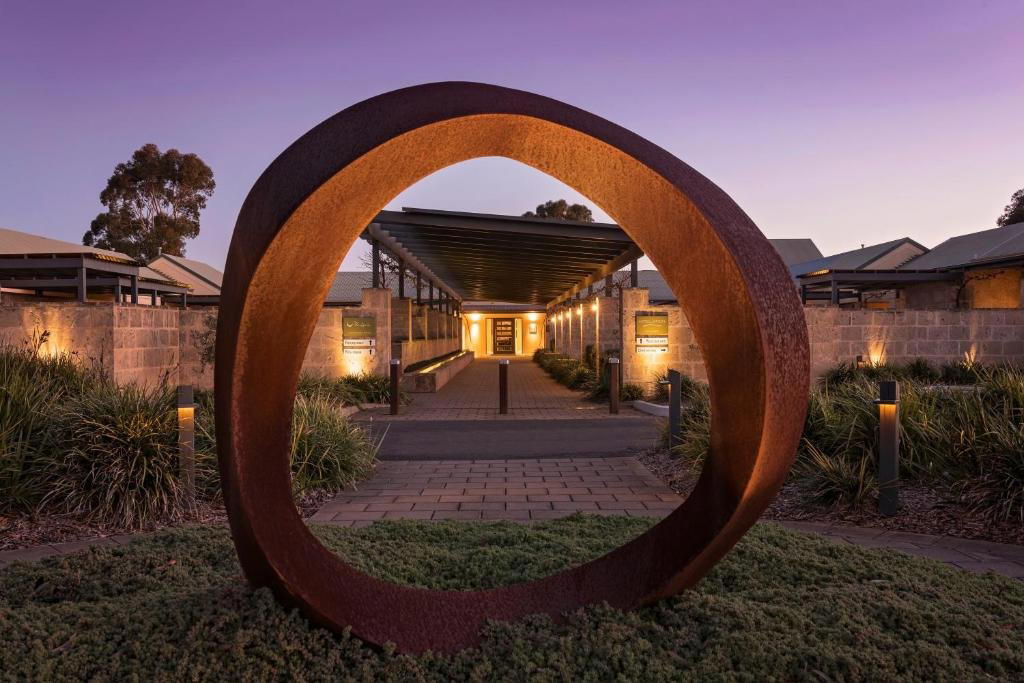
Details
- Quiet
- Rustic
- Scenic
- Elegant
- Wine Education
- Solo Exploration
- Estate Grounds
- Vineyard Tour
- Organic
- Biodynamic
- Vineyard
- Riesling
- Cabernet Sauvignon
- Cabernet Franc
- Fiano
- Still White
- Cellar Door Tasting
Current opening hours
- Monday
- Closed
- Tuesday
- Closed
- Wednesday
- 10 AM–5 PM
- Thursday
- 10 AM–5 PM
- Friday
- 10 AM–5 PM
- Saturday
- 10 AM–5 PM
- Sunday
- 10 AM–5 PM
Hours can change for holidays and private events. Hours as of .
Quiet, intimate family-run cellar door with a focus on high-quality, handcrafted wines.