
Falstaff Winery - Listed
Franz Gross is a quiet Mönchhof winery for travelers who care more about vineyard context than polished hospitality theatre. The estate works across 50 vineyard parcels totaling around 18 hectares, with loess soils, still white and red wines, and a varietal range that includes Grüner Veltliner, Zweigelt, Riesling, Chardonnay, Traminer, Scheurebe, and Roter Veltliner.

Pearl is the En Primeur Club membership app — saves, bookings, and concierge access live there. Same editors, same standards.
- Address
- Urbarialgasse 9, 7123 Mönchhof, Austria
- Phone
- +43 2173 80745
- Directions
- Get directions

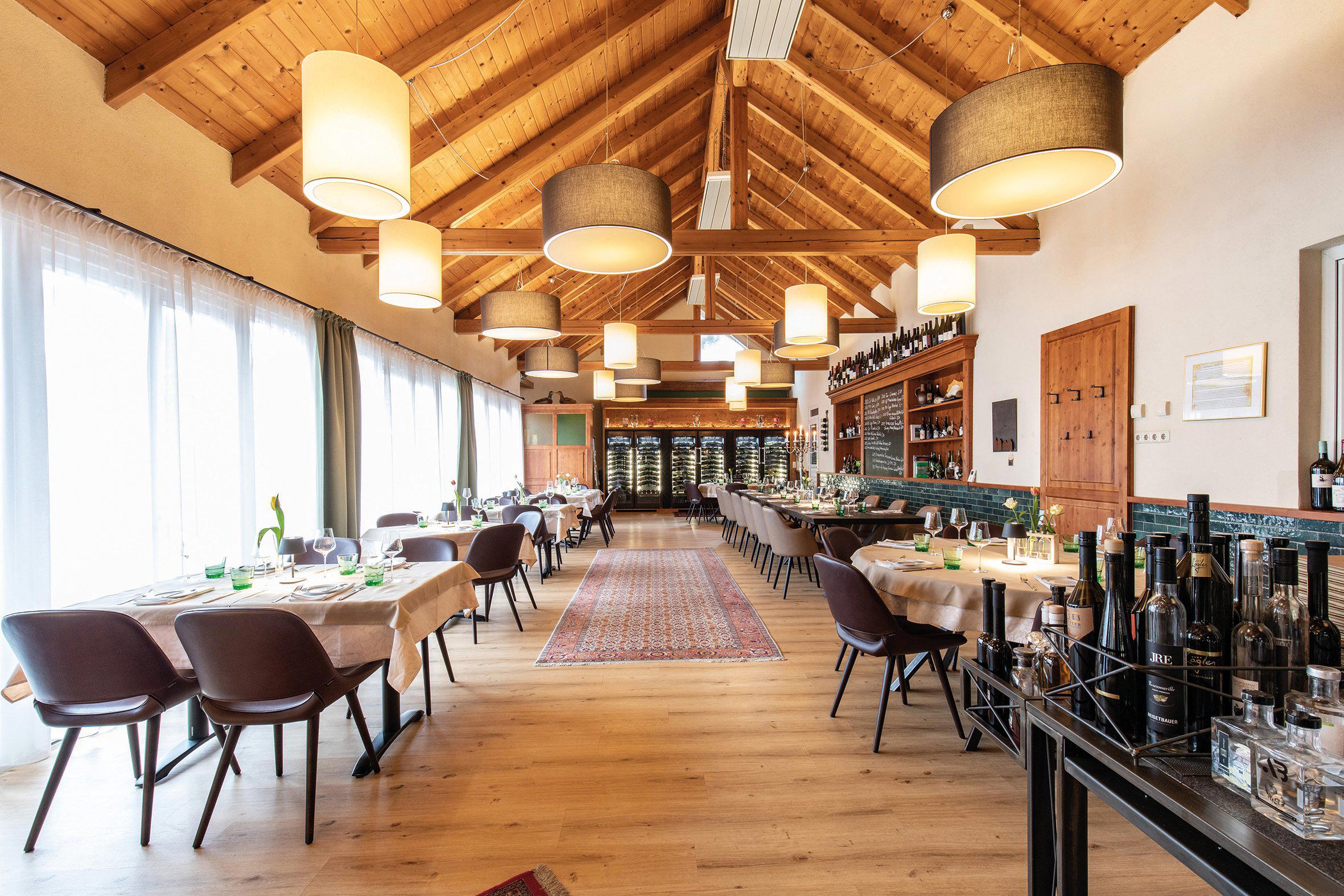
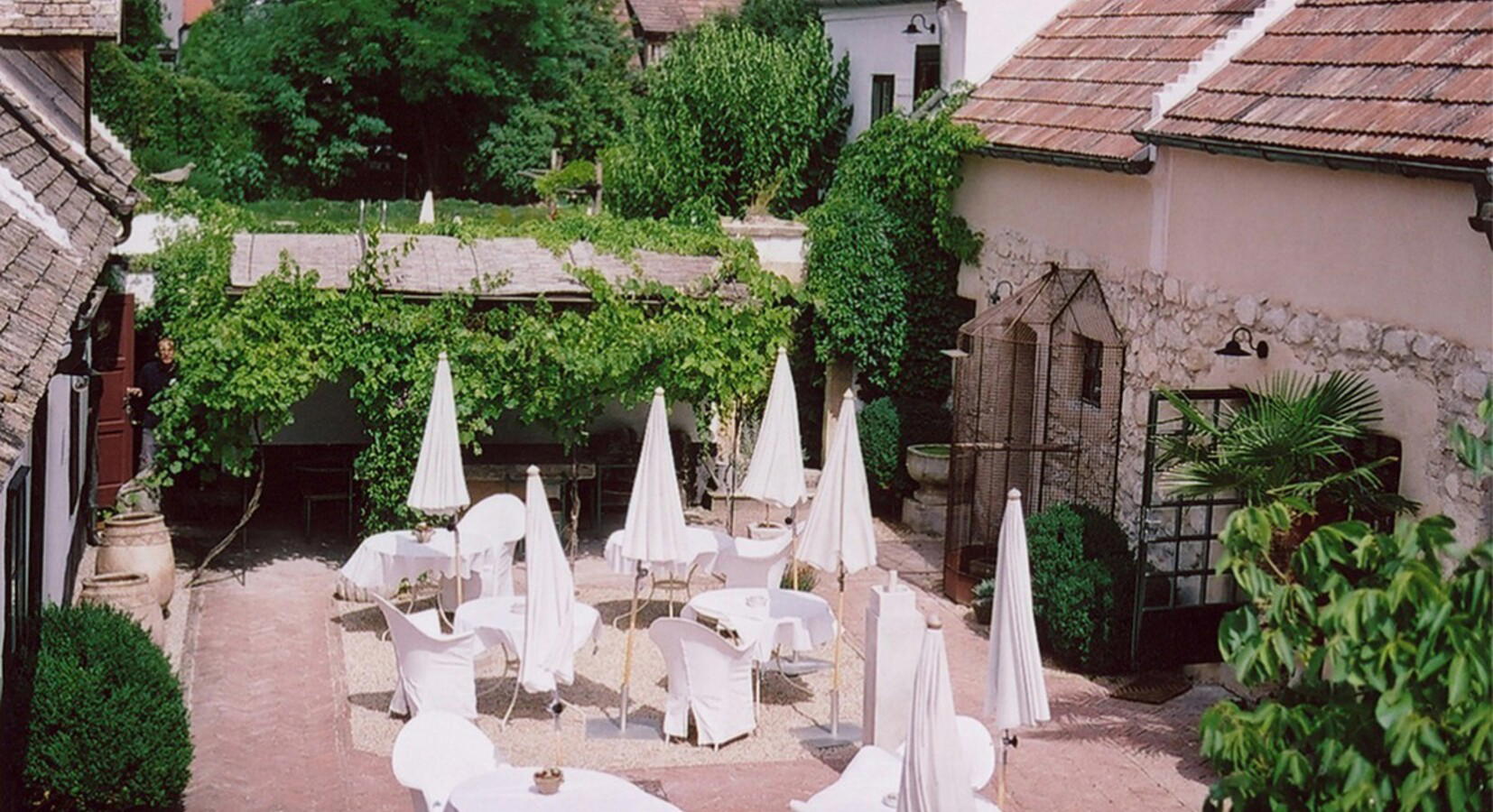
Approach Franz Gross as a traditional Austrian family-run winery in Mönchhof, with a direct rural atmosphere rather than elaborate visitor facilities. The picture is intentionally simple: a quality-focused winery oriented to viticulture, still wines, and loess soils around the village. Its mood is best described as rustic, quiet, and classic, and that simplicity is central to how the venue should be understood. This is not a place to frame through a language of spectacle or luxury staging. It reads more naturally as a grounded local wine address, where the identity comes from the surrounding agricultural setting, the family-run model, and the steady emphasis on winegrowing rather than on a highly produced visitor experience.
Loess soils and the Austrian village-winery model
The strongest way to read Franz Gross is through its setting and wine focus. The winery is tied to loess soils around Mönchhof and is described as a family-run operation focused on quality still wines. That makes the editorial interest here less about spectacle and more about the role of a village winery: land, winegrowing, and a restrained rural atmosphere. In that sense, the venue is most compelling when approached as part of a local agricultural pattern rather than as a standalone attraction seeking to impress through added layers of hospitality. The loess-soil reference matters because it gives the winery a clear sense of place, anchoring it in the terrain around the village and keeping the emphasis on viticulture.
The safest expectation is therefore a classic Austrian winery experience centered on still wines and local viticulture, not a venue defined by a public ranking, elaborate hospitality format, or detailed published structure. Its appeal lies in the clarity of the model: a family-run producer, a rural village context, and an emphasis on wines rather than on a heavily curated public-facing narrative. For visitors, that means the value is likely to come from slowing down and reading the winery in relation to its landscape, rather than expecting the rhythm of a large or highly formalized wine-tourism operation.
A quiet rural winery, not a hospitality production
Wine tourism can range from highly staged experiences to working wineries with modest visitor formats. Franz Gross sits, on the facts, closer to the latter idea: rustic, quiet, classic, and oriented to viticulture rather than elaborate visitor facilities. It is better understood as a low-key winery in Mönchhof than as a destination built around luxury amenities. That distinction is important, because it sets the right tone before arrival. The atmosphere suggested here is not one of performance, polish, or hospitality theater, but of a traditional Austrian winery whose identity is tied to production, rural continuity, and a quieter sense of place.
The price level is listed as $$, which places Franz Gross in approachable territory for travelers comparing winery options in and around Mönchhof. In editorial terms, that reinforces the broader picture: this is a practical, accessible kind of wine stop rather than a venue presented as rarefied or extravagant. The listed price level should be read alongside the rest of the profile, because the overall impression is consistent: modest in tone, local in character, and more focused on the essentials of wine and place than on added frills. For travelers who prefer calm, direct winery experiences, that restraint is not a limitation so much as the main point.
How to place it in a Mönchhof wine itinerary
For a Mönchhof itinerary, Franz Gross makes sense as a study in rural Austrian continuity: a family-run winery, loess soils, still wines, and a quiet atmosphere. It is not framed here by confirmed awards or a named critical score, so the better reason to consider it is contextual: it represents a direct, viticulture-led style of local winery. In a route through the area, that kind of stop can be useful precisely because it does not need to carry the weight of a headline attraction. It offers a way to understand the quieter fabric of the wine village: family production, local soils, and a measured pace shaped more by agriculture than by display.
Travelers building a broader local route can compare Franz Gross with other Mönchhof dining and wine-related options generically, depending on what is open and available at the time of travel. Specifically, the useful planning lens is simple: expect a traditional Austrian winery atmosphere rather than a complex hospitality program. That expectation helps avoid mismatched assumptions. If the goal is an elaborate tasting format with extensive visitor infrastructure, the facts here do not support that framing. If the goal is to include a calm, village-based winery with a direct relationship to its land and wines, Franz Gross fits more naturally into the itinerary.
Franz Gross is strongest in that broader context as a low-key, land-led stop: Mönchhof, loess soils, still wines, and the calm tempo of an Austrian family winery. Its editorial identity is not built on excess detail, public accolades, or a dramatic visitor proposition, but on a quieter set of signals that are easy to overlook and worth taking seriously. Read it as a traditional, quality-minded winery rooted in its village setting, and the venue becomes clearer: modest, rural, and classic in the best sense of those words.
Recognition history
Dated appearances from independent guides and award organizations, with the underlying list record or original source where available.
Falstaff Winery - Listed
Falstaff
Continue exploring
More in Mönchhof
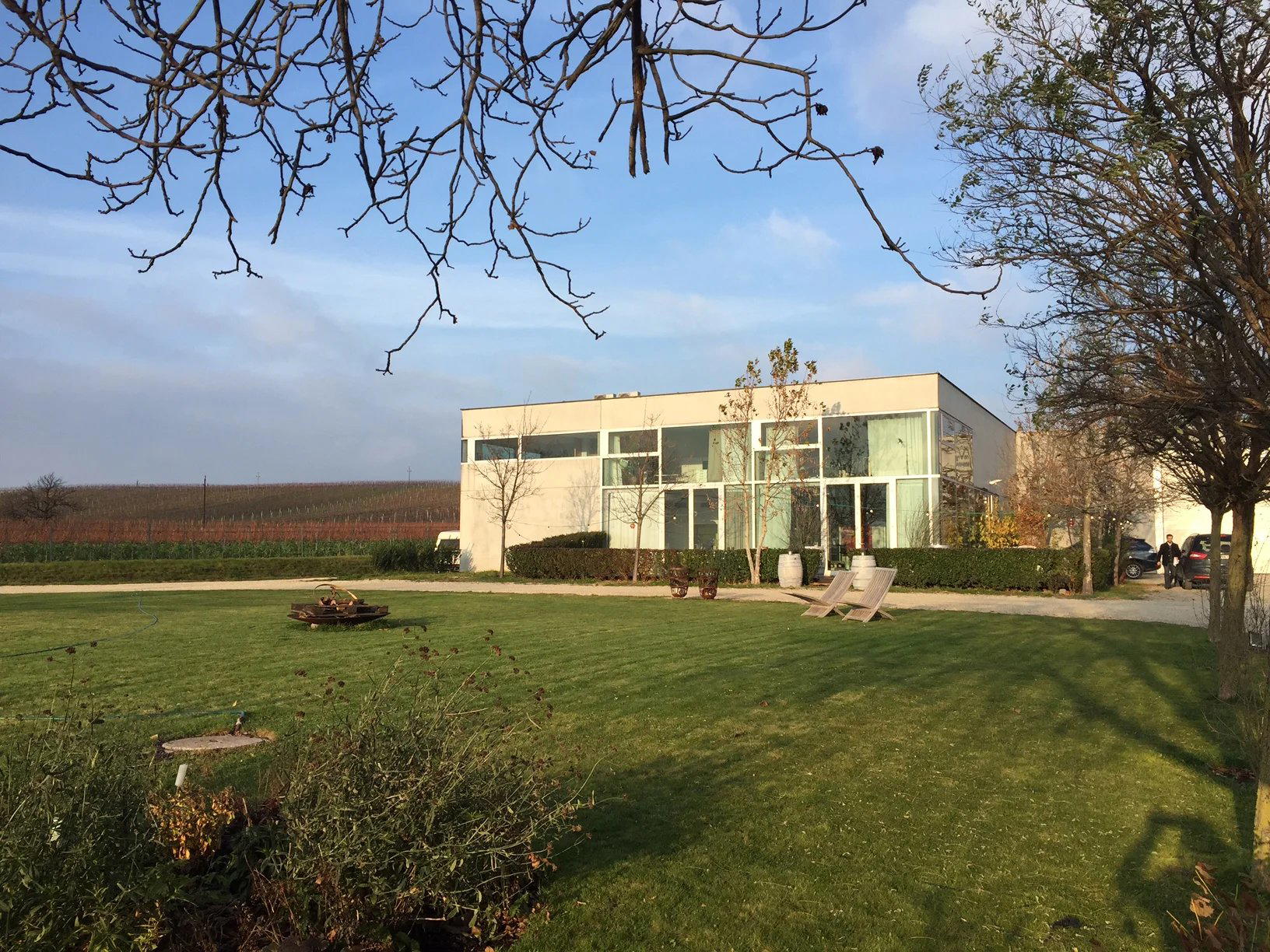
Wineries in Mönchhof
Browse all →
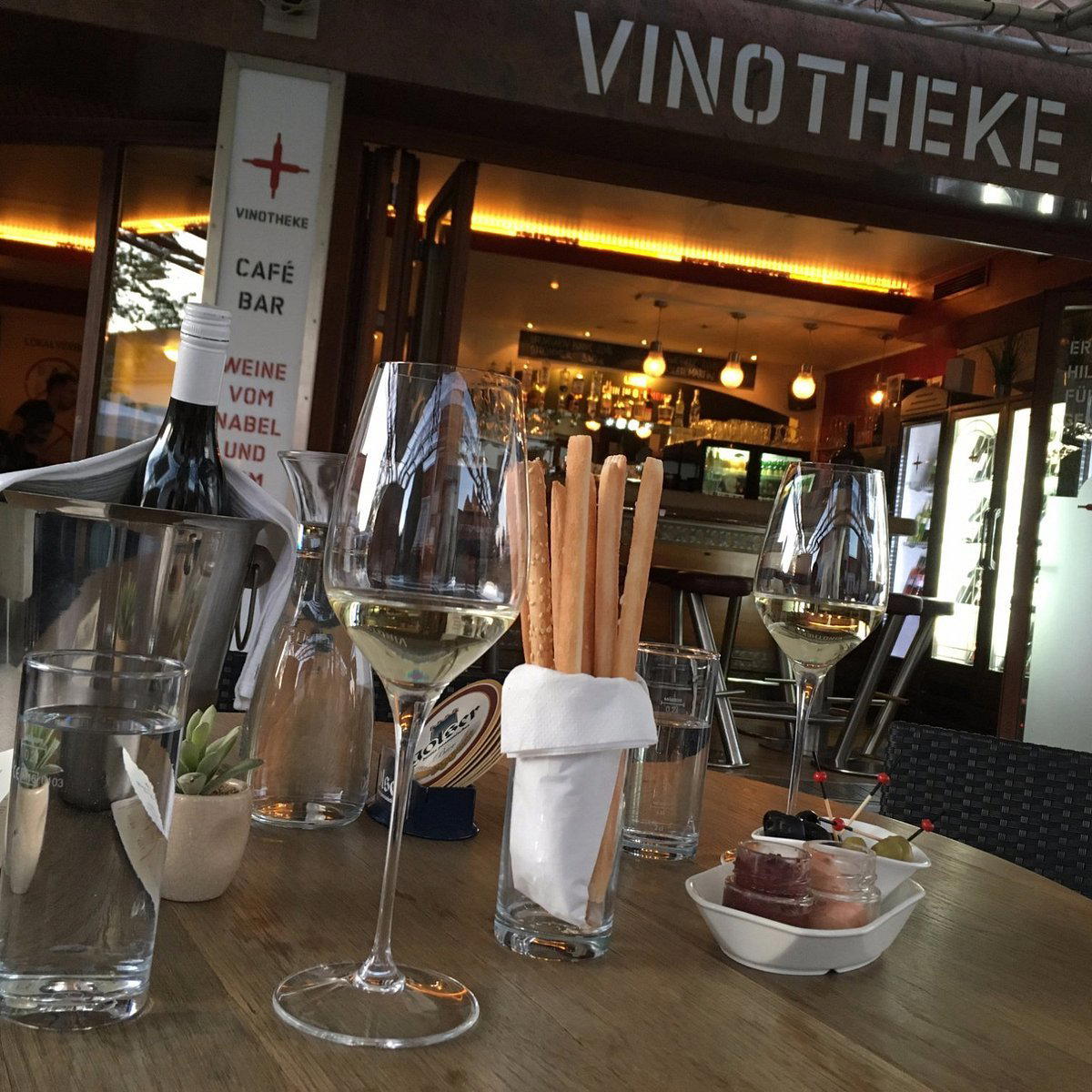
Bars in Mönchhof
Browse all →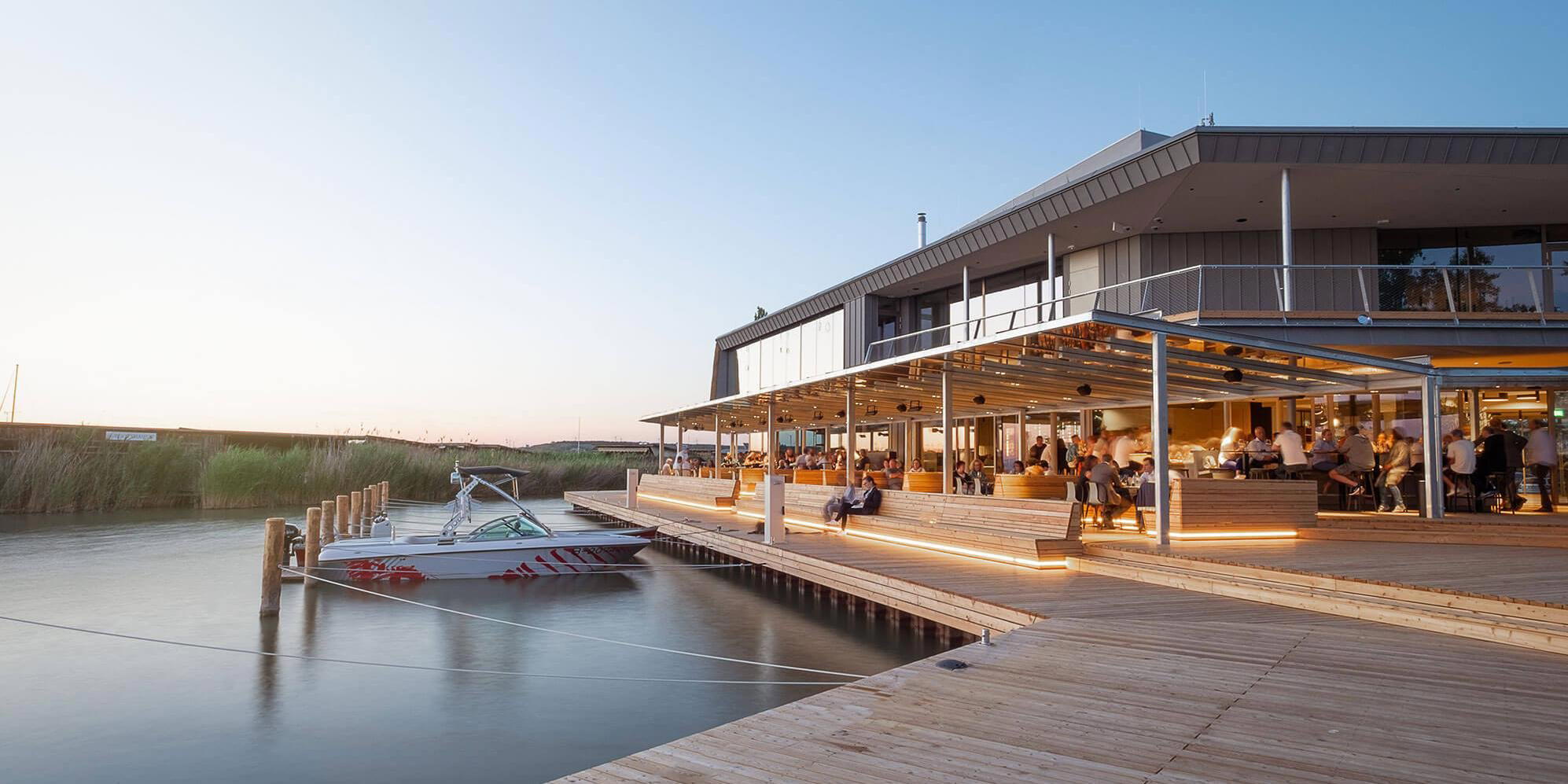

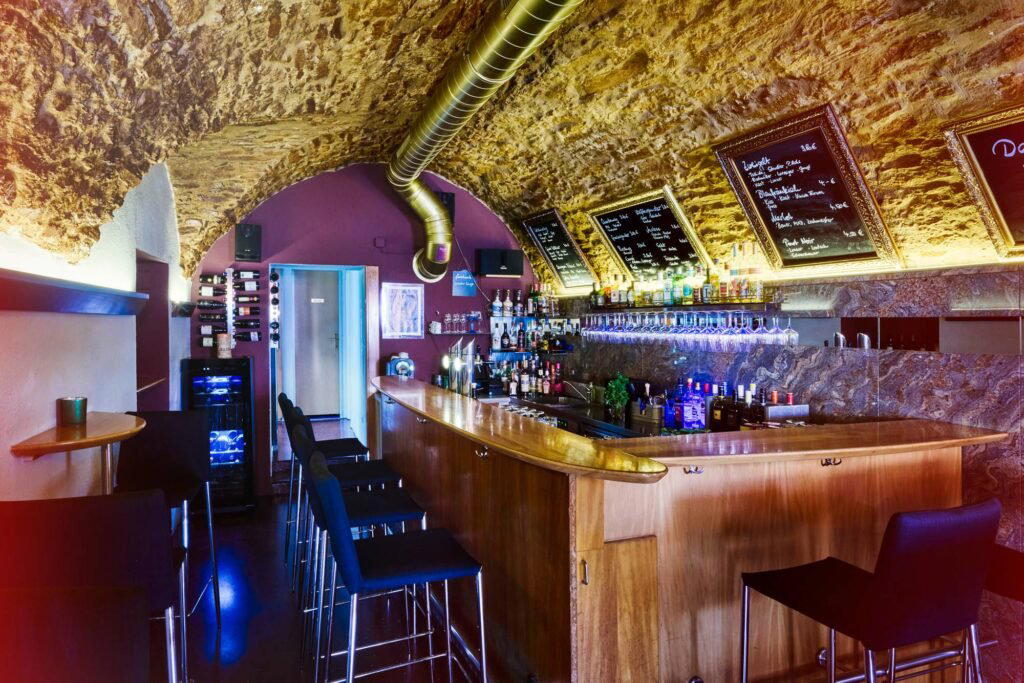
Restaurants in Mönchhof
Browse all →
Details
- Rustic
- Quiet
- Classic
- Group Outing
- Wine Education
- Solo Exploration
- Vineyard
- Grüner Veltliner
- Zweigelt
- Pinot Blanc
- Traminer
- Scheurebe
- Frühroter Veltliner
- Roter Veltliner
- Sauvignon Blanc
- Gelber Muskateller
- Chardonnay
- Riesling
- Still White
- Still Red
Traditional Austrian family-run winery focused on quality still wines from loess soils around the village, with a direct rural atmosphere oriented to viticulture rather than elaborate visitor facilities.