Flagstone Wines

Flagstone Wines gives Somerset West a different cellar-door grammar: less estate-vineyard romance, more adaptive industrial heritage and broad Cape portfolio tasting. Its Paardevlei tasting room, set in a restored 1901 dynamite factory, frames Western Cape reds, whites, rosé, sparkling and dessert wines through range exploration rather than a single flagship bottle.
Pearl is the En Primeur Club membership app — saves, bookings, and concierge access live there. Same editors, same standards.
- Address
- W.R. Quinan Blvd, Paardevlei, Cape Town, 7129, South Africa
- Phone
- +27 21 852 5052
- Website
- flagstonewines.com
- Directions
- Get directions
 Saves & bookings on Pearl
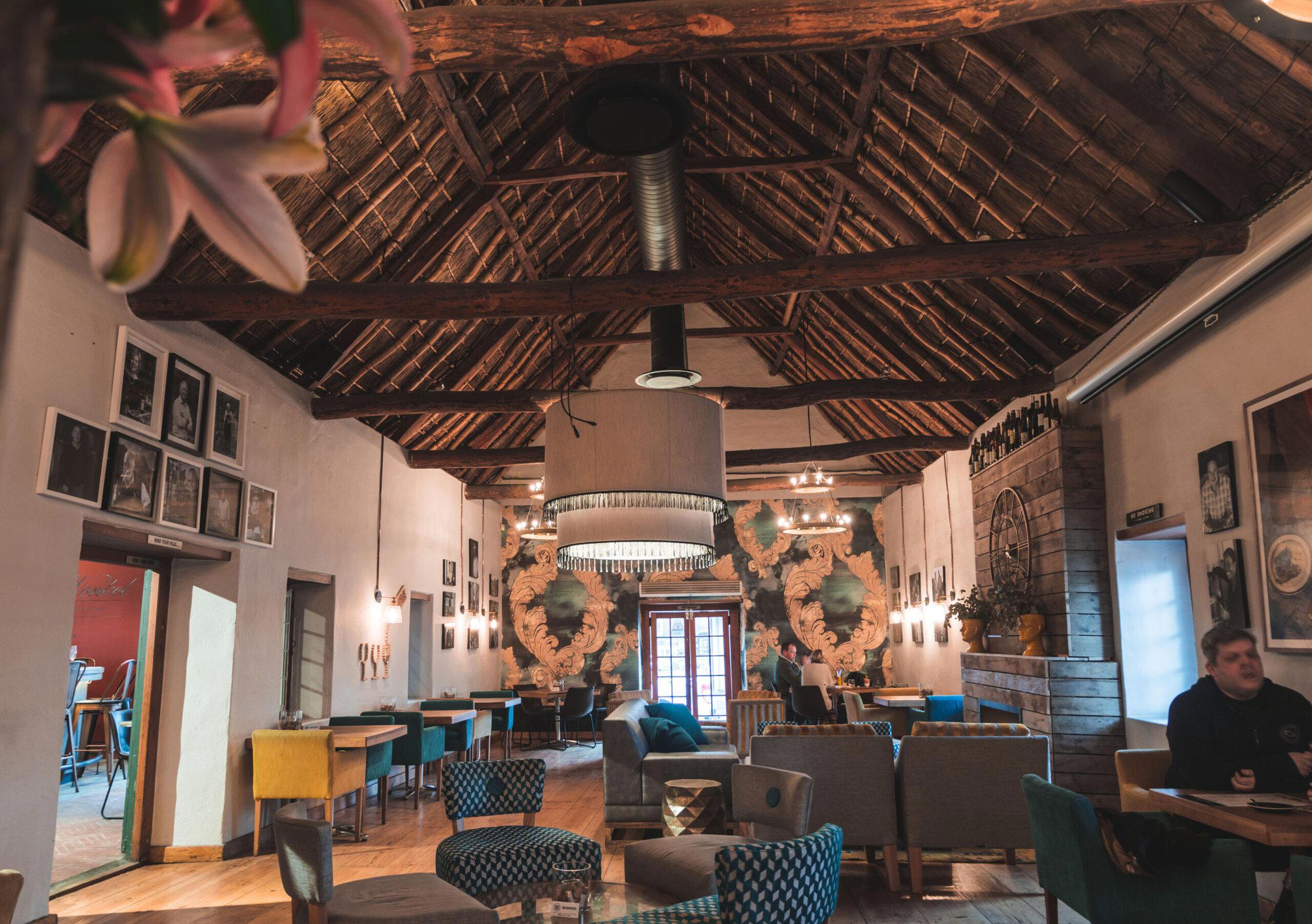
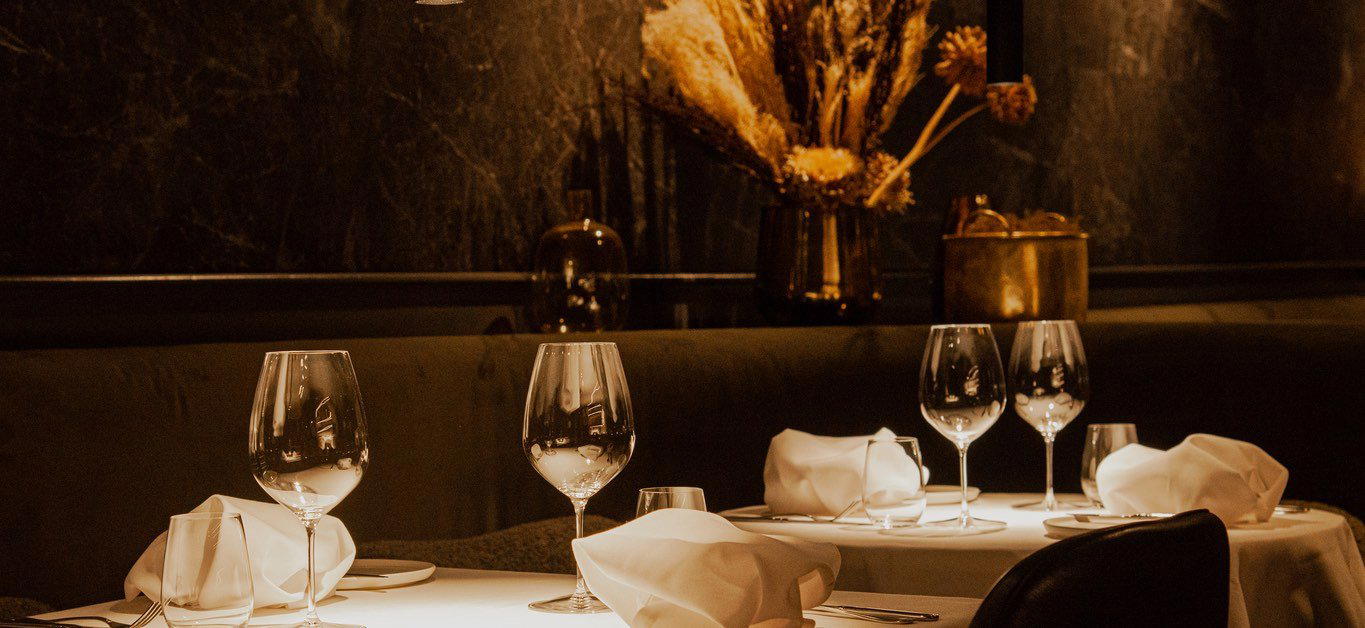
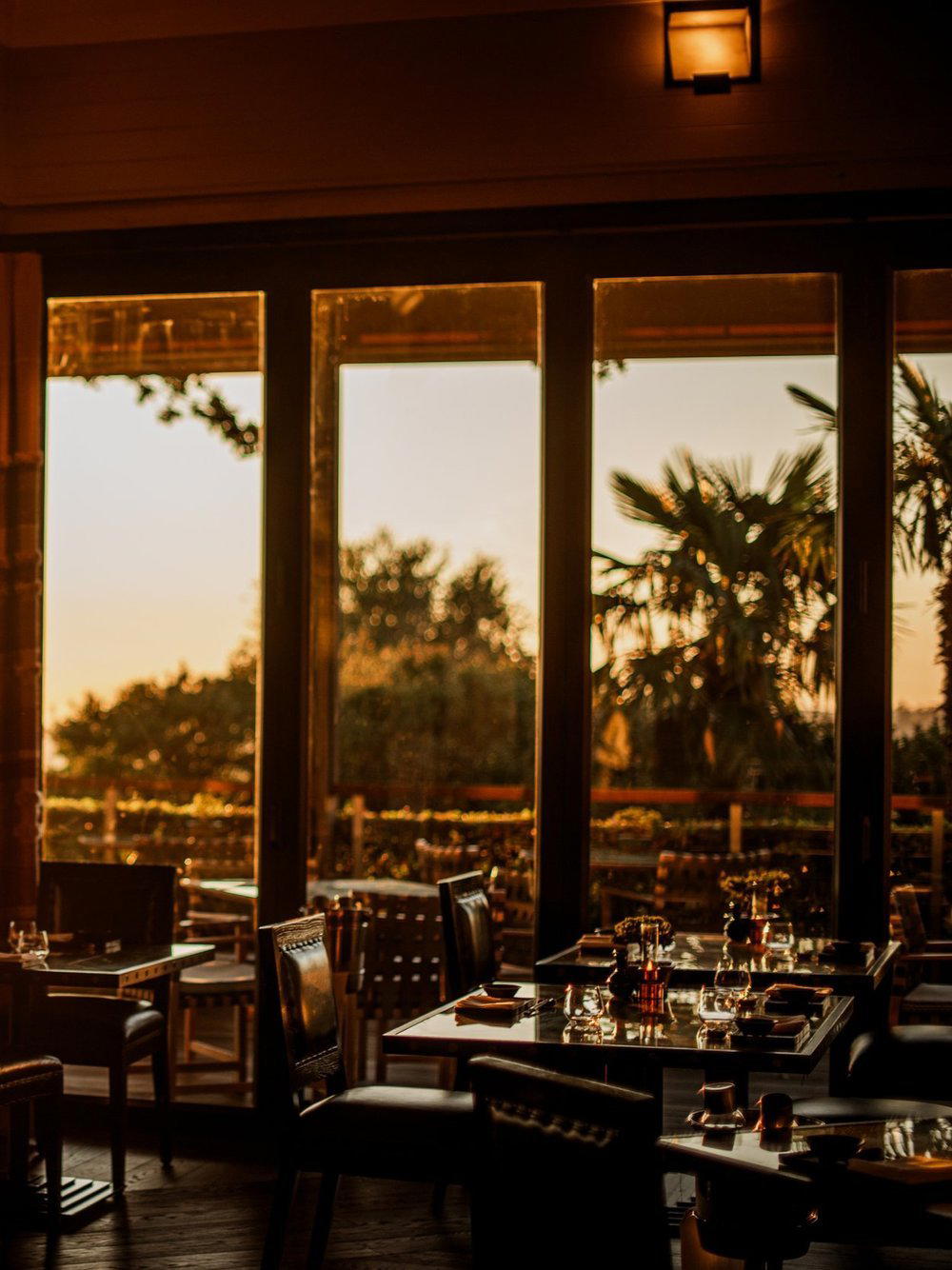
The approach to Flagstone Wines is not the usual Cape winery theatre of manor house, avenue and vineyard panorama. The room sits inside a restored 1901 dynamite factory at Paardevlei, so the first impression is industrial reuse rather than pastoral polish: brick, scale, and a sense that the cellar-door experience has been built around reinvention. In Somerset West, where coastal influence and mountain proximity often shape the conversation around freshness and structure, that setting gives the tasting a sharper, more urban edge.
That matters because Flagstone’s identity has never depended on the classic estate-vineyard script. Founded in 1998 in Cape Town Harbour and later established in Somerset West, the brand belongs to a more flexible Cape model: sourcing, blending, range-building and presentation. The wines are not framed here as the output of one visible block of vines outside the door. They are presented as a portfolio, with the tasting room acting as an interpretive space for Western Cape styles across still red, still white, rosé, sparkling and dessert categories.
A coastal Cape tasting room built around range rather than estate ritual
Somerset West occupies a useful position in the Cape wine map. It is close enough to the ocean for maritime influence to be part of the regional logic, yet tied to a broader Western Cape sourcing culture where producers can work beyond a single vineyard boundary. Flagstone fits that second pattern. Its varietal range includes Shiraz or Syrah, Cabernet Sauvignon, Sauvignon Blanc, Chenin Blanc, Pinotage and Chardonnay, which gives the tasting room enough breadth to move from aromatic whites into structured reds without forcing the visit into one narrow house specialty.
The stronger editorial read is not that this is a terroir shrine in the old sense. It is a Cape portfolio room where place is expressed through selection, blending and breadth. That is a different, more contemporary version of terroir: coastal proximity, Western Cape fruit, cellar decisions and brand architecture working together. The format suits visitors who want to understand how South African wine styles sit beside one another, rather than those looking for a single-vineyard lecture anchored to soil pits and block maps.
The tasting structure reinforces that point. The Foundation Range allows a five-wine selection from the range, while the Premium Range is a fixed five-wine flight with two whites and three reds. That split is useful. One path gives the guest control; the other imposes a more curated progression. For a winery with more than 20 wines available through its visitor-facing offer, that kind of structure prevents breadth from becoming clutter.
The dynamite-factory setting gives the wine a modern Cape frame
Adaptive reuse is often treated as design decoration in wine tourism, but here it does real editorial work. A former explosives factory changes the emotional register of a tasting room. Instead of asking visitors to read wine through inherited estate grandeur, it asks them to read it through industry, conversion and creative occupation. That aligns with the brand’s early history as a winery founded without its own vineyard, a model that made blending skill and sourcing intelligence central to the proposition from the beginning.
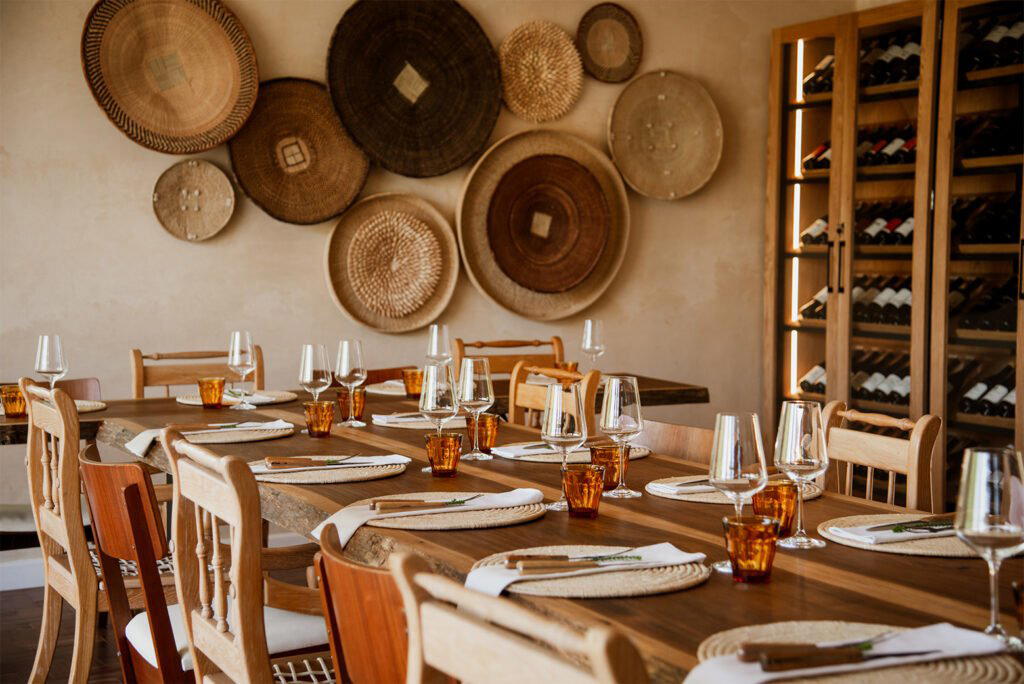
The result is a tasting room that feels better suited to exploration than ceremony. The venue’s own hospitality tags point toward bar tastings, seated tastings, private tastings and food pairing, with a conversational noise level and casual dress. That is the correct register for the format. Wine education here does not need hushed reverence; it benefits from comparison, questions and a willingness to move between labels.
The multi-brand dimension is also part of the draw. Flagstone pours alongside Kumala and Fish Hoek Wines, which turns the visit into a broader South African portfolio tasting rather than a single-name cellar stop. That is particularly useful for travellers who want a compact reading of commercial Cape wine styles: Sauvignon Blanc and Chenin Blanc for freshness, Chardonnay for weight, Pinotage for local context, Cabernet Sauvignon and Shiraz for the red-wine spine.
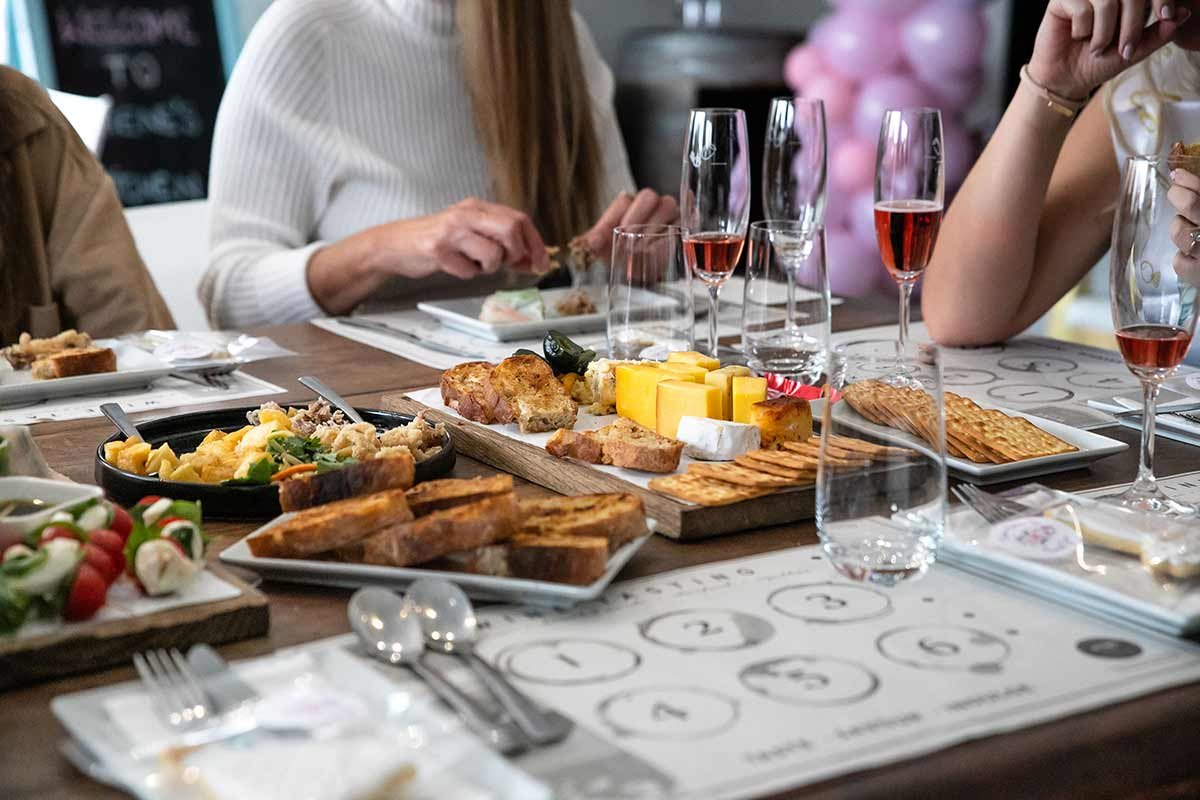
Food pairing adds another layer without turning the place into a formal restaurant narrative. The stronger way to read it is as wine presentation: dishes are used to put the range under pressure and show how the bottles behave with texture, spice, sweetness or savoury depth. That is often where broad portfolios become legible, because a tasting flight alone can make wines feel sequential, while food exposes structure.
How to place it within a Somerset West wine day
Flagstone is a strong choice when the aim is contrast. Somerset West can support several kinds of wine itinerary, from estate-led visits to smaller producer appointments and design-conscious tasting rooms. This one suits the part of the day reserved for range, architecture and a less formal tempo. The on-site lot, small-capacity feel and English-language tour setting make it manageable, while the wine-club and shipping signals point to a producer interested in continuing the relationship beyond the tasting counter.
For a wider Somerset West plan, use it as the urban-industrial counterpoint to more estate-coded stops such as Longridge Estate and Lourensford Wine Estate, or to smaller-family positioning at Metzer & Holfeld Family Wine's. The point is not to rank them against one another; it is to understand how different Cape wine identities are packaged for visitors within the same city.
Travellers building a broader Cape and European wine map can extend the research through Our full Somerset West wineries guide, then branch to 4G Wines in Kapstadt, A. A. Badenhorst Family Wines in Paardeberg and Aaldering Estate in Stellenbosch. For a wider hospitality plan around the city, the useful companions are Our full Somerset West restaurants guide, Our full Somerset West hotels guide, Our full Somerset West bars guide and Our full Somerset West experiences guide. Further afield, »der Steiner« Hans Steiner in Podersdorf am See and & Handwein in Mannheim offer useful contrast in how wine culture is framed outside South Africa.
Recognition history
Dated appearances from independent guides and award organizations, with the underlying list record or original source where available.
Falstaff Winery - Listed
Falstaff
Continue exploring
More in Somerset West
Wineries in Somerset West
Browse all →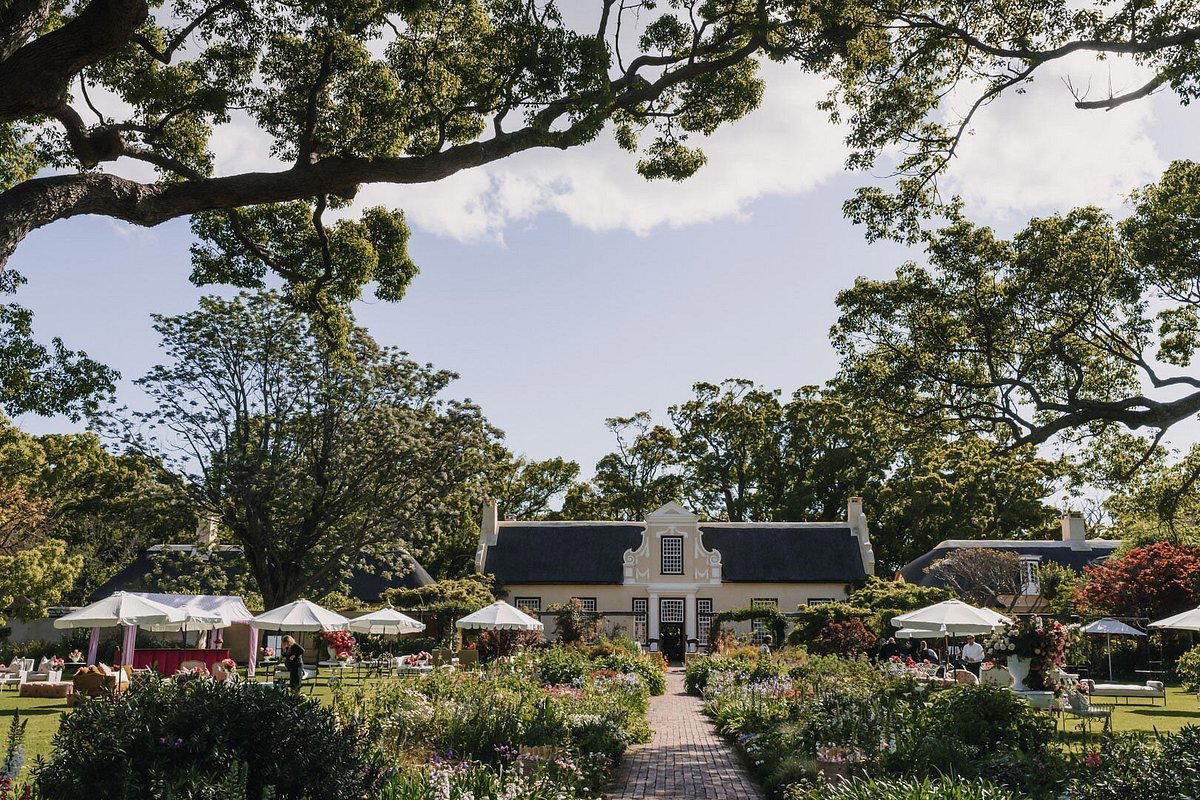
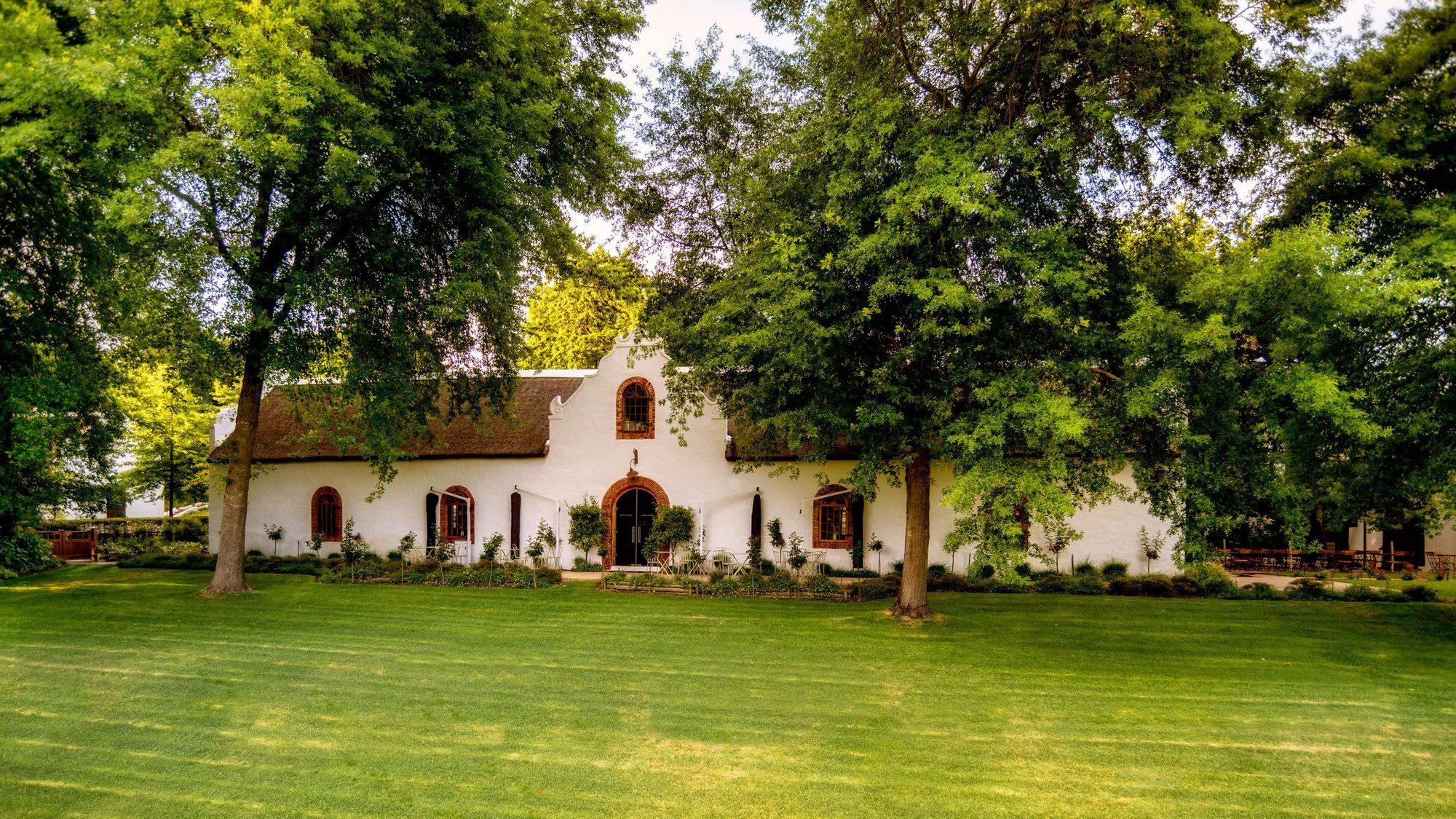
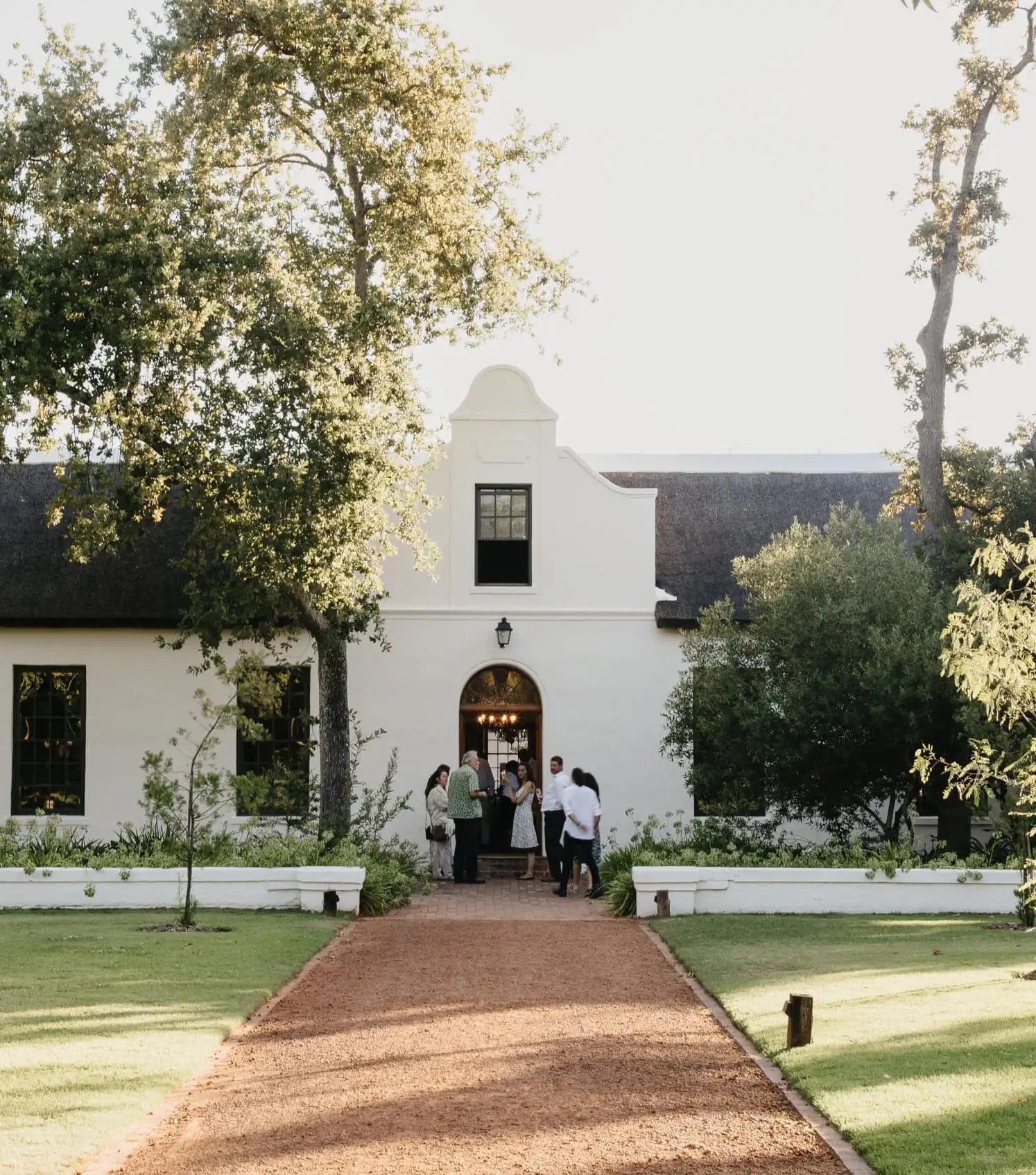
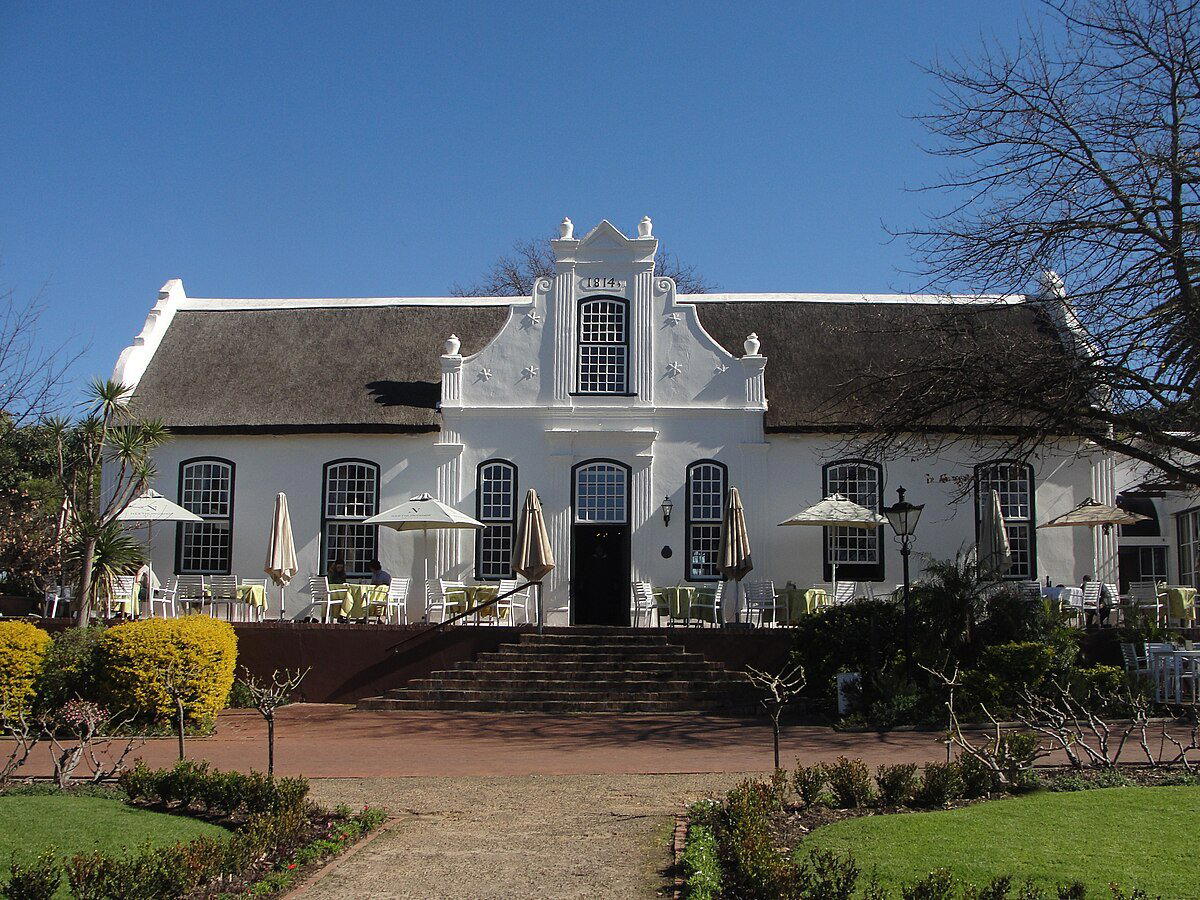
Bars in Somerset West
Browse all →
Restaurants in Somerset West
Browse all →
At a Glance
- Industrial
- Scenic
- Modern
- Group Outing
- Wine Education
- Celebration
- Solo Exploration
- Estate Grounds
- Design Destination
- Private Tasting
- Sustainable
- Vineyard
- Western Cape
- Shiraz/syrah
- Cabernet Sauvignon
- Sauvignon Blanc
- Chenin Blanc
- Pinotage
- Chardonnay
- Still Red
- Still White
- Still Rosé
- Sparkling
- Dessert
- Bar Tasting
- Seated Tasting
- Private Tasting
- Food Pairing
Current opening hours
- Monday
- 10 AM–4 PM
- Tuesday
- 10 AM–4 PM
- Wednesday
- 10 AM–4 PM
- Thursday
- 10 AM–4 PM
- Friday
- 10 AM–4 PM
- Saturday
- 10 AM–3 PM
- Sunday
- Closed
Hours can change for holidays and private events. Last verified .
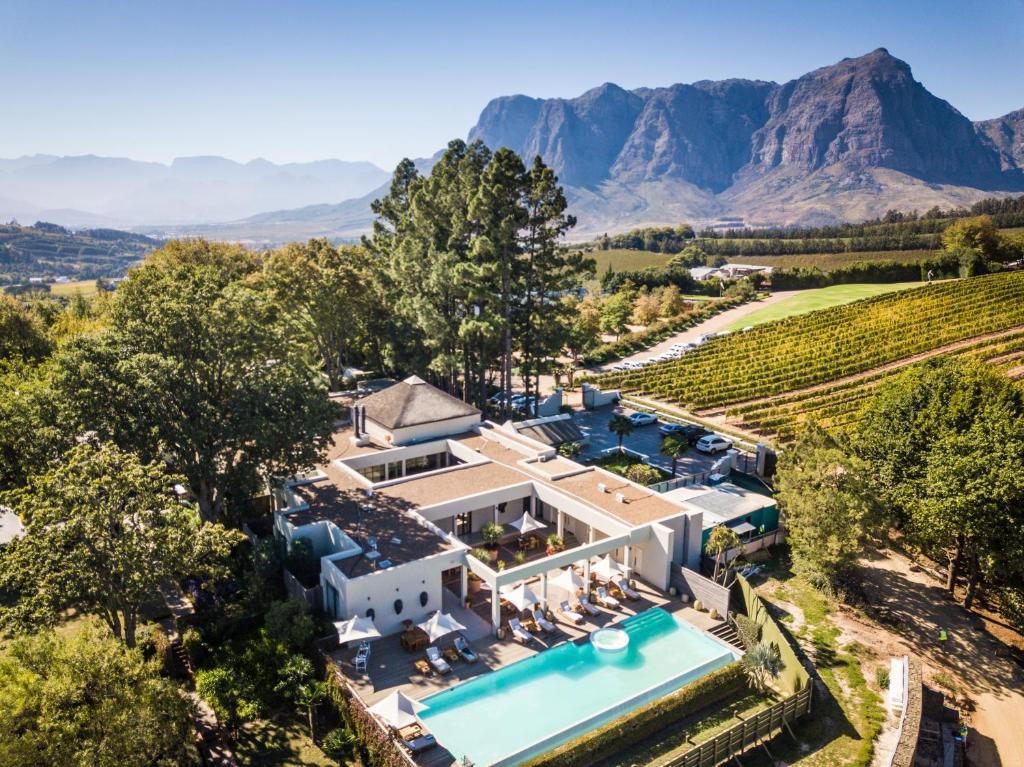
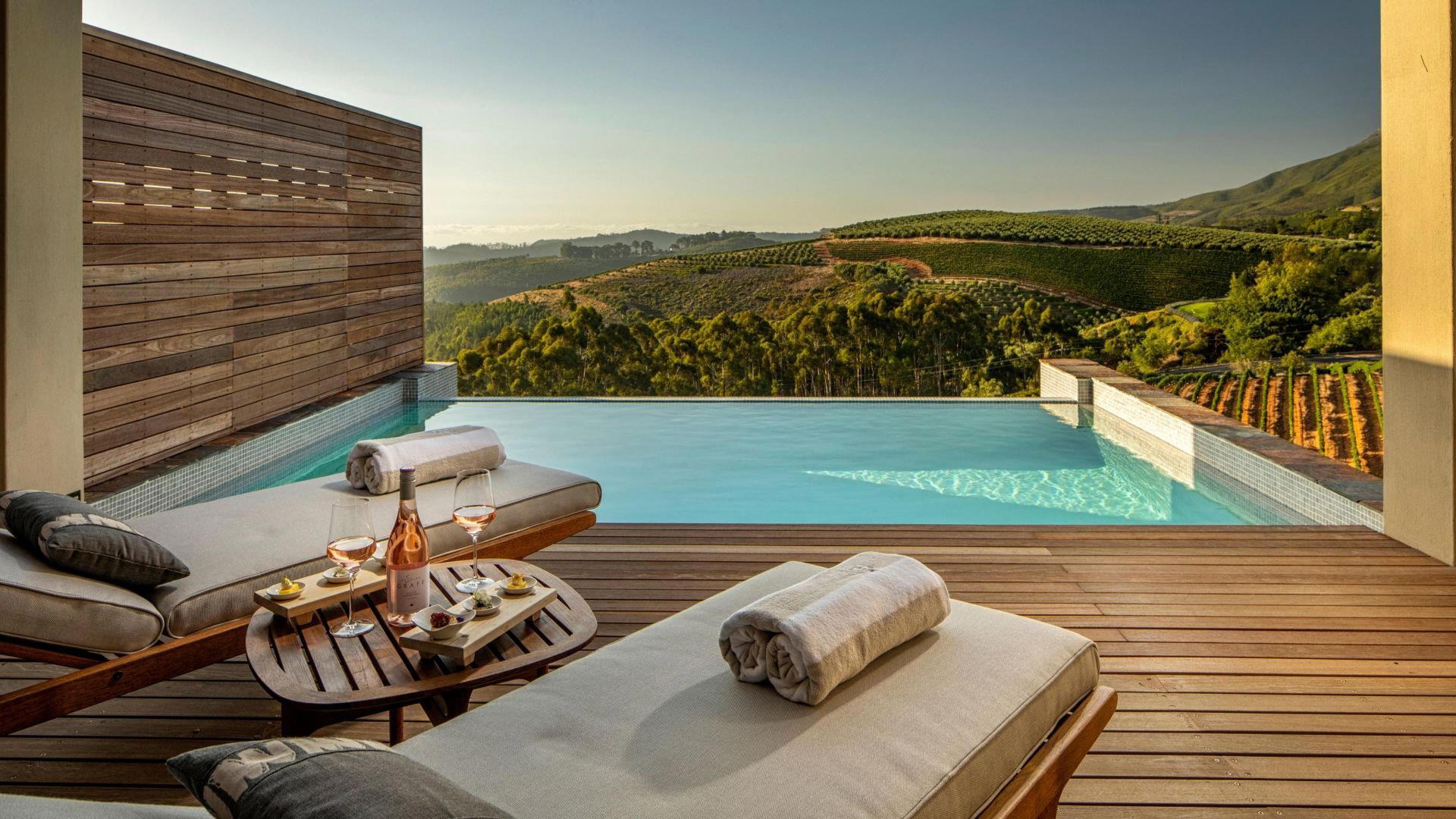
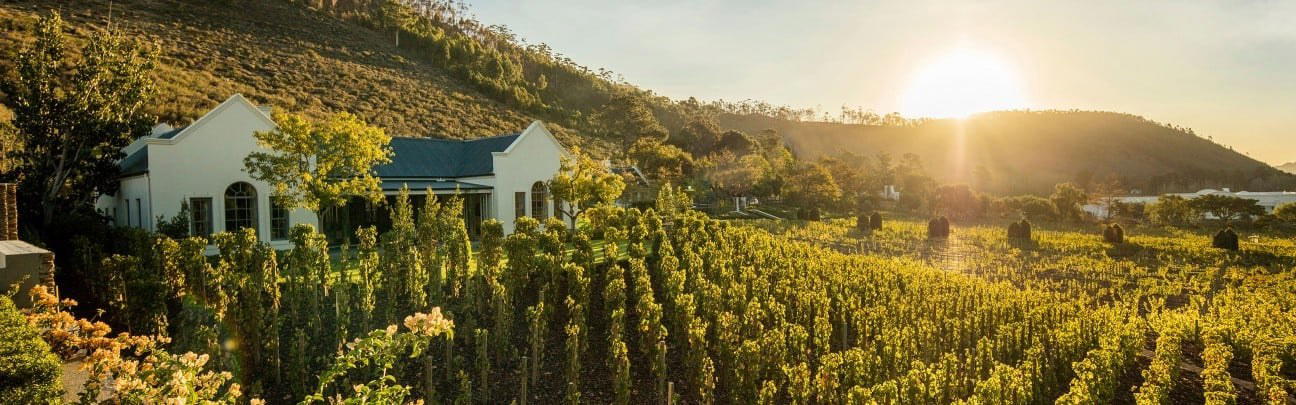
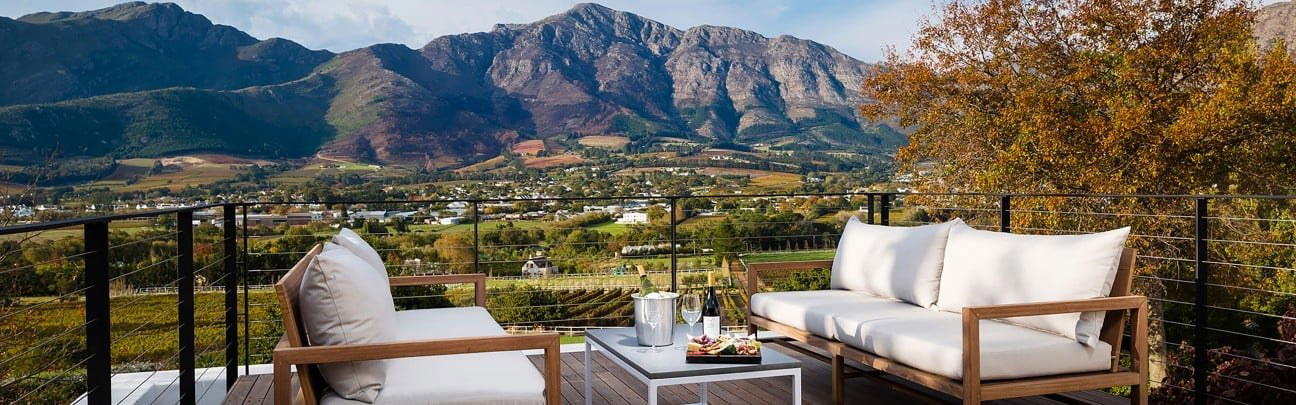
The tasting room is housed in a converted early-1900s dynamite factory at Paardevlei, giving it an industrial, creative feel, while its location near the ocean and adjacent to attractions like Cheetah Outreach contributes to a relaxed, scenic atmosphere focused on storytelling and exploration of Flagstone’s wines.