Feudo di Gulfa

Falstaff Winery - Listed
Feudo di Gulfa belongs to Etna’s quieter southwestern wine story: high-altitude native grapes, sandy volcanic soils and a rural estate setting outside Santa Maria Di Licodia. The draw is terroir rather than spectacle, with Carricante, Nerello Mascalese and Nerello Cappuccio grown on a small family-owned property shaped by dry exposure, cool nights and monastic agricultural history.

Pearl is the En Primeur Club membership app — saves, bookings, and concierge access live there. Same editors, same standards.
- Address
- Santa Maria di Licodia, Sicily, Italien
- Directions
- Get directions

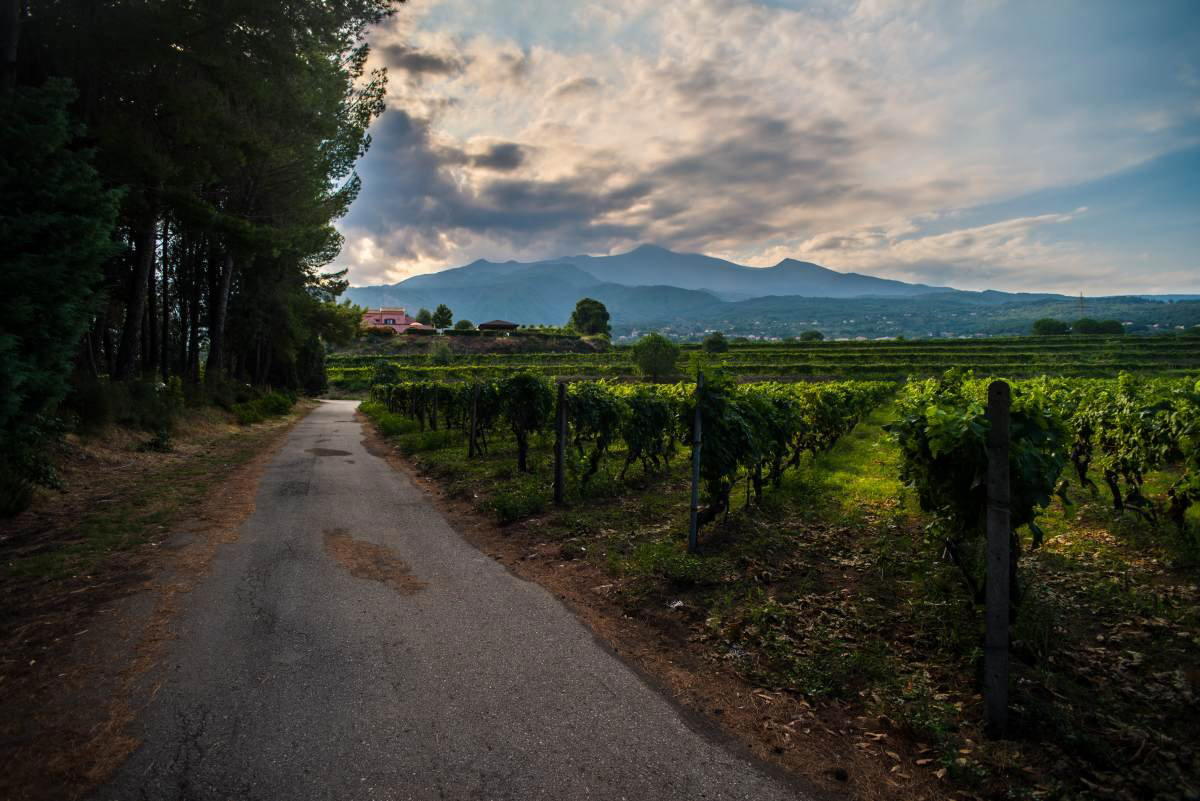
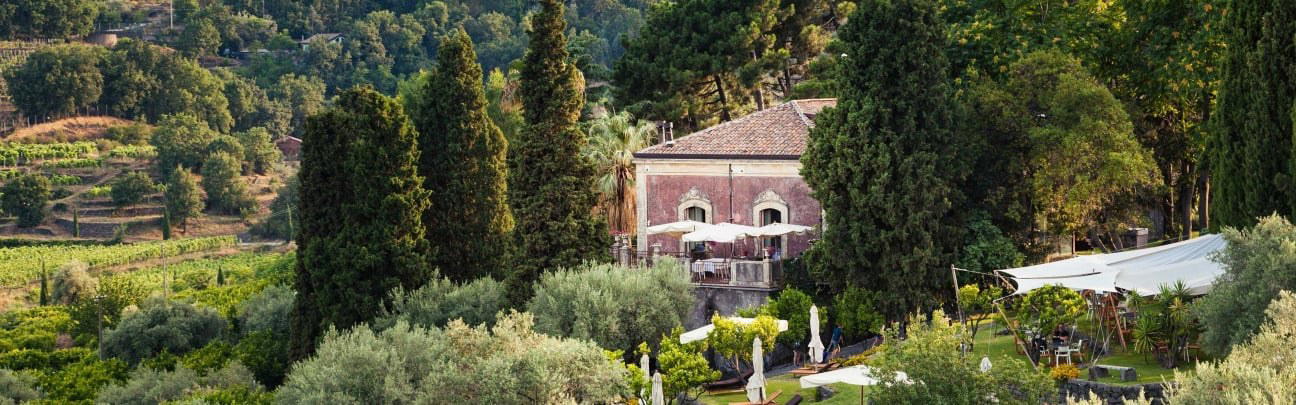
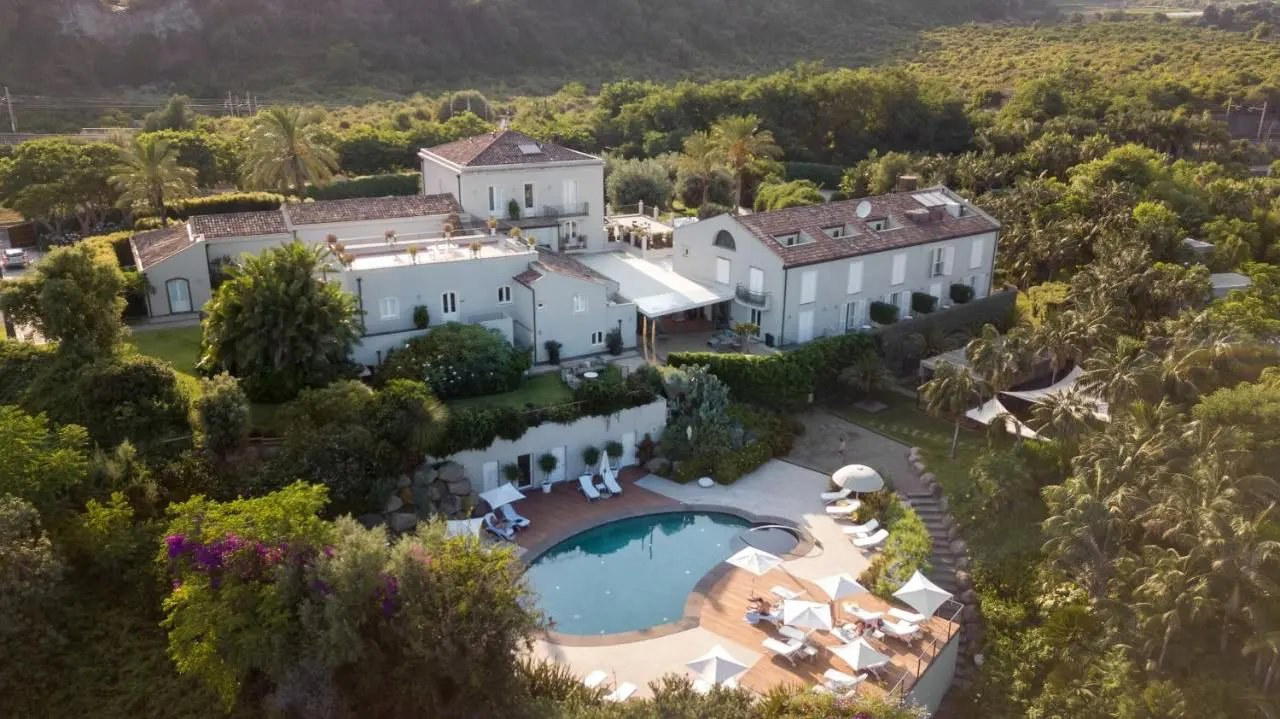
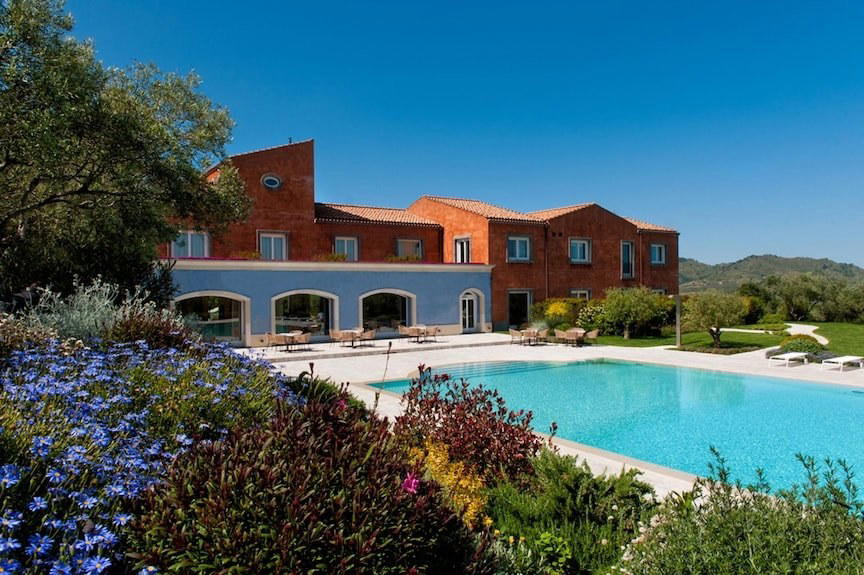
Approaching the southwestern side of Etna changes the register of Sicilian travel. The volcano is not only black rock and postcard smoke; on this flank, the setting is rural, scenic and agricultural, with vineyard landscapes shaped by full southern exposure, altitude and sandy volcanic soils. Feudo di Gulfa belongs to that quieter Etna vocabulary: a rural estate in Santa Maria Di Licodia, set among vines rather than visitor theatre, where the first subject is the mountain landscape and traditional winemaking.
The estate’s position matters because Etna is not a single visual identity. On the southwestern slopes, Feudo di Gulfa is defined by a high-altitude setting, southern exposure and sandy volcanic soils. Those details are the safest way to understand the venue: not through unconfirmed menu, tour or production claims, but through its location and atmosphere. The emphasis should stay on what can be seen and fairly described: a working-feeling countryside context, volcanic terrain, and the slower visual rhythm of vines and open slope.
Etna's southwestern slope gives the estate its argument
The strongest case for Feudo di Gulfa is not a trophy cabinet or a celebrity figure. It is the physical site. The picture is a rural Etna estate on the southwestern slopes of Mount Etna, with vineyard landscapes, full southern exposure, high altitude and sandy volcanic soils creating a quietly rustic atmosphere. In that sense, the venue’s character is carried by geography before anything else: the angle of the slope, the brightness of the exposure and the dark, granular volcanic ground all frame the experience.
That setting gives the venue its identity. Rather than relying on specific claims about grape varieties, wine labels, production scale or visit formats, the grounded description is simpler: Feudo di Gulfa is best understood as a scenic, vineyard-led estate focused on traditional winemaking in Santa Maria Di Licodia. This narrower framing is useful because it avoids turning the estate into something more elaborate than the available record supports, while still capturing why the place belongs in an Etna conversation.
For readers comparing options, the useful takeaway is restraint. Feudo di Gulfa should not be framed around unsupported awards, exact vineyard measurements, tasting formats or bottle notes. Its appeal is the combination of rural Etna scenery, volcanic soils, altitude and a traditional winemaking atmosphere. Those elements are specific enough to give the venue a clear identity, yet broad enough to remain accurate without leaning on details that have not been confirmed.
History here is best read through the landscape
Without details on ownership history, founding dates or literary associations, the most reliable way to describe Feudo di Gulfa is through what is confirmed: a rural estate environment on Etna’s southwestern slopes. The venue’s atmosphere is scenic and quietly rustic, shaped by vineyard views and the volcanic setting.
That is enough to distinguish it from a more urban or design-led venue. Feudo di Gulfa’s identity is grounded in place: Santa Maria Di Licodia, Mount Etna’s southwestern exposure, high altitude and sandy volcanic soils. The result is a destination whose appeal can be understood before any claims about programs or services are added. Its mood is not dependent on a scripted experience; it comes from the rural Etna frame itself, where vineyard scenery and volcanic soil provide the main texture.
Recognition, awards and rankings should not be assumed here. The public record supplied does not support a confirmed accolade claim, so Feudo di Gulfa is better presented on the strength of its setting and traditional winemaking atmosphere rather than on external honors. That approach is not a downgrade. For a venue like this, accuracy and sense of place are more persuasive than borrowed prestige, especially when the landscape already gives the estate a coherent point of view.
Who should put it on an Etna itinerary
This is better understood as a terroir-minded stop than as a hospitality concept with add-ons. The setting is rural, quiet and vineyard-led, suiting travelers who want a scenic Etna estate atmosphere in Santa Maria Di Licodia and an emphasis on traditional winemaking landscapes. It will make most sense to readers who are drawn to the relationship between slope, soil and agricultural setting, rather than to those looking primarily for a heavily programmed venue description.
It is also a useful counterpoint to a broader Santa Maria Di Licodia itinerary. Readers mapping the area can pair the estate context with other dining, lodging, bar or experience options in Santa Maria Di Licodia generically, while keeping Feudo di Gulfa as the vineyard-focused reference point. In that role, it helps anchor the area in a more rural register, reminding travelers that Etna’s appeal is not only summit drama but also cultivated land and quieter slopes.
For readers building a wider Italian winery file, the contrast is instructive without needing unsupported comparisons. Feudo di Gulfa’s argument is narrow and place-specific: a rural estate in Santa Maria Di Licodia, set on the southwestern slopes of Mount Etna, where full southern exposure, altitude and sandy volcanic soils shape a scenic, quietly rustic atmosphere. Keep the entry focused there, and the venue reads clearly: not as a claim-heavy destination, but as an Etna estate whose strongest feature is the landscape that surrounds it.
Recognition history
Dated appearances from independent guides and award organizations, with the underlying list record or original source where available.
Falstaff Winery - Listed
Falstaff
Continue exploring
More in Santa Maria Di Licodia
Wineries in Santa Maria Di Licodia
Browse all →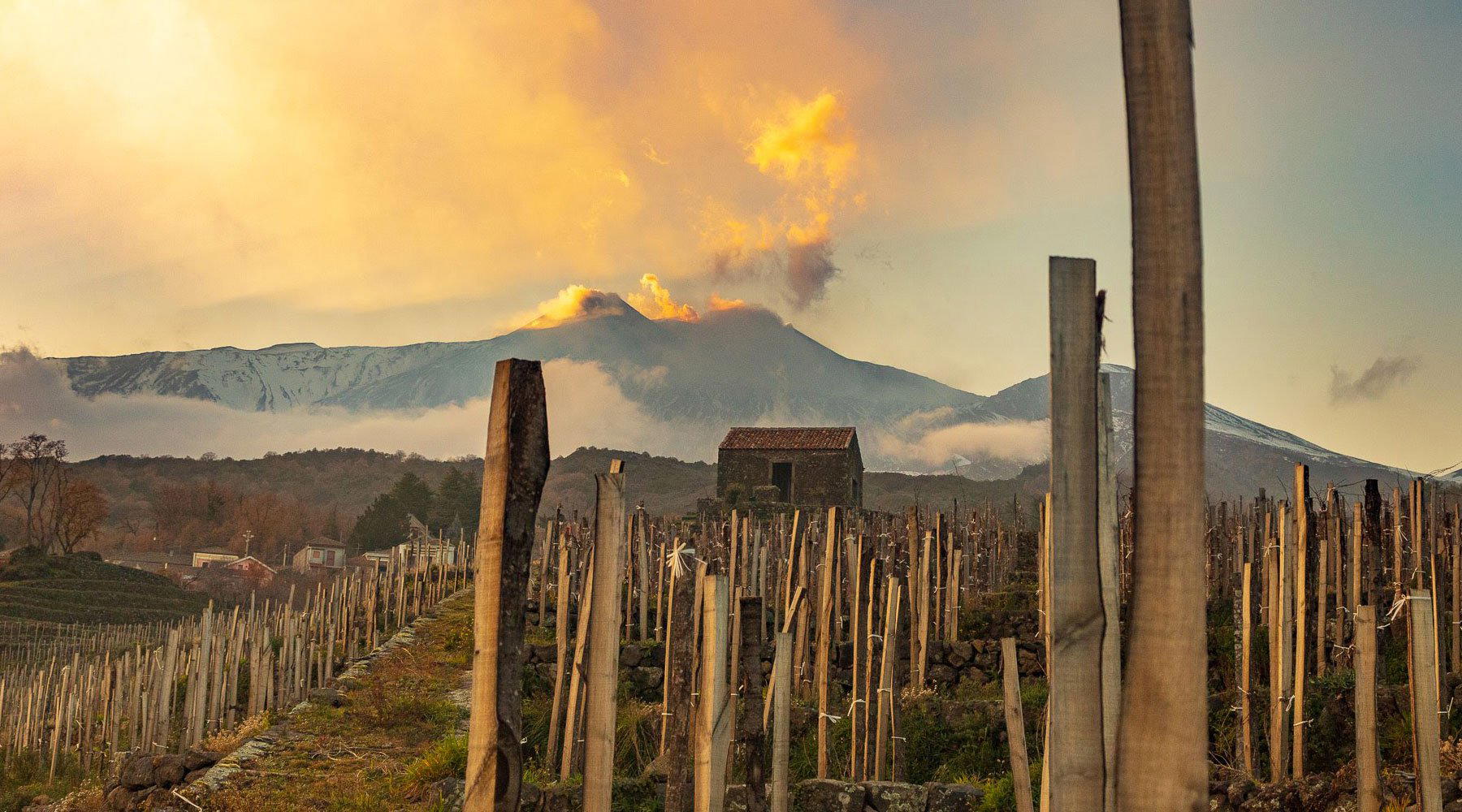

Bars in Santa Maria Di Licodia
Browse all →
Restaurants in Santa Maria Di Licodia
Browse all →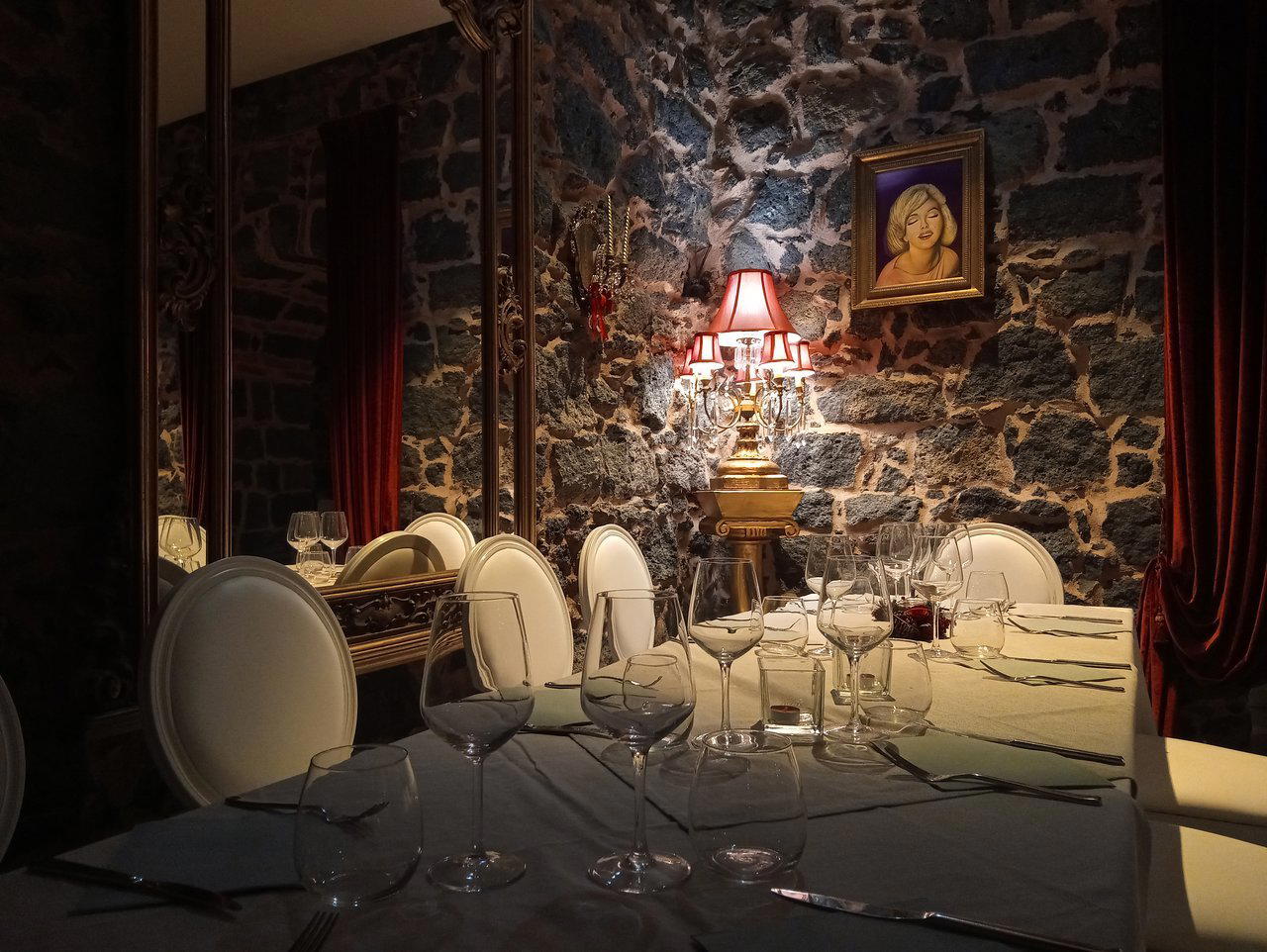
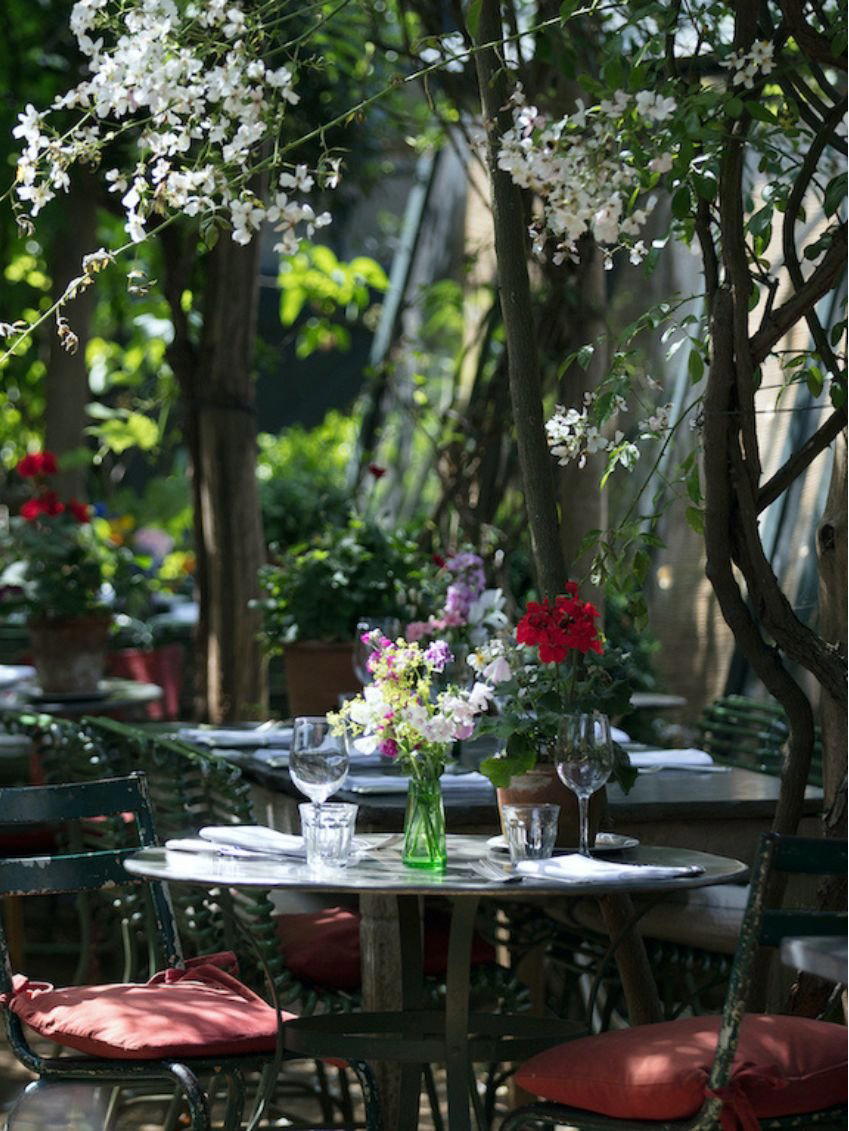
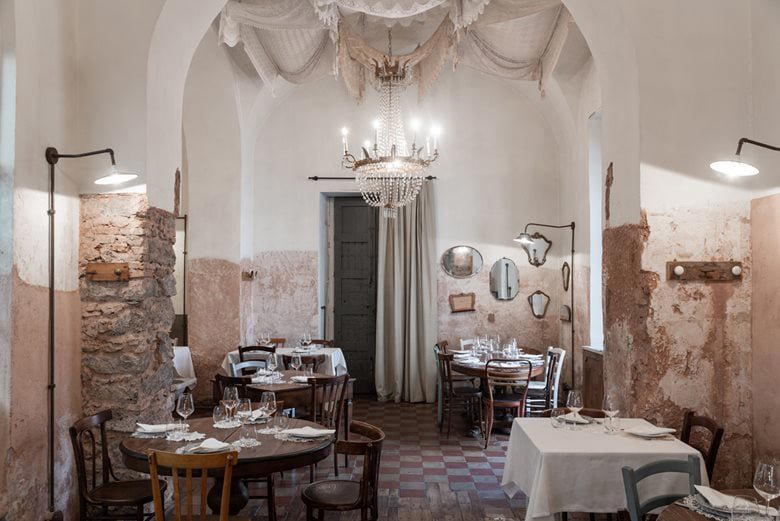
Details
- Scenic
- Rustic
- Quiet
- Intimate
- Romantic Getaway
- Group Outing
- Solo Exploration
- Wine Education
- Special Occasion
- Vineyard Tour
- Estate Grounds
- Panoramic View
- Historic Building
- Private Tasting
- Sustainable
- Dry Farmed
- Mountain
- Vineyard
- Carricante
- Nerello Mascalese
- Nerello Cappuccio
- Still White
- Still Red
- Guided Tasting
- Vineyard Tour
- Estate Visit
- Italian
Rural Etna estate set on the southwestern slopes of Mount Etna with full southern exposure, high altitude and sandy volcanic soils creating a scenic, quietly rustic atmosphere focused on vineyard landscapes and traditional winemaking.