
Feudi Salentini is a Salento-focused winery in Leporano, shaped by the Ionian side of Puglia and a portfolio built around Primitivo di Manduria, Negroamaro, Verdeca and Malvasia bianca. The draw is regional clarity rather than luxury staging: a producer-led visit, guided tasting format, and wines that sit firmly inside southern Puglia’s ripe, sun-driven tradition.
Pearl is the En Primeur Club membership app — saves, bookings, and concierge access live there. Same editors, same standards.
- Address
- Leporano, Puglia, Italien
- Directions
- Get directions
 Saves & bookings on Pearl
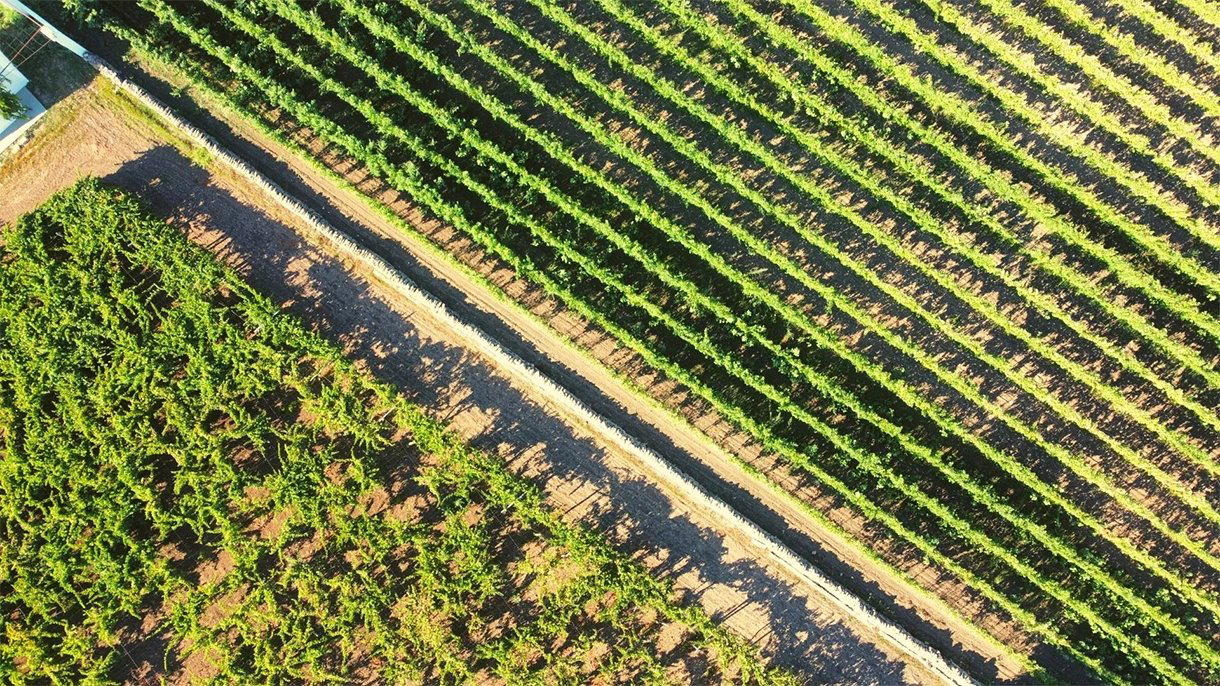
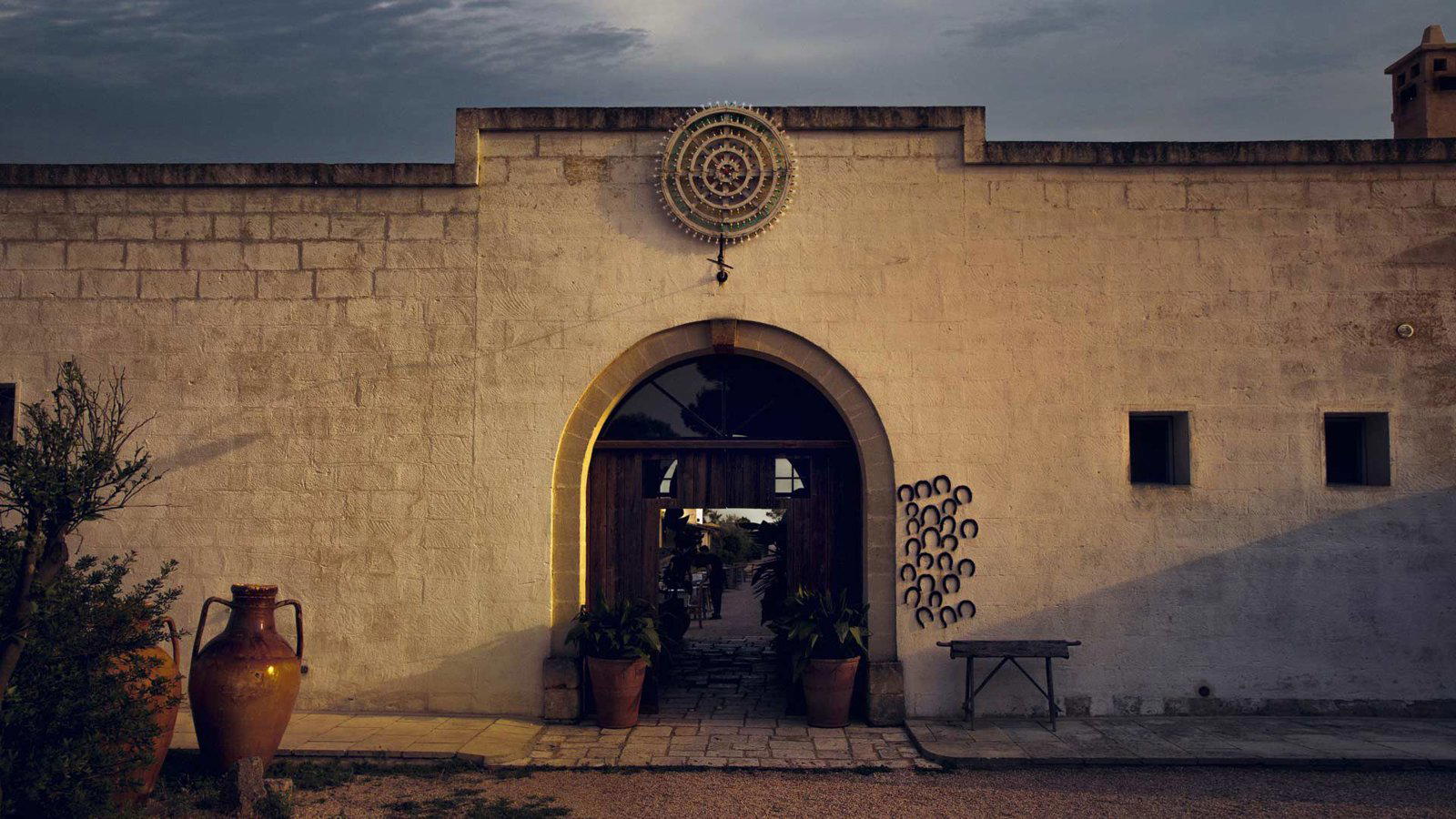
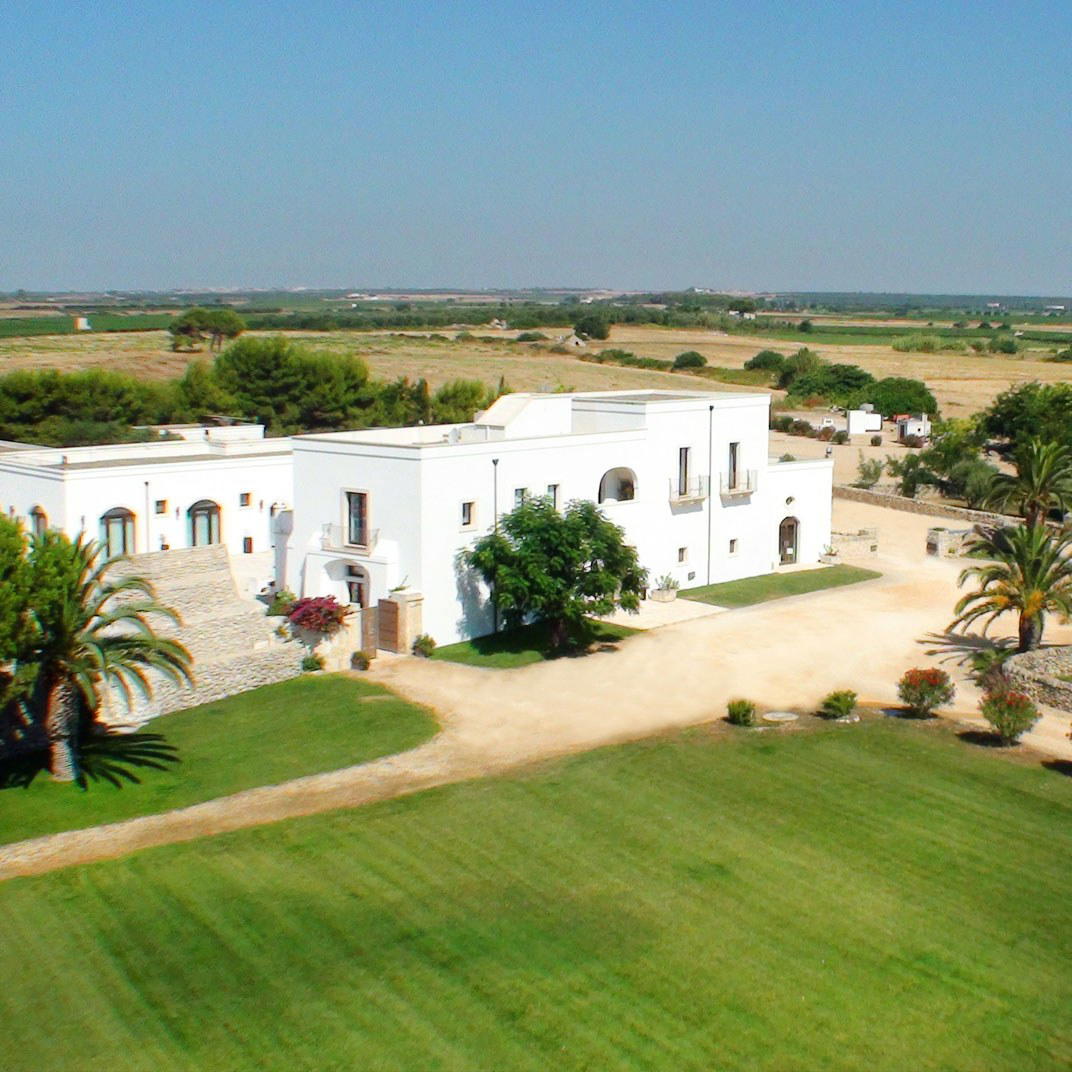
Approaching wine country on the Ionian side of Puglia changes the rhythm of a tasting day. The reference points are not grand châteaux or manicured resort cellars, but warm coastal light, practical farm buildings, and grape varieties that belong unmistakably to Salento. In Leporano, that context matters more than ornament. Feudi Salentini operates in the register of a regional producer: vineyard-centered, casual in dress code, and focused on the grapes that define this corner of southern Italy.
Salento’s wine identity is unusually legible. Primitivo carries the commercial weight, Negroamaro gives the region its darker red grammar, and white grapes such as Verdeca and Malvasia bianca keep the table from becoming a single-note exercise in power. Feudi Salentini works inside that map rather than trying to escape it. Its portfolio is centered on still red and white wines, with Primitivo di Manduria DOC as the clearest anchor and Collezione 53 Old Vines Primitivo di Manduria as the label that signals the estate’s center of gravity.
Ionian Salento in the glass: Primitivo first, but not alone
The useful way to read this producer is through place. Leporano sits in Taranto province on the Ionian coast, while the wider Salento zone stretches across Taranto, Brindisi and Lecce. That geography creates a split personality that works well for wine: inland heat gives Primitivo its density, while coastal influence and lighter soils help explain why Verdeca and Malvasia bianca have a role alongside the reds.
Primitivo di Manduria is the key category here. The appellation is one of Salento’s internationally visible names, and its dry wines are associated with ripeness, body and alcohol. Feudi Salentini’s old-vine Primitivo sits squarely in that idiom. Gocce is listed at 14.5% alcohol, a useful data point for understanding the scale of the red-wine style, while Sassirossi is positioned in the same Primitivo family. The producer also includes Negroamaro and Susumaniello, which gives the range a broader regional frame than a simple Primitivo-only proposition.
That breadth is the editorial reason to pay attention. Salento can be reduced too easily to plush export reds, but its more convincing producers show how the region’s native grapes perform different jobs at the table. Primitivo brings mass and sweetness of fruit; Negroamaro tends to carry darker structure; Susumaniello adds another southern Puglian marker; Verdeca and Malvasia bianca bring a fresher, white-wine counterpoint. The winery’s stated focus on these varieties keeps the argument local.
A producer visit rather than a luxury tasting-room performance
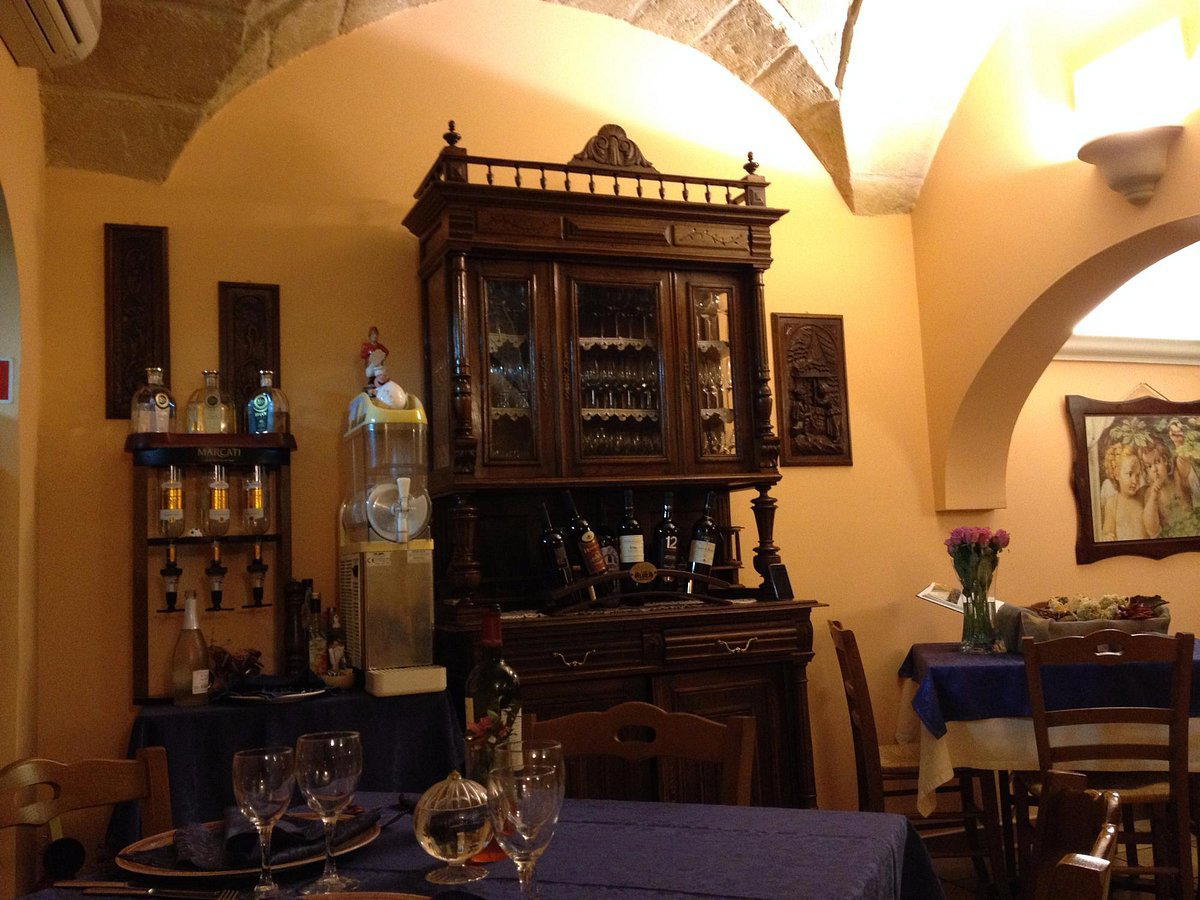
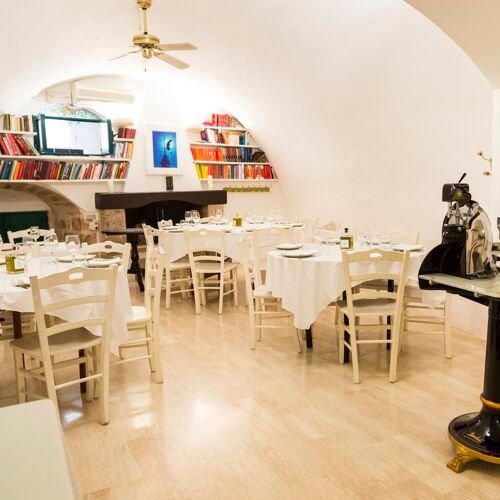
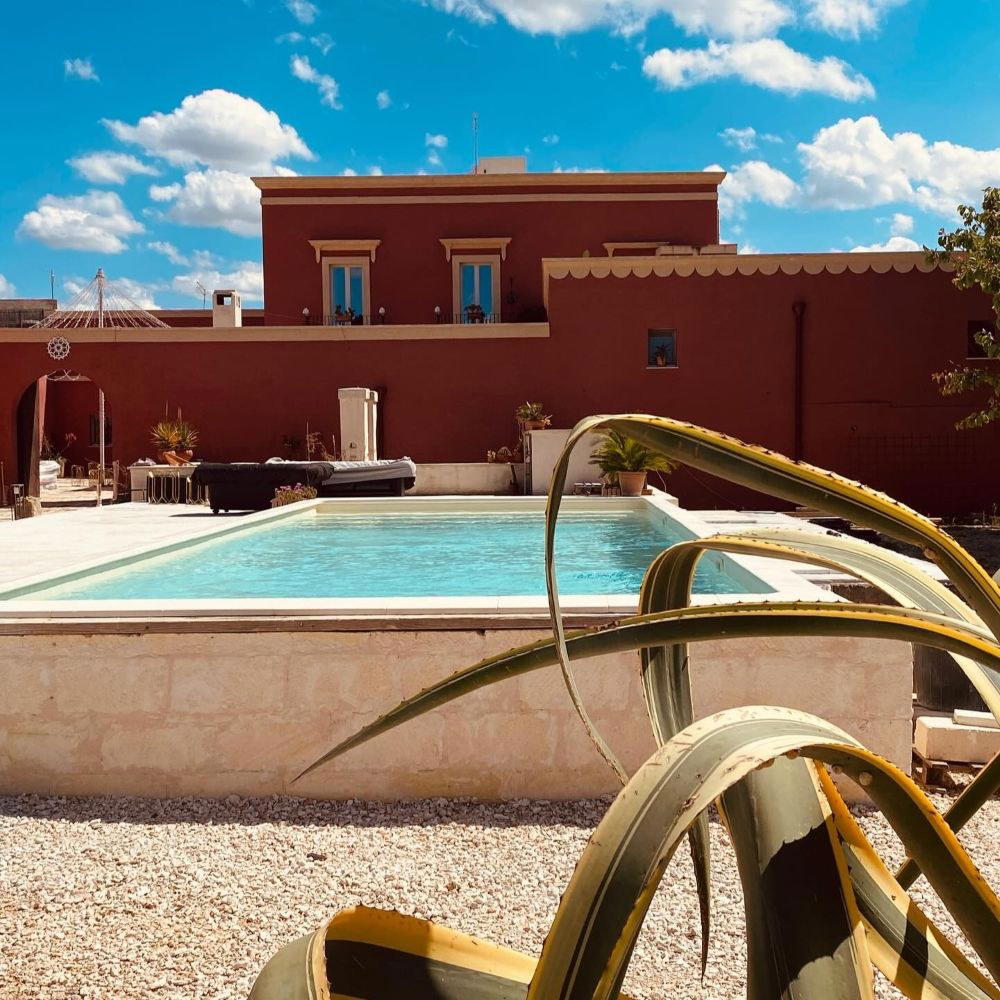
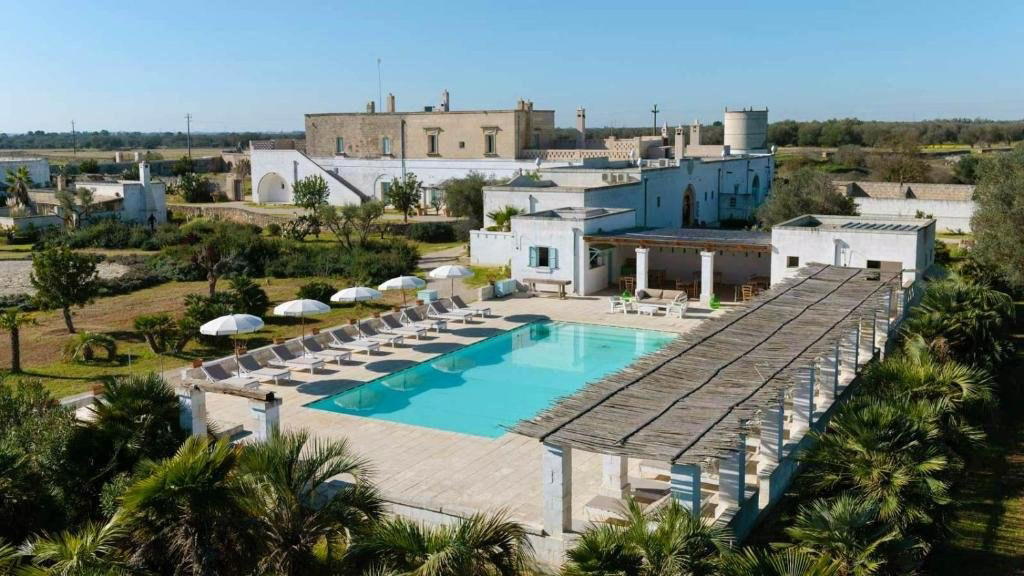
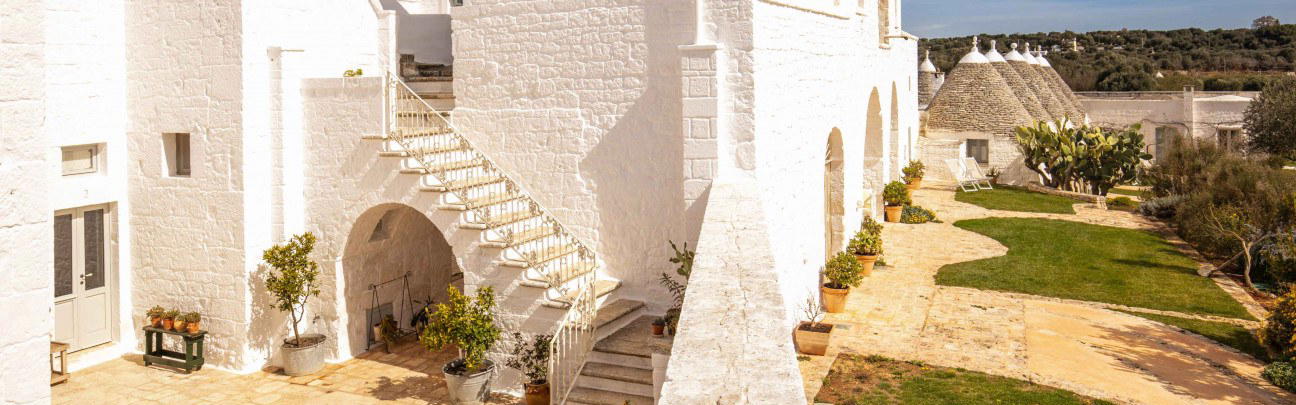
The hospitality format follows the same logic. This is not presented as a polished resort winery with a long list of staged experiences. The model is more practical: guided tasting, winery visit, estate grounds, and a wine-education angle. The visit type is walk-in friendly, the atmosphere is conversational, and the setting is described as a coastal winery in Leporano rather than an urban tasting bar. For travelers building a Puglian wine day, that makes it a lower-friction stop than appointment-only cellars with formal pacing.
The estate opened in 1994, which places it in the modern wave of southern Italian producers that helped move Puglia from bulk-wine reputation toward bottled regional identity. That timing matters. Over the last three decades, international demand for Primitivo and Negroamaro has rewarded producers able to make powerful, accessible wines while keeping a clear appellation story. The winery’s standout feature is exactly that: a Salento producer centered on Primitivo di Manduria, with supporting bottles rooted in the region’s signature red and white grapes.
Winemaking picture points toward conventional production and a medium scale rather than a tiny experimental cellar. Some premium Primitivo bottlings use oak maturation, including American and French oak in one documented case, while the broader range includes still reds and whites rather than sparkling or fortified formats. The result is a house identity built around ripe southern fruit, familiar regional denominations and producer accessibility, not avant-garde technique.
How to place it in a Leporano wine itinerary
Leporano is better understood as part of a coastal Salento circuit than as a stand-alone wine capital. The appeal is cumulative: local producers, Ionian geography, seafood-oriented dining nearby, and the chance to taste Primitivo close to the territory that shaped it. The winery fits a casual-to-educational slot in that itinerary, especially for drinkers who want to connect Primitivo di Manduria with Negroamaro, Verdeca and Malvasia bianca in a single producer context.
For more local wine planning, the broader Leporano winery circuit includes Varvaglione 1921 and Vigne & Vini, while our full Leporano wineries guide gives the wider view. Dining, sleeping and after-dark planning sit separately in our full Leporano restaurants guide, our full Leporano hotels guide, our full Leporano bars guide and our full Leporano experiences guide.
Within the wider Italian winery index, useful contrasts come from producers outside the immediate area: A Mano Wine in Noci for another Puglian reference point, a6mani in Fragagnano for southern Puglian context, and farther-afield listings such as 3GP SRL in Treviso, 47 Anno Domini in Trebaseleghe, Abbadia Ardenga in Torrenieri, Abbazia di Crapolla in Neapel, »der Steiner« Hans Steiner in Podersdorf am See and & Handwein in Mannheim. The winery’s value is more specific than grand: it gives a direct reading of Salento through the grapes that made the region visible.
Recognition history
Dated appearances from independent guides and award organizations, with the underlying list record or original source where available.
Falstaff Winery - Listed
Falstaff
Continue exploring
More in Leporano
Wineries in Leporano
Browse all →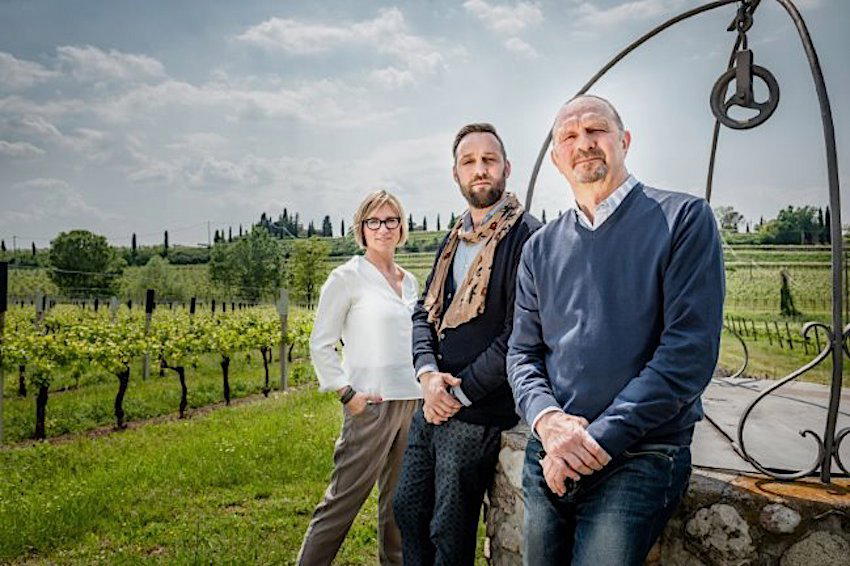
Bars in Leporano
Browse all →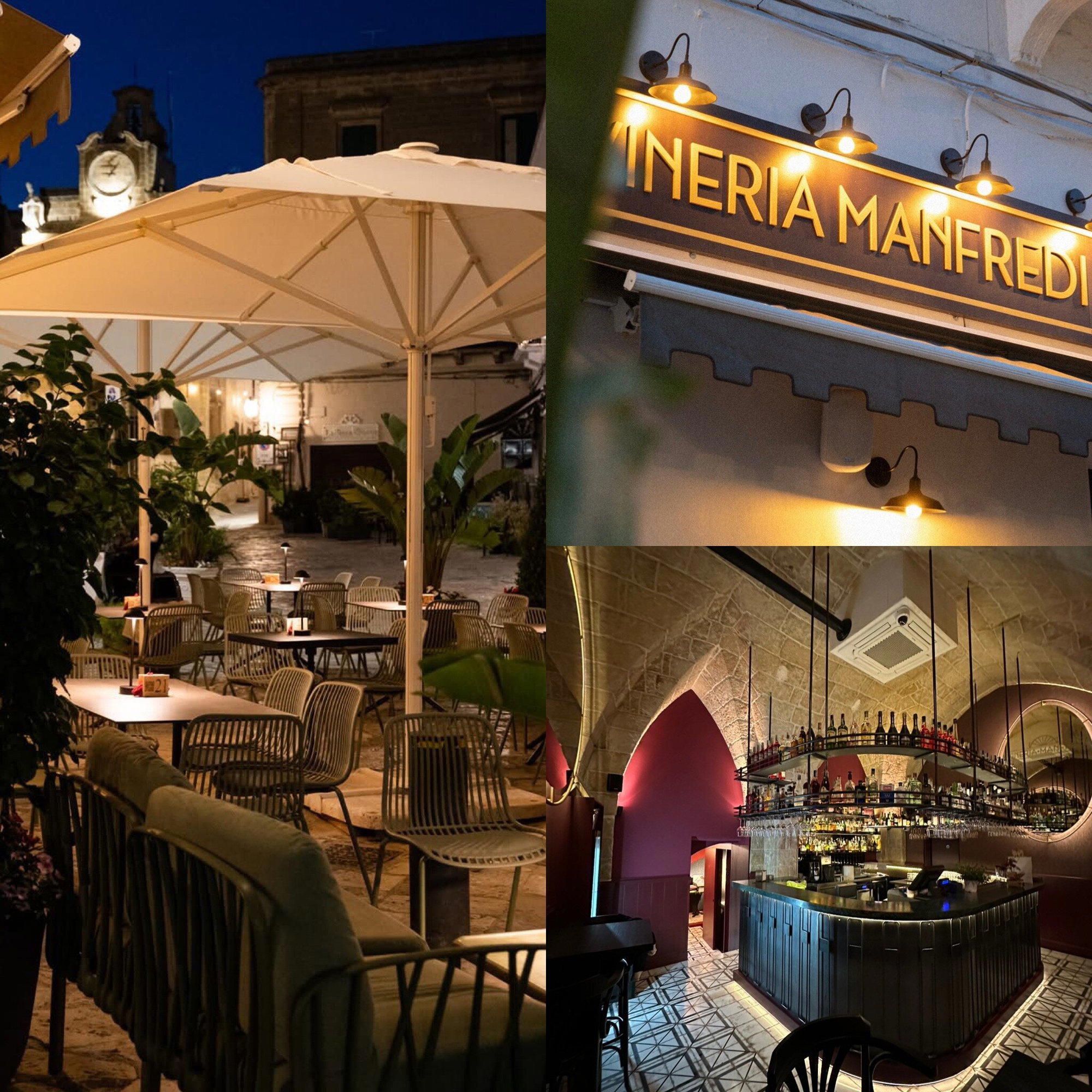
Restaurants in Leporano
Browse all →


At a Glance
- Rustic
- Classic
- Group Outing
- Wine Education
- Solo Exploration
- Vineyard Tour
- Estate Grounds
- Primitivo Di Manduria DOC
- Primitivo
- Negroamaro
- Verdeca
- Malvasia Bianca
- Still Red
- Still White
- Guided Tasting
- Winery Visit
A Salento-focused winery on the Ionian coast with a regional, vineyard-centered atmosphere and a practical producer layout rather than a luxury hospitality setup.