
Michelin Selected
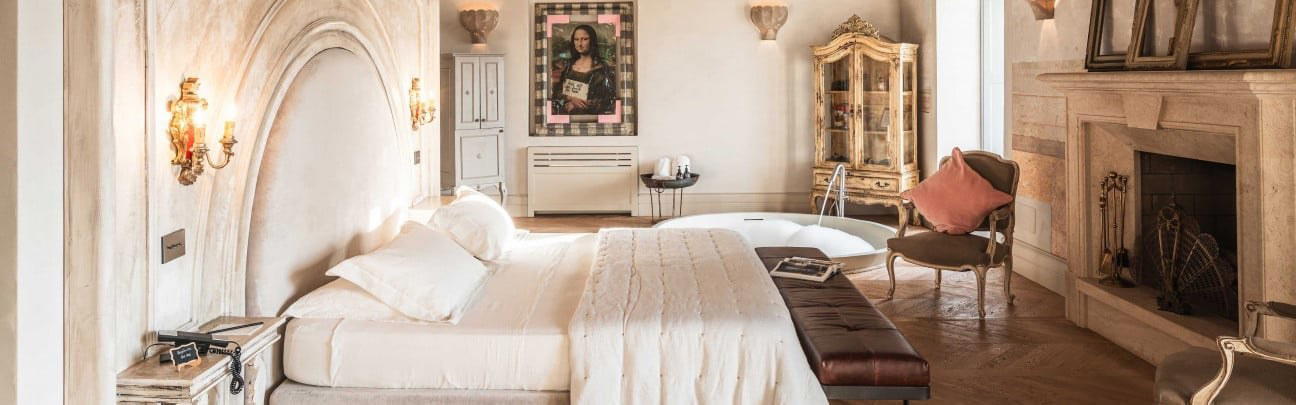
A Michelin Selected masseria in Puglia's Taranto province, Masseria Bagnara Resort & Spa represents the slow conversion of a working agricultural estate into a place worth staying. The whitewashed stone architecture, spa facilities, and position deep in the Salento countryside place it in the smaller-scale, design-conscious tier of southern Italian rural hospitality, a category that rewards guests willing to travel beyond the region's better-known coastal resorts.

Pearl is the En Primeur Club membership app, where members save venues, book tables and use the concierge.
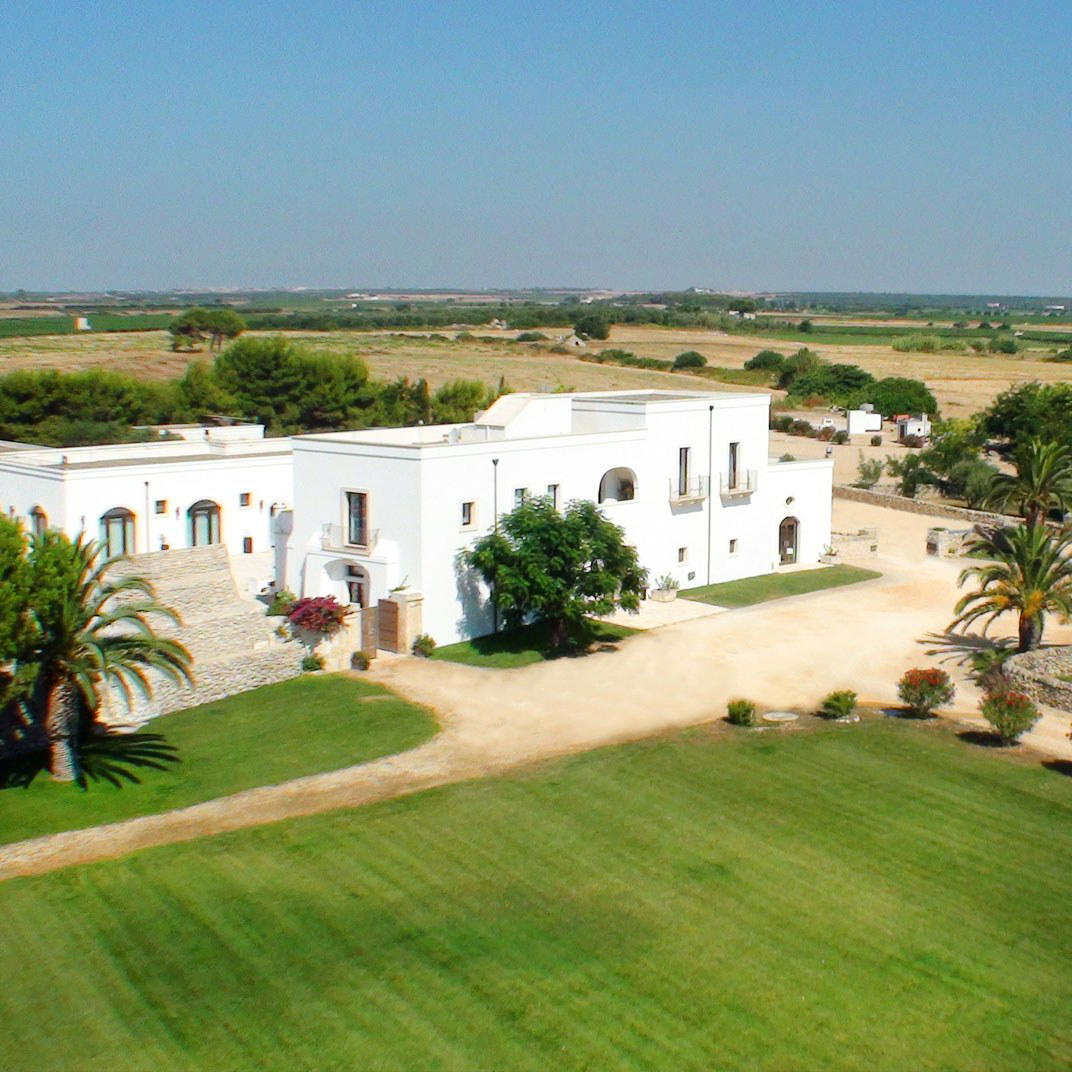
Stone, Silence, and the Pugliese Masseria Tradition
The masseria as a hospitality format has a specific grammar. These fortified farmhouses, built across Puglia from the sixteenth century onward to protect agricultural workers and their harvests from coastal raids, were never designed for comfort in the contemporary sense. Thick limestone walls, small window openings, interior courtyards that functioned as working yards, the architecture was defensive and practical. What has happened over the past two decades, as the masseria conversion movement gathered pace across the Taranto and Brindisi provinces, is that this same structural logic has been reread as a hospitality asset: the thermal mass that kept summer heat out now makes for cool, quiet interiors; the enclosed courtyard that once corralled livestock now frames aperitivo hour; the whitewashed exterior that signalled rural Puglia to passing travellers now signals a particular kind of considered retreat.
Masseria Bagnara Resort & Spa sits within this tradition, on Strada Provinciale 125 outside Lizzano, a small agricultural town in the province of Taranto. In a region where the masseria conversion spectrum runs from bare-bones agriturismi to the full-scale resort infrastructure of properties like Borgo Egnazia in Savelletri di Fasano, Michelin Selected functions as a signal that Masseria Bagnara clears a meaningful quality threshold without necessarily competing in the same category as the region's largest operations.
Reading the Architecture
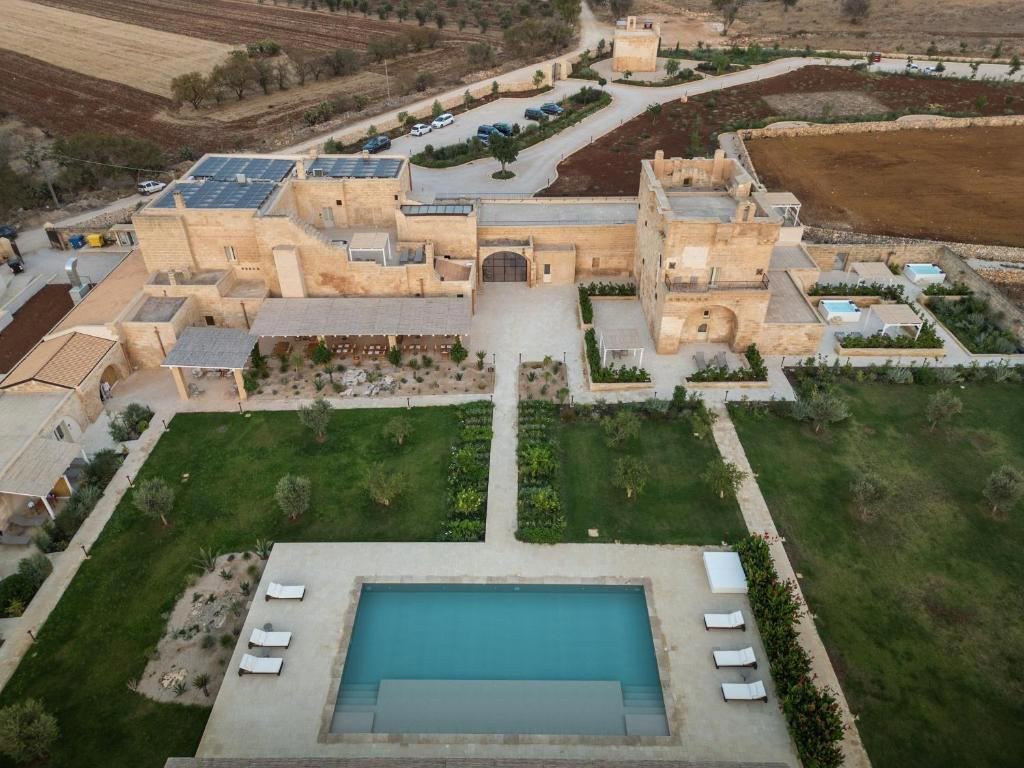
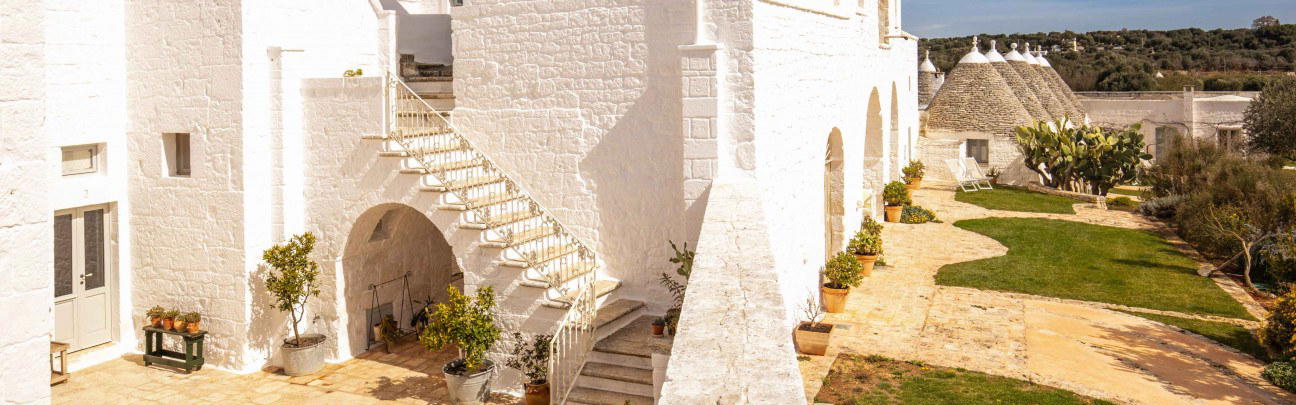
The visual language of the southern Italian masseria is consistent enough to be legible across properties: exterior walls in pietra leccese or local limestone, rendered white or left in the raw warm-grey of the stone itself; terracotta or stone-flagged floors inside; arched doorways and vaulted ceilings in the older agricultural sections. What varies between conversions is how much of the working farmhouse vocabulary survives renovation and how aggressively contemporary interventions are introduced. Properties that lean hard into modernisation often end up feeling like generic resort products that happen to occupy historic shells. Those that preserve the rougher textures, the uneven plasterwork, the functional proportions of rooms built for storage rather than sleeping, tend to read more honestly as places with actual histories.
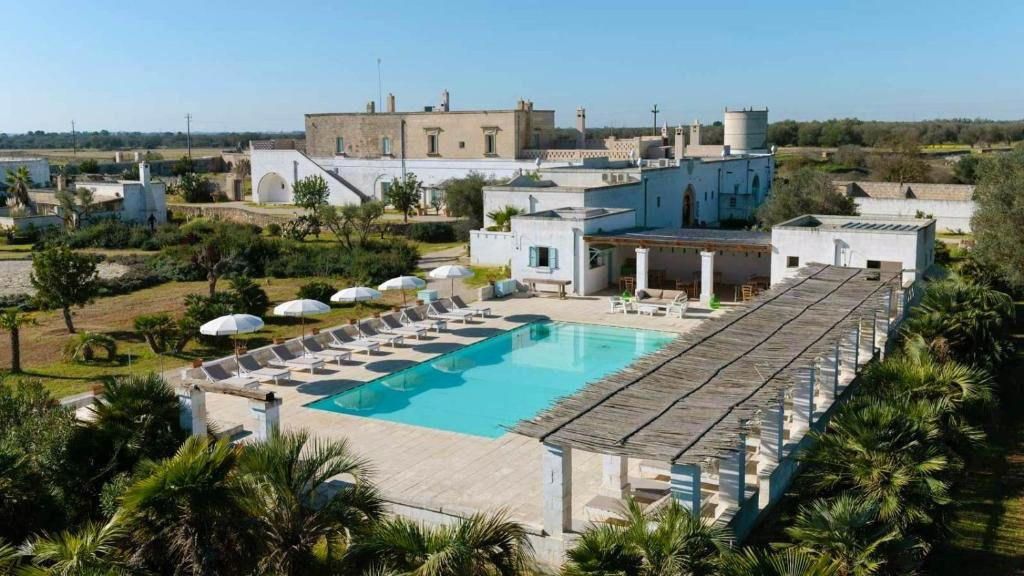
The resort and spa designation at Masseria Bagnara signals that the property has moved beyond the stripped-back agriturismo model toward a more complete amenity set. A spa within a masseria context typically means the addition of wellness infrastructure, pool, treatment rooms, possibly thermal facilities, layered into or adjacent to the existing structure. The question for any masseria conversion is always whether that layering reads as coherent or as a collision of eras. The Michelin recognition suggests the execution at Bagnara lands on the coherent side of that line.
For comparison points, consider how the masseria typology differs from other Italian rural hospitality formats. The Tuscan borgo model, as practiced at properties like Rosewood Castiglion Del Bosco in Montalcino or Borgo San Felice Resort in Castelnuovo Berardenga, involves a cluster of buildings forming a small village, which allows for more varied room types and a more campus-like feel. The masseria is typically a single consolidated structure, which concentrates the atmosphere but limits the sense of spatial variety. That concentration is either the appeal or the constraint, depending on what you are looking for.
Lizzano and the Interior Salento
Lizzano occupies the inland strip of the Salento peninsula, south of Taranto and west of the Ionian coast. It is not a destination that draws independent tourist traffic in the way that Lecce or Otranto do, which is precisely why a property here represents a different kind of Puglia trip. The town itself is a working agricultural centre, the kind of place where the rhythms of olive and wheat cultivation still set the local calendar. Staying in this context rather than at one of the coastal resort concentrations around Fasano or Monopoli means accepting less immediate access to the Adriatic and the Adriatic-adjacent infrastructure, beach clubs, seafood-focused restaurants, the full summer social apparatus of the Pugliese coast, in exchange for a more interior, quieter version of the region.
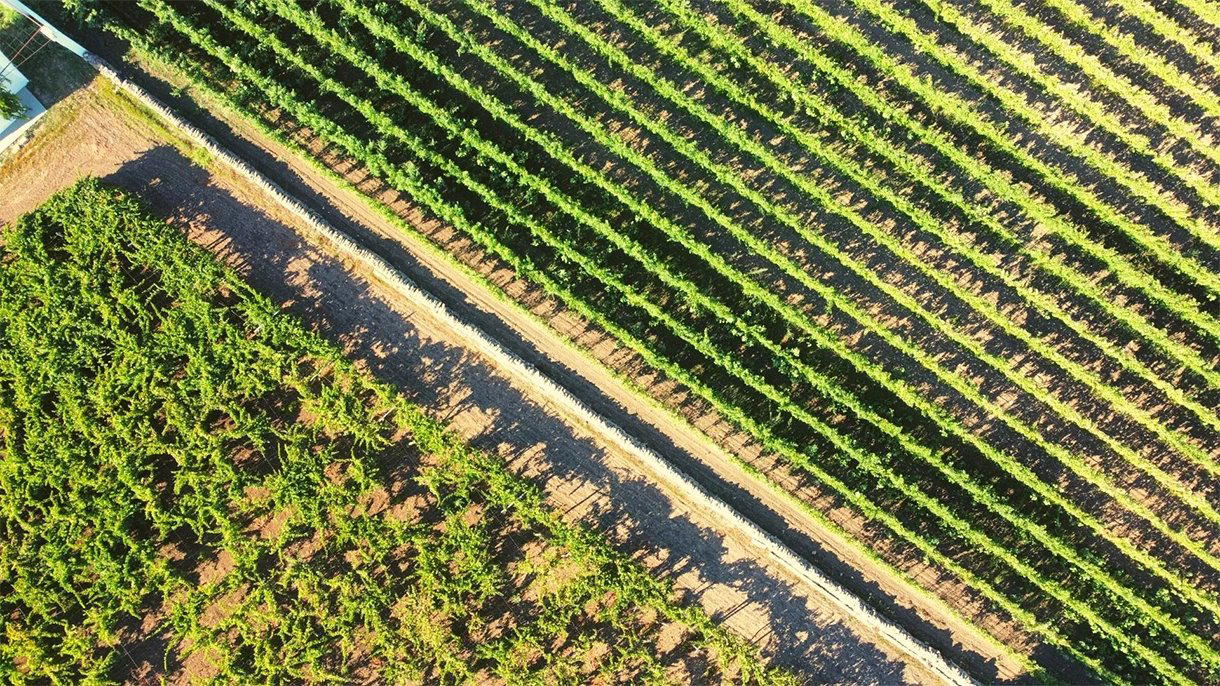
That trade-off is consistent with how the premium rural hospitality tier has evolved across southern Italy more broadly. The market has split between properties positioned primarily as bases for coastal access and those that position the agricultural interior as the destination itself. Masseria Bagnara, in Lizzano rather than on the coast, falls into the second category. Guests arriving here are choosing the Taranto province's olive groves and dry-stone walls as the frame for their stay, not the Adriatic. For those already familiar with Puglia's coastal offer, or those comparing this against other Italian rural properties like Castello di Reschio in Lisciano Niccone or Castel Fragsburg in Merano, that framing will either be the draw or the dealbreaker.
Where It Sits in the Puglia Premium Tier
Puglia's premium accommodation market has deepened considerably since the early 2000s, when a small number of pioneering masseria conversions effectively created the category. The result is a layered market: a handful of large-format resort properties with extensive food and beverage programming, a mid-tier of Michelin Selected and independently recognised masserias, and a longer tail of smaller agriturismi operating with fewer amenities. Masseria Bagnara's Michelin Selected status places it in the middle tier of that structure, above the basic conversion, below the full-scale resort operations that generate their own destination gravity.
For guests with broader Italian itineraries, Puglia's interior properties pair logically with time in Matera (Basilicata, roughly 90 minutes northwest of Taranto), the Greek-influenced Lecce (under an hour south), or Taranto itself, whose archaeological museum holds one of southern Italy's most significant collections of Magna Graecia artefacts. The region's proximity to both Brindisi and Bari airports makes it more accessible from northern Europe than the drive time from Rome or Naples might suggest.
Readers building wider Italian itineraries that extend beyond the south might also consider how Puglia properties compare against the full range of Michelin-recognised options covered in our guides: from the Venetian palazzo format of Aman Venice to the Florentine urban luxury of Four Seasons Hotel Firenze, or lake properties like Passalacqua in Moltrasio and Grand Hotel Tremezzo. The masseria format occupies a distinct niche in that broader Italian field, rural, architecturally specific, and tied to an agricultural landscape that has no equivalent in the north. See also our full Lizzano restaurants guide for dining context in the area.
Planning a Stay
The Pugliese interior is leading visited between late April and June, or in September and October. July and August bring peak temperatures into the high thirties Celsius across the Taranto plain, and while a masseria spa and pool setup is designed precisely for that heat, the surrounding landscape reads better, green rather than scorched, in the shoulder seasons. The property is located on Strada Provinciale 125 outside Lizzano; a car is necessary for independent movement in this part of the province, as public connections between smaller towns in the interior are infrequent. Brindisi airport sits roughly 50 kilometres to the northeast, making it the most practical arrival point for guests flying into the region.
A Quick Peer Check
Comparable venues nearby, for context on price, style, and recognition.
| Venue | Cuisine | Price | Awards | Notes |
|---|---|---|---|---|
| Masseria Bagnara Resort & SpaThis venue (the venue you are viewing) | Renovated historic masseria with contemporary luxury | $300–500 | Michelin Selected | Not listed |
| Auberge de La Maison | traditional alpine chalet with modern comforts | $300–500 | Michelin Selected | Entrèves |
| Casa Fantini | Contemporary boutique blending historic and modern architecture | Not listed | Michelin Selected | Pella |
| Bra Hotel | Contemporary luxury boutique hotel positioned as an urbanely stylish retreat combining high-end design with personalized service in the heart of modern Bari. | $300–500 | 1 Michelin Key | Murat |
| Furnirussi Tenuta | Countryside luxury resort | $100–200 | Michelin Selected | Serrano |
| Le Calette | Mediterranean architecture following the natural contours of the coastline | $200–300 | Michelin Selected · Virtuoso Luxury Hotel Partner | Cefalu |
Recognition history
Dated appearances from independent guides and award organizations, with the underlying list record or original source where available.
Michelin Selected
Michelin

Continue exploring
More in Lizzano
Hotels in Lizzano
All hotels in Lizzano →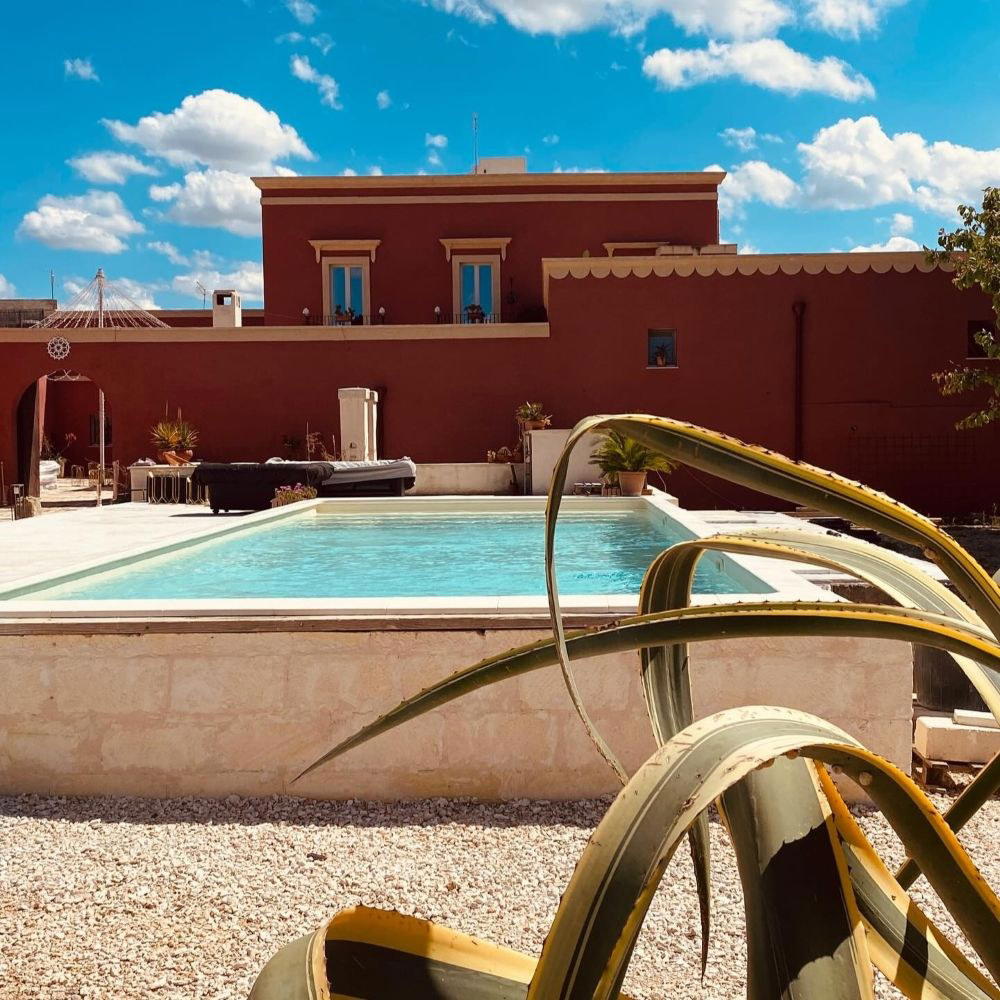
Bars in Lizzano
Browse all →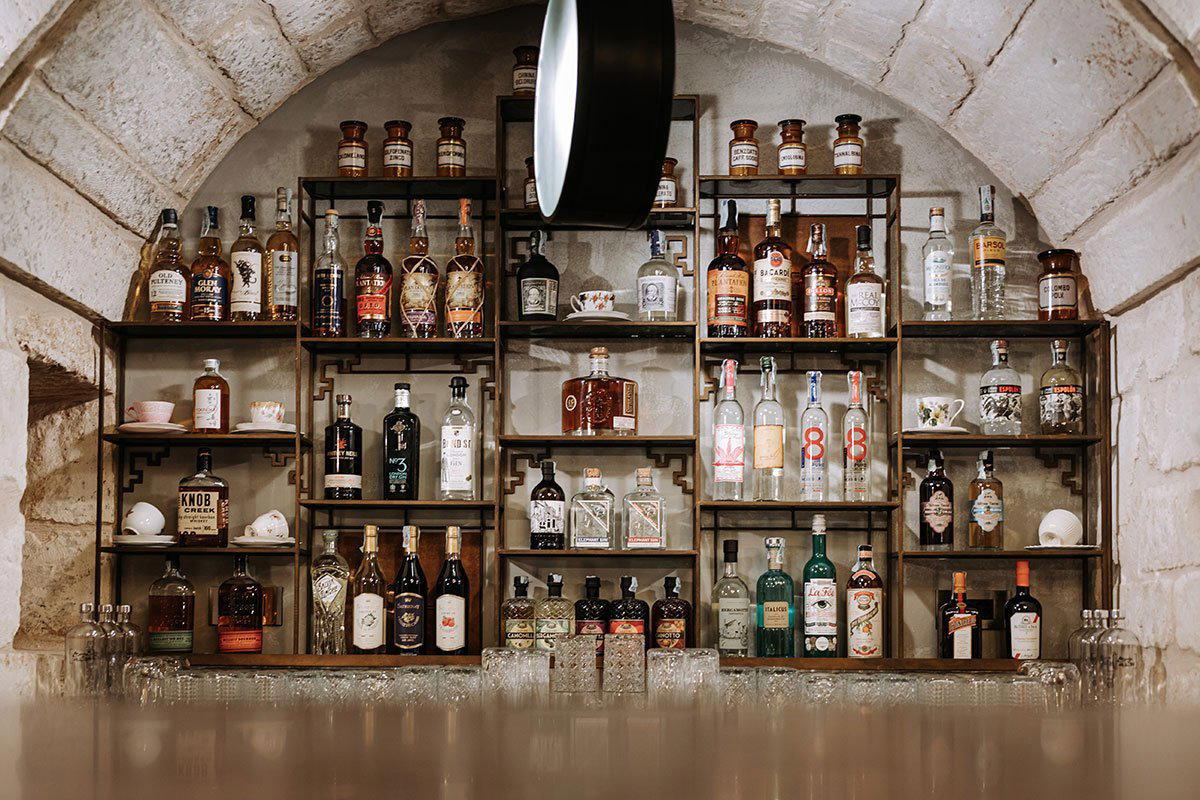
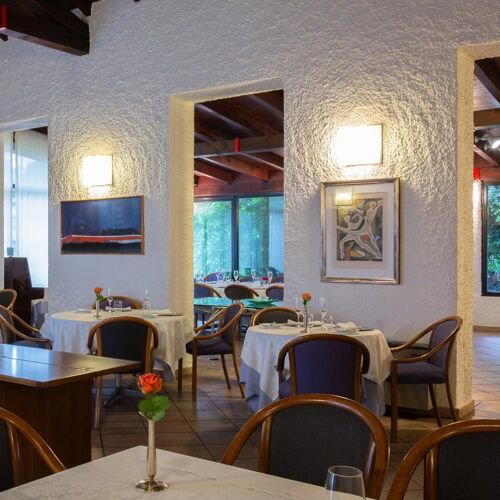
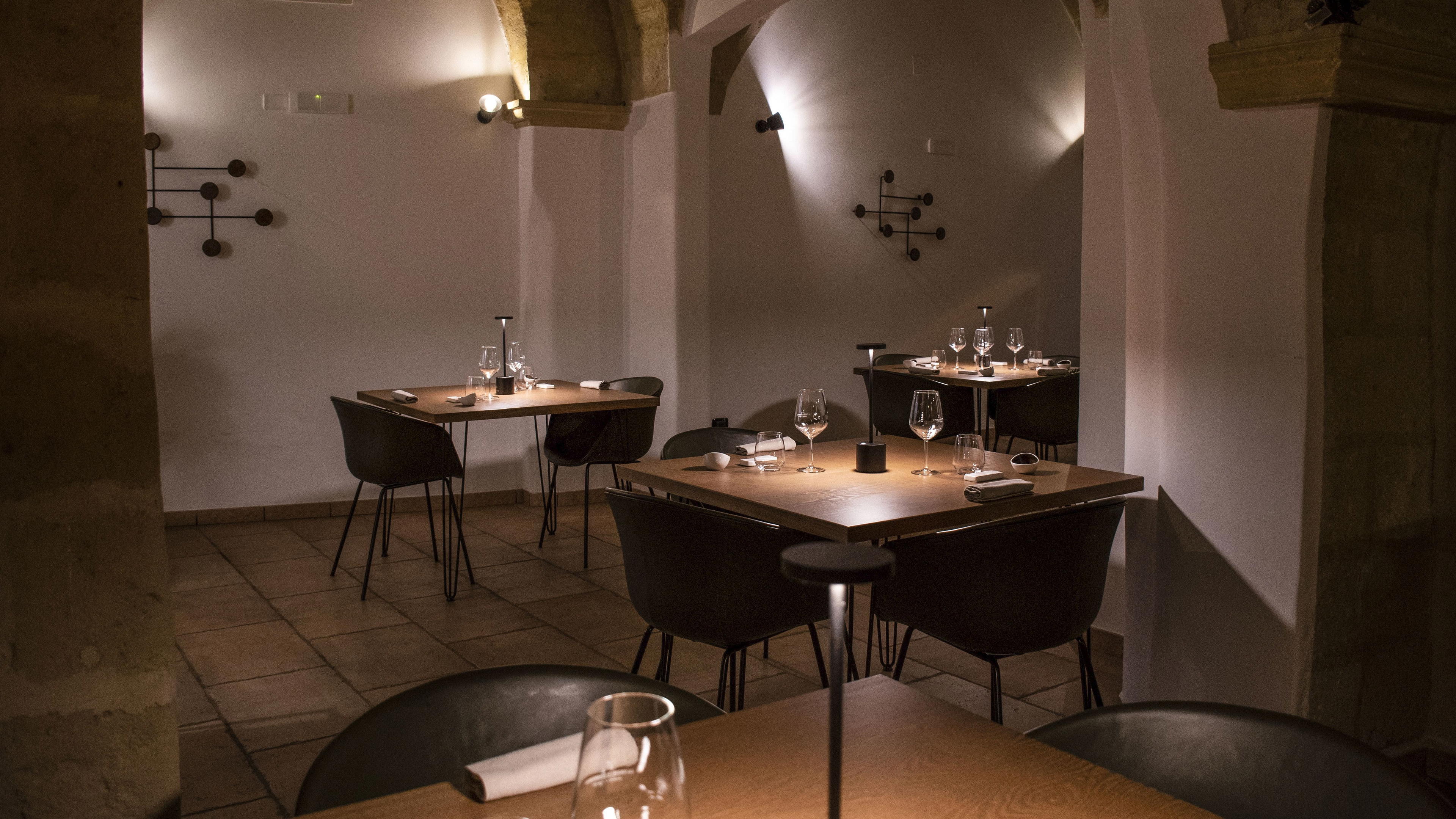

Details
- Romantic
- Elegant
- Quiet
- Rustic
- Sophisticated
- Honeymoon
- Romantic Getaway
- Wellness Retreat
- Anniversary
- Infinity Pool
- Destination Spa
- Garden
- Terrace
- Wi Fi
- Pool
- Spa
- Fitness Center
- Room Service
- Concierge
- Restaurant
- Bar
- Bicycle Rental
- Garden
- Step Free Entrance
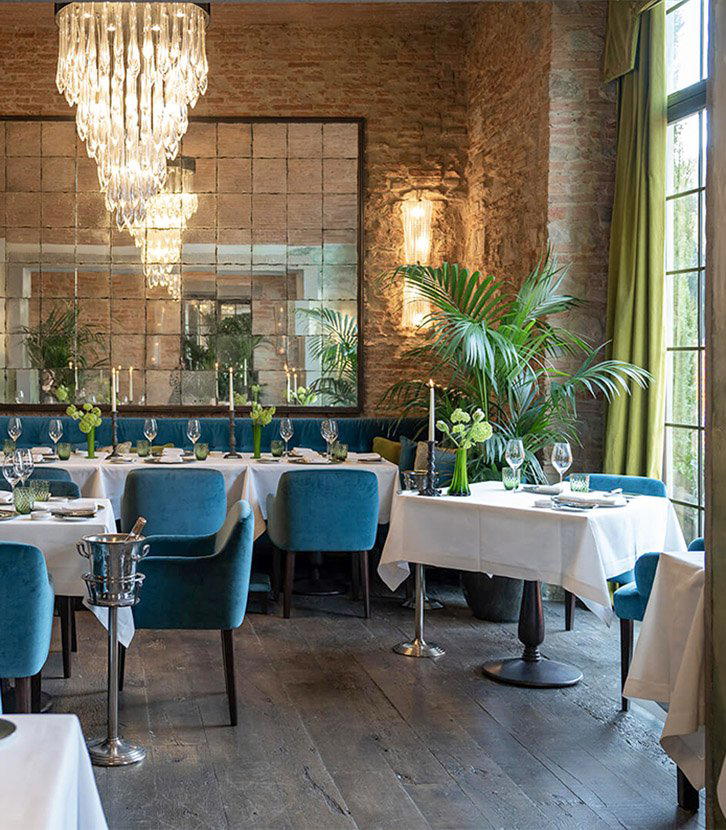
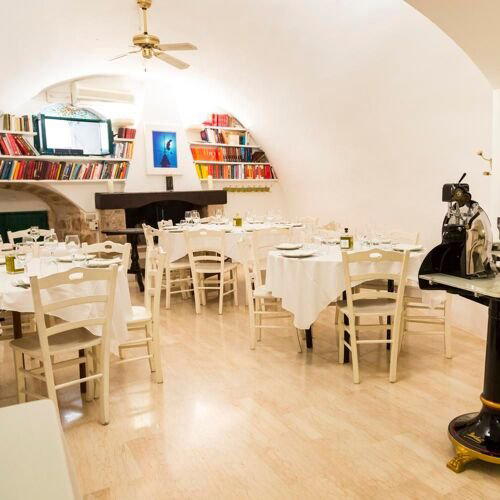
Tranquil oasis of calm with bright white and neutral interiors, sun-bleached stone, pebbled walkways, manicured gardens, and a glamorous relaxing atmosphere.