Fattoria Le Bocce

Fattoria Le Bocce is a Chianti Classico estate in Greve in Chianti with a rural Panzano setting, native-variety vineyards, and a production model kept on site from vinification through aging and packaging. The point here is terroir rather than spectacle: Sangiovese, Canaiolo, Colorino, vineyard views, quiet estate grounds, and a practical farm-winery atmosphere.
Pearl is the En Primeur Club membership app — saves, bookings, and concierge access live there. Same editors, same standards.
- Address
- Greve in Chianti, Tuscany, Italien
 Saves & bookings on Pearl
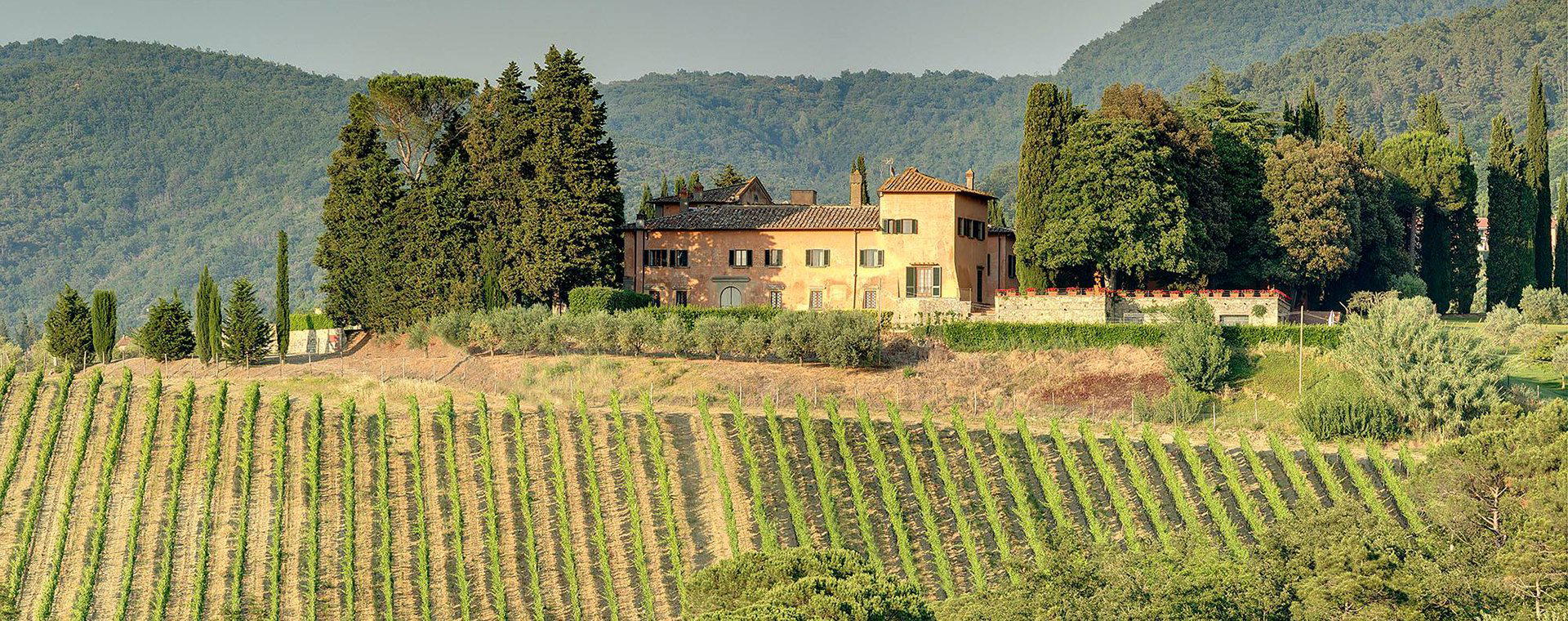
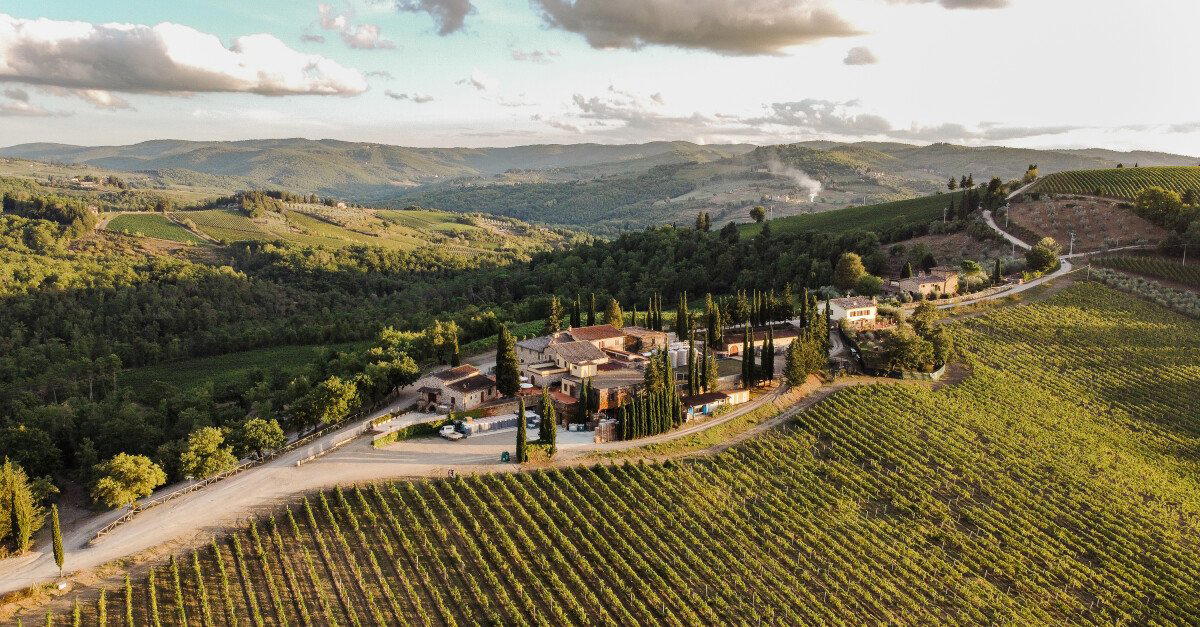
Approaching Greve in Chianti, the rhythm changes from village streets to vineyard rows, farm buildings, and the quieter geometry of worked land. Fattoria Le Bocce belongs to that older Tuscan register: not an overtly design-led hospitality address, but a rural estate where the visual language is agricultural first. Its appeal rests in a practical, authentic Chianti countryside setting, with traditional farm buildings surrounded by vineyards and rolling hills. The impression is less about staging and more about context: the sense of being in a place where the landscape, the buildings, and the productive countryside still set the tone. For travellers looking at Greve in Chianti through atmosphere as much as itinerary, that distinction matters. This is a venue to read as part of the countryside rather than as a self-contained destination built around spectacle.
Rural estate atmosphere before tasting-room theatre
Fattoria Le Bocce is best understood through its setting rather than through claims about a formal visitor program, production scale, grape varieties, or awards. The confirmed picture is rustic, scenic, and classic: a Chianti Classico estate ambiance shaped by vineyards, rolling hills, and working farm architecture. Those elements are the substance of the listing, and they should not be treated as secondary decoration. In this case, the countryside is the main frame: rows of vines, practical buildings, and the broader visual calm of a rural estate near Greve in Chianti.
That gives the venue a grounded feel. It suggests a place where the appeal comes from proportion, landscape, and authenticity rather than from a heavily curated visitor narrative. The word rustic is important here, not as a shortcut for roughness, but as a marker of a more direct countryside character. The estate atmosphere sit closer to the agricultural life of Chianti than to a polished tasting-room theatre, which will be a virtue for some travellers and a limitation for others.
One useful trust signal in the information is the estate ambiance itself. That caution is part of using the listing well: the confirmed information is enough to understand the style and setting, but not enough to build a precise visit without verification. In practical terms, Fattoria Le Bocce should be approached as a rural Chianti reference point whose value begins with place, not as a fully documented hospitality package.
Vineyards, farm buildings, and a practical Chianti feel
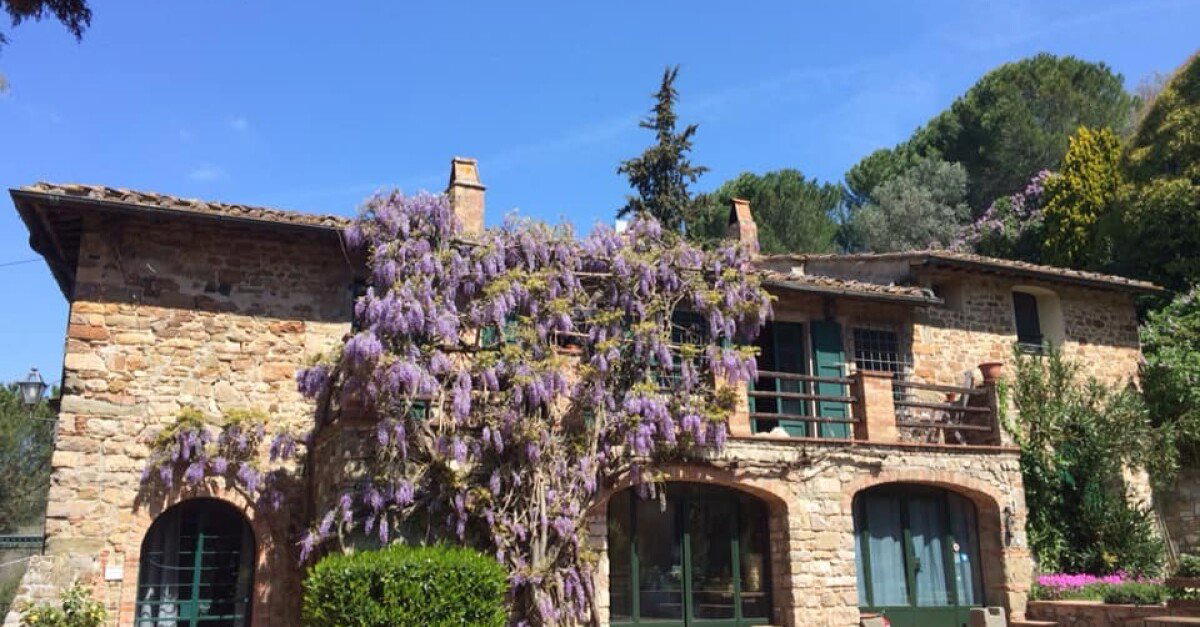
The editorial reason to pay attention is the contrast between scenery and practicality. Tuscany has many places where the countryside is presented as polished hospitality; the description of the winery points instead to a working rural feel, traditional farm buildings, and views shaped by vineyards and hills. That combination gives the setting a familiar Chianti texture: open rural views, agricultural forms, and the sense that the surrounding land is not merely decorative. The estate is described through the materials of the countryside itself, which keeps the emphasis on landscape and function.
That makes it a better fit for travellers who value classic landscape and estate atmosphere over a highly designed experience. The confirmed price category is $$, which places it in a moderate bracket, but no specific inclusions, tasting fees, or service formats are here. It would be a mistake to read more into that category than it can support. What it does provide is a broad expectation of positioning, while the more important confirmed qualities remain visual and atmospheric: vineyards, rolling hills, traditional buildings, and a practical rural character.
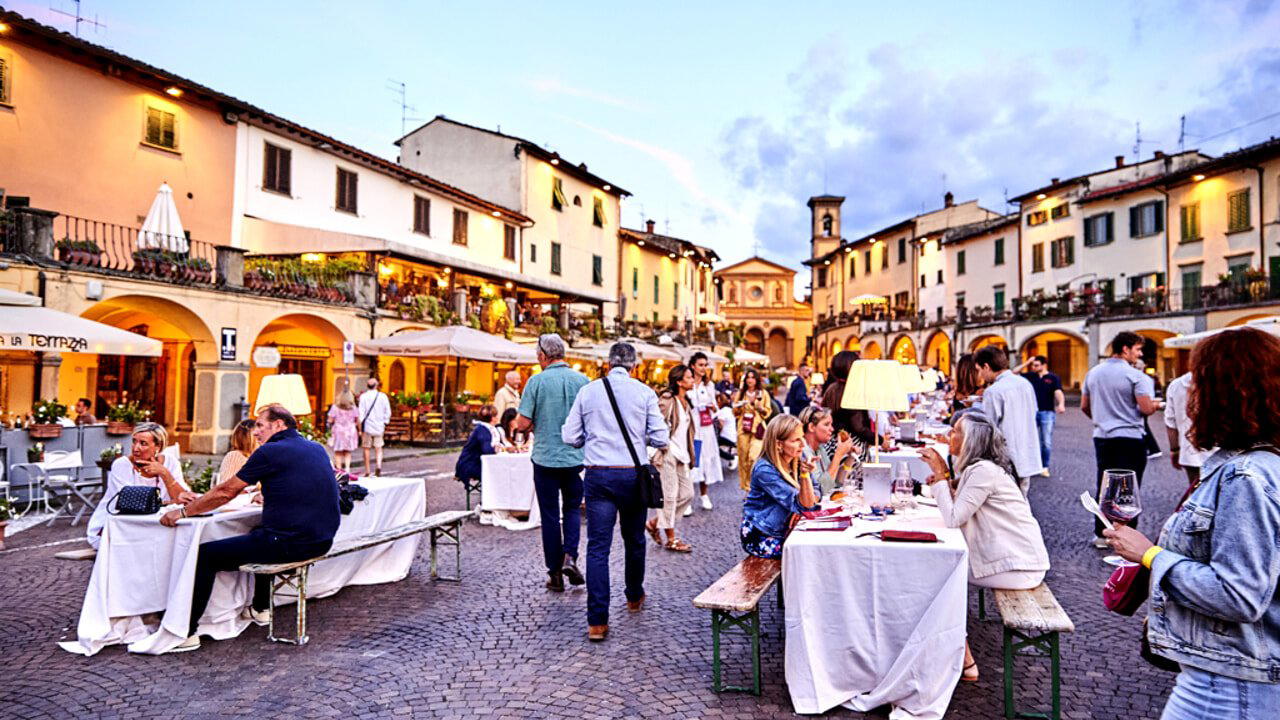
For readers mapping Greve in Chianti, the winery can be considered within the broader local countryside context. It fits the kind of route where the spaces between villages matter, where the transition from built streets to worked land is part of the experience. Its usefulness is not only as a possible stop, but as a marker of the kind of Chianti setting many travellers have in mind: scenic without needing to be ornamental, traditional without needing to make expansive claims. Seen that way, the venue helps round out an understanding of Greve in Chianti beyond the village centre and into the surrounding estate landscape.
Who should put it on a Greve in Chianti route
The winery suits travellers drawn to a rustic, scenic, classic estate atmosphere: vineyards, rolling hills, traditional rural buildings, and a practical production-oriented feel. It is especially relevant for those who do not need every countryside stop to arrive with a detailed list of visitor features in advance. The likely appeal is contemplative and visual as much as transactional: the pleasure of encountering a rural estate whose character is carried by its setting.
The broader lesson is useful for planning in wine country: not every worthwhile rural stop needs to be framed through awards, menus, or elaborate service claims. Based on the confirmed information, the appeal of the winery is direct and grounded: a Greve in Chianti estate setting with an authentic countryside character and a moderate $$ price category. Travellers should keep expectations aligned with what is actually confirmed, then verify practical details before going. With that care, the estate can sit comfortably in a Greve in Chianti route as a landscape-led, traditional-feeling address rather than a promise of a highly structured hospitality experience.
Recognition history
Dated appearances from independent guides and award organizations, with the underlying list record or original source where available.
Falstaff Winery - Listed
Falstaff
Continue exploring
More in Greve in Chianti
Wineries in Greve in Chianti
Browse all →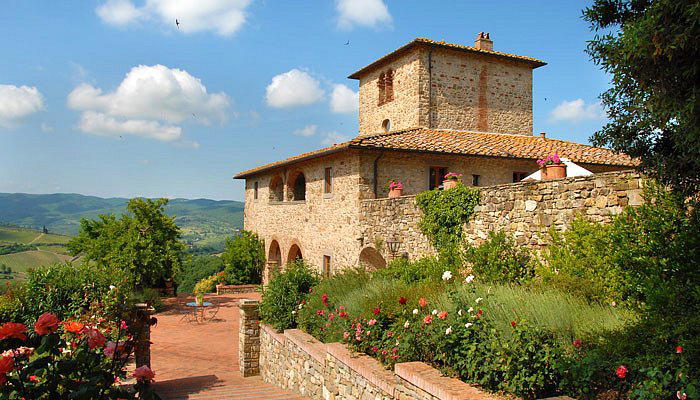
Bars in Greve in Chianti
Browse all →
Restaurants in Greve in Chianti
Browse all →
At a Glance
- Rustic
- Scenic
- Classic
- Intimate
- Wine Education
- Group Outing
- Solo Exploration
- Romantic Getaway
- Estate Grounds
- Vineyard Tour
- Historic Building
- Sustainable
- Vineyard
- Mountain
- Chianti Classico DOCG
- Sangiovese
- Colorino
- Canaiolo
- Still Red
- Still White
- Standard Tasting
- Vineyard Visit
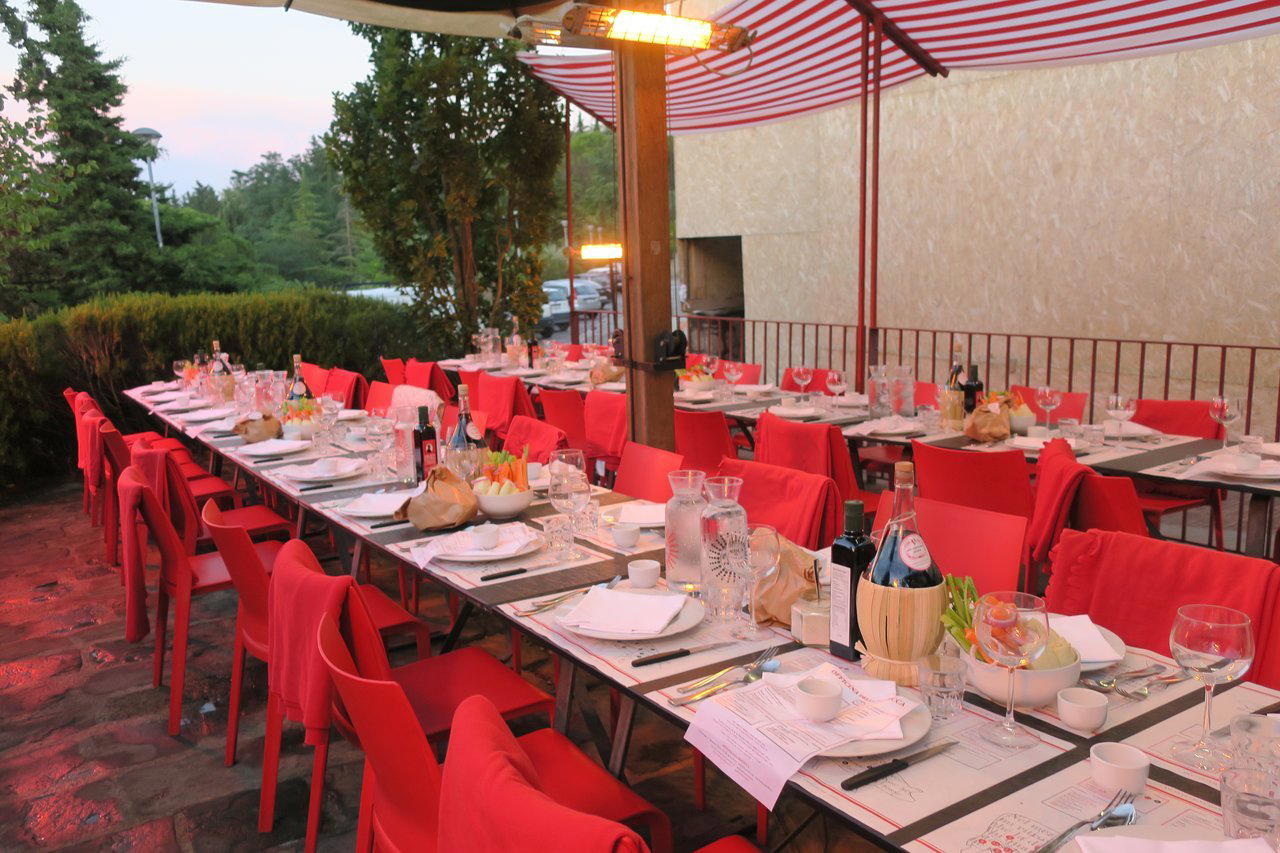
Rural Chianti Classico estate ambiance with traditional farm buildings surrounded by vineyards and rolling hills; focused on production with a practical, authentic feel rather than overtly design-driven hospitality.