
Falstaff Winery - Listed
Domaine Skouras sits along the Argos-Sternas road in Malandreni, one of the Peloponnese's most consequential wine corridors. For anyone tracing the evolution of Nemean and broader Peloponnesian viticulture, this is a reference point worth the detour from Argos.

Pearl is the En Primeur Club membership app, where members save venues, book tables and use the concierge.
The Peloponnese in a Glass: Terroir and Tradition at Malandreni
The road out of Argos toward Sternas cuts through a landscape that has been producing wine longer than most European regions have had names. At the 10th kilometre, the vineyards flanking the Argous-Sternas road belong to a zone where altitude, calcareous soils, and the particular dryness of the northeastern Peloponnese converge to produce conditions that Greek winemakers have spent decades learning to articulate with precision.
The Malandreni area sits at the crossroads of several appellations with serious claims on international attention. Nemea, one of Greece's most credible PDO designations, draws its power from Agiorgitiko, a red variety that shifts character markedly with altitude and vine age. The estates operating along this corridor, including Domaine Skouras, work within a tradition that stretches back through centuries of Peloponnesian winemaking but has only recently been given the technical infrastructure to compete on a global level. That context matters: what arrives in the glass here is not a product of fashion, but of a slow reckoning between a difficult, sun-baked terroir and a generation of producers who chose precision over volume.
What the Soil Says
Northeastern Peloponnese presents winemakers with a climate that is both a gift and a constraint. Summers are long and hot, with the Argolid plain absorbing significant heat, but the elevation shifts available across the wider Nemea zone allow producers to manage ripeness in ways that flatland viticulture cannot. Calcareous and clay-limestone soils retain just enough moisture to keep vines under controlled stress without irrigation dependency, and that stress, managed correctly, translates into concentration without excess alcohol or jammy character.
Agiorgitiko performs differently depending on where it is grown. Lower-altitude fruit tends toward richness, approachability, and early drinkability. As you move upward through the zone, the variety tightens: more acidity, more structure, longer ageing potential. Producers positioned along the Argos-Nemea corridor, including Domaine Skouras, have access to fruit from multiple altitude bands, which gives their winemaking programs a flexibility that single-vineyard estates in more uniform terrain simply do not have.
Greek wine's international credibility has grown steadily since the early 2000s, and the Peloponnese has been one of the primary drivers of that shift. For context, estates like Acra Winery in Nemea and Abraam's Vineyards in Komninades operate within the same broader tradition, each finding a different register of expression from related terroirs. The tier Domaine Skouras occupies, confirmed by its 2025 prestige rating, sits above the regional average and within a small cohort of estates that have made the case for Greek wine on export markets.
Placing Skouras in the Greek Wine Hierarchy
Greek wine has split into identifiable tiers over the past fifteen years. At one end, cooperative-scale production serves domestic demand and tourist volume. At the other, a group of estate producers have pursued quality benchmarks recognisable to buyers familiar with Burgundy, the Rhône, and premium New World regions.
The comparison set for estates at this level is instructive. Across Greece, producers earning equivalent recognition tend to operate with export ambitions, smaller-batch releases for their upper tiers, and a willingness to work with both indigenous varieties and international grapes when terroir justifies it. Along the northern frontier of Greek wine, Alpha Estate in Amyntaio has built a comparable reputation for precision with northern Greek varieties. In the islands, Artemis Karamolegos Winery in Santorini operates within a volcanic terroir that draws a very different type of prestige. Domaine Skouras anchors the Peloponnesian argument in this conversation.
The broader Greek winemaking scene also includes producers working with very different raw material: Aiolos Winery in Palaio Faliro, Aoton Winery in Peania, and Anatolikos Vineyards in Xanthi each represent distinct regional identities within the Greek portfolio. For context on prestige-level winemaking outside Greece, Accendo Cellars in St. Helena and Artisans Vignerons de Naoussa in Stenimachos offer reference points for what award-level recognition means in different wine cultures.
Visiting Malandreni: What to Expect
Estate sits at the 10th kilometre of the Argous-Sternas road in Malandreni, Argos 212 00. The drive from Argos takes approximately 15 minutes and passes through agricultural land that gives a clear sense of the broader growing environment.
Argos area itself rewards unhurried exploration. Verino Distillery is another producer operating out of the same city, offering a different angle on the regional spirits and wine tradition. For visitors working through the wider Peloponnesian wine circuit, Achaia Clauss in Patras provides historical context for how the region's wine industry developed over the past 150 years, while Akrathos Newlands Winery in Panagia and Apostolakis Distillery in Volos extend the map further north for those building a broader Greek producer itinerary. The Aberlour distillery in Scotland offers a useful international reference for what estate-level prestige production looks like in a very different climate and tradition. Our full Argos restaurants and producers guide covers the wider food and drink picture across the city and its surroundings.
Practical note for serious wine visitors: Peloponnesian estates at this tier are worth contacting ahead of any visit to confirm tasting availability and current release schedules. The rhythm of harvest and cellar work means that visit experiences vary significantly by season, with the period from late summer through early autumn bringing the most activity to estates across the Nemea zone.
How It Stacks Up
Comparable venues nearby, for context on price, style, and recognition.
| Venue | Cuisine | Price | Awards | Notes |
|---|---|---|---|---|
| Domaine SkourasThis venue (the venue you are viewing) | Agiorgitiko, Moschofilero | $30–50 | Falstaff Winery - Listed | Not listed |
| Zefyros Distillery | Winery | Not listed | Not listed | Athens |
| Troupis Winery | Moschofilero, Agiorgitiko | Not listed | Falstaff Winery - Listed | Mantinia |
| Agathangelou Distillery | Winery | Not listed | Not listed | Mytilene |
| Kanellopoulos Distillery | Winery | Not listed | Not listed | Patras |
Recognition history
Dated appearances from independent guides and award organizations, with the underlying list record or original source where available.
Falstaff Winery - Listed
Falstaff
Continue exploring
More in Argos
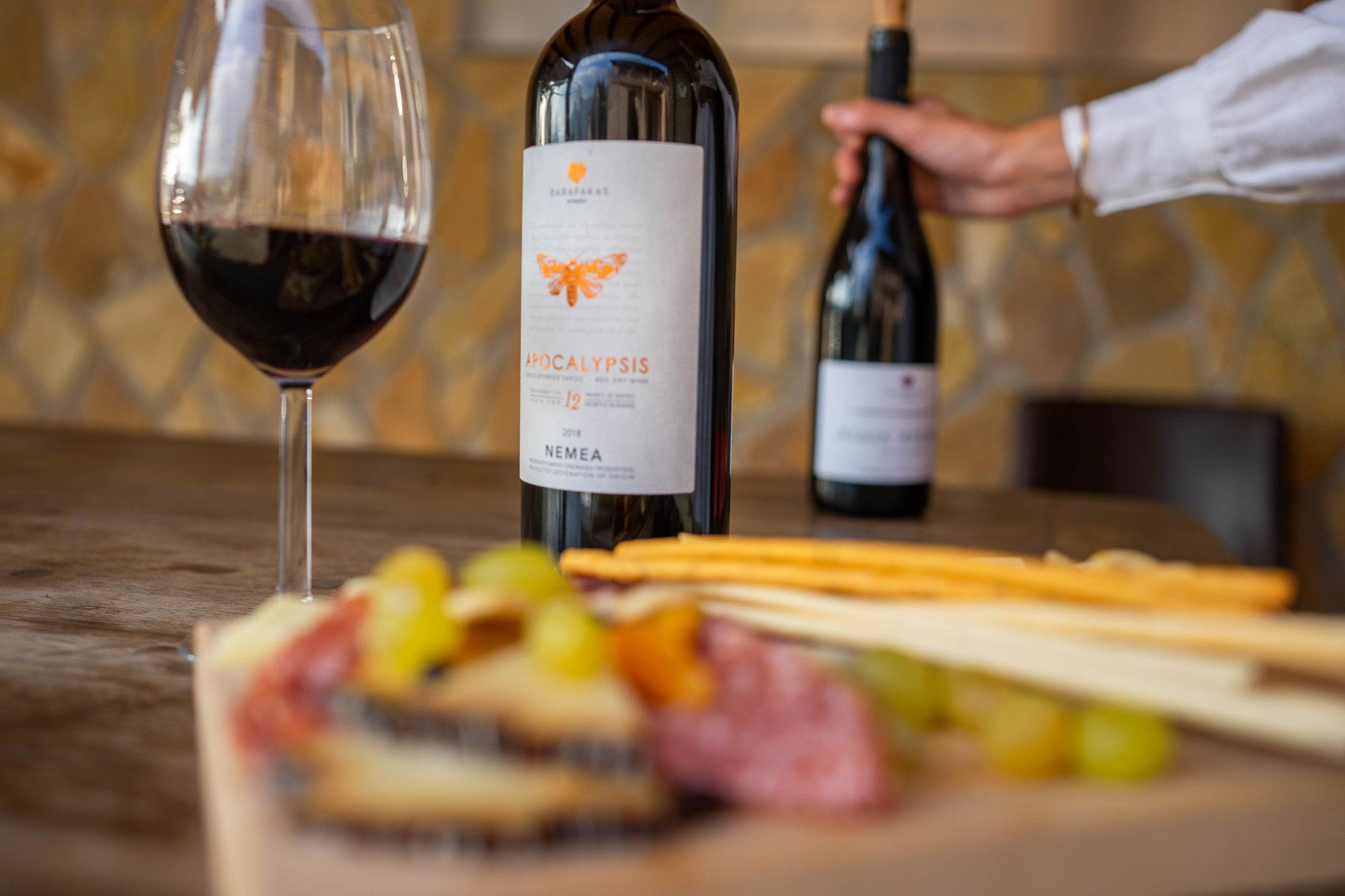
Wineries in Argos
All wineries in Argos →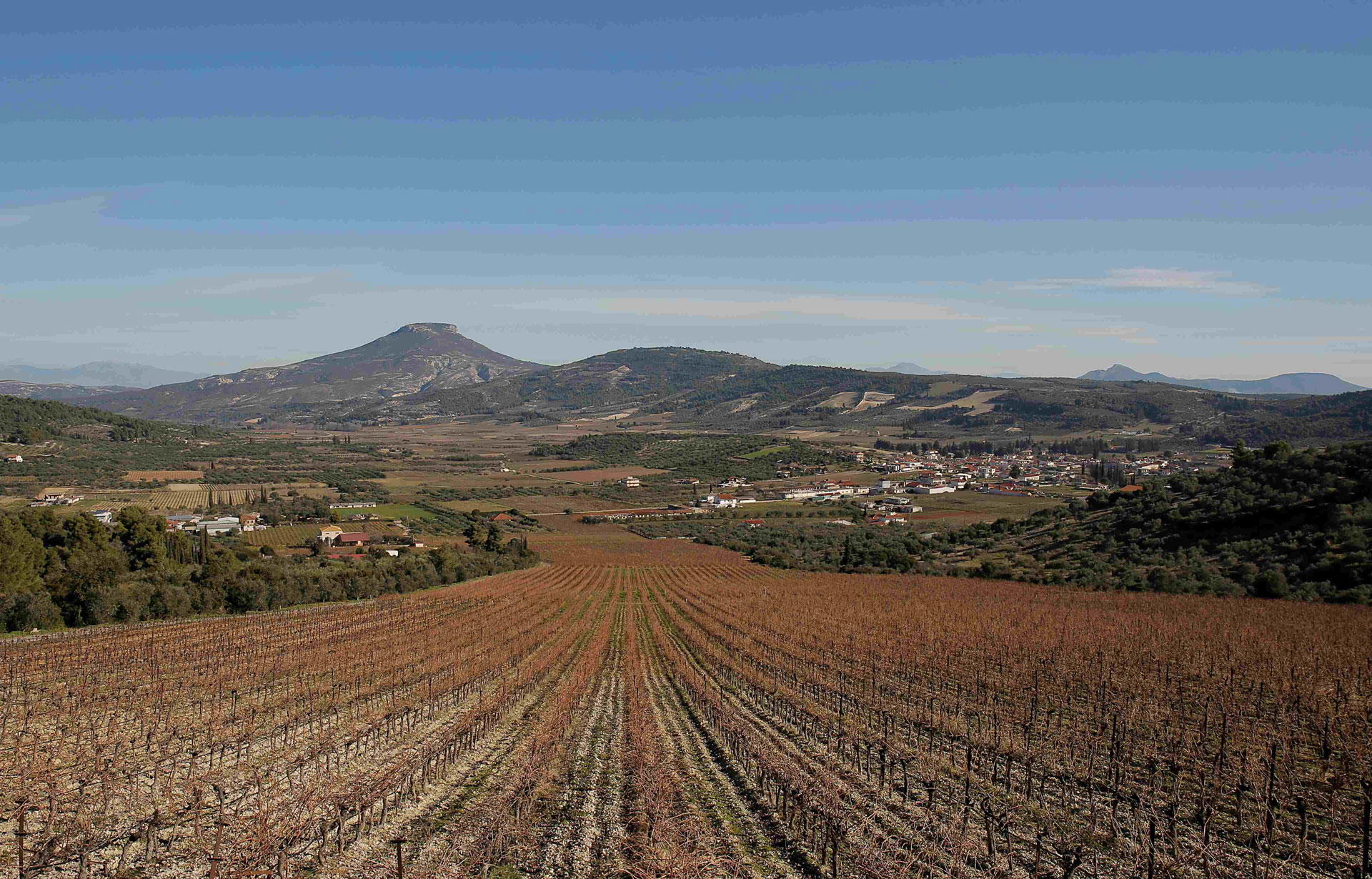

Restaurants in Argos
Browse all →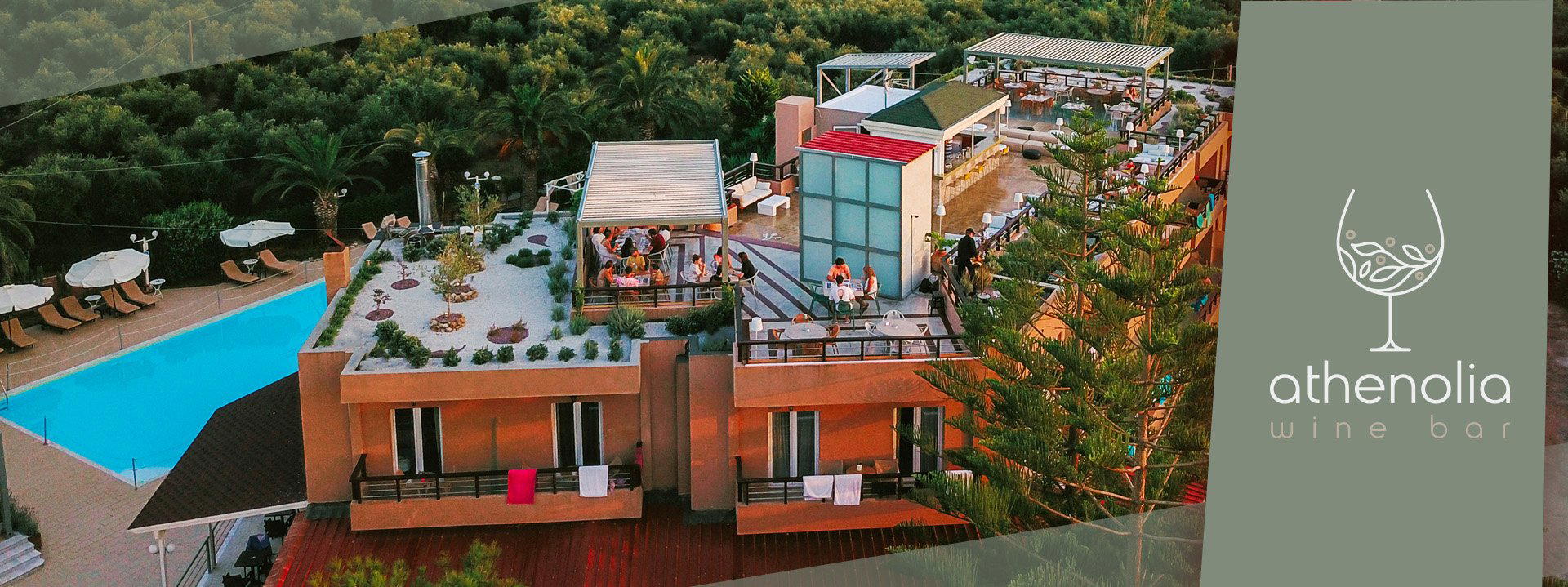
Hotels in Argos
Browse all →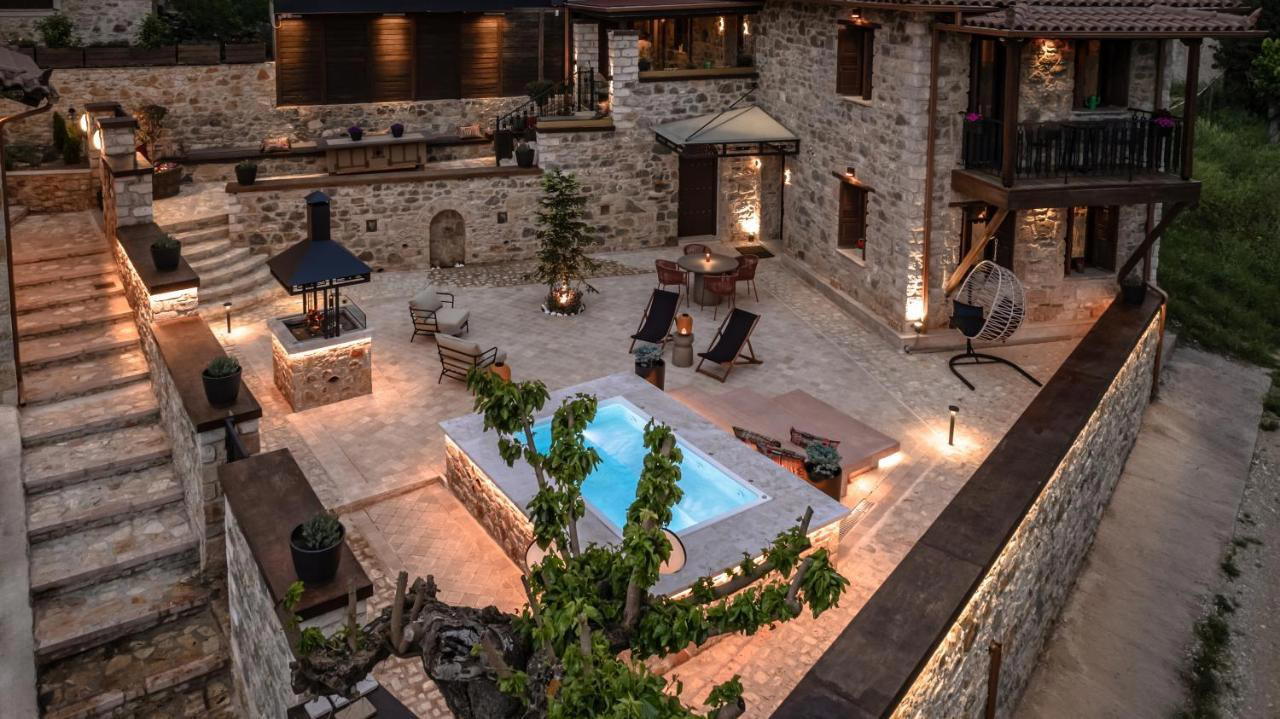
Details
- Elegant
- Modern
- Scenic
- Sophisticated
- Wine Education
- Romantic Getaway
- Group Outing
- Special Occasion
- Vineyard Tour
- Estate Grounds
- Barrel Room
- Private Tasting
- Terrace
- Sustainable
- Vineyard
- Agiorgitiko
- Moschofilero
- Cabernet Sauvignon
- Syrah
- Viognier
- Chardonnay
- Merlot
- Cabernet Franc
- Still Red
- Still White
- Still Rosé
- Wine Tasting
- Vineyard Tour
- English
- Greek
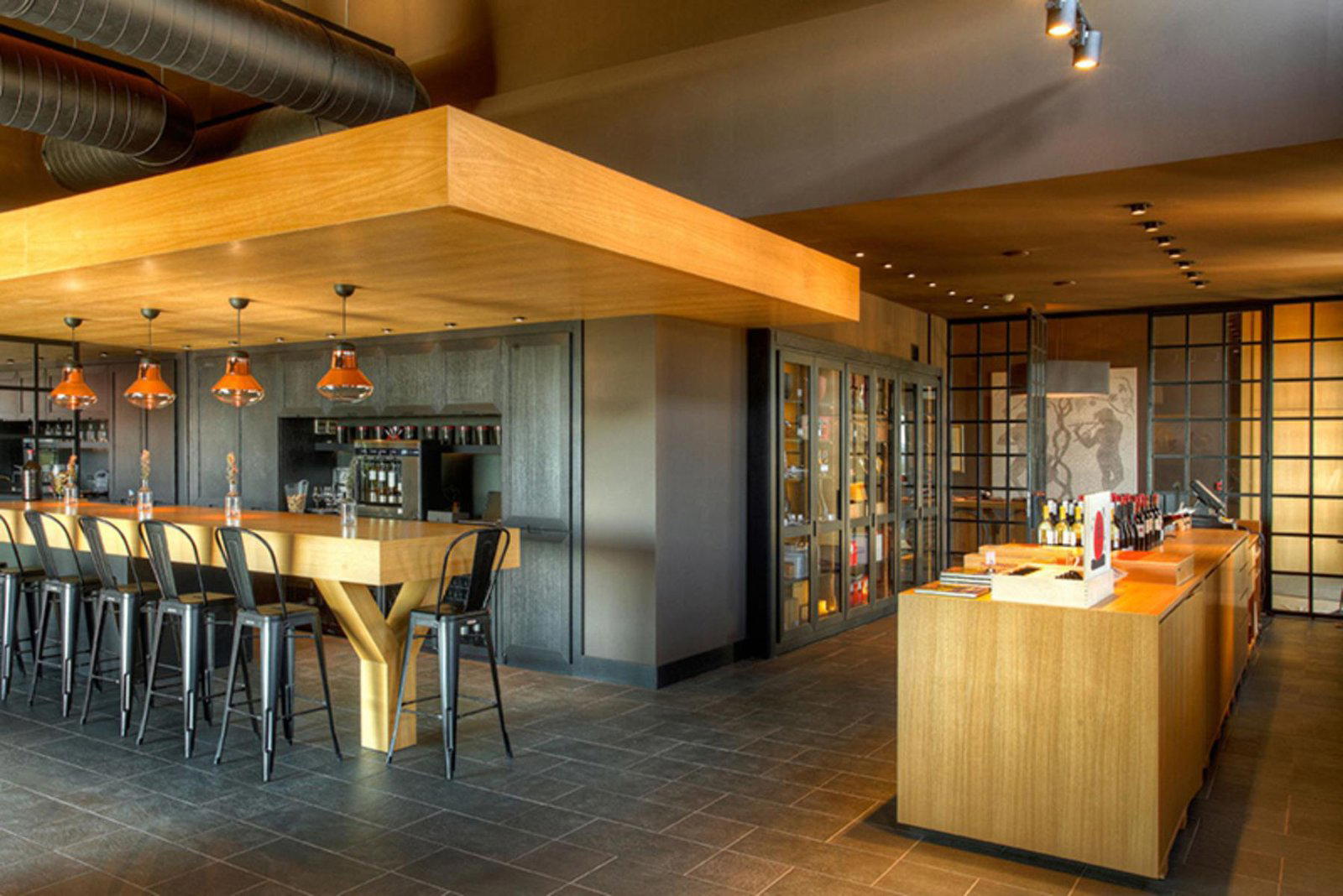
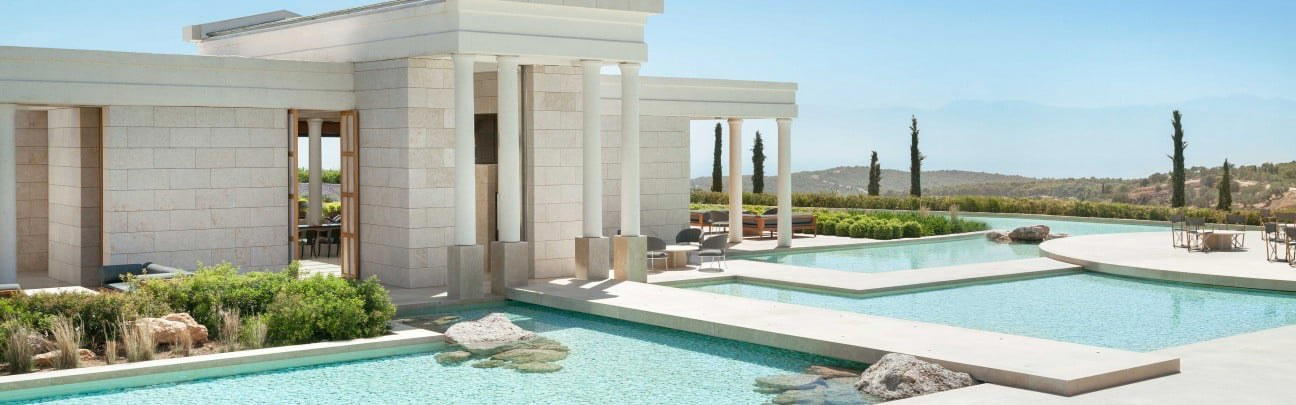
Spare, clean lines with honey-colored stone blending seamlessly into the landscape; ultra-modern, pared-down interiors opening onto vineyards with natural light and contemporary design.